


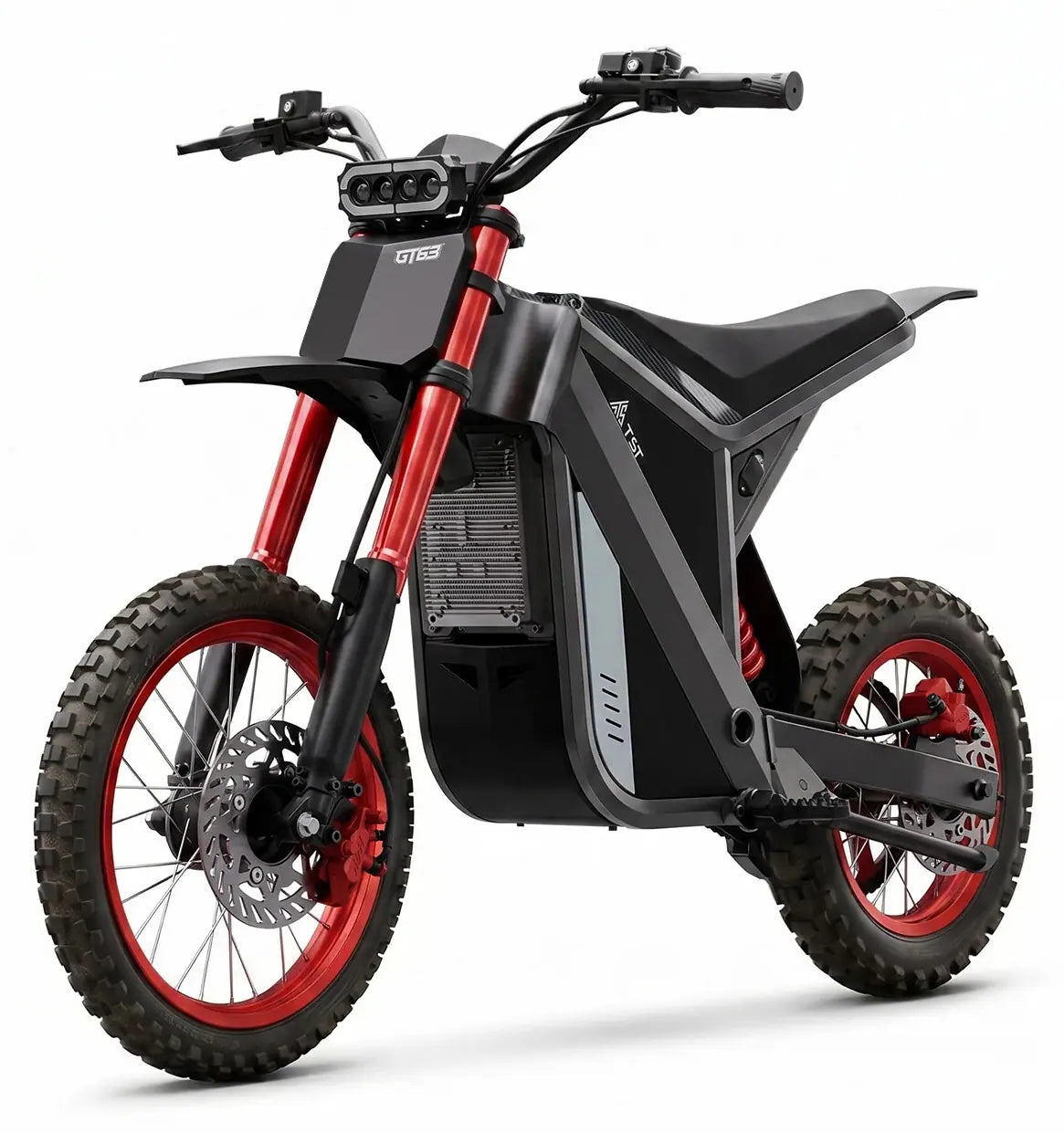

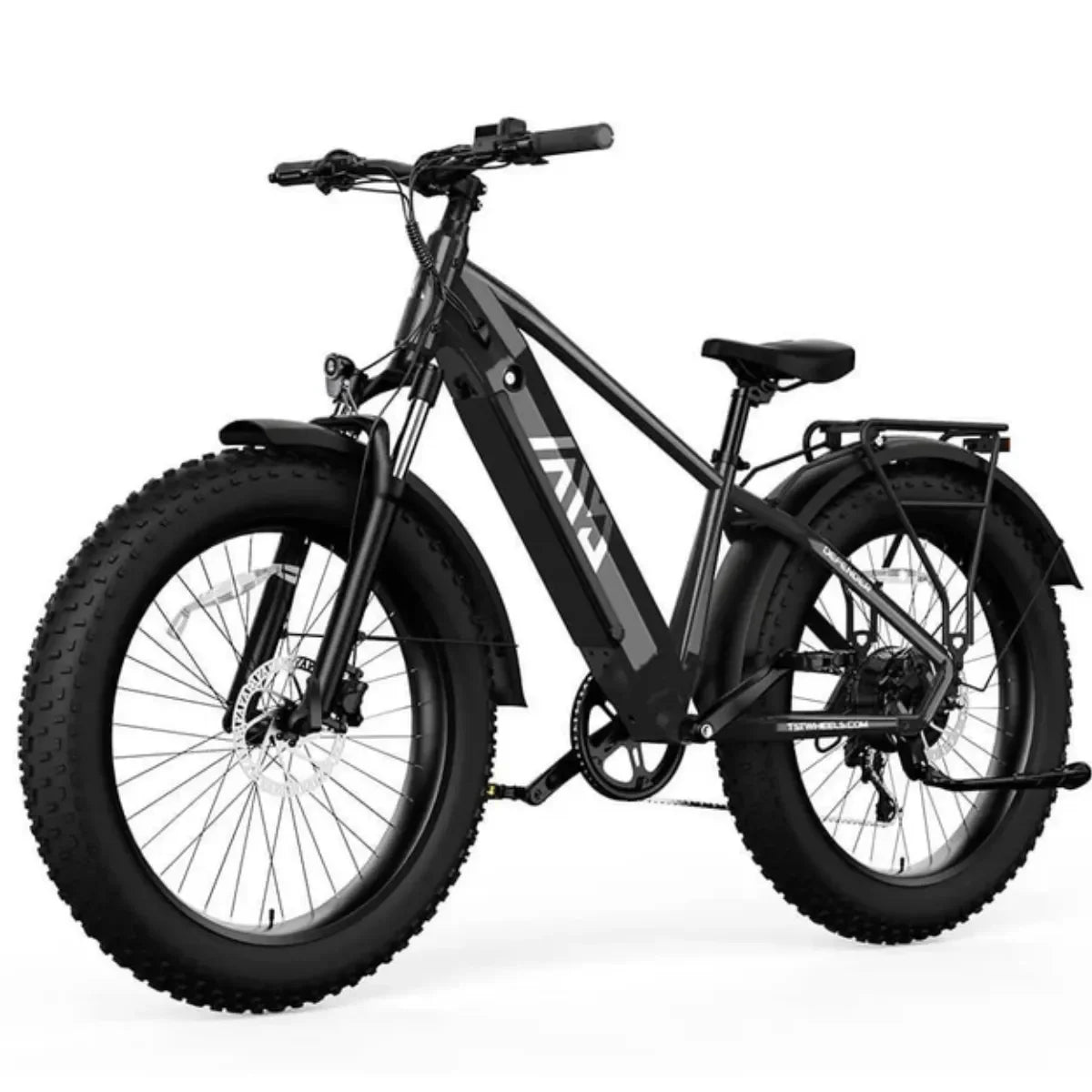
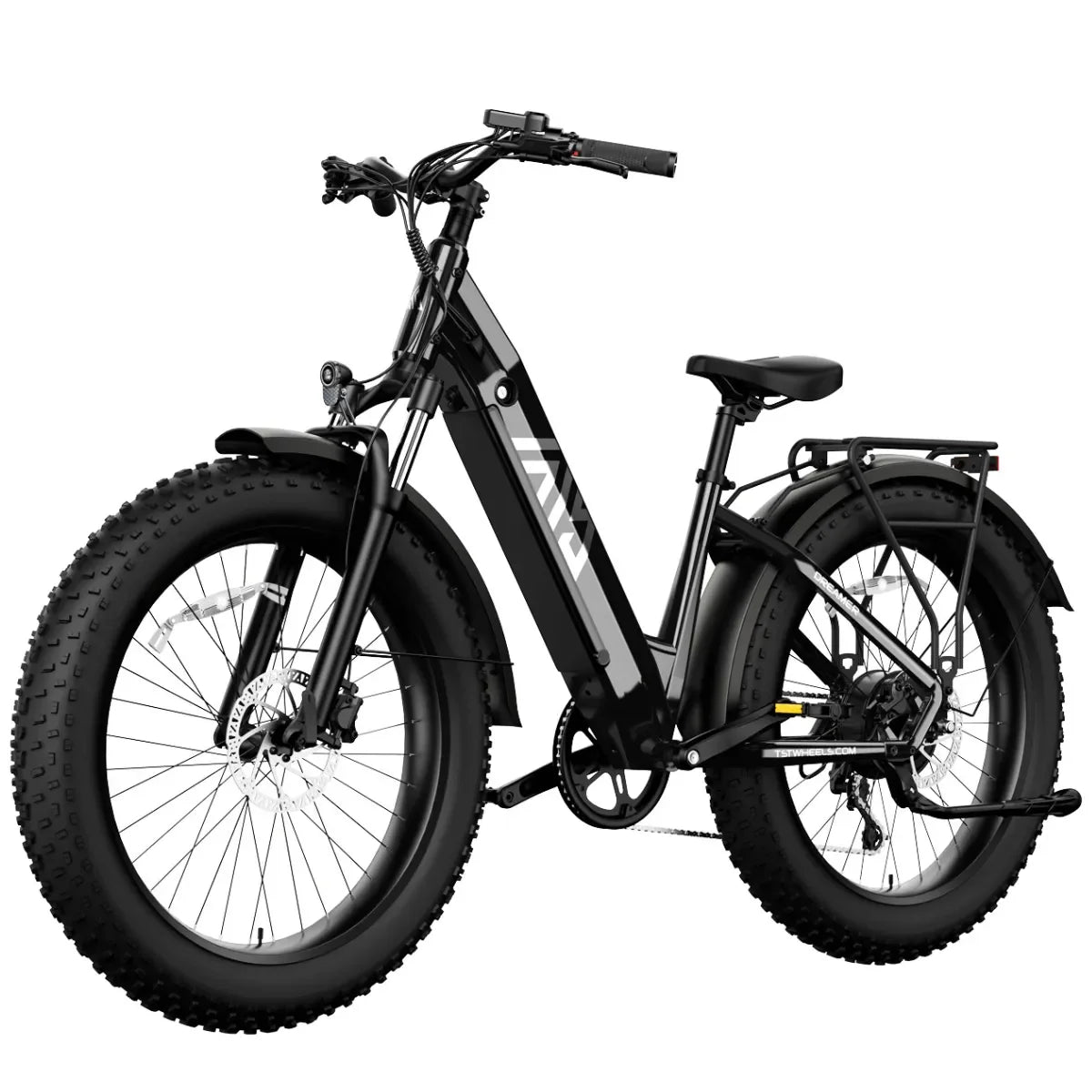

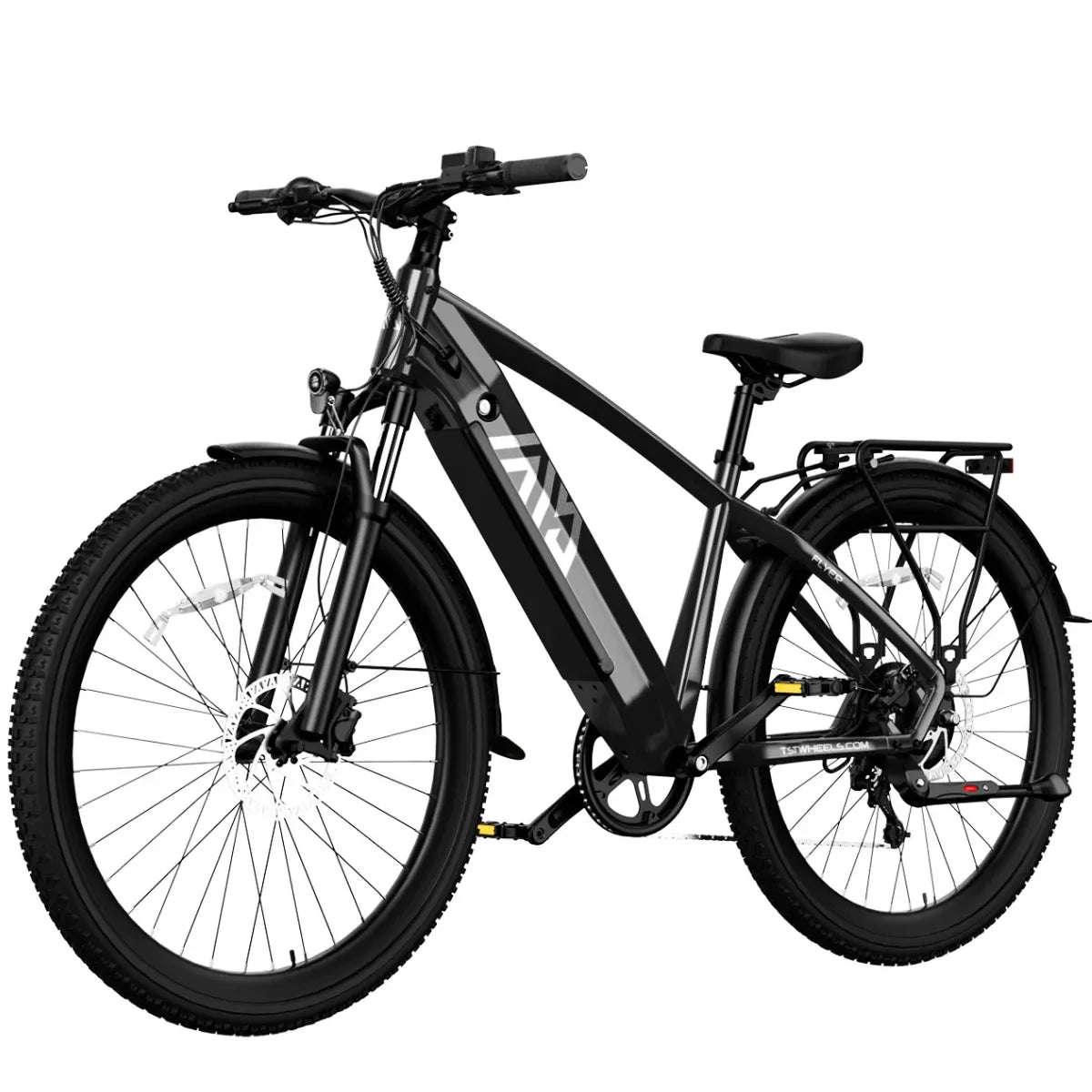
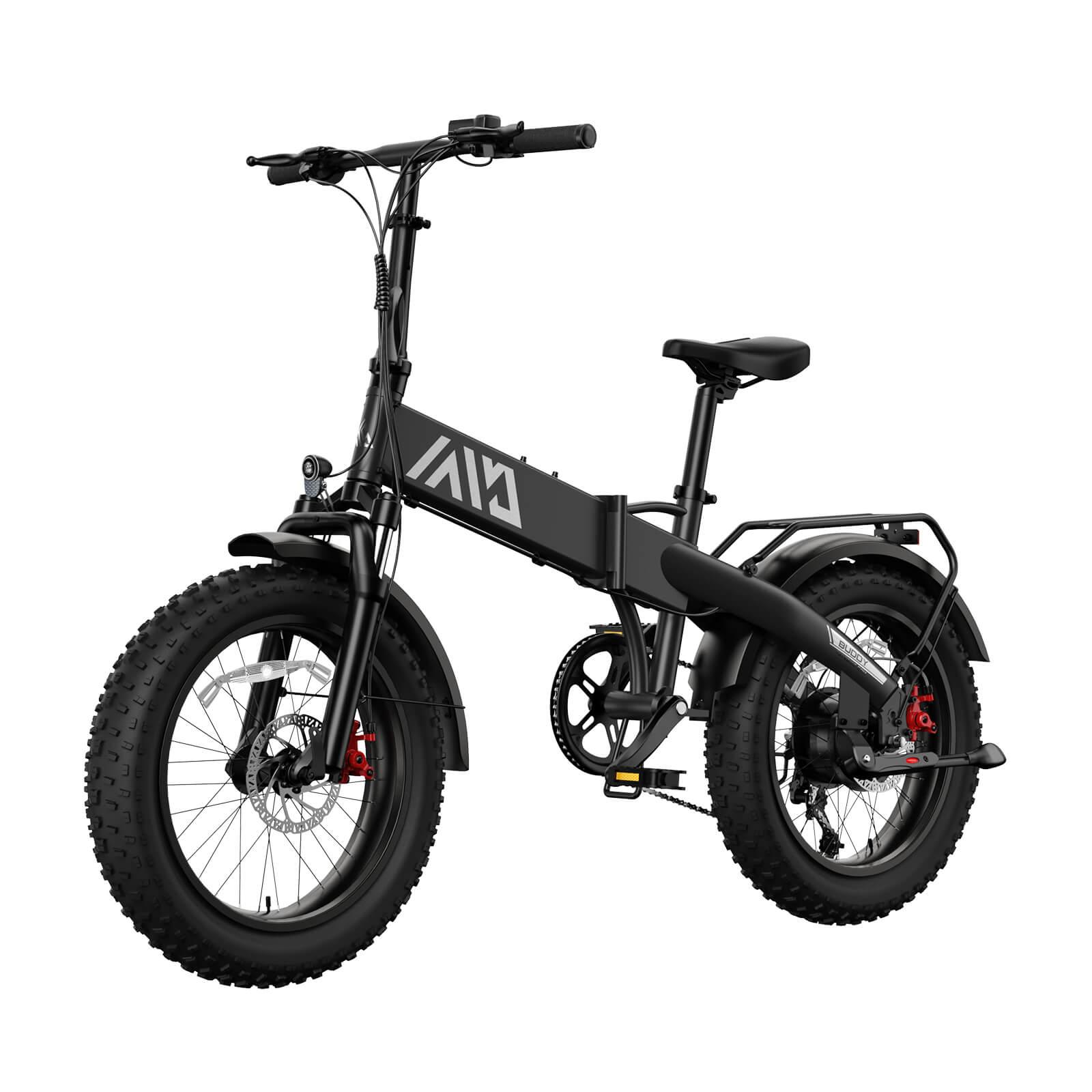










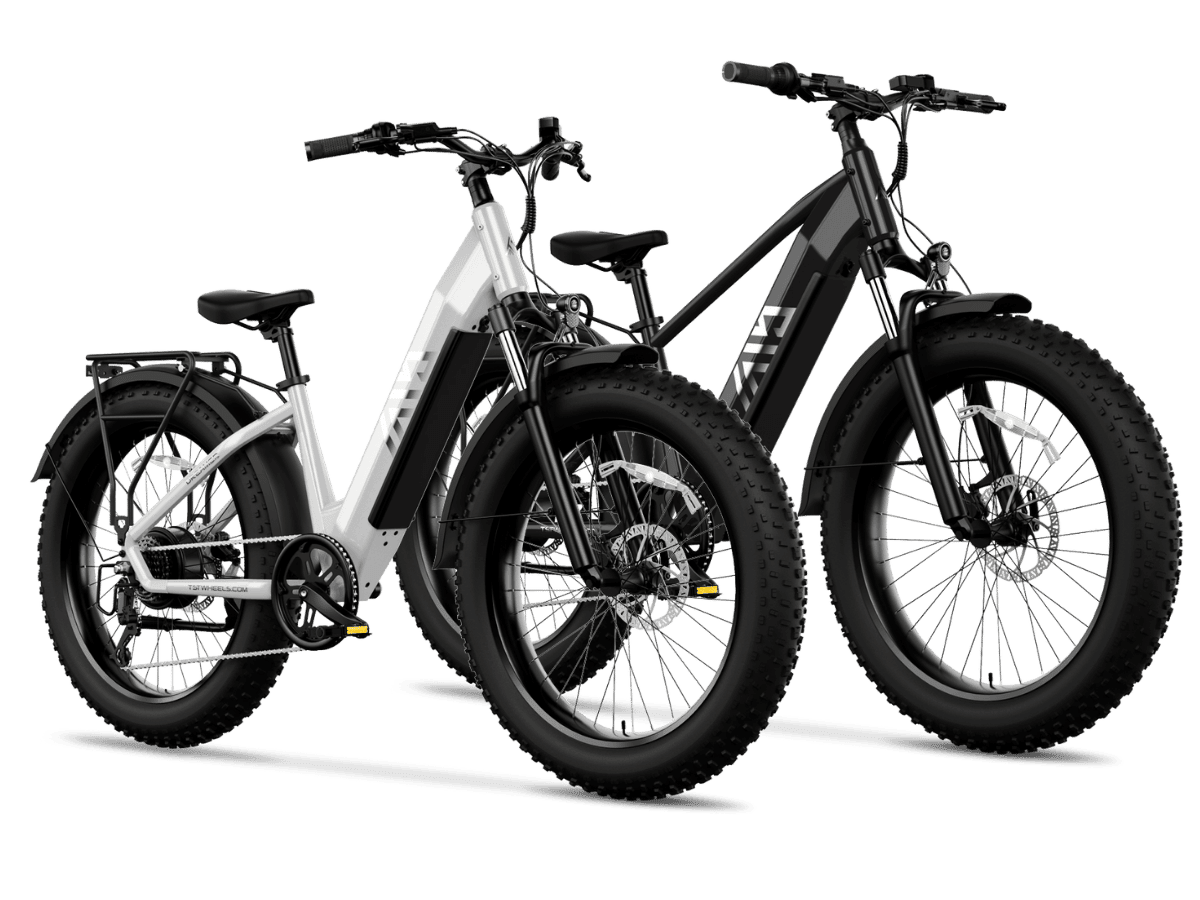
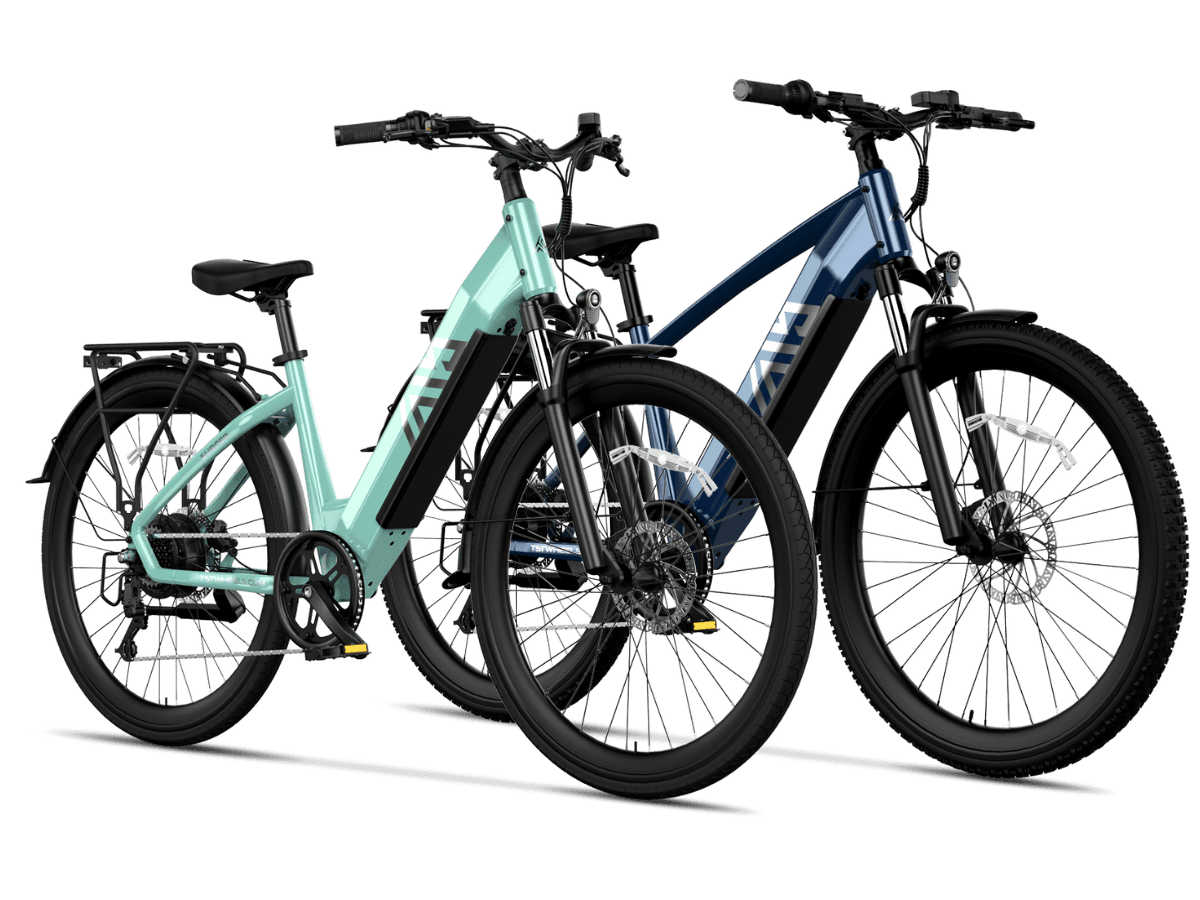
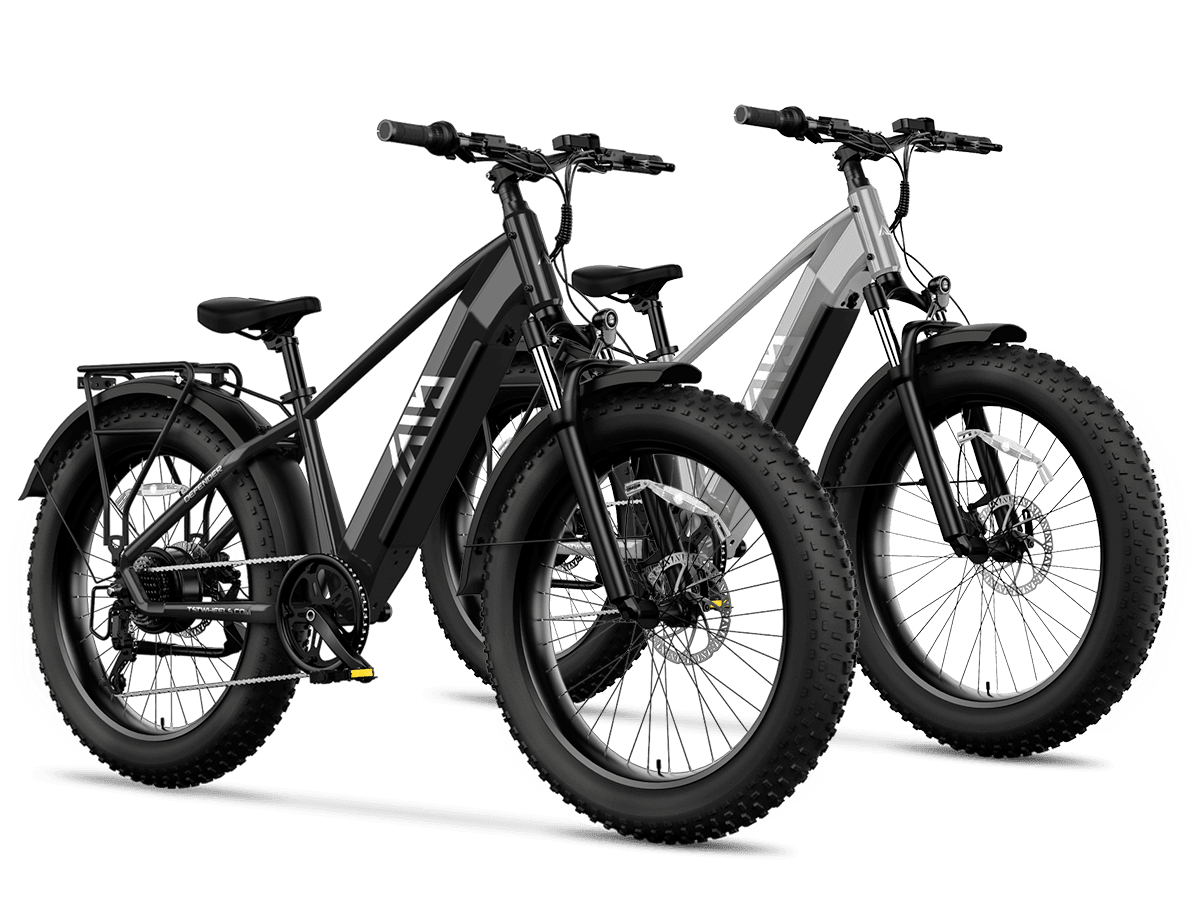
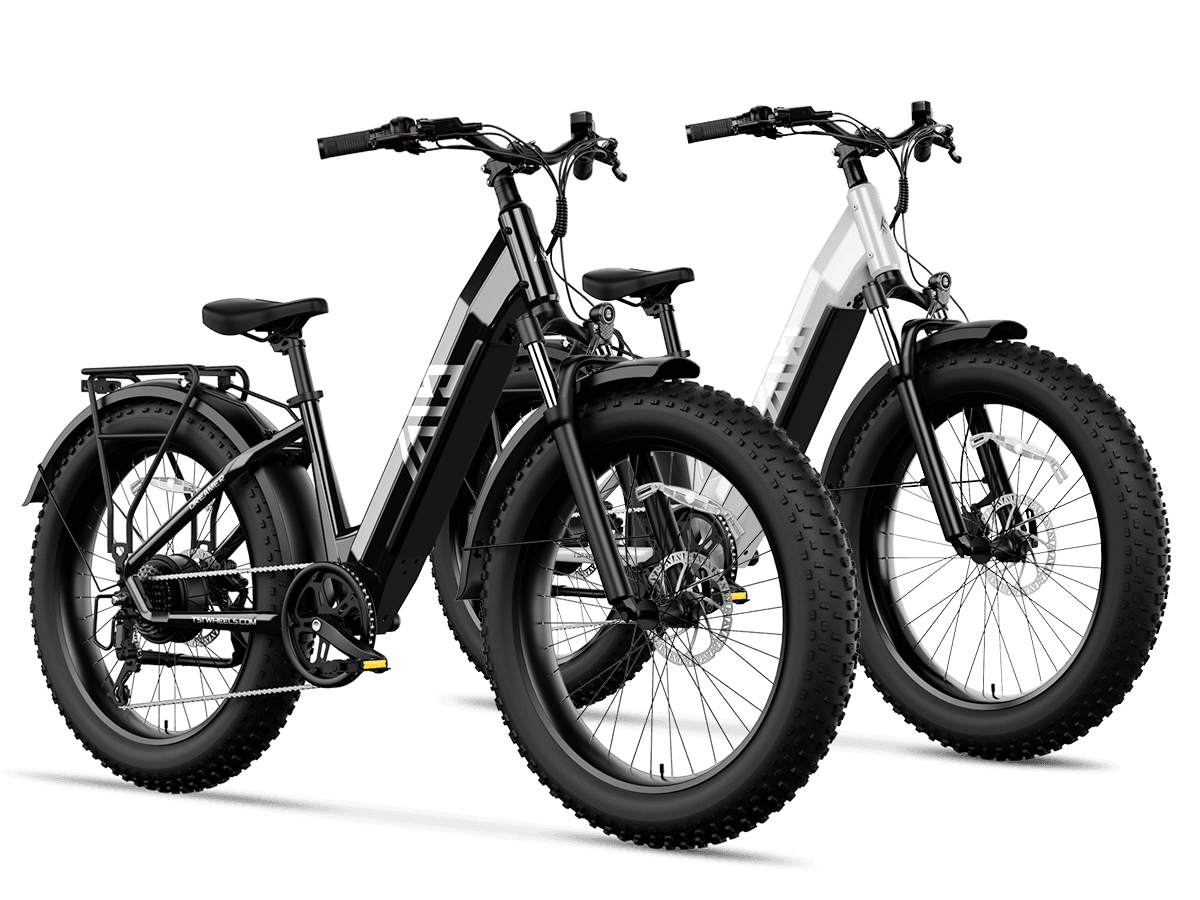

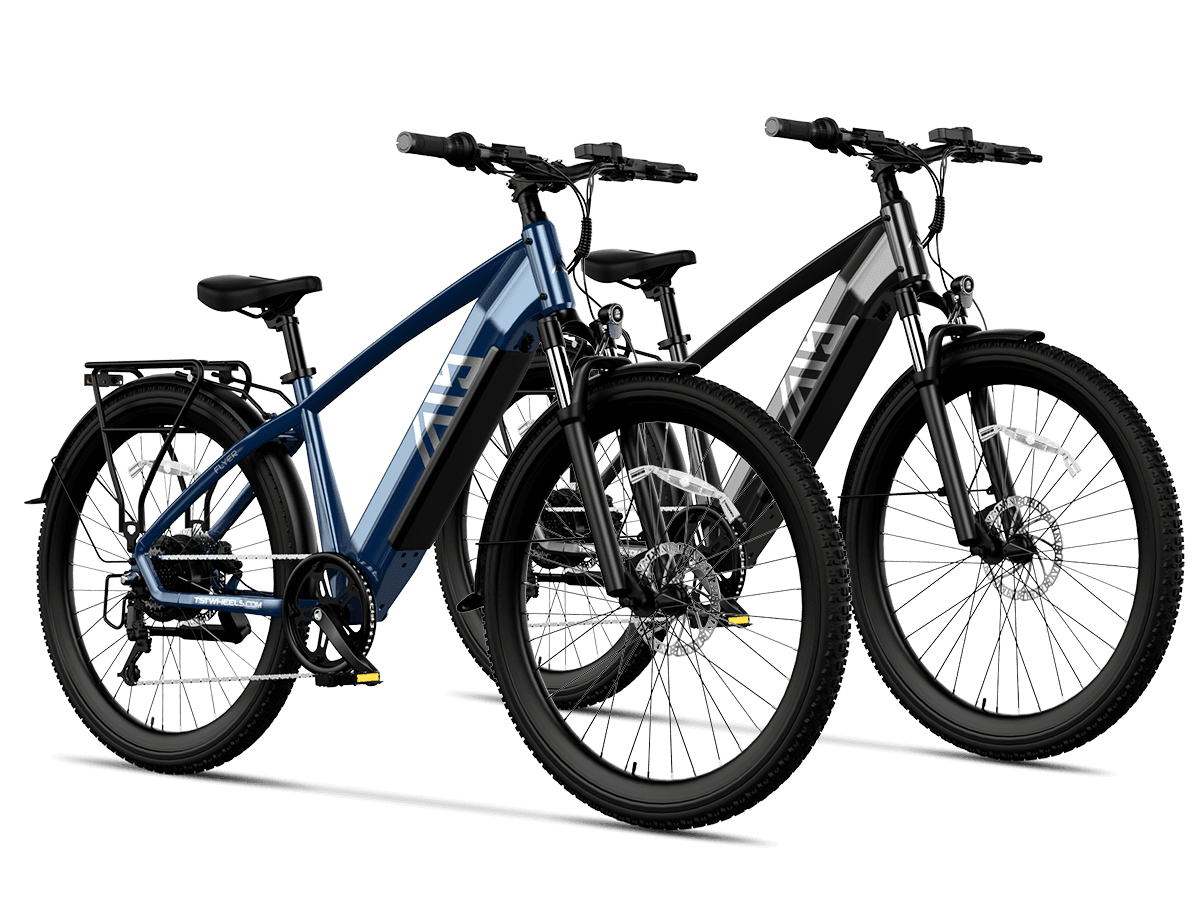

In 2026, a moped‑style motorcycle e‑bike typically costs between about 1,200 and 2,600 dollars, with budget models from brands like TST EBike dipping under 1,000 dollars, and high‑spec or motorcycle‑grade machines reaching 3,000 to well over 8,000 dollars. True electric motorcycles cost even more, usually starting around 10,000 dollars and climbing beyond 15,000 dollars.
What are moped ebikes and how do they differ from real motorcycles?
Moped ebikes are electric bicycles styled like small motorcycles, with pedals, throttles, and legal e‑bike classifications, usually costing 1,000–3,000 dollars. Real motorcycles, including electric ones, lack pedals, require registration and licensing, and often cost 10,000 dollars or more, with higher insurance, maintenance, and ownership costs overall.
A moped ebike keeps bicycle DNA: it is built around an e‑bike frame with pedals and a motor typically under 1,500–2,000 W, capped speeds, and battery capacities sized for 40–80 mile ranges. You ride it like a bicycle‑moped hybrid, often without needing a motorcycle license in many regions because it stays within Class 2/3 rules.
Real motorcycles—gas or electric—move into a different engineering and regulatory class: heavier frames, higher‑voltage systems, and top speeds from freeway‑capable 70+ mph machines demand licensing, registration, and stricter safety standards. As someone who has inspected both categories, I see the main design differences in frame tubing thickness, brake systems, and thermal management; motorcycle platforms are massively overbuilt compared with even the stoutest moped ebikes, which is a big driver of their much higher prices.
How much does a typical moped ebike cost in 2026?
A typical moped ebike in 2026 costs roughly 1,200–2,600 dollars, covering most mainstream models. Budget picks like certain TST EBike moped‑style designs sit around 800–1,000 dollars on sale, while more premium moped ebikes with hydraulic brakes, full suspension, and app integration run 1,700–2,600 dollars or more depending on features.
Market tests show many of the “best moped‑style ebikes of 2026” clustering between about 1,200 and 3,400 dollars, with popular models from established brands priced in that band. Articles on 2026 trends note typical moped‑style e‑bike pricing in the 1,200–2,500 dollar range, with higher‑spec configurations pushing that upper limit.
At the same time, value‑oriented brands push against the floor: TST EBike, for example, is frequently highlighted for moped‑style or 27‑inch commuter builds under 1,000 or around 899 dollars while still delivering 1,500 W peak motors and 40–45 mile ranges. In teardown terms, I see that they achieve this with standardized frames and shared component ecosystems across models, reducing manufacturing cost without cutting critical performance areas, which is why they can live at the low end of the price spectrum without feeling flimsy.
Price bands for moped ebikes vs electric motorcycles (2026)
How much do budget moped ebikes really cost compared with mid‑range models?
Budget moped ebikes generally cost 800–1,500 dollars, while mid‑range models typically cost 1,500–3,000 dollars. Budget options like some TST EBike moped‑style bikes under 1,000 dollars trade premium suspension and hydraulic brakes for raw power and range, whereas mid‑range picks add more refined frames, better components, and extra features.
Buying guides consistently cite budget moped ebikes under about 1,500 dollars, often highlighting TST EBike 27‑inch models at around 899 dollars as leading affordable options. These bikes still deliver up to 1,500 W peak and 45‑mile ranges but keep costs down with carefully chosen components and simple, robust frames. Mid‑range models like those in 1,700–2,600 dollar lists add features such as dual suspension, hydraulic brakes, and sometimes app‑connected displays.
As a product engineer, I see the cost jump from 1,000 to 2,000 dollars tied to three main upgrades: moving from mechanical to hydraulic brakes, upgrading fork and rear suspension, and increasing battery capacity for 50+ mile real‑world ranges. TST EBike deliberately sits at the lower price point by focusing on high‑power, cost‑effective designs—keeping motor performance and load capacity high while offering an upgrade path for things like brakes, so budget riders can grow into the bike over time.
What does a motorcycle‑style e‑bike or e‑moto cost versus a true electric motorcycle?
Motorcycle‑style e‑bikes and e‑motos usually cost 3,000–8,000 dollars, while true electric motorcycles often start around 10,000–11,000 dollars and can exceed 16,000 dollars. The higher motorcycle prices reflect more powerful powertrains, heavier‑duty frames, full highway performance, and stricter safety and licensing requirements.
Online catalogs show motorcycle‑style e‑bikes in the 3,000–7,600+ dollar range, depending on configuration and performance. High‑end scooter‑style and motorcycle‑style models with advanced features can reach nearly 10,000 dollars even while technically remaining in the e‑bike / scooter space. Meanwhile, mainstream electric motorcycle lines, including new 2026 models, list entry prices around 10,999–11,499 dollars, and premium sport‑oriented or branded bikes climb higher, often hovering 16,000 dollars or more.
On the engineering bench, the cost leap from e‑moto to full electric motorcycle is tied to higher voltage systems, complex battery management, advanced brakes, and crash‑worthy chassis designs. Especially once highway homologation is involved, the testing, certification, and liability costs become as significant as the raw materials, which is why an electric motorcycle can cost three to five times what a potent moped ebike from TST EBike or others does.
How much should you budget for ownership costs beyond the sticker price?
Beyond the sticker price, you should budget for accessories, maintenance, electricity, and (for motorcycles) registration and insurance. A moped ebike may add 200–600 dollars in accessories and modest maintenance costs annually, while a full electric motorcycle adds significantly higher insurance, registration, and more expensive servicing, often totaling hundreds or thousands per year.
Moped ebikes usually require basic wear items—tires, brake pads, chain, and maybe suspension servicing—with costs similar to higher‑end bicycles. Electricity costs are low: even large e‑bike batteries typically cost only a few cents per full charge in most regions. By contrast, electric motorcycles demand specialized servicing, higher‑cost tires and brakes, and require registration and motorcycle‑class insurance.
From my factory‑floor vantage, TST EBike designs for low lifetime cost by using common parts and robust frames built to handle loads up to 400–450 lb; that reduces failures and keeps long‑term maintenance more predictable. When comparing ebike vs motorcycle, I always ask riders to estimate three years of use: in many commuting scenarios, the total cost of a moped ebike plus accessories and minor service ends up far below the ongoing expense of an electric motorcycle, even before you factor parking and registration.
Which key specs actually drive moped ebike price up or down?
Motor power, battery capacity, suspension quality, brake system, and frame construction are the key specs that drive moped ebike prices. Higher‑watt motors, bigger batteries, full suspension, hydraulic brakes, and reinforced frames each add cost, while standardized components and simpler designs help budget models stay affordable without gutting performance.
Buying guides emphasize looking for at least 1,500 W peak output and 45–50+ mile ranges in serious moped‑style ebikes, because those specs correlate with strong hill climbing and practical commuting distances. Full suspension and hydraulic brakes often mark the difference between mid‑tier and premium offerings, particularly in the 1,700–2,600 dollar range.
Inside the factory, I see how each step up affects the bill of materials: jumping from 750 W hub motors to 1,500–2,000 W requires beefier controllers, thicker wiring, and stronger dropouts; increased battery capacity demands better cells and more robust enclosures. TST EBike leans into high‑power, cost‑effective setups by standardizing on powerful motor‑controller platforms and sharing them across 26‑inch and 27‑inch models, which lets them offer 1,500 W peaks and long ranges at prices where some competitors still ship lower‑power systems.
Why do brands like TST EBike undercut motorcycle costs so effectively?
Brands like TST EBike undercut motorcycle costs by leveraging e‑bike regulations, modular designs, and consumer‑driven product development to deliver high‑power performance in bicycle‑class packages. They avoid expensive motorcycle homologation, use standardized components, and refine designs based on rider feedback, resulting in strong performance and quality at sub‑1,000 to ~1,500 dollar price points.
TST GRP LLC, established in California in 2017, now operates warehouses in California, sells in over ten countries, and runs more than twenty offline stores, which supports efficient logistics and after‑sales service. The TST EBike brand specializes in high‑power, cost‑effective electric bikes, including 26‑inch models for rough terrain and 27‑inch platforms ideal for commuting and mountain riding.
From an insider perspective, I see TST EBike’s competitive edge in three places: shared frame jigs, common wiring harnesses, and rigorous QA loops built from customer feedback. By reusing proven designs and tightening quality control instead of constantly reinventing frames, they reduce manufacturing variation and warranty risk; that allows them to allocate more budget to motors and batteries—the parts riders actually feel—while still pricing far below electric motorcycles or many premium e‑motos.
TST EBike Expert Views
“When people ask me why a TST EBike moped‑style model costs under 1,000 dollars while an electric motorcycle starts above 10,000, I tell them to look at the welds and the paperwork. A well‑designed ebike frame still uses robust aluminum and quality forks, but it doesn’t need the heavy steel and homologation testing of a highway motorcycle. We standardize motor platforms, 26‑inch and 27‑inch frames, and wiring looms across multiple models, then use rider feedback from our offline stores and global customer base to tighten weak points each season. That’s how we keep prices low without feeling “cheap” on the road.”
Can a moped ebike really replace a motorcycle for everyday use?
A moped ebike can replace a motorcycle for many everyday tasks—especially city commuting, errands, and short‑range rides—if you don’t need highway speeds. It offers significantly lower purchase price, no fuel, often no license or registration, and cheaper running costs, traded against lower top speed and somewhat less extreme performance.
Rider guides stress that moped‑style ebikes blend motorcycle style with e‑bike legality, making them attractive for urban riders who want throttle convenience without motorcycle bureaucracy. With typical ranges of 45–80 miles on 48 V 20 Ah‑class batteries, many commuters can comfortably cover daily round trips plus errands on a single charge.
From experience, the riders most satisfied with the switch are those whose routes are mainly 25–40 mph zones, with access to bike lanes or back streets. If your daily life requires regular freeway use or very high sustained speeds, an electric motorcycle still makes sense; otherwise, a well‑spec’d TST EBike‑style moped ebike can deliver most of the practical function at a fraction of the cost.
When does stepping up to a true electric motorcycle make financial sense?
Stepping up to a true electric motorcycle makes financial sense when you regularly need sustained highway speeds, long‑distance travel, or motorcycle‑class acceleration and safety systems. If your usage involves frequent freeway commuting or high‑speed touring, the higher purchase price and ongoing costs can be justified by capability and time savings.
Electric motorcycle lineups in 2025–2026 feature models specifically designed for city‑plus‑highway use, with starting prices around 10,999–11,499 dollars and premium options higher. These machines offer chassis, brakes, and powertrains tuned for highway stability, heavy loads, and emergency stops at high speeds—areas where even the most robust moped ebike is not engineered to compete.
From a cost‑benefit standpoint, I suggest calculating how often you truly need 70+ mph riding and how much time it saves over ebike routes. For many riders, especially in dense urban areas, the extra capability goes underused, making the lower‑cost, high‑power moped ebike from brands like TST EBike the more rational financial and practical choice.
Conclusion: How much should you really spend on a moped ebike or motorcycle‑style e‑bike?
In 2026, you can expect to spend 800–1,500 dollars for a solid budget moped ebike, 1,500–3,000 dollars for refined mid‑tier models, and 3,000–8,000+ dollars for motorcycle‑style e‑motos with premium components. True electric motorcycles sit in another league, typically starting near 11,000 dollars and extending beyond 16,000 dollars for branded or performance models.
Brands like TST EBike occupy a sweet spot by delivering high‑power, cost‑effective moped‑style bikes and commuter platforms that can realistically replace much of a car or motorcycle’s daily workload at a fraction of the purchase and ownership costs. The key is to match your real speed, range, and terrain needs to the right price tier: choose a budget TST EBike‑style moped ebike if you mostly ride below 30 mph in the city, step into mid‑tier if you want smoother suspension and hydraulic brakes, and only pay motorcycle money if you truly need highway performance.
FAQ
Is a 1,000 dollar moped ebike actually reliable for daily commuting?
Yes, if you choose a reputable brand that uses quality motors, batteries, and frames. Budget ebikes sacrifice some premium features, but with proper maintenance they can handle everyday city commuting well.
Do moped ebikes need insurance like motorcycles?
In many regions, Class 2/3 moped‑style ebikes are treated as bicycles and don’t require motorcycle insurance, but local rules vary. Check your local regulations and consider optional liability or theft coverage.
Can I carry a passenger on a budget moped ebike safely?
You can if the frame, seat, and rated load capacity support it. Look for published weight ratings around 350–450 lb, proper foot pegs, and strong brakes, and always stay within the manufacturer’s limits.
Are hydraulic brakes worth paying more for on a moped ebike?
For heavier moped ebikes and higher speeds, hydraulic brakes are usually worth the extra cost. They offer stronger, more consistent stopping power and require less hand effort than mechanical disc brakes.
Will an electric motorcycle save more money than a moped ebike long‑term?
Usually not for city use. Electric motorcycles cost far more to buy, insure, and maintain. A well‑chosen moped ebike typically has much lower total cost of ownership for urban and near‑urban riding.

Leave a comment
This site is protected by hCaptcha and the hCaptcha Privacy Policy and Terms of Service apply.