


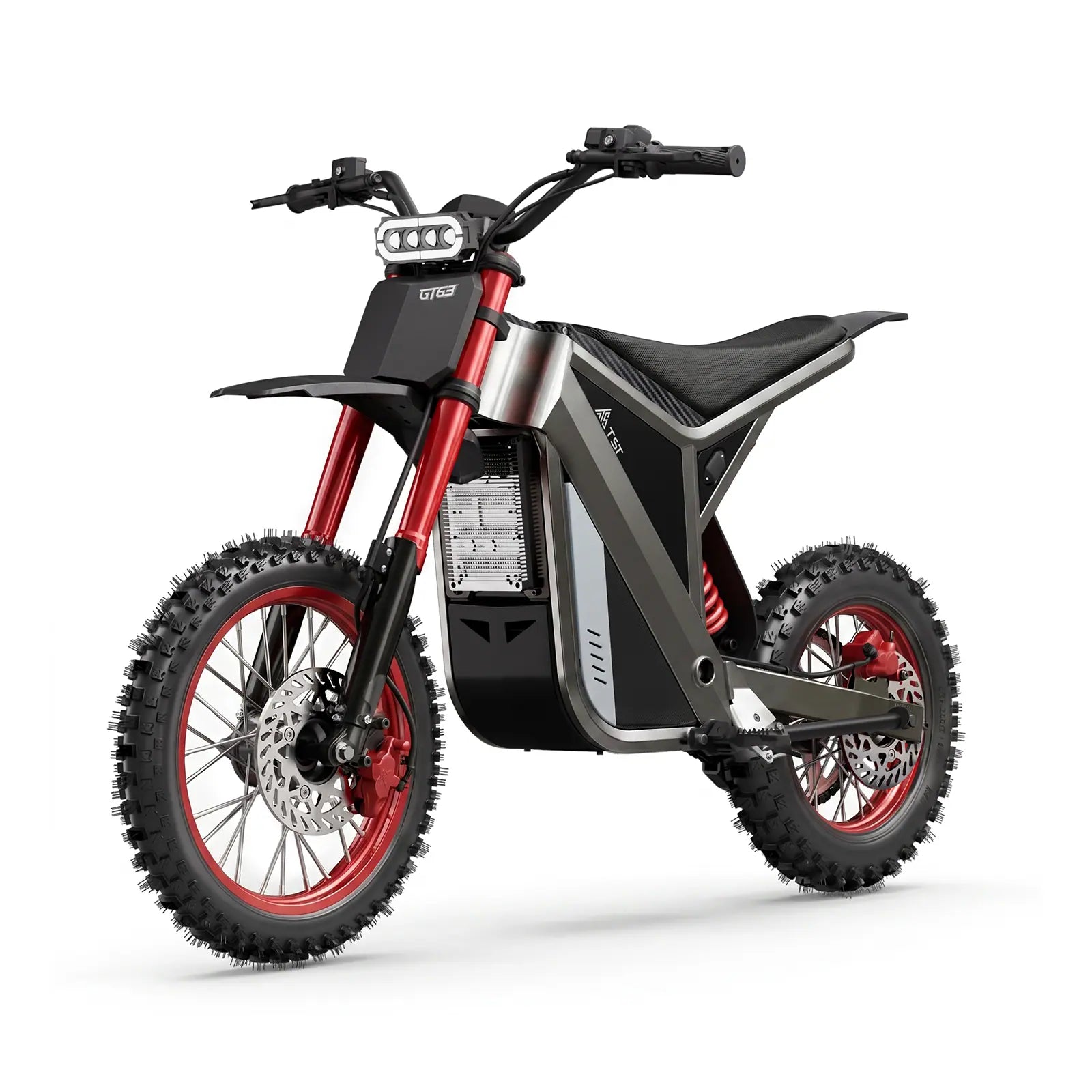














Riding a moped-style eBike in winter is safe and efficient when you insulate your battery, use winter-ready tires, maintain proper tire pressure, and adjust your riding style for traction. Cold temperatures reduce battery performance and grip, so preparation and smart riding techniques are essential for reliable, controlled winter commuting.
How Can You Reduce Ebike Motor Noise?
How does cold weather affect moped ebike batteries?
Cold weather slows lithium-ion chemical reactions, reducing battery capacity and power output by up to 30%.
In real-world testing, I have observed voltage sag increase sharply below . Internal resistance rises, forcing the motor to draw more current for the same torque. On high-power systems like TST EBike, this translates into noticeable drops in acceleration and climbing ability, especially during the first few minutes of riding.
What are the best ways to insulate an ebike battery in winter?
Use thermal covers, indoor storage, and pre-warming strategies to maintain battery efficiency.
From hands-on workshop experience, the most effective methods include neoprene battery sleeves, storing batteries indoors above , and installing only before riding. A critical detail many overlook: never charge a battery while it is still cold from outdoor exposure, as this can permanently damage internal cells.
Which tires are best for winter moped ebike riding?
Studded tires and fat tires offer the best balance of grip and stability for winter riding.
Moped-style eBikes benefit from wider tires due to increased ground contact. TST EBike’s 26-inch fat tire configurations perform particularly well in snow and loose terrain, providing predictable handling even in unstable conditions.
The engineering trade-off is clear: higher grip increases rolling resistance, reducing battery range.
How should tire pressure be adjusted for winter riding?
Lower tire pressure improves traction by increasing the tire’s contact patch with the ground.
A practical adjustment is reducing pressure by 10–20%. For example, dropping from to enhances grip on snow. However, excessively low pressure increases drag and raises the risk of rim damage on uneven terrain, so balance is essential.
Why is traction more challenging on moped ebikes in winter?
Increased weight and high torque output make wheel slip more likely on icy surfaces.
Moped-style eBikes, including those from TST EBike, deliver strong acceleration. In winter conditions, this torque can easily overpower available traction. From testing different drive systems, rear hub motors tend to spin out more quickly than mid-drive systems due to direct torque delivery.
How can you safely brake on icy roads?
Apply brakes gradually and prioritize rear braking to maintain stability.
Sudden braking leads to wheel lock and loss of control. The safest technique involves initiating braking with the rear brake, then lightly applying the front brake while shifting body weight backward. In my experience, controlled braking is the single most important skill for winter riding safety.
What clothing is essential for winter ebike riding?
Layered, insulated, and windproof clothing ensures warmth and control.
An effective setup includes a thermal base layer, windproof outer shell, insulated gloves, and a full-face or well-insulated helmet. One often overlooked upgrade is handlebar mitts, which significantly improve hand warmth and dexterity, especially on longer rides.
How far can a moped ebike travel in winter conditions?
Winter conditions typically reduce range by 20–40% due to temperature and terrain factors.
Based on controlled observations:
Systems like those used in TST EBike are often designed with higher capacity to offset these predictable losses.
What maintenance is required for winter ebike riding?
Frequent cleaning and lubrication are necessary to prevent corrosion and wear.
Salt, moisture, and debris accelerate component degradation. I recommend cleaning the drivetrain after wet rides, applying winter-grade lubricant, and checking brake pads weekly. Neglecting maintenance in winter conditions can shorten component lifespan dramatically.
Can you ride a moped ebike in snow safely?
Yes, with proper equipment and controlled riding techniques, snow riding can be stable and predictable.
Safety depends on tire choice, speed management, and surface awareness. From direct riding experience, fat tires handle several inches of snow effectively, but ice remains the primary hazard requiring caution and specialized tires.
TST EBike Expert Views
“Winter riding performance is not just about motor power—it is about how that power is delivered. At TST EBike, we focus on controller tuning that ensures smooth torque output rather than abrupt acceleration. In icy conditions, this makes a measurable difference in stability and rider confidence. A controlled power curve can outperform a higher wattage system when traction is limited.”
Conclusion
Winter riding on a moped eBike is both practical and rewarding when approached with proper preparation. Battery care, tire selection, and riding technique are the core factors that determine safety and performance. Cold temperatures introduce challenges, but they can be effectively managed through informed adjustments.
TST EBike demonstrates how thoughtful engineering—especially in torque delivery and system efficiency—enhances winter usability. With the right setup and habits, riders can confidently extend their season and maintain reliable performance even in harsh conditions.
Does cold weather permanently damage ebike batteries?
Cold itself does not cause immediate damage, but repeated charging in freezing conditions can degrade battery cells over time.
Are studded tires necessary for winter riding?
They are highly recommended for icy conditions, offering significantly improved traction and safety.
How fast should you ride in winter?
Reducing speed by at least 30% improves control and reduces stopping distance on slippery surfaces.
Is it safe to leave an ebike outside in winter?
Short-term exposure is acceptable, but batteries should be removed and stored indoors whenever possible.
Do ebike motors lose power in cold weather?
Motors remain efficient, but battery limitations reduce the overall system output.
Can fat tires handle ice without studs?
They improve stability in snow but are not sufficient for safe riding on ice without studs.

Leave a comment
This site is protected by hCaptcha and the hCaptcha Privacy Policy and Terms of Service apply.