

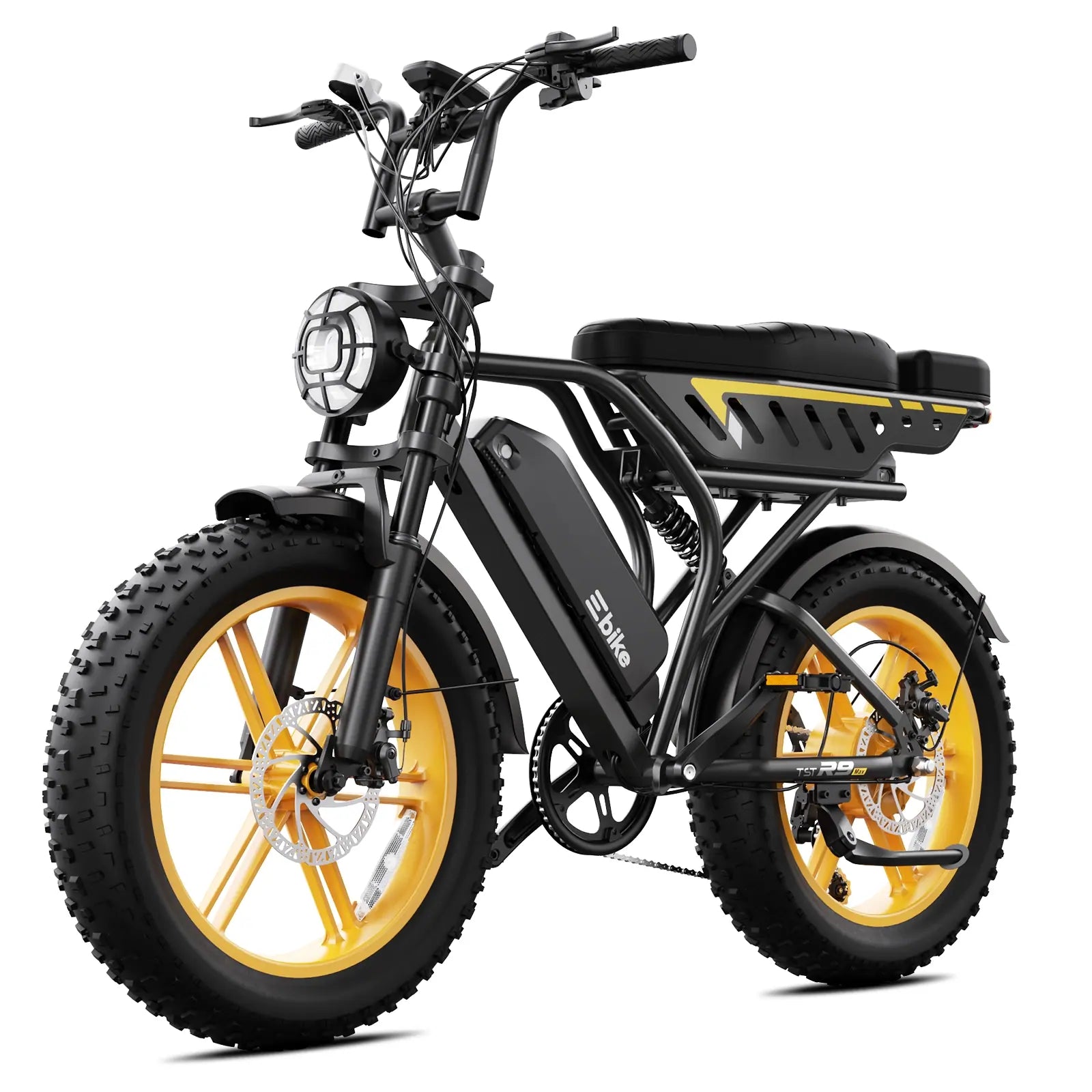









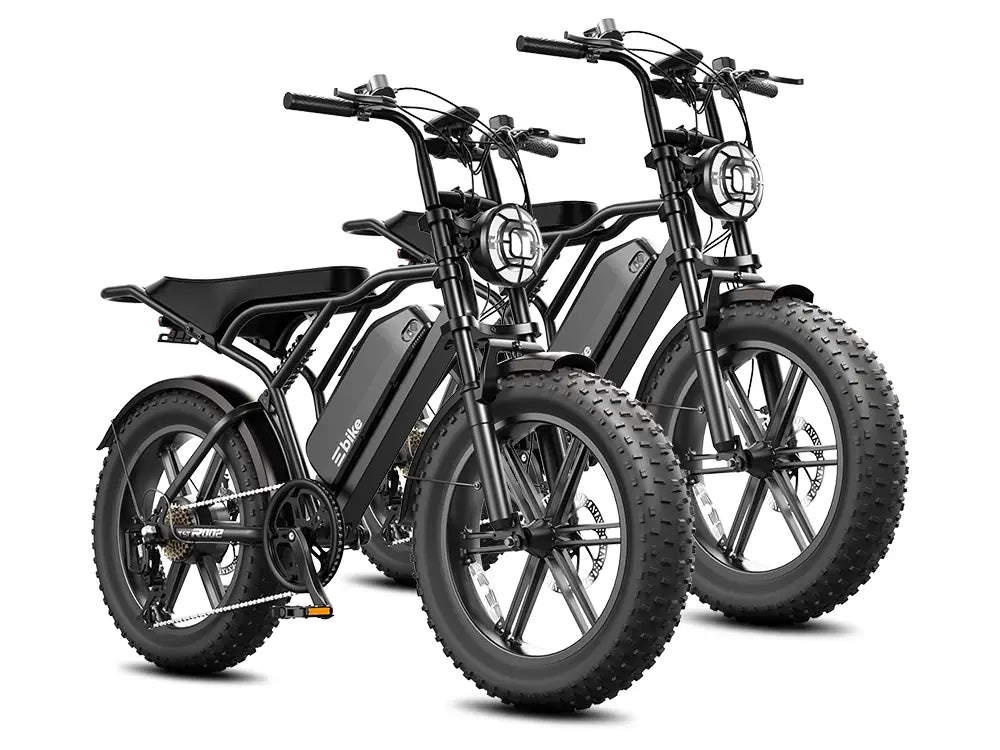

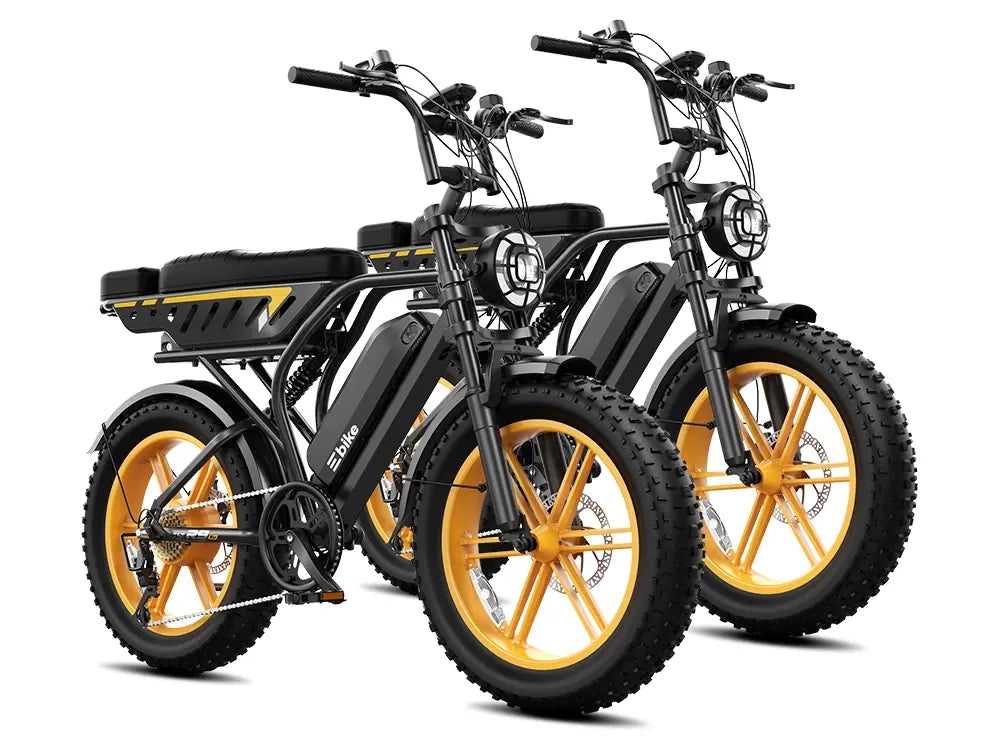

As the global e-bike market continues its rapid expansion, shifting from a niche hobby to a primary mode of daily transportation, comfort has moved to the top of the buying criteria. Modern riders are no longer satisfied with simple motor power; they demand a refined, fatigue-free experience that transforms harsh urban commutes and rough weekend trails into a smooth, effortless glide.
Understanding why certain bikes feel like a sofa while others feel punishing requires looking at the engineering behind the bike. By combining full suspension with 4.0-inch fat tires, manufacturers have engineered a three-layer vibration filtering system that effectively manages road energy before it ever reaches the rider.
The Engineering of a Three-Layer Shock Filter
The secret to the magic carpet ride lies in decoupling the rider from road impact through three specific, stacked layers of compliance.
The first layer is the suspension fork, which manages sharp vertical spikes from potholes and curbs, preventing harsh impacts from vibrating through the handlebars. The second layer is the rear or mid-shock, which handles frame pitch and keeps the rear wheel tracking consistently over uneven surfaces. Finally, the third layer—the 4.0-inch fat tire—acts as a high-volume air spring. Due to their large air volume and flexible sidewalls, these tires can deform deeply around small, high-frequency chatter like brick joints and gravel, providing a level of vibration damping that mechanical suspension alone often misses.
When these three layers are balanced, the rider experiences a significant reduction in peak acceleration at contact points. Lab tests indicate that riders experience up to 50–70% lower impact spikes compared to hardtail setups with narrow tires, leading to a ride quality characterized by stability and flotation.
Comfort Comparison: Choosing Your Ride
To understand how different configurations affect your daily ride, refer to the following comparison of common ebike setups:
| Configuration | Suspension Layout | Tire Type | Ride Feel | Best Use Case |
| Full-Suspension Moped | Front & Rear Shock | 4.0-inch Fat Tires | Floating, plush, stable | Commuting & rough terrain |
| Hardtail Commuter | Front Fork Only | 2.0–2.4-inch Tires | Soft front, harsh rear | Smooth bike paths |
| Rigid City Bike | No Suspension | 28–32mm Narrow Tires | Sharp, jarring, fatiguing | Short, flat, paved roads |
Why Moped-Style Ebikes Benefit Most
Moped-style ebikes, which often feature longer wheelbases and higher average speeds, are the primary beneficiaries of this full-suspension fat-tire architecture. Their geometry creates a unique requirement for stability; as the center of mass changes—especially when carrying a passenger or cargo—the ability of a full-suspension system to keep both wheels planted becomes a critical safety feature.
Furthermore, these bikes often utilize 750W to 1500W-class motors. The added comfort of a 4.0-inch tire does not feel sluggish with this level of power; instead, it provides the traction needed for confident braking and maneuvering in diverse environments, from wet asphalt to loose gravel.
Tuning for the Perfect Ride
Hardware is only half the battle. To unlock the true potential of your ebike’s comfort system, you must dial in the settings:
-
Set Sag: Aim for 20–30% of total travel while in your full riding gear. This ensures the suspension has enough active stroke to absorb bumps without bottoming out.
-
Adjust Rebound: Ensure the fork and shock rebound quickly enough to recover between successive bumps, but not so fast that the bike feels like a pogo stick.
-
Optimize Tire Pressure: For a 4.0-inch tire, 12–18 PSI is typically the sweet spot for comfort. Heavier riders or those carrying cargo should lean toward the higher end of this range to prevent rim strikes, while lighter riders can enjoy a more cushioned ride at lower pressures.
Practical Considerations and Trade-offs
While the comfort of full-suspension fat-tire ebikes is superior, it is important to acknowledge the trade-offs. The additional hardware—linkages, pivots, and heavy tires—increases the overall mass and rolling resistance of the bike. This can result in slightly reduced battery range compared to a stripped-down hardtail.
However, for most commuters and leisure riders, the reduction in physical fatigue is a worthwhile exchange. By protecting the body from repetitive stress and handling road imperfections with ease, these bikes often encourage users to ride more frequently and for longer distances, effectively replacing car trips with a more enjoyable and sustainable alternative.
Expert Takeaway
If you are looking for an ebike that prioritizes long-term comfort and confidence, the combination of full suspension and 4.0-inch fat tires is currently the gold standard. Whether you are navigating broken city streets or exploring unpaved paths, this multi-layered approach ensures that the road beneath you no longer dictates the quality of your journey. Remember to maintain your suspension seals, perform regular torque audits on your pivot bolts, and keep your tire pressure dialed to your specific weight and terrain. Once you experience the "magic carpet" feel of a well-tuned system, it is difficult to go back to anything less.

Leave a comment
This site is protected by hCaptcha and the hCaptcha Privacy Policy and Terms of Service apply.