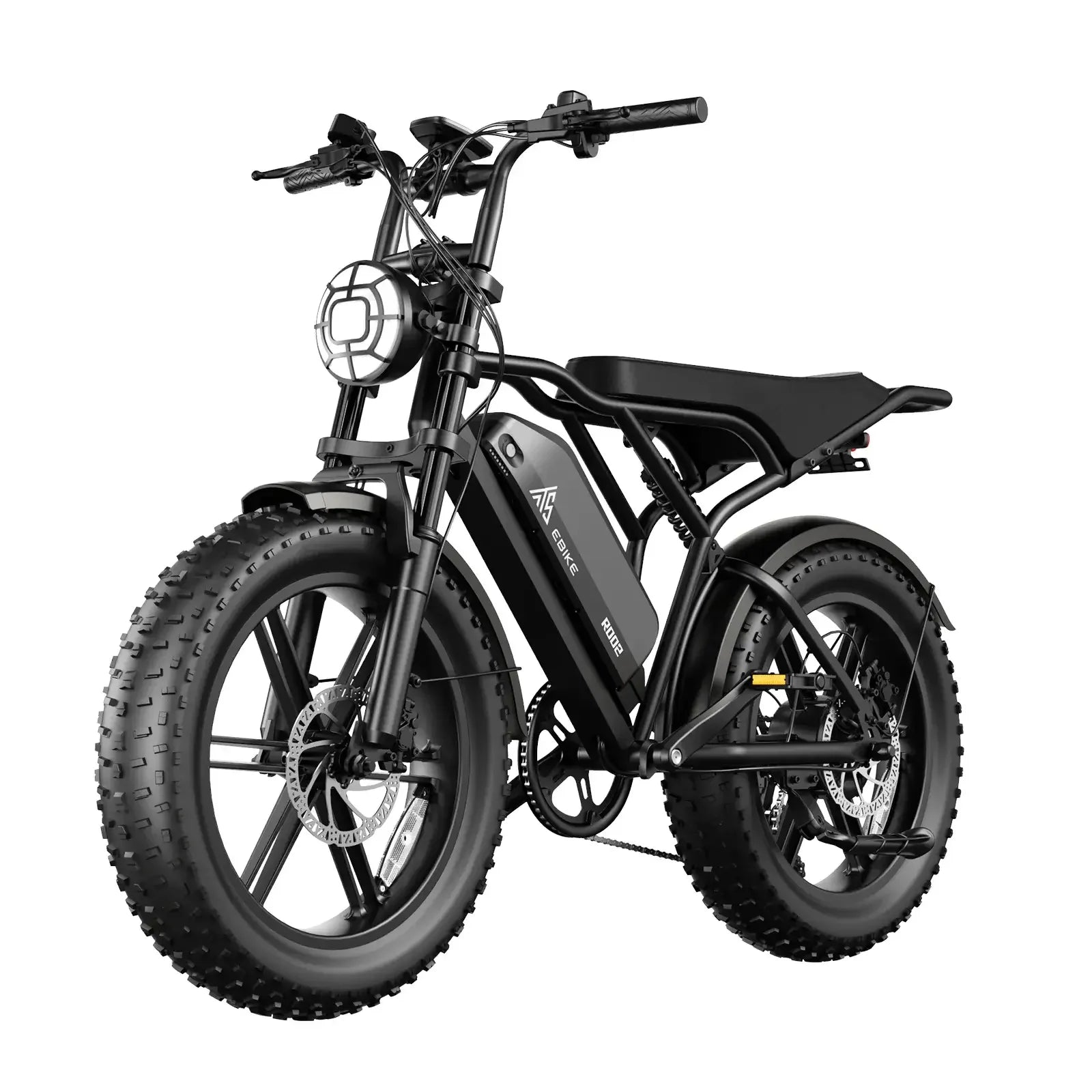

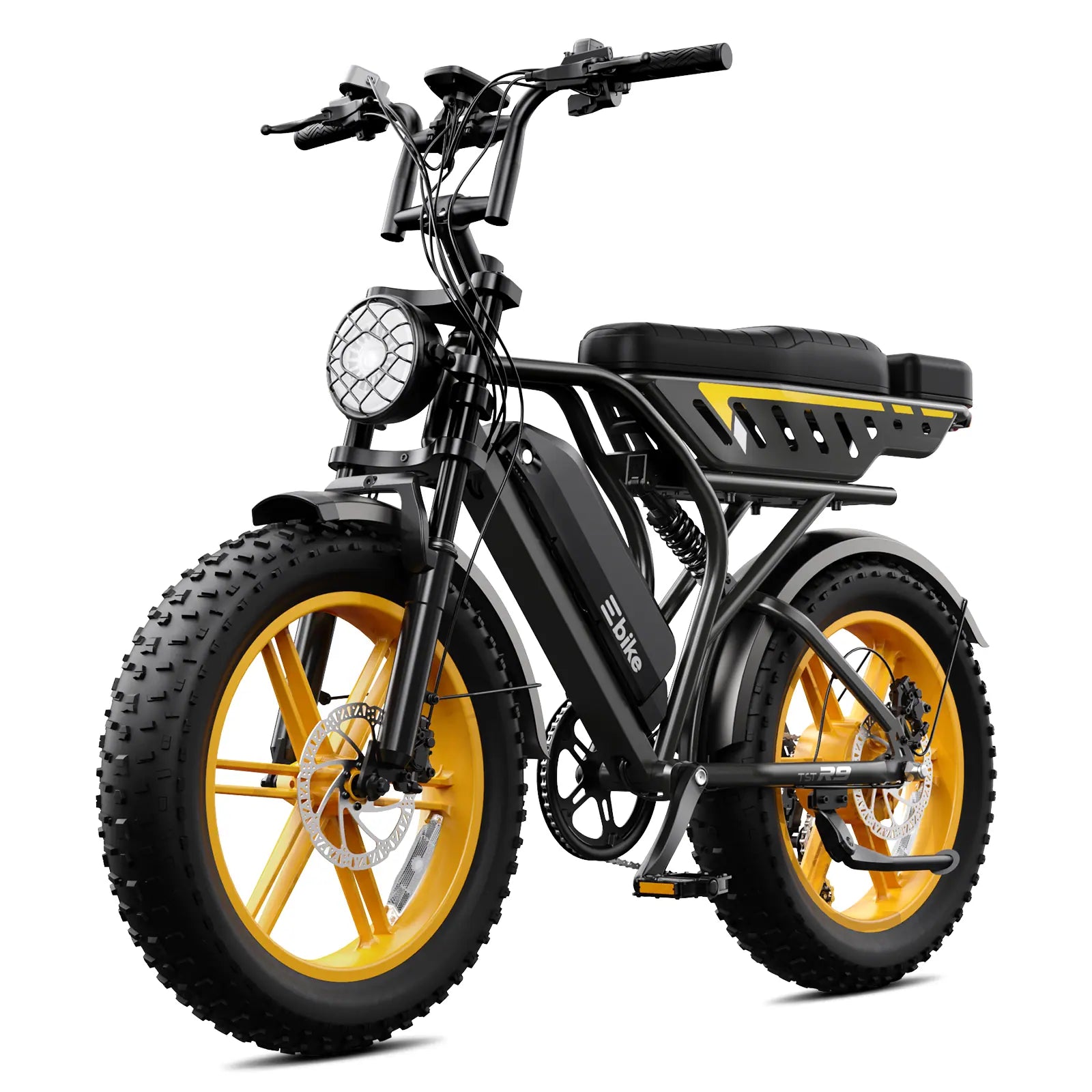

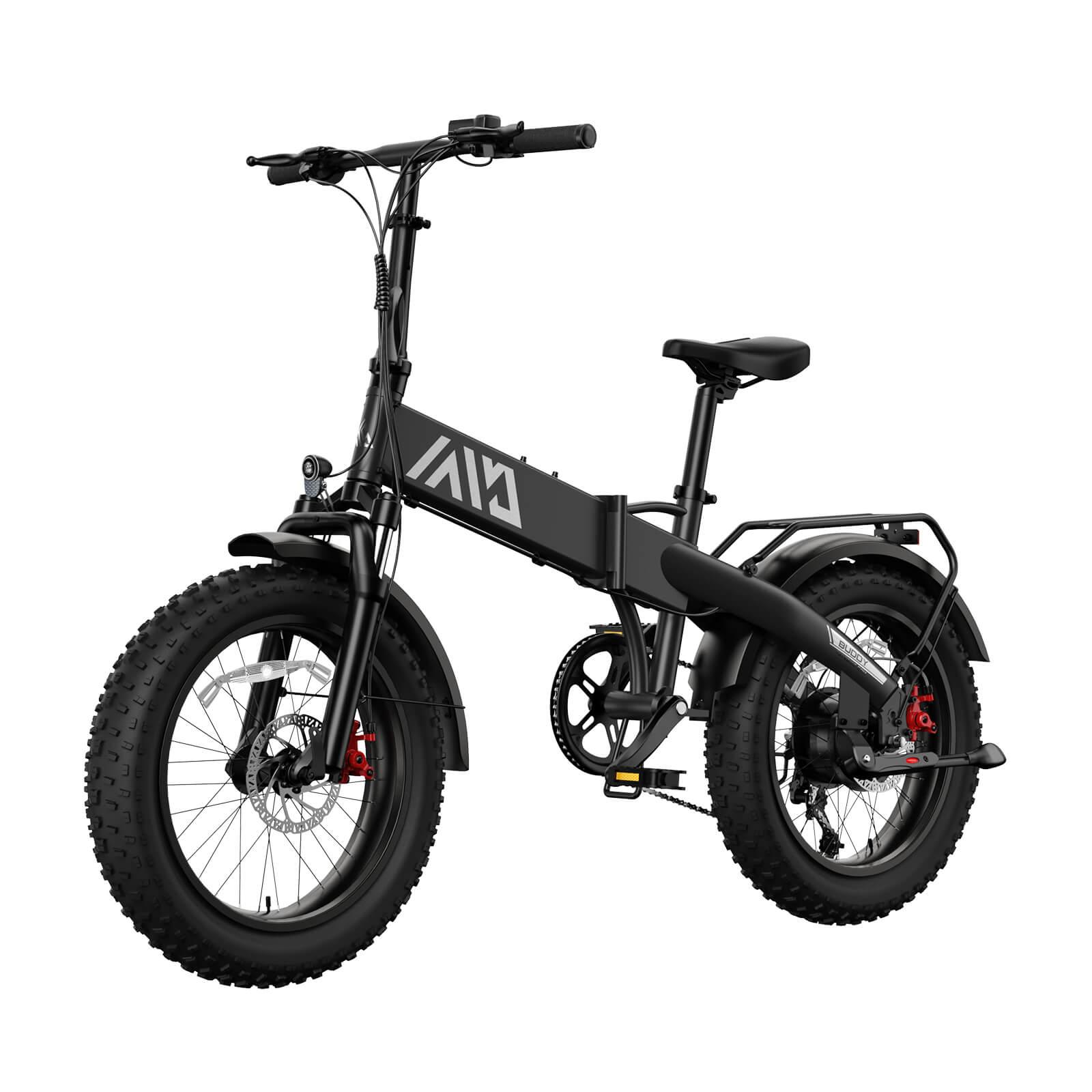

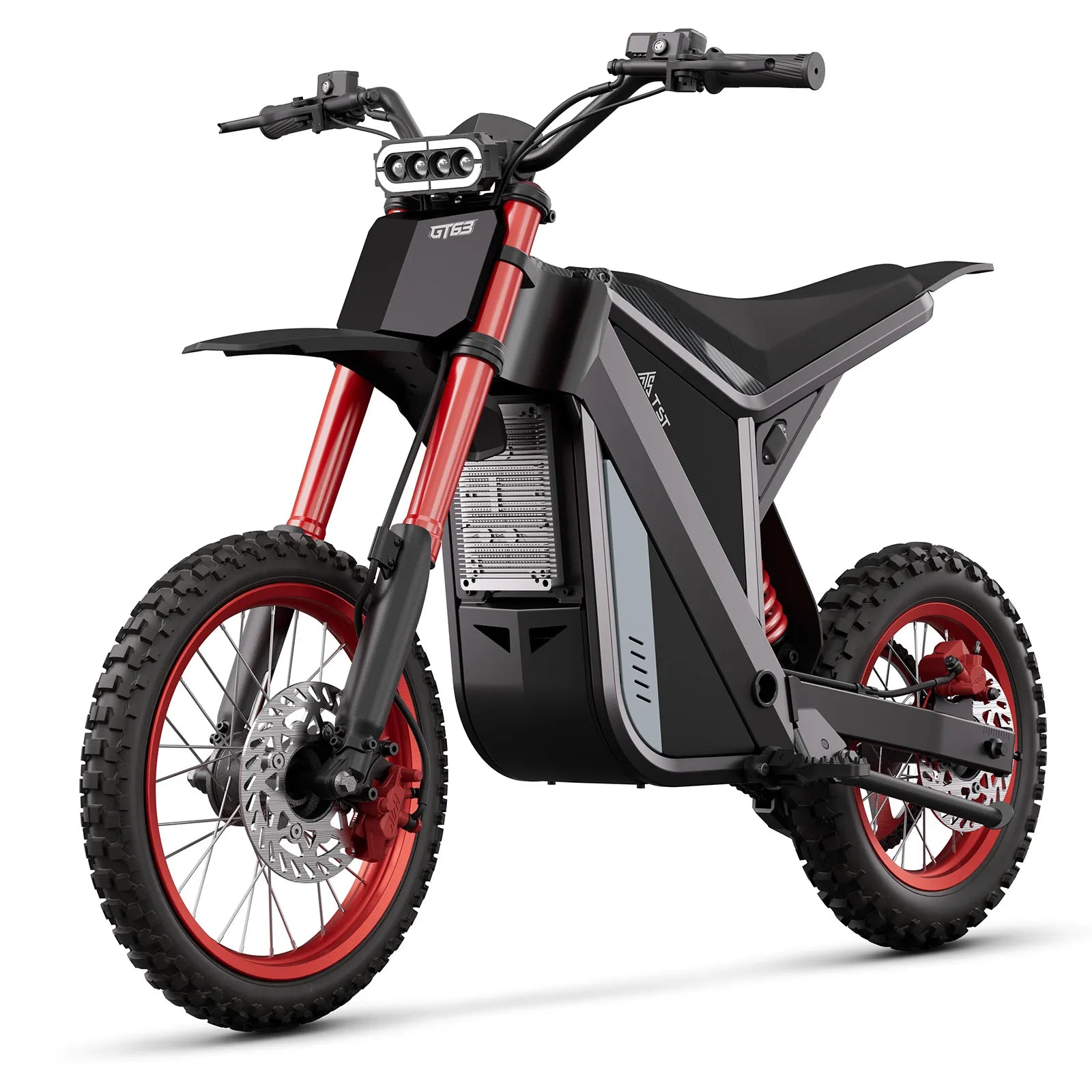
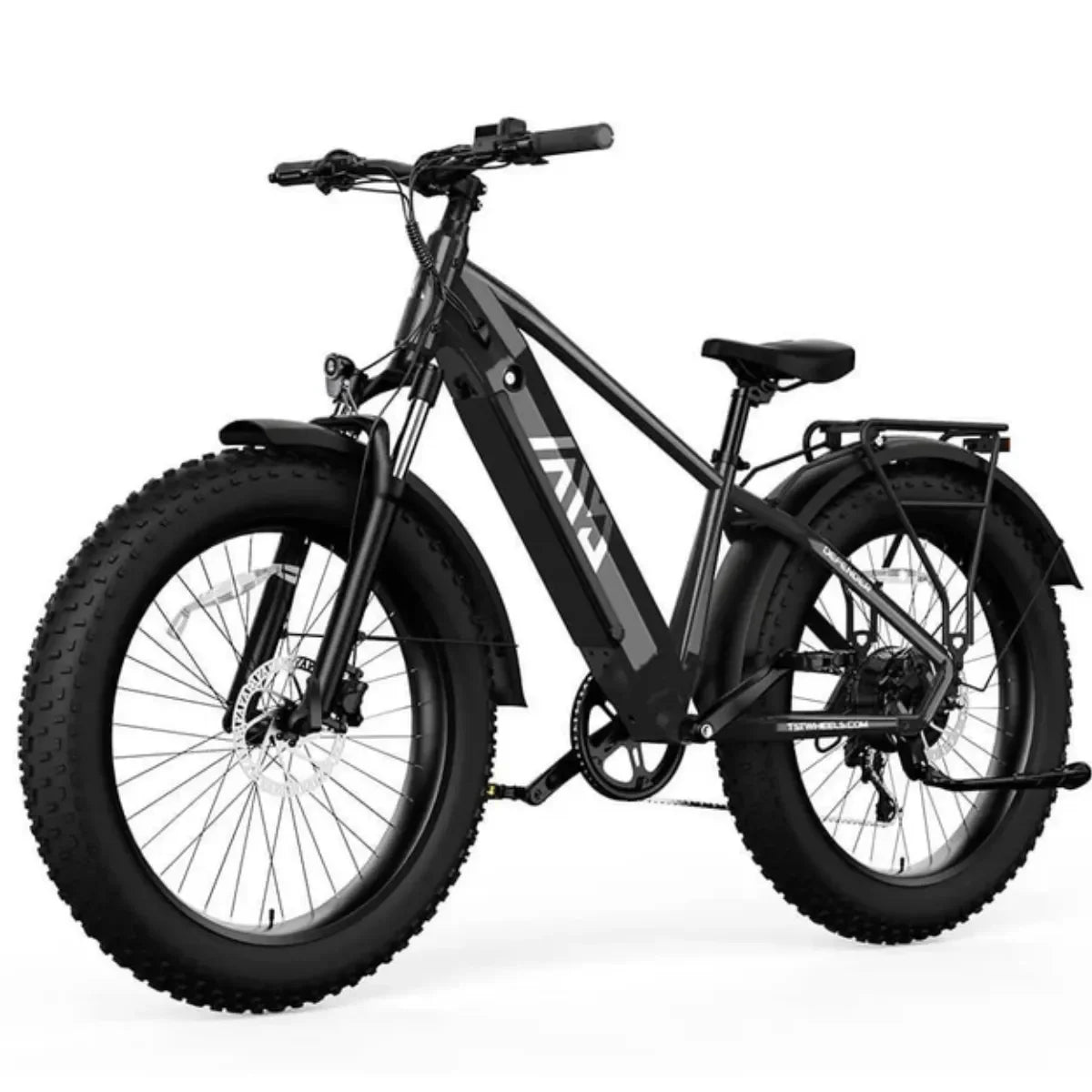
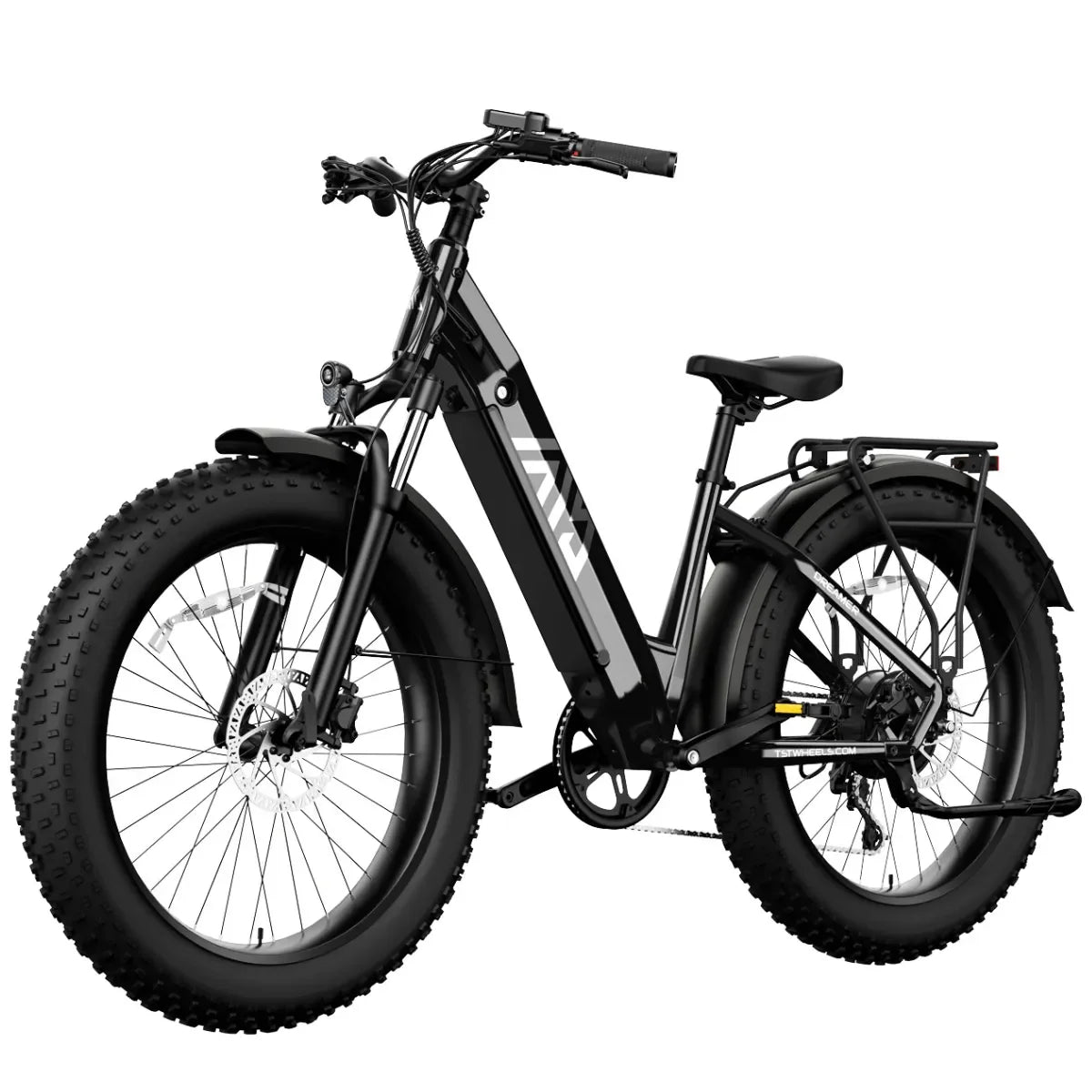

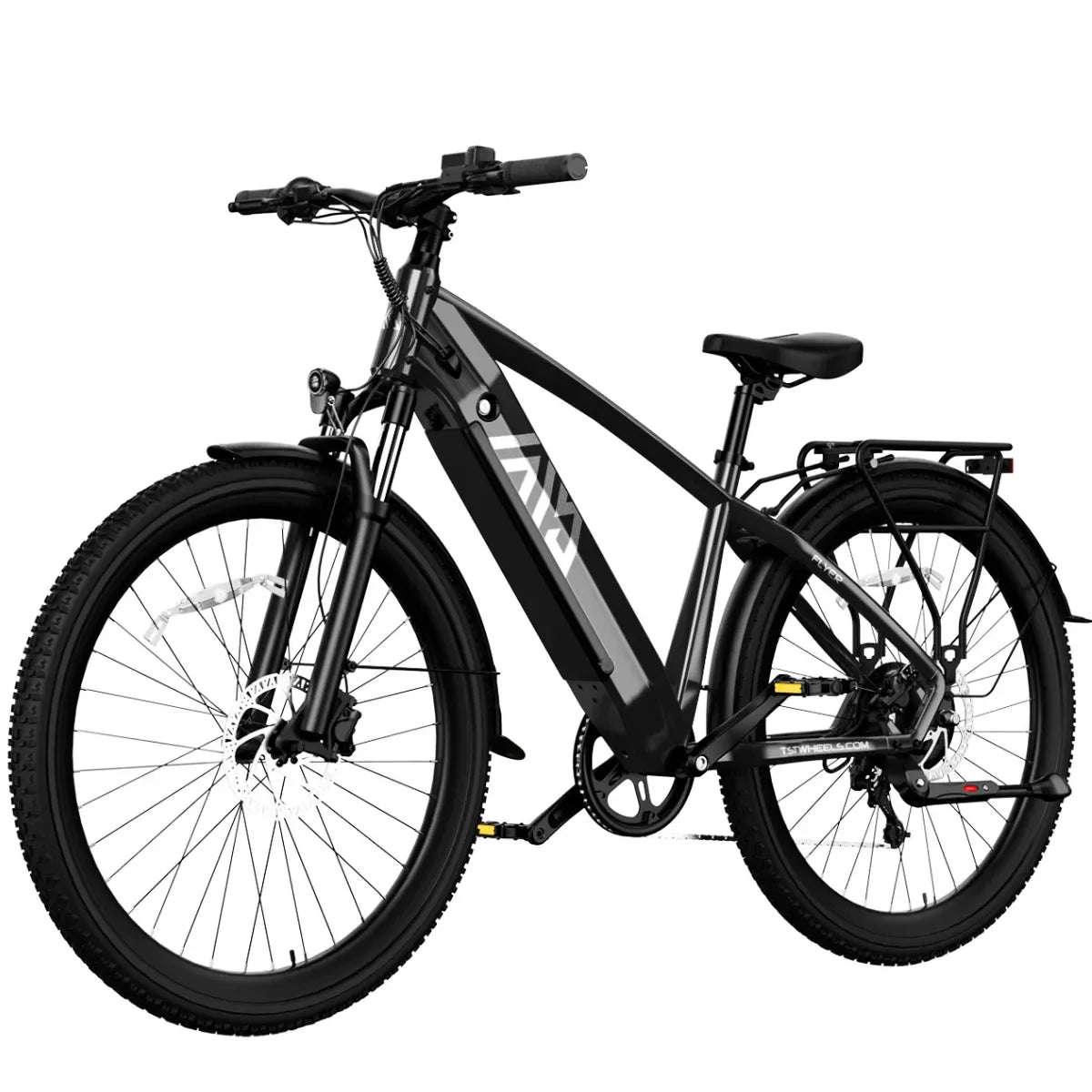

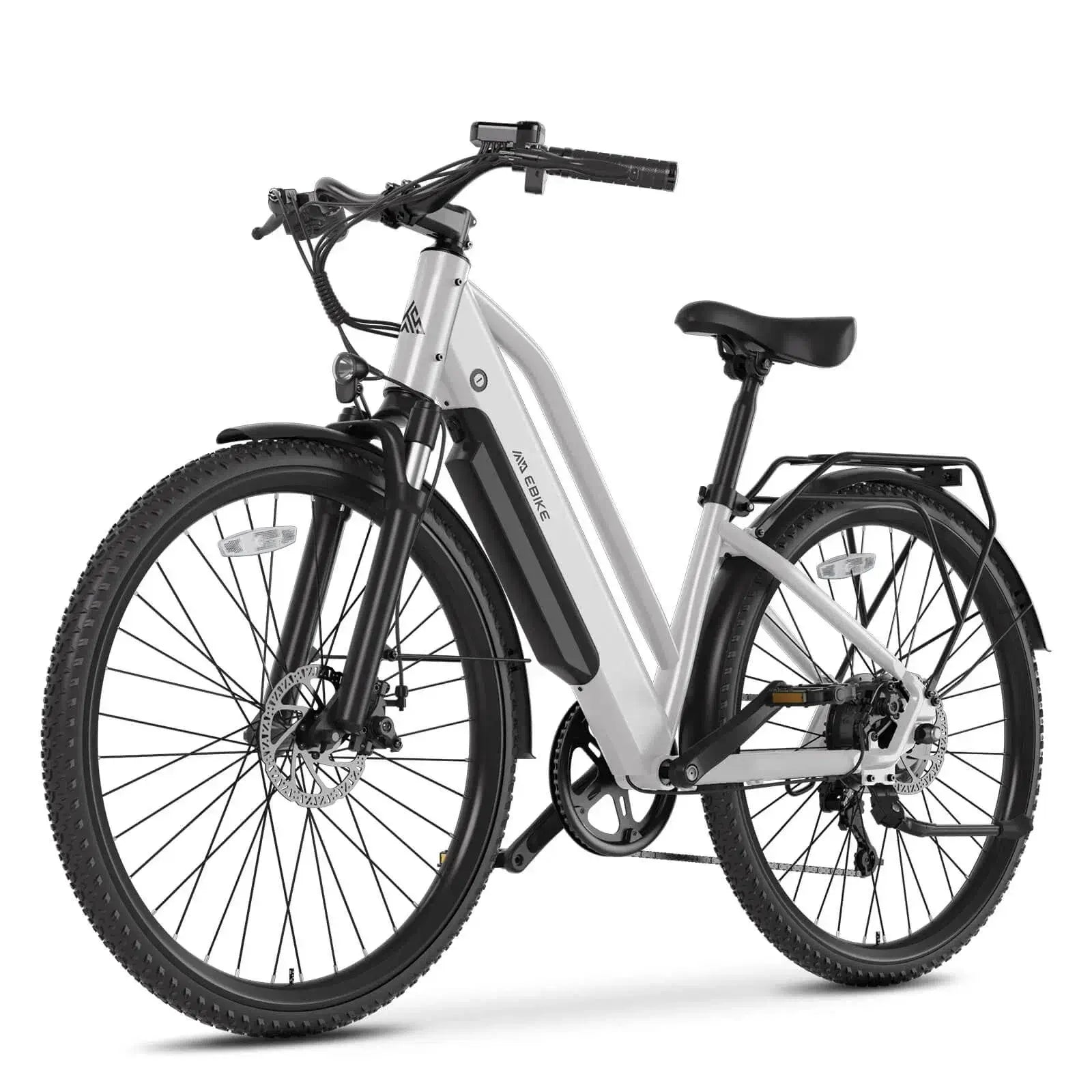






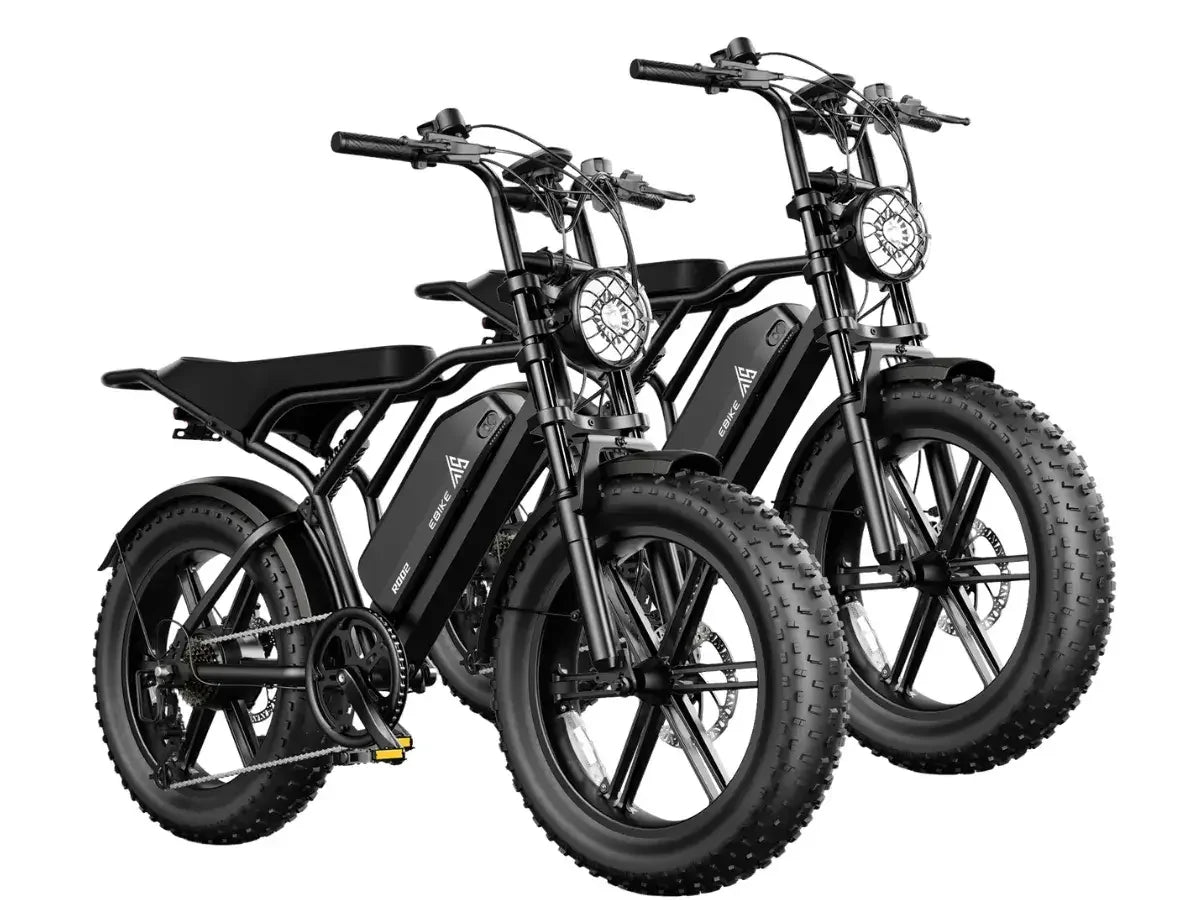
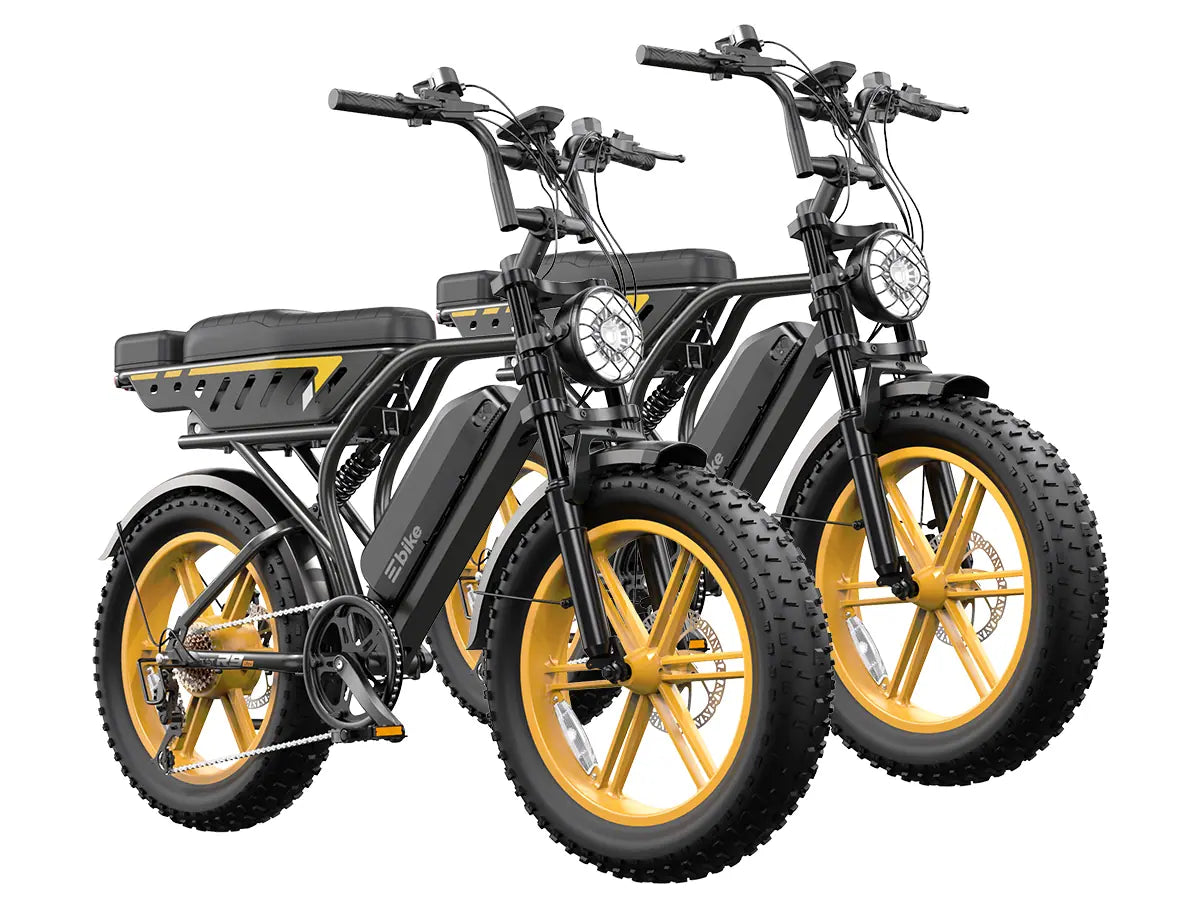

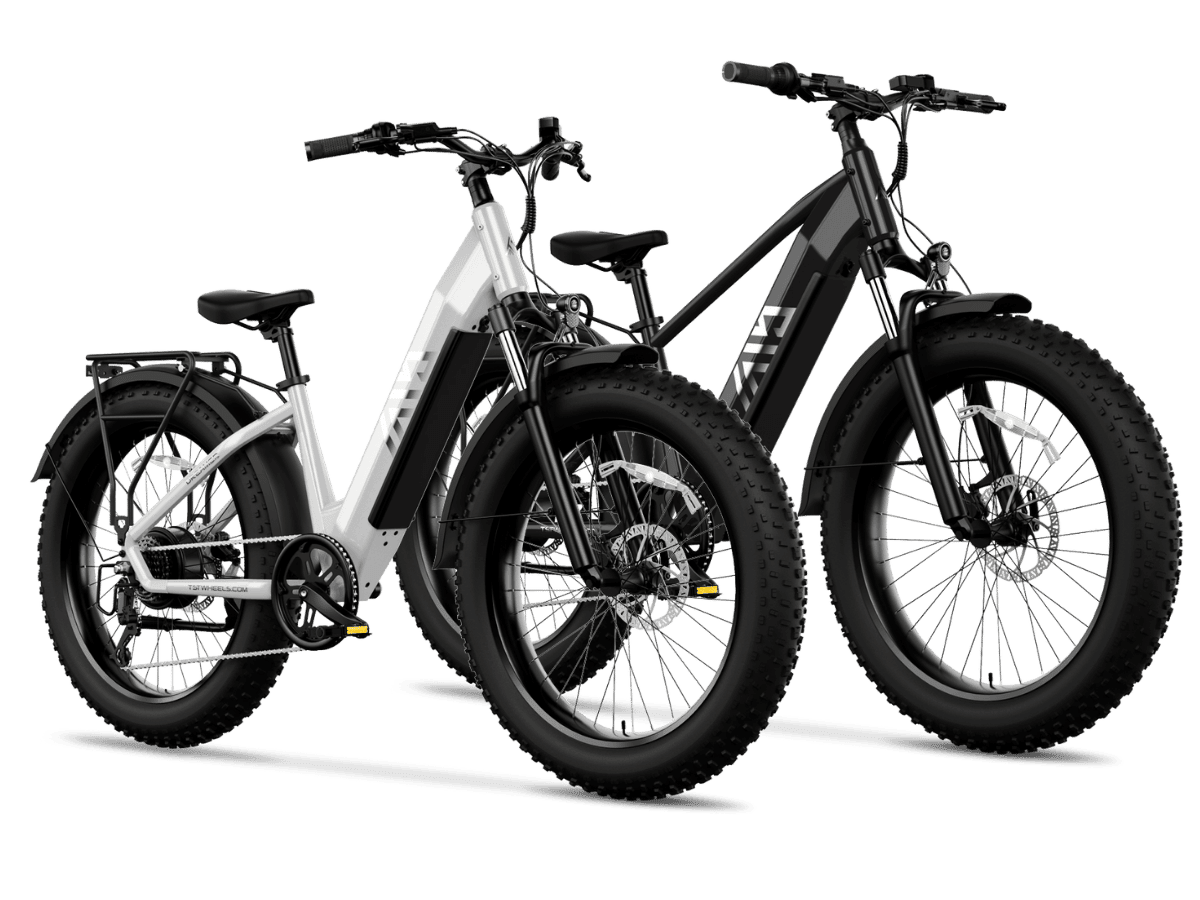
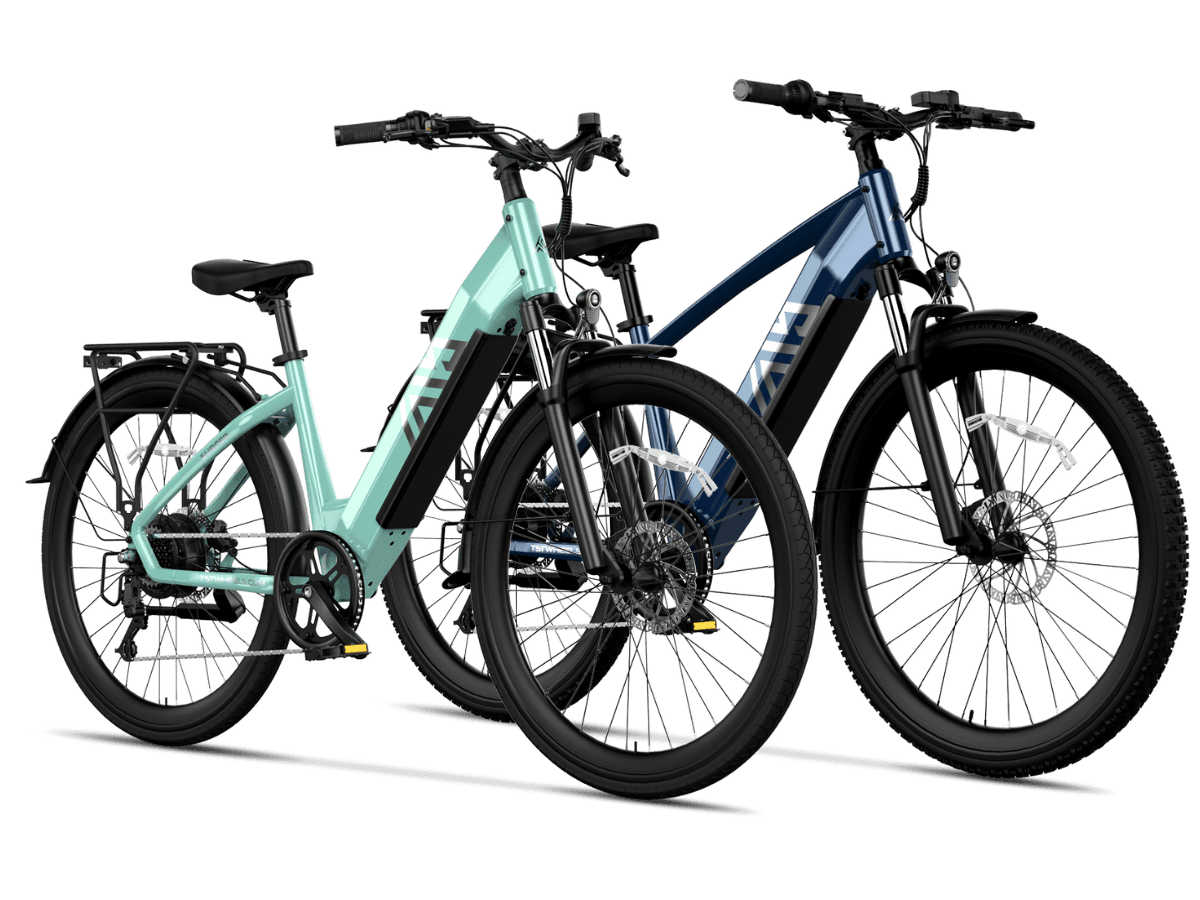
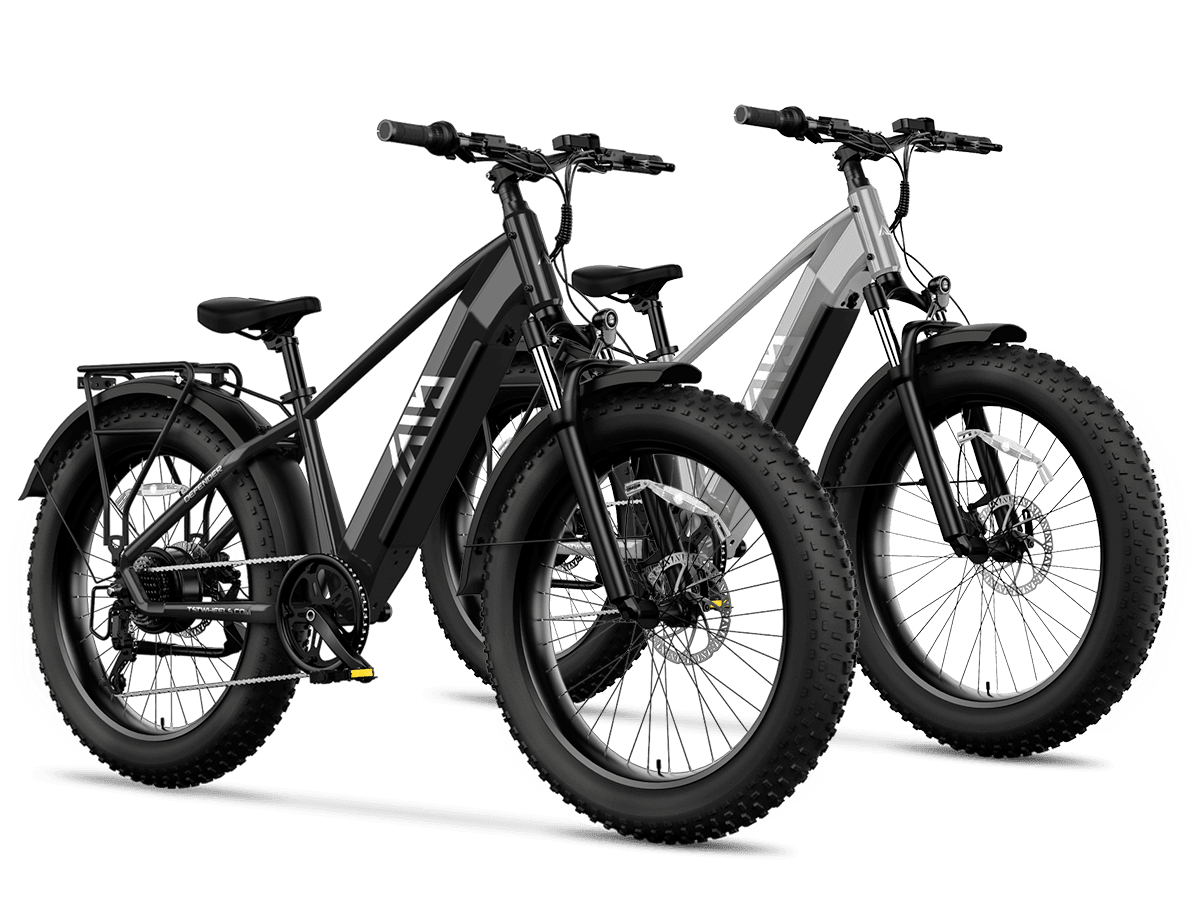
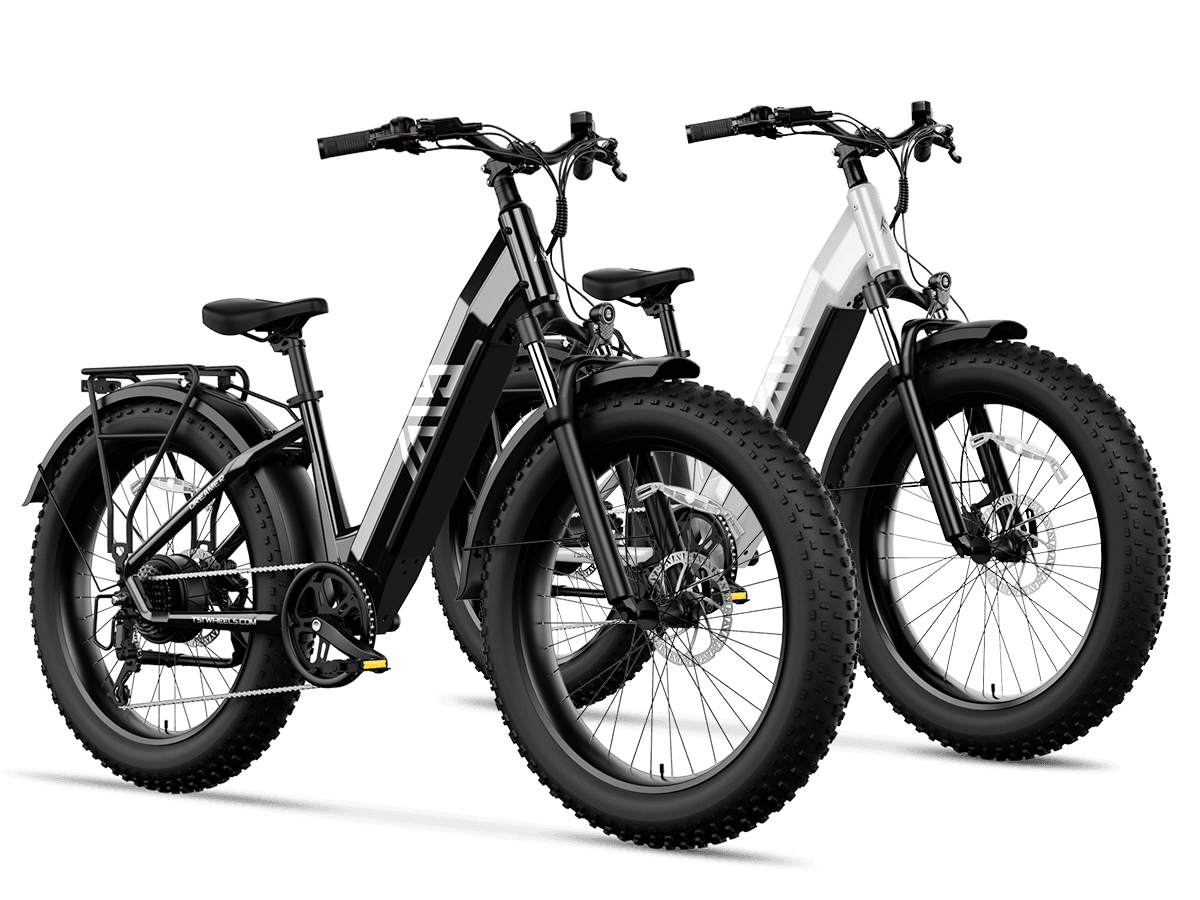

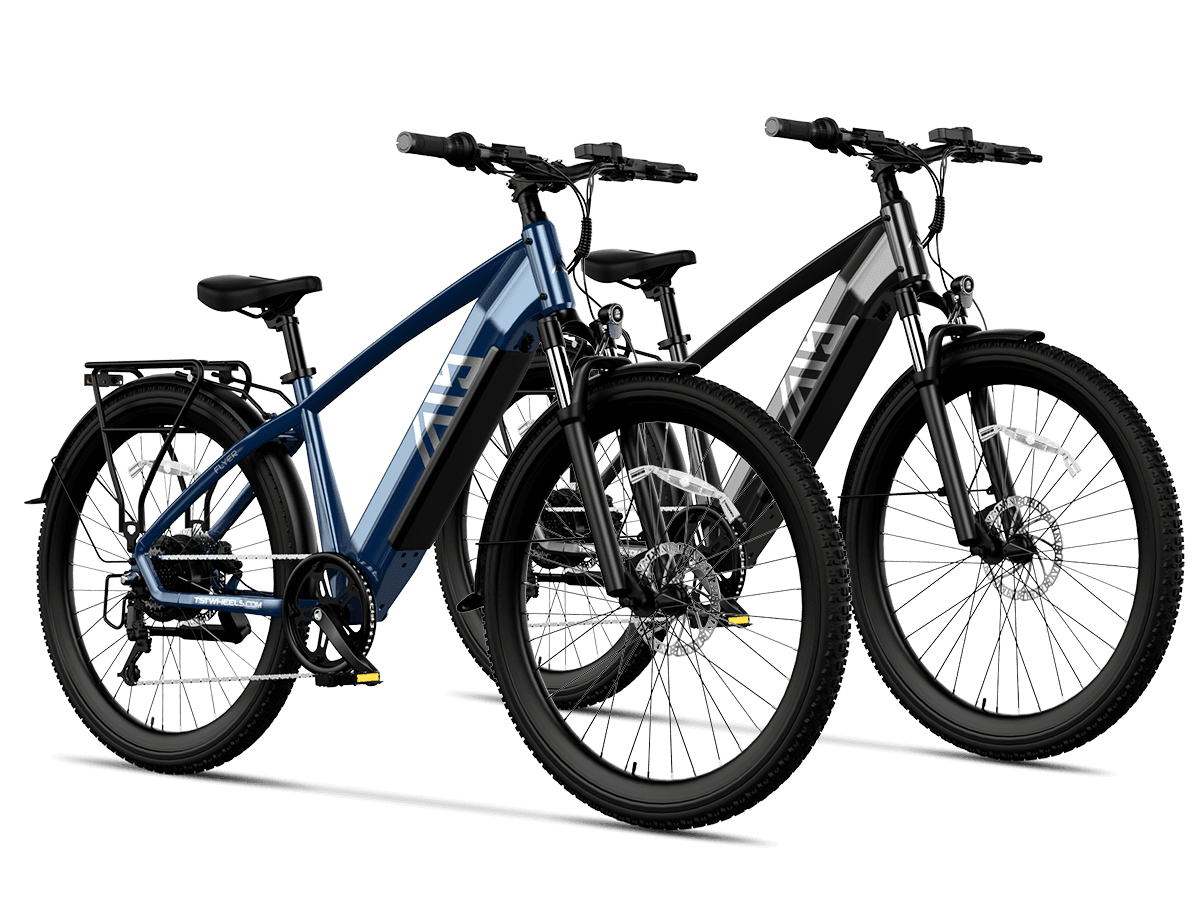
Electric moped batteries are vital for range, performance, and safety. Lithium-ion batteries dominate due to their high energy density, lightweight design, and long lifespan. Voltage, capacity, and total energy determine ride distance, power output, and charging efficiency. TST EBike incorporates advanced battery management systems and high-quality components to deliver reliable, safe, and consistent performance for daily commuting and urban transportation.
How Do Different Battery Types Affect Electric Moped Performance?
Lithium-ion batteries are widely preferred for their lightweight, high energy storage, and fast charging, offering longer ranges and improved speed. Lead-acid batteries are heavier and have shorter lifespans. Lithium Iron Phosphate (LiFePO4) batteries provide enhanced safety and longevity, while emerging graphene-based batteries promise higher capacity and stability. Battery type directly impacts acceleration, handling, range, and overall efficiency.
What Voltage and Capacity Should You Look For?
Most electric mopeds use 36V or 48V batteries, balancing torque, speed, and energy efficiency. Higher voltage systems (52V+) provide increased power but consume more energy. Amp-hour (Ah) ratings typically range from 10Ah to 20Ah; higher capacity supports longer rides before recharging. TST EBike selects batteries that deliver consistent performance, meeting commuter and urban travel requirements.
Which Battery Specifications Determine Range and Charging Time?
Battery range is calculated using watt-hours (Wh = V × Ah), representing total energy storage. Higher Wh values allow longer rides. Charging time depends on battery capacity and charger type, generally ranging from 4 to 8 hours. Fast charging reduces downtime but may slightly affect long-term battery life. Efficient management ensures reliability and consistent performance.
Why Is Battery Management Important?
Battery Management Systems (BMS) safeguard against overcharging, overheating, and excessive discharge. Smart BMS units balance cells, provide diagnostics, and communicate with the controller to optimize performance. TST EBike integrates robust BMS solutions to enhance safety, extend battery lifespan, and maintain consistent power delivery.
How Should You Maintain Electric Moped Batteries?
Proper maintenance involves regular charging, avoiding full depletion, storing batteries in cool, dry environments, and using manufacturer-approved chargers. Periodic inspections and temperature precautions maintain capacity and extend cycle life. Following these practices ensures batteries perform reliably over thousands of charge cycles.
Can Batteries Be Replaced or Upgraded?
Electric moped batteries are modular and can be replaced or upgraded for higher voltage or capacity. Compatibility with connectors, physical dimensions, and system voltage is essential. TST EBike supports battery replacement with quality-controlled components to preserve performance, safety, and efficiency.
How Does Battery Weight Impact Moped Handling?
Battery weight affects vehicle mass, balance, and acceleration. Heavier batteries can lower maneuverability, while lighter lithium-ion systems enhance handling and comfort. TST EBike carefully integrates batteries to maintain optimal center of gravity, ensuring stability, control, and smooth ride dynamics.
What Are the Environmental and Safety Considerations?
Safety measures include protective casing, thermal management, and chemistries like LiFePO4 to prevent overheating or fires. Proper recycling and disposal of lithium batteries reduce environmental impact. TST EBike emphasizes sustainable practices and responsible battery lifecycle management in production and disposal.
TST EBike Expert Views
“At TST EBike, we prioritize lithium-ion battery technology with optimal voltage and amp-hour ratings, ensuring riders achieve consistent range and dependable performance,” states a TST EBike Battery Specialist.
“Integrating advanced battery management systems and lightweight designs enhances safety and ride quality, allowing our electric mopeds to perform efficiently and reliably under daily commuting demands,” adds the TST EBike Technical Team.
Electric Moped Battery Comparison Table
| Battery Type | Voltage Range | Typical Capacity (Ah) | Range Impact | Lifespan (Charge Cycles) | Weight Impact |
|---|---|---|---|---|---|
| Lithium-ion (Li-ion) | 36V-52V | 10-20 Ah | High | 1500-3000 | Lightweight |
| Lithium Iron Phosphate (LiFePO4) | 36V-48V | 10-20 Ah | Moderate | 2500-7000 | Moderate |
| Lead-Acid | 12V-48V | 15-30 Ah | Low | 300-700 | Heavy |
| Graphene Variants | 48V+ | Varies | Very High | Emerging | Lightweight |
Conclusion
Selecting the right battery is essential for electric moped performance, safety, and convenience. Lithium-ion batteries with high voltage and capacity offer optimal range, weight, and durability. Advanced BMS integration ensures safe operation and efficient power management. TST EBike’s dedication to quality, innovative design, and eco-conscious practices guarantees reliable and practical electric moped performance for modern urban transportation.
Frequently Asked Questions
What is the most common battery type for electric mopeds?
Lithium-ion batteries dominate for their lightweight, high energy density, and long lifespan.
How long does an electric moped battery last?
Typically 1500 to 3000 charge cycles, varying with usage and care.
Can I upgrade my electric moped battery?
Yes, compatible upgrades to higher voltage or capacity are possible.
How long does it take to fully charge an electric moped battery?
Charging usually takes 4 to 8 hours depending on battery size and charger quality.
Is it safe to leave the battery charging overnight?
With modern BMS technology, overnight charging is generally safe, but following manufacturer guidelines is recommended.

Leave a comment
This site is protected by hCaptcha and the hCaptcha Privacy Policy and Terms of Service apply.