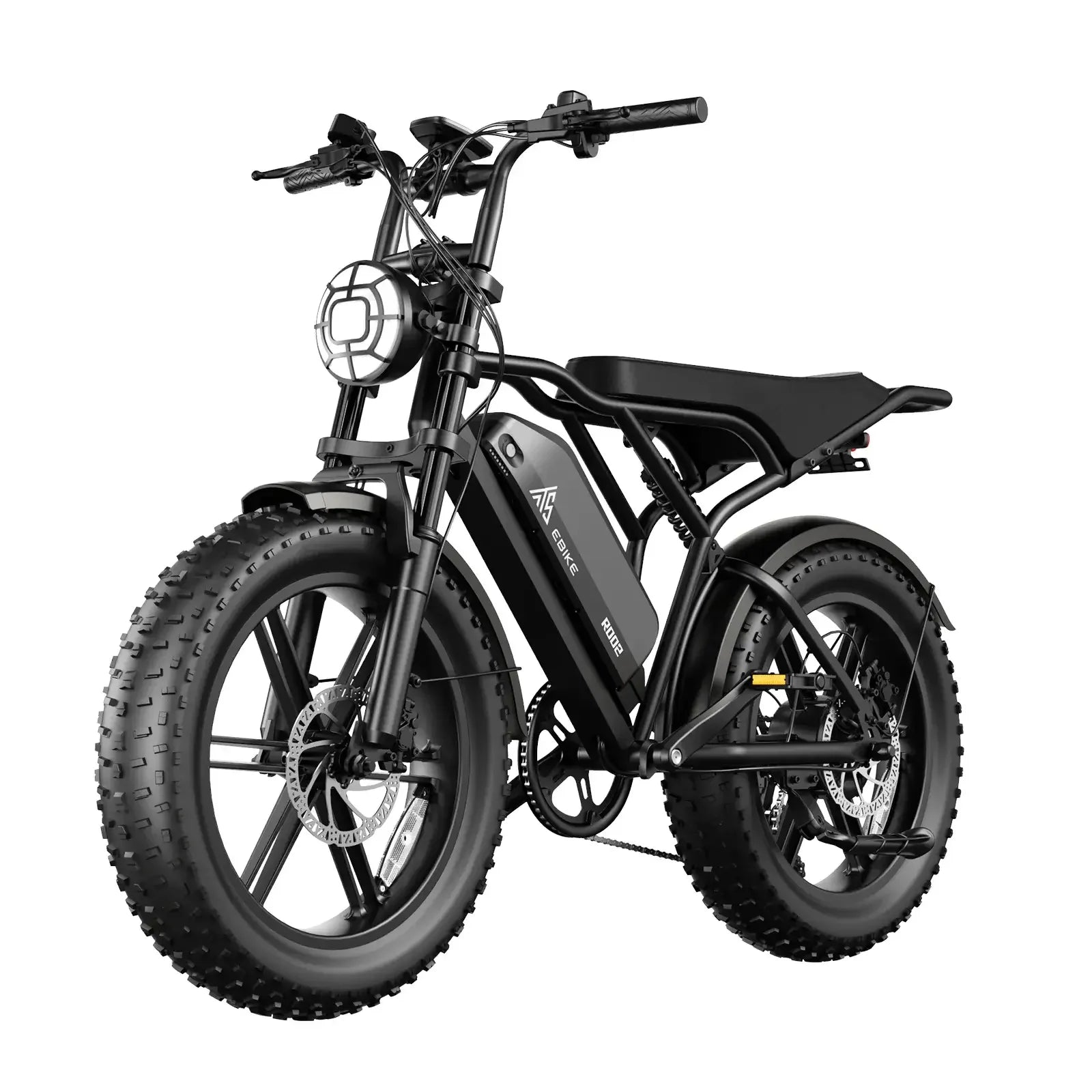

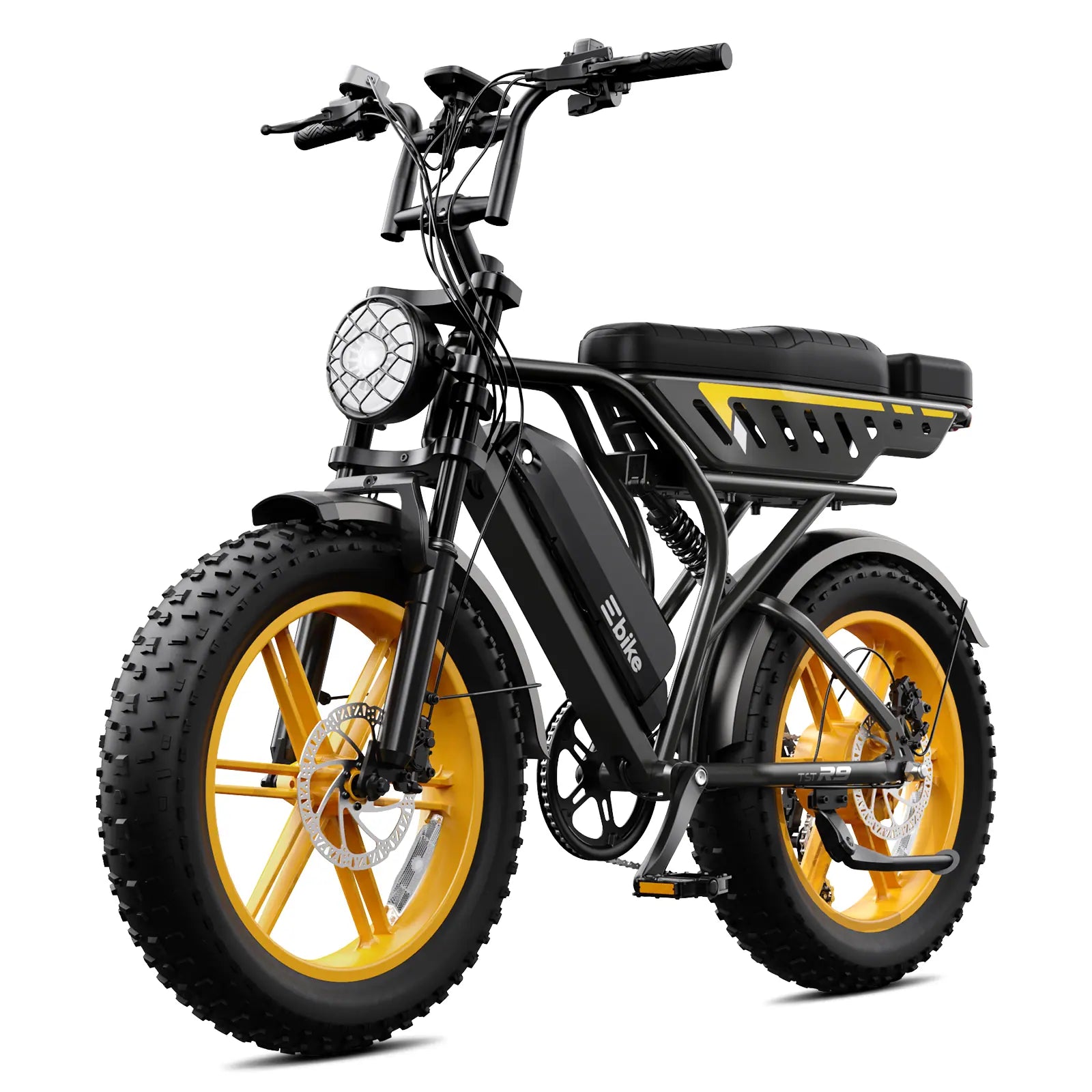

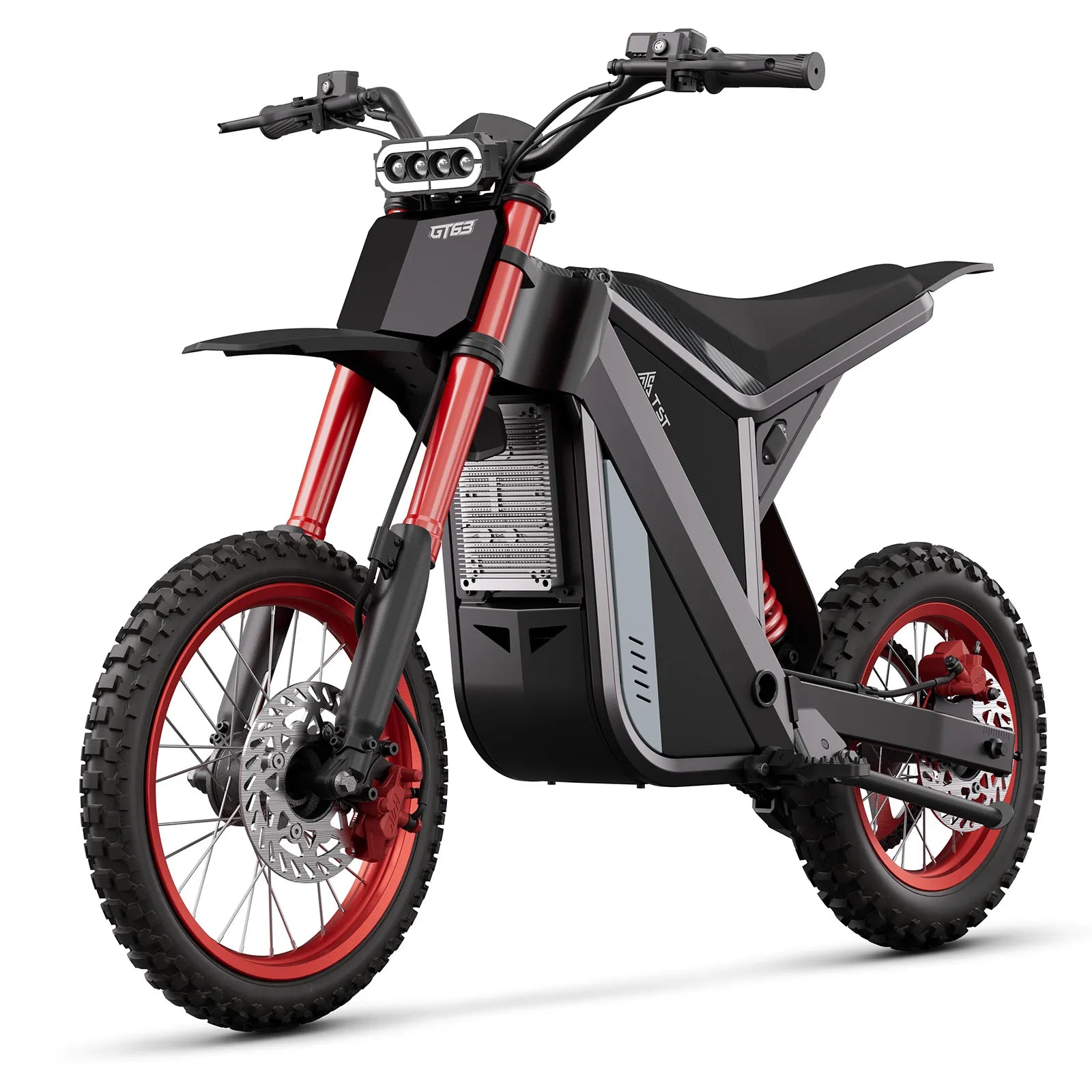
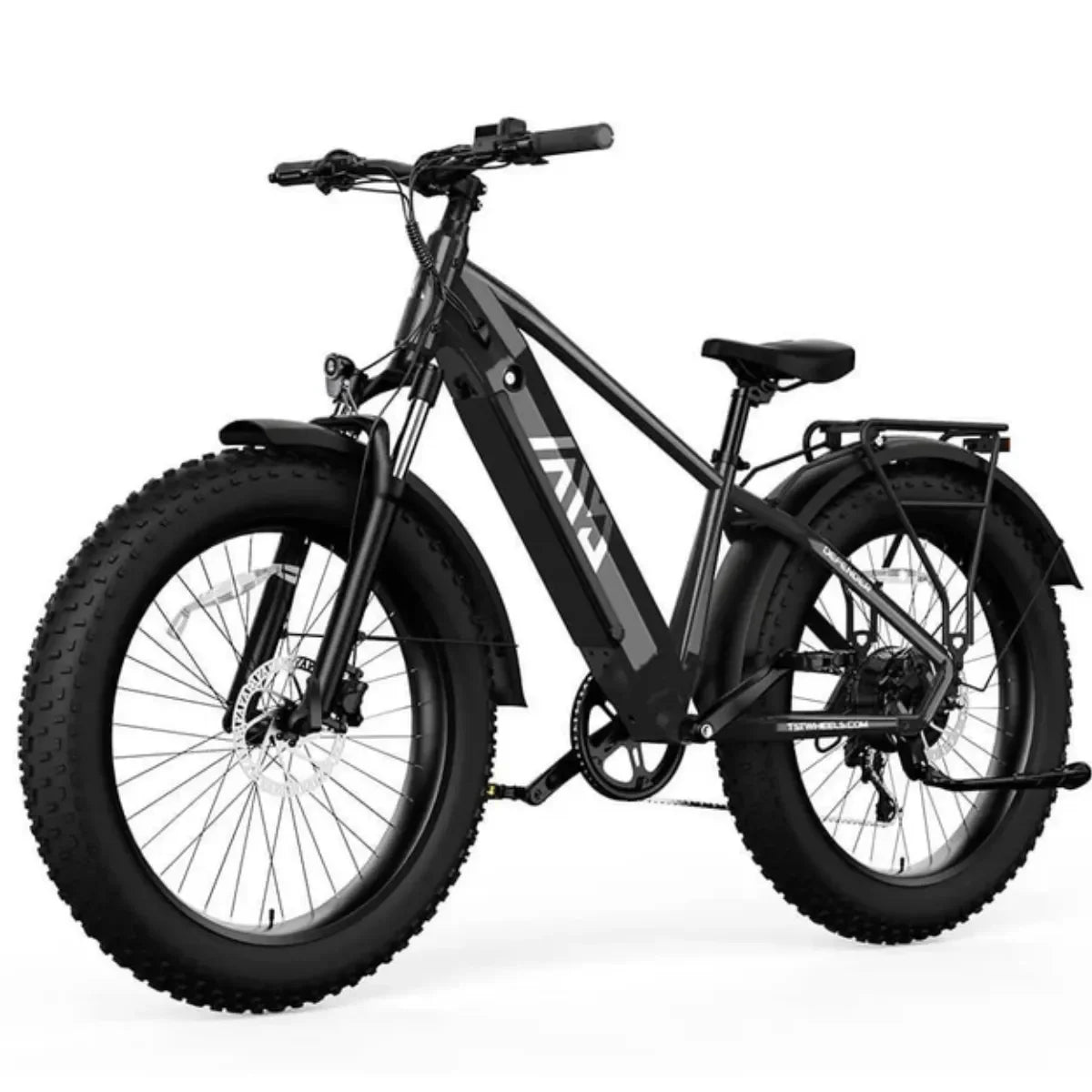
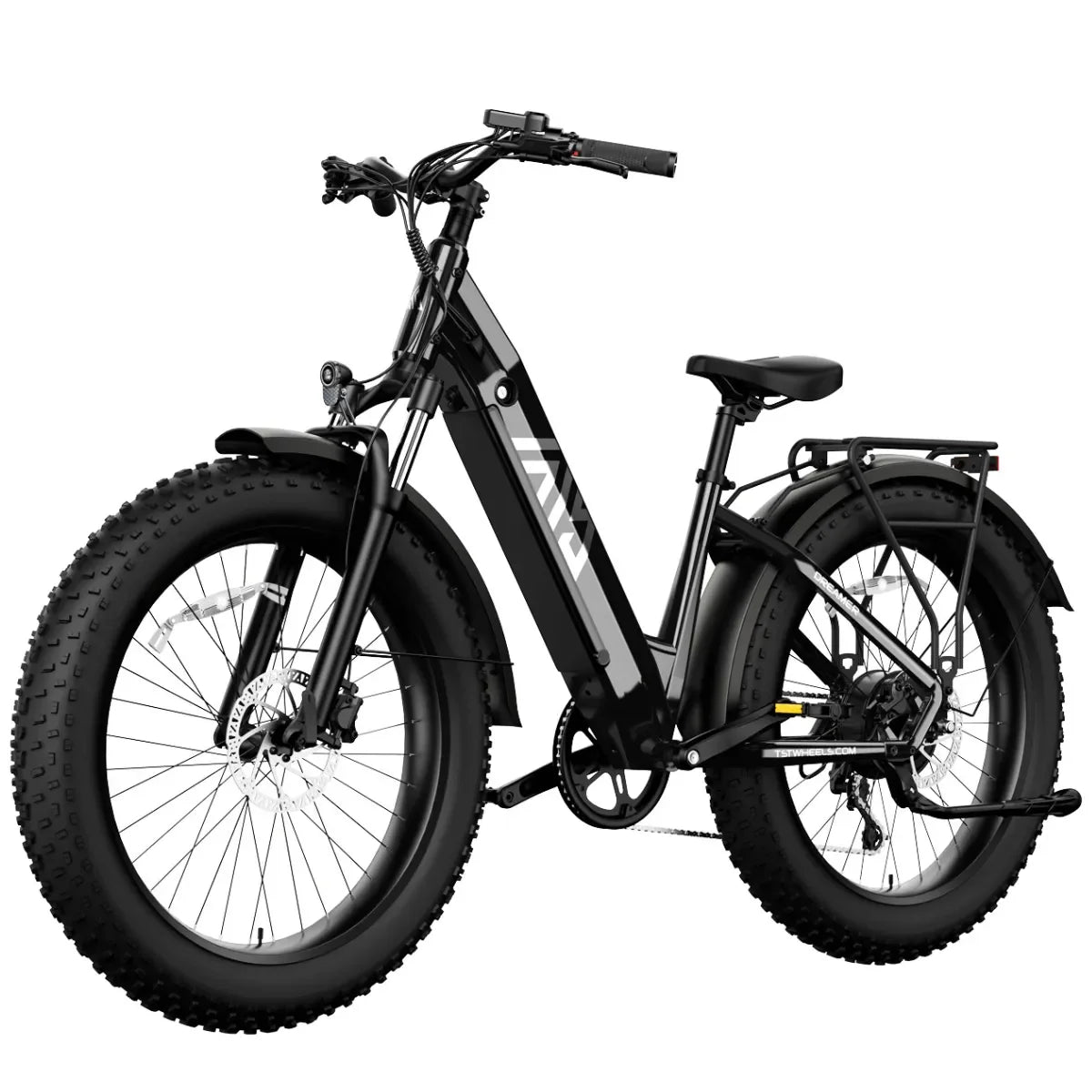

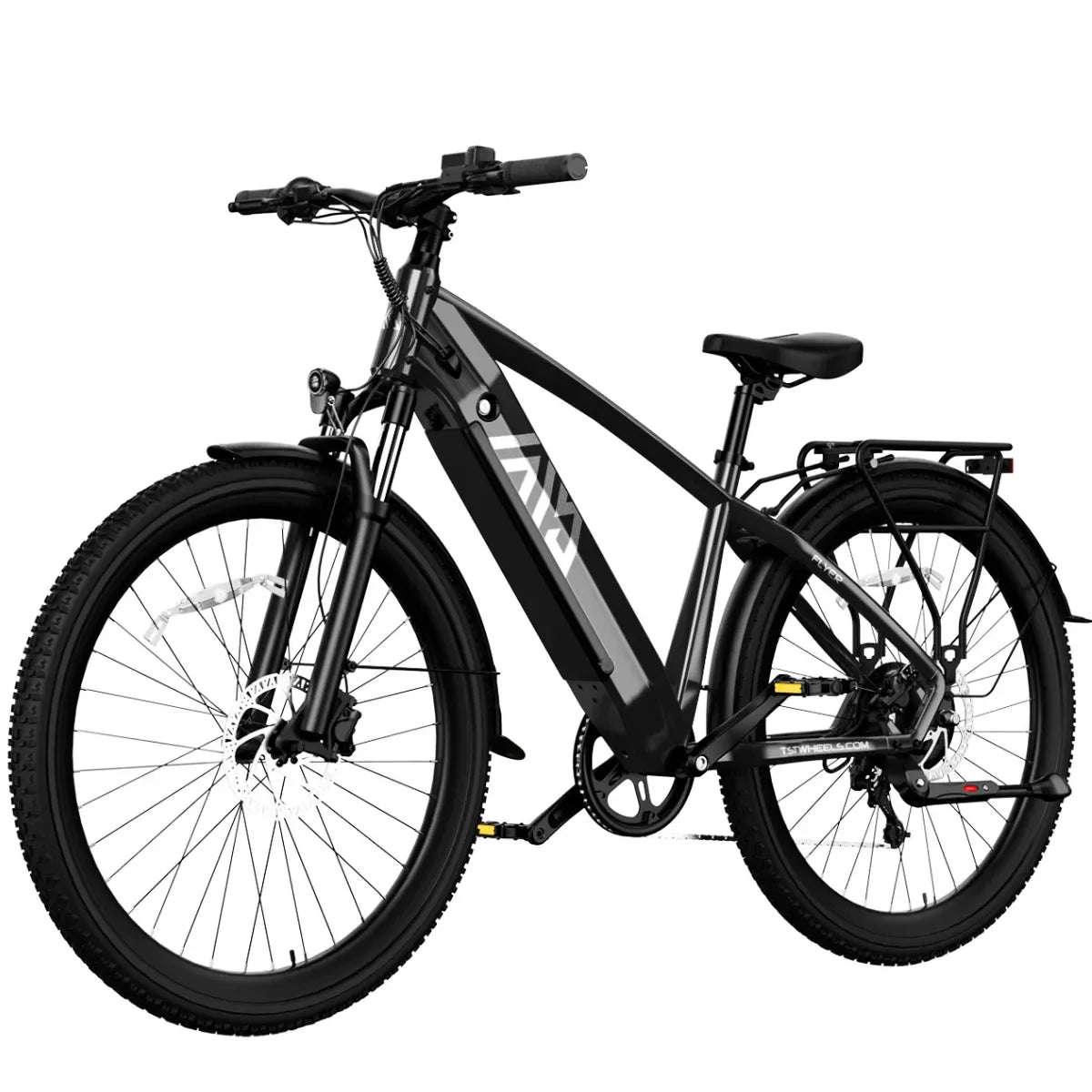
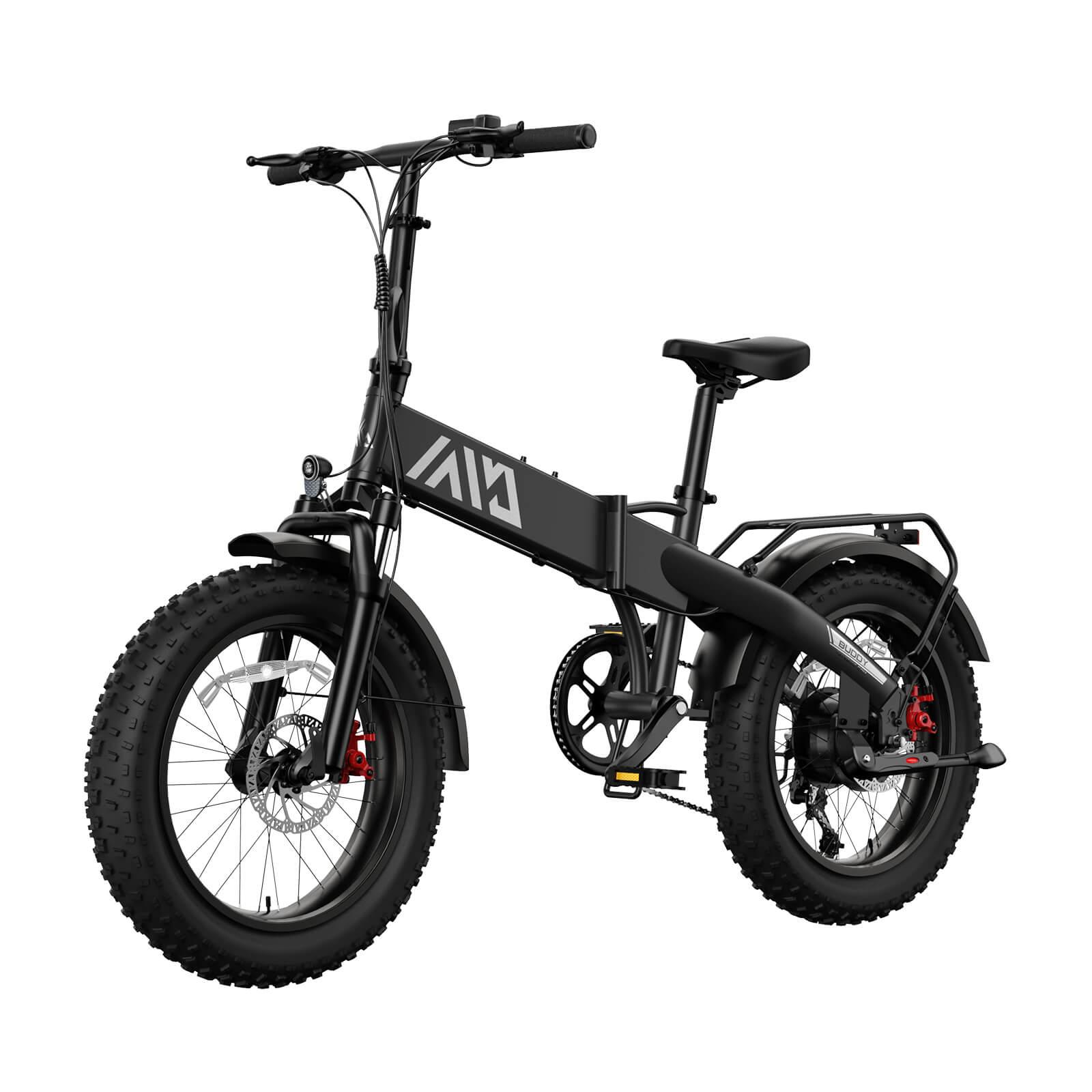

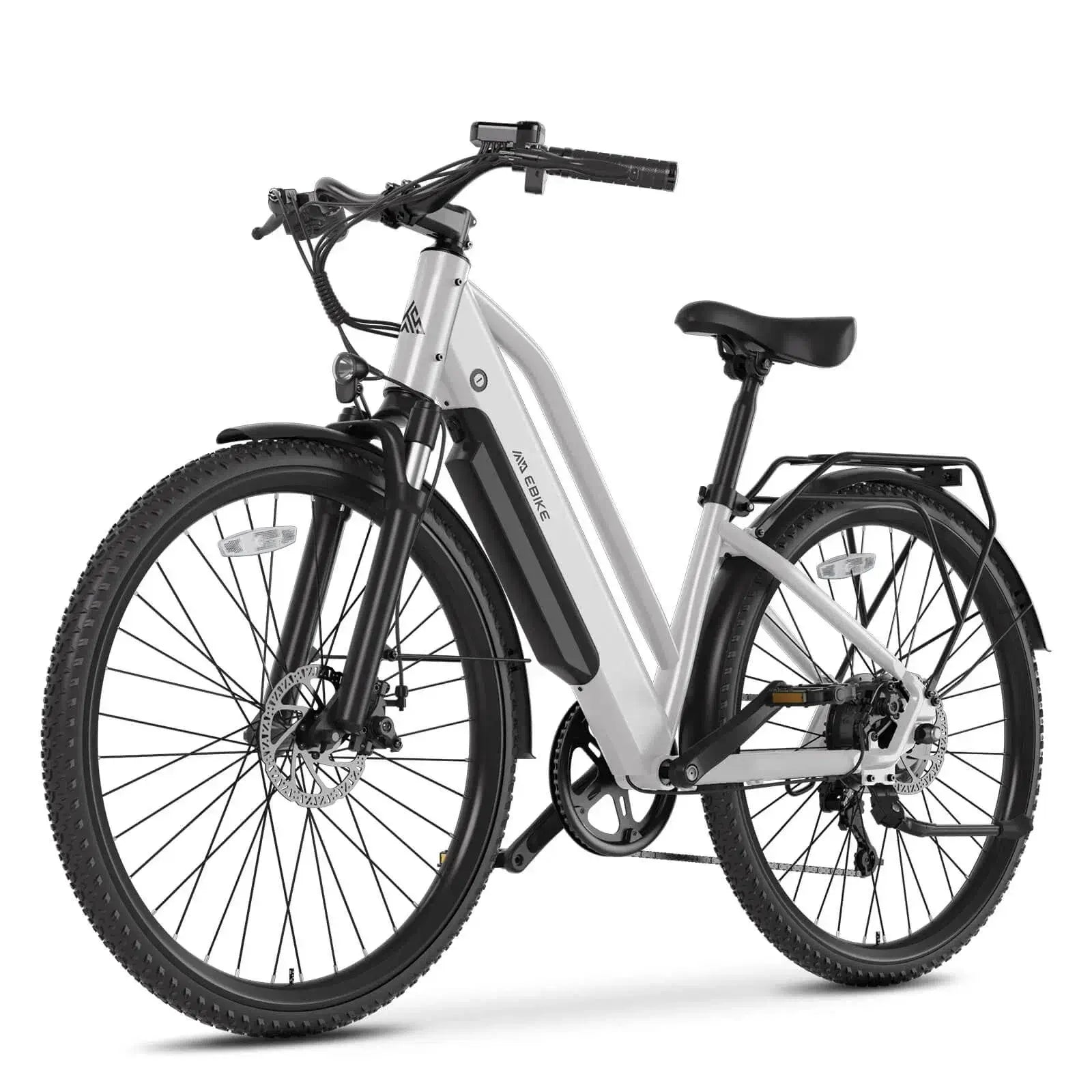







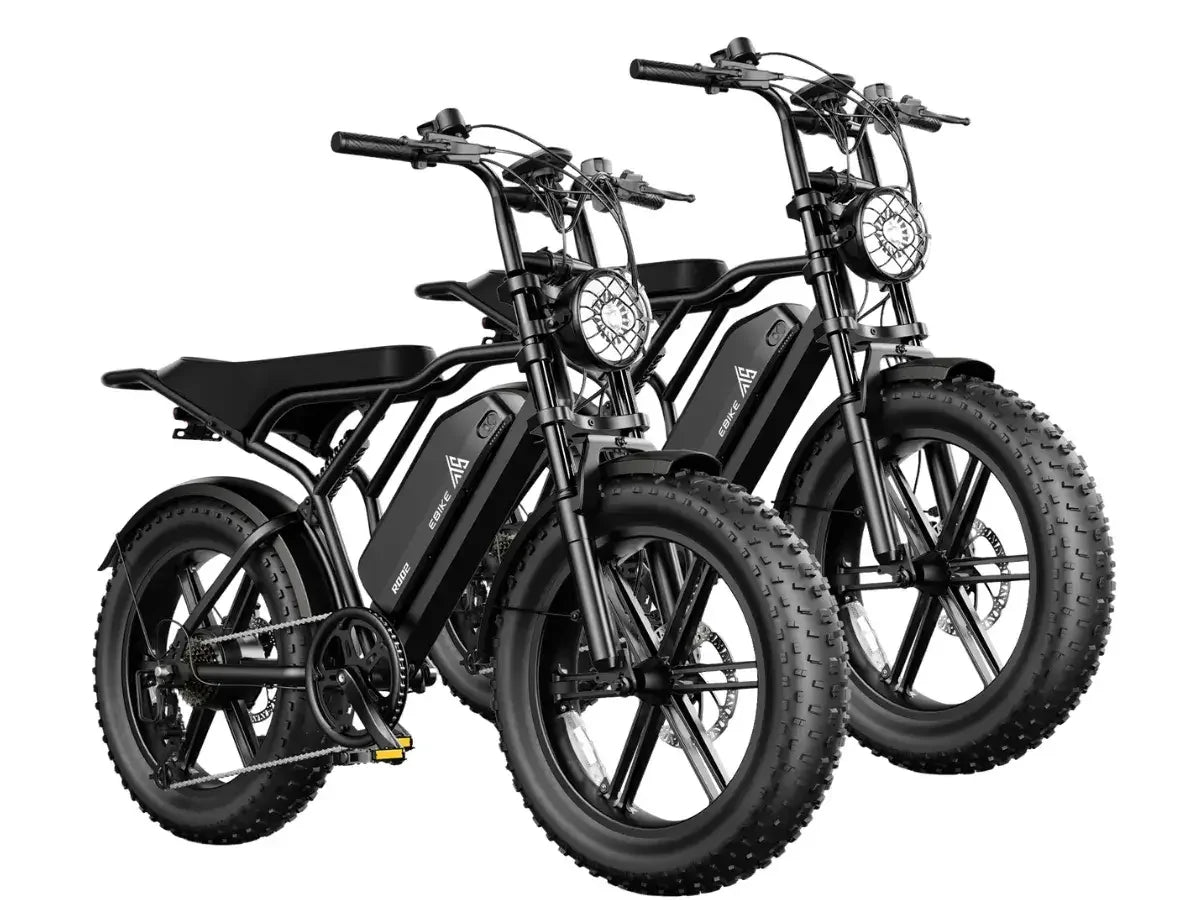
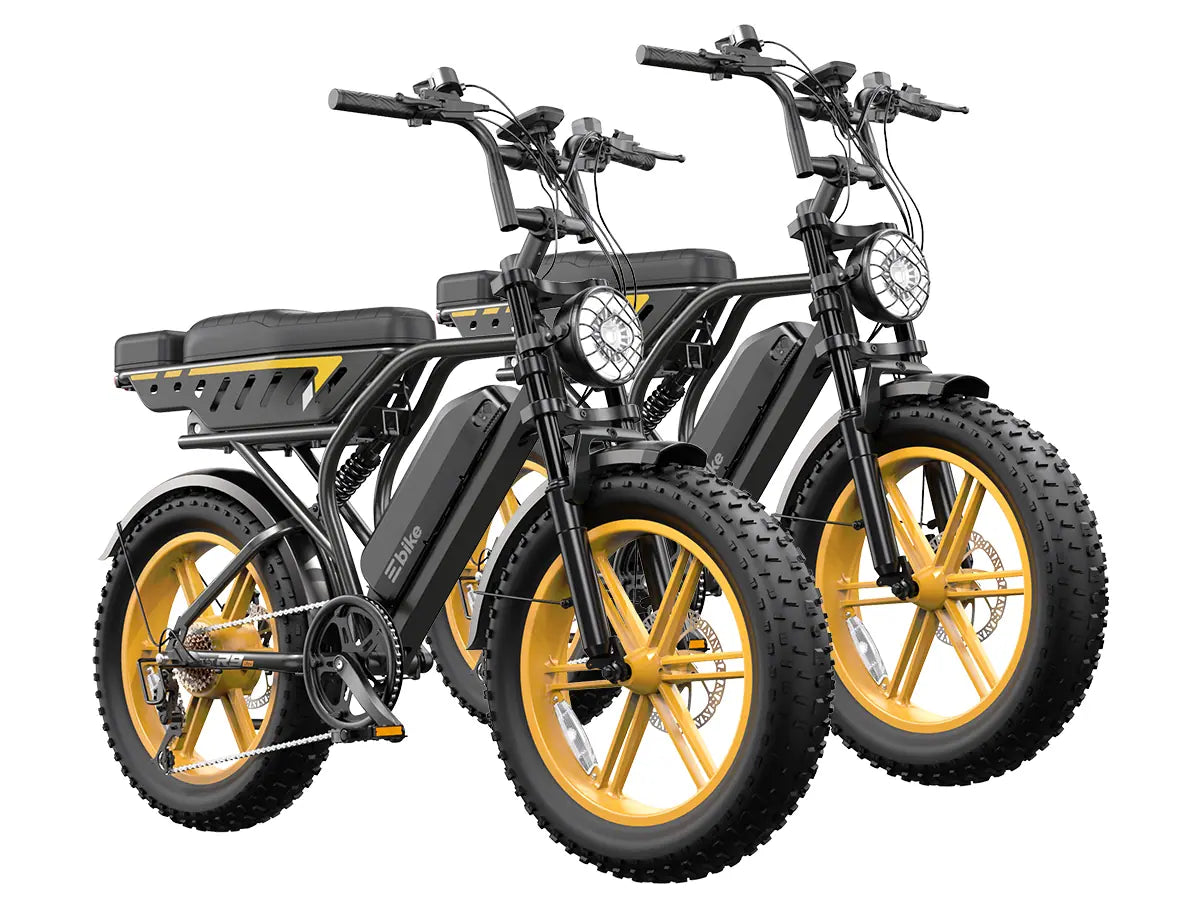

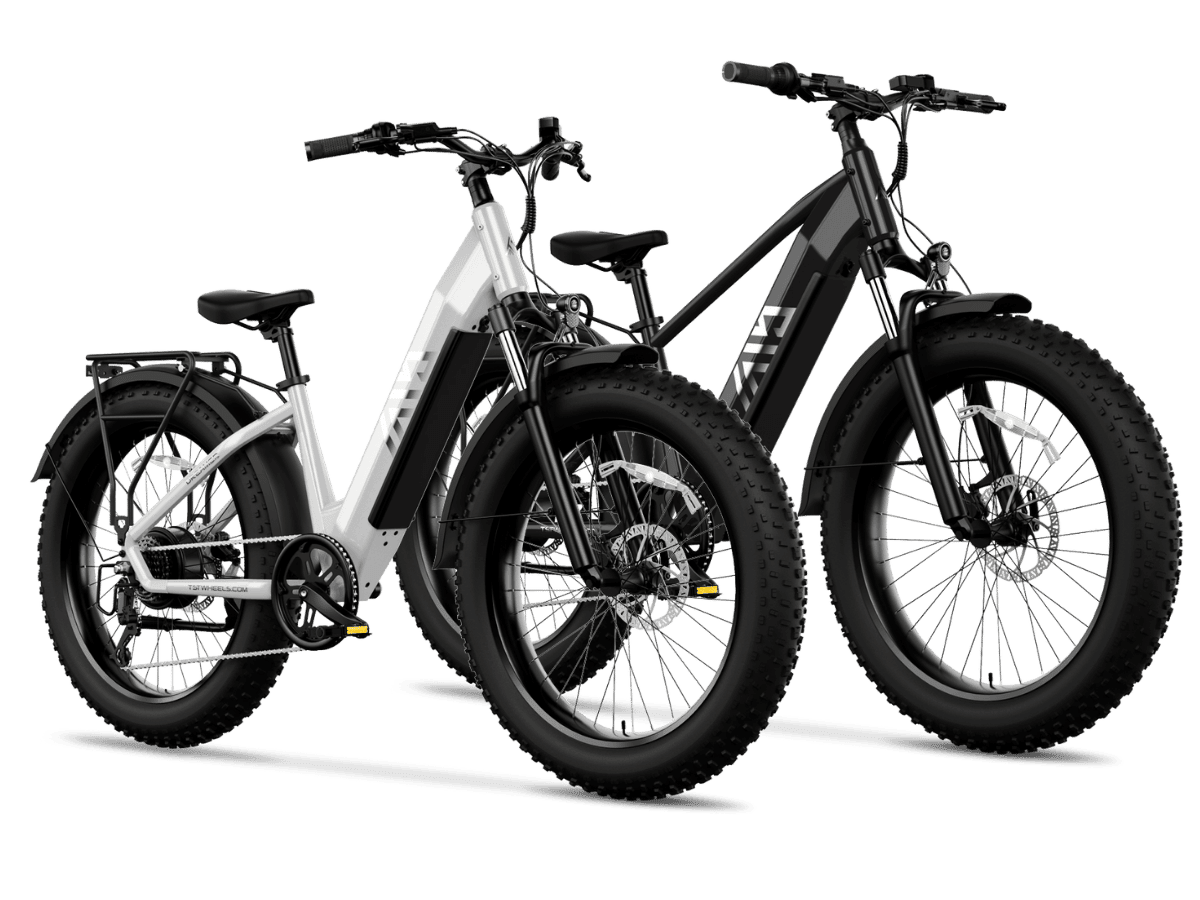
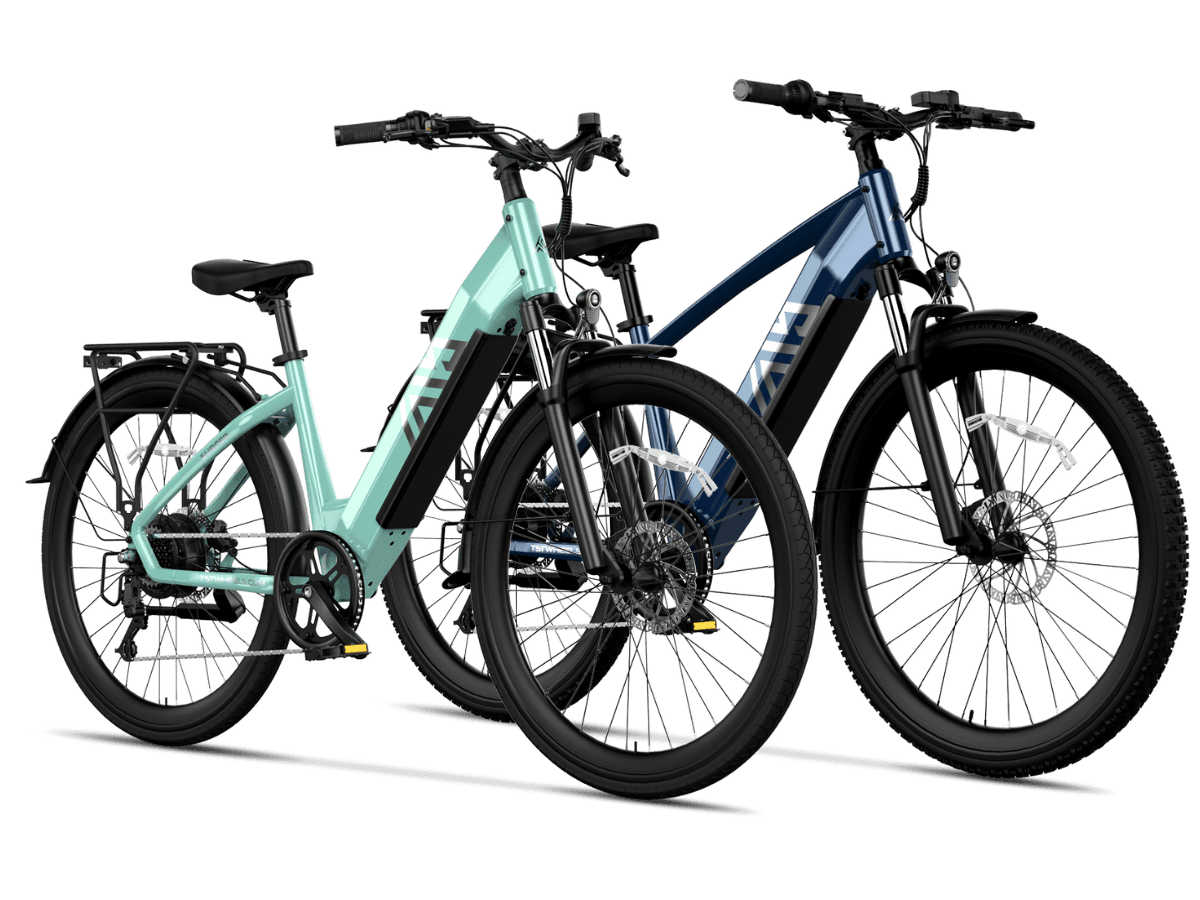
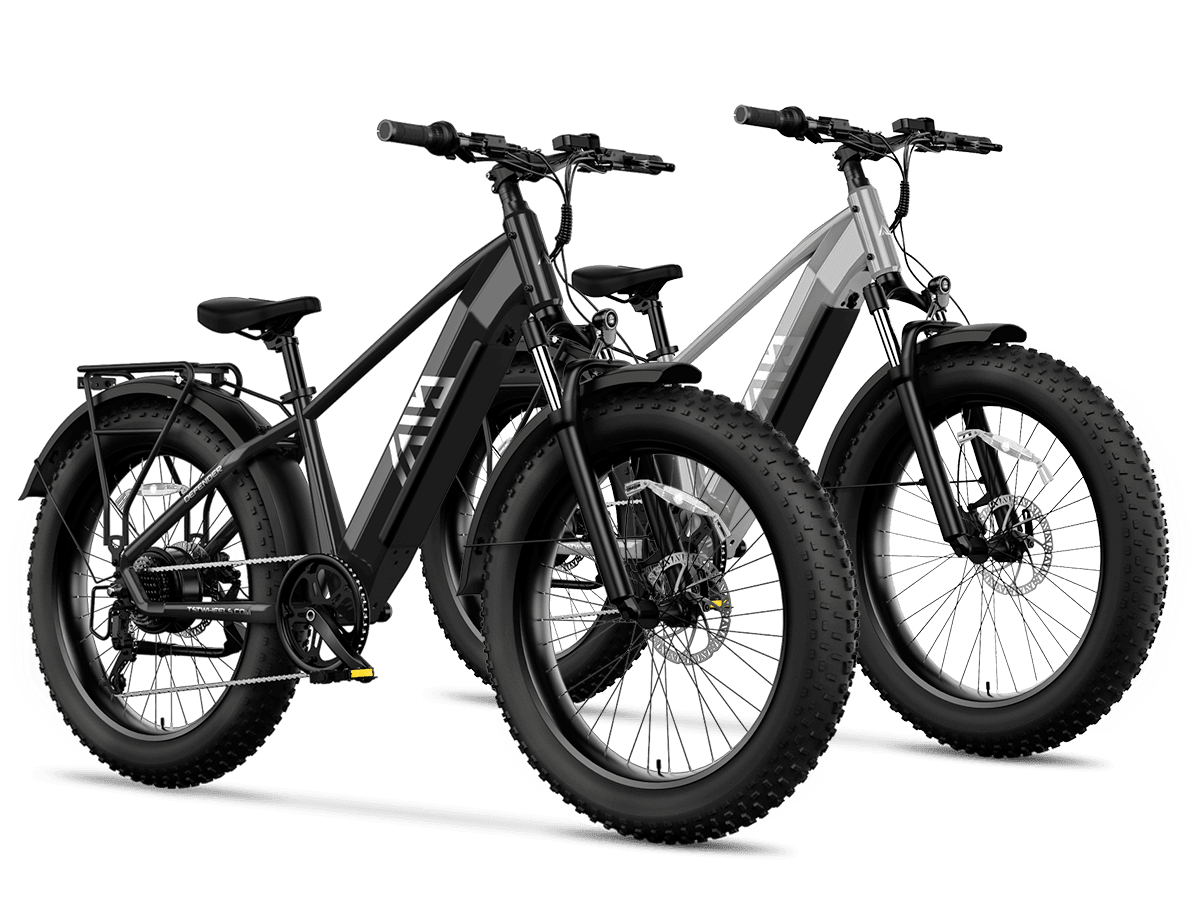
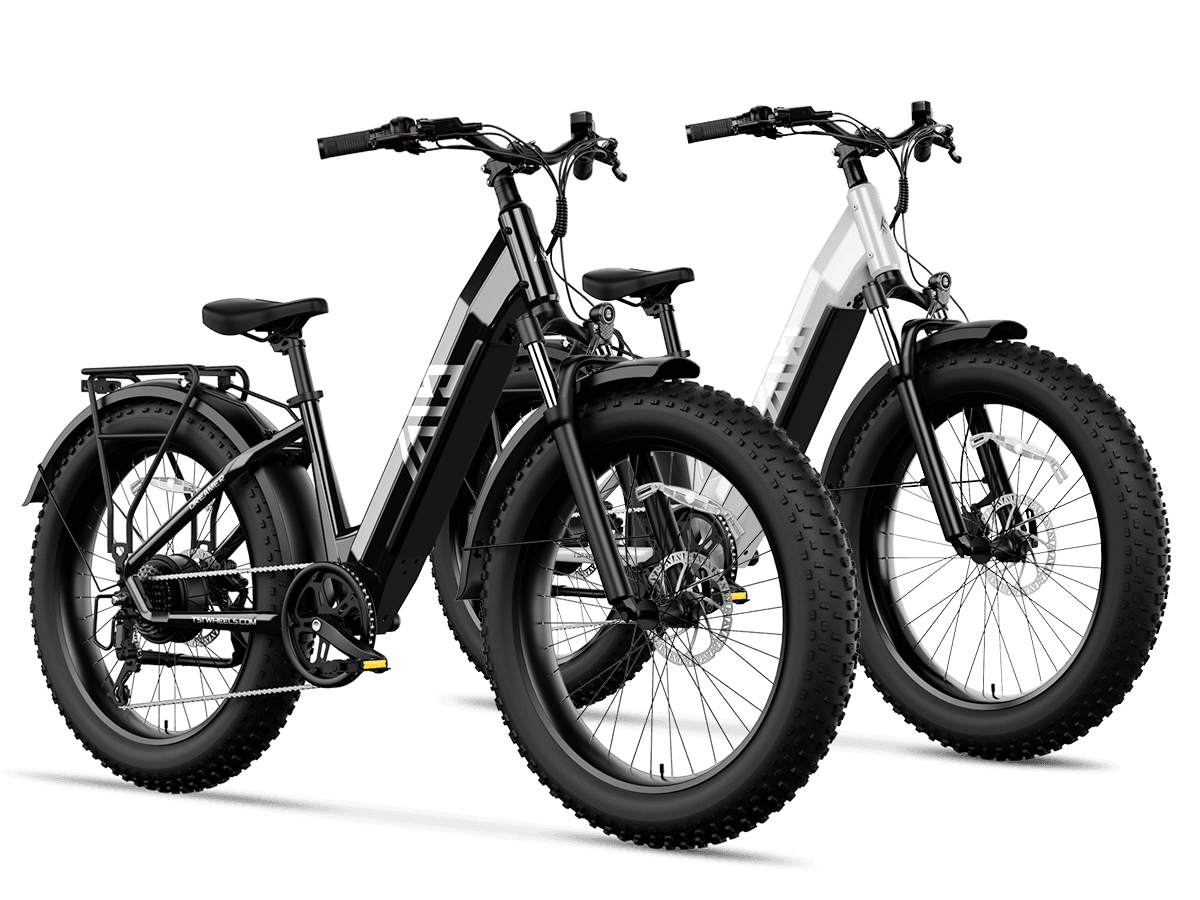

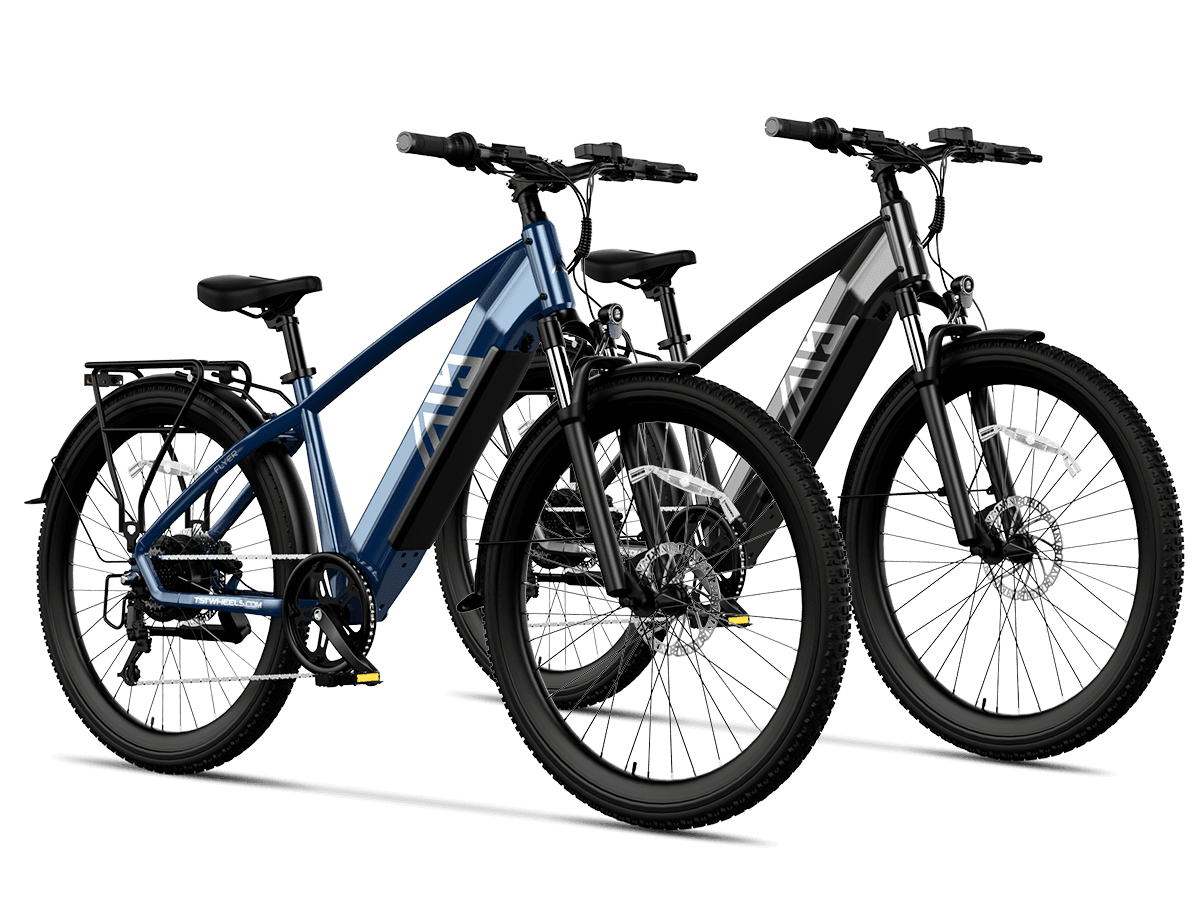
A moped ebike blends the styling and power of a traditional moped with electric propulsion, offering riders speeds from 30 to 50 mph, longer range, and smart features like swappable batteries and connectivity. Unlike regular ebikes, moped ebikes often require licensing and insurance but deliver superior speed and urban agility. Models from leading brands combine durability and cutting-edge tech for seamless city commuting and recreation. What class of eBike is a moped-style electric bike?
What Is a Moped Ebike and How Does It Differ from Traditional Ebikes?
A moped ebike usually features no pedals, runs purely on an electric motor with higher speeds (typically 30-50 mph), and heavier construction designed for street use. In contrast, traditional ebikes have pedals, pedal assist, lower speeds (20-28 mph), and lighter frames. Moped ebikes require registration, insurance, and driver's licenses in most regions.
Which Are the Top Moped Ebike Models for Urban Commuting in 2025?
Leading models include NIU MQi GT Evo, Segway E300P, Gogoro CrossOver GX250, Aventon Sinch.2, and HOVSCO HovGtrs. These offer speeds up to 75 mph, ranges spanning 60-120 miles, swappable batteries, dual suspensions, and smart safety tech like ABS and LED lighting, catering to diverse urban needs.
Chart: Key Features of Top 2025 Moped Ebike Models
| Model | Top Speed (mph) | Range (miles) | Battery Type | Special Features |
|---|---|---|---|---|
| NIU MQi GT Evo | 50 | 60 | Swappable Lithium | Smart connectivity, ABS |
| Segway E300P | 50 | 60 | Swappable Lithium | Geofencing, app control |
| Gogoro CrossOver GX250 | 50 | 120 | Swappable Lithium | Modular storage, smart lock |
| Aventon Sinch.2 | 30 | 40 | Integrated Lithium | Folding, lightweight |
| HOVSCO HovGtrs | 50 | 60 | Swappable Lithium | Dual suspension, modular |
Why Are Speed, Range, and Safety Technology Critical for Moped Ebikes?
High speeds enable efficient urban travel; longer battery range supports extended commutes without charging hassle. Safety features such as hydraulic brakes, ABS, LED lighting, and modular storage improve ride reliability and convenience in dense traffic.
How Do Legal Regulations Impact Moped Ebike Ownership?
Moped ebikes often require a driver’s license, registration, and insurance. Speed limitations (commonly capped at 28 mph for bike lane use) and compliance with local laws shape where and how these vehicles can be ridden, differentiating them from pedal-assist ebikes. Are moped-style electric bikes comfortable for long rides?
Which Technical Features Enhance the Urban Moped Ebike Experience?
Removable/swappable batteries increase flexibility for charging, while lightweight frames improve maneuverability in city traffic. Smart apps enable GPS tracking, theft prevention, and remote diagnostics, enhancing security and user convenience.
Buying Tips
Evaluate moped ebikes based on intended use, focusing on top speed, range, and legal compliance in your area. Prioritize models with removable batteries, smart safety tech, and ergonomic designs. Choose reputable brands with strong after-sales support and warranty coverage. Familiarize yourself with licensing and insurance requirements before purchasing.
TST EBike Expert Views
TST EBike experts comment:
"Moped ebikes represent a transformative urban mobility solution, merging speed and convenience with advanced technology. Our focus on high-power electric bikes with consumer-driven improvements ensures riders access durable, affordable, and user-friendly vehicles built to navigate evolving cityscapes effortlessly."
Frequently Asked Questions About Moped Ebikes
What Is a Moped Ebike and How Is It Changing Urban Transport?
A moped ebike is a pedal-assist electric bike with moped-like features: throttle up to 28 mph, 750W motor, and lightweight frame. It revolutionizes urban transport by cutting commute times 40%, reducing emissions, and easing traffic congestion. Riders bypass jams in bike lanes, lowering parking needs and pollution for greener cities.
What Defines a Moped Ebike?
Moped ebikes feature pedal-assist or throttle motors (up to 750W), top speeds of 20-28 mph, removable batteries (500-1000Wh), and fat tires for stability. Classified as Class 2/3 ebikes, they blend bicycle freedom with scooter power, weighing under 70 lbs for easy urban handling and storage.
How Are Moped Ebikes Transforming Cities?
Moped ebikes slash urban gridlock by enabling 30-50 mile ranges in bike lanes, cutting car dependency 25% among users. They lower CO2 emissions, reduce parking demand, and integrate with transit for multi-modal trips. Cities report faster travel and cleaner air, fostering sustainable mobility for daily commutes.
What Are Moped Ebike Regulations Nationwide?
Nationwide, moped ebikes follow Class 2/3 rules: no license needed up to 750W/28 mph, helmets required in most states for Class 3. Sidewalk bans vary; check local laws for trails and age limits (16+ typically). Federal DOT guidelines ensure bike-lane access without vehicle registration.
Which Moped Ebike Models Lead in 2026?
Top 2026 moped ebikes include Super73 S2, Lectric XP4, and Addmotor M-360 with 50+ mile ranges, hydraulic brakes, and app controls. TST EBike's 27-inch models excel for commuting with 750W power and rugged builds. These leaders offer torque sensors and IP65 waterproofing for reliable city performance.
How Do You Select the Right Moped Ebike?
Choose based on range (40+ miles), motor power (500-750W), weight (<60 lbs), and terrain fit. Prioritize UL-certified batteries, disc brakes, and adjustable frames. Test for comfort; budget $1500-3500. TST EBike provides cost-effective, feedback-driven options for urban or off-road needs.
What Maintenance Keeps Moped Ebikes Running Smoothly?
Check tire pressure weekly, lube chain monthly, inspect brakes quarterly. Charge batteries to 50% for storage, update firmware, and clean after rain. Torque sensors and spokes every 500 miles. This routine ensures 5+ year lifespan with minimal downtime for consistent urban riding.
What Accessories Upgrade Your Moped Ebike Experience?
Key upgrades: rear racks for cargo, phone/GPS mounts, U-locks, fenders, mirrors, and padded seats. Add torque sensors, larger batteries, or lights for safety. Panniers and suspension seats boost comfort. These $50-200 add-ons enhance security, versatility, and daily usability instantly.

Leave a comment
This site is protected by hCaptcha and the hCaptcha Privacy Policy and Terms of Service apply.