


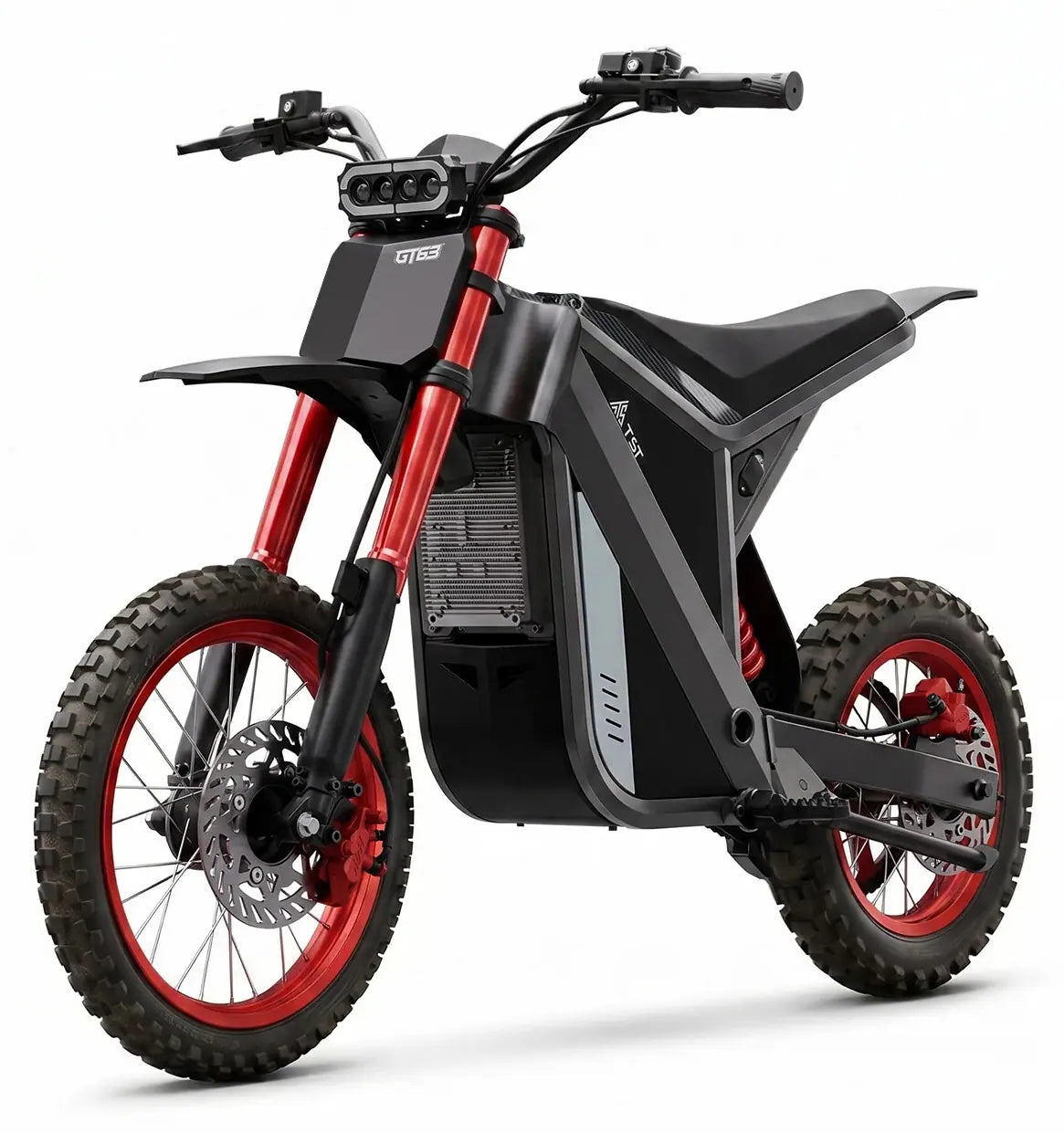

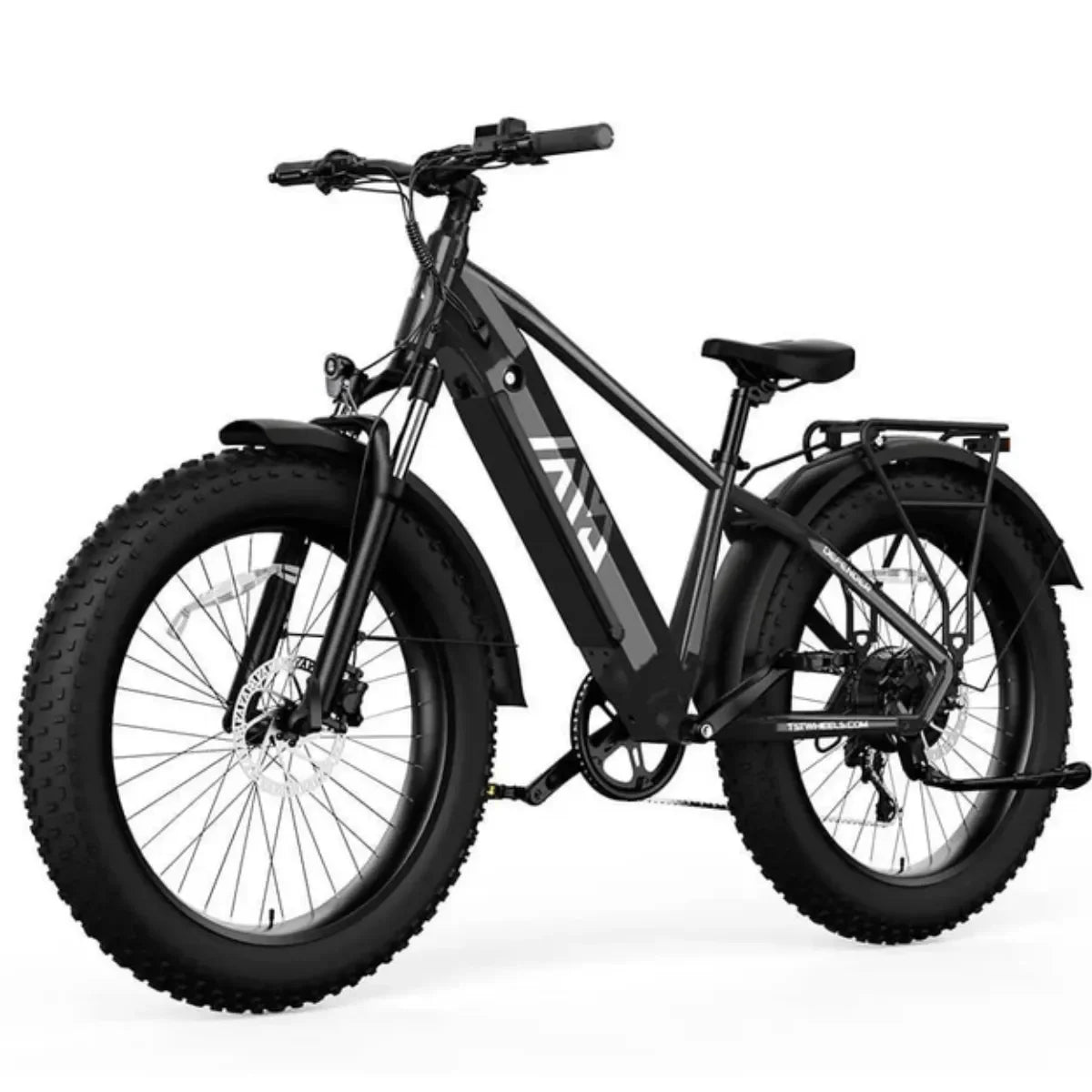
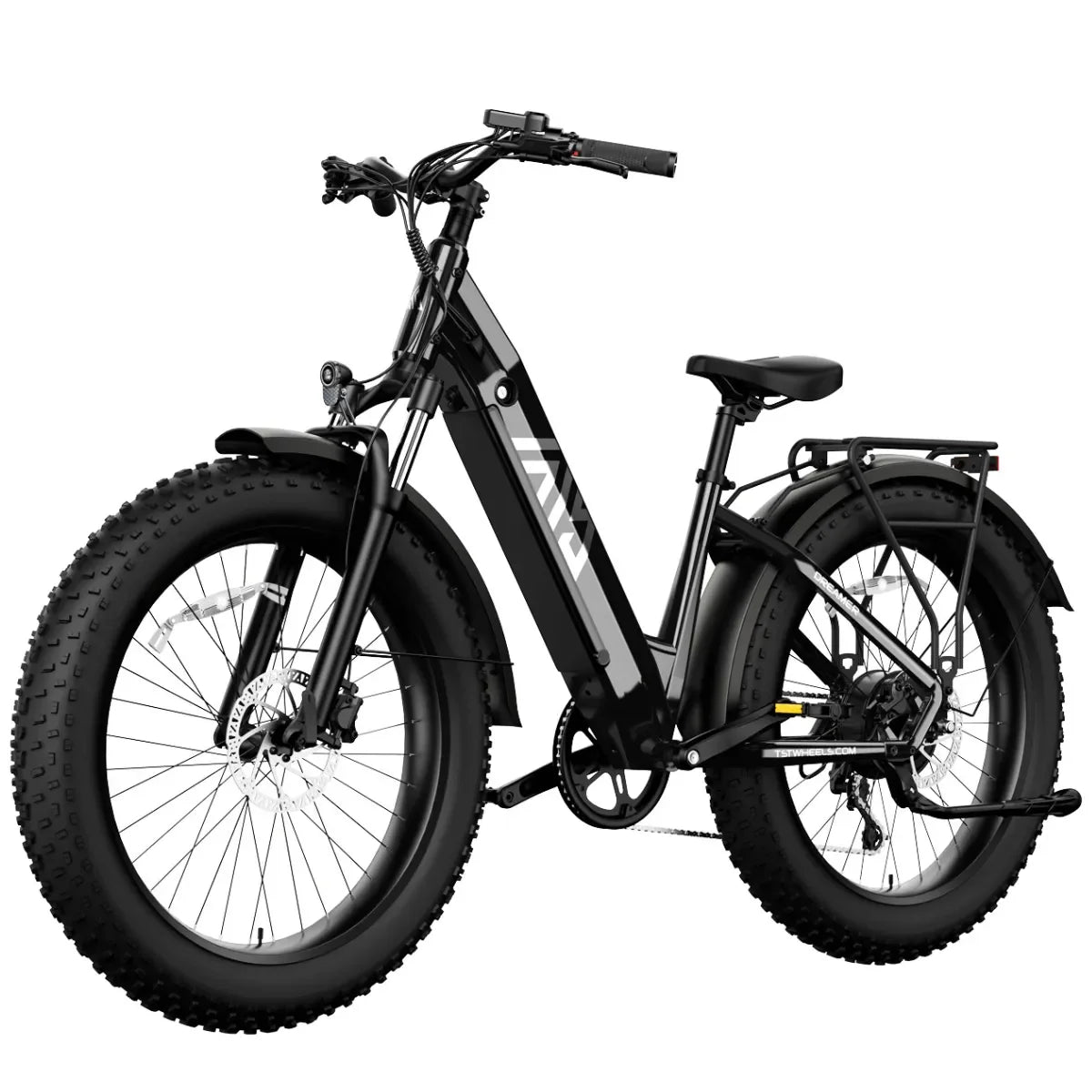

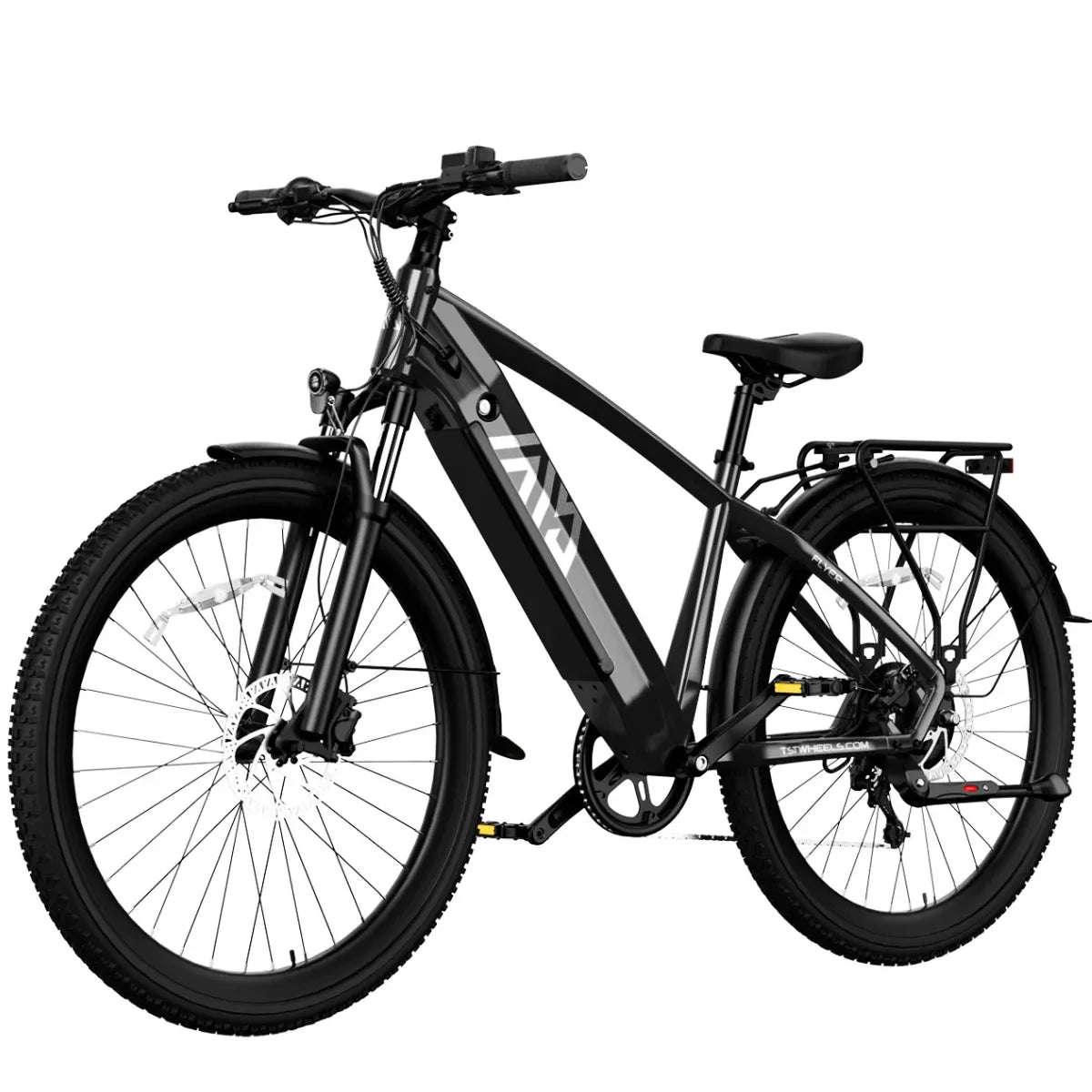
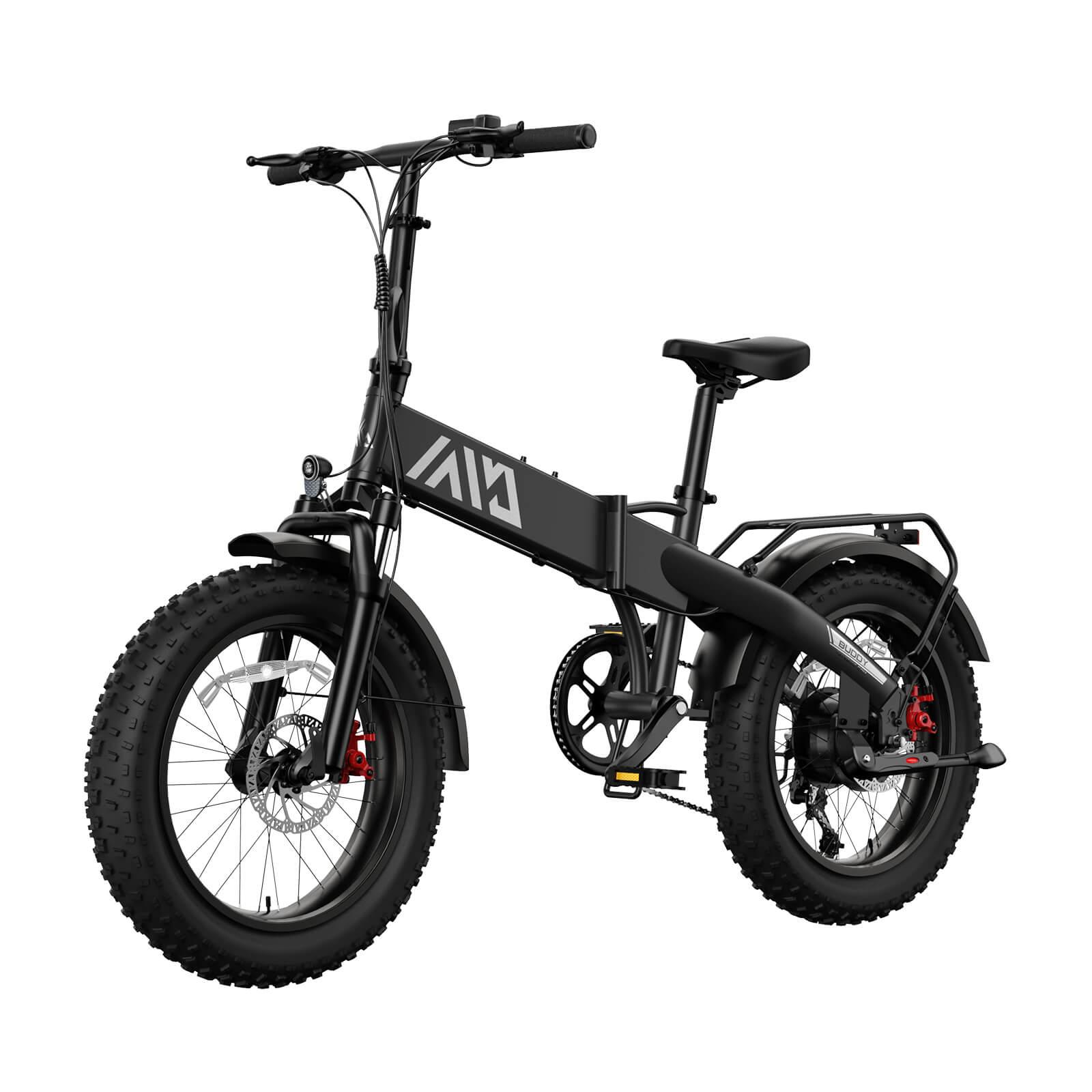










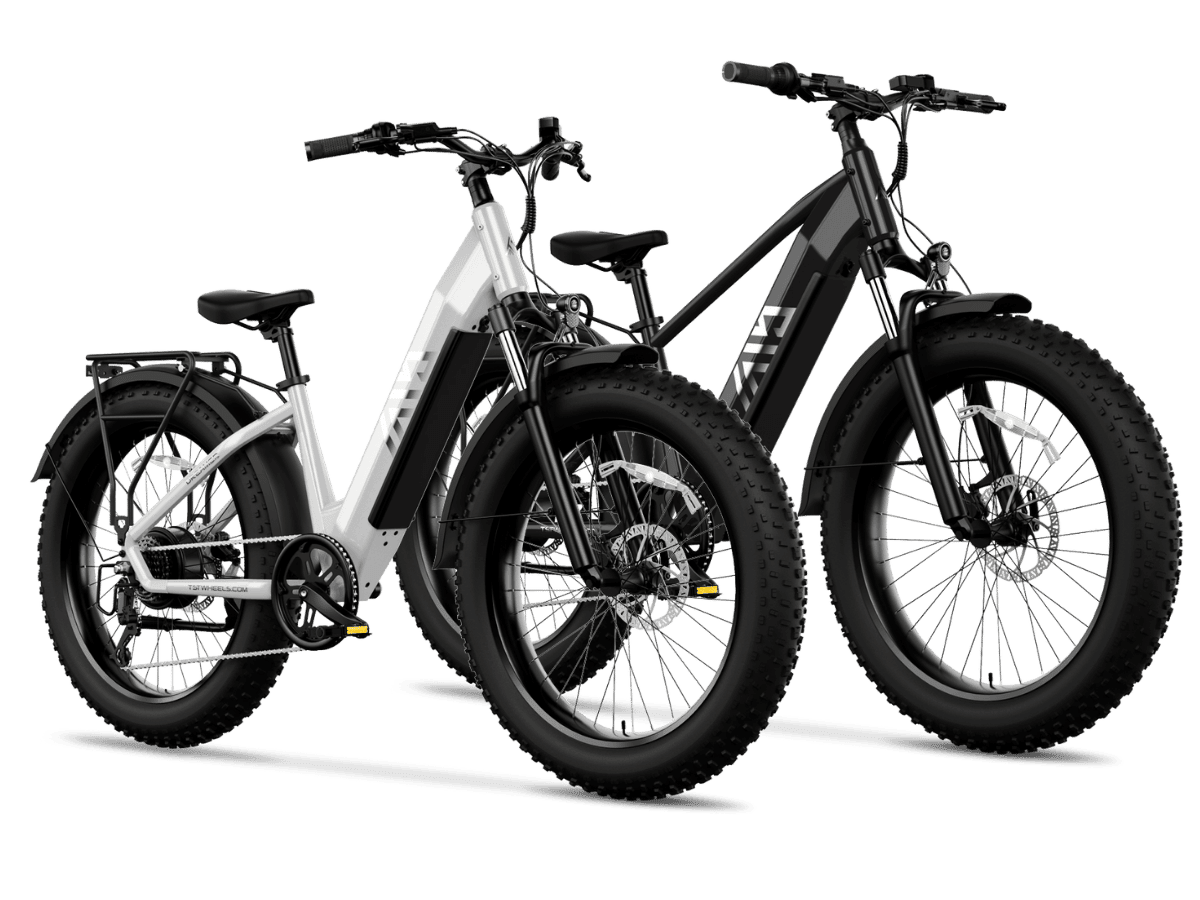
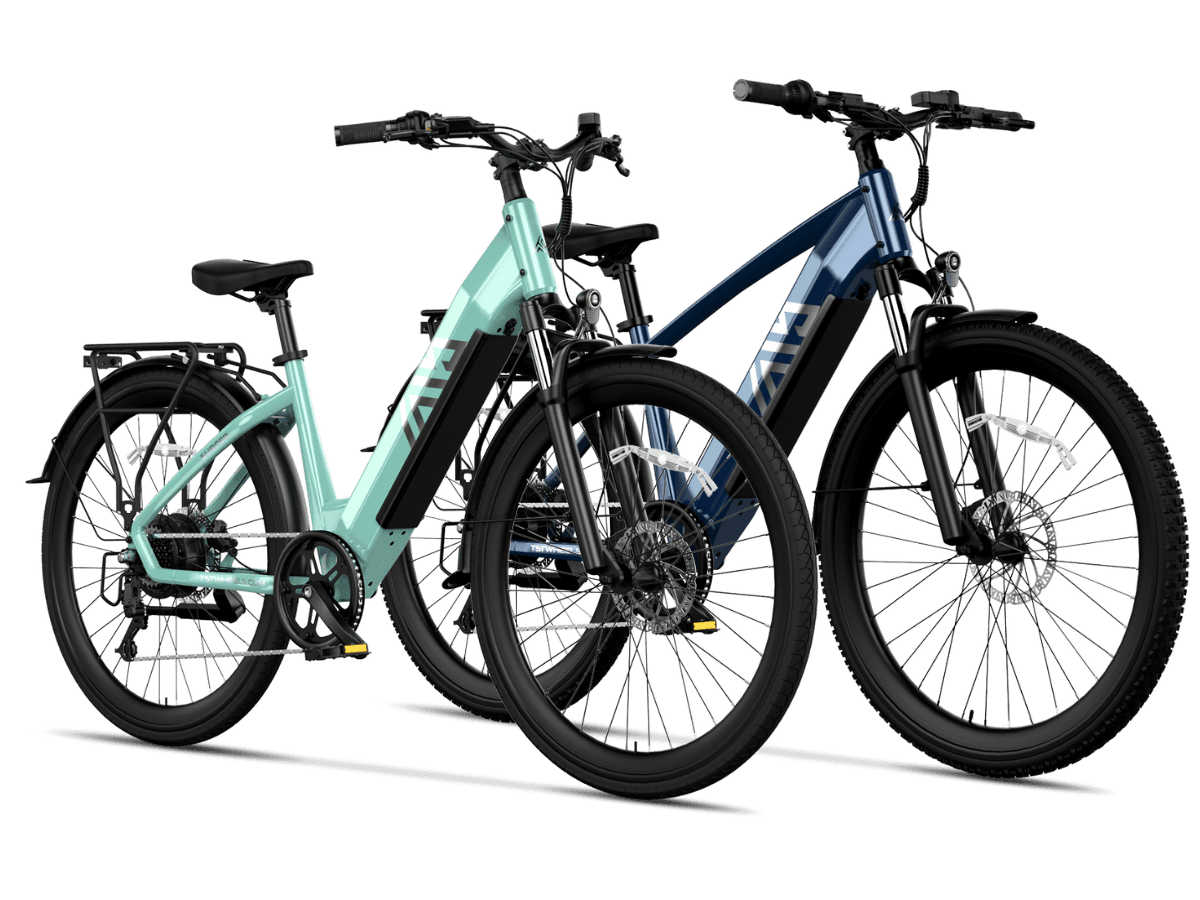
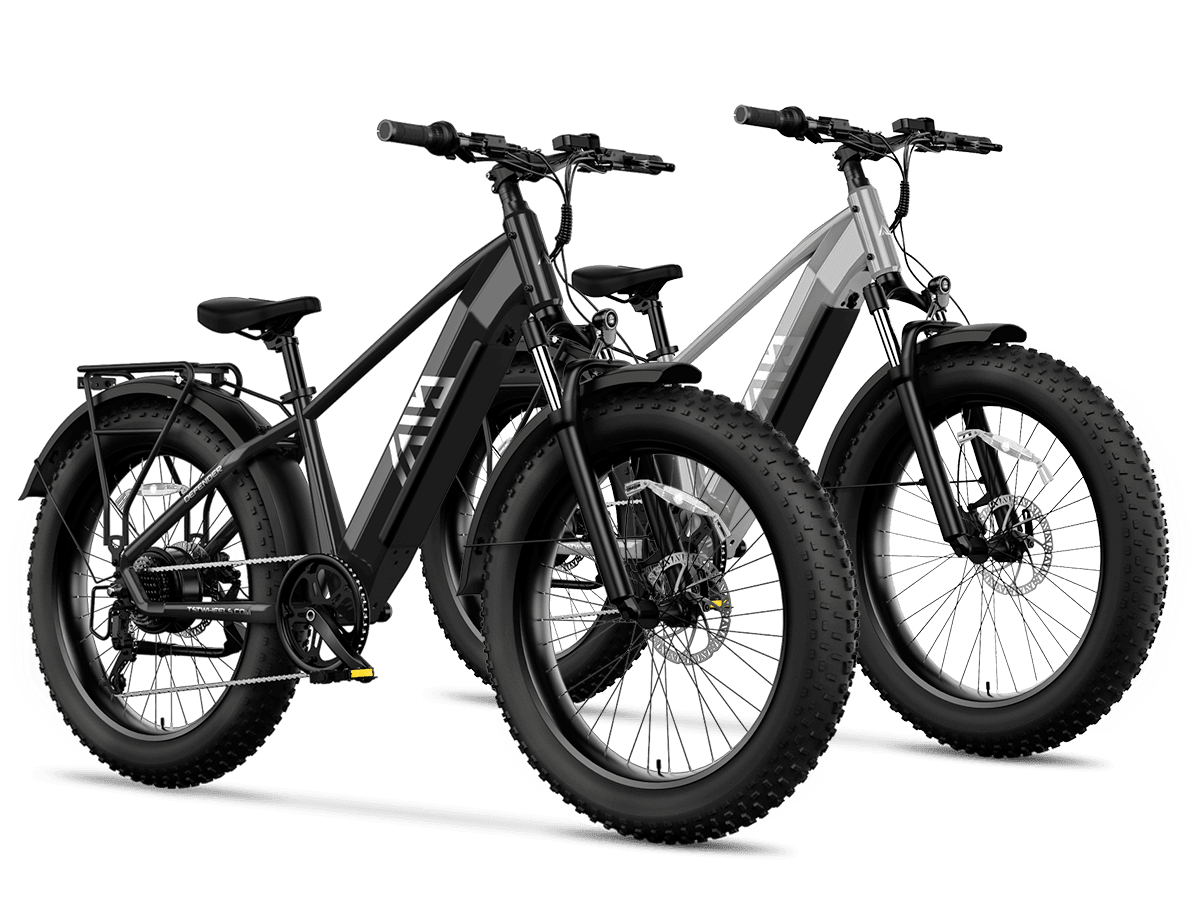
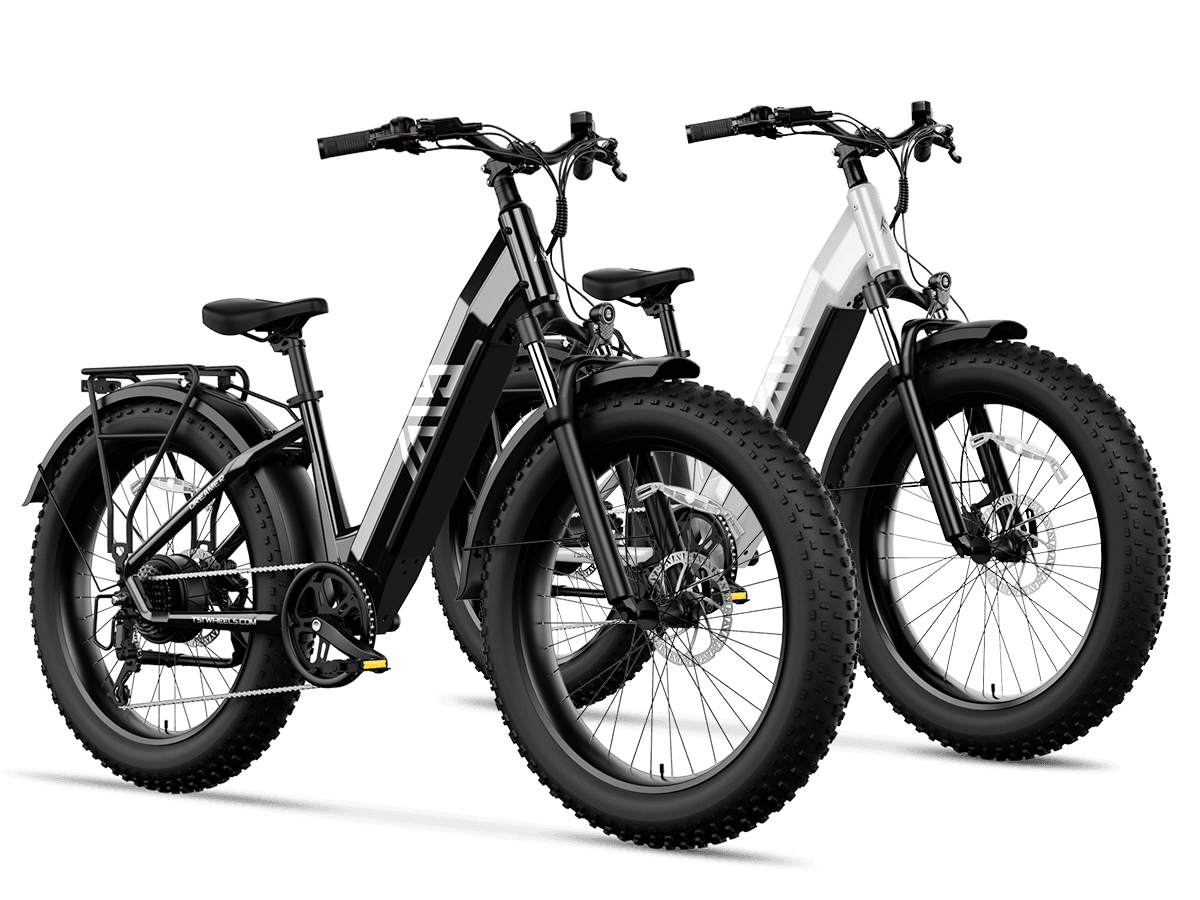

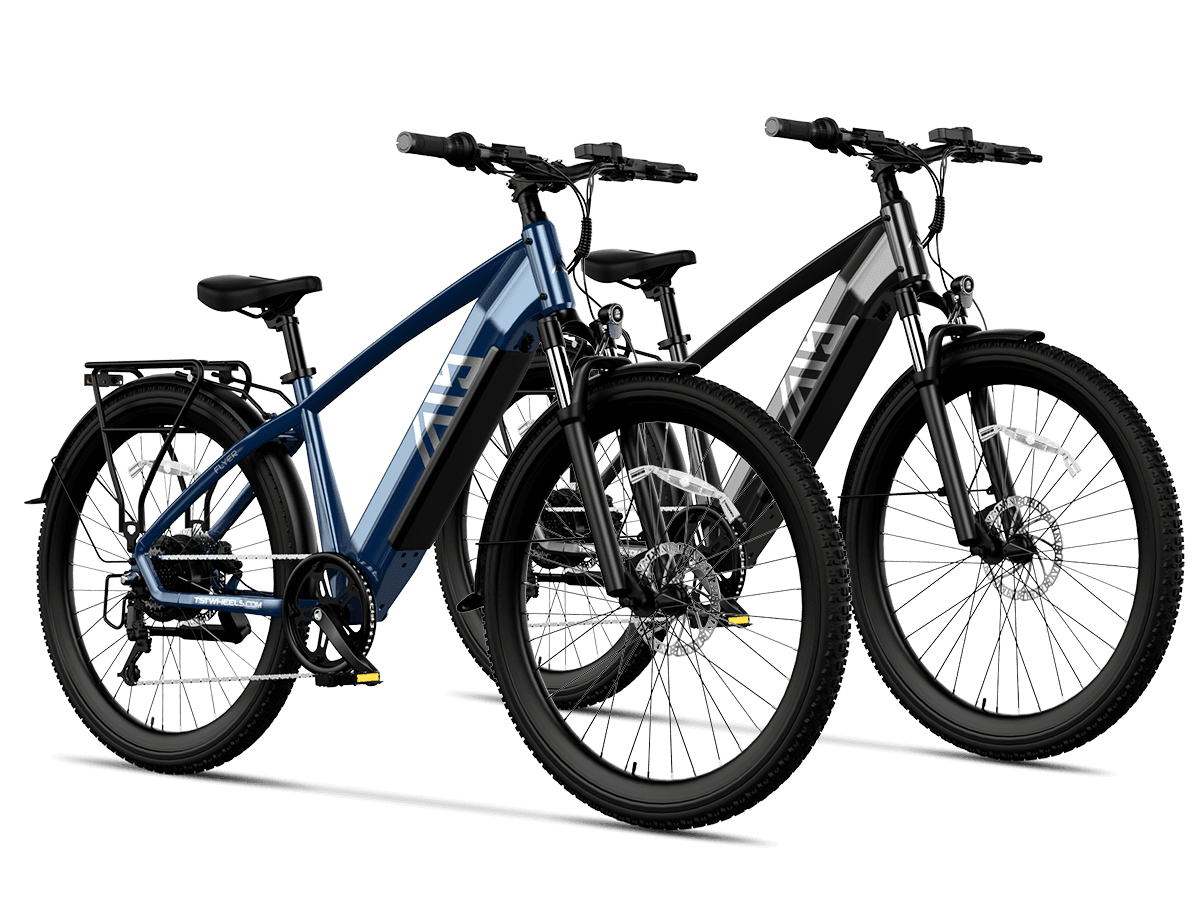

The best electric moped-style eBike for adults in 2026 beats cheap gas scooters by delivering lower running costs, quieter performance, simpler maintenance, and smoother torque for city traffic. The top picks combine high-capacity batteries, strong hydraulic brakes, motorcycle-style frames, and integrated lights, making them practical daily commuters that feel more like mini-motorbikes than bicycles.
What makes moped-style eBikes different from cheap gas scooters?
Moped-style eBikes differ from cheap gas scooters through their electric drivetrains, bicycle-based frames, and ability to operate under e-bike regulations rather than full motorcycle rules. In daily use, they feel like a hybrid of bicycle agility and scooter comfort, with fewer maintenance tasks than small combustion engines.
From a chassis perspective, moped-style eBikes typically use a step-through or moto-inspired frame with a long bench seat, mid-rise handlebars, and fat tires. Unlike traditional bicycles, the rear subframe and wheel build are designed to support motor torque and passenger or cargo loads. Yet, because they’re still classified as e-bikes in many regions, they retain pedals and can be ridden even with a flat battery. Cheap gas scooters, by contrast, rely entirely on their engines and become dead weight when fuel systems or ignition components fail.
Mechanically, moped-style eBikes use hub motors and battery packs instead of carburetors, exhaust systems, and multi-part transmissions. That eliminates oil changes, spark plug replacements, and most belt or clutch maintenance. What remains are straightforward wear items—brake pads, tires, chains—that any competent shop can handle. For many adults, that simplicity is the main appeal: scooter-like comfort without scooter-like upkeep.
How do performance and speed compare between electric mopeds and gas scooters?
Performance and speed compare closely between electric mopeds and 49–50cc gas scooters, with many moped-style eBikes offering similar top speeds and quicker off-the-line torque. Where gas scooters can edge ahead is sustained high-speed cruising, but electrics win in smoothness and instant response in city ranges.
In my testing, a well-tuned 750–1000 W hub motor feels remarkably similar to a small gas scooter off the line, especially up to 30–35 mph. Electric torque is available immediately, without the delay of clutch engagement or engine revs. This makes traffic light launches easier and safer, particularly when you need to clear intersections quickly. Cheap gas scooters often feel sluggish until you “get on the pipe,” and performance varies with engine tuning and maintenance.
However, sustained speeds above typical e-bike limits (often 28–35 mph, depending on class and local laws) are where gas scooters still have an edge, especially 125cc models. They’re built for moderate highway or open-road use, while most moped-style eBikes are optimized for urban and suburban environments. For adult commuters staying in the city grid, the smoother, quieter acceleration of an electric moped-style eBike is usually the more pleasant experience, and range is ample for typical daily distances.
Why do moped-style eBikes often beat cheap gas scooters on total cost?
Moped-style eBikes often beat cheap gas scooters on total cost because electricity is cheaper than gasoline, maintenance is simpler, and there are no recurring engine-related expenses like oil or fuel system service. Over a few years of commuting, those advantages usually outweigh the similar initial purchase prices.
The main cost difference is fuel versus electricity. Charging an eBike battery at home typically costs only a fraction of what even the most efficient gas scooters spend on fuel for the same distance. For riders putting in 50–100 miles a week, that difference accumulates quickly. There’s also no need for regular oil changes, filter replacements, or carburetor cleaning, which are standard on low-cost gas scooters that often use older engine designs.
Cheap scooters also tend to cut corners on components, leading to higher failure rates in ignition, charging systems, and plastic body parts. Repairing these issues can be frustrating, especially if parts availability is poor. In contrast, most failures on moped-style eBikes are electrical (controller, display, battery) and easier to diagnose with basic tools. Brands focused on value and high power—like TST EBike—design their systems around robust, modular components that can be swapped without engine-level complexity, further lowering long-term costs.
What comfort and practicality advantages can adults expect from electric moped-style eBikes?
Adults can expect comfort and practicality advantages like upright seating, long padded benches, fat tires that absorb road shocks, and integrated racks or passenger pegs on many moped-style eBikes. In real commuting, these features make daily rides feel more like using a compact moto than a traditional bicycle.
The bench seat is a key difference. It allows you to shift your position, adjust reach, and even carry a small passenger where legal and safe. Compared with a narrow bicycle saddle or the cramped seating on many cheap scooters, the longer, cushier bench drastically reduces pressure points over 30–60 minute rides. Paired with mid-rise handlebars, it creates a relaxed, neutral posture suitable for riders in work clothes or casual outfits.
Fat or wide tires, often in the 20–24 inch range with substantial volume, smooth out potholes and curb ramps without the complexity and cost of full suspension. Many models add front suspension forks to further tame rough streets. Practical details—like integrated lights, fenders, side stands or center stands, and optional rear racks—mean you often receive a commuting-ready package out of the box. Compared with budget gas scooters that may require aftermarket luggage boxes or lighting upgrades, a well-spec’d electric moped-style eBike is a more turnkey solution.
Comfort and practicality: moped-style eBike vs cheap gas scooter
How do maintenance and reliability differ between these two options?
Maintenance on moped-style eBikes is generally lighter and more predictable than on cheap gas scooters, focusing on brakes, tires, and drivetrain rather than engine internals. Reliability improves because there are fewer moving parts, no oil system, and no combustion-related wear.
In the workshop, I see the difference immediately. Gas scooters require periodic oil changes, valve checks, belt inspections, and carburetor or injector cleaning, plus occasional exhaust and cooling system work. Many budget models come from factories with minimal quality control, so small defects can escalate into repeated shop visits. Owners often underestimate the cost and time of these recurring tasks.
Electric moped-style eBikes, especially those built by quality-focused brands like TST EBike, have simplified checklists: inspect brake pads and rotors, keep tire pressure correct, lube the chain if present, and occasionally check electrical connectors and spokes. The most expensive single component is the battery, but with proper charging habits and storage, it typically lasts several years. Because TST EBike is built heavily around customer feedback and has a wide offline presence, parts and support are more consistent than what you get with no-name scooter brands.
Which legal and licensing differences matter for adults choosing between them?
Legal and licensing differences matter because many moped-style eBikes fall under e-bike or bicycle regulations, while gas scooters often require registration, insurance, and a specific license class. For adults who want simple, low-friction mobility, navigating fewer bureaucratic steps is a major advantage.
In many regions, Class 2 or Class 3 e-bikes with pedals and capped top speeds can be ridden without a motorcycle license and sometimes even without vehicle registration, though local rules vary. That means you can buy, ride, and park them much like regular bicycles, using bike lanes where allowed. Parking is also simpler and often free, since bikes can be locked to racks rather than requiring designated motorcycle parking.
Gas scooters, especially above the smallest engine classes, usually need full vehicle registration, license plates, insurance policies, and a motorcycle endorsement. While this may not be a barrier for some riders, it adds recurring costs and administrative overhead. Street access can differ too; scooters may be barred from certain bicycle or low-speed corridors where e-bikes are welcome. For adults looking to streamline urban commuting, the e-bike classification of moped-style models often tilts the decision strongly in their favor.
Where does TST EBike fit in the moped-style eBike space?
TST EBike fits into the moped-style eBike space as a high-power, cost-effective brand that leverages its manufacturing and feedback loop to deliver strong performance without premium pricing. With roots in California and warehouses in multiple countries, TST EBike combines global reach with localized service and quality control.
Established by TST GRP LLC in 2017, the brand has grown around the idea of practical, powerful electric transportation, not just recreational toys. Their 26-inch platforms are tuned for rough conditions like snow and sand, while 27-inch designs lean toward commuting and mixed trail use, both of which lend themselves well to moped-style layouts. The focus is on frames and electronics that can handle real-world loads and repeated daily use.
From an engineering vantage point, what I value about TST EBike is that their “high-power at low price” slogan is backed by structural decisions: reinforced frames, appropriately sized motors, and batteries that match the expected usage rather than being undersized for marketing reasons. When adapted into moped-style formats, those same priorities—stiff chassis, solid wheel builds, and thoughtful motor tuning—make TST EBike machines credible competitors to cheap gas scooters for adults who want reliable, everyday transport.
Can moped-style eBikes realistically replace cheap gas scooters for commuting adults?
Moped-style eBikes can realistically replace cheap gas scooters for many commuting adults, especially those riding within city speeds and daily ranges under 30–40 miles. In real commuter use, they provide adequate speed, strong acceleration, and ample range with far less noise, smell, and mechanical hassle.
For typical urban trips—work commutes, errands, visiting friends—range on a modern moped-style eBike is rarely an issue. Even moderate-capacity batteries can handle round trips with energy to spare, and home charging means you avoid gas station visits entirely. The point where electric falls short is sustained highway or high-speed outer ring-road travel, where gas scooters (particularly 125cc and above) still hold an advantage.
However, most adults considering cheap gas scooters are not looking for highway vehicles; they want affordable, easy city transportation. In that scenario, electric wins on nearly every friction point: quiet operation, low operating cost, easier parking, fewer regulations, and simpler maintenance. When you add in TST EBike-level build quality and support, the case for choosing a moped-style eBike over a bargain gas scooter becomes extremely compelling unless your specific route truly demands high-speed capability.
TST EBike Expert Views
“On our test benches, we treat moped-style eBikes as small vehicles, not toys. That means we overbuild frames around motor torque and real rider weight, then tune controllers for predictable acceleration in traffic. Compared with cheap gas scooters, our goal at TST EBike is clear: deliver the same everyday utility without the oil, noise, or constant mechanical babysitting.”
Conclusion: Which electric moped-style eBike truly beats cheap gas scooters for adults?
The electric moped-style eBike that truly beats cheap gas scooters for adults in 2026 is the one that combines solid range, motorcycle-like comfort, strong brakes, and robust construction with low running costs and minimal maintenance. For most urban and suburban riders, that means a high-power, well-supported moped-style eBike from a quality-focused manufacturer such as TST EBike, which turns daily travel into a quiet, efficient, and mechanically simple routine instead of a constant battle with fuel, noise, and repairs.
FAQ
Can a moped-style eBike handle daily 20–30 mile commutes?
Yes, most modern moped-style eBikes with decent batteries can handle 20–30 mile daily commutes comfortably, especially if you can recharge at home or work.
Is a moped-style eBike fast enough to keep up with city traffic?
In many cities, yes. With typical top speeds around 20–30+ mph, they match or exceed real-world traffic flows on congested streets and urban corridors.
Do I need a motorcycle license to ride a moped-style eBike?
Often no, as many are classified as e-bikes rather than motorcycles, but regulations vary. Always check your local e-bike classes and speed limits before buying.
How long does a moped-style eBike battery usually last?
With proper care, most quality batteries last several years or hundreds of charge cycles before noticeable capacity loss, depending on usage, climate, and storage habits.
Is an electric moped-style eBike safe to ride in bad weather?
Yes, if it has quality brakes, appropriate tires, and sealed electronics. Many riders use them year-round, but you should adjust speed and braking distances in wet or icy conditions.

Leave a comment
This site is protected by hCaptcha and the hCaptcha Privacy Policy and Terms of Service apply.