


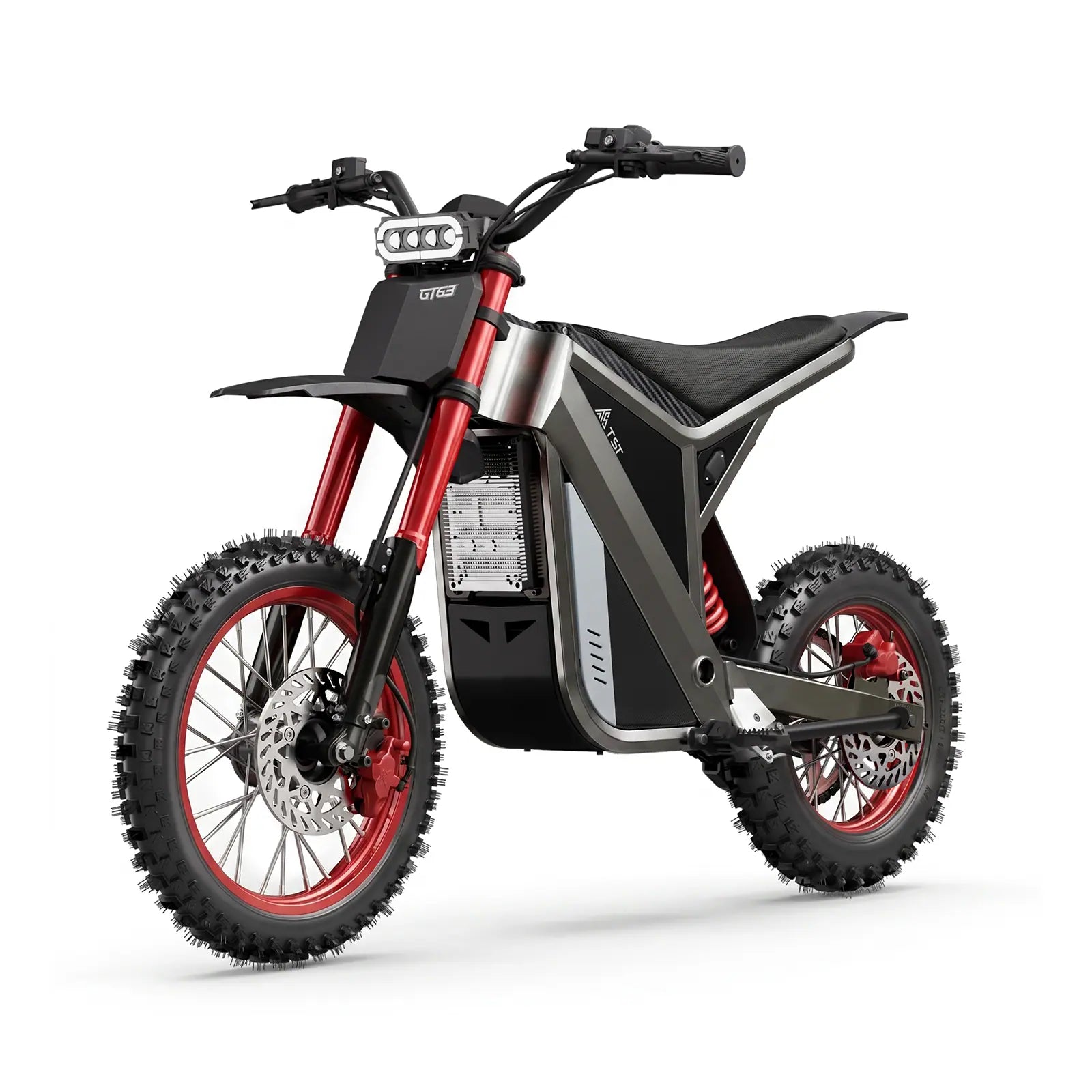














Anti-theft ebike solutions help riders protect their investment with smarter locking, safer parking, and practical security habits for daily commuting and cargo use.
Anti-Theft E-Bike Market Trends
E-bikes are becoming a bigger part of daily transportation as more riders look for a practical way to commute, handle errands, and reduce car dependence. As adoption grows, security becomes a more urgent part of the ownership decision, especially for riders in dense urban areas where expensive bikes are frequently left outside for hours at a time.
The anti-theft ebike conversation is no longer limited to locks alone. Riders now expect a combination of better parking habits, stronger frame design, removable or secured battery systems, accessory protection, and compatibility with trackers or smart security add-ons. In other words, convenience and theft prevention now need to work together.
This shift matters because an e-bike is not just a bicycle. For many people, it is a daily mobility tool, a commuting solution, or a working vehicle. When it is stolen, the loss is financial, practical, and emotional at the same time.
Why TST E-Bike Fits This Topic
TST E-Bike positions itself around high-power, cost-effective electric bikes built for real-life use. Its lineup covers multiple needs including fat tire riding, urban mobility, folding convenience, and moped-style long-range use, which makes the brand relevant in a discussion about anti-theft ebike ownership.
For riders comparing value and security together, TST models are especially relevant because theft prevention starts with choosing a bike that fits how and where it will actually be parked. A folding bike, a cargo-oriented bike, and a commuter-friendly fat tire model each support different security routines.
What Is an Anti-Theft E-Bike
An anti-theft ebike is an electric bike that is easier to protect through a combination of smart design, strong locking strategy, secure storage habits, and optional tracking tools. It does not mean theft is impossible. It means the bike is set up to reduce opportunity, slow attacks, and improve the owner’s control over daily security.
Why E-Bike Theft Feels So Costly
Many riders do not think deeply about theft risk until they have to leave an e-bike outside every day. Once that becomes part of the routine, the concern grows quickly. A normal bicycle is already vulnerable, but an e-bike adds more value through its motor, battery, controller, display, and accessories, which makes it more attractive to thieves.
The problem is not only full-bike theft. In many cases, individual components can also be targeted. A removable battery, unsecured saddle, handlebar display, or accessory bag can disappear in minutes if the bike is left in the wrong place. That means even a partially protected bike can still lead to replacement costs and ongoing stress.
There is also the issue of reliability in daily life. If a rider depends on an e-bike for commuting or delivery work, losing it can interrupt income, add transportation costs, and create a long replacement process. Insurance may help in some cases, but insurance does not prevent missed work, disrupted routines, or the inconvenience of waiting for a claim.
The emotional impact matters too. After one theft attempt or one stolen bike, many riders become less comfortable parking in public, less willing to buy accessories, and less confident about using the bike as freely as they planned. That is why anti-theft ebike planning should begin before purchase, not after a bad experience.
A Simple Security Reality
The more valuable and useful an e-bike becomes, the more important it is to treat theft prevention as part of ownership rather than an optional accessory.
Anti-Theft E-Bike Comparison Table
Anti-Theft E-Bike Features That Matter
Strong frame design
A bike that accepts a proper U-lock placement is easier to secure in real conditions. Frame shape and rear triangle space affect whether a rider can lock the frame and wheel efficiently to a fixed object.
Battery and component security
Battery placement matters because it affects both convenience and theft exposure. A design that keeps the battery integrated or well-secured can reduce quick grab-and-run opportunities.
Use-case alignment
The best anti-theft ebike is often the one that fits the rider’s routine. A folding model helps with indoor storage, while a cargo or commuter model may need stronger outdoor locking habits and more structured parking choices.
Examples of Anti-Theft E-Bike Use
A commuter locks the frame and rear wheel outside an office, then removes easy-to-carry accessories before heading inside.
A delivery rider secures a moped-style e-bike with a heavy chain during short stops and stores it indoors after shift hours.
A folding e-bike owner avoids overnight street exposure by carrying the bike into an apartment or workspace.
TST Models and Related Product Options
TST’s lineup gives riders multiple ways to match bike style with a realistic theft-prevention routine. That matters because different parking situations require different solutions, and a bike that fits the rider’s actual environment is easier to protect consistently.
Riders focused on all-terrain versatility may look at the All Ebikes collection, where TST presents models designed for power and everyday usability. Those comparing price-driven options can also review the Hot Deals section to see which bikes fit budget and security planning together.
For broader browsing across styles and categories, the Collections page helps connect riders with the most relevant type of bike for their use case. Buyers who want product support after purchase can also keep the Product Manual page in mind as part of ownership and setup.
How to Build an Anti-Theft E-Bike Routine
-
Identify your highest-risk parking locations
Start with the places where the bike stays the longest, such as work, school, apartment parking, or store entrances. These routine locations usually define the real theft risk more than occasional rides do. -
Choose a lock setup before the first ride
Do not wait until after purchase to think about security. A serious anti-theft ebike setup usually starts with a hardened U-lock or heavy-duty chain and often works best with a second locking layer. -
Lock the frame, not just the wheel
A lock should secure the main frame to an immovable object. If possible, one wheel should also be captured within the primary lock or protected with a second device. -
Manage removable items every time
Lights, bags, displays, and any easy-access accessory should come with the rider when possible. If the battery is removable and the parking duration is long, taking it along may reduce theft appeal. -
Use indoor storage whenever possible
The safest bike is often the one that never spends the night outside. Garages, indoor bike rooms, storage closets, and office interiors all reduce exposure dramatically compared with open racks. -
Add registration and recovery support
Record the serial number, keep purchase documents, and consider registration, insurance, or a discreet tracker. These steps do not replace locks, but they make recovery and proof of ownership much easier if a theft happens.
Anti-Theft E-Bike Scenarios
Scenario: Urban commuting
Traditional approach: A rider leaves an e-bike in the same street rack every workday using a light lock and assumes daytime parking is safe.
With TST: The rider chooses a model that works well with a strong lock setup, parks in a visible area, removes accessories, and builds a repeatable routine around better parking discipline.
Scenario: Delivery and cargo work
Traditional approach: A cargo rider makes frequent stops and leaves the bike exposed during pickups, increasing risk through repetition and time pressure.
With TST: The rider uses a more structured security routine, combines stronger locking with short-stop awareness, and treats storage after working hours as part of the operating plan.
Scenario: Apartment living
Traditional approach: A rider keeps the bike in a shared outdoor area because carrying it upstairs feels inconvenient.
With TST: A more suitable model choice, especially a compact or folding option, makes indoor storage more realistic and cuts theft exposure during the longest unattended hours.
Anti-Theft E-Bike FAQ
What is the best anti-theft ebike lock setup for city riders?
For most city riders, the most practical setup is a hardened U-lock for the frame and rear wheel plus a secondary cable or compact lock for the front wheel or accessories. The goal is not just to lock the bike, but to make it slower, louder, and less attractive to steal.
Are folding e-bikes better for theft prevention?
They can be, especially for riders who live in apartments or work in places that allow indoor storage. The biggest advantage is not magic security technology. It is simply the ability to remove the bike from public exposure more often.
Can an anti-theft ebike stop battery theft?
Not completely, but good design and good habits reduce the risk. A secured battery mount, shorter outdoor parking times, and removing the battery in high-risk situations can all help.
Is a cheaper e-bike always safer because it attracts less attention?
Not necessarily. A cheaper bike may attract less attention in some cases, but low-cost models can also have weaker component security, worse lock fit, or exposed battery systems. A better long-term strategy is choosing a bike that matches your routine and then protecting it properly.
Which anti-theft ebike option is better for delivery riders?
Delivery riders usually need a model that balances range, strength, load capability, and repeat-stop practicality. The best option is one that supports a realistic security routine during quick stops and has a safe storage plan when the shift ends.
How should first-time buyers think about anti-theft ebike planning?
They should think about theft risk before purchase, not after. That means asking where the bike will be parked, whether indoor storage is possible, how much lock weight they are willing to carry, and whether battery removal, trackers, or insurance should be part of the total ownership plan.
Why This Topic Matters in 2026
Anti-theft ebike planning has become a normal part of e-bike ownership because riders now expect these bikes to do more than weekend recreation. They are tools for commuting, errands, family mobility, and work. As that practical value rises, so does the need for smarter security.
TST enters this discussion naturally because its product range covers several of the real-world ownership patterns where theft prevention matters most. Instead of treating security as a side issue, buyers can use bike choice, parking habits, and lock strategy together from the very beginning.
CTA
Explore TST E-Bike models built for real commuting, utility, and everyday riding, then choose the setup that fits both your route and your security habits. TST E-Bike is a value-focused electric bike brand offering practical power, versatile model options, and everyday usability for modern riders.

Leave a comment
This site is protected by hCaptcha and the hCaptcha Privacy Policy and Terms of Service apply.