



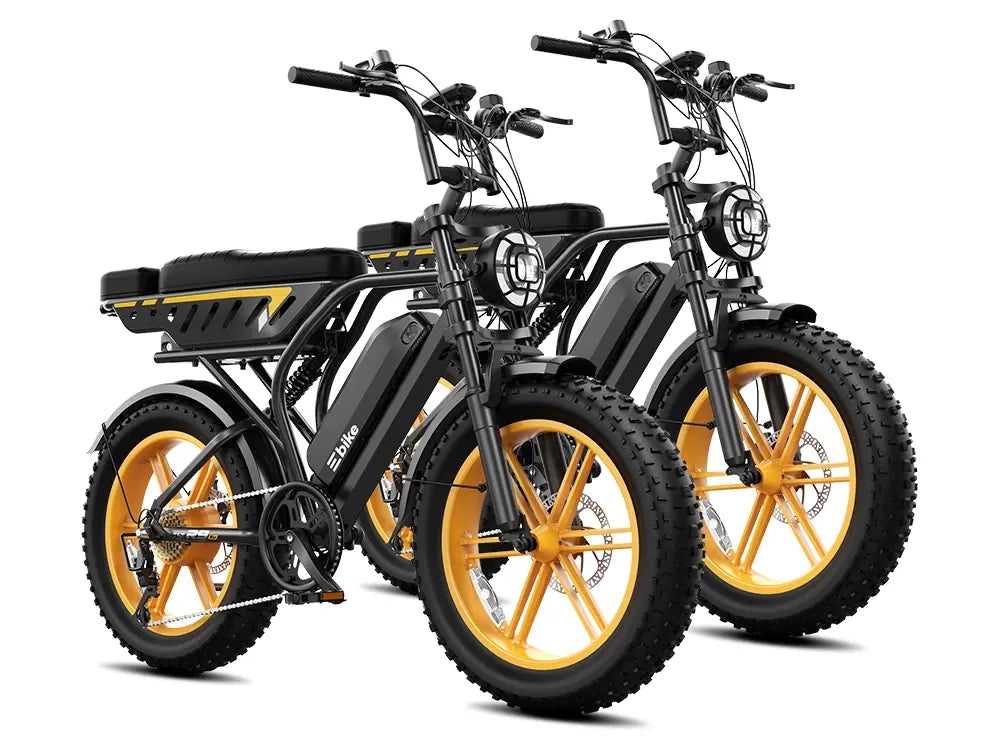
Lightweight electric bike guide for city riders: key benefits, buying factors, real use cases, and how TST models fit commuting, storage, and daily travel in June 2026.
Lightweight Electric Bike Market Momentum
A lightweight electric bike is becoming a smarter choice for urban riders who want less effort, easier storage, and more practical daily transportation.
As cities become more crowded and short-distance travel habits continue to shift, more riders are looking for bikes that feel manageable both on the road and at home.
That is why the category keeps gaining attention: buyers no longer want only power or speed, but a bike that is easier to lift, park, maneuver, and live with every day.
Why TST Enters Early
Within that trend, TST has a product lineup that fits the lightweight electric bike conversation especially well.
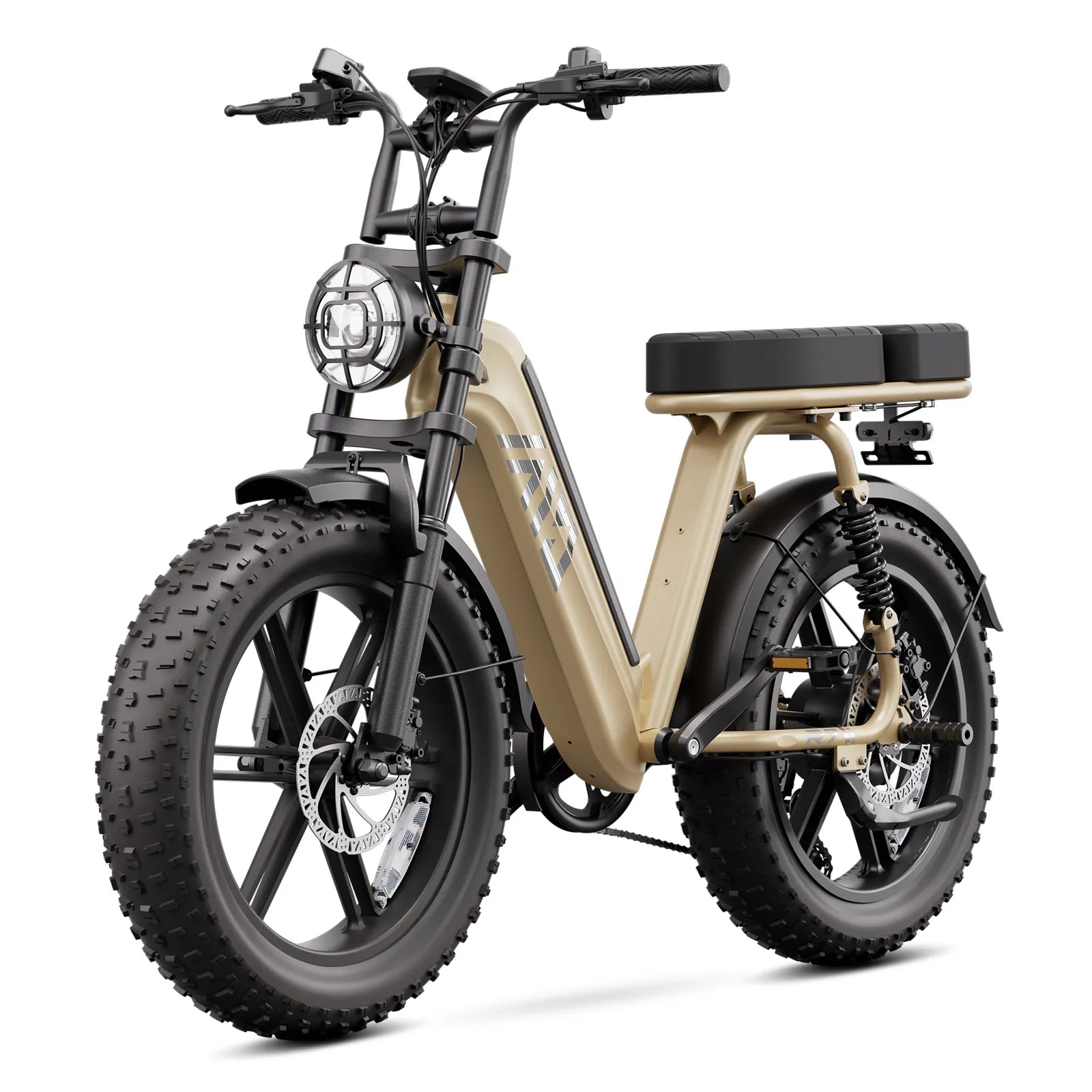
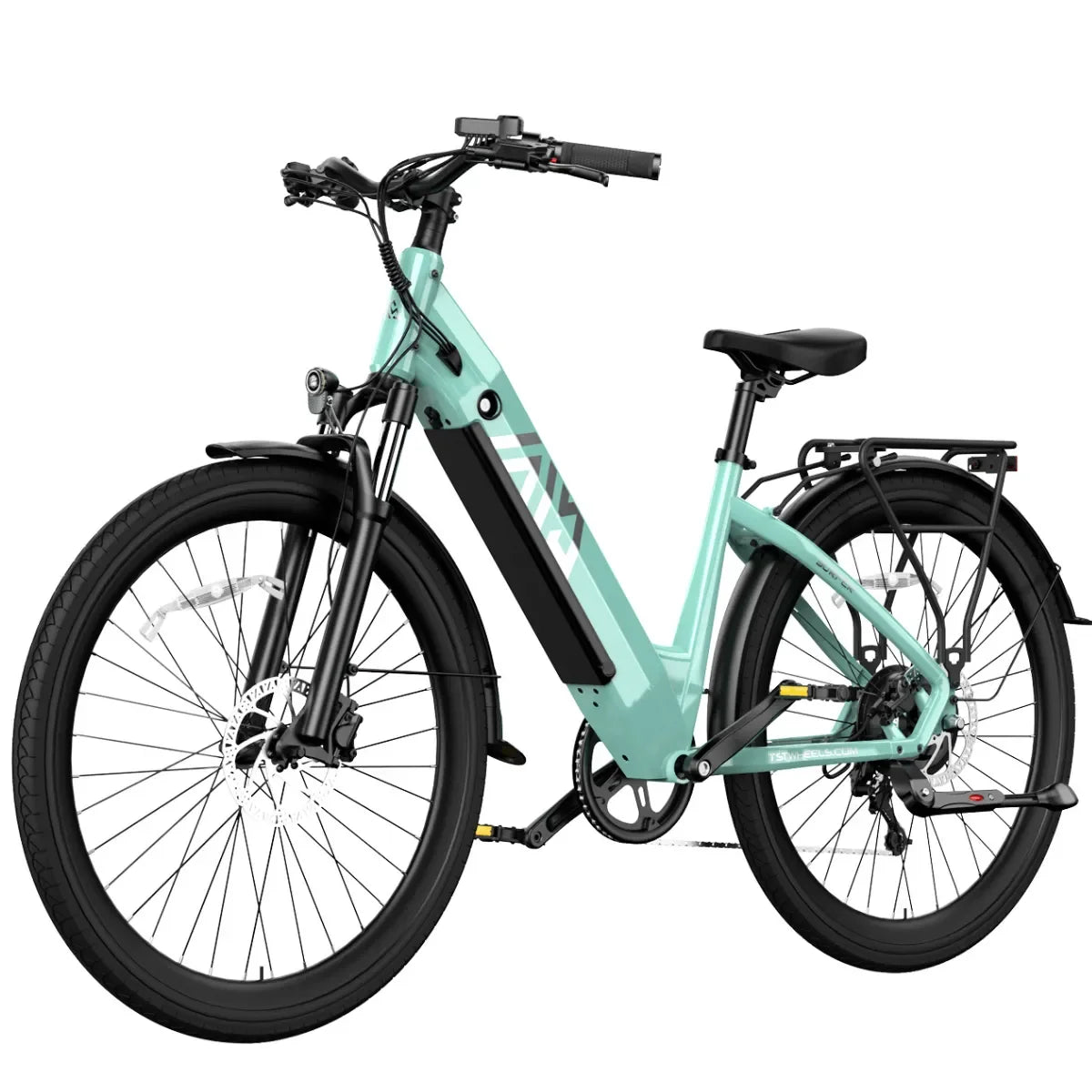
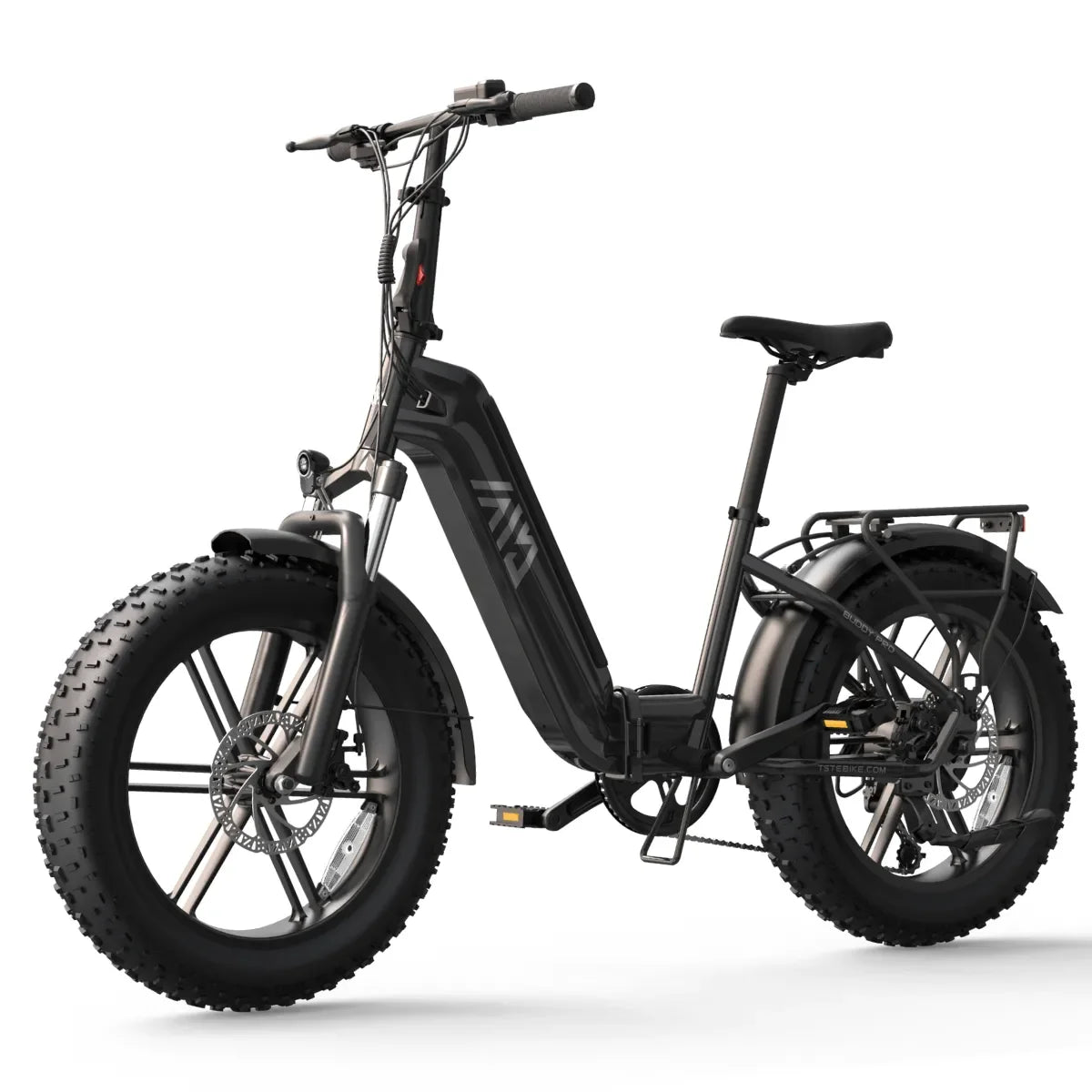
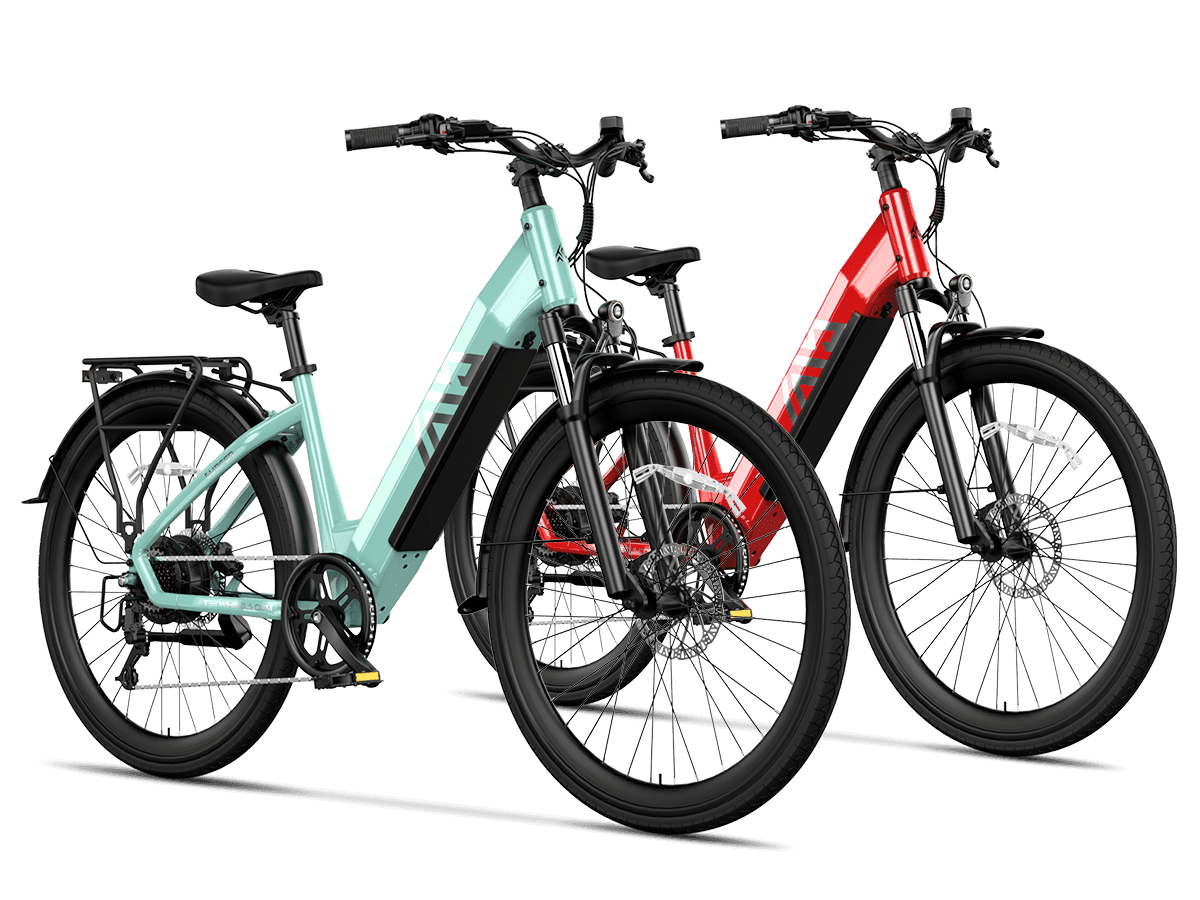
For this topic, the most relevant options are the TST Surfer 27.5" Step-Thru Commuter eBike, the Commuter eBikes collection, the TST Buddy Pro 20" Folding eBike, and the Folding eBikes collection.
These pages show that the brand is not treating lightweight riding as a vague concept. Instead, it connects the idea to practical design choices such as step-thru frames, foldable formats, removable batteries, and commuter-focused comfort.
What Is a Lightweight Electric Bike
A lightweight electric bike is an e-bike designed to feel easier to handle, easier to store, and easier to use in everyday city life.
In practice, the term often includes low-step commuter models and compact folding bikes, because riders usually care more about total usability than chasing a single number on a scale.
Lightweight Electric Bike Pain Points
The first pain point is physical inconvenience. Many riders like the idea of an e-bike until they imagine carrying it through an apartment hallway, fitting it into a small storage area, or turning it around in a tight garage.
The second pain point is city maneuverability. A large or heavy bike can feel stable at speed, but it may also feel awkward at traffic lights, crowded bike racks, elevators, and narrow bike-lane transitions.
The third pain point is daily mounting and dismounting. Riders commuting in work clothes, carrying bags, or making multiple stops often discover that frame access matters far more than they expected.
The fourth pain point is the balance between portability and capability. Shoppers do not want a bike that is easy to move but weak on hills, short on range, or underbuilt for real commuting.
This is where category confusion often hurts the buyer. Some people search for a lightweight electric bike when they actually need a folding electric bike, while others need a step-thru commuter model that feels simpler in stop-and-go traffic.
The right solution depends less on hype and more on identifying the real friction point: storage, carrying, mounting, charging, or all of the above.
One Number That Changes the Conversation
The appeal of a lightweight electric bike is not just lower effort while riding, but lower friction before and after every ride.
Lightweight Electric Bike Comparison
Lightweight Electric Bike Features
Step-thru access
A step-thru frame reduces the effort of getting on and off the bike. For commuters, that matters in office wear, at repeated stops, and for riders who simply want a more confidence-friendly setup.
Removable battery practicality
A removable battery can make a major difference in real life. Instead of bringing the whole bike indoors to charge, the rider can often remove the battery and charge it separately.
Folding convenience
For buyers with limited storage, folding design can matter more than raw performance numbers. A folding electric bike solves a home-and-office logistics problem that many standard commuter e-bikes do not fully address.
Lightweight Electric Bike Examples
Apartment rider: folds the bike after commuting and stores it near the entry instead of fighting for building bike space.
Office commuter: removes the battery to charge at a desk while the bike stays parked in a secure rack downstairs.
Weekend errand rider: chooses a step-thru commuter bike for easier stops, groceries, and short neighborhood trips.
Related TST Options
A shopper entering through the lightweight electric bike keyword does not always need the same product type.
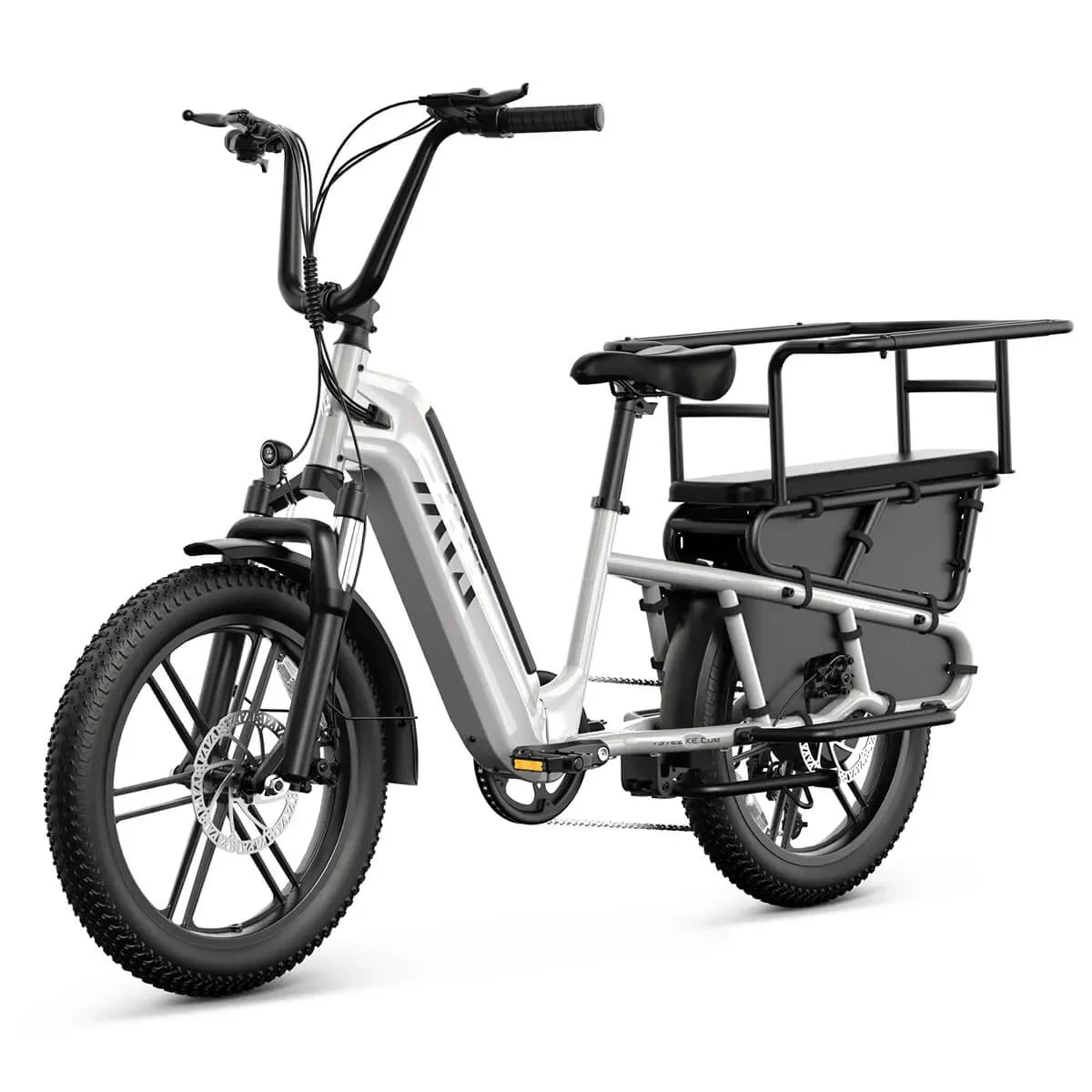
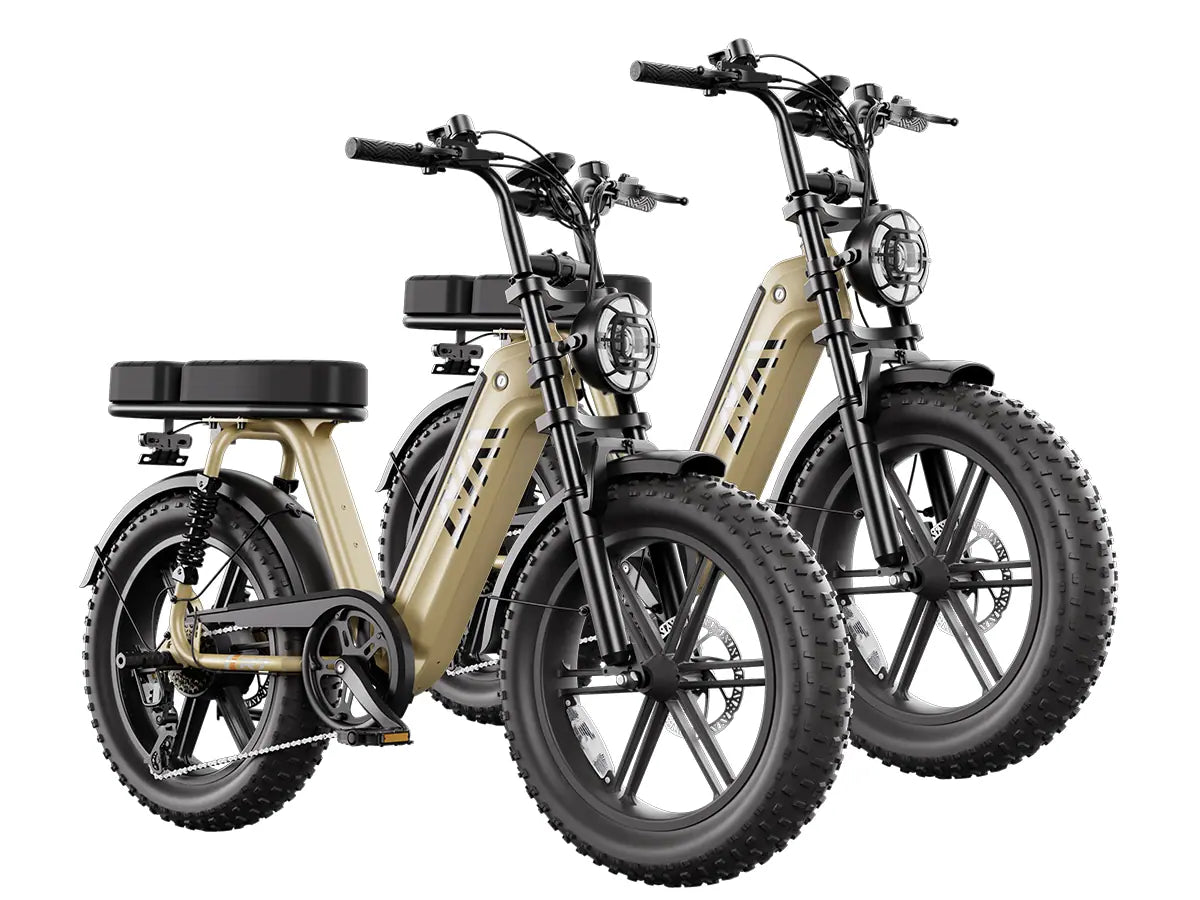
Riders who want smoother everyday access and a more classic commuting feel may be better served by the Commuter eBikes collection, especially if step-thru convenience is a priority.
Buyers dealing with limited apartment or office storage should pay closer attention to the Folding eBikes collection, including the TST Buddy Pro 20" Folding eBike.
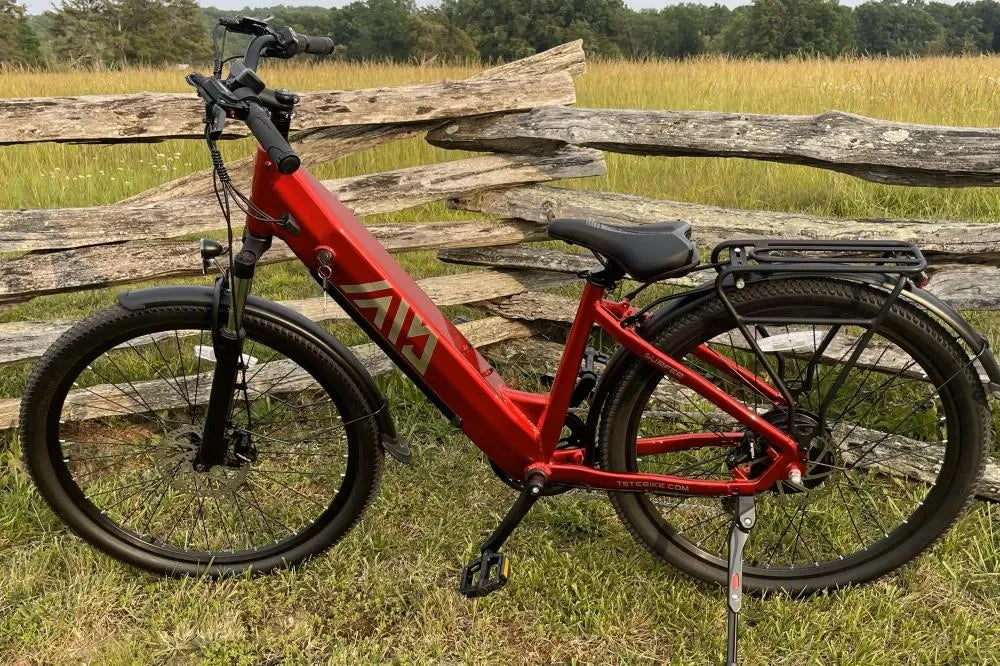
Shoppers who prefer a larger wheel format and a more traditional commuter silhouette may lean toward the TST Surfer 27.5" Step-Thru Commuter eBike, which is presented as a practical city-ready option within the brand’s commuter range.
How to Choose a Lightweight Electric Bike
-
Start with the storage question. If the bike must fit into a hallway corner, elevator, office, or car trunk, folding convenience may matter more than anything else.
-
Choose the frame style based on daily friction. Step-thru designs are often better for easy mounting, while folding frames are better for compact storage and multi-mode commuting.
-
Check battery practicality. A removable battery is helpful for riders who cannot park near a power outlet or who want more flexible charging habits.
-
Review the braking and ride setup. City riders benefit from predictable braking, stable geometry, and enough confidence for stop-and-go traffic.
-
Compare realistic range with real routine. Daily commuting, errands, and weekend riding can add up quickly, so practical range matters more than marketing extremes.
-
Confirm warranty, support, and delivery details before ordering. Those details often influence long-term satisfaction more than headline speed or motor power.
Lightweight Electric Bike Scenarios
Scenario: Small apartment commuter
Traditional approach: The rider delays buying an e-bike because a full-size model feels too bulky for elevators, storage rooms, or narrow indoor spaces.
With TST: A folding option such as the Buddy line makes the ownership experience more realistic by reducing the storage barrier that prevents many urban buyers from acting.
Scenario: Rider who wants easier starts and stops
Traditional approach: The rider tolerates a higher frame or bulkier shape, then discovers that repeated mounting, dismounting, and red-light stops are more tiring than expected.
With TST: A step-thru option such as the Surfer helps reduce that friction and creates a more approachable commuting experience for daily city use.
Scenario: One bike for many jobs
Traditional approach: The rider wants one vehicle for commuting, errands, casual rides, and neighborhood trips, but many bikes feel too specialized for just one use pattern.
With TST: The commuter and folding ranges give buyers a more flexible path by offering both compact urban portability and more traditional commuter usability within the same brand ecosystem.
Lightweight Electric Bike FAQ
What is the best lightweight electric bike for commuting?
The best answer depends on the rider’s biggest daily obstacle. If the issue is easy mounting and smoother city starts and stops, a step-thru commuter model is often the better fit. If the issue is storage, apartment living, or mixed-mode travel, a folding electric bike is usually the more practical choice.
Are lightweight electric bikes easier to store?
Yes, especially when the bike is built around compact geometry or a foldable frame. Even when the frame does not fold, a commuter-focused design can still feel much easier to move, park, and reposition than a larger off-road build.
Is a folding electric bike better than a standard commuter e-bike?
It is better for riders who need compact storage, easier transport, or more flexibility between riding and carrying. A standard commuter e-bike may still feel better for riders who prefer a more classic ride position and larger wheel format.
How much range should a lightweight electric bike have?
That depends on route distance, terrain, assist level, rider weight, and weekly riding habits. Most buyers should think in terms of total routine rather than a single ideal number, because commuting plus errands often requires more range margin than expected.
Do lightweight electric bikes still have enough power for hills?
They can, as long as the design does not sacrifice core commuter performance in the name of minimalism. A good lightweight-oriented e-bike should still offer enough support for hill starts, repeated traffic stops, and everyday riding confidence.
What should buyers check before ordering online?
The most important points are frame style, storage fit, battery removability, braking setup, realistic range, and after-sales support. Those details shape everyday ownership much more than broad marketing language around speed or convenience.
Why the Category Keeps Growing
The lightweight electric bike category keeps growing because it answers a more realistic urban question than many other e-bike segments.
Instead of asking only how fast a bike can go or how rugged it looks, buyers are asking how easy it is to own, store, charge, ride, and use repeatedly through the week.
That shift favors models that reduce friction in the whole riding experience, not just on the road.
CTA
For riders comparing step-thru convenience with folding portability, TST offers a clear starting point across its commuter and folding lineups.
TST is an e-bike brand with product categories that cover commuter, folding, fat-tire, and moped-style riding, making it easier for different urban riders to match bike format to real daily needs.

Leave a comment
This site is protected by hCaptcha and the hCaptcha Privacy Policy and Terms of Service apply.