


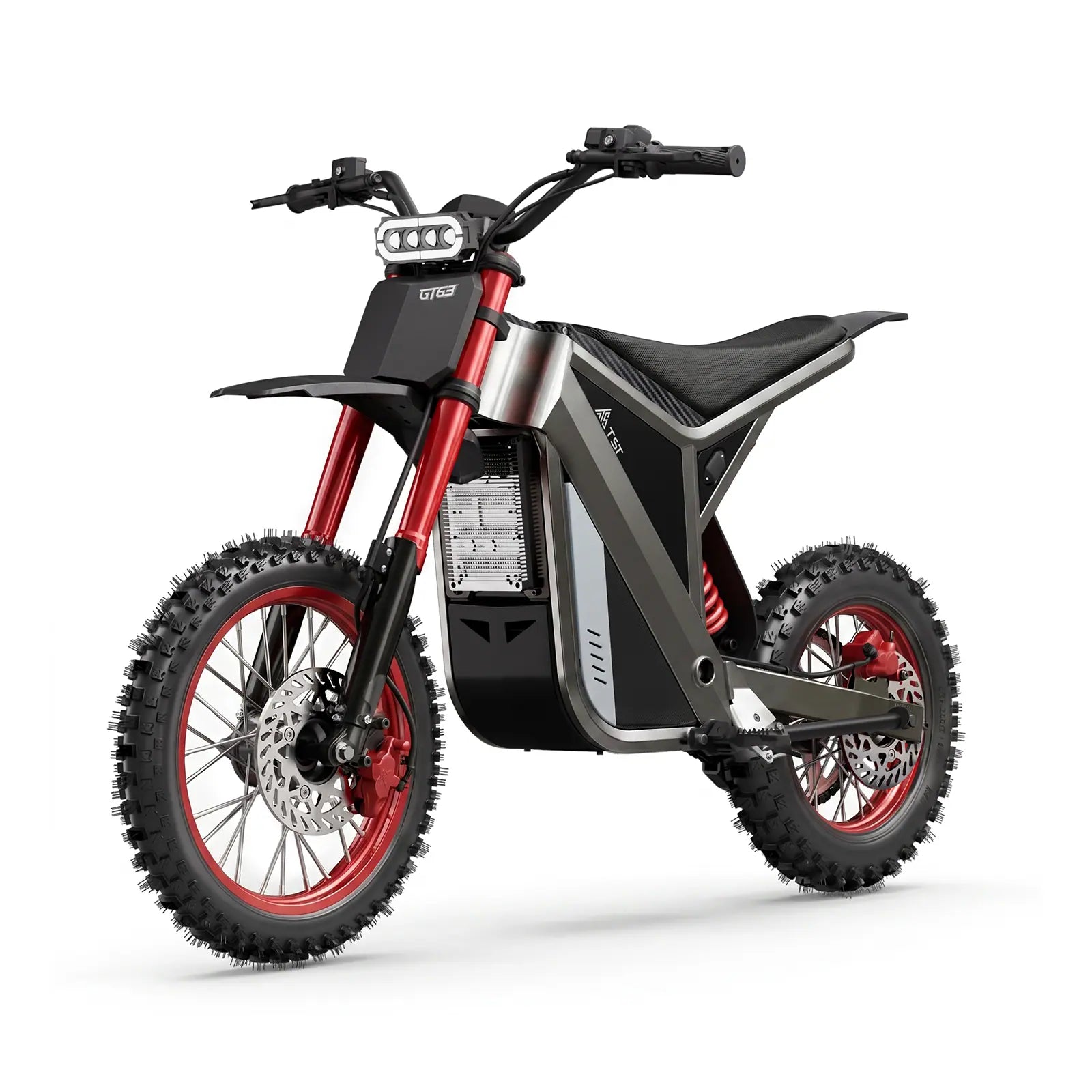














APP-control e-bike technology helps riders manage performance, range, and convenience more easily. See how TST models fit modern commuting and leisure needs.
APP-Control E-bike market momentum
APP-control e-bike demand is rising as more riders want connected features, better ride data, and easier day-to-day control. The category sits at the intersection of electric mobility, smartphone convenience, and practical commuting, which makes it especially relevant for U.S. riders comparing cars, public transit, and personal micromobility in 2026.
For a brand like TST, this trend creates a strong opening. Its lineup emphasizes high-power, cost-effective electric bikes designed for hills, heavier loads, and longer rides, which naturally aligns with riders who want both physical capability and smarter digital control.
Why this matters now
An APP-control e-bike is no longer just a novelty feature. Riders increasingly expect the same level of visibility and customization from an e-bike that they already get from a smartwatch, a car app, or a navigation platform.
That expectation is especially important in the North American market, where commutes can be longer, terrain can vary more, and riders often need one bike to cover weekday transport, weekend recreation, and occasional cargo use.
What is an APP-Control E-bike?
An APP-control e-bike is an electric bicycle that connects with a mobile app so the rider can manage or monitor ride-related settings and information from a phone. Depending on the system, that may include ride statistics, assist behavior, battery information, trip history, or system-level controls.
In SEO terms, this article treats “APP-Control E-bike” as both a product category and a user-intent keyword. The real buyer interest behind the term is not the app itself, but the greater convenience, personalization, and predictability it can bring to everyday riding.
The main rider frustrations
Many riders discover that a standard e-bike still leaves too much guesswork in daily use. They may know the bike is powerful enough, but they do not always know how to manage that power efficiently across different routes, rider weights, or weather conditions.
Battery confidence is one of the biggest pain points. Without useful ride data or control feedback, a rider can leave home unsure whether the bike will comfortably handle a full round trip, especially if hills, stop-and-go traffic, or extra cargo are involved.
Security is another pressure point. A conventional e-bike may have a key and a display, but that does not necessarily create a more informed ownership experience. Riders want a stronger sense of awareness around how the bike is performing, how it is being used, and whether it fits smoothly into a modern mobile lifestyle.
There is also a comfort gap between what riders expect and what many entry-level bikes deliver. A rider may want quick acceleration in traffic, softer support on bike paths, and more confidence on rough pavement, yet basic systems often force the same behavior in every context.
The hidden cost of “basic” e-bike setups
A non-connected e-bike can look affordable at first, but the ownership experience often becomes less efficient over time. Riders may waste battery through poor assist choices, underuse the bike for longer trips, or feel less confident trying new routes because the system gives them limited feedback.
That creates a practical mismatch: the bike is technically capable, yet the rider does not fully benefit from it. APP-control helps reduce that gap by making the bike easier to understand and easier to adapt to real conditions.
One number that changes the conversation
Smart, connected e-bike demand is rising because riders increasingly value control, visibility, and flexibility as much as raw motor power.
Comparing TST with two alternatives
How TST fits the APP-Control E-bike trend
TST’s brand positioning is built around practical power. Its homepage messaging highlights hills, heavy loads, long rides, and low-maintenance use, which speaks directly to riders who need more than a lightweight leisure bike.
The most relevant product signal comes from the brand’s 2025 model overview and flagship-style moped product positioning. TST highlights motors up to 1500W peak power, batteries such as 48V 15Ah configurations, speeds up to 32 mph, and range claims up to 65 miles on select models, all framed around cost-effective performance.
For this topic, the most natural internal fit is the TST® R002 20'' 1500W Full Suspension Moped-style Electric Bike, which reflects the type of rider likely to care about smartphone-linked control, visibility, and adjustable riding behavior.
Feature focus
Smart ride management
The value of APP-control is that it makes the bike feel more adaptable. Instead of relying only on a handlebar interface, the rider gains a more familiar digital layer for monitoring and managing the riding experience.
Performance that supports the software story
An app matters more when the hardware is strong enough to justify tuning and monitoring. TST’s higher-power positioning, long-range emphasis, and full-suspension options make the “control” side of the promise more meaningful.
Better everyday confidence
Connected riding is ultimately about confidence: confidence in remaining range, in ride planning, and in how the bike will respond across different use cases.
Three simple examples
A commuter checks ride data before leaving work and chooses a more efficient assist pattern for the trip home.
A weekend rider uses a high-power TST model for mixed terrain and values a more informed view of battery use.
A new owner feels more confident learning the bike because the digital interface makes the system easier to understand.
Cross-sell opportunities around the same buyer intent
A rider searching for an APP-control e-bike is rarely shopping for software alone. That person is usually comparing complete ownership ecosystems: the main bike, comfort accessories, replacement parts, and adjacent models for different riders in the household.
That makes this keyword a strong entry point to guide visitors toward other TST pages. The All Products collection can capture shoppers who start with the APP-control angle but later compare frame styles and use cases. The All Ebikes page helps broaden discovery across the lineup, while the Hot Deals section can convert more price-sensitive visitors. For accessory-oriented browsing, products such as TST® R002 Pedals support the practical ownership story without forcing an aggressive upsell.
How to choose an APP-Control E-bike
-
Start with the primary use case. Decide whether the bike will mainly serve commuting, mixed recreation, neighborhood riding, or heavier-duty utility use.
-
Match the motor and frame style to real conditions. A rider dealing with hills, rougher pavement, or heavier body weight will usually benefit from a stronger setup than someone using flat bike paths for short rides.
-
Check whether the digital experience supports the ownership goal. The right APP-control e-bike should make the ride easier to manage, not just add another layer of complexity.
-
Compare battery and range claims carefully. It is best to treat manufacturer range as scenario-dependent and think in terms of whether the bike comfortably covers a normal week’s patterns.
-
Review support resources before purchase. Product manuals, FAQs, and visible support channels matter more with connected products because riders may eventually need help with setup, pairing, or maintenance.
-
Buy for the second month, not the first ride. The best purchase is usually the bike that still fits after the novelty wears off and real routines begin.
Scenario: urban commuting
Traditional approach: The rider uses a basic e-bike for weekday travel and guesses which assist mode will balance speed with battery life. Some days the bike feels overly aggressive in crowded areas, while other days it feels underpowered on hills or in headwinds.
After switching to a TST-aligned APP-control setup: The rider has a more structured experience, using digital feedback to build a repeatable commute pattern. That improves confidence, reduces unnecessary battery drain, and makes the bike feel more like a dependable transportation tool than a weekend gadget.
Scenario: mixed recreation and errands
Traditional approach: One bike is expected to handle casual neighborhood rides, occasional store runs, and longer weekend loops, but the rider never feels fully dialed in. The bike works, yet every outing feels like a compromise between comfort, speed, and battery caution.
After switching to a TST-aligned APP-control setup: A stronger platform such as a moped-style or fat-tire model gives the rider more physical capability, while the app layer helps make that capability easier to manage. The result is a better blend of freedom and predictability.
Scenario: heavier riders or hill-focused use
Traditional approach: Riders on steeper routes or with higher load demands often find that lower-spec e-bikes technically function but do not inspire trust. Starts on inclines, uneven terrain, and longer return rides can all feel more stressful than expected.
After switching to a TST-aligned APP-control setup: TST’s high-power orientation makes more sense for this use case because the rider is not asking the bike to perform at the edge of its comfort zone. The added digital control story complements that hardware by making power use feel more intentional and less improvised.
FAQ about APP-Control E-bike buying
What is the biggest benefit of an APP-control e-bike?
The biggest benefit is better control over the ownership experience. Riders usually want more than motor assistance; they want clearer visibility into how the bike behaves, how far it can realistically go, and how to make it fit different routines.
Is APP-control useful for short commutes?
Yes. Even on shorter rides, riders benefit from easier monitoring, more consistent setup, and a more modern user experience, especially if the bike replaces frequent car trips.
Does APP-control matter if the bike already has a display?
Often, yes. A display handles quick in-ride information, but an app can provide a broader management layer that feels more familiar to smartphone-first users.
Which TST bike best matches APP-control e-bike intent?
The most relevant fit is the TST R002 product family and similar high-power models because the buyer intent behind this keyword usually leans toward stronger performance, versatility, and more advanced ownership expectations.
Are APP-control e-bikes only for tech enthusiasts?
No. In many cases, the appeal is actually simplicity. Riders want fewer unknowns, not more complexity, and a good app experience can make the bike easier to live with.
How should shoppers evaluate range claims?
They should treat range as conditional. Terrain, rider weight, tire pressure, temperature, assist level, and stop frequency all affect real-world distance, so the smartest approach is to buy with headroom rather than shopping to the absolute minimum.
Why this topic works for SEO and conversion
“APP-Control E-bike” is a useful content topic because it captures both informational and commercial intent. Some readers want to understand the category, while others are already looking for a product that feels smarter, more current, and easier to justify as a daily transportation purchase.
For TST, that makes the keyword especially valuable. The brand does not need to force an overly technical software narrative; it only needs to show how connected control complements what its bikes already promise: more power, more utility, and a more capable ride for real life.
Conclusion
An APP-control e-bike is ultimately about reducing friction between rider and machine. The more the bike can communicate clearly, adapt usefully, and support different riding contexts, the more likely it is to become part of everyday life rather than an occasional novelty.
That is where TST has a strong content angle. Its high-power, value-oriented lineup gives substance to the connected-bike story, making the keyword a natural bridge between industry demand, rider pain points, and product discovery.
Explore TST
TST is an electric bike brand focused on high-power, cost-effective models for commuting, hills, longer rides, and heavier everyday use. For shoppers researching APP-control e-bike options, its lineup is a practical place to compare performance-oriented models with real-world lifestyle fit.

Leave a comment
This site is protected by hCaptcha and the hCaptcha Privacy Policy and Terms of Service apply.