











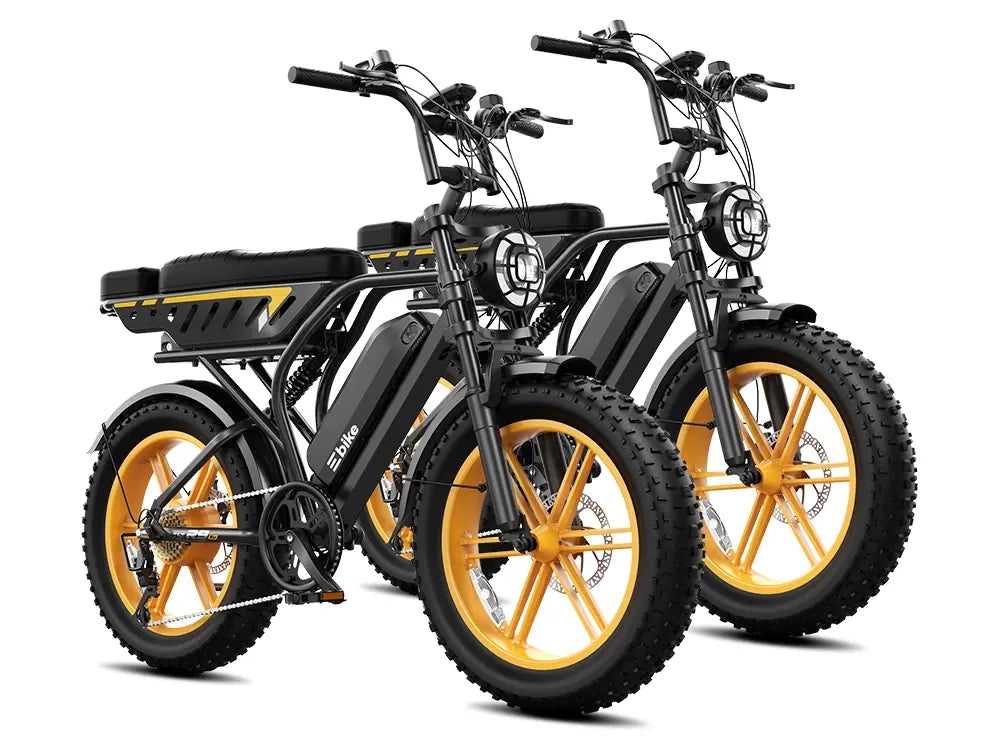

Smart electric bike guide for 2026 covering key benefits, buying factors, real use cases, and how TST models fit commuting, cargo, and long-range riding.
Smart Electric Bike Market Growth in 2026
The smart electric bike category is expanding because riders increasingly want transport that is practical, connected, and easier to live with than a car for short and medium trips.
Industry data supports that shift. PeopleForBikes reported that e-bike unit sales in the U.S. increased 13% year to date through April 2024 compared with the same period in 2023, while online unit sales growth in April and May 2024 remained strong at 60% year over year.
PeopleForBikes also noted that e-bikes were responsible for 63% of the growth in dollar sales of all bicycles between 2019 and 2023, which shows the category is not just growing, but driving the broader bike market forward.
Why TST Fits This Trend
As demand shifts toward transportation-ready e-bikes, TST presents itself as a brand focused on practical use rather than novelty.
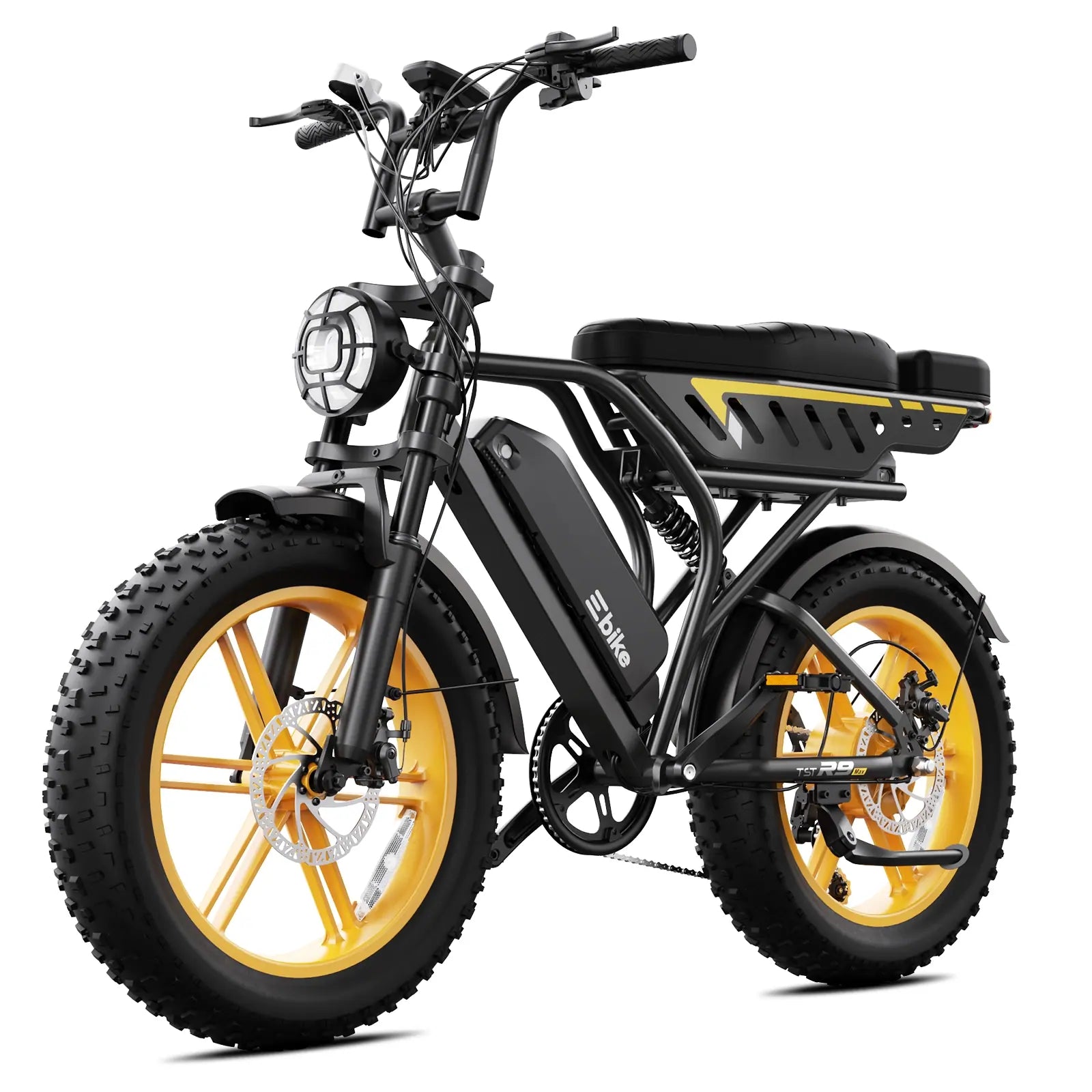
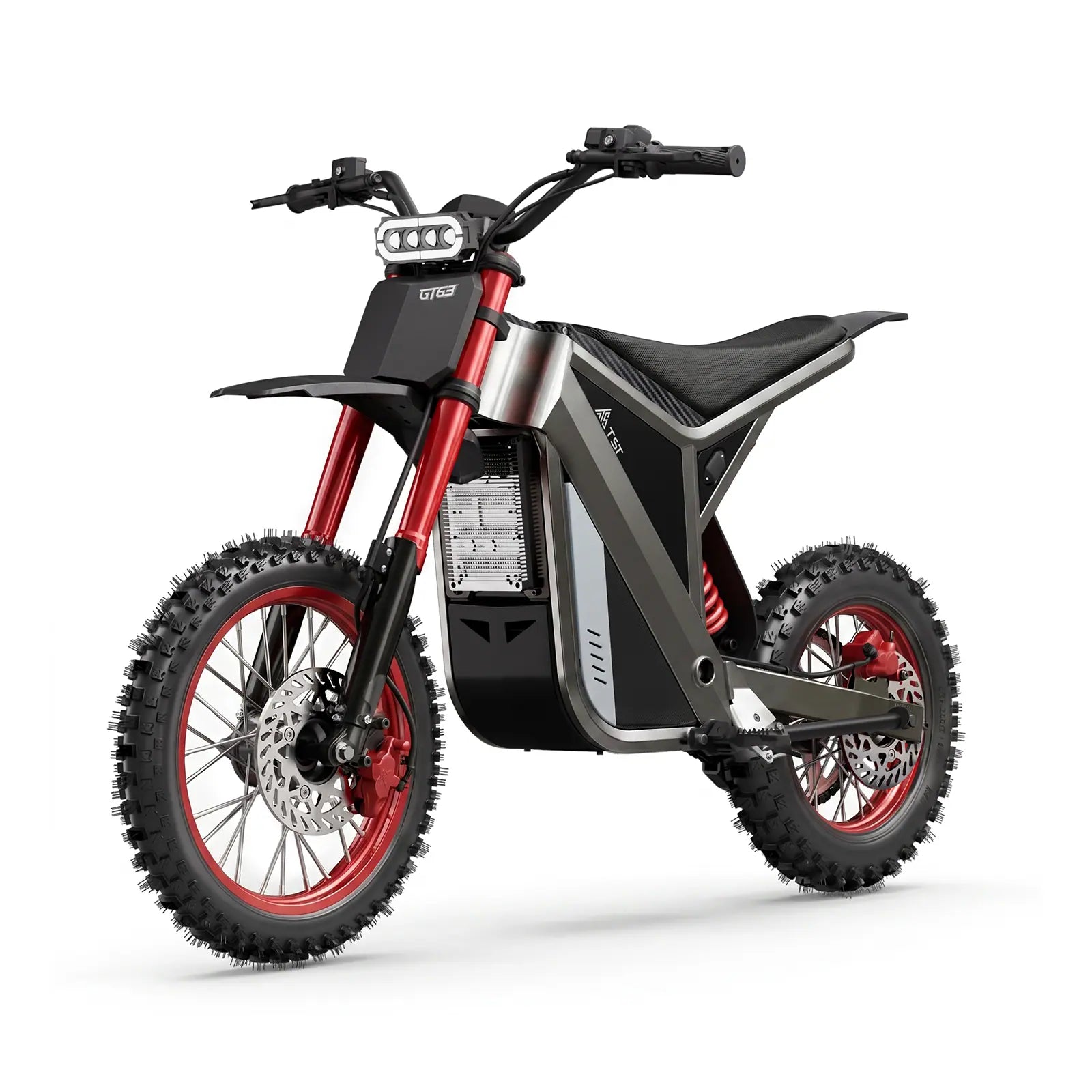
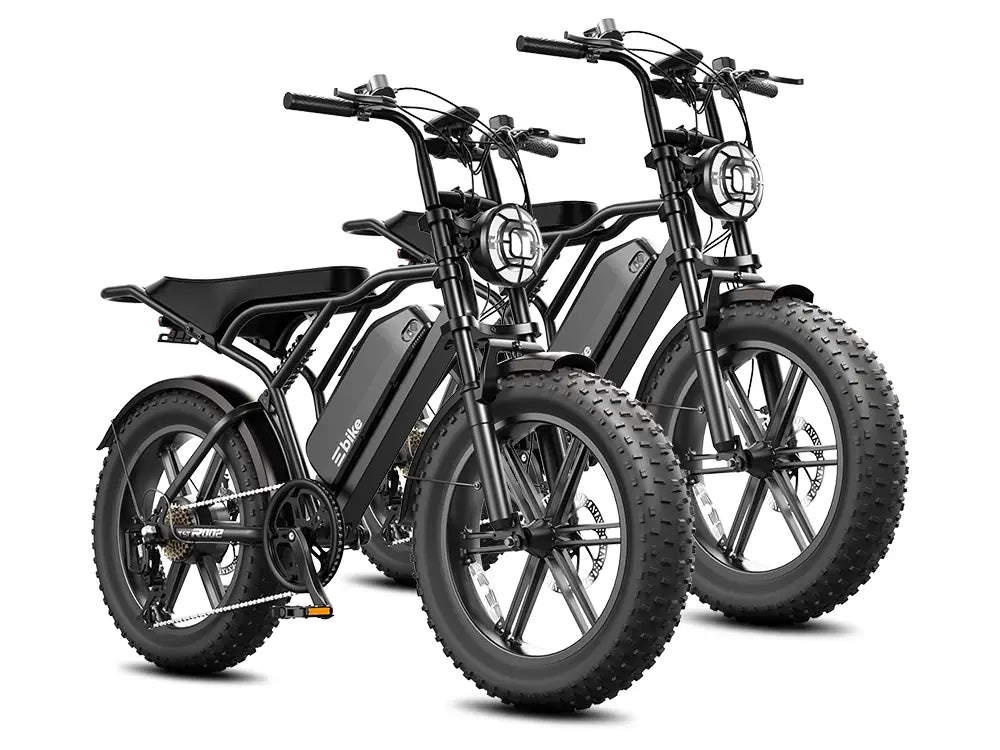
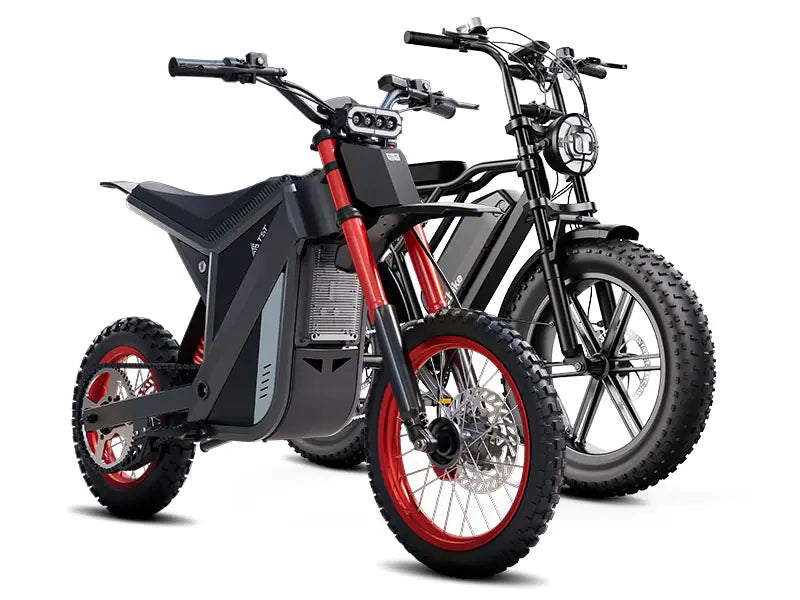
Its official lineup includes moped-style, cargo, commuter, fat tire, and folding models, giving shoppers multiple ways to match a bike to real daily needs such as commuting, carrying gear, family errands, or compact storage.
On the official store, models such as the R002, R9, R7, Carrier, Dreamer, Surfer, Flyer, Buddy, and Buddy Pro show a price range that spans from entry-level folding and utility options up to higher-spec cargo and long-range models.
What Is a Smart Electric Bike
A smart electric bike is an e-bike that combines pedal or throttle assistance with connected features and practical ride technology that make ownership easier.
In TST’s lineup, one of the clearest smart features is app support, which appears broadly across its featured e-bike range rather than being limited to a single flagship.
Why Riders Start Searching for a Smart Electric Bike
A lot of riders do not begin with excitement about technology. They begin with frustration.
The first problem is time loss. Traditional commuting often means traffic, parking, stop-and-go driving, and a constant tradeoff between convenience and cost. A regular bike removes fuel expense, but on longer routes or hillier streets it may still feel like too much work for everyday use.
The second problem is effort inconsistency. Many people are willing to ride when conditions are ideal, but less willing when there is a headwind, extra cargo, a tired evening return trip, or summer heat. That creates a gap between the idea of biking and the reality of doing it every day.
The third problem is utility. A standard bicycle works well for exercise and light trips, yet it becomes less practical when the rider needs to carry groceries, a backpack full of work gear, or items for family errands. This is one reason cargo-ready and commuter-ready e-bikes are getting more attention from buyers who want one bike to handle more than one job.
The fourth problem is confidence in buying. Many shoppers struggle to compare power, range, frame type, support, and warranty. TST addresses some of this by publishing visible headline specifications across its collection pages, including peak motor output, top speed, range, payload, torque, and app support, which helps buyers narrow choices faster.
A Key Statistic
Nearly 1,000,000 e-bikes were bought or sold in the U.S. in 2024 once additional channels were included, showing the category is much larger than traditional retail tracking alone suggests.
Smart Electric Bike Comparison Table
Smart Electric Bike Features That Matter
Connected usability
A smart feature should reduce friction, not add it. Broad app support across TST’s lineup suggests the brand treats connectivity as part of ownership convenience rather than a niche extra.
Power that feels practical
Peak motor numbers only matter when paired with real use cases. TST’s lineup ranges from commuter-friendly formats to 1500W moped-style options, which gives buyers more than one performance profile to choose from.
Load capacity
Payload matters more than many first-time shoppers expect. Several TST models list max loads in the 400 to 450 lb range, making them more relevant for errands, gear-heavy commuting, and utility riding than lightweight recreational bikes.
Smart Electric Bike Examples
A weekday commuter chooses the R9 because longer listed range reduces charging stress across repeated work trips.
A parent looking for utility leans toward the Carrier because cargo capacity matters more than a sporty frame shape.
A rider living in a smaller apartment considers the Buddy Pro because folding design solves storage before performance becomes the deciding factor.
Related TST Products Worth Considering
A smart electric bike purchase often starts with one need and quickly expands into others.
A rider who begins by searching for a daily commuter may realize longer range matters more than expected, which makes the R9 a logical upgrade path. Someone focused on general city riding may start with the R002, while a buyer with family or grocery-hauling needs may move toward the Carrier.
Storage is another trigger for cross-shopping. Riders who need compact transport for apartments, RV travel, or mixed commuting can also look at folding options such as the Buddy Pro, which helps keep the brand’s lineup relevant across more than one lifestyle.
How to Choose the Right Smart Electric Bike
-
Start with the main trip, not the spec sheet. Decide whether the bike will be used mostly for commuting, errands, mixed recreation, cargo hauling, or compact storage.
-
Match range to routine. A rider doing longer weekly mileage should prioritize a bike with enough listed range to avoid constant charging interruptions.
-
Check payload honestly. If the bike will carry bags, groceries, or heavier loads, load rating is not a bonus feature but a core buying factor.
-
Choose the right frame style. Moped-style bikes, commuter frames, cargo models, and folding bikes solve different ownership problems even when their motors look similar on paper.
-
Look for support clarity. Warranty visibility, return policy access, and brand FAQ coverage all matter because they shape the post-purchase experience.
-
Compare value by use case. The right bike is not simply the fastest or cheapest model, but the one that removes the most friction from the rider’s actual routine.
Smart Electric Bike Scenario: Daily Commuting
Scenario
A rider wants to replace short car trips to work, the gym, or nearby shopping.
Traditional approach
Driving feels easy at first, but parking, congestion, and rising routine costs make short trips inefficient. A regular bike can work, but some riders stop using it when the route feels too long or tiring.
After choosing TST
A model such as the R002 or Flyer can make commuting feel more realistic because the lineup is built around practical city and everyday utility rather than a single recreational frame style. That turns biking from an occasional good intention into a repeatable transport habit.
Smart Electric Bike Scenario: Family Errands
Scenario
A household needs one bike that can carry more than just the rider.
Traditional approach
Without cargo capacity, errands become awkward. The rider ends up using a backpack, splitting trips, or returning to the car for anything bulky or inconvenient.
After choosing TST
The Carrier stands out because TST positions it as a cargo electric bike and lists a 450 lb max load. That creates a clearer fit for grocery runs, local family logistics, and utility riding where carrying capacity matters as much as speed.
Smart Electric Bike Scenario: Longer Weekly Riding
Scenario
A rider wants one bike for repeated commuting plus occasional longer weekend mileage.
Traditional approach
A lower-range e-bike may look affordable upfront, but it can create planning stress when the rider is always calculating charge level, backup transport, and route limits.
After choosing TST
The R9 becomes the obvious option inside the lineup because TST lists a longer max range than its standard moped-style models. For buyers who want fewer charging interruptions and more flexibility across the week, that difference can shape the entire ownership experience.
Smart Electric Bike FAQ
What is the best smart electric bike for commuting?
The best smart electric bike for commuting depends on trip length, storage space, speed preference, and whether the rider wants more range or a simpler everyday setup. In TST’s lineup, city and commuting shoppers may compare models like Flyer, Surfer, R002, and R9 based on how much range and power they actually need.
Is a smart electric bike with app support worth it?
It can be worth it when the connected feature improves convenience instead of becoming a distraction. For many buyers, the value is not the app alone, but the sense that the bike is designed as a modern transport tool rather than a basic motorized frame.
Which smart electric bike is better for long-range riding?
A long-range smart electric bike should first be judged by the rider’s actual weekly mileage, not by headline marketing. In TST’s current lineup, the R9 is the strongest long-range candidate because it is listed with the longest max range among the main featured models.
What smart electric bike is best for cargo and errands?
Cargo-focused riders should prioritize stability, load rating, and frame purpose over raw speed. In TST’s lineup, the Carrier is the clearest option for family errands and utility use because the brand positions it directly around cargo needs.
Are moped-style smart electric bikes practical for everyday use?
Yes, they can be practical when the rider wants stronger acceleration, a more relaxed seated feel, and better confidence carrying weight or handling traffic starts. They are especially appealing for people who want an e-bike to behave more like transportation and less like a fitness-first bicycle.
How much should a smart electric bike cost in 2026?
Price should be measured against what problem the bike solves. On TST’s official store, the visible lineup spans from more affordable folding and utility choices to higher-priced cargo and long-range options, which gives buyers a usable reference range for connected e-bikes without immediately moving into premium boutique pricing.
Conclusion
The smart electric bike category is growing because it answers practical transportation pain points with a better balance of speed, comfort, utility, and everyday convenience.
TST fits that trend by offering a broad lineup with visible spec-based differentiation across commuting, cargo, folding, and longer-range use cases, allowing shoppers to choose based on how they actually ride rather than on marketing noise alone.
CTA
Explore TST’s electric bike lineup to find a smart electric bike that matches daily commuting, family errands, cargo needs, or longer weekend mileage.
TST is an e-bike brand focused on practical, connected riding with models spanning moped-style, commuter, cargo, fat tire, and folding categories.
Sources
TST Ebike Official Store 2026
TST All Ebikes Collection 2025
TST Warranty Policy 2026
TST Carrier Product Page 2024
TST FAQs 2026
PeopleForBikes — Electric Bicycle Market Insights From Industry Experts 2024
PeopleForBikes — The U.S. E-Bike Market Is Bigger Than the Numbers Show 2026

Leave a comment
This site is protected by hCaptcha and the hCaptcha Privacy Policy and Terms of Service apply.