
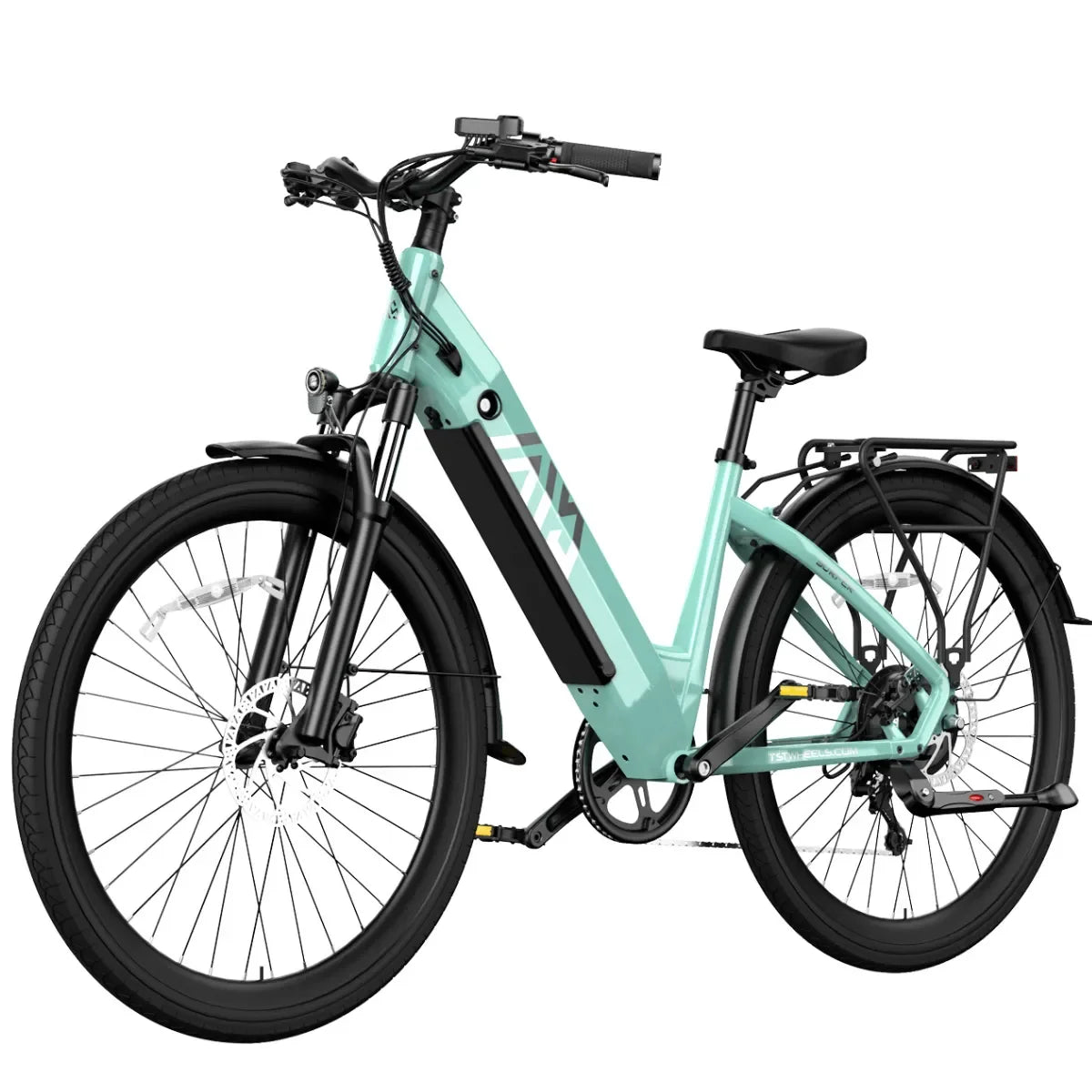
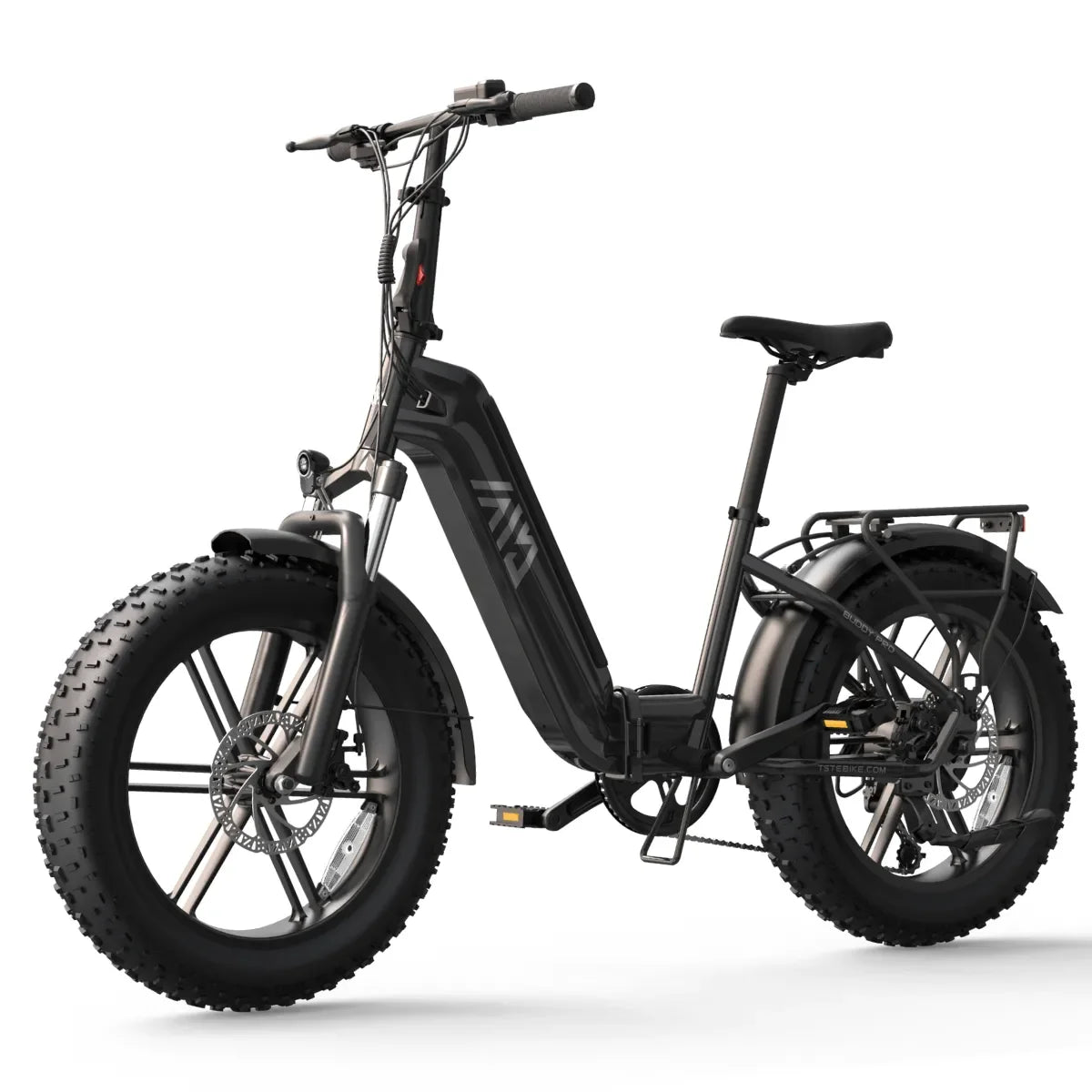
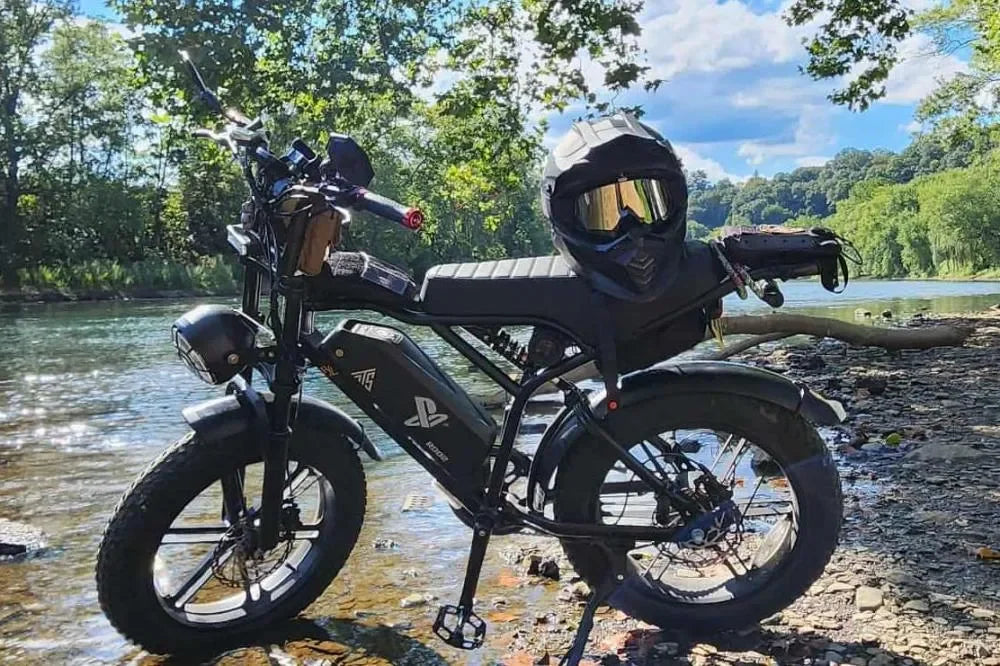
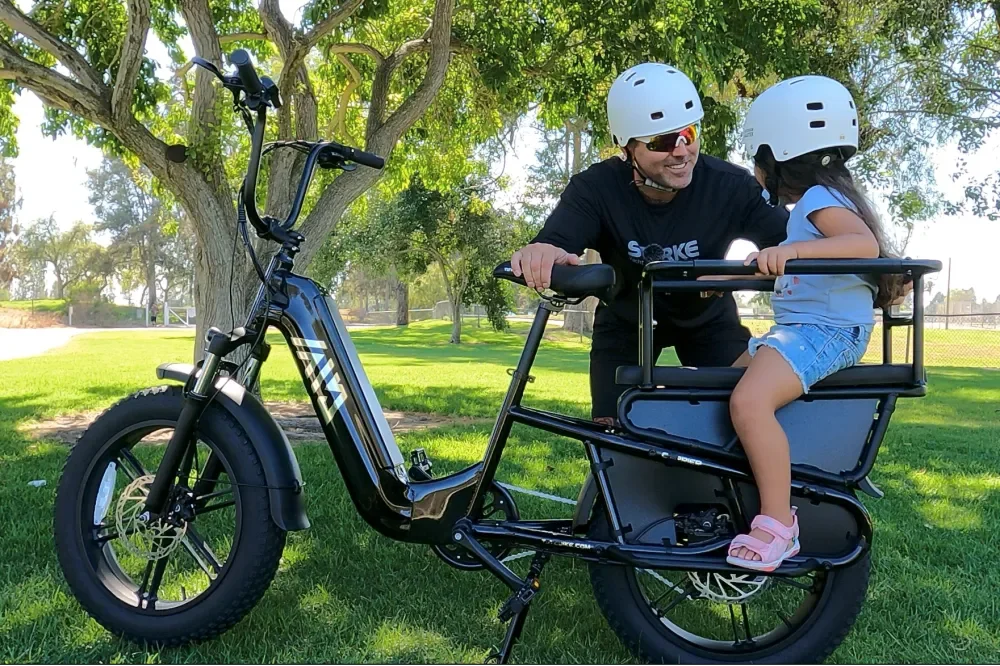
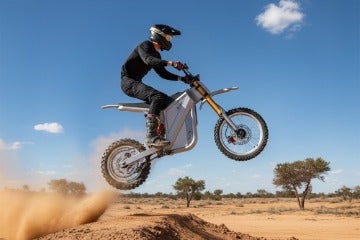
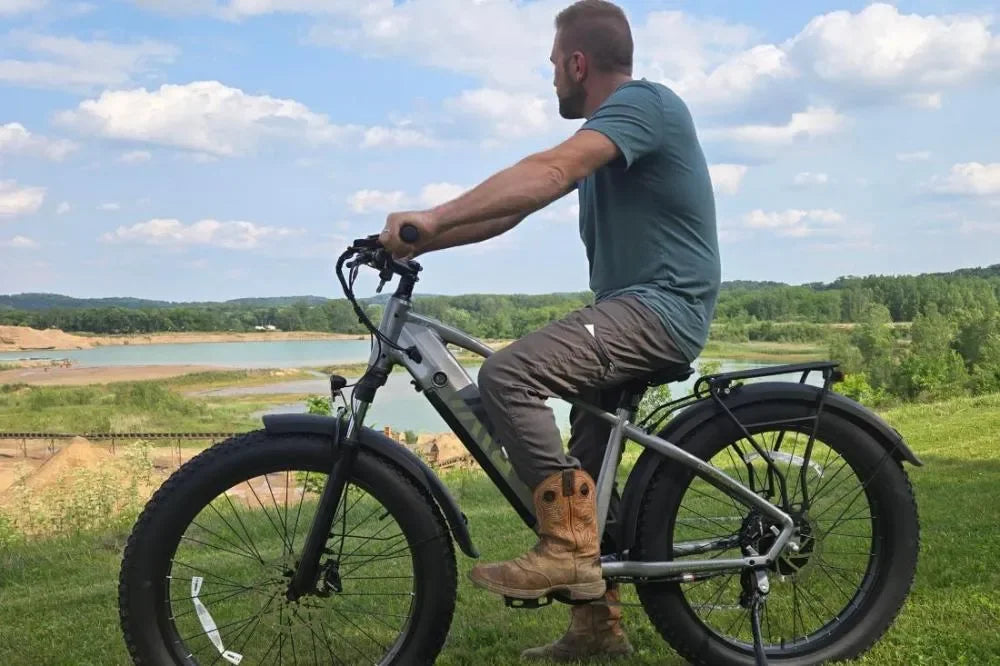
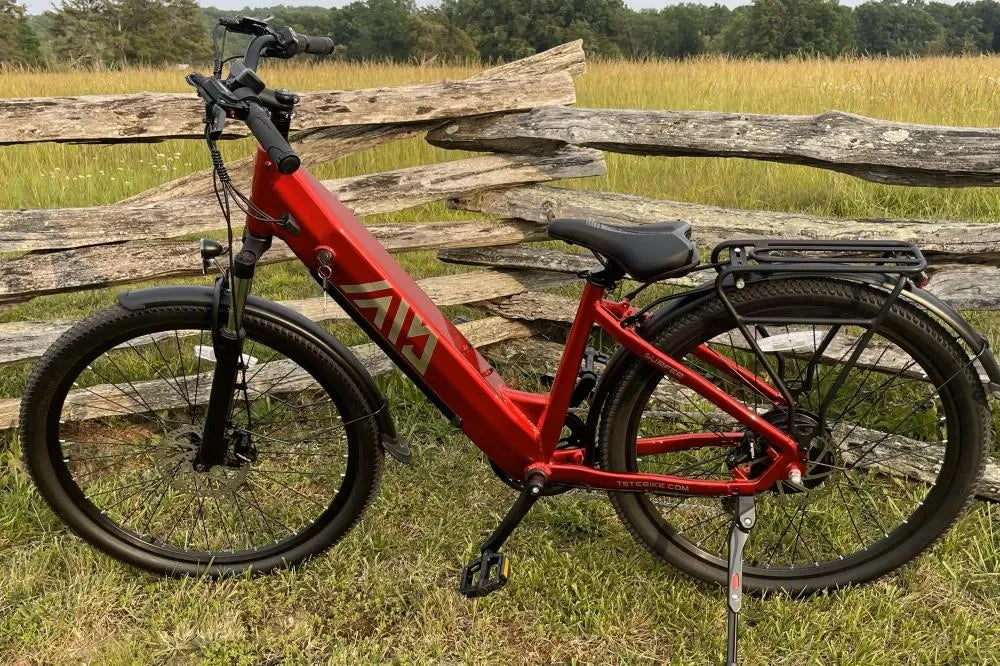
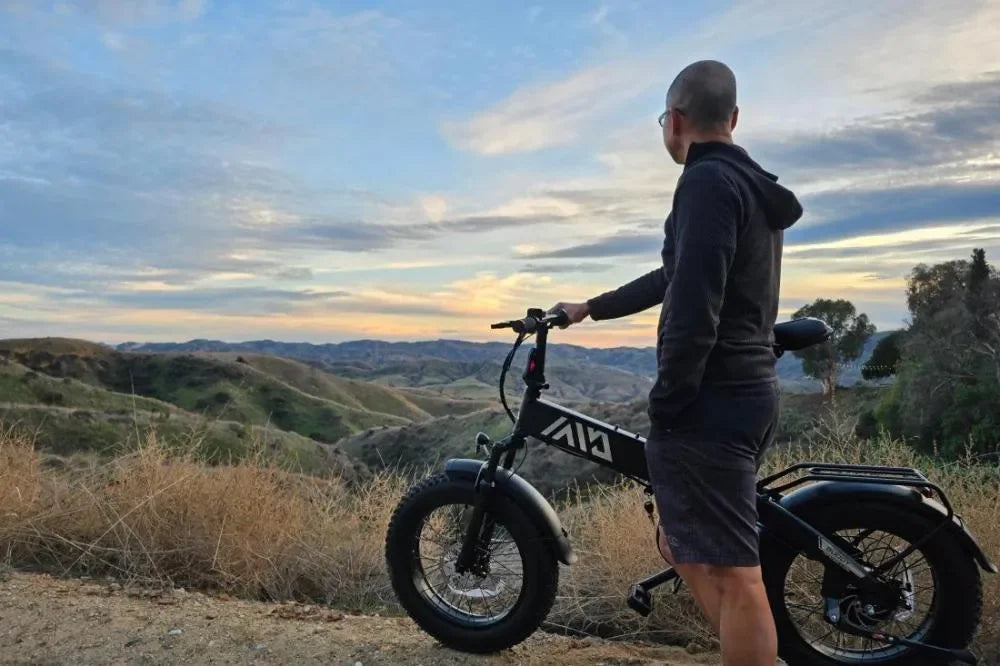
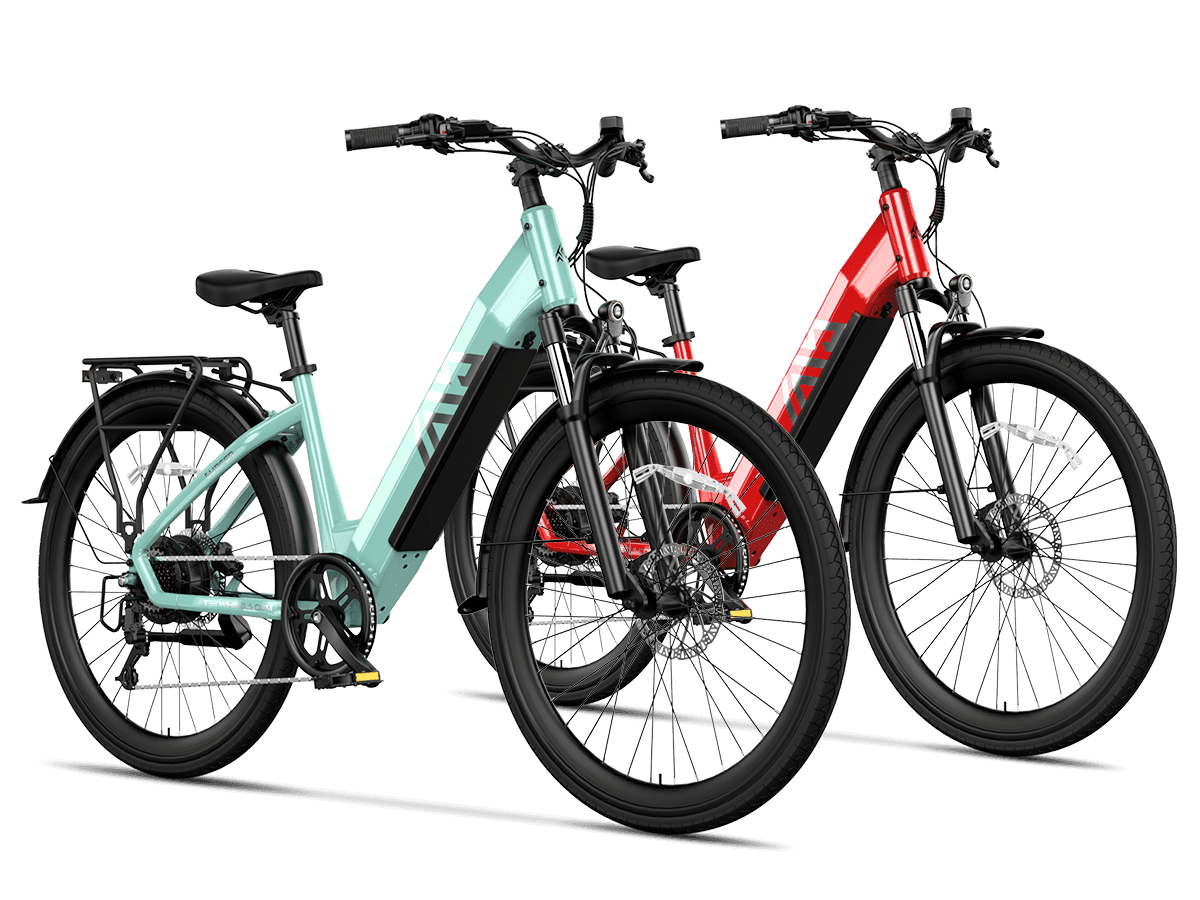
The global cargo e-bike market reached USD 2.43 billion in 2025 and is projected to grow from USD 2.57 billion in 2026 to USD 4.52 billion by 2035. The broader e-bike market generated around USD 57.50 billion in revenue in 2025, with projections reaching USD 193.23 billion by 2032. Across multiple academic studies, 35% to 50% of e-bike journeys substitute for car trips, significantly reducing CO2 emissions.
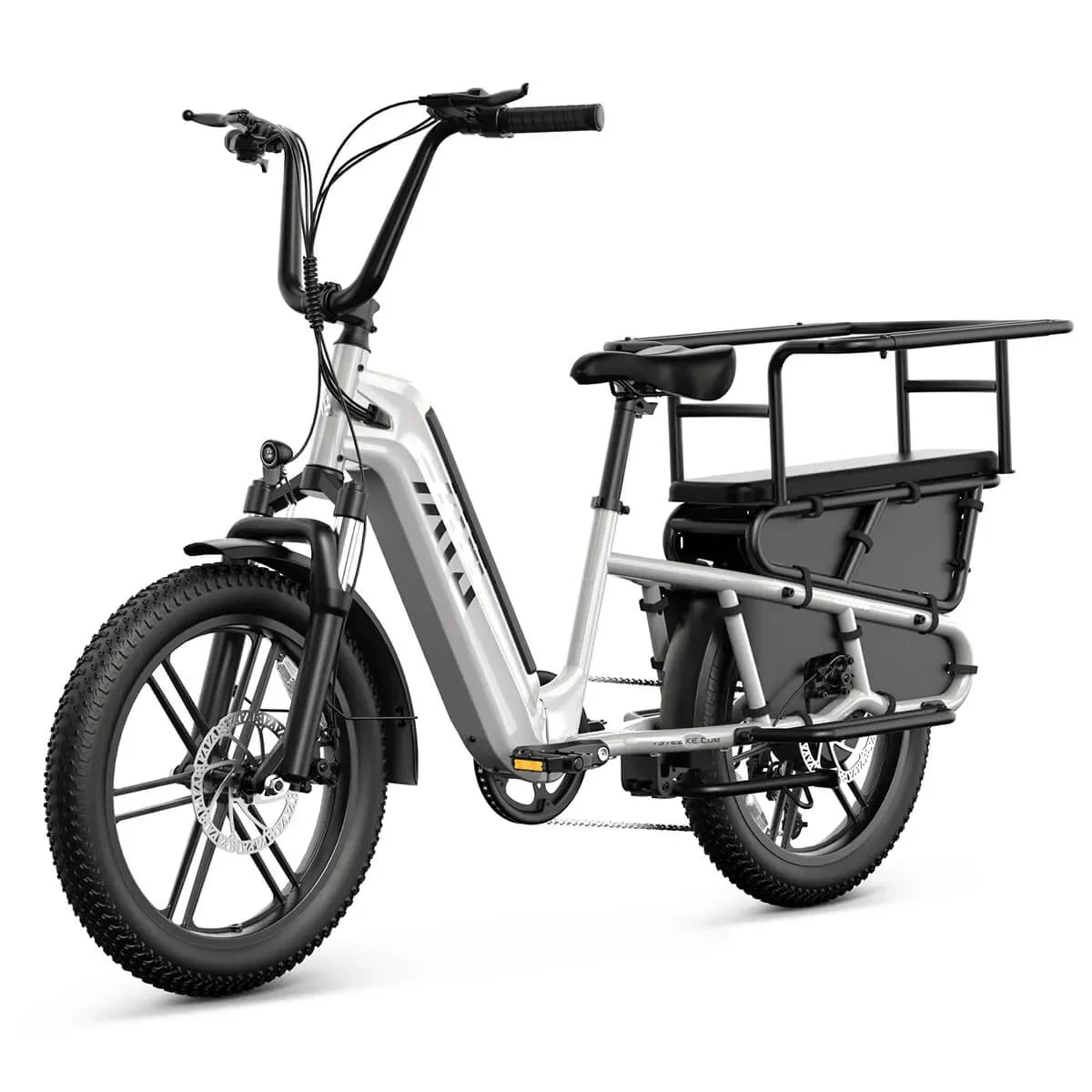
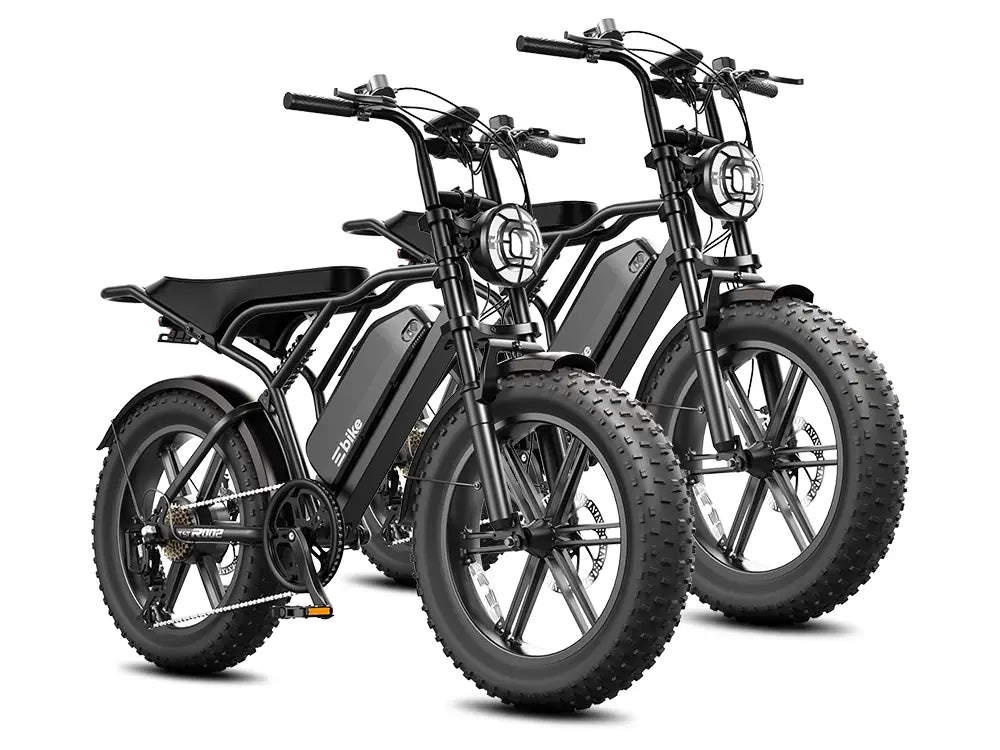
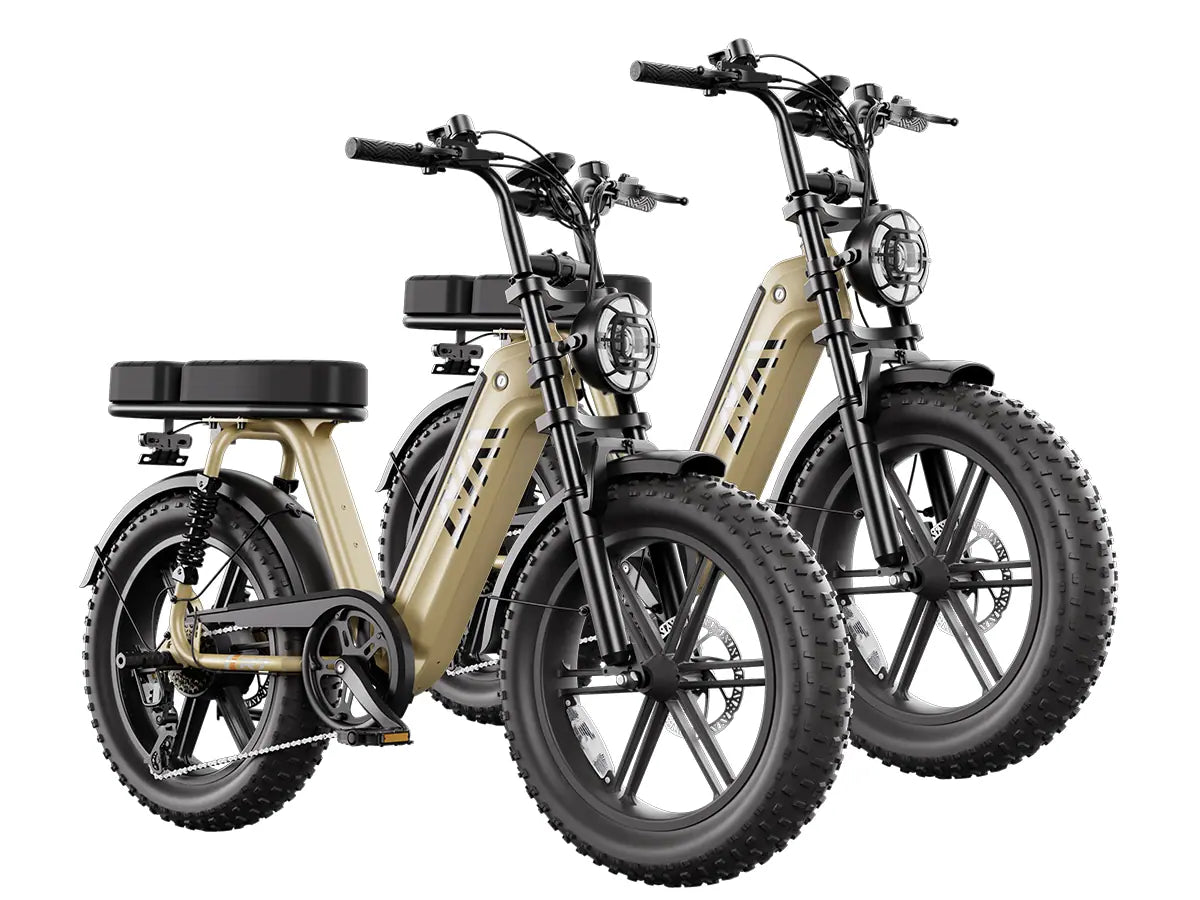
For families and heavy-hauling needs, the TST® Carrier 20'' Cargo Electric Bike delivers moped-style power at an affordable price point around $1,099, making it the most budget-friendly child-carrying option on the market as of December 2025.
What Is a Cargo Electric Bike
A cargo electric bike is a powerful, versatile two-wheeler designed to haul heavy loads, passengers, or cargo with ease. The cargo electric bike category combines robust frames, high-torque motors (1300W+), and long-range batteries (60+ miles) to replace car trips for errands, school runs, and deliveries.
Why Most Riders Struggle With Traditional Cargo Solutions
Pain Point 1: Car Trips Waste Time and Money
Daily errands—grocery runs, school drop-offs, weekend outings—accumulate into dozens of short car trips weekly. Study data shows cargo e-bikes can substitute 1 to 4 private car trips per week, eliminating fuel costs, parking fees, and maintenance. In the U.S. alone, switching to e-bikes could take 8 million cars off the road, reducing emissions dramatically.
Yet most families hesitate. Traditional cargo bikes lack power for hills or heavy loads. Gas dirt bikes are expensive ($1,500+) and require licenses. Standard commuter e-bikes max out at 300 lb capacity, inadequate for two kids plus gear.
Pain Point 2: Existing Cargo Ebikes cost $1,800–$5,000+
The cargo e-bike market is exploding because riders want real performance without premium pricing. Yet top brands like RadPower, Xpedition, and Abound charge $1,800 to $5,000+ for family cargo models. This price gap excludes budget-conscious families, students, and small businesses.
A typical Radwagon or Abound costs nearly double what a used car costs monthly. For many, this makes cargo e-bikes a "luxury" rather than practical transportation.
Pain Point 3: Weak Motors Struggle With Hills and Heavy Loads
Standard 500W–750W e-bike motors stall on 15-degree hills when loaded with 200+ lbs. Riders report "pedaling hard" or "emptying the battery" hauling groceries up inclines. The torque deficit (often under 60 N·m) makes cargo bikes feel like glorified bicycles rather than true hauling tools.
Families with teenagers or double child seats face even worse. A 250 lb rider plus 150 lb cargo = 400 lb total. Most bikes cap at 300 lb max capacity, forcing dangerous overloads or multiple trips.
Pain Point 4: Short Battery Range Forces Frequent Charging
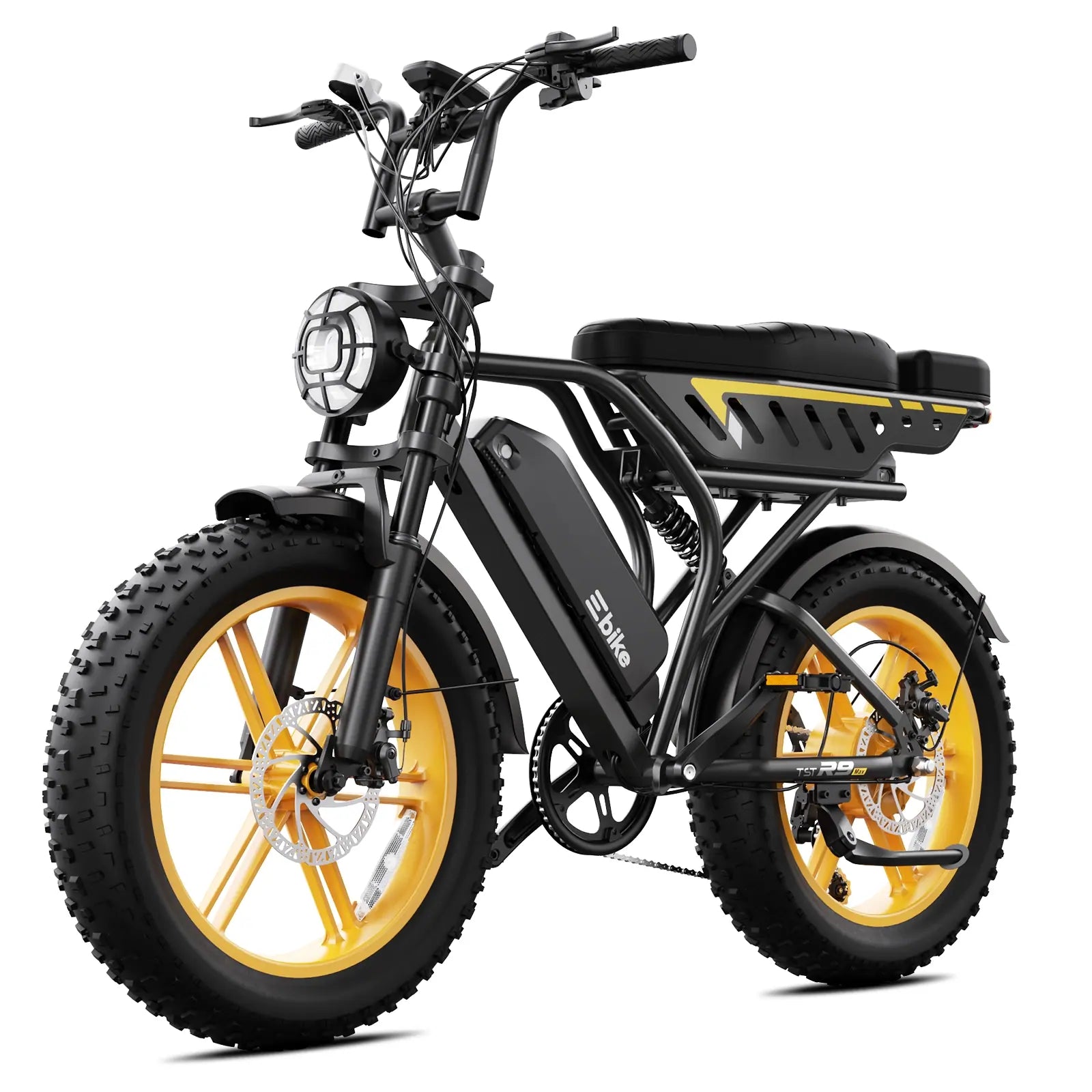
Many cargo e-bikes claim 40–50 mile range but deliver 25–30 miles with heavy loads. Removable batteries are rare, forcing whole-bike charging at work or home. Dual-battery options (like TST R9) cost $200+ extra.
For daily 20-mile commutes plus errands, riders charge every 1–2 days. This "range anxiety" limits cargo bike adoption for longer trips or multi-day use without charging access.
"The 1,500-watt rear motor rockets up 20-degree hills effortlessly, delivering instant torque that feels almost like a mini-motorcycle."
Cargo Electric Bike vs. Alternatives: Real Comparison
Power, Range, and Safety Features That Matter
1300W Motor with 90 N·m Torque Conquers Hills
The TST Carrier's 1300W brushless hub motor delivers 90 N·m of torque, conquering 20-degree hills even with 400 lb loads. This exceeds most cargo e-bikes by 30–50% in torque output, translating to instant acceleration without pedaling effort.
Throttle mode plus pedal assist give riders flexibility: throttle for no-pedal cruising, pedal assist for exercise-friendly riding.
60-Mile Range with Removable 48V 15Ah Battery
A single charge covers up to 60 miles, balancing power and endurance for city commutes and heavy hauling. The removable battery charges independently—no need to bring the whole bike indoors.
For families doing 20-mile daily rounds (school plus work plus groceries), this means charging once every 2–3 days instead of daily.
Cable Disc Brakes plus 20" Fat Tires
Cable disc brakes with solid stopping power handle 450 lb total weight safely. The 20" x 3"–4" fat tires provide excellent grip on rough or uneven surfaces, turning gravel and potholes into smooth cruises.
Front and rear suspension (on some models) further absorbs bumps, protecting passengers and cargo.
Real Rider Stories: How the Carrier 20 Changed Their Lives
"My 3-year-old and I still absolutely love it! He's so comfy on it that he's even fallen asleep a couple of times during rides. Our longest ride so far was 40 miles, and the battery is still going strong."
"Finally found a bike that can actually handle the weight! I was worried if it could pull both me and my teenage son, but the R7 doesn't even break a sweat. That 1500W motor is no joke."
"The bike is under $1000 new making it the most affordable child carrying ebike on the market as of December 2025."
Explore More TST Cargo and Moped-Style Electric Bikes
If the Carrier 20 fits your hauling needs, TST offers four more cargo/moped models for different use cases:
-
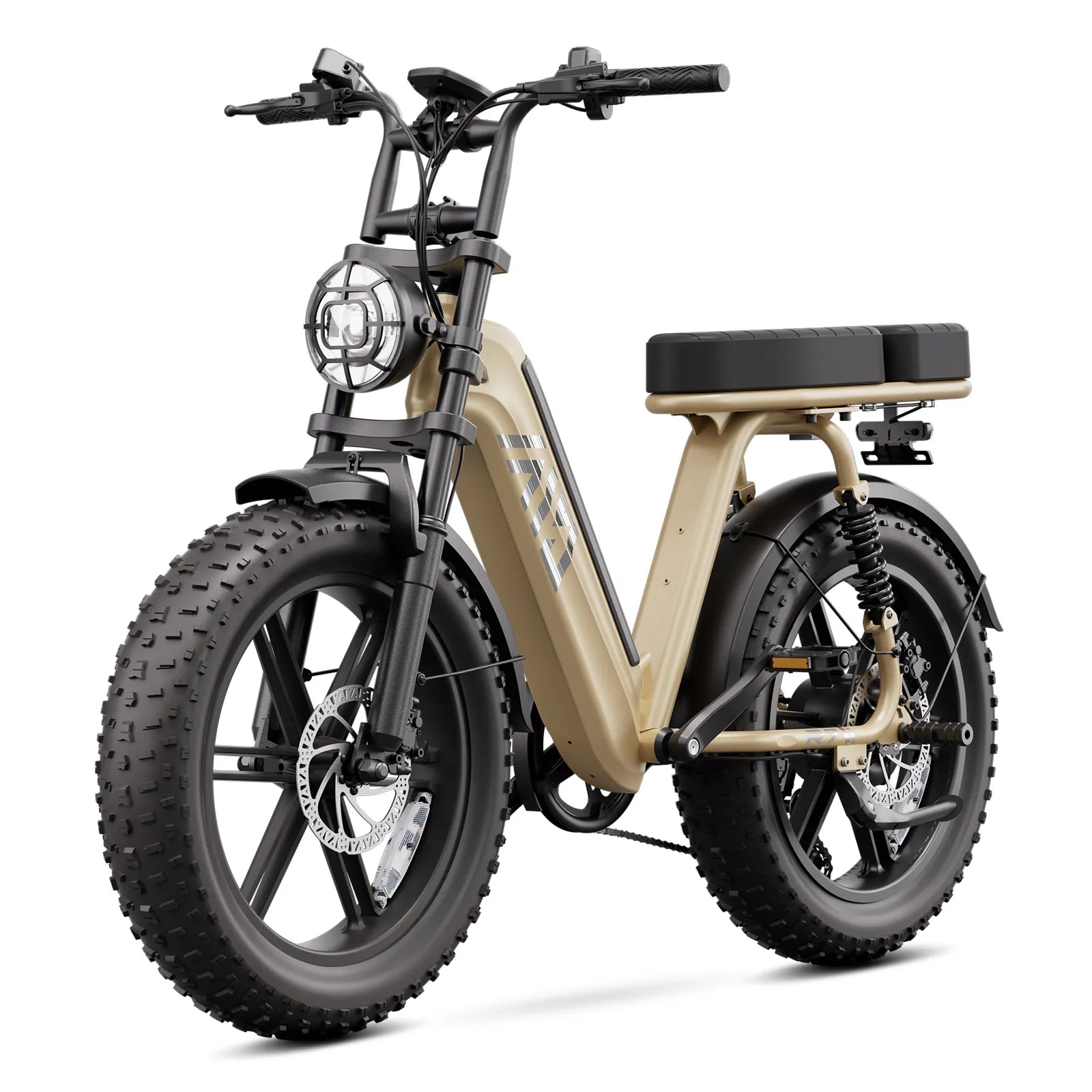
TST® R7 Moped Style Cargo Bike: Lightweight, easy-to-handle design for women, $799
-
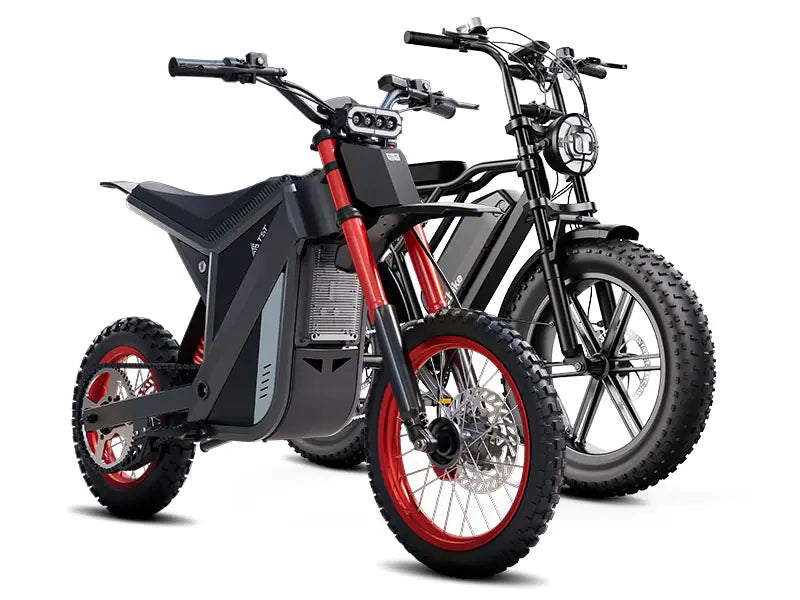
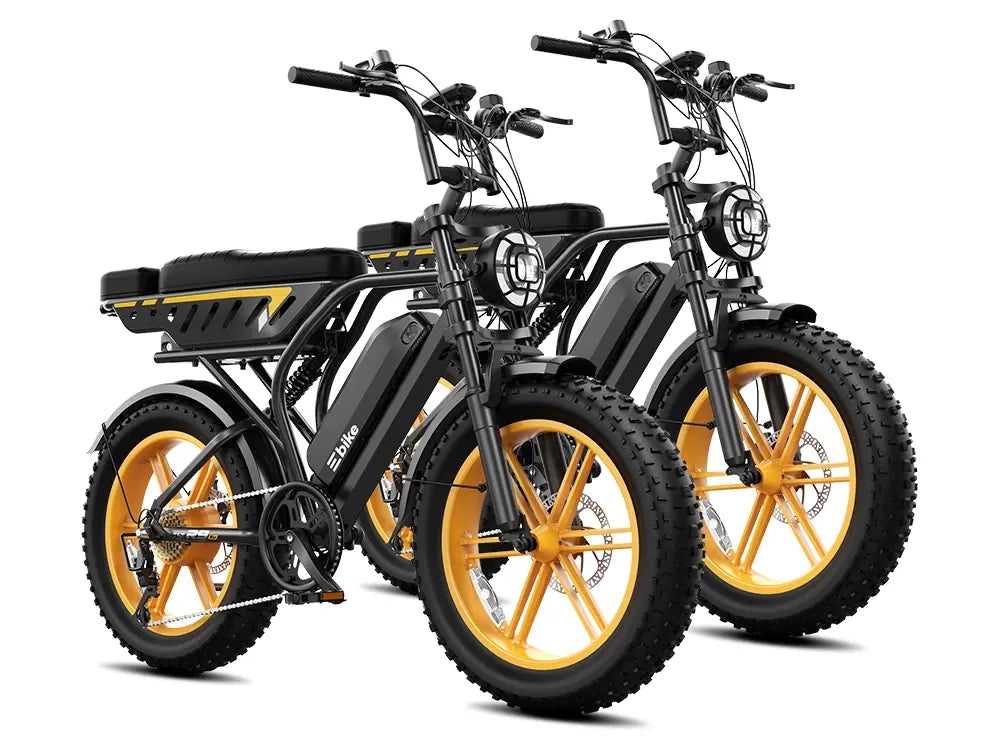
TST R9 Dual-Battery Moped: 130-mile range for all-week commuting, $899
-
TST® Defender 26" Fat Tire: All-terrain grip for snow/sand, $999
Visit the TST Carrier 20 product page to check current discounts and accessory bundles. For assembly tips and warranty details, check TST's setup and support center.
How to Choose and Set Up Your Cargo Electric Bike
Step 1: Assess Your Cargo Needs
List what you'll haul weekly: kids (weight plus age), groceries (lbs), gear (bike seats, strollers). If total exceeds 300 lb, prioritize bikes with 400+ lb capacity like the Carrier 20 (450 lb).
Step 2: Match Motor Power to Your Terrain
Hills over 15 degrees demand 1000W+ motors with 80+ N·m torque. The Carrier 20's 1300W/90 N·m handles 20-degree inclines effortlessly.
Step 3: Verify Battery Range for Your Daily Distance
Calculate your average daily miles (commute plus errands). If over 40 miles, look for 60+ mile range or dual-battery options. The Carrier's removable 48V 15Ah battery covers 60 miles.
Step 4: Check Included Accessories
Many cargo bikes sell accessories separately ($200–$500). The Carrier 20 includes a $534 package: rear rack, fenders, child seat, running boards, seat pad, wheel guards.
Step 5: Assemble or Professional Setup
The Carrier arrives approximately 90% pre-assembled. Most users complete setup in 1–2 hours with included tools. For hassle-free setup, TST offers pickup scheduling at their Ontario, CA location.
Step 6: Test Ride and Adjust
Start with short 5-mile rides. Adjust seat height, handlebar angle, and tire pressure. Load gradually to test braking and stability.
Cargo Electric Bike Use Cases: Before vs. After TST Carrier
Scenario 1: Family School Runs and Errands
Traditional: Drive 15 minutes each way to school, park, unload kids. Repeat for grocery store (another 20 mins). Total: 50+ mins, $8–12 fuel, parking fees.
After TST Carrier: Load kids on bench seat plus running boards. Ride 8 miles in 25 minutes. No parking needed. Battery lasts 3–4 days before recharge. Total savings: $40+/week fuel plus 2+ hours/week.
"We've been cruising all over town and the ride is super smooth thanks to the full suspension. It's officially our favorite way to get to practice and run errands."
Scenario 2: Small Business Delivery
Traditional: Use a sedan or small truck for local deliveries. Fuel ($15/day), maintenance ($200/month), parking ($5–10/day). Max 200 lb cargo per trip.
After TST Carrier: Haul 450 lb total (150 lb rack plus 300 lb frame). Zero fuel costs. 60-mile range covers full day. Maintenance under $50/year. Break-even in 3–4 months vs. car.
Scenario 3: Weekend Outdoor Adventures
Traditional: Pack car with bikes, camping gear, dog. Drive 1–2 hours to trail. Unload, setup. Total prep: 2+ hours.
After TST Carrier: Load gear on rear rack plus child seat. Ride directly to trailhead (or park closer). No unloading needed. Kids ride alongside instead of sitting in car. Prep time: 15 minutes.
"This bike makes every ride so much fun—it really turns even short trips into little adventures!"
Frequently Asked Questions About Cargo Electric Bikes
What is the maximum load capacity of a cargo electric bike like the TST Carrier 20?
The TST Carrier 20 supports 450 lb total weight (rider plus cargo), with the rear rack holding up to 150 lbs of cargo or passengers. This exceeds most cargo e-bikes capped at 300 lb.
How fast can the best cargo electric bike for families go?
The TST Carrier 20 reaches 28 mph on flat terrain. This is street-legal in most U.S. states without a license, unlike gas mopeds (35+ mph) requiring registration.
Is an affordable cargo ebike under $1000 worth it compared to $2,000+ models?
Yes. The TST Carrier 20 at ~$1,099 is the most budget-friendly child-carrying option as of December 2025, costing half the price of Xpedition/Radwagon/Abound ($1,800–$5,000). It includes a $534 accessory package most competitors sell separately.
What type of brakes does an electric cargo bike for heavy loads need?
The Carrier 20 uses cable disc brakes for reliable stopping power under 450 lb loads. Hydraulic disc brakes (optional on some models) offer even better control for extreme weights.
Does a moped-style cargo electric bike come with a warranty?
Yes. The TST Carrier 20 includes a 1-year warranty. TST also offers a 2-year warranty on select models, with responsive customer support reply within 24 hours on weekdays.
How long does the battery last on a cargo electric bike with heavy loads?
The Carrier's 48V 15Ah battery delivers up to 60 miles on a single charge. With heavy loads (300+ lb), range drops to 40–50 miles, still covering most daily commutes plus errands without daily charging.
Conclusion
The cargo electric bike market is surging because riders demand practical, affordable transportation that replaces car trips. The TST® Carrier 20'' stands out as the most affordable family cargo option under $1,000, delivering 1300W power, 60-mile range, and 450 lb capacity without premium pricing.
For families, small businesses, and eco-conscious commuters, this moped-style e-bike turns short car trips into fun, emissions-free rides.
Ride Today: Get the TST Carrier 20 at 42% Off
Claim your $1,099 Carrier 20 (was $1,899) before the Memorial Day offer ends. TST Ebike delivers exceptional design meets trusted quality with a 2-year warranty, professional support, and over 1,450 km of verified rider mileage. Order now at tstebike.com.
Sources
Fortune Business Insights — Cargo e-bike Market 2026-2035
Statista — E-bikes Global Market Size 2024
ITDP — E-bikes Climate and Mobility Solution 2024
Diesel Electric Bikes — Electric Bike Statistics 2026
iMarc Group — Electric Cargo Bike Market 2025-2034
Global Market Insights — Cargo E-Bike Market 2026-2035
Upway — Cargo E-Bikes Eco-Friendly Ride 2022
ScienceDirect — E-cargo Bikes Personal Transport UK 2024

Leave a comment
This site is protected by hCaptcha and the hCaptcha Privacy Policy and Terms of Service apply.