

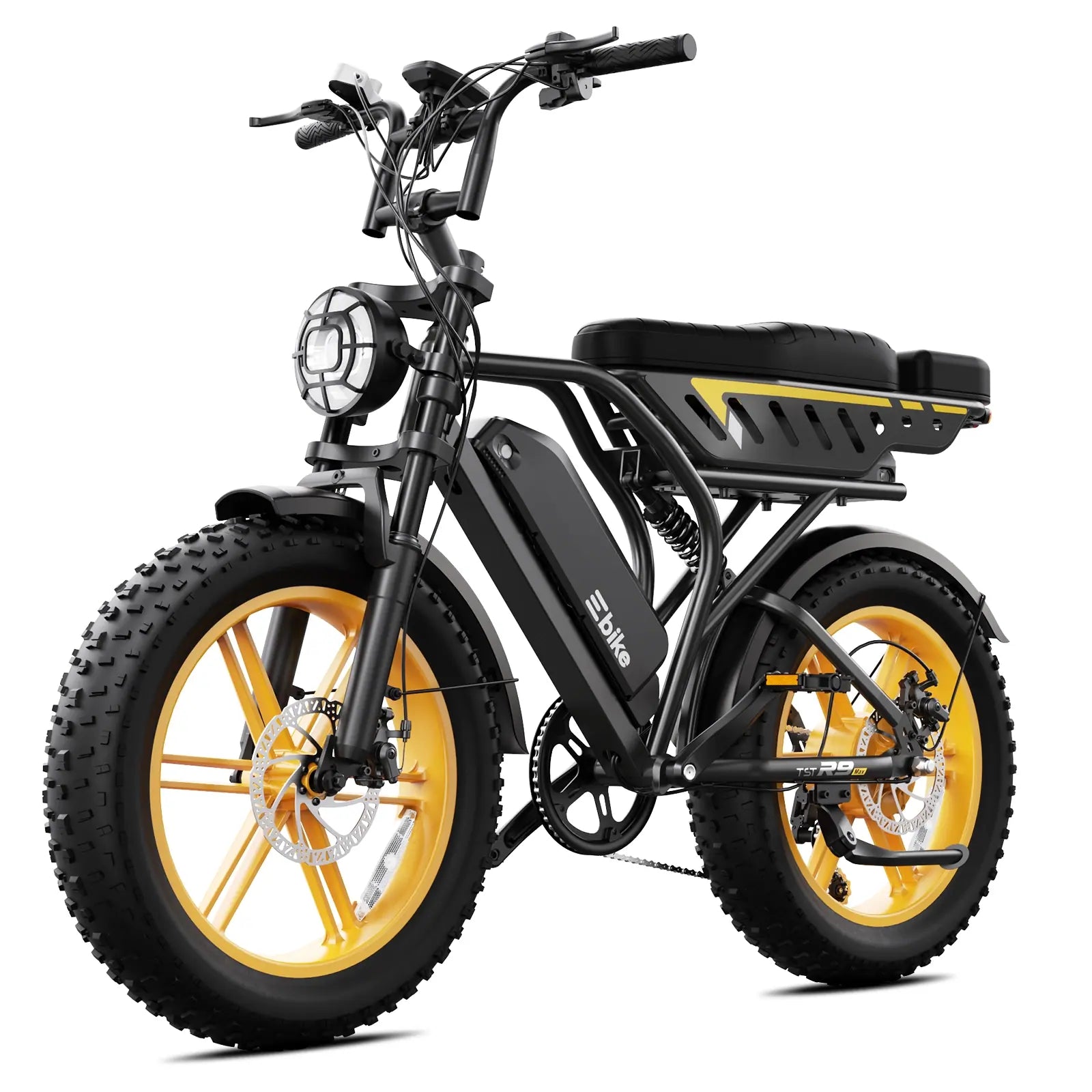
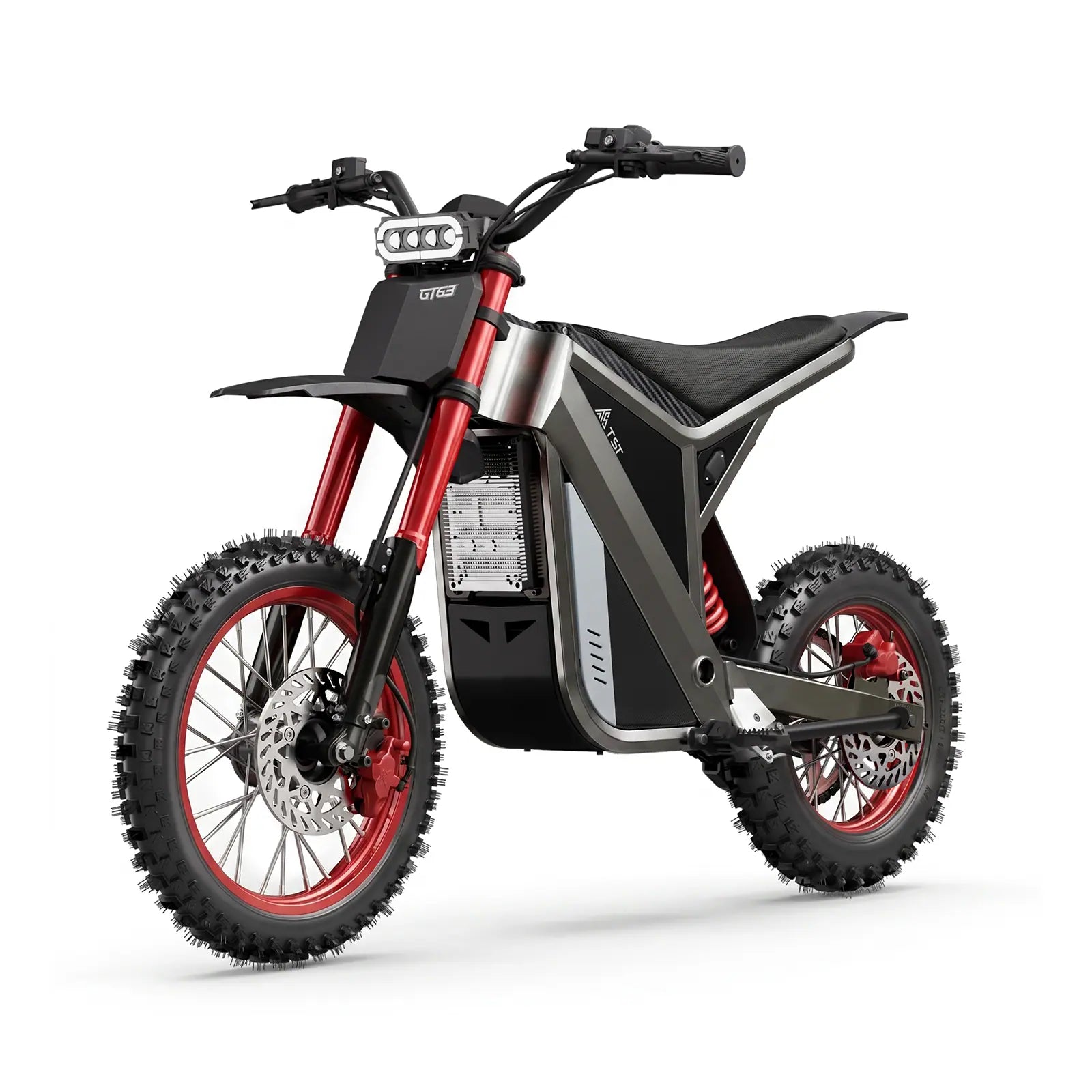









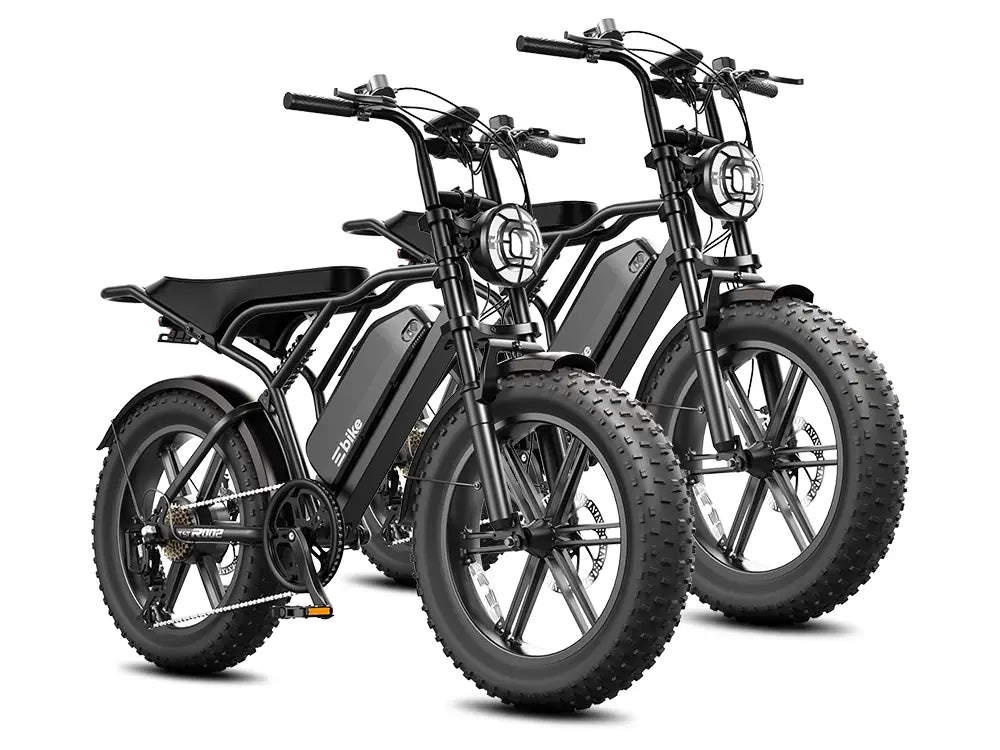
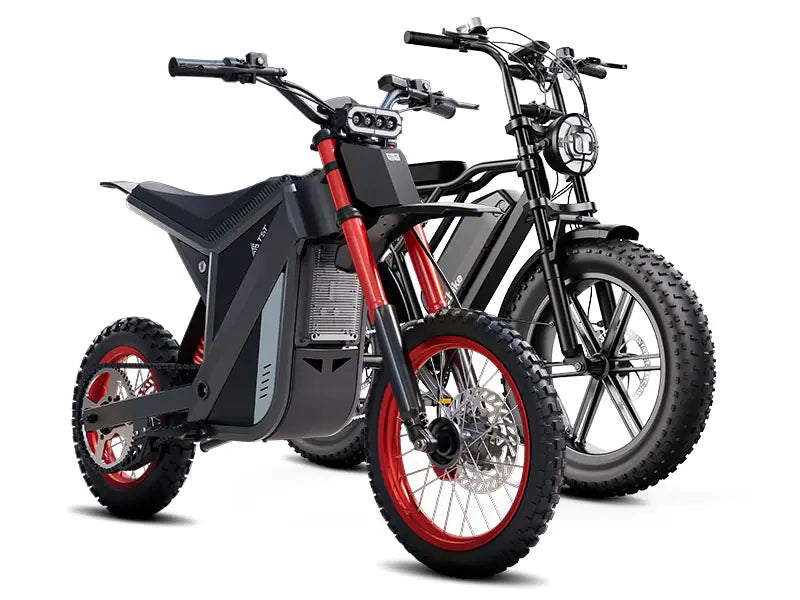

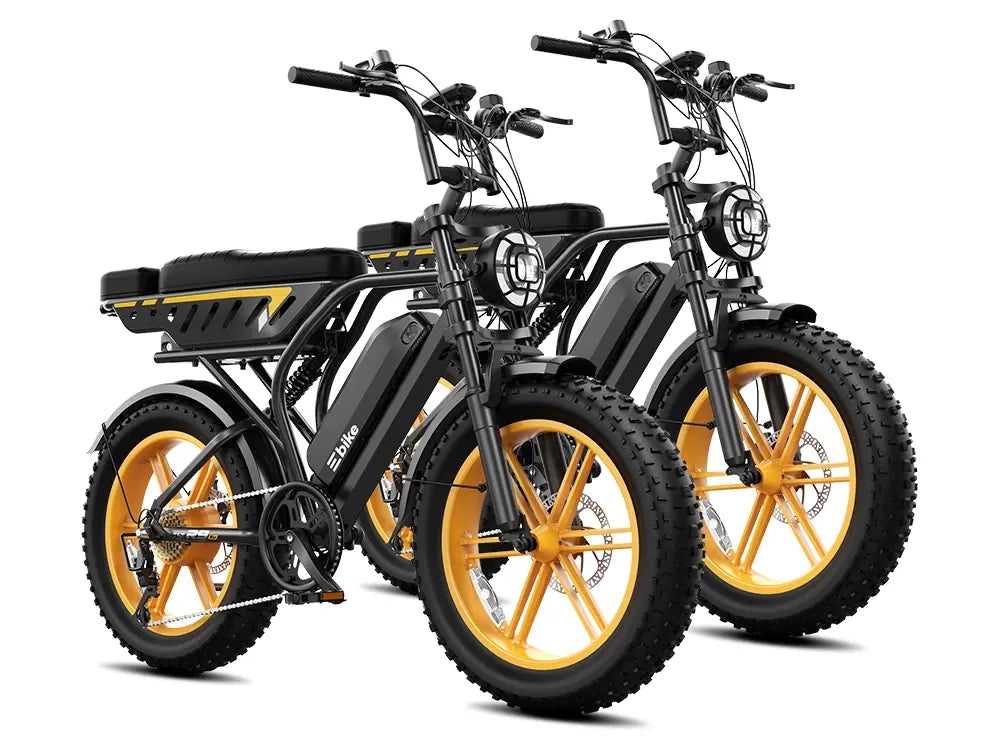

Folding electric bikes are redefining how urban riders commute, combining compact storage with real-world range and power. For brands like TST Ebike, folding models such as the Buddy series show how far this category has evolved—fast to fold, long on range, and built for everyday life.
Folding Electric Bike guide for 2026—benefits, pain points, and how TST Ebike folding models like Buddy and Buddy Pro solve real urban commuting challenges.
Folding electric bike market: why now?
In 2024, the global folding electric bicycle market was worth around 0.19 billion USD and is forecast to almost double by 2033, driven by dense cities and space constraints. Shared micromobility is surging too: North America saw 157 million shared micromobility trips in 2023, a 20% jump from 2022, underlining demand for short-range, light vehicles. Worldwide, micromobility revenue is projected to reach over 66 billion USD in 2025 as more commuters trade car trips for bikes and scooters.
For urban riders, a folding electric bike sits at the sweet spot: faster than walking, cheaper than owning a car, and easier to store than a traditional bike. This is the context in which TST Ebike positions its folding e-bike line, bringing moped-style power and long-range batteries into a compact, foldable format.
Early look: TST folding electric bikes
TST Ebike offers a dedicated Folding Ebikes category under its main lineup, summarised as “Fold in Seconds, Ride 60 Miles.” Within that, the TST Buddy 20'' Folding Ebike and TST Buddy Pro 20'' Folding Ebike headline the range, with aggressive promotional pricing compared to launch MSRPs. These models integrate removable 48V batteries, compact 20-inch wheels, and torquey hub motors designed for urban hills and stop‑and‑go traffic.
What is a folding electric bike?
A folding electric bike is a compact bicycle that integrates an electric motor and battery into a frame designed to fold for easy storage and transport. Modern folding e-bikes use lithium-ion batteries (often 48V 10–15Ah), hub motors in the 250–750W class, and quick-fold hinges so riders can bring them into apartments, offices, trains, or car trunks.
Urban pain points a folding electric bike can fix
City riders today face a combination of time pressure, rising transport costs, and limited space. Traditional commuting modes struggle to address all of these at once, which is why micromobility—and especially compact e-bikes—is accelerating.
Storage and security stress
Many urban cyclists hesitate to buy a full-size e-bike because they lack secure outdoor parking or elevator-friendly dimensions. Leaving a four‑figure bike locked on the street all day invites theft and weather damage, and indoor storage in small apartments is often awkward. Folding electric bikes like the TST Buddy collapse into a more manageable footprint, making it realistic to store them beside a desk or in a hallway.
Last‑mile and multi‑modal headaches
Public transport rarely drops riders directly at their final destination, forcing a slow walk or an extra bus ride. Shared bikes and scooters help, but availability and pricing fluctuate, and riders cannot always rely on rentals at early or late hours. A personal folding e-bike can be carried onto trains or placed in a car trunk, closing the last‑mile gap without depending on shared fleets.
Range and fatigue on traditional folding bikes
Conventional non‑electric folding bikes solve storage but not effort, especially on hilly routes or for riders with longer commutes. Riders may arrive sweaty, fatigued, or avoid using the bike on certain days altogether. With a 48V system and hub motor support, folding electric bikes deliver pedal assist and throttle power so riders can handle hills and longer distances while still benefiting from compact storage.
Cost and flexibility vs. car ownership
Car trips remain dominant for many urban errands, but operating costs—fuel, insurance, parking—continue to rise. A folding electric bike can replace a significant share of short car trips, with shared micromobility data showing around one‑third of micromobility trips substitute for what would have been a car ride. Owning a folding e-bike gives that benefit without per‑trip rental fees or availability concerns.
In 2023, shared micromobility in the U.S. and Canada hit 157 million trips, with e-bike usage growing by more than 25% year over year—a clear signal that compact, powered two-wheelers are becoming mainstream for daily travel.
Folding electric bike options vs alternatives
Below is a simplified comparison between a TST folding electric bike (Buddy series) and two common alternatives: a traditional folding bike and a generic budget folding e-bike.
Key folding electric bike features, explained
Battery and range
TST’s folding models use 48V lithium-ion packs in the 10–15Ah range, yielding roughly 480–720Wh of usable energy for mid‑range motors. Real‑world range up to about 55–60 miles is achievable under optimal conditions with efficient riding and pedal assist, especially on models like the Buddy Pro.
Motor and riding performance
Rear hub motors around 500–750W provide enough torque for urban hills, quick getaways from traffic lights, and carrying cargo or heavier riders. With multiple levels of pedal assist and on‑demand throttle, riders can choose between exercise‑focused and effortless modes without giving up compactness.
Folding design, wheels, and brakes
TST’s folding bikes use 20‑inch wheels and reinforced folding hinges designed to balance stability and folding size. Mechanical or hydraulic disc brakes provide consistent stopping power in wet and dry conditions, aligning with best practice for modern e‑bikes.
How riders actually use folding electric bikes
A commuter folds their TST Buddy at the station, rides a 15‑minute train, then unfolds to glide the last 3 miles to the office, skipping parking stress entirely.
A college student stores a folding e-bike under a dorm loft bed, using it for fast trips across campus and into town without needing a car or rental scooter.
A weekend rider keeps a Buddy Pro in the trunk, unfolding it at parks and waterfront paths for 20–30 mile leisure rides without worrying about finding a rental or charging mid‑ride.
Cross‑selling: other TST Ebike options beyond folding
While folding bikes solve specific storage and multi‑modal needs, TST’s broader lineup gives riders a path as their habits evolve. For all‑terrain adventures or heavier cargo, the TST® Defender 26" Fat Tire Ebike For Adult offers full‑size stability and fat tires that float over gravel, snow, and sand. Riders who want a step‑through design with fat tires can look at the TST® Dreamer 26" Step-Thru Fat Tire Electric Bike, combining easy mounting with comfort and range.
For primarily on‑road commuters, models like the TST® Surfer 27.5" Step-Thru Commuter eBike and TST® Flyer 27.5" Commuter Convenience Electric Bike provide larger wheels, smooth rolling, and upright geometry for daily city riding. Riders who start with a folding Buddy may later add a full‑size model for longer weekend journeys, leveraging the same brand ecosystem, warranty, and support.
Recommended internal links for cross‑selling:
How to get started with a folding electric bike (step-by-step)
-
Clarify your primary use case.
Decide whether your main goal is commuting, multi‑modal travel with trains/buses, or weekend leisure, as this affects desired range, tire type, and accessories. -
Check storage constraints and carrying limits.
Measure elevator doors, apartment hallways, and trunk space to ensure the folded dimensions fit your environment comfortably. -
Choose motor and battery specs.
For most urban riders, a 48V system with a 10–15Ah battery and 500–750W hub motor is a balanced choice, as seen in TST folding models. Riders on longer or hillier routes may prefer the higher‑capacity Buddy Pro configuration. -
Compare component quality and warranty.
Evaluate brakes, frame materials, and folding mechanisms alongside brand support and warranty—TST highlights a 2‑year warranty and responsive customer service across its range. This can matter more over time than small spec differences on paper. -
Plan daily charging and security habits.
Use the removable battery to charge indoors at home or work, and plan where you will store the folded bike during the day to reduce theft risk. Many riders find keeping the bike near their desk or inside the apartment removes most security anxiety. -
Test and adjust your setup.
Once the bike arrives, adjust saddle height, handlebar position, and assist levels, then practice folding and unfolding at home before riding in traffic. Early test rides help you understand range in your own conditions and refine how often you need to charge.
Everyday scenarios: before and after a TST folding electric bike
Scenario 1: Apartment commuter with a long hallway
Traditional approach:
This rider either walks 20–30 minutes to a bus or drives a car that then sits all day in paid parking. A full‑size bike is awkward to bring upstairs and feels unsafe left outside overnight.
With a TST folding electric bike:
They ride 6–8 miles each way door‑to‑door using pedal assist, then fold the bike and tuck it beside a wardrobe or in a hallway corner. The motor helps tackle hills without arriving sweaty, while the compact form eliminates the need for an expensive parking spot.
Scenario 2: Suburban worker connecting to a regional train
Traditional approach:
Driving to the station means battling peak‑hour traffic and paying for station parking, while walking or jogging is too slow for tight schedules.
With a TST folding electric bike:
They ride the first 3–4 miles to the station on a Buddy, fold it in seconds, and carry it onto the train. At the destination station, they unfold and ride the final few miles, making the entire commute predictable and less stressful.
Scenario 3: Student on a large campus
Traditional approach:
The student either walks long distances between classes or relies on shared bikes/scooters, which might be unavailable during peak times.
With a TST folding electric bike:
A compact folding e-bike stored in a dorm or apartment allows quick campus hops and rides into town, with predictable costs and no hunt for a rental. The bike’s 48V system and disc brakes give enough power and control for varied terrain around campus.
FAQ: folding electric bike buying and usage questions
Is a folding electric bike good for long‑distance commuting?
For many riders, yes—especially with 48V 10–15Ah batteries that can deliver 20–55 miles per charge depending on terrain, assist level, and rider weight. TST’s folding models are designed to balance portability with real‑world range, making daily commutes and weekend rides feasible on a single charge.
What is the typical range of a 48V 10Ah folding electric bike?
A 48V 10Ah battery stores about 480Wh of energy and typically supports 20–45 miles of riding on folding e-bikes, assuming mixed assist usage. Factors such as hills, rider weight, speed, and wind can shift real‑world outcomes, but 40+ miles is a practical upper estimate for efficient urban use.
Are folding electric bikes stable enough at higher speeds?
Modern folding e-bikes with 20‑inch wheels and robust frames can feel stable up to typical Class 2/3 speeds when correctly set up and maintained. TST’s Buddy series uses reinforced frames and disc brakes to keep handling predictable in city environments.
How heavy are folding electric bikes compared to regular e-bikes?
Folding electric bikes often weigh in the mid‑20 kg to low‑30 kg range, depending on battery size and components, which is similar to many city e-bikes but more compact to carry. The removable battery accounts for several kilograms and can be carried separately to reduce lifting weight.
Can I take a folding electric bike on public transport?
Policies vary by city and operator, but many transport systems allow folded bikes, sometimes even during peak hours, as they take up less space than full‑size bicycles. Riders should check local regulations, but in practice, compact models like TST’s folding bikes are often easier to bring onboard than standard e-bikes.
Why choose a TST folding electric bike over a generic budget option?
Beyond specs, TST offers a defined folding line with 48V systems, meaningful range claims, and a 2‑year warranty backed by a dedicated support team. Generic budget models may look similar on paper but often compromise on frame integrity, brakes, or after‑sales support, which directly affects long‑term safety and ownership experience.
Why folding electric bikes—and TST’s models—matter in 2026
In 2026, folding electric bikes combine three trends: the shift toward micromobility, growing urban density, and a desire to reduce car dependency without sacrificing convenience. Market forecasts show strong double‑digit growth for folding e-bikes into the next decade, reflecting real demand rather than a passing fad. Within this space, TST’s folding lineup stands out by pairing compact frames with 48V batteries, meaningful ranges, and the backing of a brand that also builds moped‑style and fat‑tire e-bikes.
For riders who need to navigate small apartments, office corridors, or train platforms, owning a folding electric bike can be the difference between leaving the bike at home and using it every day. When that bike carries the torque and battery capacity of a full‑size e‑bike, as with TST’s Buddy series, it becomes not just a backup option, but a primary mode of transport.
Ready to ride: next steps with TST folding e-bikes
If you are exploring folding electric bikes for commuting or weekend travel, the TST Folding Ebikes range offers a compact starting point that does not compromise on performance. Models like the Buddy and Buddy Pro deliver 48V batteries, confident braking, and fast‑folding frames backed by a 2‑year warranty and a customer service team praised in rider reviews across the TST lineup.
Visit TST Ebike’s folding category to compare models, then choose the configuration that matches your range, terrain, and storage needs—and turn every short trip into an effortless ride instead of a daily compromise.
Sources
-
Business Research Insights — Folding Electric Bicycle Market 2025 (2025)
-
Research and Markets — Folding Electric Bicycle Market to 2030 (2025)
-
U.S. DOT / NABSA — Shared Micromobility & Microtransit (2025)
-
NACTO / PeopleForBikes — Shared Micromobility Report Highlights (2024)
-
Pedestrian & Bicycle Information Center — State of the Shared Micromobility Industry 2023 (2024)
-
Global Information Inc. — Folding Electric Bicycle Market Forecast 2025–2032 (2025)
-
FENGCHI H1 Folding Electric Bike — 36V 10Ah, 14" wheels (2025)

Leave a comment
This site is protected by hCaptcha and the hCaptcha Privacy Policy and Terms of Service apply.