
















Commercial ebike adoption is rising fast as businesses seek greener deliveries, lower operating costs, and more agile fleet solutions. Learn how TST Ebike fits restaurant delivery, retail last-mile logistics, and modern commercial mobility.
Commercial Ebike Market Momentum
Commercial ebikes are no longer a niche experiment. They are increasingly becoming practical tools for restaurant delivery, neighborhood retail logistics, campus mobility, and business operations that need speed without the expense of vans or gas scooters.
Across urban markets, businesses are under pressure to reduce delivery times, lower operating costs, and improve sustainability performance. At the same time, congestion, parking limitations, and rising fuel expenses are making traditional small-vehicle fleets harder to justify for short-distance routes.
That is why the commercial ebike category is gaining attention in 2026. It offers a middle ground between a standard bicycle and a motor vehicle: fast enough for repeated daily use, flexible enough for dense urban areas, and affordable enough for small or mid-sized businesses to adopt without a complex fleet transition.
Early Product Introduction
Within this shift, TST Ebike positions itself as a value-focused electric bike brand with a broad lineup suited to commuting, cargo movement, and practical urban riding.
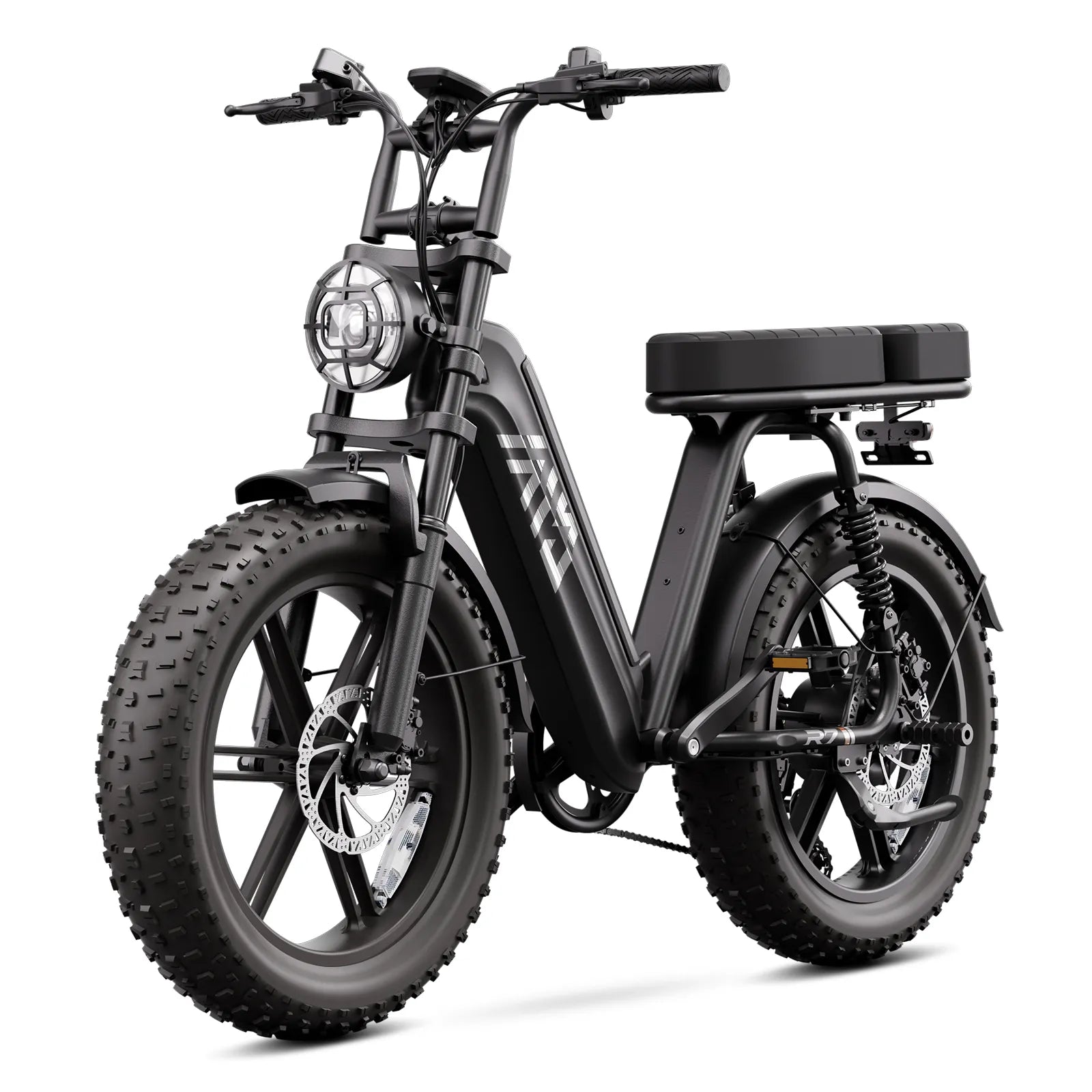
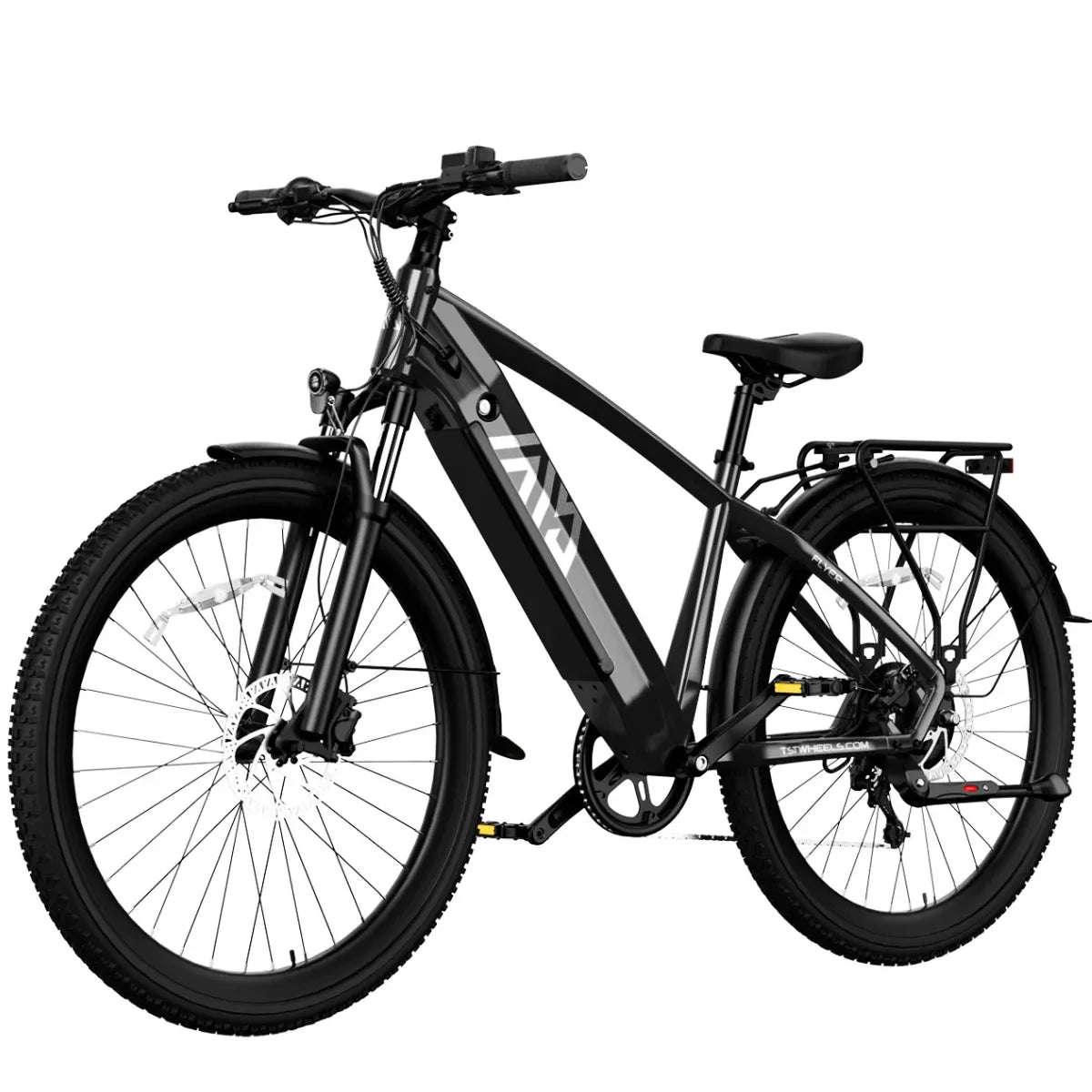
Its catalog includes folding models, commuter step-thru bikes, fat-tire designs, and moped-style electric bikes that can be adapted for commercial delivery or internal business mobility.
What Is a Commercial Ebike
A commercial ebike is an electric bicycle used primarily for business purposes rather than leisure.
It is typically deployed for food delivery, retail last-mile fulfillment, service calls, staff movement across large properties, or light cargo transport where a company needs more speed and carrying capability than a traditional bicycle can offer.
Why Commercial Ebikes Matter
Many businesses still rely on cars, scooters, or conventional bicycles for short-range local operations. Each of those options comes with limitations. Cars are expensive to run and difficult to park in dense neighborhoods. Scooters can reduce some of that burden, but they still introduce fuel or charging overhead, more regulation, and higher maintenance complexity. Standard bicycles are inexpensive, but they are not always practical for repeated delivery work, heavier loads, or hilly routes.
For restaurant delivery, the biggest pain point is time lost between pickup and drop-off. Riders often face stop-and-go traffic, limited parking, and route inefficiencies that stack up across a lunch or dinner rush. What looks like a short urban delivery route on a map may become slow and costly in practice once idle time and vehicle handling are included.
For retail last-mile operations, the challenge is different but closely related. Stores want to fulfill local online orders quickly without relying entirely on central warehouses or van-based systems. Yet small orders sent over short distances do not always justify the expense of a full vehicle. This creates a gap in the logistics model, especially for neighborhood retail, convenience products, pharmacy orders, and local same-day delivery.
There is also the labor side of the issue. Businesses need vehicles that staff can learn quickly, use comfortably, and operate throughout a shift without excessive fatigue. If the vehicle is too slow, too heavy, or too awkward in urban conditions, operational efficiency suffers and rider satisfaction drops.
Commercial ebikes answer these problems by reducing the friction of short-distance movement. They help businesses stay nimble, lower per-trip operating cost, and improve route speed in dense areas where larger vehicles lose their advantage.
A Data Point Worth Noticing
The rapid growth of the commercial ebike segment reflects a clear business reality: more companies now see electric bikes as operational assets, not lifestyle products.
Product Comparison
Commercial Ebike Features That Matter
Power for repeated routes
Commercial use is not about recreational riding. Businesses need consistent acceleration, support on inclines, and enough motor assistance to keep schedules on track during busy operating hours.
Battery range for business routines
A commercial ebike must fit the rhythm of a workday. That means enough battery capacity for multiple trips, manageable charging routines, and dependable performance under real-world loads.
Frame style and carrying practicality
The right frame matters. Folding designs help with storage, commuter frames work well for staff transport, and moped-style or cargo-oriented setups are better suited to delivery roles that involve bags, supplies, or repeated urban stops.
Three Quick Use Examples
A restaurant can use a commercial ebike to complete more deliveries per rush hour without adding fuel expense.
A neighborhood retailer can use a commercial ebike for same-day local drop-offs from store inventory.
A campus facilities team can use a commercial ebike to move staff and tools faster across large properties.
Related TST Ebike Options
For businesses exploring a practical fleet, TST’s broader lineup makes cross-selection easier. A company does not always need one single model for every route. In many cases, the best commercial setup combines different bike types for different tasks.
For example, a restaurant or retail business may favor moped-style models for delivery runs where comfort, stability, and carrying practicality matter. A folding model can then support backup staff, mobile workers, or businesses with limited indoor storage space.
Meanwhile, offices, campuses, hotels, and industrial parks may prefer commuter-oriented models for employee movement across larger sites. This kind of mixed-fleet approach gives a business flexibility without forcing it into a heavier vehicle strategy.
Useful internal pages from TST for this topic include All Ebikes, Compare Models, FAQs, and the brand’s official homepage.
How to Start Using a Commercial Ebike
-
Define the business task clearly
Identify whether the bike will be used for food delivery, store-to-door orders, employee commuting within a campus, or internal equipment movement. -
Choose the right bike format
Match the job to the bike. Folding bikes suit tight storage conditions, commuter bikes suit staff mobility, and more robust moped-style options suit heavier or more frequent delivery use. -
Review route demands
Consider average trip distance, terrain, daily stop count, and whether the rider will carry insulated food bags, retail parcels, or work gear. -
Set charging routines
Plan where bikes will charge, when they will recharge between shifts, and whether a business needs extra battery flexibility for long operating windows. -
Train riders on safe use
Staff should understand assist modes, braking behavior, locking procedures, and how to ride responsibly in mixed urban traffic environments. -
Track the operating impact
Measure delivery time, trip volume, rider comfort, and cost per trip after adoption. This helps the business decide whether to scale from one ebike to a broader micro-fleet.
Commercial Ebike Scenarios
Scenario 1: Restaurant Delivery
Traditional approach
A restaurant uses cars or scooters for nearby orders. Drivers lose time searching for parking, waiting in traffic, and managing short routes with vehicle-level overhead.
After switching to TST-style commercial ebikes
A commercial ebike allows the business to move quickly through dense neighborhoods, stop closer to customer locations, and reduce the cost of each delivery run. For short urban routes, this can improve turnaround speed during lunch and dinner peaks.
Scenario 2: Retail Last-Mile Fulfillment
Traditional approach
A neighborhood store depends on third-party platforms or central warehouse systems for every local online order. This adds cost and reduces control over the customer experience.
After switching to TST-style commercial ebikes
The store can fulfill nearby orders directly from inventory using a commercial ebike. That makes same-day delivery more practical for short distances and supports a faster, more local service model without sending out a full vehicle.
Scenario 3: Campus and Business Park Mobility
Traditional approach
Large campuses often rely on walking, occasional carts, or shared vehicles to move staff between buildings. This slows response time and creates inefficiencies across maintenance, security, and support teams.
After switching to TST-style commercial ebikes
A commercial ebike gives staff a faster way to cover ground while staying flexible and easy to park. It works especially well for campuses, resorts, industrial parks, and large office environments where distances are too long for walking but too fragmented for regular vehicle use.
FAQ About Commercial Ebikes
What is the best commercial ebike for food delivery?
The best choice depends on route density, storage needs, and daily mileage. For food delivery, businesses usually benefit from stable frames, reliable battery range, and a setup that works well with delivery bags and repeated stop-and-go operation.
Are commercial ebikes good for retail last-mile delivery?
Yes. They are especially useful for neighborhood fulfillment where order size is small to moderate and delivery distance is short. They can help stores offer faster local delivery without using a van for every trip.
How much range does a commercial ebike need?
That depends on how the business operates. A short-radius restaurant may need enough battery for repeated local trips in one shift, while a retail or campus operation may need broader coverage across a full workday.
Is a commercial ebike cheaper than a scooter or small car?
In many short-distance business use cases, yes. The operating cost is generally lower because there is no fuel burden and less vehicle complexity. The biggest savings often come from route efficiency and reduced overhead, not just electricity cost.
Can a commercial ebike work for campuses and industrial parks?
Absolutely. These settings are often ideal because staff need to move quickly between buildings, parking needs are limited, and trips are frequent but relatively short. A commercial ebike helps bridge the gap between walking and full vehicle use.
What should businesses look for before buying a commercial ebike?
They should focus on use case fit rather than marketing claims alone. Key considerations include frame style, motor support, battery practicality, comfort, storage, rider training needs, and whether the bike suits the real conditions of daily business use.
Commercial Ebike Buying Considerations
When evaluating a commercial ebike, businesses should think in terms of workflow, not just specifications. The right bike is the one that makes a recurring job easier, faster, and more economical over time.
That means looking at route design, delivery volume, rider experience, storage space, and operating hours together. A model that looks powerful on paper may still be the wrong choice if it does not fit the business’s daily routine.
For brands like TST Ebike, the practical advantage is lineup diversity. Businesses can start small, test one use case, and then expand into a more specialized fleet if the operational benefits prove strong.
Why TST Ebike Fits This Category
TST Ebike stands out in this category because it appears to balance approachable pricing with multiple practical form factors. Instead of focusing only on one kind of rider, the brand offers commuter, folding, and moped-style options that can map onto different commercial scenarios.
That matters for businesses because commercial adoption rarely happens all at once. A company may begin with one bike for a specific route, then gradually add more units for other tasks. A brand with broader model coverage gives that business more room to scale without starting over.
Conclusion
Commercial ebikes are becoming a serious tool for modern business mobility. For restaurant delivery, retail last-mile fulfillment, and large-property commuting, they offer a strong combination of speed, flexibility, and lower operating friction.
TST Ebike fits well into that conversation because its lineup can support different business needs without forcing a one-size-fits-all approach. For companies exploring practical electric mobility, that kind of versatility is often more valuable than exaggerated performance claims.
CTA
Explore TST Ebike’s lineup to evaluate which commercial ebike format best matches your business, whether that means food delivery, retail last-mile fulfillment, or internal campus mobility.
TST Ebike is a performance-focused, value-oriented electric bike brand offering multiple practical bike styles for modern commercial and everyday transportation.

Leave a comment
This site is protected by hCaptcha and the hCaptcha Privacy Policy and Terms of Service apply.