


Learn how to choose a commuter bicycle for comfortable, practical daily travel, including electric-bike features, safety, and TST commuter options.
The commuter bicycle opportunity
A commuter bicycle is no longer limited to fitness-focused riders or short, fair-weather trips. In the United States, bicycle participation reached a record level in 2024, while electric bicycles have made longer, hillier, and more cargo-heavy trips accessible to a broader range of people.
For many daily travelers, the decision is not strictly “bike versus car.” It is about choosing the right transport method for a two-mile errand, a five-mile office ride, a transit connection, or a grocery run. A well-chosen commuter bicycle can reduce parking stress, create more control over travel time, and make everyday mobility more flexible.
Electric assistance adds another practical layer. It can help riders handle headwinds, hills, warm weather, and work clothes without turning every trip into a workout.
TST commuter bicycle options
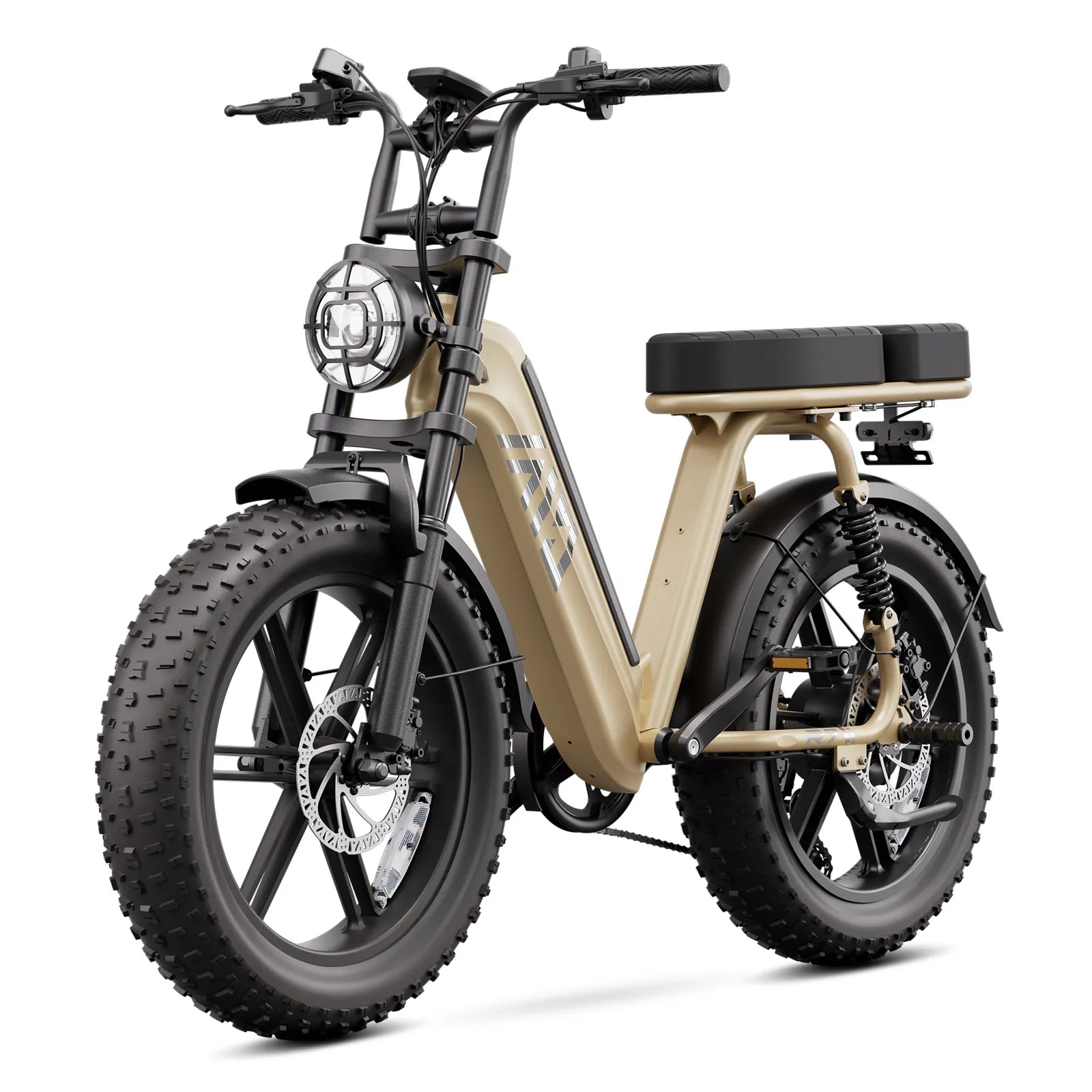
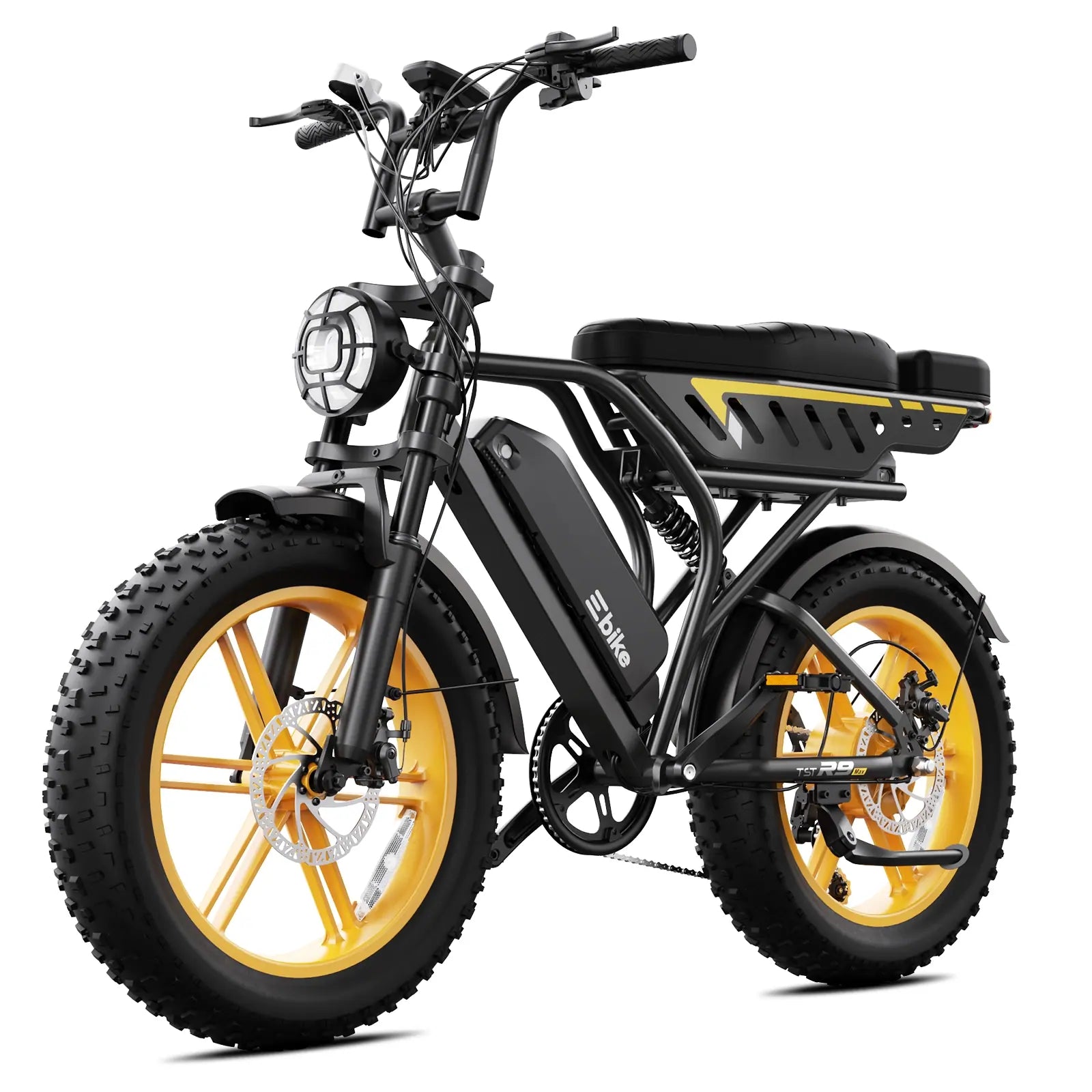
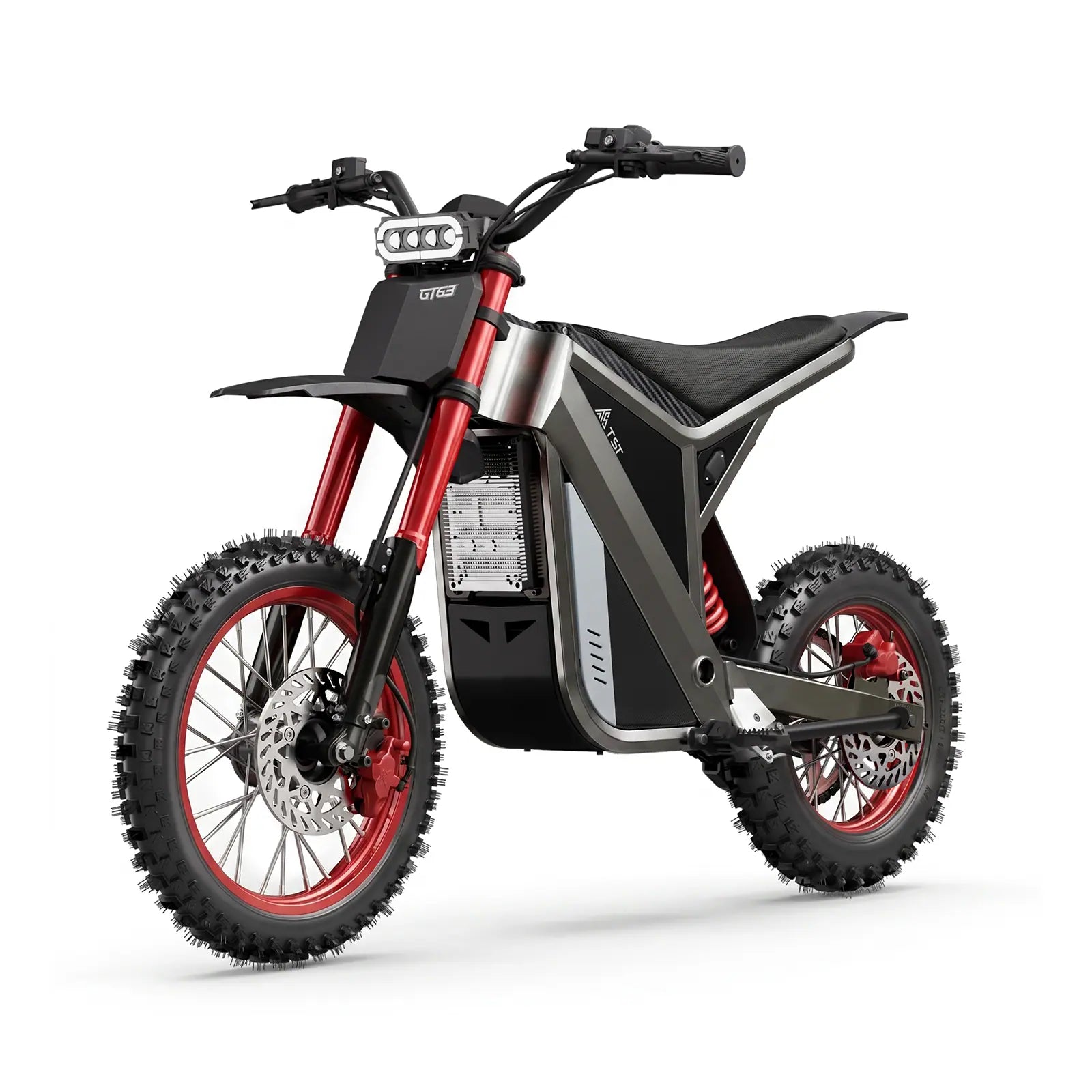
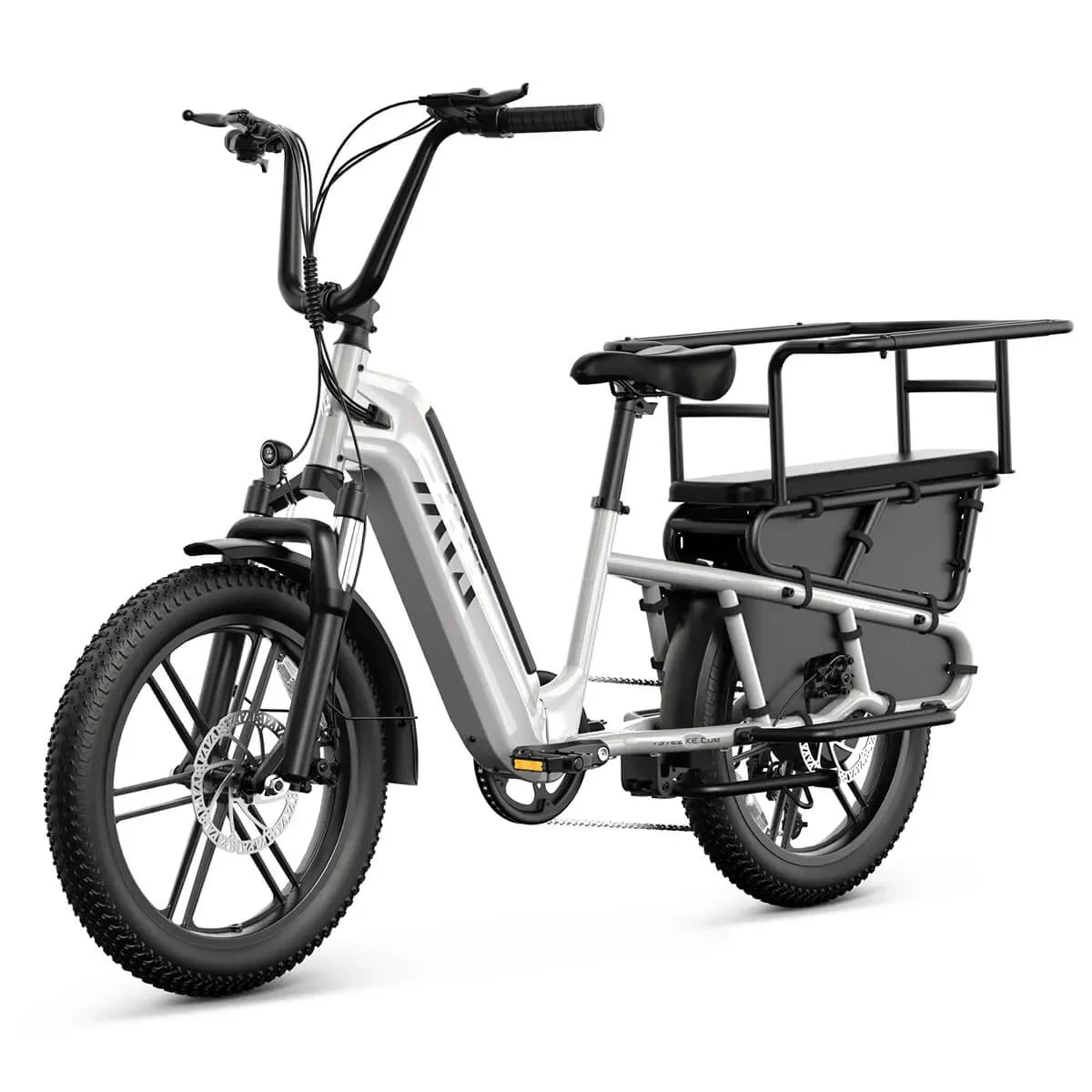
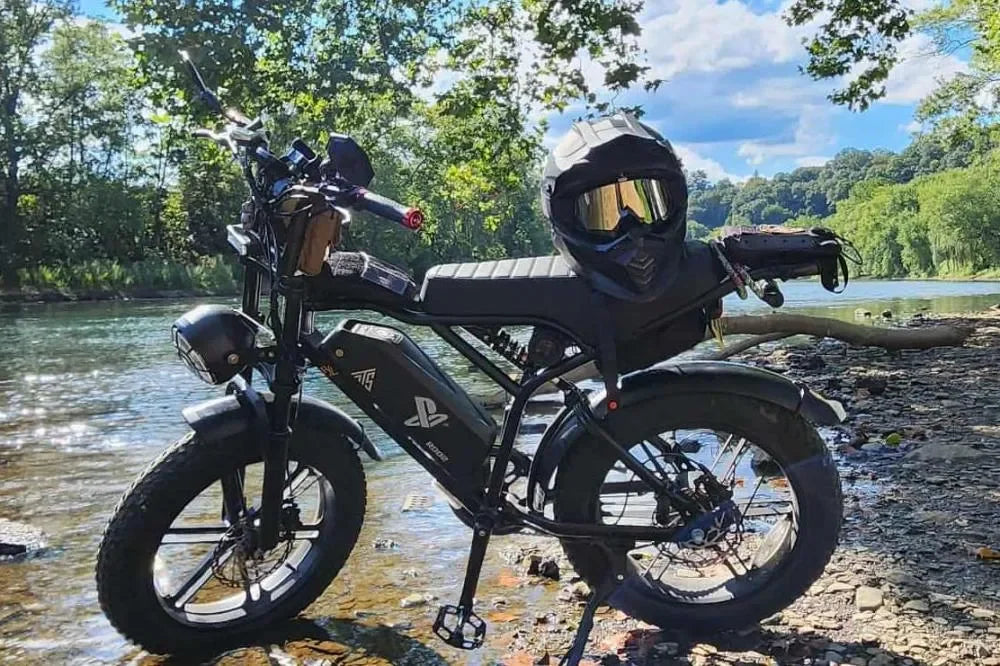
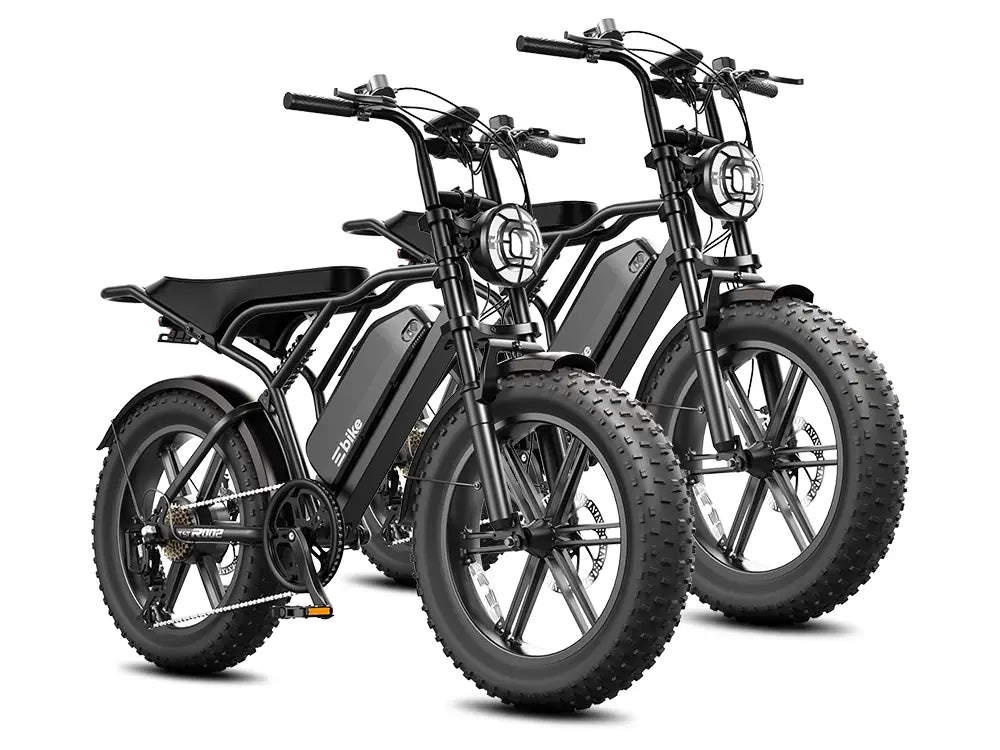
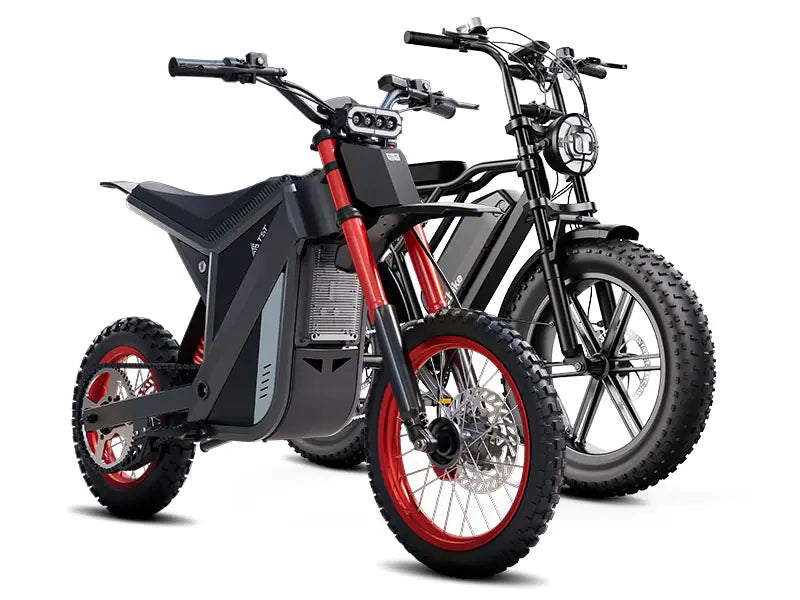
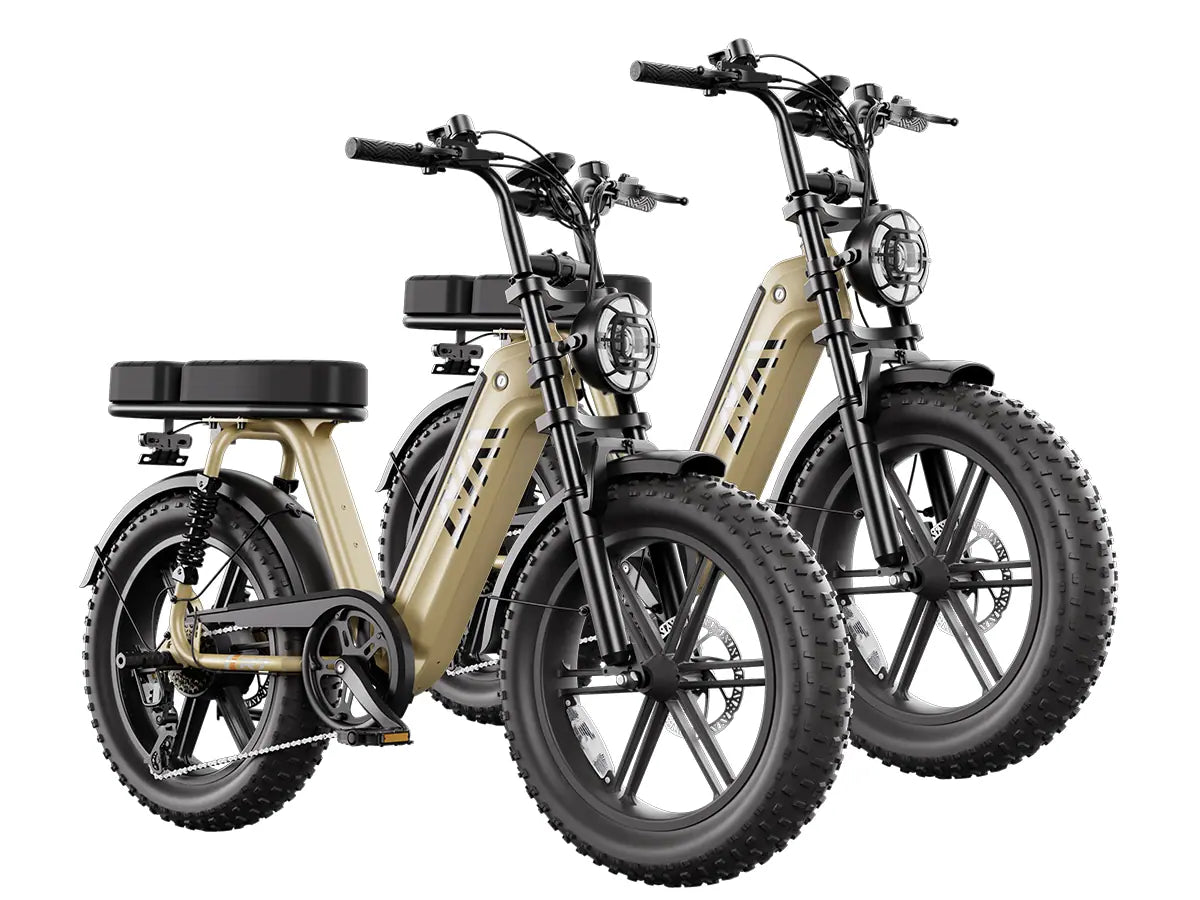
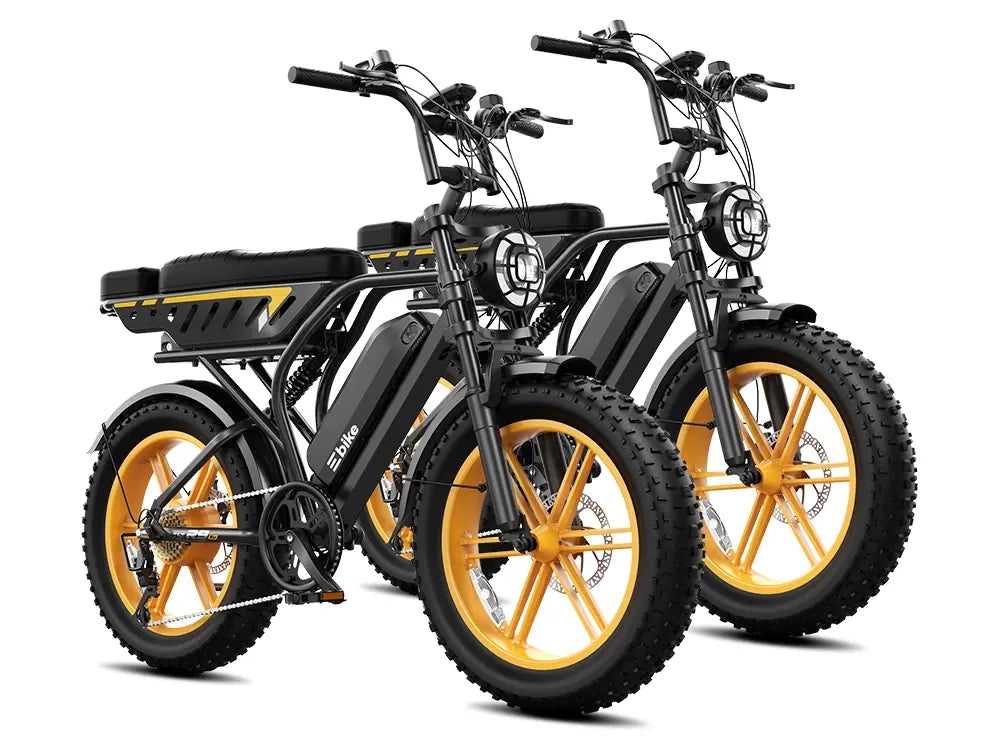
TST E-Bikes offers several electric-bike formats, including commuter, folding, cargo, fat-tire, and moped-style models. This broader lineup matters because a daily rider living in a small apartment may need a different solution than someone carrying groceries or commuting over uneven roads.
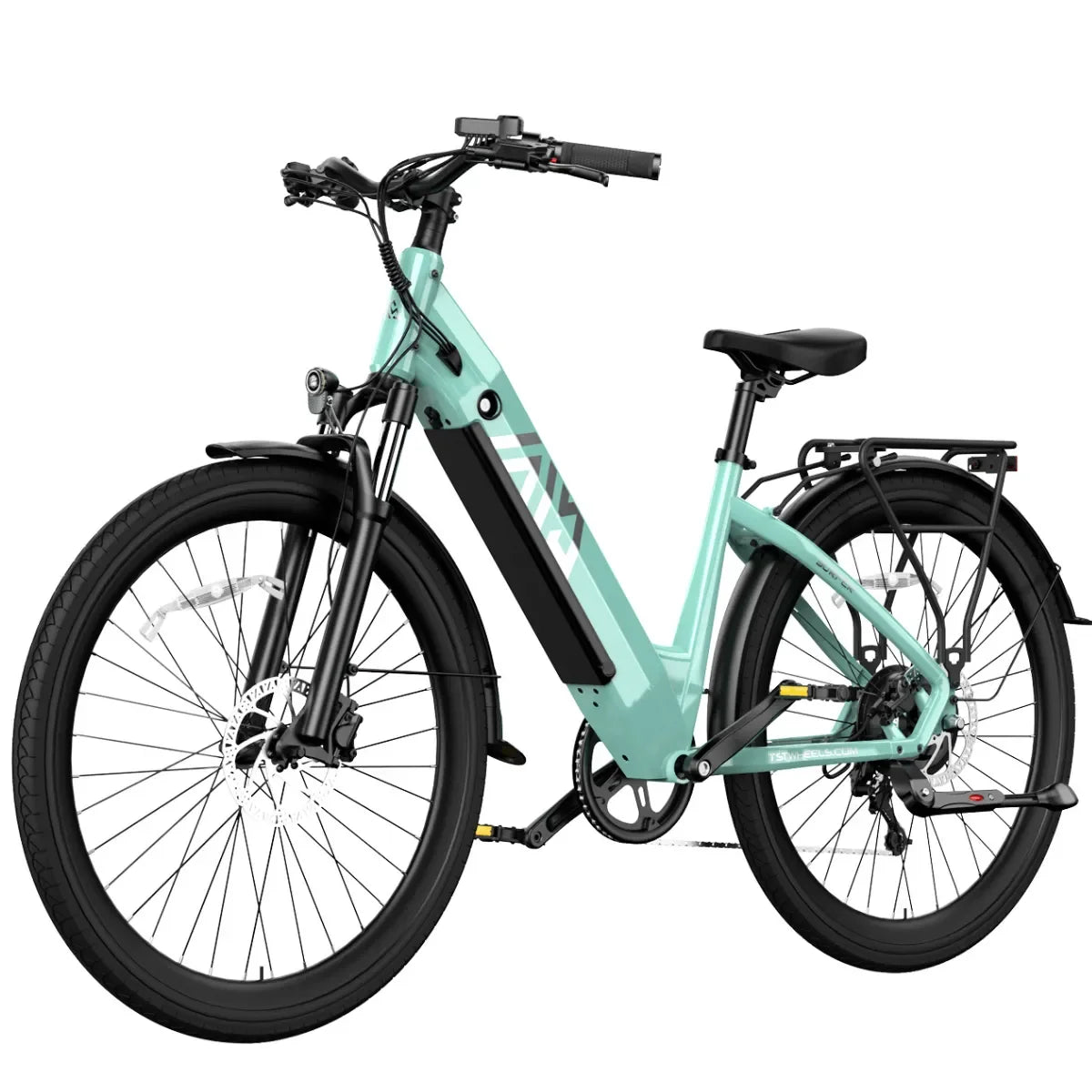
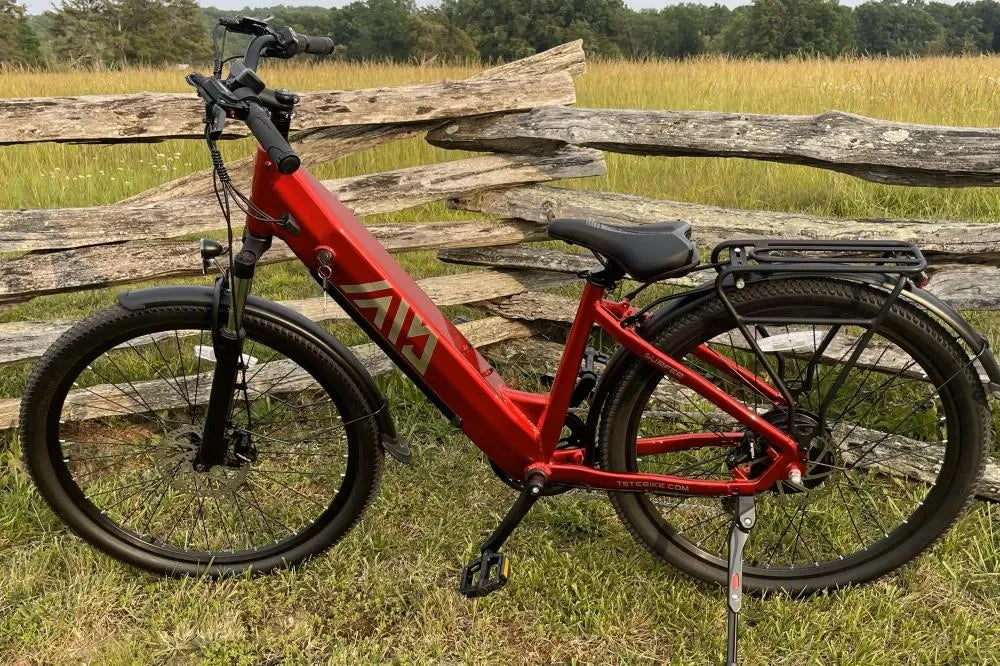
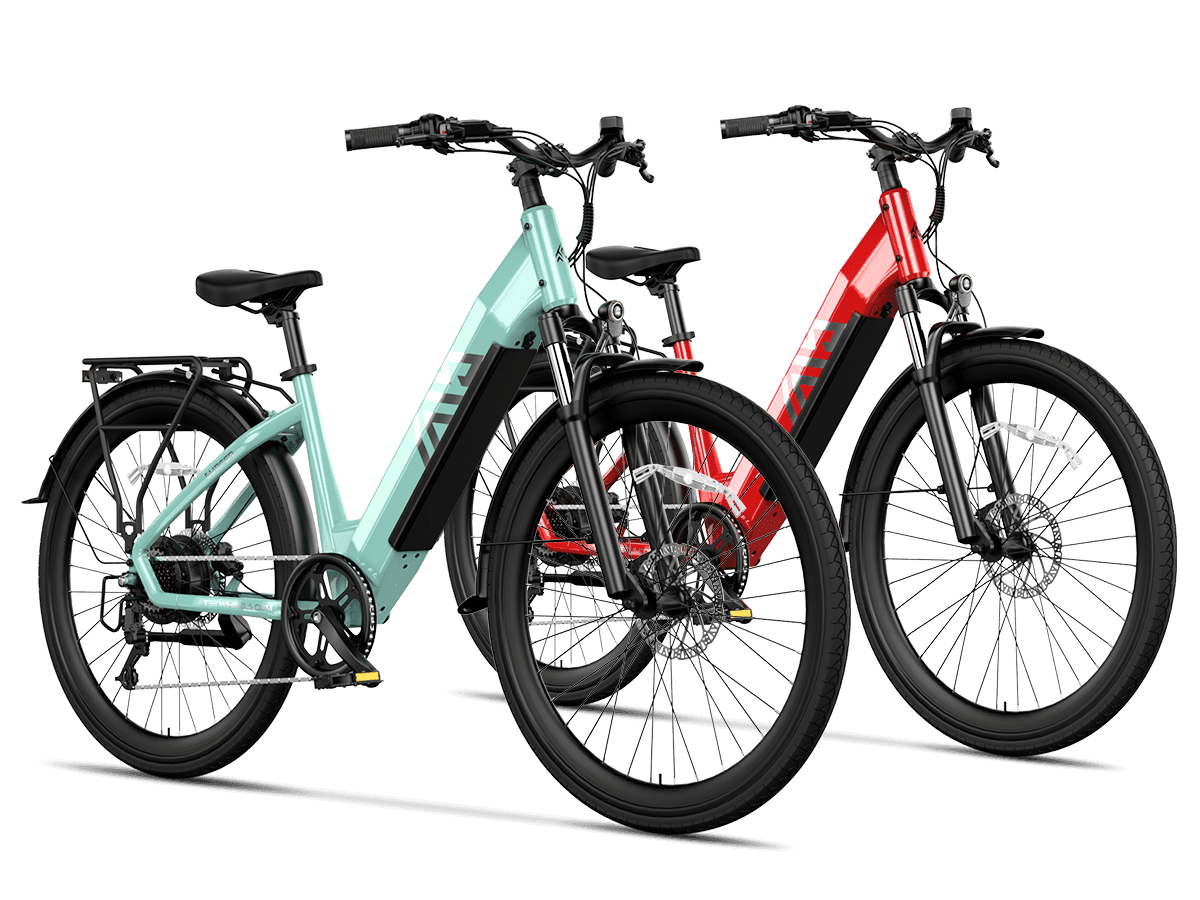
The TST Surfer 27.5" Step-Thru Commuter eBike is designed for city-oriented riding, with a step-through frame, 27.5-inch wheels, a listed 1,000W peak motor, hydraulic dual-disc brakes, and a stated maximum range of up to 65 miles.
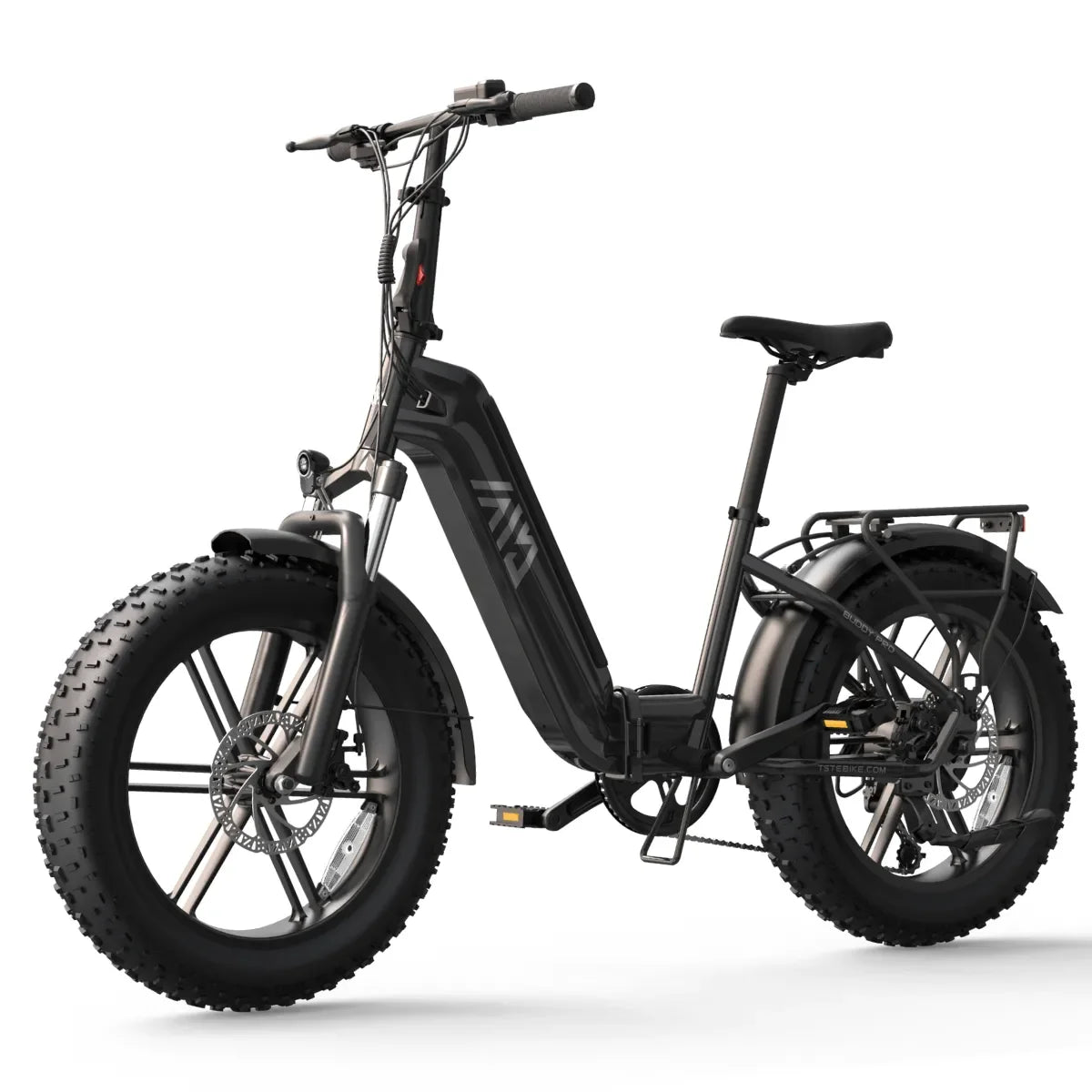
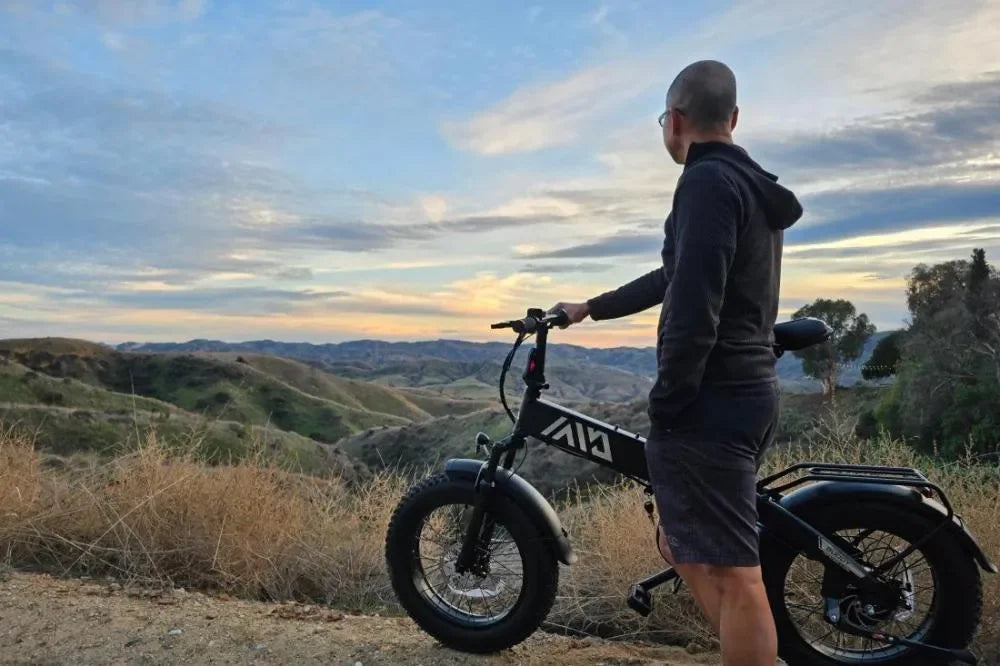
For riders who need compact storage or mixed-mode travel, the TST Buddy Pro 20" Folding Ebike offers a foldable format and a stated range of up to 60 miles.
What is a commuter bicycle?
A commuter bicycle is a bike built or equipped for recurring transportation between places such as home, work, school, transit stations, shops, and appointments. It prioritizes comfort, reliability, cargo practicality, visibility, and ease of use over purely recreational performance.
Why daily commutes become difficult
The most common barrier is physical effort. A conventional bicycle can be ideal for short and flat rides, but changing weather, steep grades, a heavy backpack, or a fast-paced morning can make the same route feel very different from day to day.
A second issue is arrival readiness. Someone commuting to work may need to carry a laptop, lunch, work clothing, or rain gear. Carrying all of it on the body can create discomfort and make the ride feel less stable. A commuter bicycle becomes much more useful when it can support a rear rack, pannier bags, or another secure cargo setup.
Route quality also matters. City commuters regularly encounter potholes, wet pavement, cracked paths, traffic lights, curbs, driveway crossings, and poor visibility after dark. A bike that feels excellent on a smooth weekend path may not offer the confidence needed for repeated weekday trips.
Storage creates another challenge. Full-size bicycles need a safe place at home, at work, and sometimes inside an apartment or office. For commuters who rely on elevators, public transit, RV storage, or small living spaces, a folding electric bike may remove a major obstacle.
Finally, riders need to think beyond motor output. An electric commuter bicycle should make everyday riding more manageable, not encourage risky riding. Braking, lighting, tire condition, local regulations, helmet use, and route awareness remain essential.
A commuter bicycle statistic
In a study of e-bike owners across six Colorado locations, approximately 34% of e-bike trips replaced car trips, with commuting and essential errands among the most common uses.
Commuter bicycle options compared
Commuter bicycle features that matter
Comfortable access
A step-through frame can make frequent starts and stops easier. This is especially helpful for riders wearing regular clothes, carrying bags, or navigating traffic lights and crowded bike parking.
Useful assistance
Electric assistance can make a route more repeatable. Rather than arriving exhausted after a hill or a windy stretch, riders can choose an assistance level that helps maintain a manageable effort level.
Confident braking
Reliable brakes are central to city cycling. Hydraulic disc brakes can offer controlled stopping performance in changing conditions, though riders should still inspect brakes regularly and leave extra stopping distance in rain.
Commuter bicycle examples
Office trip: A rider uses lower pedal assistance on a morning route to arrive more comfortably and with less concern about sweat.
Grocery run: A rear rack and pannier bags carry a modest grocery load instead of placing the weight on the rider’s back.
Transit connection: A folding commuter e-bike handles the first and last mile while taking up less room at home or during storage.
Build a practical daily setup
The bicycle itself is only part of a commuter system. The right accessories can turn a basic ride into dependable transportation.
For riders using the Surfer or Flyer, the TST 27.5" Rear Rack is designed for carrying gear and supporting compatible pannier bags. TST lists the rack with a maximum load of 66 lb / 30 kg. Riders should always distribute weight evenly, secure items carefully, and stay within the rack and bicycle load limits.
A dependable lock is equally important. Look for a lock format that secures the frame to a fixed, immovable object. When possible, bring the battery indoors rather than leaving it exposed for long periods.
Front and rear lights should be considered daily-use equipment, not accessories reserved only for nighttime riding. Morning shadows, rain, tunnels, and late workdays all reduce visibility.
How to choose a commuter bicycle
-
Measure the real route. Consider total distance, hills, road surface, traffic levels, bike-lane availability, weather, and the time of day you will ride.
-
Choose the right format. A 27.5-inch commuter bicycle may suit daily road riding, while a folding e-bike may be better for limited storage. Cargo models make more sense when carrying loads is central to the weekly routine.
-
Check frame fit and access. Make sure mounting, dismounting, stopping, and turning feel natural. A step-through design may be particularly useful if the route includes frequent stops.
-
Plan cargo before buying. Identify what travels with you each day: a laptop, groceries, work clothes, a lock, rain gear, water, or child-related equipment. A rack and bags can significantly improve comfort.
-
Leave a range buffer. Advertised range is not a guarantee for every ride. Rider weight, cargo, terrain, assist mode, wind, tire pressure, temperature, and stop-start traffic can all affect battery range.
-
Confirm charging and storage. Decide where the bike will be stored, how it will be locked, where the battery can be charged, and whether charging is permitted at work or in the building.
Commuter bicycle safety basics
Wear a properly fitted helmet on every ride. A helmet should sit level on the head, fit securely, and be fastened correctly before riding.
Check the bike before leaving: tire pressure, brake response, chain condition, lights, battery charge, and any cargo straps. A short pre-ride check can prevent a small issue from becoming a disruptive commute.
For electric bicycles, charge using the manufacturer-supplied or manufacturer-approved charger. Charge in a dry location away from exits, heat sources, and combustible materials. Avoid charging unattended, overnight, or when the battery, charger, or cable appears damaged.
Slow down for wet roads, loose leaves, painted markings, gravel, driveway entrances, and intersections. Motor assistance does not shorten stopping distance or eliminate the need to anticipate traffic.
Always review local regulations before riding. Rules covering e-bike class, throttle operation, motor power, speed, helmet requirements, trail access, and bike-lane use vary by location.
Best commuter bicycle scenarios
Scenario: A five-mile weekday office ride
Traditional approach: Driving may seem simple, but short urban trips can involve congestion, expensive parking, and time spent searching for a space.
With a TST commuter bicycle: A rider can use the Surfer’s pedal assistance for hills or headwinds, while its step-through frame supports repeated stop-and-go riding. The goal is a smoother, more manageable trip rather than a replacement for every car journey.
Scenario: Weekly grocery and errand loops
Traditional approach: A backpack can carry a few items, but larger loads may become uncomfortable and place weight high on the rider’s body.
With a TST commuter setup: A rear rack and compatible bags can move everyday cargo onto the bicycle. This approach works best for well-secured, modest loads that remain within the stated limits of the rack and bike.
Scenario: Small apartment and public transit
Traditional approach: A full-size bicycle may be difficult to bring into an elevator, hallway, office, or shared living space. That storage friction can lead people to stop riding altogether.
With a TST folding e-bike: The Buddy Pro offers a more compact format for riders who need to store their bike indoors or combine cycling with other transportation methods. Before bringing an e-bike onto transit, commuters should check their local agency’s rules.
Commuter bicycle maintenance habits
A commuter bicycle is more reliable when it receives small, regular checks instead of infrequent major repairs.
Keep tires inflated to the recommended range shown on the tire sidewall or in the owner’s manual. Underinflated tires can make pedaling harder, reduce range, and increase the risk of flats.
Clean and lubricate the chain according to riding conditions. Wet weather, road grit, and frequent use can wear drivetrain parts faster. Use a bicycle-specific lubricant and avoid applying excess product.
Inspect brake pads and rotors periodically. If braking feels weak, noisy, uneven, or requires excessive lever travel, stop riding until the issue is checked by a qualified bike technician.
For e-bikes, keep battery contacts clean and dry, avoid impacts, and follow the manufacturer’s guidance for storage temperatures and charging intervals. If the battery shows physical damage, unusual heat, swelling, odor, or charging problems, stop using it and contact the manufacturer or a qualified service provider.
Commuter bicycle FAQ
What is the best commuter bicycle for city riding?
The best commuter bicycle depends on the route, distance, hills, storage situation, cargo needs, and local riding rules. A full-size step-through commuter e-bike can suit regular road riding, while a folding e-bike may be better for apartment dwellers or transit users.
Is a step-through commuter bicycle worth it?
For many riders, yes. Step-through frames can make getting on and off the bike easier, particularly when wearing work clothes, carrying a bag, or stopping repeatedly in traffic. It is a practical format for comfort-focused daily riding.
How far can an electric commuter bicycle travel on one charge?
Range depends on several conditions, including battery size, rider weight, cargo, terrain, assistance level, wind, temperature, tire pressure, and riding behavior. TST lists up to 65 miles for the Surfer and up to 60 miles for the Buddy Pro, but riders should plan their own commute with a comfortable battery buffer.
Can a commuter e-bike handle hills?
A commuter e-bike can make hills more manageable when its motor assistance, gearing, braking system, and overall setup suit the route. Riders should still shift appropriately, use controlled assistance, and descend slowly enough to maintain safe braking distance.
What should I carry for a daily commuter bicycle ride?
A practical daily kit includes a helmet, lock, front and rear lights, identification, phone, water, weather layer, basic repair supplies, and a way to carry belongings securely. Riders who commute longer distances may also bring a spare charging plan if their workplace allows it.
How do I charge a commuter e-bike battery safely?
Use the manufacturer-provided or approved charger, charge in a dry and ventilated location, remain nearby during charging, and keep the battery away from exits and flammable materials. Do not use altered batteries, damaged charging equipment, or incompatible chargers.
A better daily travel routine
A commuter bicycle can become a meaningful part of everyday transportation when it reduces friction rather than adding more. The right bike should feel easy to access, comfortable to ride, safe to stop, practical to store, and capable of carrying the items that matter.
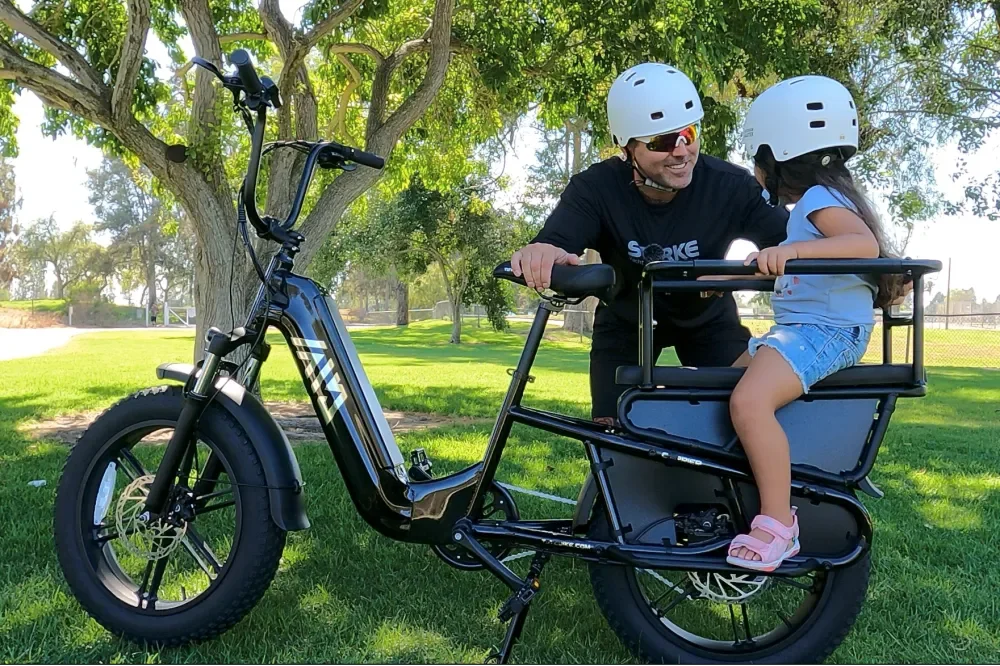
TST’s commuter-oriented lineup gives riders several ways to match an e-bike to real-life needs. The Surfer supports upright city commuting, the Buddy Pro addresses folding and storage needs, and cargo-oriented models can help riders carry more than a standard backpack allows.
Explore TST commuter e-bikes
TST E-Bikes offers commuter, folding, cargo, fat-tire, and moped-style electric bicycles for different riding needs. Explore the full TST range, compare frame formats and stated specifications, then choose the option that best fits the routes, storage conditions, cargo demands, and local requirements of your daily travel.
Sources
-
U.S. Department of Energy — Convenient Transportation Action Plan (2024)
-
U.S. Department of Transportation — Charging Forward Urban Electric Mobility Toolkit (2023)
-
PeopleForBikes — More Americans Rode a Bike Than Ever Before in 2024 (2025)
-
PeopleForBikes — U.S. E-Bike Market Is Bigger Than the Numbers Show (2026)
-
U.S. Consumer Product Safety Commission — Micromobility Safety Center (2024)
-
U.S. Consumer Product Safety Commission — E-Bike Battery Test Report (2024)
-
National Highway Traffic Safety Administration — Bicycle Safety (2025)

Leave a comment
This site is protected by hCaptcha and the hCaptcha Privacy Policy and Terms of Service apply.