
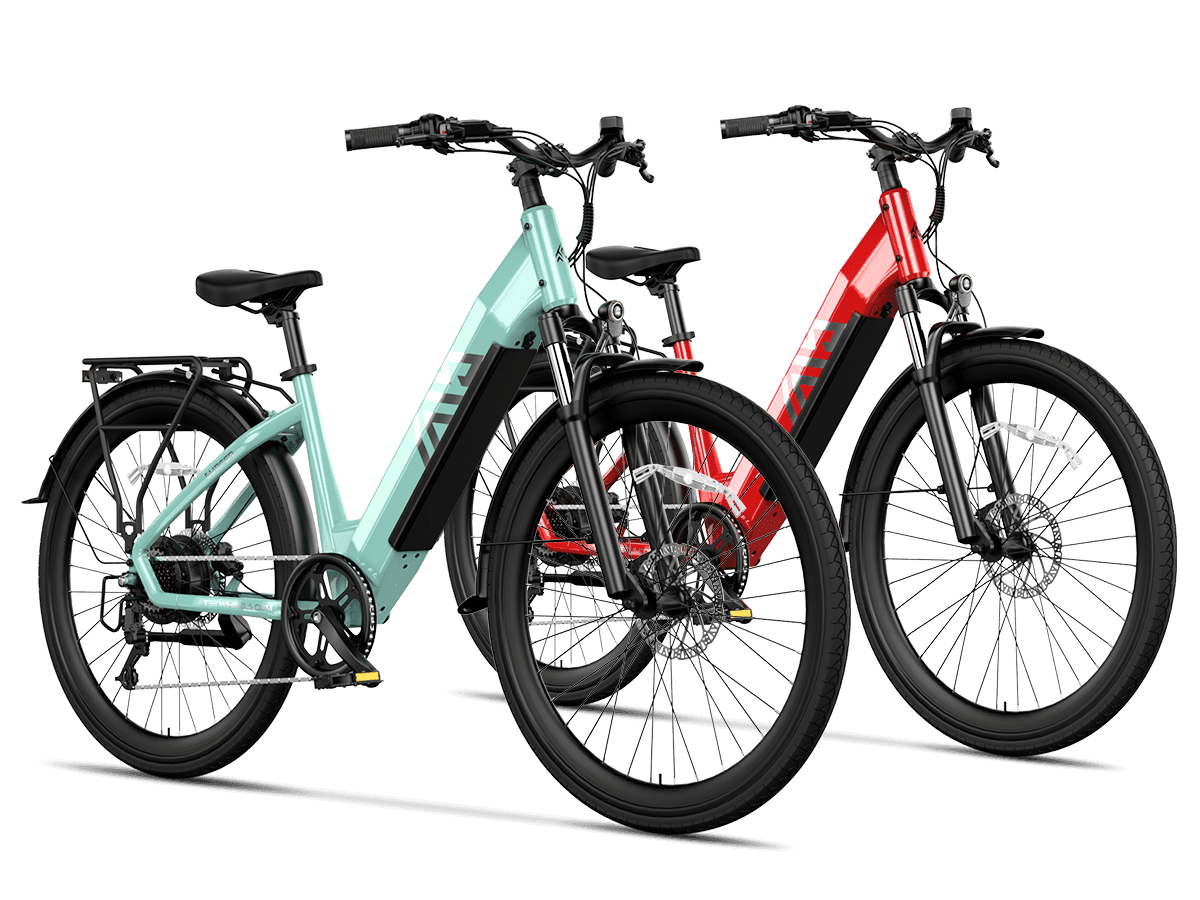
Discover outdoor sports gear essentials for safer, more comfortable e-bike commuting, cargo hauling, and all-terrain exploration.
Outdoor Sports Gear Market Context
Outdoor sports gear increasingly needs to support more than recreation. Riders now use e-bikes for commuting, local errands, family outings, trail connections, outdoor fitness, and short car-trip replacement. In the United States, e-bike adoption has expanded rapidly in recent years, reflecting a wider shift toward practical, electrically assisted mobility.
This shift changes what riders should expect from their equipment. A capable setup should help a rider stay comfortable over longer distances, handle changing surfaces, carry essentials securely, remain visible in traffic, and manage the realities of weather, charging, storage, and maintenance.
A Practical TST Introduction
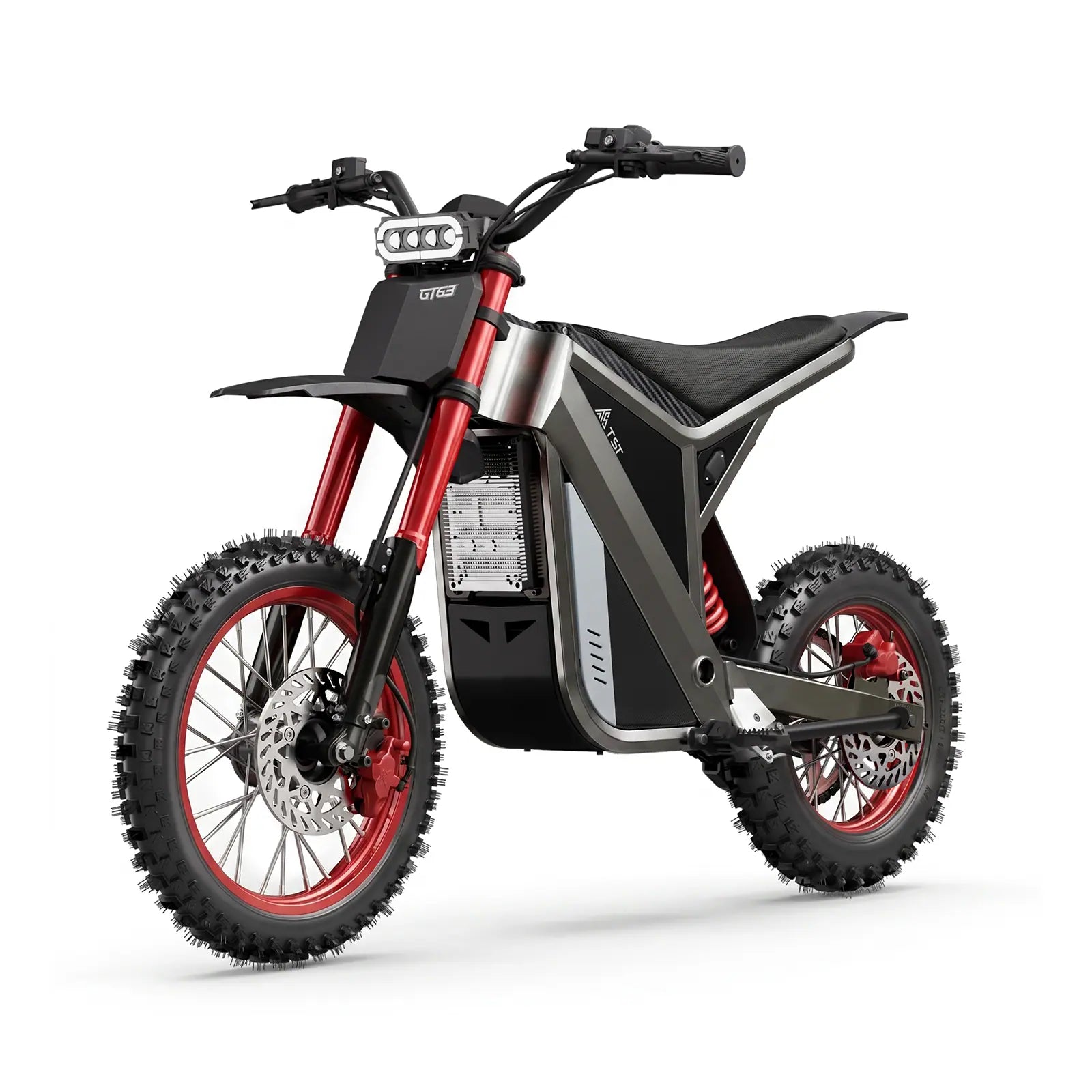
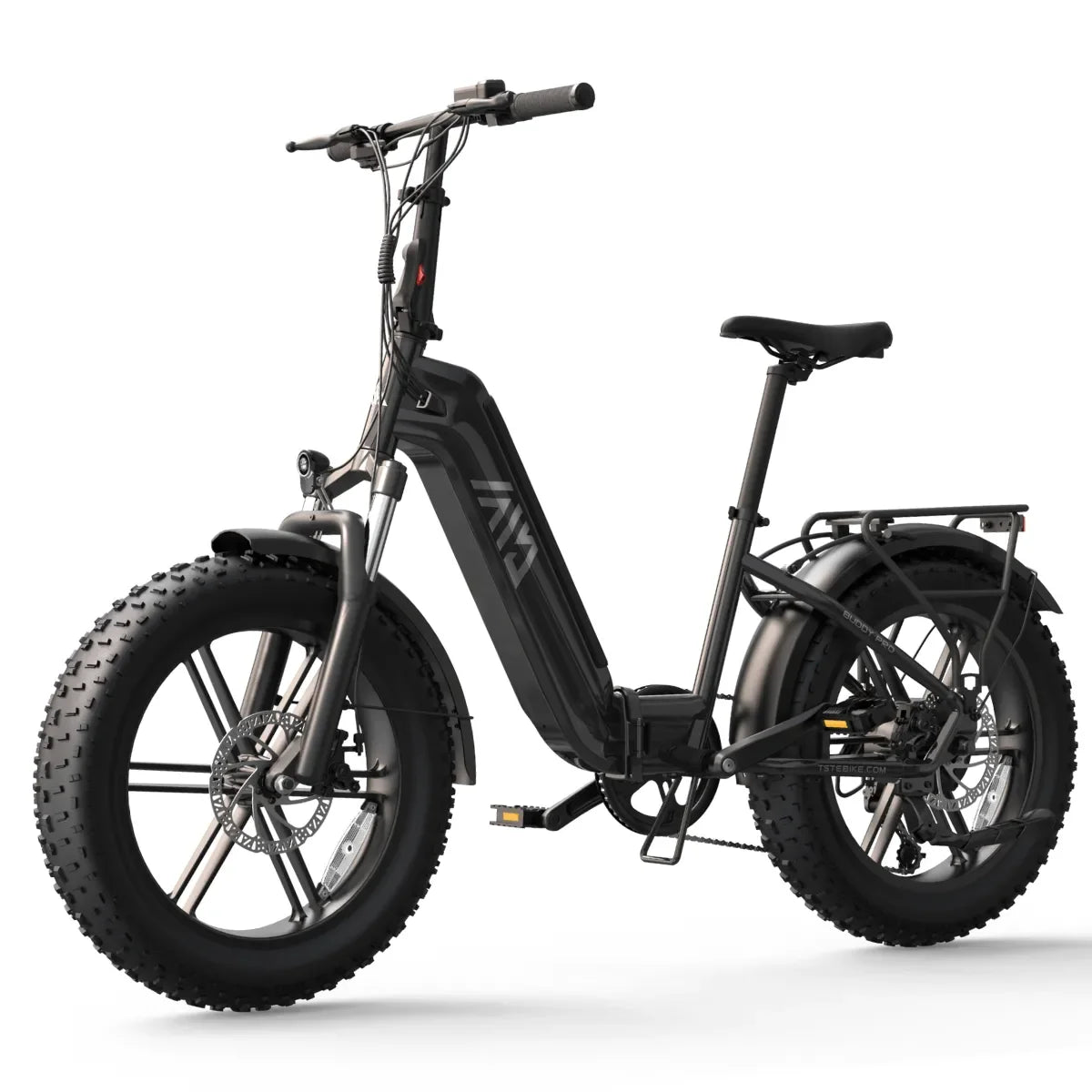
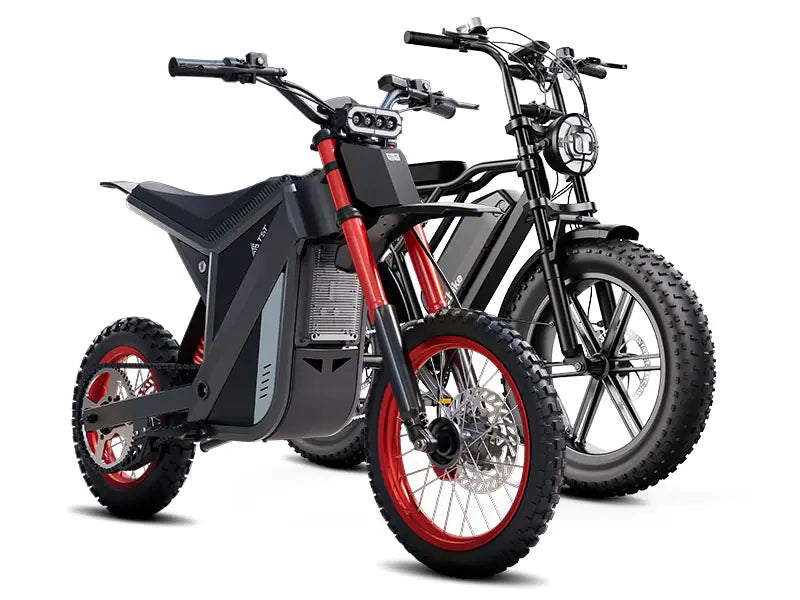
TST E-Bikes offers a broad range of electric bike formats built around everyday utility and outdoor versatility. Its lineup includes moped-style e-bikes, cargo e-bikes, fat-tire models, commuter-focused bikes, folding designs, and electric dirt-bike options.
Rather than treating every rider as having identical needs, the brand’s product range allows buyers to choose according to terrain, preferred riding position, cargo requirements, route length, and storage space. That makes the lineup relevant to both weekday transportation and weekend outdoor riding.
What Is Outdoor Sports Gear?
Outdoor sports gear is the equipment that enables people to ride safely, carry necessities, adapt to weather and terrain, and enjoy time outside. For e-bike riders, it includes the bike itself, safety equipment, lights, storage, locks, repair tools, clothing, hydration, and charging equipment.
The right outdoor sports gear should reduce friction before, during, and after a ride. It should make preparation easier rather than add unnecessary complexity to an otherwise simple trip.
Common Outdoor Riding Considerations
The first consideration for many riders is changing terrain. A route that begins on smooth pavement may quickly include uneven streets, gravel sections, potholes, curb transitions, wet leaves, packed dirt, or rough trail connectors. A bike that feels efficient on one surface may feel less stable or comfortable on another.
The second consideration is carrying equipment. A backpack may be enough for a short leisure ride, but it becomes inconvenient when carrying groceries, a laptop, rain gear, sports equipment, picnic supplies, tools, or a child-seat setup. Poorly balanced bags can affect handling, restrict movement, and make starts or stops less predictable.
Safety also deserves careful attention. Riders need to consider visibility, helmet fit, brakes, route selection, tire condition, weather, traffic behavior, and battery care. These are not optional extras for higher-speed assisted riding; they are core parts of a responsible ownership routine.
Finally, many potential riders value simplicity. If a bike is difficult to mount, uncomfortable to ride, impractical to store, or poorly matched to the rider’s usual route, it may spend more time parked than used. The best setup is usually the one that feels easy enough to choose again tomorrow.
A Safety Statistic Worth Remembering
More than 1,100 bicyclists were killed in U.S. traffic crashes in 2024. Outdoor sports gear should therefore prioritize a fitted helmet, reliable lighting, visible clothing, route awareness, and predictable riding habits.
Outdoor Sports Gear Comparison
Outdoor Sports Gear Features
Purpose-matched power
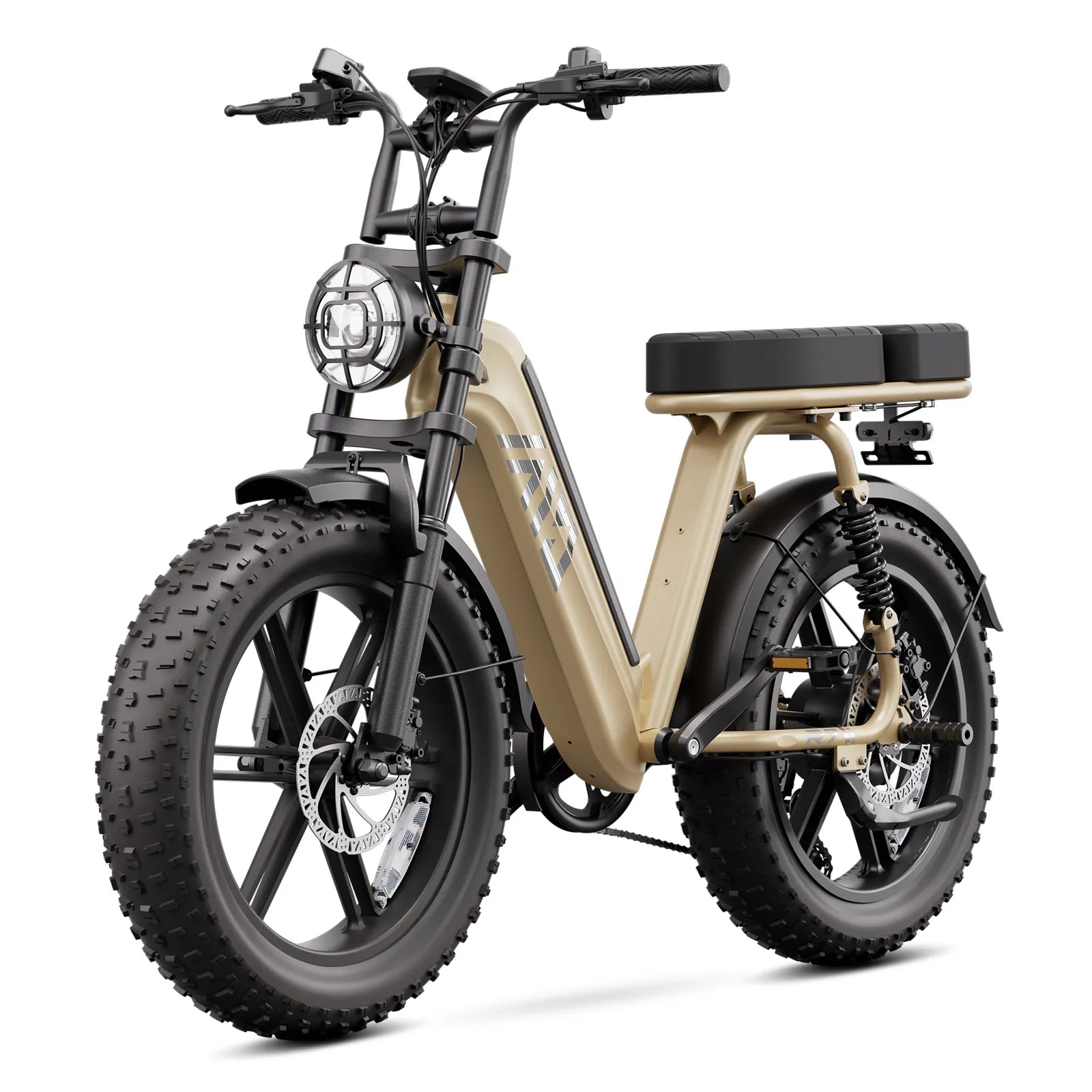
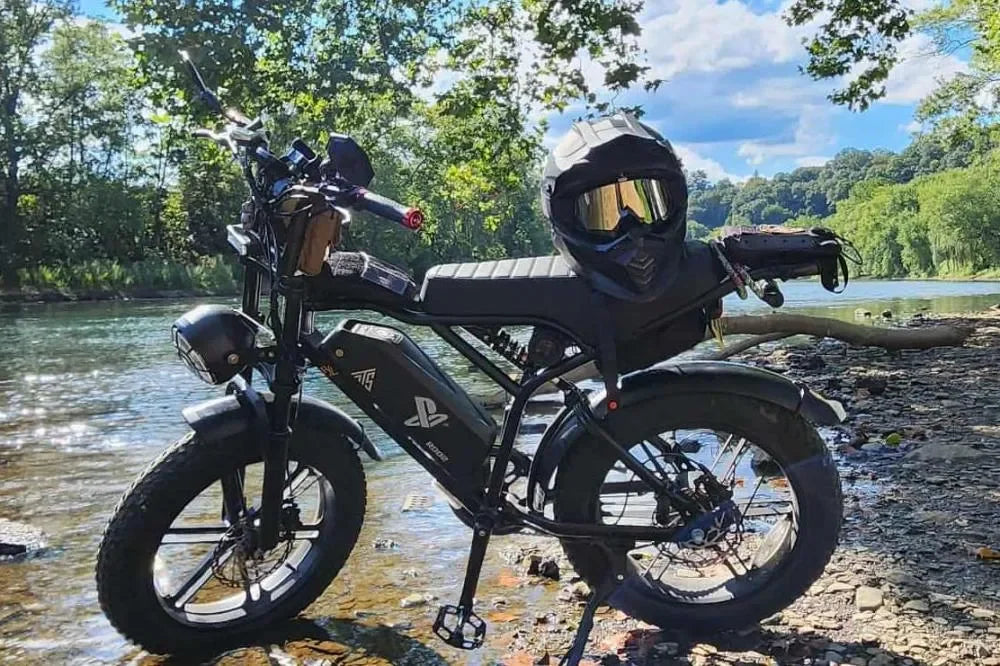
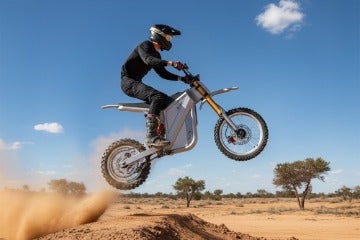
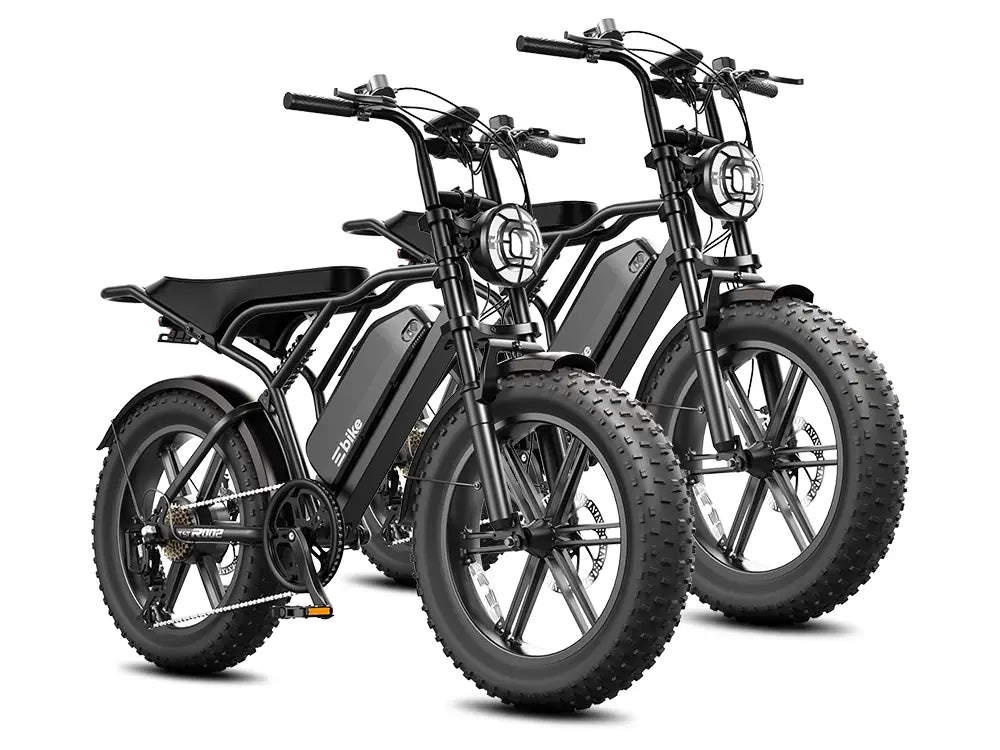
The TST R002 full-suspension moped-style e-bike is designed for riders who value a more substantial riding position and mixed-surface capability. TST lists a 1500W rear hub motor, 20 × 4-inch puncture-resistant fat tires, full suspension, and battery options in 48V 15Ah and 48V 25Ah capacities.
Traction and comfort
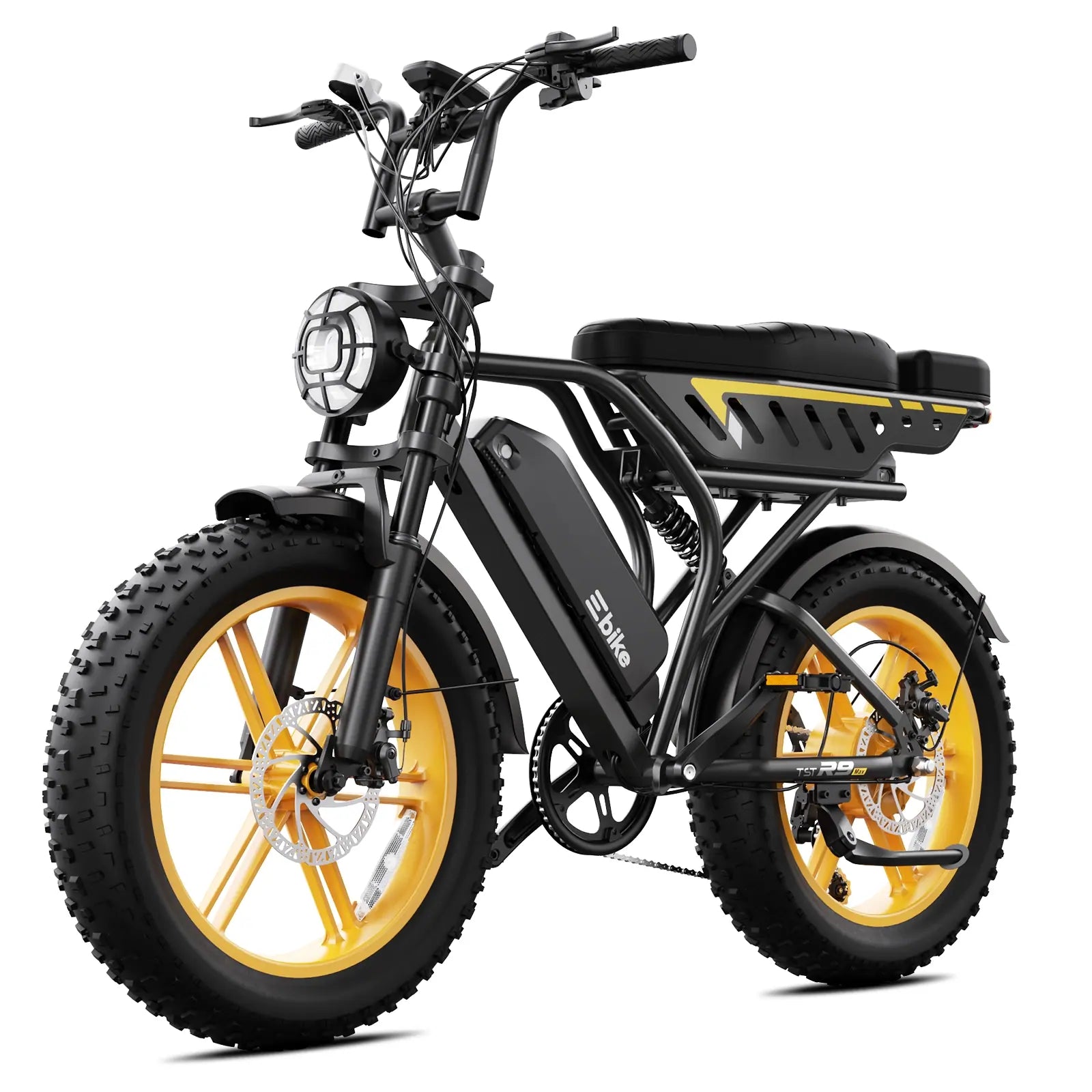
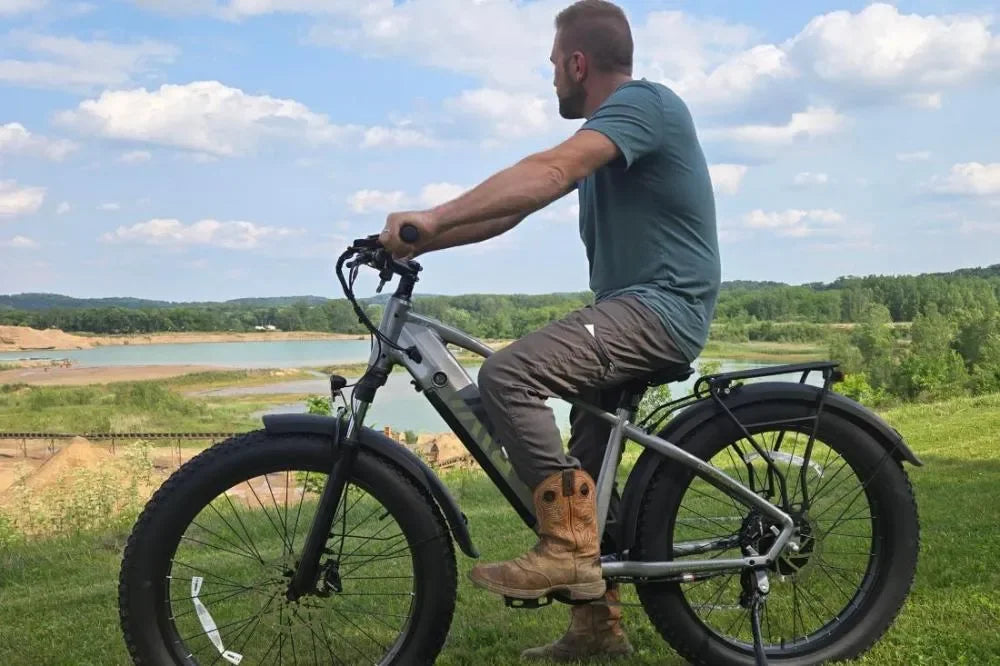
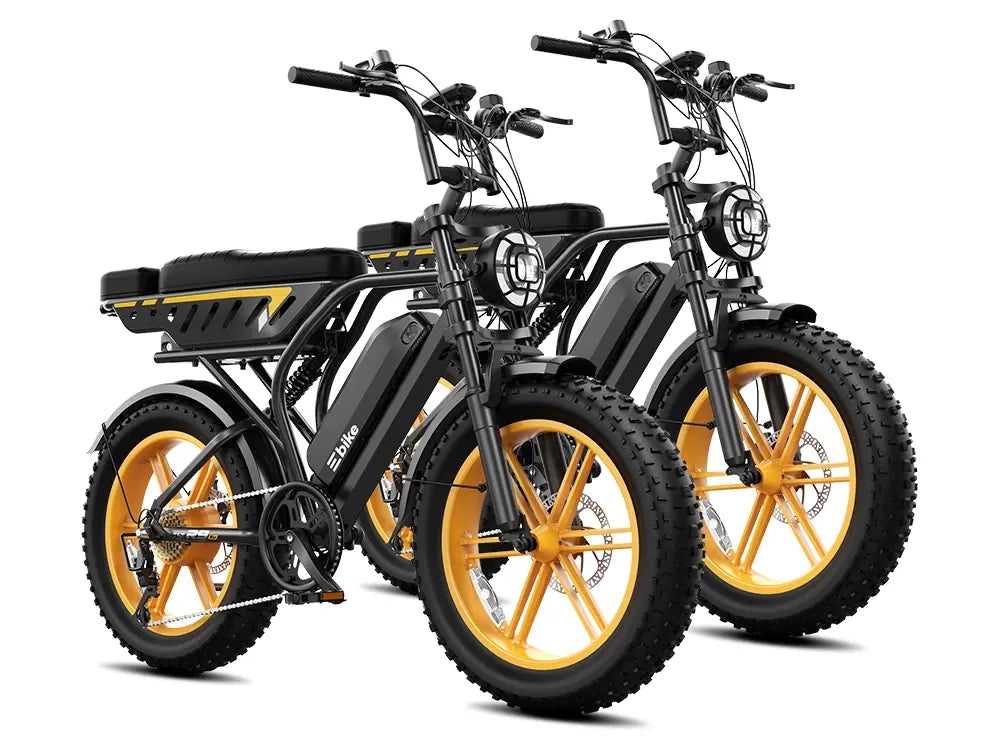
The TST Defender fat-tire e-bike collection highlights models intended for all-terrain use. The Defender 26 is listed with 26 × 4-inch puncture-resistant fat tires, front suspension, hydraulic disc brakes, and a 1300W motor.
Cargo-focused utility
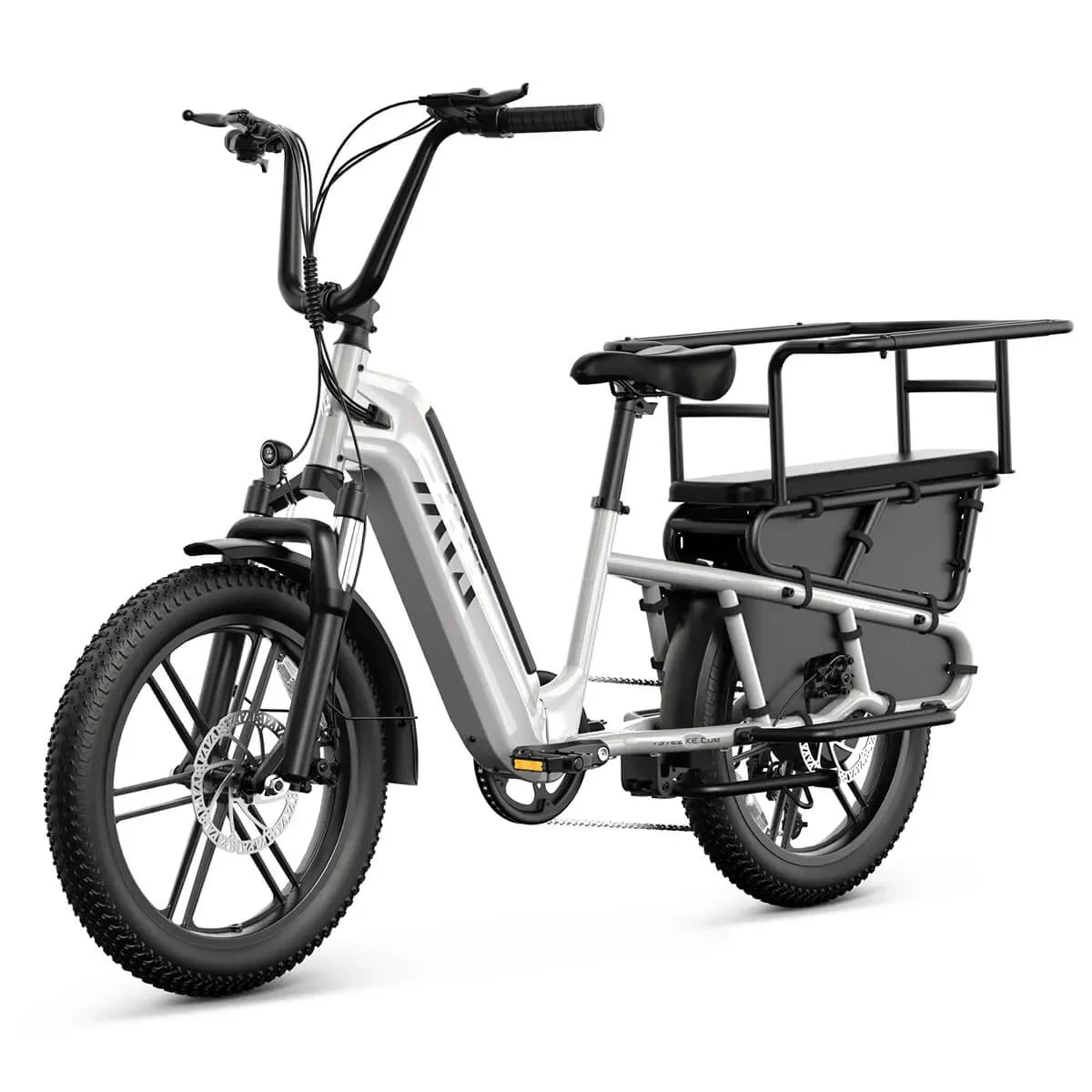
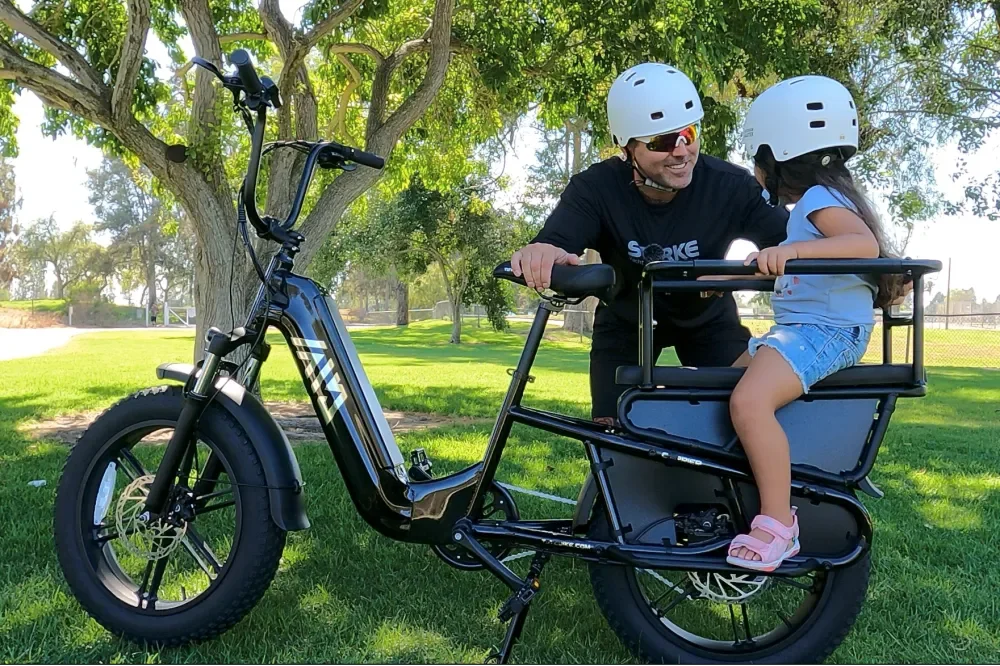
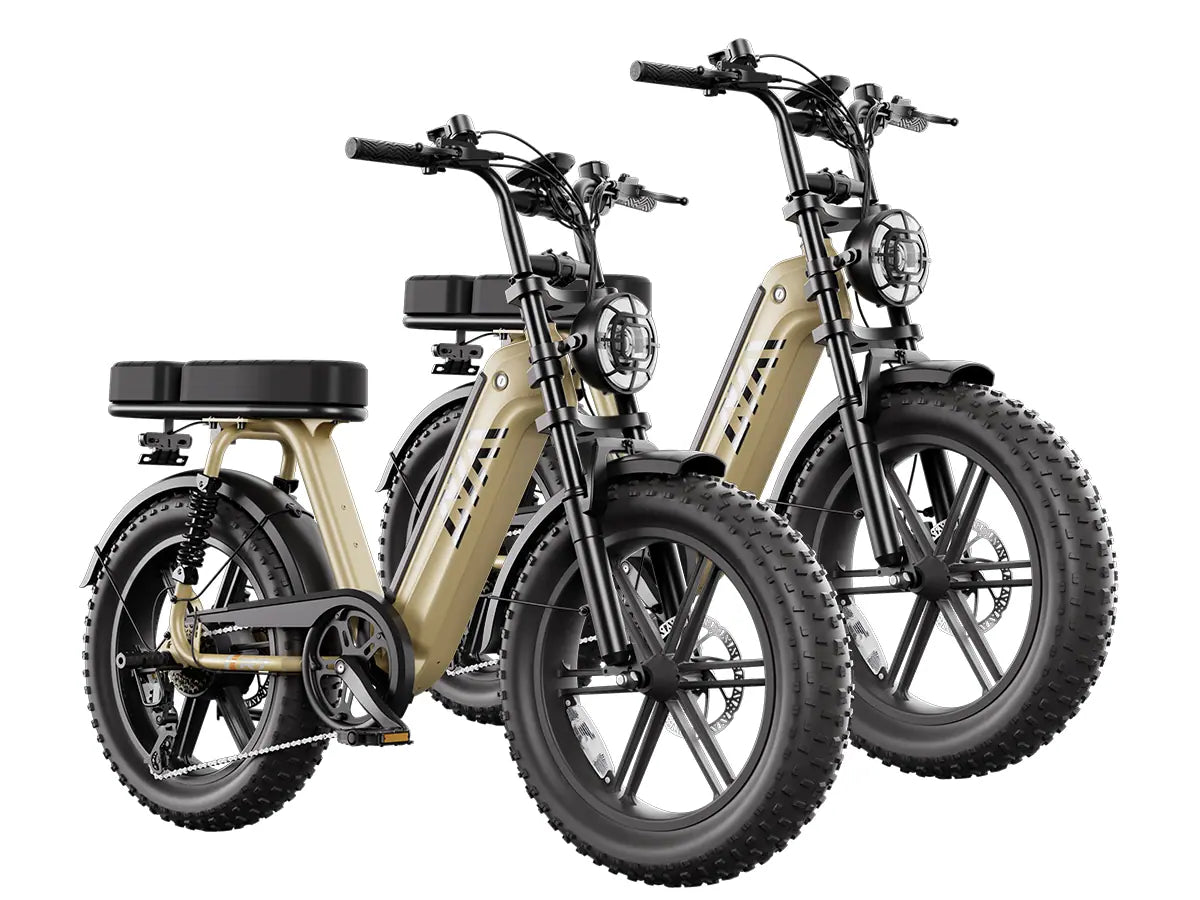
The TST Carrier cargo e-bike is built for riders whose outdoor gear needs include more than a water bottle and a small bag. TST lists a 450-pound total payload capacity, a cargo-tuned rear hub motor, hydraulic brakes, and a stated real-world range of up to 60 miles.
Three Outdoor Gear Examples
A rider heading to a gravel greenway brings a helmet, water, front and rear lights, a tire-repair kit, a compact pump, and clothing suited to changing temperatures.
A rider doing school pickup plans for an approved passenger setup, balanced cargo placement, a secure lock, and a route with calm intersections.
A commuter returning after sunset relies on lights, reflective details, a weatherproof bag, gloves, and a conservative range estimate before leaving home.
Outdoor Sports Gear Recommendations
For riders who combine errands with outdoor time, cargo capability can be more useful than selecting a bike solely by speed. The TST Carrier is one option for riders who need space for groceries, work gear, recreational equipment, or compatible cargo accessories.
For routes that include rough pavement, light trails, gravel, or less predictable surfaces, a fat-tire format can provide additional contact area and a more confidence-inspiring ride feel. The Defender and R002 offer different approaches, with the Defender emphasizing 26-inch fat tires and front suspension, while the R002 uses a smaller-diameter fat-tire design with full suspension.
A practical e-bike outdoor gear checklist includes:
-
A properly fitted cycling helmet
-
Front and rear lights for daytime and nighttime visibility
-
A durable lock matched to the usual parking environment
-
A pump, repair kit, tire levers, and multitool
-
Water, sunscreen, and weather-appropriate layers
-
Cargo bags, baskets, or racks compatible with the bike
-
Gloves and eye protection for longer or cooler rides
How to Choose Outdoor Sports Gear
-
Define the main purpose. Start by identifying the ride that will happen most often. It may be commuting, weekend recreation, school pickup, grocery errands, trail riding, or a combination of these uses.
-
Assess the real route. Consider hills, pavement quality, trail surfaces, curb transitions, traffic levels, weather exposure, and the distance between charging opportunities. A bike should suit the route that exists, not the ideal route imagined before purchase.
-
Calculate realistic cargo needs. Include the rider’s body weight, helmet, clothing, water, lock, groceries, bags, equipment, and any passenger-related accessories. Do not assume a rack or frame is suitable for loads it was not designed to carry.
-
Prioritize safety equipment. Buy a helmet, lights, lock, and basic repair equipment before focusing on cosmetic additions. Visibility and preparedness create more value than accessories that do not improve safety or usefulness.
-
Plan charging habits. Use only the battery and charger approved for the specific e-bike. Charge on a stable surface away from exits and flammable materials, avoid unattended charging, and stop using damaged charging equipment.
-
Check local regulations. E-bike classifications, speed limits, helmet requirements, passenger rules, trail access, and licensing requirements vary by location. Confirm the local rules for the intended riding area before using an e-bike on public roads, bike paths, or shared trails.
Scenario: The Everyday Commute
Scenario
A rider travels several miles to work, passes through traffic, needs to arrive without excessive exertion, and occasionally carries a laptop, lunch, rain layer, and groceries.
Traditional approach
The rider may use a car for every trip or rely on a conventional bicycle that becomes less appealing in heat, hills, rain, darkness, or when carrying a heavier bag. This can make riding feel like an occasional activity instead of a dependable transportation option.
With a TST option
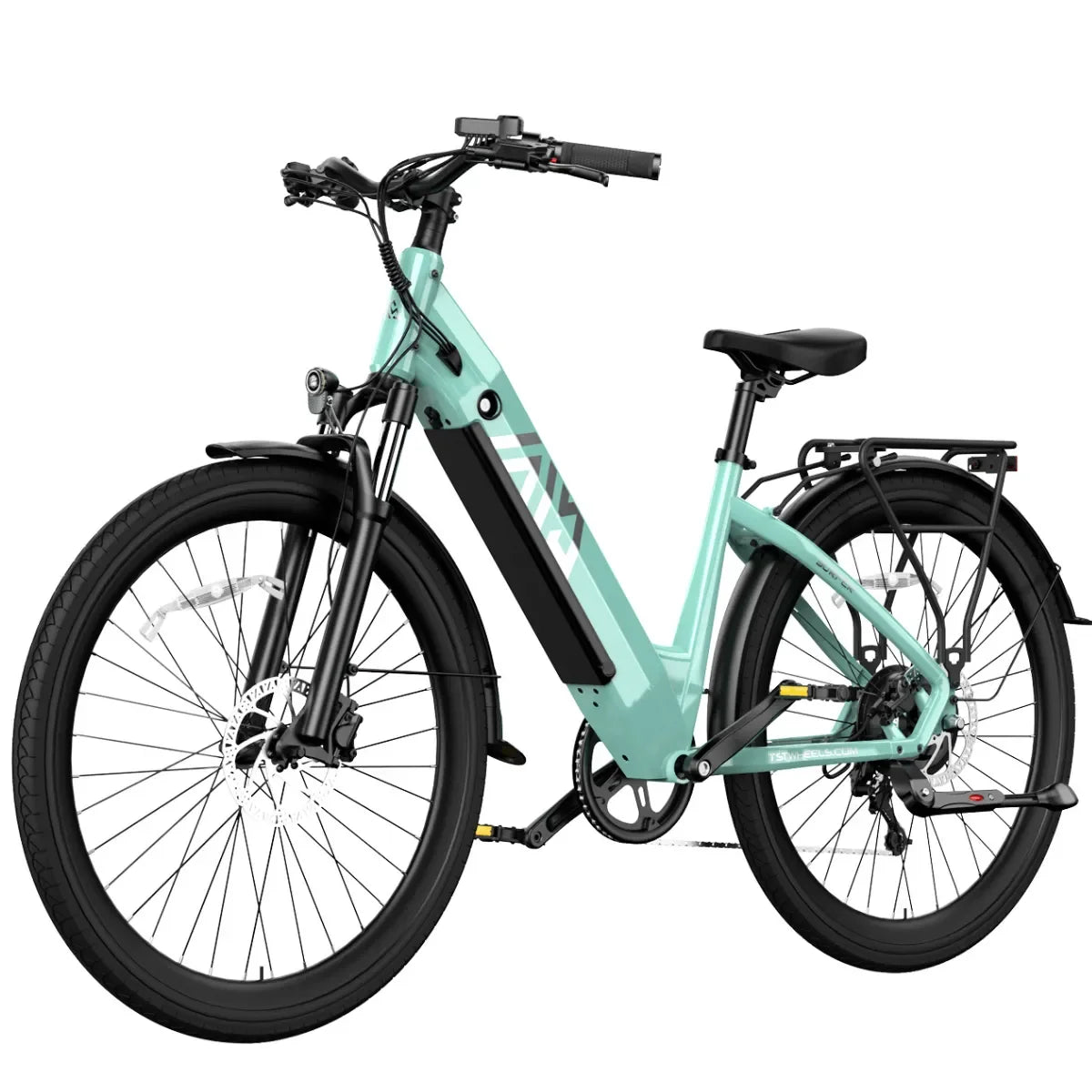
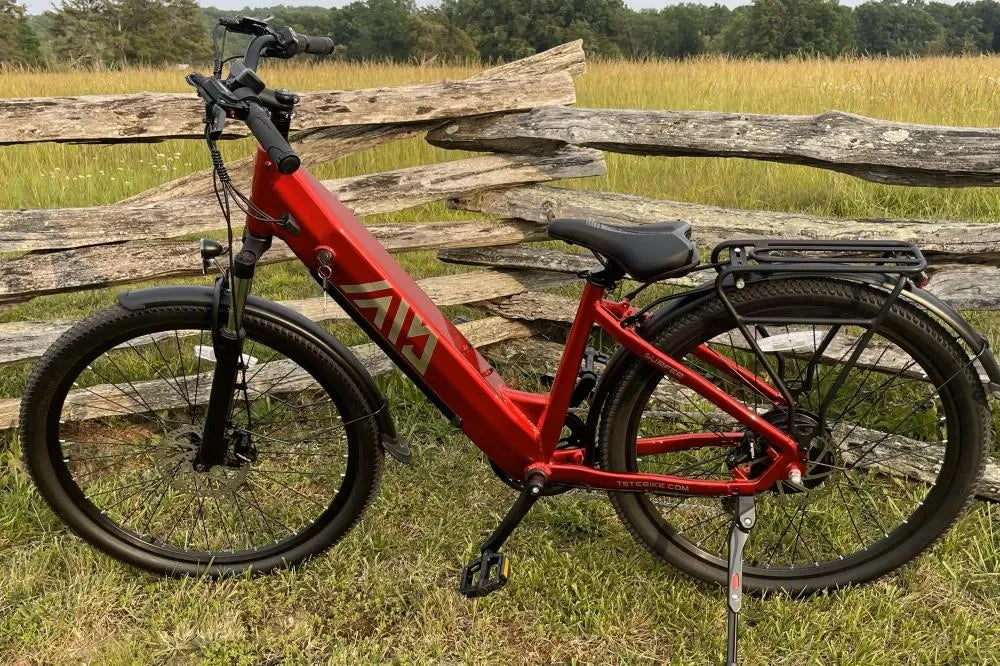
A commuter-oriented model can help riders build a repeatable routine around everyday movement. TST’s Surfer and Flyer models are positioned within its broader lineup for riders who want a practical electric-bike format, while the Carrier provides a more cargo-focused option for larger loads.
Scenario: The Weekend Explorer
Scenario
A rider wants to leave neighborhood streets and explore park connectors, maintained dirt paths, gravel routes, rural lanes, or mixed-surface recreation areas where e-bike access is permitted.
Traditional approach
A narrower-tire bike may be efficient on clean pavement but less comfortable over loose surfaces or uneven ground. The rider may avoid new routes, carry insufficient repair equipment, or end the ride early when the terrain becomes less predictable.
With a TST option
The Defender and R002 are potential choices for riders seeking more capability beyond ordinary city streets. The Defender’s fat-tire and front-suspension configuration may appeal to all-terrain riders, while the R002’s full-suspension moped-style configuration may appeal to those seeking a more cushioned ride.
No e-bike eliminates the need for sound judgment. Riders should slow down for loose surfaces, avoid terrain beyond their skill level, inspect tire condition before every ride, and follow local trail rules.
Scenario: Family and Cargo Days
Scenario
A household needs to move groceries, sports gear, picnic supplies, tools, or approved passenger equipment while reducing the need for short car journeys.
Traditional approach
The rider carries heavy bags in a backpack, makes multiple trips, or defaults to driving for every errand. Weight carried too high or too far behind the rider can make steering and stopping more difficult.
With a TST option
The Carrier is designed around utility, with TST listing a total payload capacity of 450 pounds and a cargo-oriented frame configuration. Riders should always distribute cargo low and evenly, verify accessory compatibility, practice handling the bike without passengers first, and remain within manufacturer guidance.
Cargo e-bike riding rewards preparation. Secure every item, leave additional braking distance, take turns slowly, and account for the additional width and length of the loaded bike.
FAQs
What outdoor sports gear is essential for an e-bike beginner?
Begin with a certified helmet that fits correctly, front and rear lights, a lock, water, a compact repair kit, and clothing appropriate for the weather. A pump, tire levers, spare tube or tubeless repair supplies, and a multitool are useful additions for longer rides.
Beginners should avoid buying every possible accessory immediately. Ride several times first, identify recurring needs, then add gear that improves a specific part of the experience.
What is the best outdoor sports gear for e-bike commuting?
Focus on visibility, protection from weather, secure storage, and theft prevention. A helmet, lights, reflective clothing, waterproof bag or panniers, lock, gloves, and rain layer create a practical commuting foundation.
Riders should also plan battery range carefully. Hills, cold temperatures, cargo weight, wind, rider weight, tire pressure, and frequent acceleration can all affect real-world range.
How should riders choose an outdoor e-bike for gravel and light trails?
First, confirm that the intended route permits e-bike use. Then assess tire width, suspension, braking system, rider position, terrain conditions, and the ability to carry water and repair supplies.
The TST Defender is listed with 26 × 4-inch fat tires and front suspension, while the R002 is listed with 20 × 4-inch tires and full suspension. The better option depends on rider fit, intended terrain, handling preferences, and local access rules.
Is a cargo e-bike suitable for outdoor sports gear and groceries?
Yes, provided the bike’s payload limit, rack design, frame geometry, and accessory compatibility suit the intended load. A cargo e-bike can be useful for groceries, equipment, picnic gear, and other everyday items that would be awkward in a backpack.
The TST Carrier is listed with a 450-pound total payload capacity. Riders should still check the current product specifications, follow the owner’s manual, and avoid exceeding approved limits.
How can riders charge an e-bike battery more safely?
Use only the supplied or manufacturer-approved charger and battery. Charge on a stable, nonflammable surface, remain nearby while charging, and unplug the charger when charging is complete.
Do not use damaged, modified, incompatible, or repurposed battery equipment. If a battery shows damage, swelling, unusual heat, leaking, odor, or irregular charging behavior, stop using it and contact the manufacturer or a qualified service provider.
Conclusion
The best outdoor sports gear setup is not automatically the most powerful, most expensive, or most accessory-heavy option. It is the setup that matches actual routes, terrain, cargo needs, riding confidence, storage conditions, and local regulations.
TST E-Bikes offers several purpose-specific formats that can support commuting, recreation, cargo hauling, and mixed-surface exploration. The final choice should remain grounded in safety, practical fit, responsible battery care, and the kind of riding a person plans to do consistently.
Explore TST E-Bikes and Sources
Explore TST E-Bikes to compare moped-style, cargo, fat-tire, commuter, and folding options according to real outdoor needs. TST is an electric-bike brand offering practical formats for riders seeking power-assisted transportation, outdoor recreation, utility hauling, and everyday mobility.
Sources
-
U.S. Department of Energy — E-Bike Sales in the United States, 2023
-
U.S. Department of Energy Alternative Fuels Data Center — Active Transportation and Micromobility
-
National Highway Traffic Safety Administration — Bicycle Safety
-
U.S. Consumer Product Safety Commission — Micromobility Information Center
-
U.S. Consumer Product Safety Commission — Micromobility Deaths, Injuries, and Hazard Patterns
-
Centers for Disease Control and Prevention — About Physical Activity

Leave a comment
This site is protected by hCaptcha and the hCaptcha Privacy Policy and Terms of Service apply.