











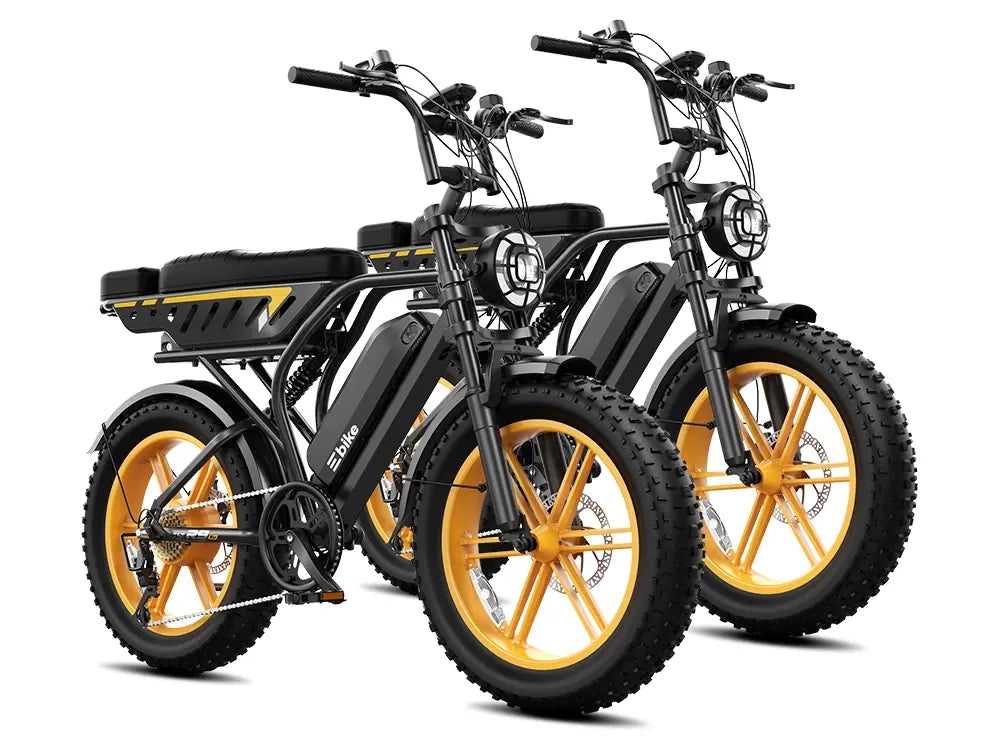

Ebike price matters more than ever; see how TST electric bikes balance range, power, and value for riders in July 2026.
Market pressure on ebike price
Ebike price has become a deciding factor as the market keeps expanding, with global electric bike demand continuing to grow through 2025 and 2026. Industry reports in the last three years consistently point to rising adoption driven by commuting demand, higher fuel costs, and stronger interest in affordable personal transport. At the same time, buyers are comparing not just sticker price but also battery range, motor power, and build quality before making a purchase.
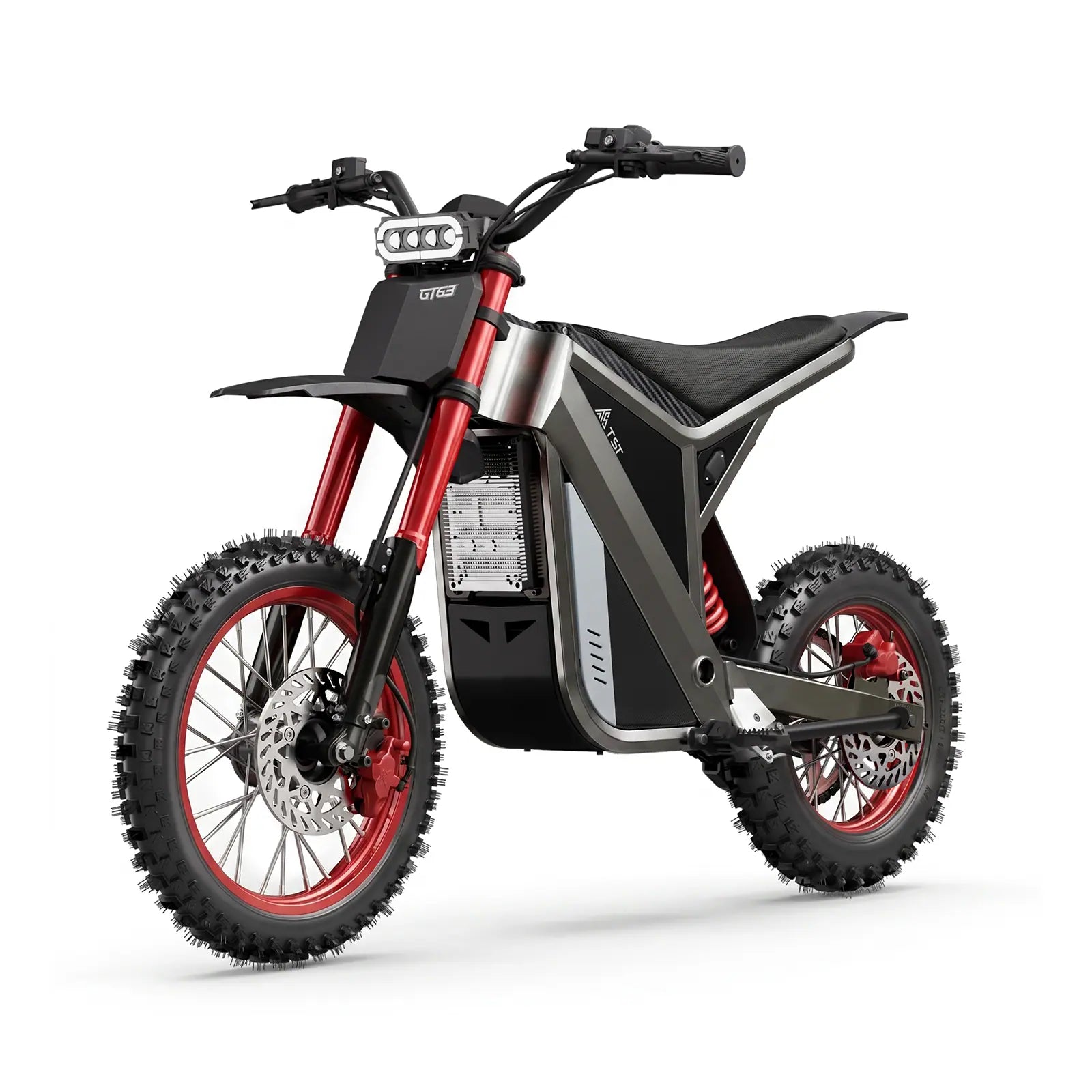
For brands that want to win attention, the challenge is simple: deliver enough performance to justify the spend without pushing the final cost into premium territory. That is where TST’s lineup becomes relevant, especially its R002 moped-style ebike and special offer collection, which position the brand around accessible pricing and strong feature density.
Early introduction to TST ebike pricing and value
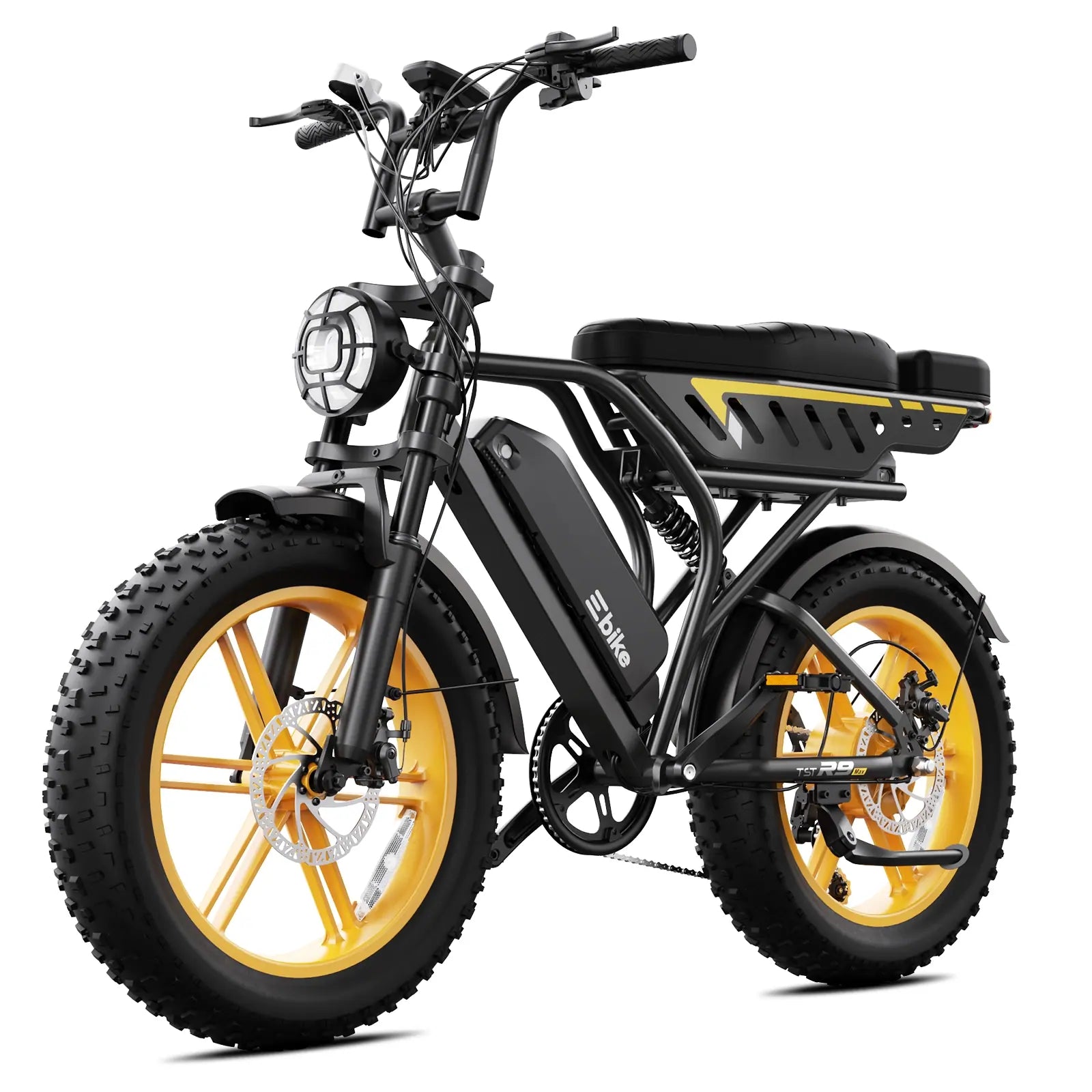
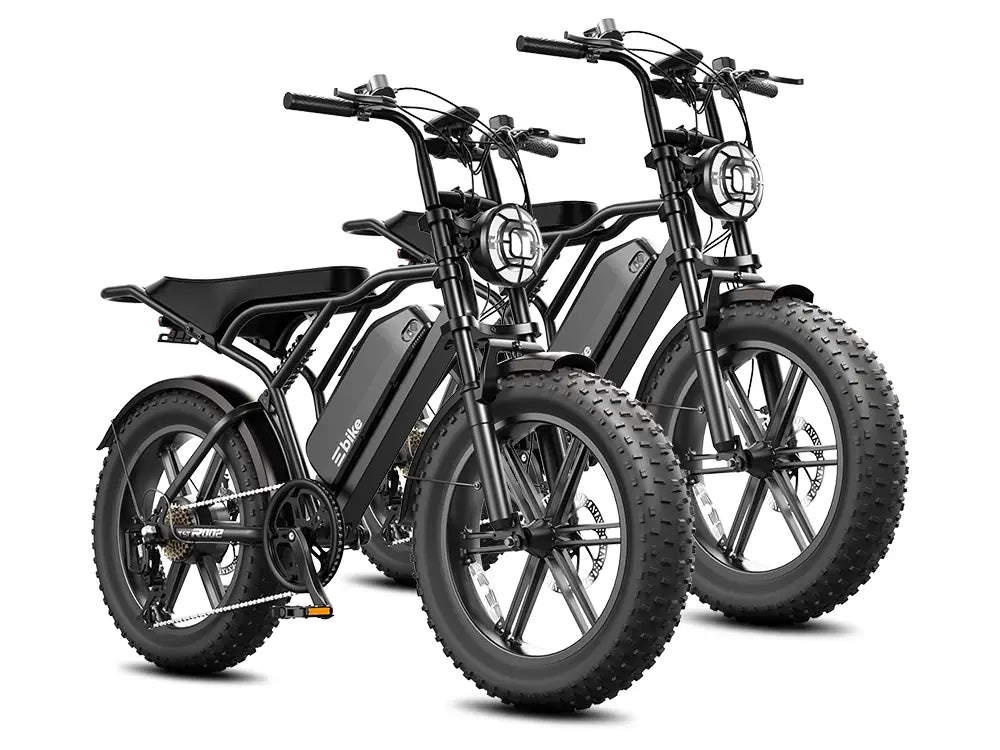
Within TST’s growing portfolio, the standout representation of value-driven engineering is embodied in models like the TST® R002 20'' 1500W Full Suspension Moped-style Electric Bike. This machine combines a heavy-duty, high-torque 1500W rear hub motor with a dependable 48V 15–25Ah removable lithium battery system, capable of supporting extended range profiles up to 65–100 miles under optimized pedal-assist conditions. By pairing these robust technical specifications with moped-style geometry, full-suspension systems, and aggressive direct-to-consumer pricing tiers, TST establishes a benchmark for what modern riders should expect from an accessible electric bike.
What is ebike price
An ebike price is not merely a single transaction number at the checkout counter; rather, it represents the total financial and functional investment required to acquire an electric bicycle, encompassing the physical hardware, motor efficiency, battery capacity, safety mechanisms, and long-term utility. In practical consumer terms, a lower ebike price is only a genuine bargain if the vehicle continues to meet real-world riding demands—such as handling steep urban inclines, sustaining long daily commutes, and absorbing rough road conditions—without requiring immediate expensive upgrades or constant mechanical repairs.
The real problems riders face
Modern ebike shoppers frequently encounter significant frustrations when attempting to navigate the vast price spread present in the current market, often discovering that compromises on cost lead directly to compromises on performance.
First, riders frequently fall into the trap of choosing between an ultra-cheap "budget" option and a reliable machine. A low upfront price tag looks appealing initially, but if the battery range proves inadequate, the frame suffers from structural flexing, or the braking and suspension systems are underbuilt, the true cost of ownership skyrockets through replacement parts, frustration, and premature obsolescence.
Second, price uncertainty creates widespread hesitation. When consumers observe a market where two seemingly similar bikes carry a difference of several hundred dollars, it is often difficult to discern whether they are paying for inflated branding or actual hardware upgrades. In reality, that price gap frequently dictates the difference between a sluggish 500W motor with mechanical brakes and a high-torque 1500W system equipped with hydraulic stopping power and a high-capacity battery.
Third, comparison overload complicates the decision-making process. Many urban and suburban riders require a versatile vehicle capable of handling daily commuting, weekend recreational cruising, and occasional cargo hauling, yet standard entry-level city bikes rarely possess the frame strength or motor torque to handle all three effectively. Navigating these overlapping hurdles requires clear insight into how specific price points translate into everyday riding performance.
Big-picture stat to remember
Recent micromobility studies indicate that consumers who carefully align their ebike investment with their exact terrain and distance requirements are significantly more likely to successfully replace 40% to 60% of their short-distance car trips with electric two-wheelers.
Ebike price options: TST vs typical alternatives
To understand how TST redefines market expectations, it is helpful to examine how its flagship offerings compare against typical industry alternatives across key performance and economic vectors.
| Aspect / Option | TST high-power value ebike (R002 1500W) | Mid-range city ebike (500–750W typical) | Entry-level budget ebike (350–450W) |
| Motor & Torque | 1500W brushless rear hub motor delivering up to 90 N·m torque | Moderate 500–750W hub or mid-drive motor | 350–450W hub motor with basic torque output |
| Terrain & Load | Designed for hills and heavy loads up to 450 lb max load | Optimized for paved urban roads and light paths | Limited margin for heavier riders or added load |
| Comfort & Control | Full front and rear suspension, fat tires, and hydraulic disc brakes | Basic suspension or rigid fork with mechanical brakes | Minimal vibration control and standard mechanical discs |
| Value Focus | Aggressive discounting, high feature density at sub-$1,100 pricing | Balanced price-performance for moderate power | Lowest upfront cost, but notable power and comfort trade-offs |
Ebike price features explained
Power, acceleration, and torque value
The pricing architecture of the TST R002 is anchored by its 1500W motor platform and 90 N·m torque output. This high-output configuration ensures that riders do not experience the sluggish acceleration or stalling common on lower-priced bikes when tackling steep hills or carrying heavy loads. The financial value lies in the elimination of rider fatigue and the ability to maintain consistent travel speeds alongside urban traffic.
Battery capacity versus initial cost
While budget models reduce upfront costs by pairing bikes with minimal 36V or low-amp-hour batteries, TST integrates 48V removable lithium battery configurations engineered to deliver up to 65 miles of range under optimal conditions. For daily commuters, investing slightly more in adequate battery capacity prevents chronic range anxiety, ensuring that the bike remains a practical day-to-day vehicle rather than a weekend-only toy.
Safety, suspension, and control integration
A low initial purchase price quickly loses its appeal if the bike lacks adequate stopping power. TST pairs its high-power motors with full suspension systems, fat tires, and hydraulic disc brakes. These components are essential safety investments that protect the rider, shorten stopping distances on wet pavement, and dramatically improve comfort over cracked urban infrastructure.
Simple ways to compare ebike pricing
-
A bike that saves a small amount of money at checkout but requires costly upgrades after one month is rarely the most economical choice.
-
Prioritizing a larger battery and stronger motor configuration often delivers more daily utility than pursuing the absolute lowest headline discount.
-
Hydraulic brakes and full suspension should be viewed as essential safety and health investments rather than dispensable luxury add-ons.
Related TST products and cross-selling opportunities
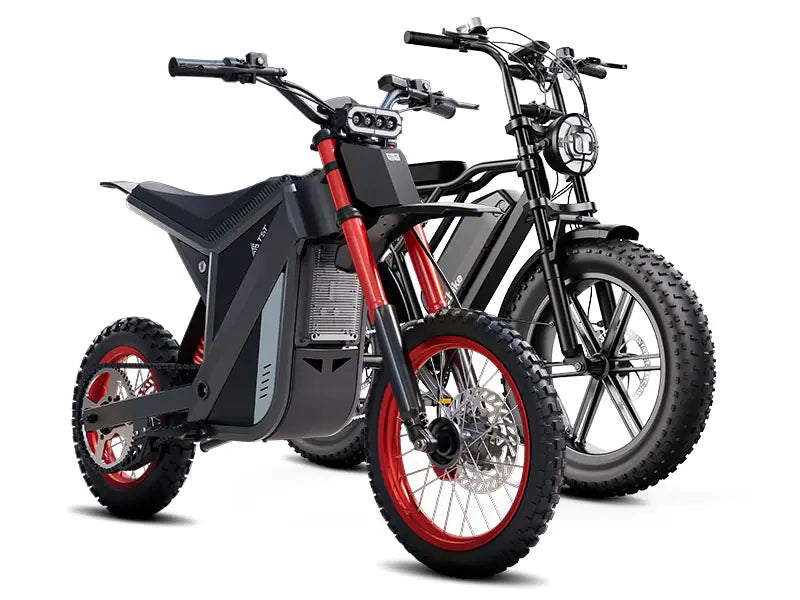
Evaluating ebike pricing also involves looking at how a manufacturer structures its broader ecosystem to support evolving rider requirements. TST utilizes its comprehensive catalog to guide consumers seamlessly through their purchasing journey. The all ebikes collection serves as a centralized hub for cross-comparing various frame styles, while the special offer page provides price-sensitive buyers with direct access to seasonal promotions and bundle discounts. Furthermore, for users transitioning from basic commuting to family transport or gear hauling, TST’s cargo-oriented structure provides a clear upgrade path without requiring a switch to an entirely different brand ecosystem.
How to choose and use an ebike price system (step-by-step)
-
Analyze your exact route and topography: Map out your weekly mileage, average road conditions, and the severity of local hills before establishing your target budget.
-
Prioritize battery capacity over discount banners: Look closely at amp-hour and voltage ratings to ensure the battery can comfortably support your daily round-trip distance without frequent recharges.
-
Match motor output to your payload: If you carry groceries, equipment, or ride with a passenger, invest in higher-wattage motors and robust torque specs to prevent mechanical strain.
-
Inspect braking and suspension standards: Never compromise on safety features; ensure the bike utilizes reliable braking mechanisms capable of managing higher speeds safely.
-
Evaluate total bundle value: Examine seasonal price cuts, warranty terms, and included accessories rather than staring exclusively at the base sticker price.
-
Align cost with long-term utility: Select a model whose capabilities ensure you will continue riding months and years down the line, maximizing your return on investment.
Usage scenarios: before and after adopting a TST value ebike
Scenario 1: Daily urban commute
-
Traditional approach: Purchase the absolute cheapest entry-level ebike available, enduring underpowered hill climbs, frequent battery charging, and uncomfortable road vibrations.
-
With TST: Leveraging the high-torque output, full suspension, and extended range of models like the R002, commuters enjoy a smooth, reliable, car-free transit experience that justifies its competitive price point through daily dependability.
Scenario 2: Weekend mixed-terrain recreation
-
Traditional approach: Limit riding routes strictly to smooth, paved city paths because a lightweight commuter bike lacks the tire width and suspension to handle rough terrain.
-
With TST: Fat tires and robust framing allow riders to transition smoothly from asphalt to gravel trails, maximizing the versatility and utility derived from their initial investment.
Scenario 3: Value-first smart shopping
-
Traditional approach: Wait indefinitely for generic holiday sales, hoping an unbranded budget bike meets performance expectations.
-
With TST: Utilizing structured promotional events and special offer pages allows buyers to acquire high-spec hardware—such as hydraulic brakes and 1500W motors—at accessible promotional rates.
FAQ on ebike price and TST-specific questions
What affects ebike price the most?
The primary cost drivers include motor wattage, torque ratings, battery cell capacity and voltage, frame construction materials, suspension complexity, and braking system quality. TST’s pricing structure demonstrates how combining these elements effectively delivers superior feature density compared to basic urban bicycles.
Is a lower ebike price always better?
No. A low initial price is only advantageous if the vehicle fulfills your practical requirements for range, comfort, and safety. Purchasing a sub-standard bike often results in higher long-term expenses due to component failures and rider dissatisfaction.
What is a good ebike price for commuting?
While no single universal price applies to every rider, a sensible commuting price is one that successfully balances robust frame durability, adequate battery range, and reliable stopping power. TST’s value-oriented moped-style models illustrate how riders can secure high-performance specs without entering luxury pricing tiers.
Are TST ebikes good value for the price?
Based on publicly published specifications, robust component selections—such as hydraulic brakes and high-torque motors—and aggressive promotional pricing, TST models are positioned as high-value alternatives that offer advanced features well above their price class.
Does a higher ebike price mean better range?
Not necessarily. While premium pricing often correlates with larger battery packs, actual range depends heavily on terrain gradients, rider weight, throttle usage, and assist level settings. Consumers should always compare specific battery watt-hour ratings rather than relying on price alone.
Where can shoppers find TST ebike deals?
Bargain-conscious buyers can monitor the official TST special offer page for active seasonal discounts, package deals, and promotional pricing events, alongside the broader all ebikes collection for easy model comparison.
Bringing it all together: the role of ebike prices today
An ebike price is most meaningful when it directly reflects high-grade hardware, structural integrity, and genuine everyday utility rather than inflated marketing expenses. TST’s public product offerings demonstrate a clear commitment to balancing high-power performance, practical comfort, and accessible direct-to-consumer pricing for modern riders. For consumers evaluating options across the marketplace, the most intelligent approach is to weigh total cost against motor output, battery capacity, safety mechanisms, and ride quality to secure long-term value.
Call to action and brand snapshot
TST is a value-focused electric bike brand offering moped-style, cargo, and sale-priced ebikes engineered to deliver maximum capability per dollar. Explore the R002, review the special offers collection, and browse the all ebikes collection to find the ideal configuration for your daily routes.

Leave a comment
This site is protected by hCaptcha and the hCaptcha Privacy Policy and Terms of Service apply.