
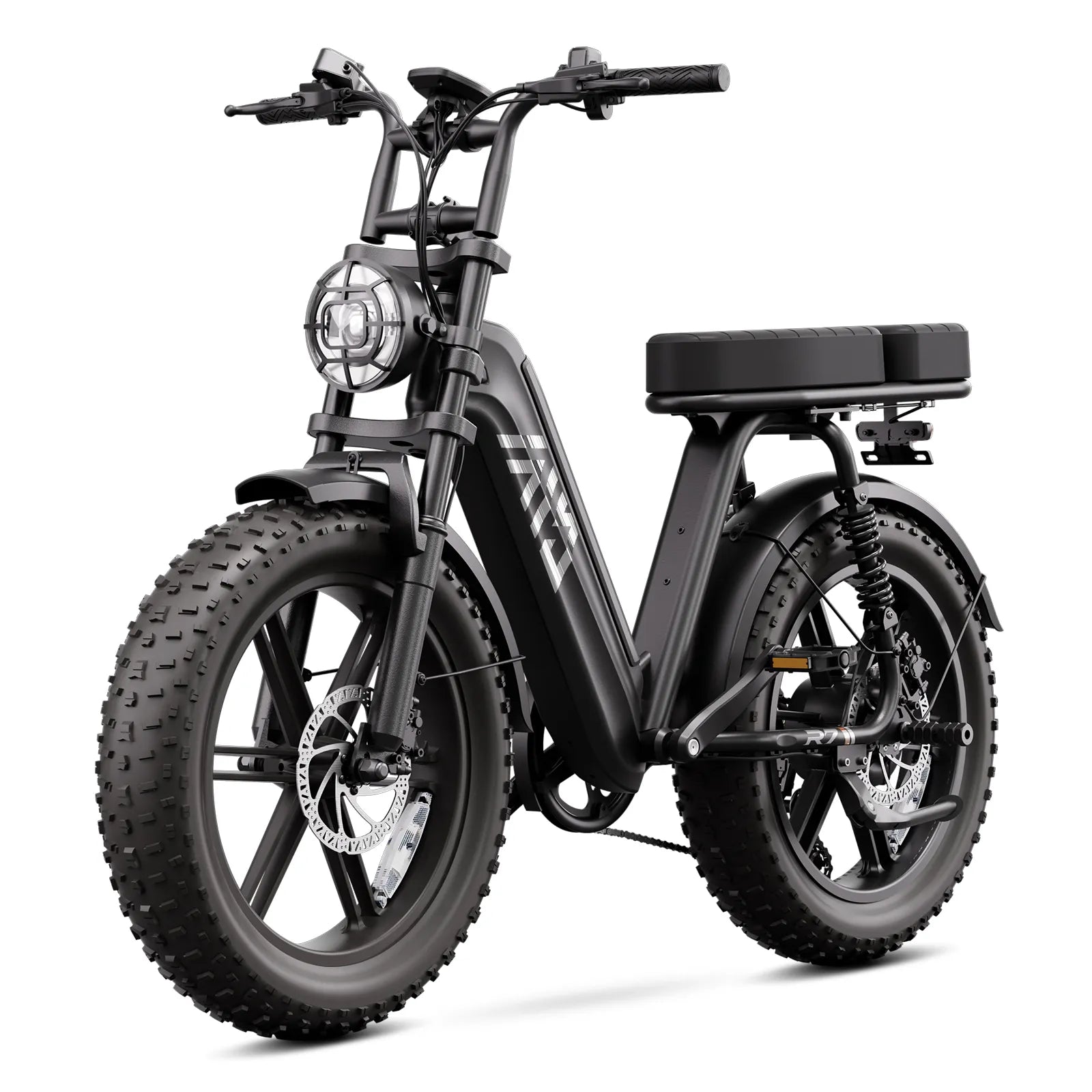
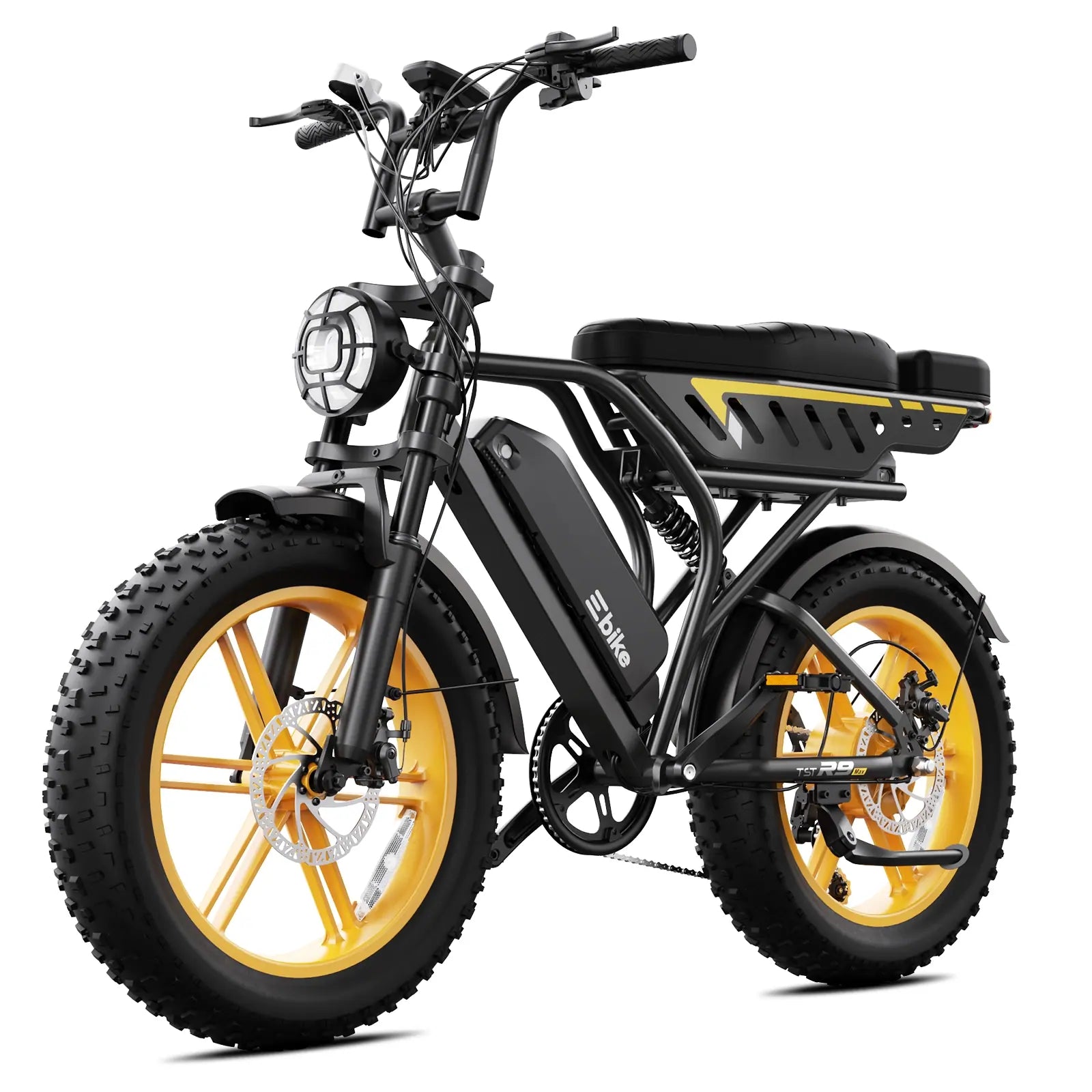
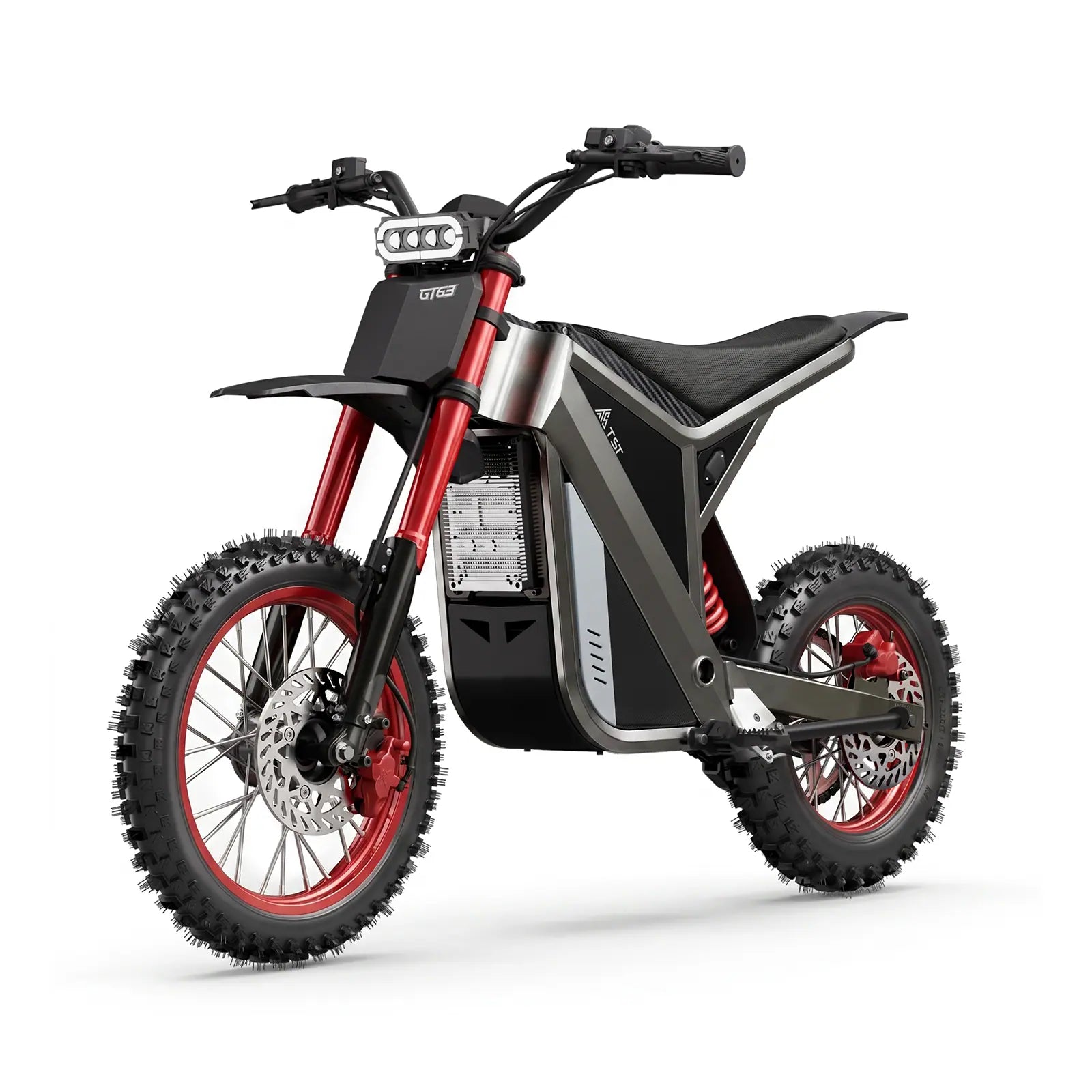
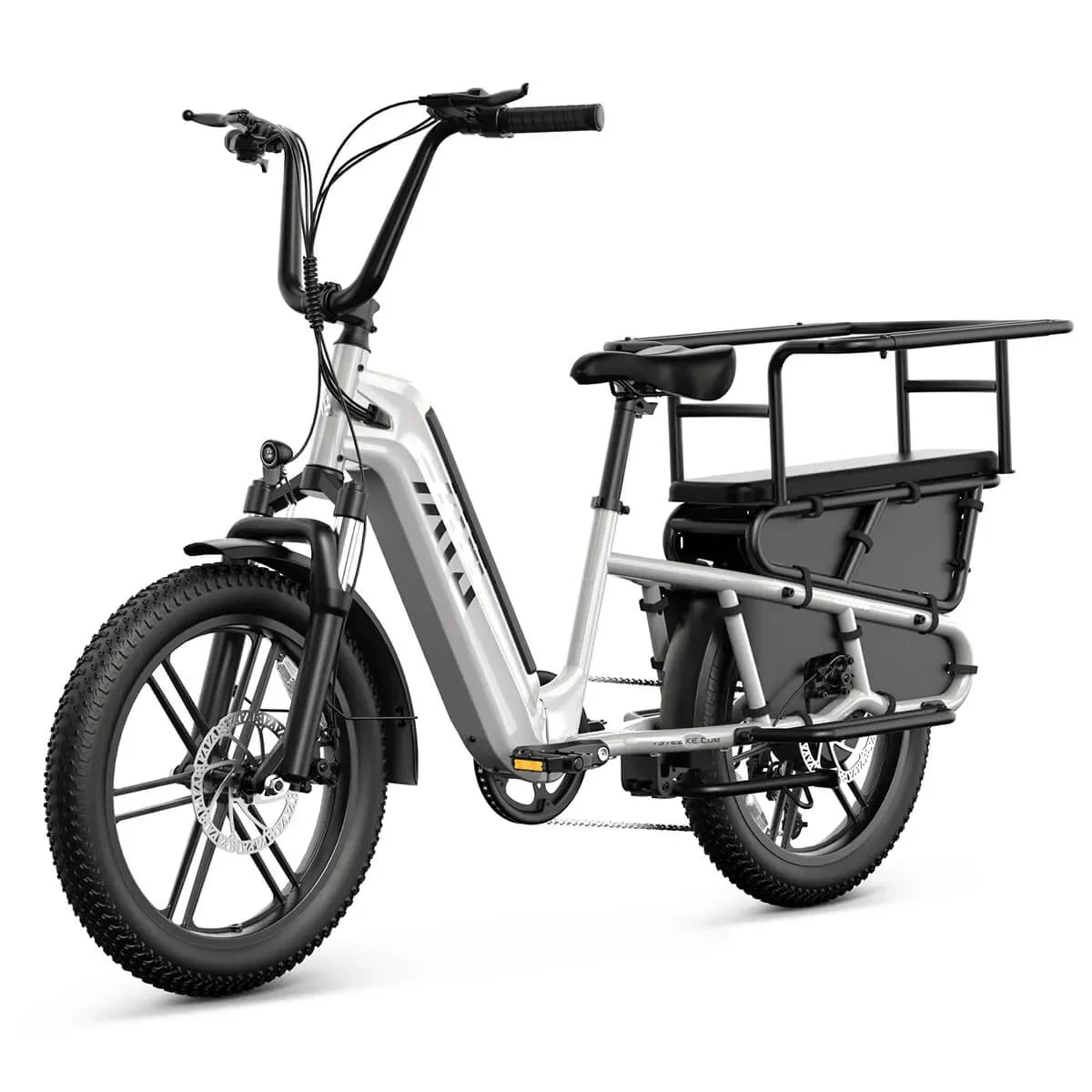
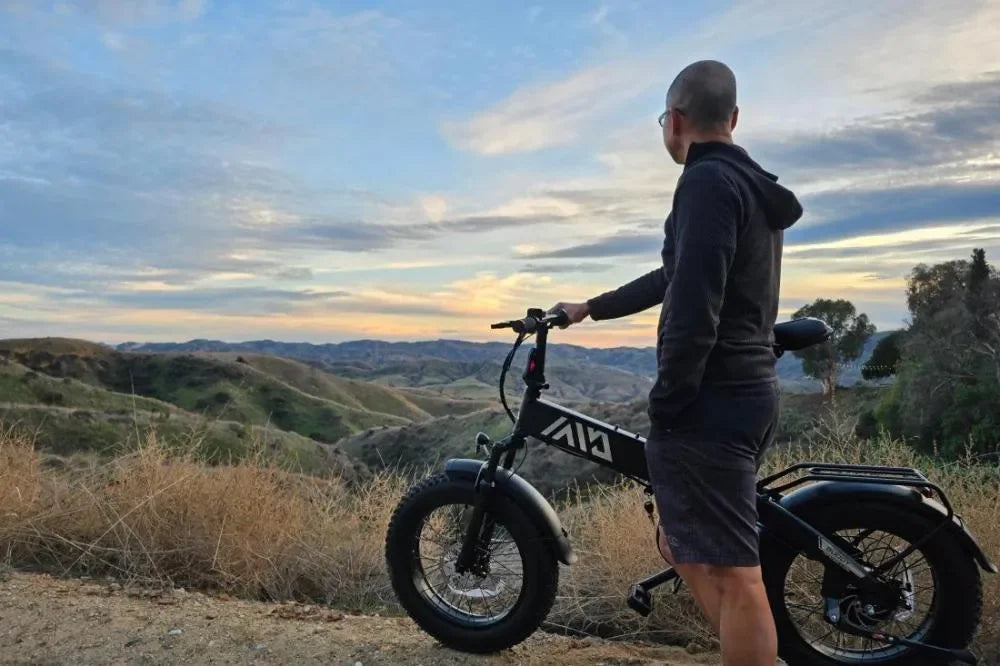
Ebike rental is transforming urban mobility. Learn how TST Ebike’s high‑power electric bikes and flexible rental‑style solutions can cut costs, reduce emissions, and upgrade daily transport for commuters and travelers.
Why is ebike rental growing so fast worldwide?
Over the past three years, global e‑bike and micromobility use has surged as cities look for cleaner, cheaper transport alternatives. Rental and subscription models lower barriers for riders who cannot or do not want to own a car. For brands like TST Ebike, this shift creates a natural bridge between high‑performance hardware and everyday access for more people.
TST Ebike focuses on high‑torque, cost‑effective electric bikes designed for real‑world terrain, from California suburbs to dense downtown streets. When these bikes are integrated into rental fleets, users can experience premium power and comfort without the upfront purchase price. That combination of flexibility and performance is why ebike rental keeps accelerating in 2026.
How is TST Ebike positioned in the ebike rental conversation?
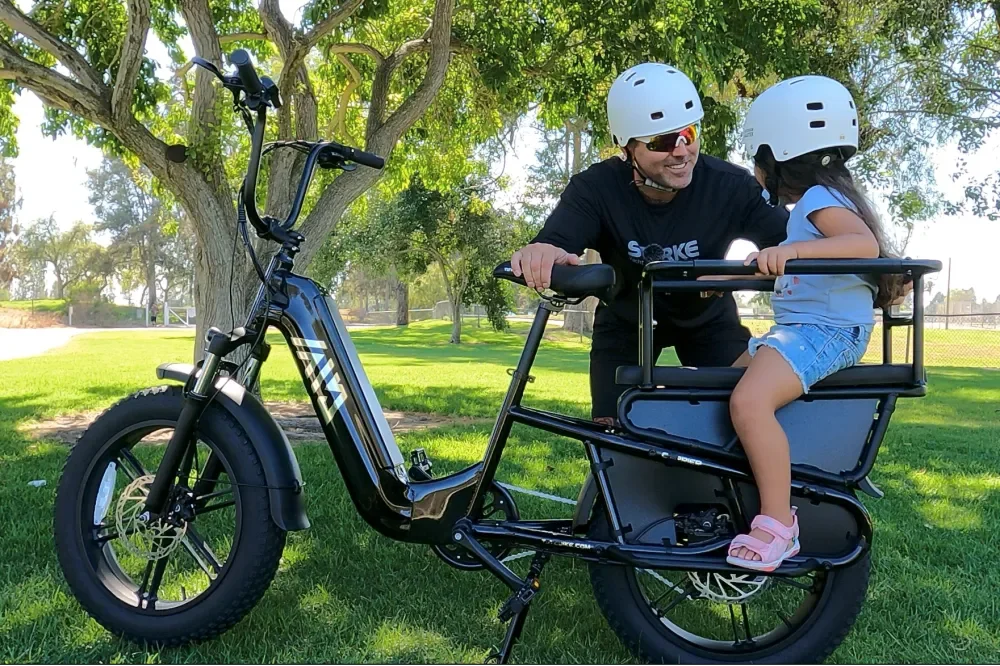
TST Ebike, operated by TST GRP LLC, is a California‑based brand dedicated to high‑power, affordable electric bikes with strong quality control. Its range covers fat‑tire all‑terrain models, commuter ebikes, folding bikes, cargo and moped‑style platforms, and even electric dirt bikes. While the site primarily focuses on sales, the design choices behind these models align closely with what rental operators and subscription platforms need: durability, ease of use, and low total cost of ownership.
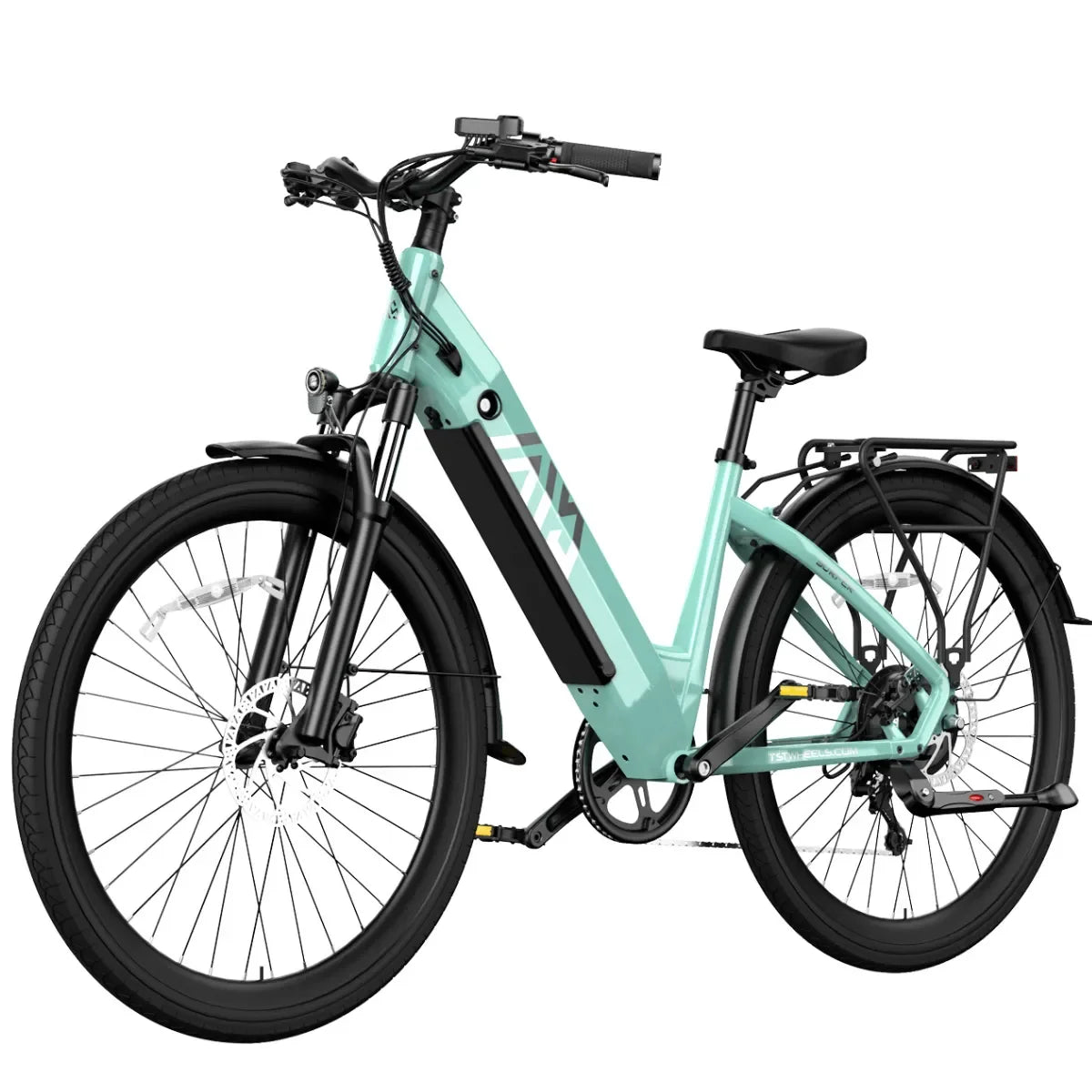
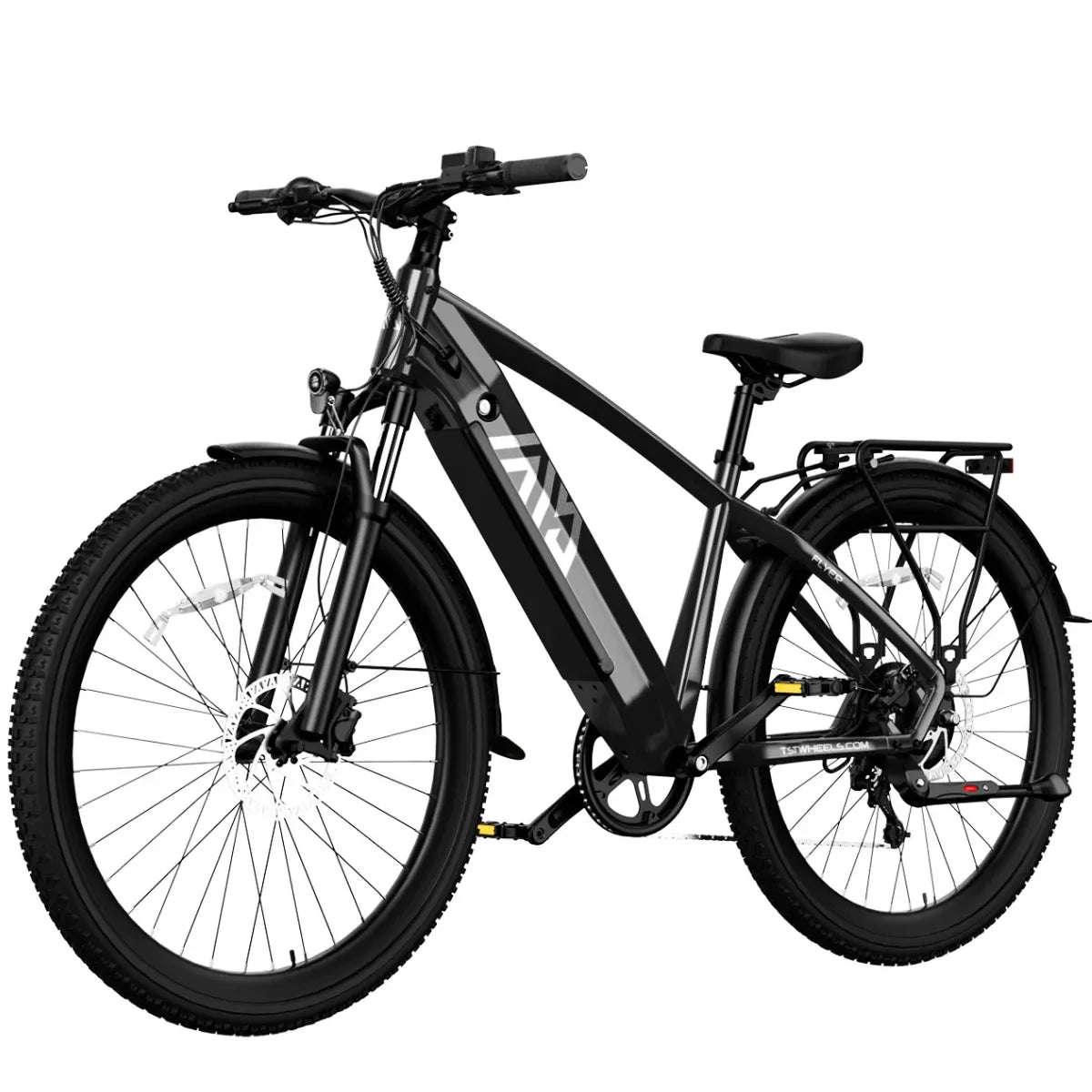
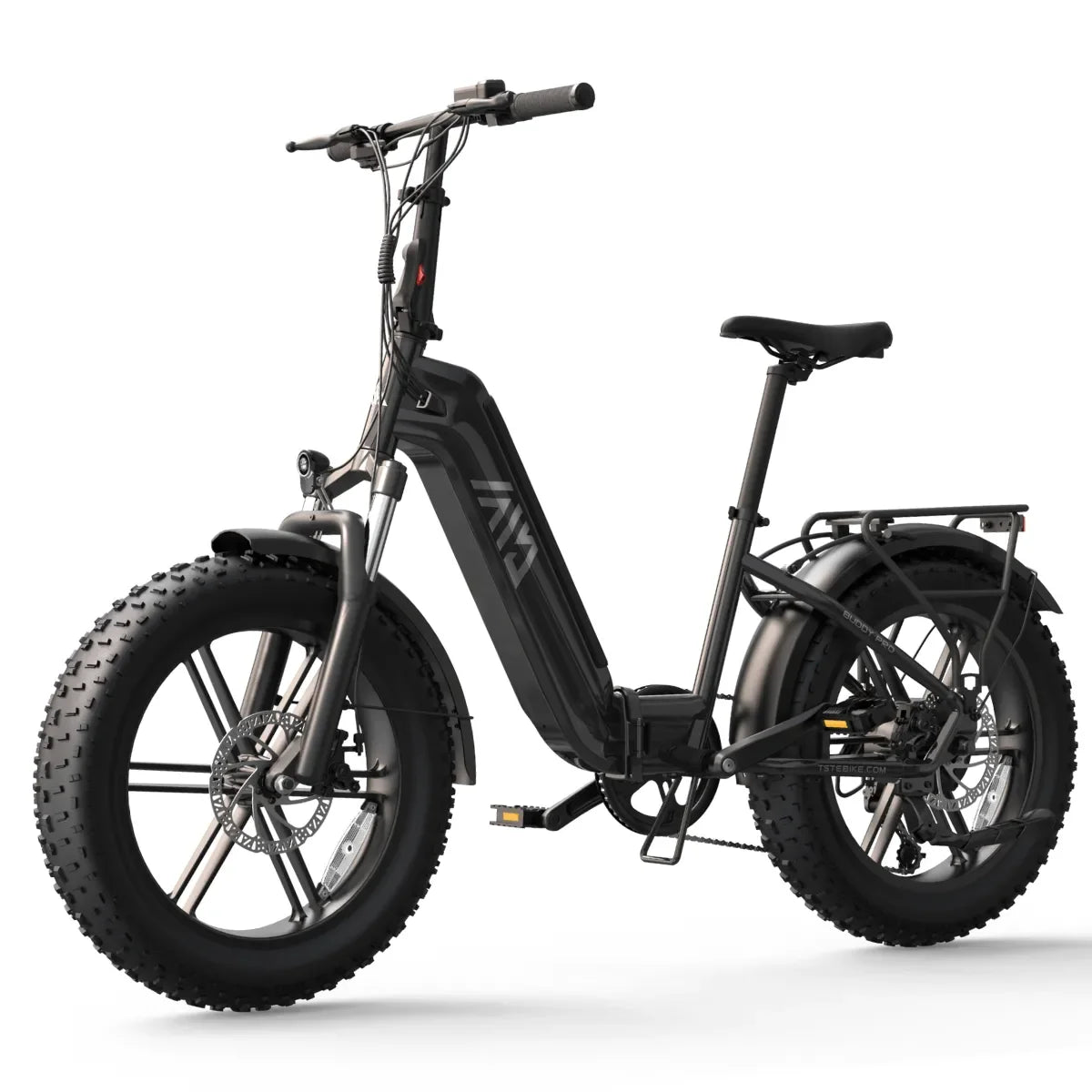
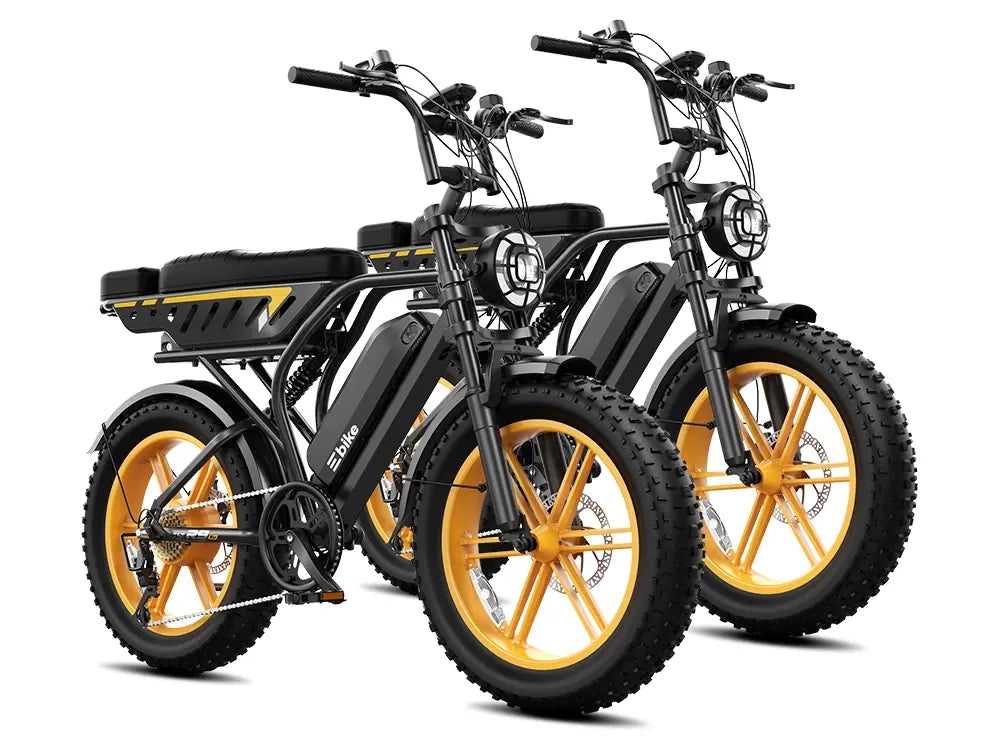
Collections such as All Ebikes and Special Offer show how TST’s hardware can be configured for commuting, off‑road fun, and cargo use. For rental concepts, high‑value models like compact folding bikes, 26‑inch fat‑tire all‑terrain ebikes, and moped‑style cargo bikes are especially relevant. Built‑in warranties and robust frames make them attractive for fleet deployment where uptime is critical.
What is ebike rental and how does it relate to TST Ebike?
Ebike rental means accessing electric bikes for short periods—by the hour, day, month, or via subscription—rather than owning them outright. Riders pay for usage instead of ownership, often through app‑based services or local shops, and can switch models as their needs change. TST Ebike’s portfolio gives these operators powerful, versatile hardware options that can handle varied routes, riders, and cargo.
For everyday users, the essence of ebike rental is flexibility. Commuters can test powerful models before buying, travelers can explore new cities without renting a car, and families can upsize or downsize bikes as kids grow. TST Ebike’s emphasis on high‑power, quality‑controlled designs makes it a natural supplier for these scenarios, even though the brand’s website currently centers on direct sales and promotions.
Why do riders struggle without ebike rental options?
Without ebike rental, many urban residents face a frustrating mix of cost, congestion, and commitment. Upfront purchase prices for high‑quality ebikes can be a barrier, especially in markets where car ownership is already expensive. Riders may hesitate to invest in a powerful model if they are unsure about long‑term usage, maintenance responsibilities, or local regulations.
Traditional bike share schemes often use low‑power or heavily restricted bikes, which can feel underwhelming in hilly cities or for heavier riders. When fleets lack torque and range, riders struggle on steep roads, with cargo loads, or in mixed traffic. This makes them revert to cars or ride‑hailing services, adding back congestion and emissions that cities are trying to reduce.
Another pain point is fit and comfort. One‑size‑fits‑all bikes rarely match real rider diversity. Short‑term rental platforms sometimes overlook adjustable components, suspension, and tire choice, leading to harsh rides on cracked pavement or gravel. Commuters who try such fleets may conclude that ebikes are “not for them” when the issue is actually hardware mismatch.
Maintenance anxiety also discourages ownership. Many potential riders worry about flat tires, battery care, and brake adjustments. Without knowledgeable local support, they fear being stranded or facing expensive repairs. For renters, unclear policies around damage, wear‑and‑tear, and insurance make usage feel risky rather than liberating, especially for new riders.
Finally, flexibility is limited when only rigid monthly passes or single‑use tickets exist. People with variable schedules, hybrid work patterns, or seasonal riding habits need more adaptable plans. When rental services cannot scale pricing or usage windows—for example, heavy weekend use but light weekday use—riders fall back to private cars or motorcycles, even if they prefer electric mobility.
How big is the opportunity for ebike rental?
“In dense urban areas, replacing just 10% of car trips with ebike rental can slash congestion and reduce transport emissions by double‑digit percentages.”
The potential for ebike rental extends across commuting, tourism, logistics, and recreation. Cities are increasingly supportive of micromobility, and policy frameworks over the last three years have moved toward integrating shared and rented ebikes into long‑term transport planning. Operators who build fleets around durable, high‑quality bikes from brands like TST Ebike can capture recurring revenue while delivering genuine public benefits.
How does TST Ebike compare to other mobility options?
How do key TST Ebike features support rental use?
High‑power, high‑torque motors
TST Ebike frames are built around powerful hub motors and high‑capacity batteries on many models, enabling confident riding in hilly or suburban terrain. For rental fleets, this means fewer frustrated riders and more consistent performance even with mixed rider weights and cargo.
Robust frames and suspension
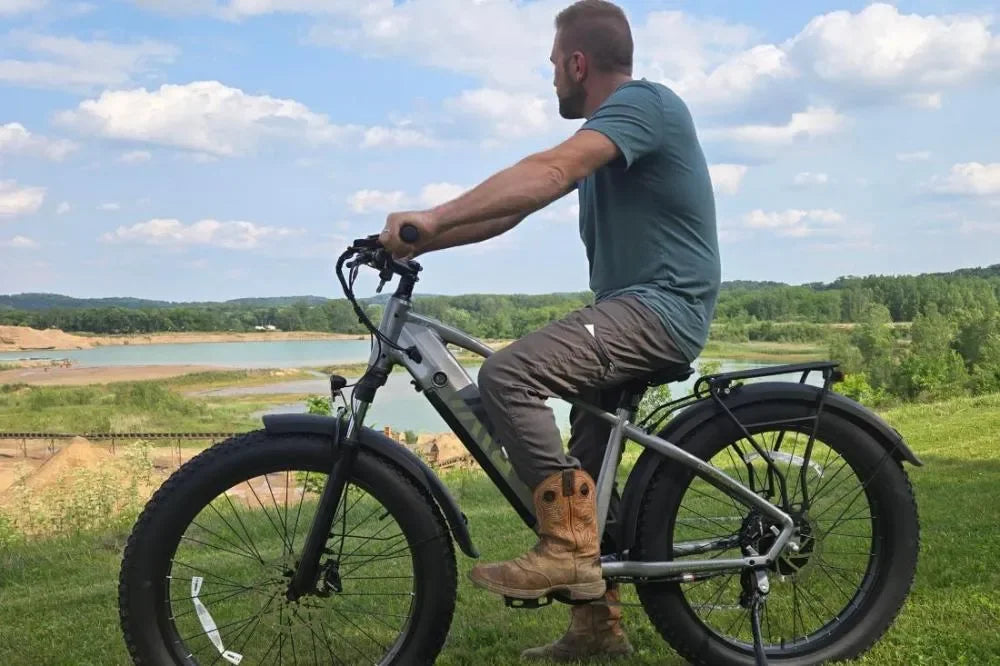
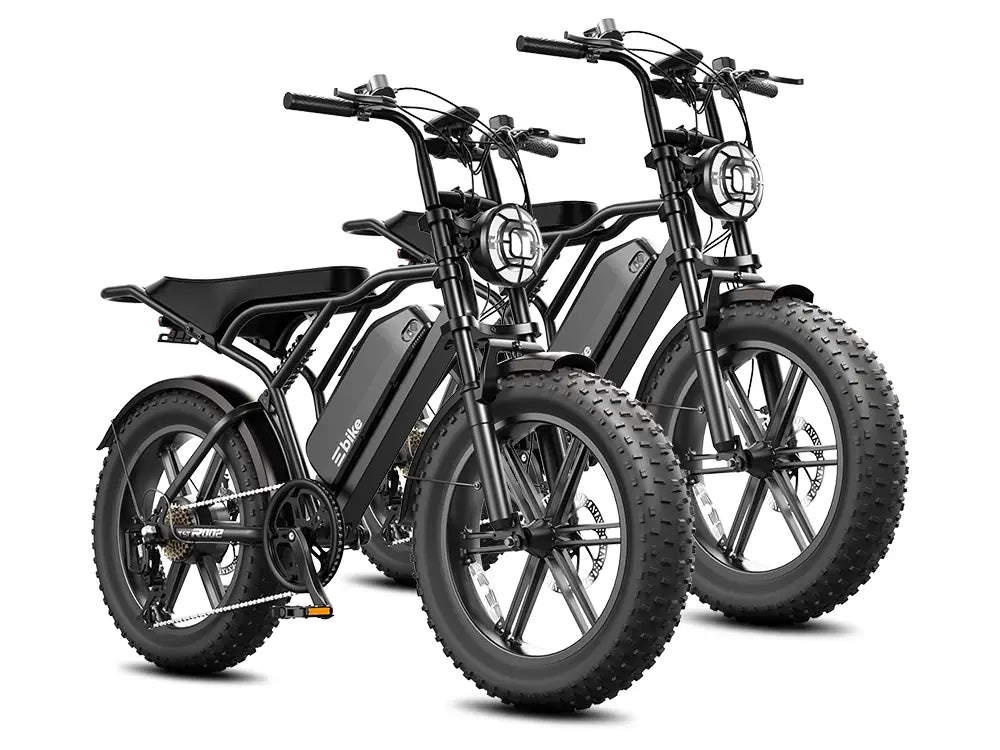
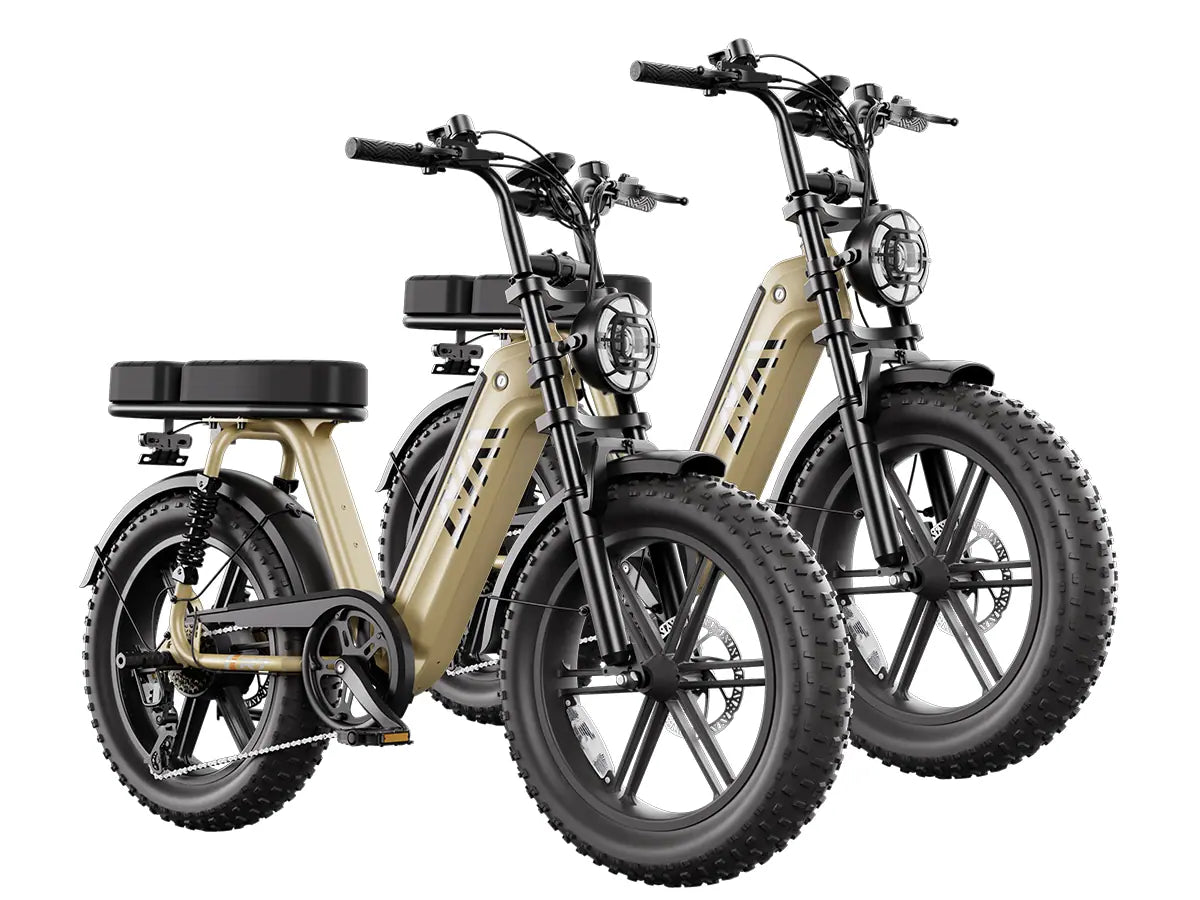
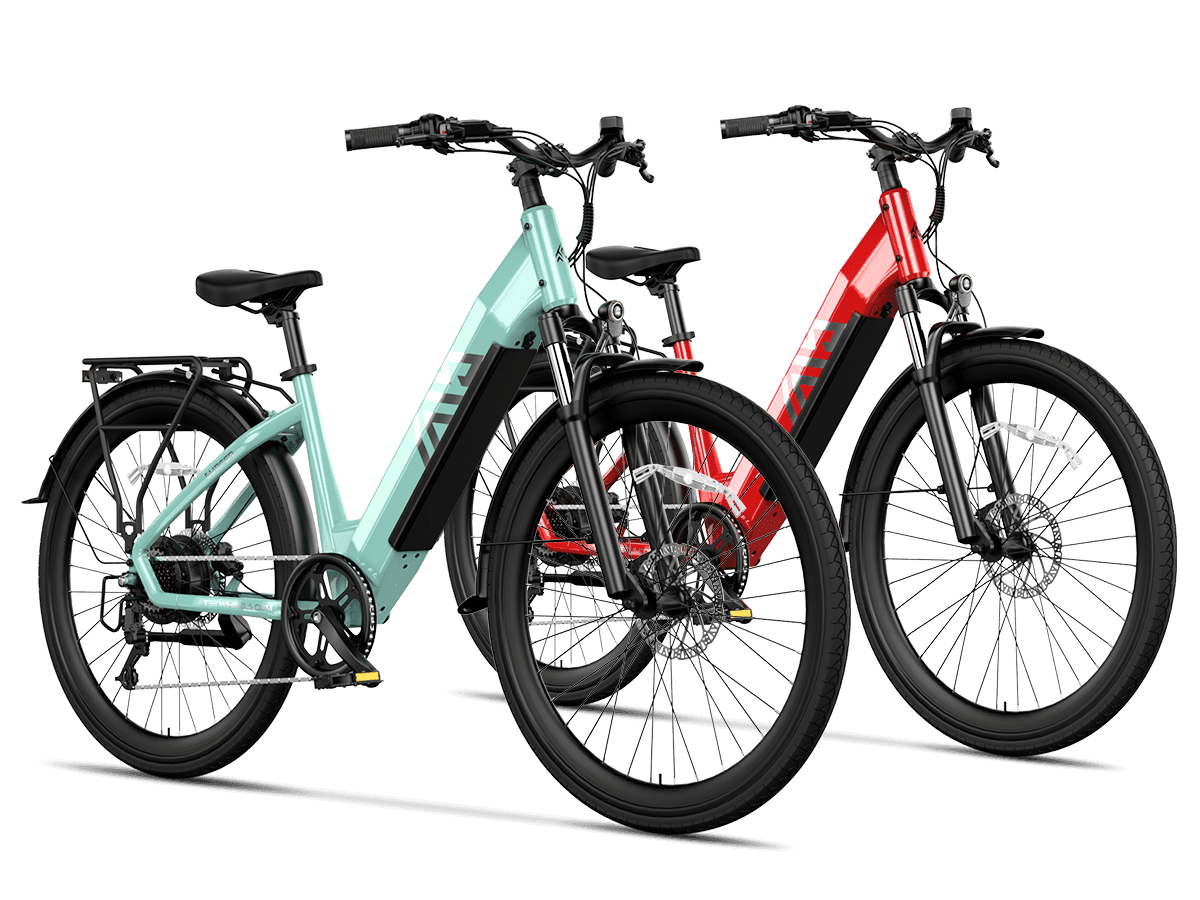
Fat‑tire designs, step‑through frames, and full‑suspension options give TST bikes resilience on rough surfaces, from snow and sand to broken asphalt. Rental operators benefit from reduced damage and better rider comfort, which translates into higher repeat usage.
Quality control and warranties
TST Ebike emphasizes strong quality assurance and offers solid warranties on its products. This helps fleet managers project maintenance costs and ensures users get reliable bikes, a crucial factor for subscription‑style rentals that must deliver trust every day.
How might TST Ebike rental work in practice?
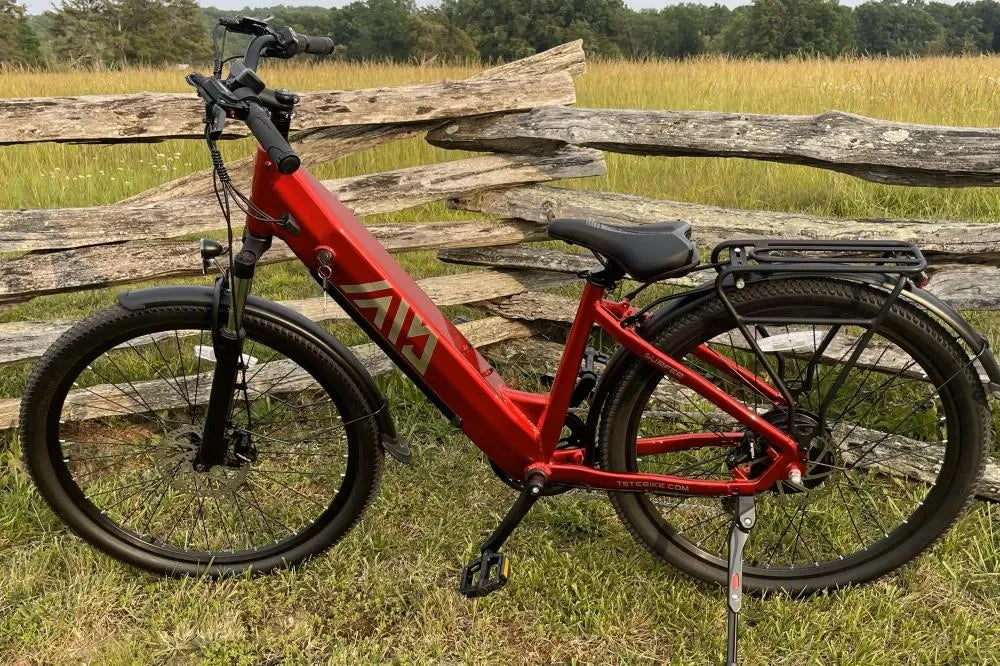
“A commuter rents a TST step‑through ebike for a month, cuts commute time by 30%, and spends less than half of their usual parking and fuel budget.”
“A tourist family uses TST fat‑tire ebikes for two days, exploring coastal routes that would have been tedious or impossible on foot or by car.”
“A local business integrates TST cargo and moped‑style ebikes into its delivery operations, replacing short urban van trips with quiet, efficient rides.”
Which other TST Ebike products pair well with rental concepts?
Rental and subscription services thrive when they offer choice. TST Ebike’s catalog includes models that suit commuters, adventure riders, and compact urban users. The All Products collection showcases commuting‑friendly designs with 27‑inch wheels as well as 26‑inch fat‑tire bikes for snow, sand, or trail‑heavy cities.
Special promotions listed in TST Ebike’s offer sections can help operators or shops acquire fleets at lower cost, improving the economics of rental programs. Meanwhile, moped‑style cargo bikes and folding models in TST’s broader ecosystem offer easy storage, flexible usage, and attractive ergonomics for riders of varied heights and ages.
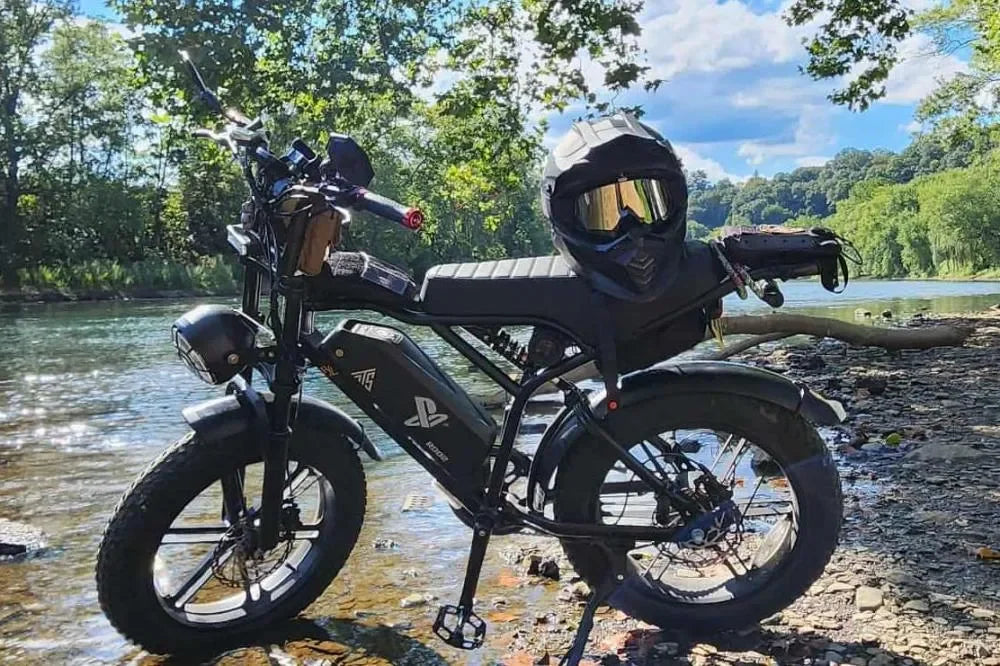
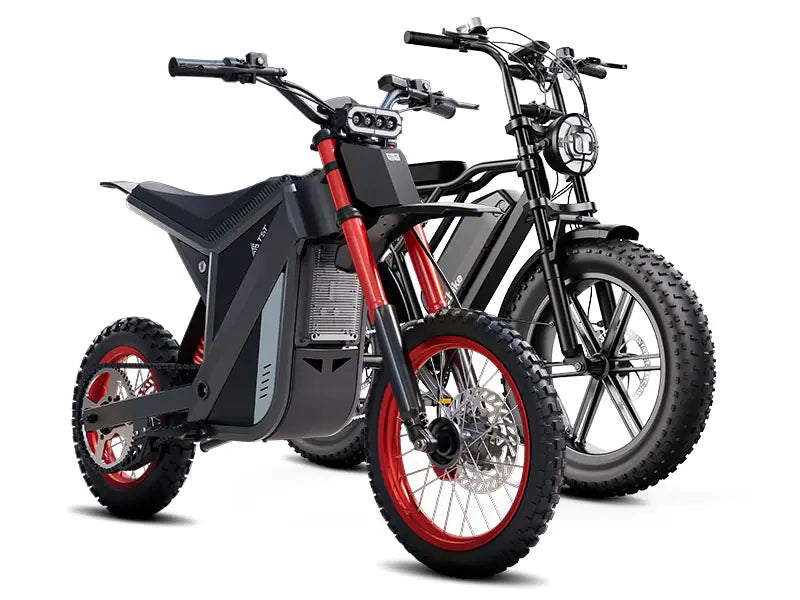
For cross‑selling, a shop might rent mid‑range commuter ebikes while offering high‑power TST electric dirt bikes for weekend off‑road experiences. Riders who start with rentals can later purchase their favorite model, letting the brand convert shared‑use exposure into long‑term ownership where appropriate.
How can a rider start using ebike rental effectively?
-
Define travel patterns
List your most common trips: daily commutes, errands, and leisure rides. Note distances, hills, and typical traffic so you know what kind of ebike you need. -
Check local rental or subscription options
Look for shops or platforms that use durable, high‑quality bikes similar to those from TST Ebike, focusing on hill performance and comfort rather than just price. -
Choose the right bike type
Select step‑through commuter models for city routes, fat‑tire designs for mixed terrain, or moped‑style cargo bikes if you often carry gear or passengers. -
Test ergonomics and features
Adjust saddle height, handlebar reach, and PAS levels to find a comfortable setup. Ensure brakes, lights, and tires match your local road conditions. -
Monitor cost vs benefit
Compare rental fees against saved fuel, parking, and time. Track whether ebike rental reduces stress and improves reliability across several weeks. -
Consider transitioning to ownership
If usage is high and predictable, evaluate whether buying a TST Ebike model that mirrors your rental bike makes long‑term sense, leveraging the brand’s warranty and quality control.
What scenarios show the value of TST Ebike in rental‑style use?
Scenario 1: Urban commuter
-
Traditional approach
Daily car or public transport commute with variable traffic, parking fees, and delays, especially in dense downtown cores. -
With TST Ebike rental‑style access
Commuter uses a high‑torque TST step‑through ebike, cutting door‑to‑door time and avoiding parking costs. Electric assist flattens hills, and suspension reduces fatigue, making cycling viable every weekday.
Scenario 2: Mixed‑terrain weekend rider
-
Traditional approach
Occasional long rides require car trips to trailheads, fuel expenses, and complex logistics to carry traditional bikes. -
With TST Ebike rental‑style access
Rider picks a 26‑inch fat‑tire TST Ebike that handles gravel, sand, and light snow. Rental or subscription removes the need for storage at home, while high‑power motors turn steep climbs into manageable fun.
Scenario 3: Small business deliveries
-
Traditional approach
Short urban deliveries rely on vans or scooters, facing parking challenges, emissions restrictions, and rising operating costs. -
With TST Ebike rental‑style access
Business adopts moped‑style TST cargo ebikes from a fleet provider. Riders navigate narrow streets and bike lanes easily, operating quietly and at low emissions. Subscription models make scaling up or down simple as demand changes.
FAQ: Ebike rental and TST Ebike
Is ebike rental cheaper than owning a car for city commuting?
For typical urban commutes, ebike rental or subscription often costs significantly less than car ownership when you factor fuel, parking, insurance, and maintenance, especially over several months or years.
How does ebike rental compare to buying a TST Ebike outright?
Rental avoids upfront costs and lets you switch models, while ownership of a TST Ebike provides continuous access, warranty protection, and customization. Many riders start with rentals, then buy once they identify their ideal bike type.
Can ebike rental handle steep hills and heavy riders?
With high‑power, high‑torque models similar to those in the TST Ebike catalog, rental fleets can manage steep grades and mixed rider weights. It is important that operators choose robust hardware rather than ultra‑budget frames.
What should I look for in an ebike rental provider?
Prioritize well‑maintained bikes with good brakes, lighting, and batteries, plus clear policies on damage and support. Providers using quality brands like TST Ebike tend to deliver more reliable performance and safer rides.
Are ebike rental schemes suitable for tourists and occasional riders?
Yes, rental is ideal for visitors and occasional riders because it offers flexible access without storage or long‑term commitments. High‑comfort, step‑through ebikes make it easy for less experienced cyclists to join.
Does TST Ebike support long‑range or high‑power use for rental models?
TST Ebike focuses on high‑power, cost‑effective electric bikes, with multiple models designed for strong hill performance and robust range. When incorporated into rental fleets, these bikes help users tackle longer and more demanding routes confidently.
What is the bottom line on ebike rental and TST Ebike?
Ebike rental is emerging as a practical, cost‑effective way to reduce congestion, cut emissions, and improve mobility in cities worldwide. When rental or subscription services are built around solid hardware from brands like TST Ebike, riders gain access to real hill‑climbing ability, comfortable ergonomics, and dependable performance without steep upfront costs. For commuters, travelers, and small businesses, this mix of flexibility and quality turns ebike rental from a niche novelty into a mainstream tool for everyday life.
How should riders take action today?
If you are considering ebike rental, start by mapping your key routes and identifying where car trips feel wasteful or stressful. Then look for local providers or subscription platforms that use durable bikes aligned with TST Ebike’s high‑power, quality‑controlled standards. A few weeks of riding can reveal whether this mode suits your lifestyle—and if it does, you will already know which features and models to prioritize should you later step up to owning your own TST Ebike.
TST Ebike, backed by TST GRP LLC, aims to make high‑performance electric mobility more accessible, whether you ride via a fleet, a subscription, or your own bike.
Sources
Precedence Research — Global E-bike Market 2025
IEA — Global EV and Micromobility Outlook 2024
McKinsey — The Future of Micromobility 2023
Statista — Bicycle Sharing and E-bike Rental Data 2024
World Resources Institute — E-bike Policies and Urban Transport 2023
TST Ebike — Official Homepage
TST Ebike — All Ebikes Collection
TST Ebike — Collections Overview
TST Ebike — Special Offer Page

Leave a comment
This site is protected by hCaptcha and the hCaptcha Privacy Policy and Terms of Service apply.