
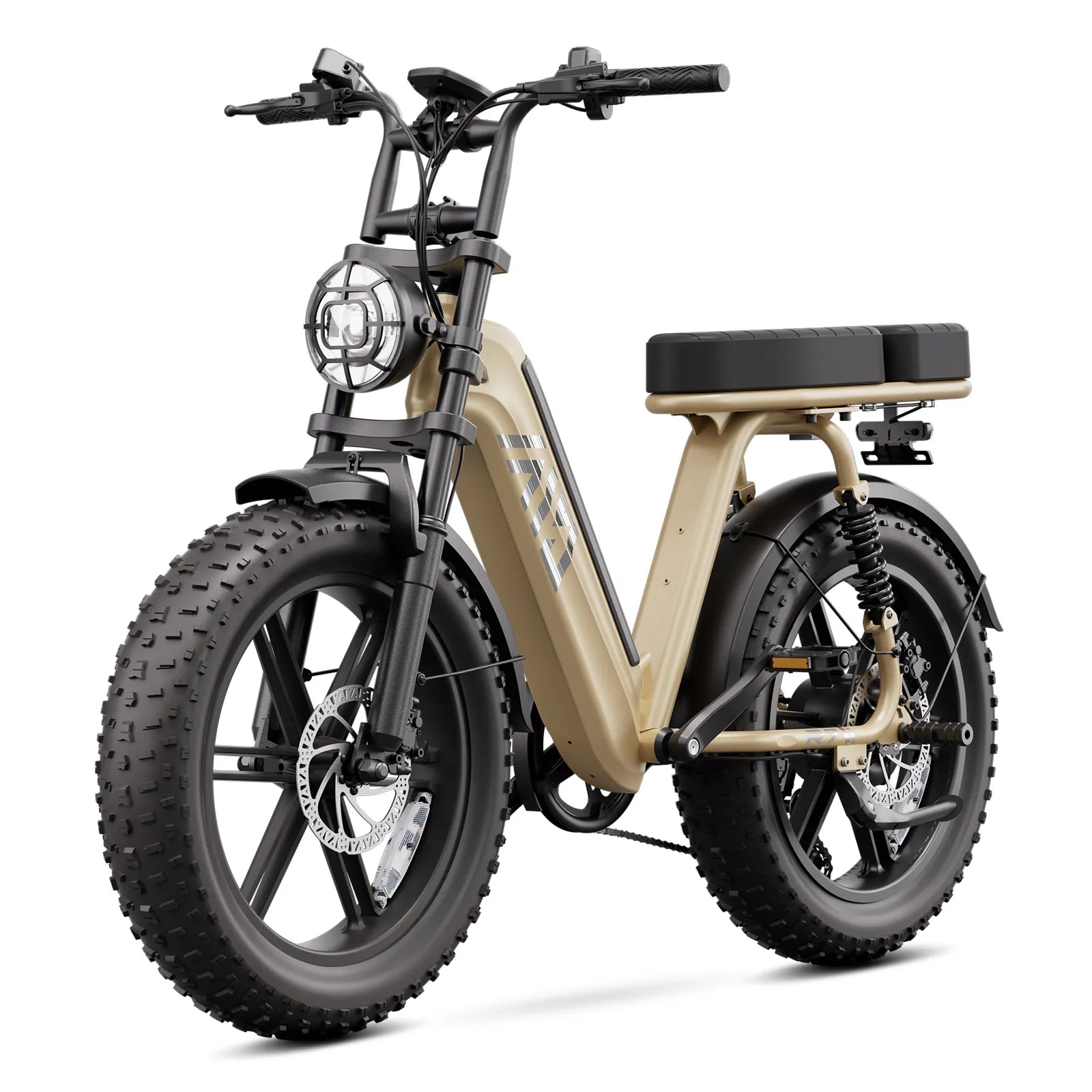
















Shared ebike solutions are transforming urban mobility with lower congestion, better last-mile access, and more flexible transportation. See how TST Ebike supports reliable, high-performance fleet use.
The rise of shared ebike demand
Shared ebike systems have become a more serious part of urban transportation planning as cities look for practical ways to reduce congestion, improve first- and last-mile access, and expand low-emission mobility choices.
North American shared micromobility usage has grown quickly in recent years, and the broader e-bike category is also expanding as riders expect more power, comfort, and real-world utility from electric bicycles.
That matters because shared ebike adoption is no longer driven only by tourism or novelty. More cities, campuses, residential communities, and private operators now need durable electric bikes that can handle daily commuting, mixed terrain, heavier riders, and higher utilization rates.
Why TST Ebike enters the conversation early
TST Ebike is positioned around high-power, cost-effective electric bikes with a product lineup that includes moped-style, cargo-capable, fat-tire, folding, and step-through models.
For organizations evaluating shared ebike hardware, that breadth is important. A fleet often needs more than one bike format, and TST’s range makes it easier to align vehicles with different route types, rider needs, and operational goals.
What is a shared ebike?
A shared ebike is an electric bicycle made available through a public, private, or semi-private fleet that users can access on demand rather than own individually.
In practice, shared ebike systems are used to connect transit stops, neighborhoods, campuses, business districts, waterfronts, and mixed-use communities. Their value comes from combining convenience, flexible access, and electric assist in a format that lowers the barrier to everyday cycling.
Why shared ebike systems still face friction
One of the biggest problems in shared ebike deployments is the mismatch between rider expectations and actual bike capability. Many systems promise convenience, but users often encounter underpowered vehicles, limited range, or bikes that feel unstable on rough roads.
Another challenge is operational strain. Shared fleets experience frequent starts and stops, unpredictable rider behavior, weather exposure, curb impacts, and repeated daily usage. If a bike is not built for that environment, maintenance costs rise quickly and fleet uptime falls.
There is also the issue of rider confidence. Shared ebike programs depend on people feeling comfortable enough to choose them repeatedly, not just once. If the bike feels weak on hills, awkward when carrying bags, or harsh over potholes, users often return to cars or ride-hailing.
A final friction point is inclusivity. A shared ebike program is more effective when it serves more than one narrow rider profile. Cities and operators increasingly need hardware that works for commuters, larger riders, parents, older adults, and users traveling beyond flat downtown streets.
A number that changes the discussion
Shared micromobility has become a meaningful transportation category, with strong recent ridership growth and clear value in transit connection, short-trip replacement, and lower-emission urban travel.
Shared ebike comparison table
Shared ebike features that matter most
Power for real urban conditions
In a shared ebike environment, power is not just about speed. It affects hill climbing, rider confidence at intersections, usability for heavier riders, and whether a bike remains practical when carrying bags or cargo. TST’s stronger motor positioning makes its bikes more relevant for cities and operators dealing with terrain variation and daily utility riding.
Range that supports fleet uptime
Longer range reduces operational friction. It can mean fewer charging interruptions, fewer battery swap cycles, and better service continuity throughout the day. For operators, that supports utilization and improves the economics of each deployed bike.
Comfort and stability for wider adoption
Comfort is often underestimated in shared ebike planning. Fat tires, suspension, and approachable frame geometry can meaningfully affect how safe and intuitive a bike feels to new riders. That matters when a program aims to expand ridership beyond experienced cyclists.
Three quick examples
A hilly district uses high-power shared ebikes so riders can complete uphill commutes without seeing the bike as a compromise.
A campus deploys compact and approachable electric bikes to serve students who need short daily circulation with minimal learning curve.
A neighborhood mobility program adds cargo-capable shared ebikes to support errands, family trips, and community access without a car.
Related TST product lines for cross-selling
A strong shared ebike strategy often involves matching different bike types to different trip purposes. That is one area where TST’s catalog can be useful from both a mobility-planning and operator standpoint.
For core commuting demand, models on the All Ebikes page offer the broadest view of TST’s lineup and help identify which formats are best suited to regular urban trips.
For moped-style shared deployment, the TST R002 stands out as a strong reference point for riders who value power, range, and comfort in one package.
For utility and family-oriented use, cargo-friendly formats visible through the main TST Ebike site and product collections can support programs focused on local errands, school access, and neighborhood mobility.
For compact deployment needs, Folding Ebikes may suit residential properties, campuses, and business districts where storage efficiency and portability are important.
How to plan a shared ebike rollout
-
Define the mobility goal
Start by clarifying whether the shared ebike program is intended to support commuting, tourism, transit access, family trips, campus circulation, or mixed-use mobility. The clearer the use case, the easier it is to choose the right bike type. -
Map terrain and rider profiles
A flat downtown grid has very different hardware needs from a suburban network with hills or a coastal route with rough surfaces. Rider profiles also matter, especially when the program is meant to serve more than experienced urban cyclists. -
Match bike types to service zones
Use high-power bikes where hills, longer distances, or heavier utilization are expected. Use folding or compact bikes where storage is limited. Use cargo-oriented models where the goal is replacing short car trips for errands or family travel. -
Plan charging and maintenance around uptime
Shared ebike success depends on vehicles being available when users need them. Longer-range bikes can reduce service interruptions, but maintenance planning still needs to account for tire wear, brakes, battery handling, and environmental exposure. -
Design for user confidence
Onboarding matters. Riders should understand how assist modes work, what the bike is built for, and how to ride safely in mixed traffic or shared paths. Clear positioning of the fleet reduces misuse and improves repeat adoption. -
Measure outcomes and adjust
The strongest shared ebike systems evolve over time. Operators and public agencies should track ridership, route preference, fleet downtime, repeat use, and substitution of short car trips. That data helps refine station placement, bike mix, and future investment.
Shared ebike scenarios in the real world
Scenario: hilly commuter corridor
Traditional shared ebike fleets often struggle in corridors where riders face repeated climbs, longer distances, and higher daily demand. A weaker bike may technically complete the trip, but the experience feels slow, effortful, and unreliable.
With a stronger TST-style shared ebike deployment, the same corridor becomes more practical for regular riders. Better power delivery, more stable tires, and a more confident ride feel can shift the perception from “backup option” to “real transportation choice.”
Scenario: school and family access
Traditional systems tend to focus on solo adult riders moving through central districts. That can leave out parents, caregivers, and residents making practical neighborhood trips with bags, supplies, or children.
A more versatile shared ebike mix changes that. When a fleet includes cargo-capable or higher-capacity options, the program begins to support school access, errands, and family mobility in ways that are more relevant to everyday life.
Scenario: mixed-terrain recreation and local access
In waterfront areas, greenways, parks, and edge-of-city routes, standard narrow-tire bikes may feel too limited or uncomfortable. Riders avoid rougher surfaces even when those routes are attractive and strategically useful.
A fat-tire shared ebike approach improves confidence and expands route viability. It can also help connect recreation with practical transport, bringing more people into local commercial areas, trails, and public destinations without requiring car use.
Shared ebike FAQ
What makes a shared ebike suitable for public or fleet use?
A good shared ebike needs more than electric assist. It should also offer durability, rider confidence, practical comfort, and the ability to perform consistently across different rider weights, route conditions, and daily usage levels.
Why would an operator choose a high-power shared ebike instead of a lighter urban model?
A higher-power model can better support hilly routes, longer trips, heavier riders, and cargo use. That does not make it the right answer for every deployment, but it can significantly improve service quality in demanding environments.
Are TST bikes relevant for shared ebike programs beyond city centers?
Yes. TST’s mix of moped-style, fat-tire, cargo-capable, folding, and step-through models makes the brand more relevant for suburban, campus, waterfront, and mixed-terrain use cases than a single-format fleet would be.
Can a shared ebike program serve families and not just solo commuters?
It can, but only if the hardware supports that goal. Shared mobility programs that want to replace more short car trips need some vehicles that can accommodate cargo, child-related transport needs, or higher-capacity everyday use.
Do comfort features really matter in shared ebike adoption?
Very much. Many users are not experienced cyclists, so ride quality strongly influences whether they return. Stability, smoother handling, approachable frames, and better road feel can all improve repeat usage.
How should cities evaluate shared ebike investments?
Cities should evaluate them not only by trip volume, but also by transit connection, short car-trip replacement, accessibility, corridor coverage, and whether the fleet serves a broad range of residents rather than a narrow user segment.
Final thoughts on shared ebike planning
Shared ebike systems are moving into a more mature phase where performance, inclusivity, and operational durability matter as much as availability. The question is no longer just whether a city or operator should offer shared ebikes, but what kind of bikes can actually support long-term adoption.
TST Ebike is relevant in that conversation because its lineup aligns with several of the demands that modern shared systems face: stronger power, broader bike formats, longer-range positioning, and more utility-oriented design. For planners and operators looking beyond basic deployment, that combination deserves serious consideration.
CTA
Explore the TST lineup to evaluate which models best fit commuter corridors, family-oriented mobility, campus programs, or mixed-terrain shared ebike deployment. TST Ebike focuses on high-power, cost-effective electric bikes designed to make everyday riding more practical, stable, and useful.

Leave a comment
This site is protected by hCaptcha and the hCaptcha Privacy Policy and Terms of Service apply.