
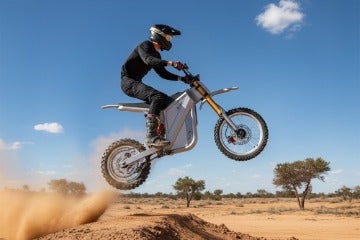

Green transportation can reduce car dependence for short trips. Explore practical e-bike options, safety steps, and TST models for commuting.
Green Transportation Is Moving Mainstream
Green transportation is no longer limited to public transit systems or occasional weekend cycling. Transportation remains one of the largest sources of greenhouse-gas emissions in the United States, while e-bike adoption continues to rise as households look for affordable ways to complete short trips without relying on a car.
For commuting, errands, school runs, recreation, and first- or last-mile connections, electric bicycles offer a practical middle ground. They can cover more distance than walking, reduce the physical barrier of hills compared with conventional cycling, and require far less parking space than a private vehicle.
A Practical TST Starting Point
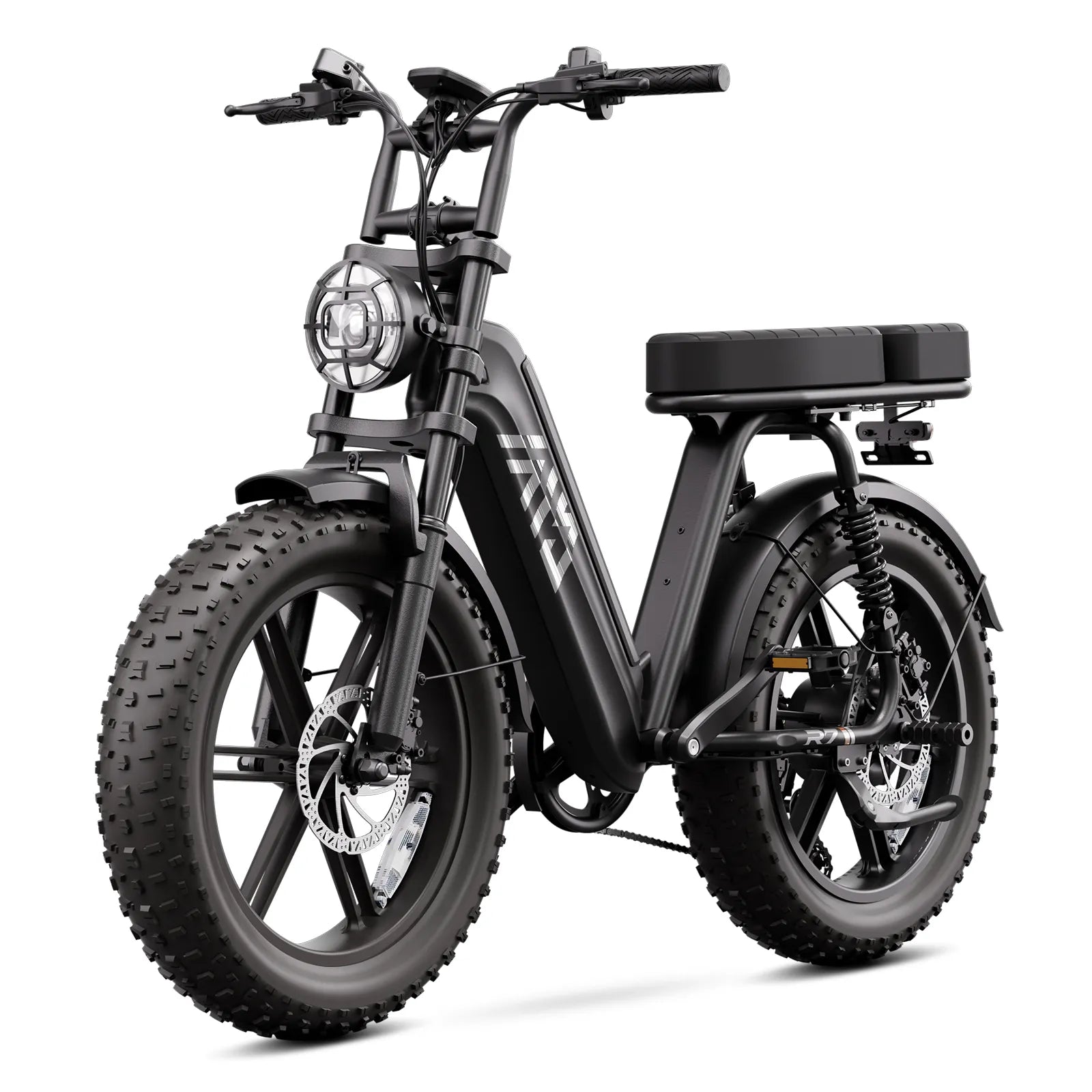
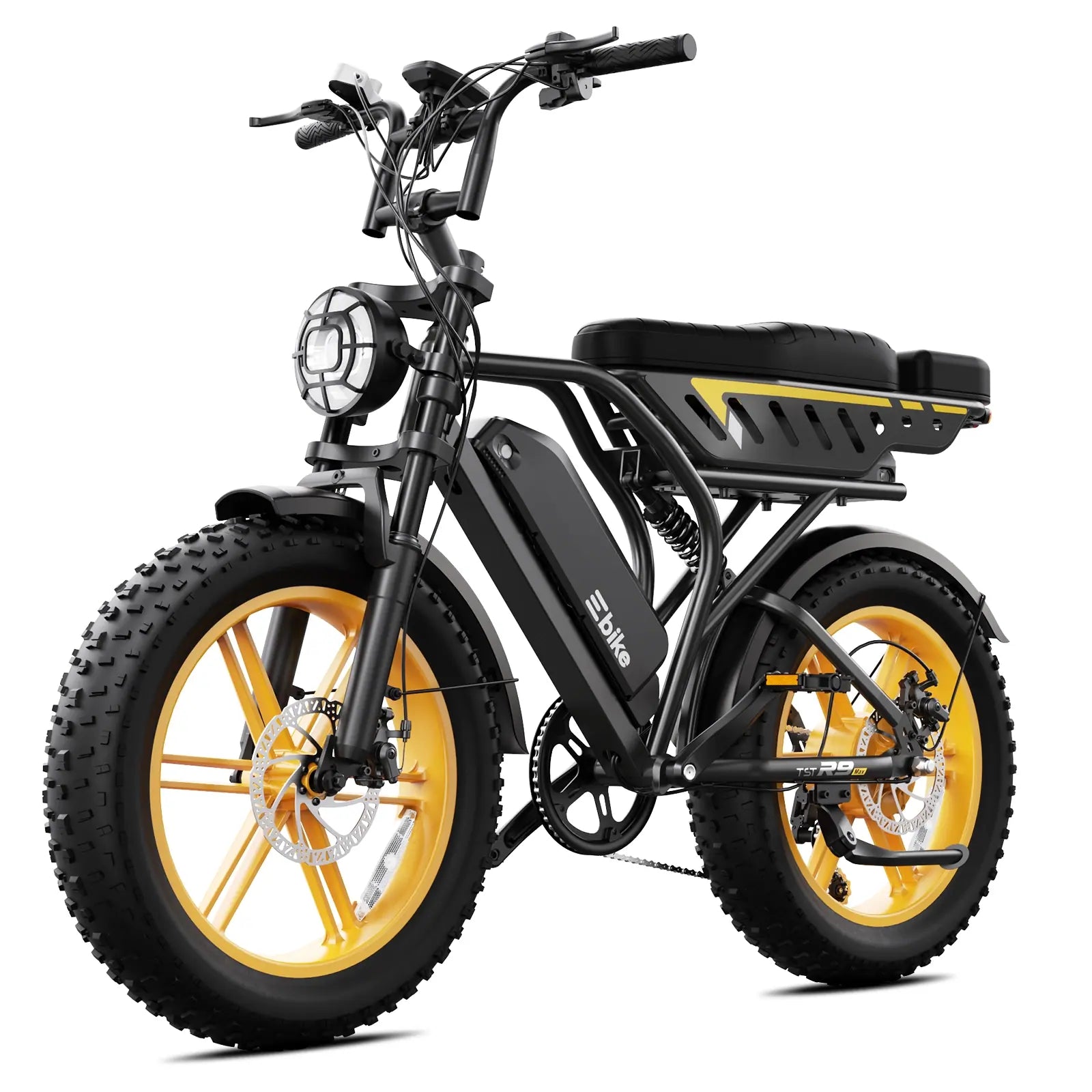
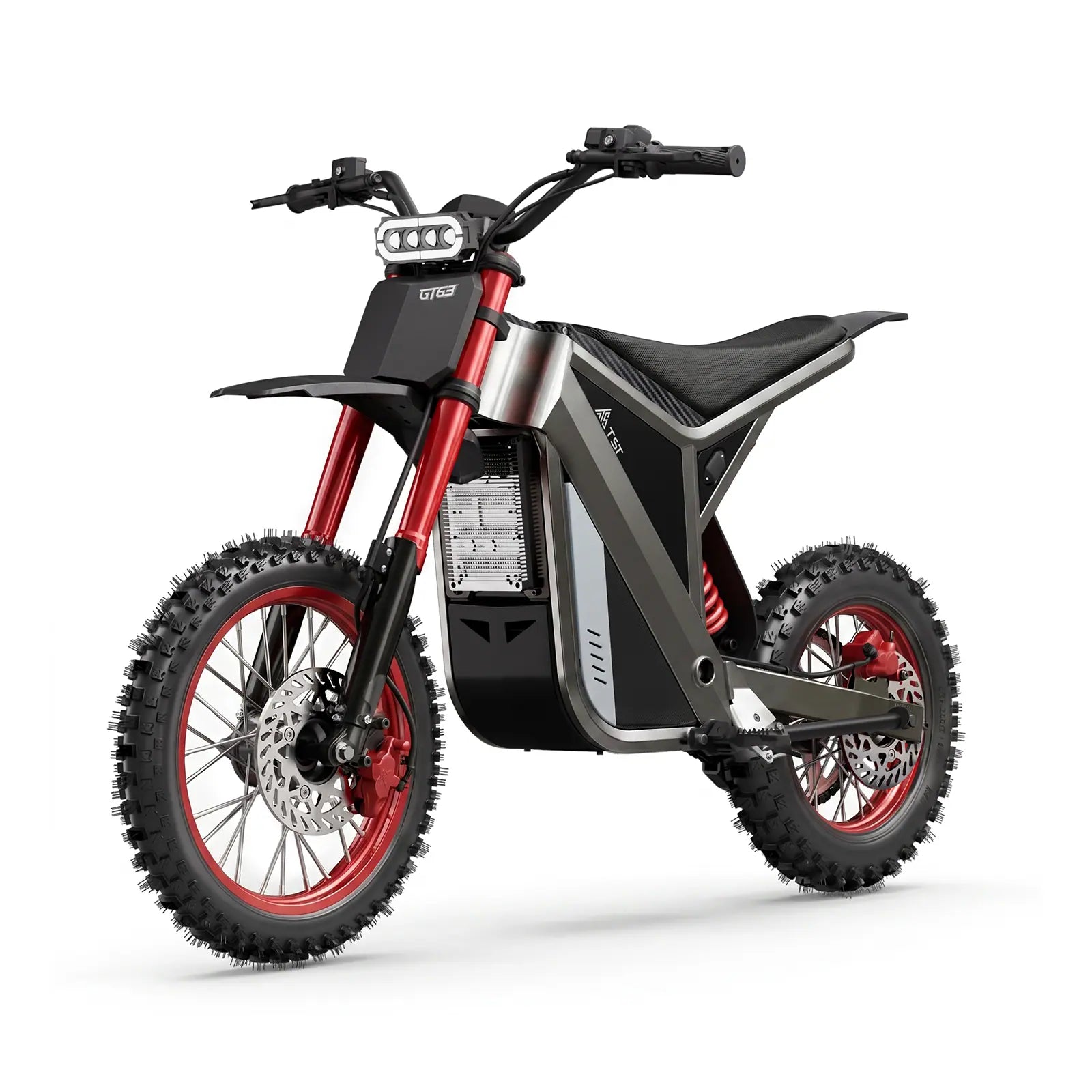
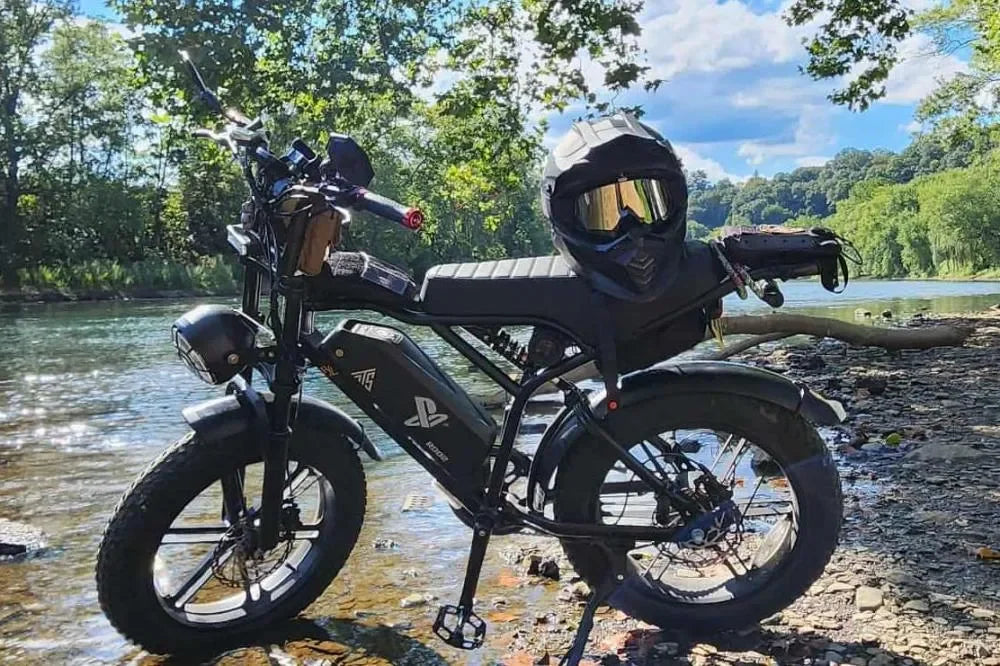
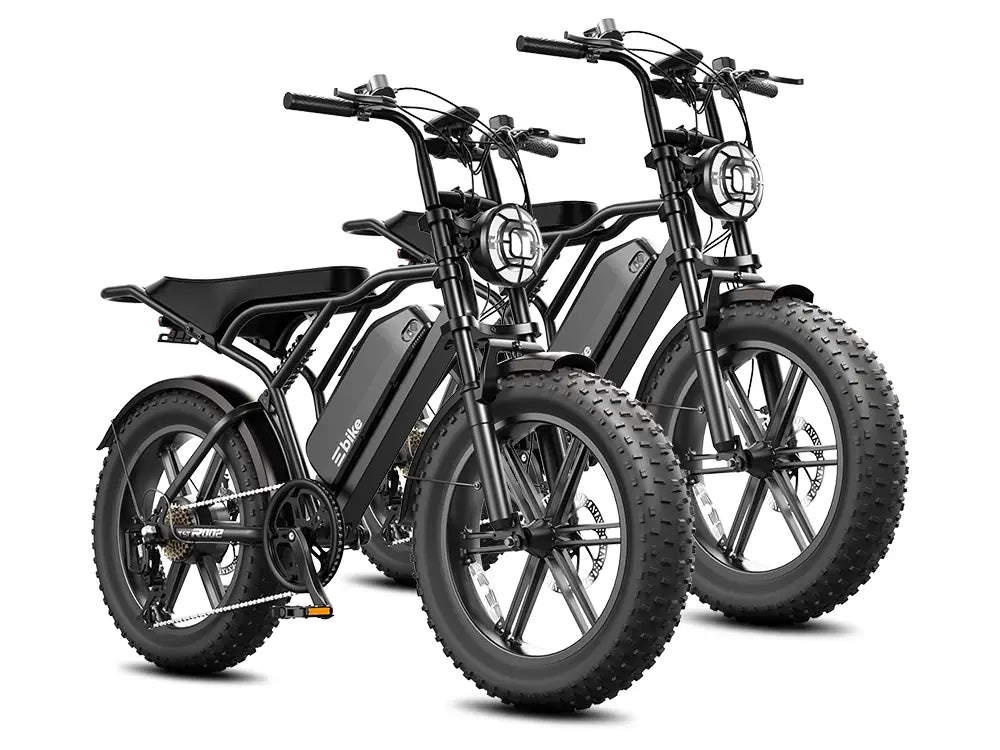
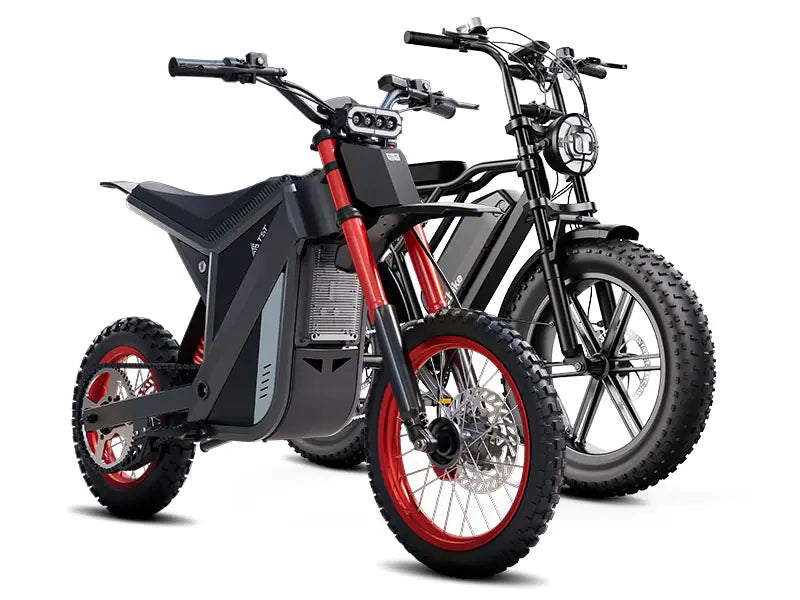
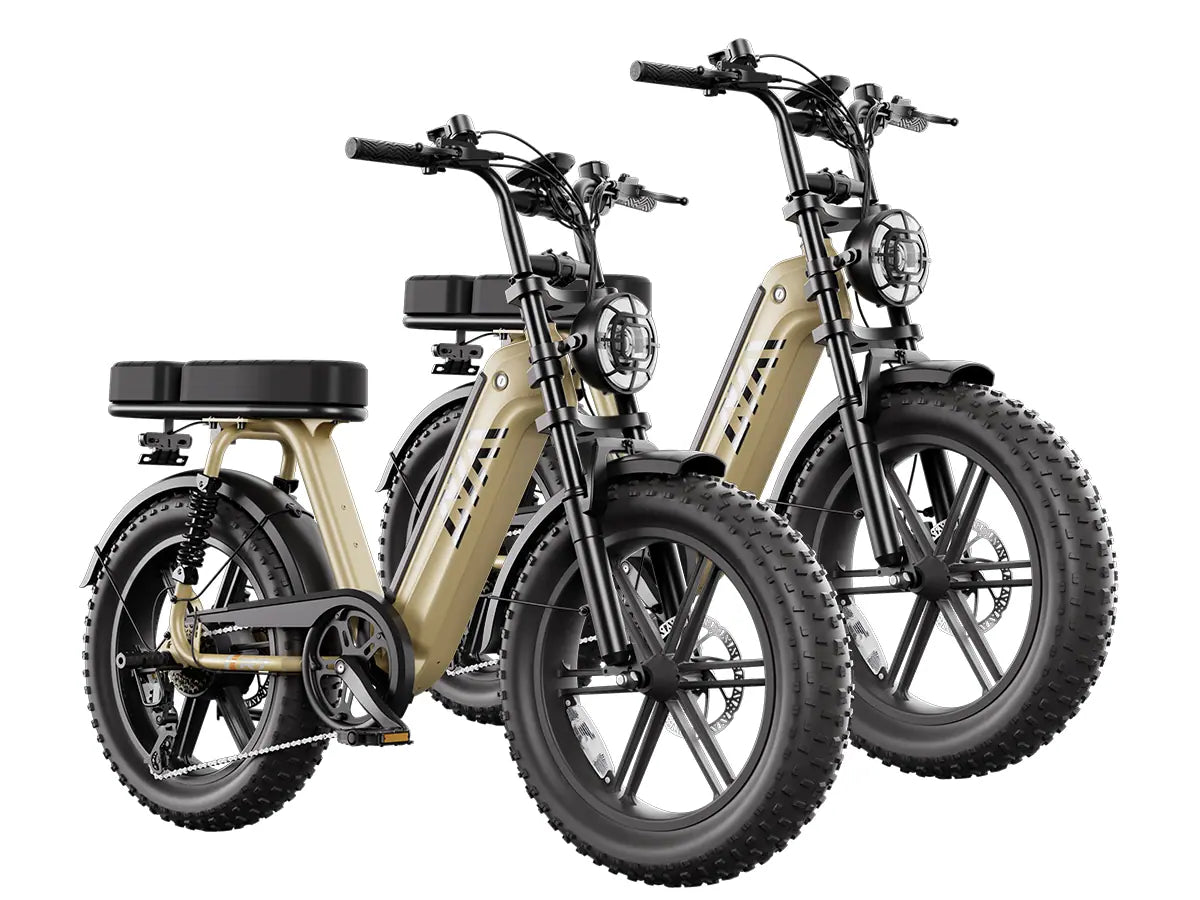
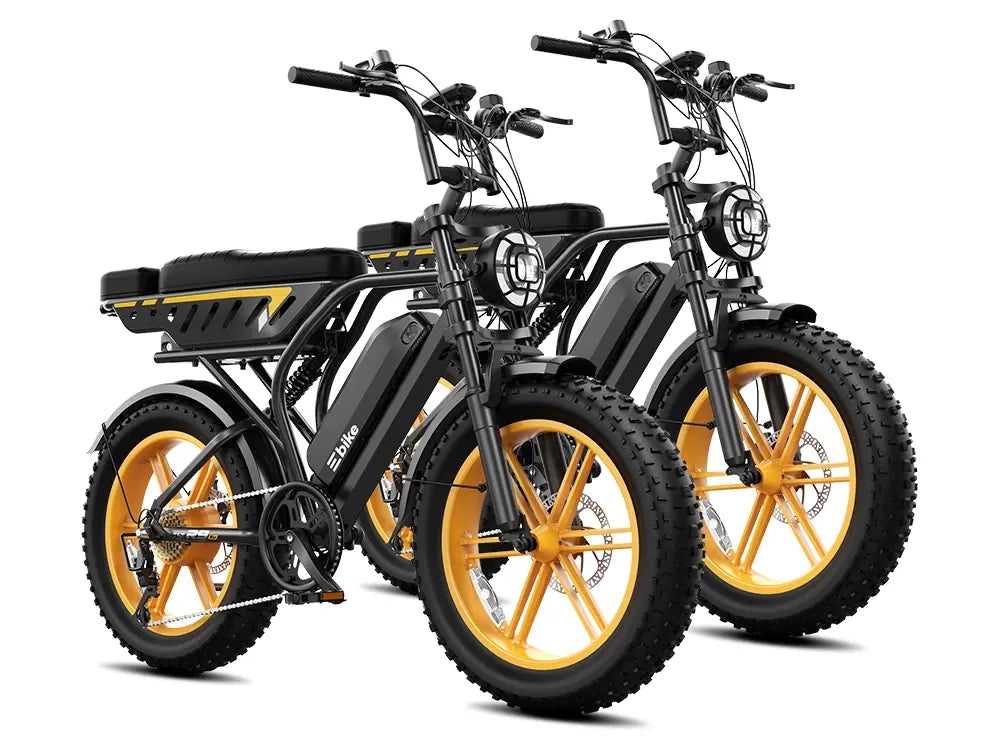
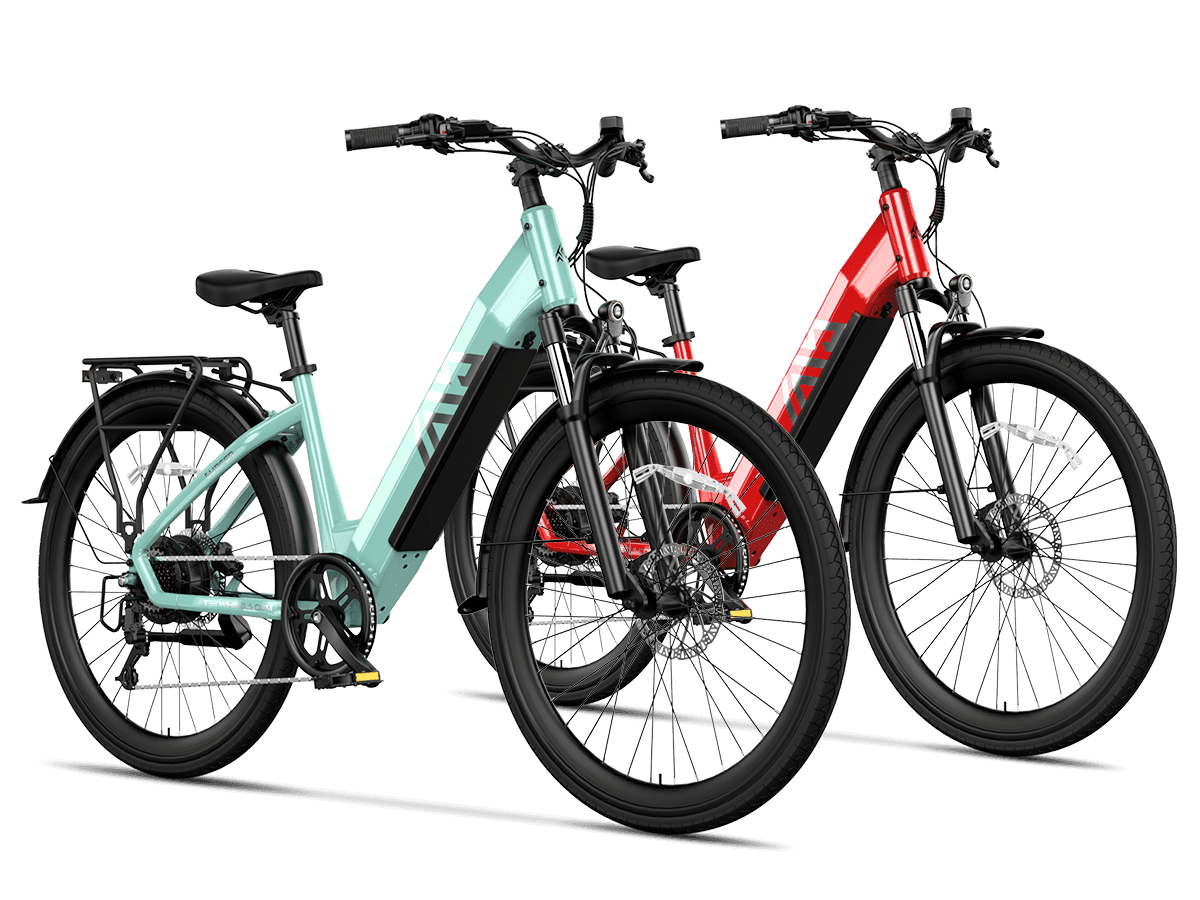
TST Ebike offers several formats designed for different green transportation needs, including moped-style models, cargo e-bikes, step-through commuters, fat-tire e-bikes, and folding models. This variety matters because daily mobility is not one-size-fits-all: some riders need cargo capacity, others prioritize storage, comfort, range, or a more stable riding feel.
The TST lineup includes the R002, Carrier, R7, R9, Defender, Dreamer, Surfer, Flyer, Buddy, and Buddy Pro. Listed sale prices on the brand website currently range from approximately $799 to $1,099 for selected models.
What Is Green Transportation?
Green transportation means moving people or goods in ways that reduce dependence on fossil-fuel vehicle travel, energy use, traffic congestion, and local air pollution. It includes walking, cycling, public transit, carpooling, electric vehicles, and electric bicycles used in place of suitable car trips.
Why Car-First Trips Are Difficult
Short driving trips often look convenient at first, but their real costs accumulate. Fuel, parking, insurance, maintenance, congestion, and vehicle depreciation can turn a quick two-mile errand into a costly routine. Even when a destination is close, drivers may spend additional time finding parking or sitting in traffic.
Access is another issue. Public transportation does not always reach every workplace, grocery store, school, trail, or appointment at a useful time. Walking is highly sustainable but may not be practical for longer routes, steep hills, hot weather, limited schedules, or heavier bags.
A conventional bicycle solves some of these challenges, yet not everyone wants to arrive at work sweaty or exhausted. Hills, headwinds, limited fitness confidence, and cargo needs can all discourage riders from replacing short car trips with a pedal-only bike.
Cargo is especially important. Groceries, work equipment, backpacks, packages, or passenger needs often lead households to use a car by default. A well-matched electric bicycle can make some of these trips more realistic without suggesting that every car journey should disappear.
Safety must remain central. Green transportation succeeds when riders choose suitable routes, wear appropriate protective gear, use visible lights, maintain their bike, and comply with local e-bike classifications and roadway rules.
The Statistic That Matters
Transportation accounted for 29% of total U.S. greenhouse-gas emissions in 2022, making lower-car travel options an important part of everyday climate action.
Green Transportation Options Compared
Green Transportation Features That Matter
Range that fits real routines
Range should match the rider’s actual round-trip distance rather than an idealized weekend route. Terrain, temperature, assist level, throttle use, tire pressure, cargo, wind, rider weight, and pedaling all affect how far an e-bike can travel between charges.
Cargo capacity without a car
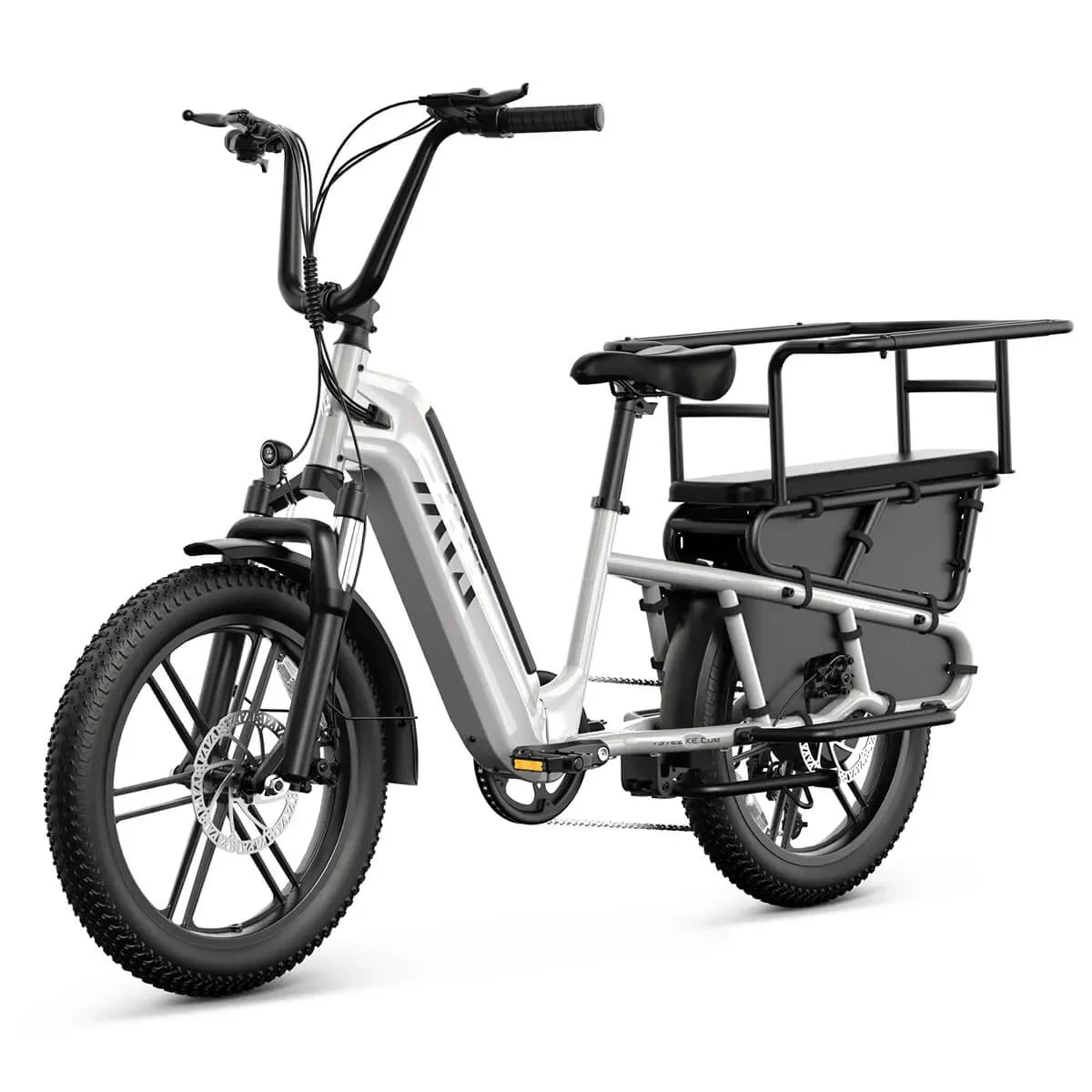
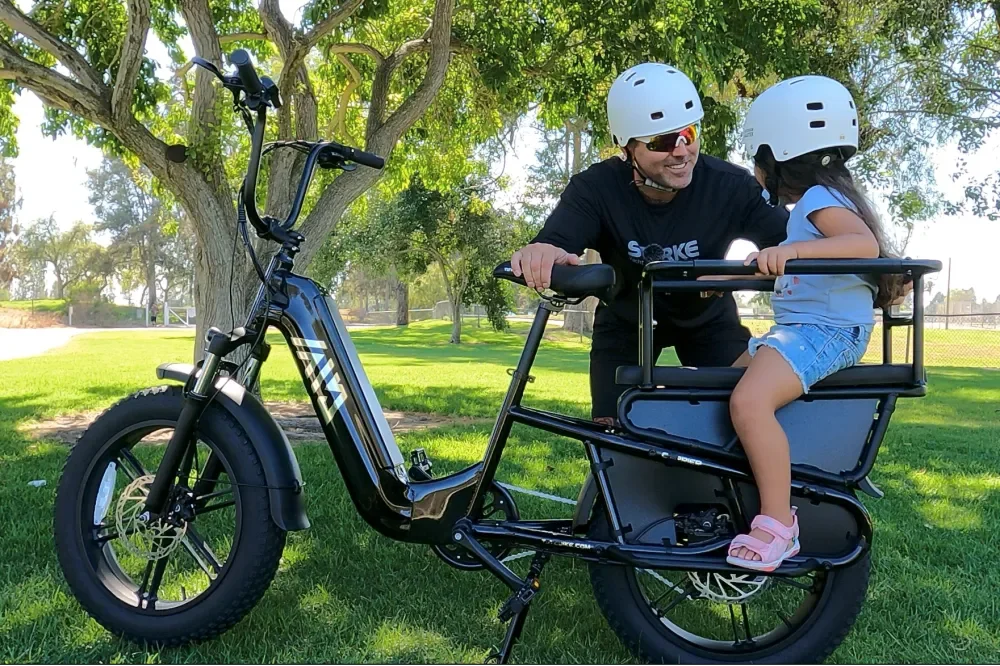
A cargo e-bike can make local errands more useful when it has stable carrying surfaces, compatible accessories, suitable braking performance, and a payload rating that fits the intended use. The TST Carrier is positioned for family and utility riding, with a listed maximum load of 450 pounds.
Comfort that encourages repeat use
A transportation choice only creates value when people use it consistently. Step-through frames, suspension, wide tires, a suitable saddle height, riding position, and reliable brakes can all make everyday riding feel less intimidating.
Three Everyday Examples
“A commuter rides to a rail station instead of paying for downtown parking.”
“A household uses a cargo e-bike for a small grocery run rather than starting the car.”
“A rider uses pedal assist on a hilly return trip while still contributing pedal power.”
Match the Bike to the Trip
For utility-focused households, the TST Carrier 20-inch cargo electric bike is a practical model to evaluate. TST lists a 1300W motor, up to 60 miles of pedal-assist range, 20-by-4-inch tires, hydraulic disc brakes, and a 450-pound maximum load.
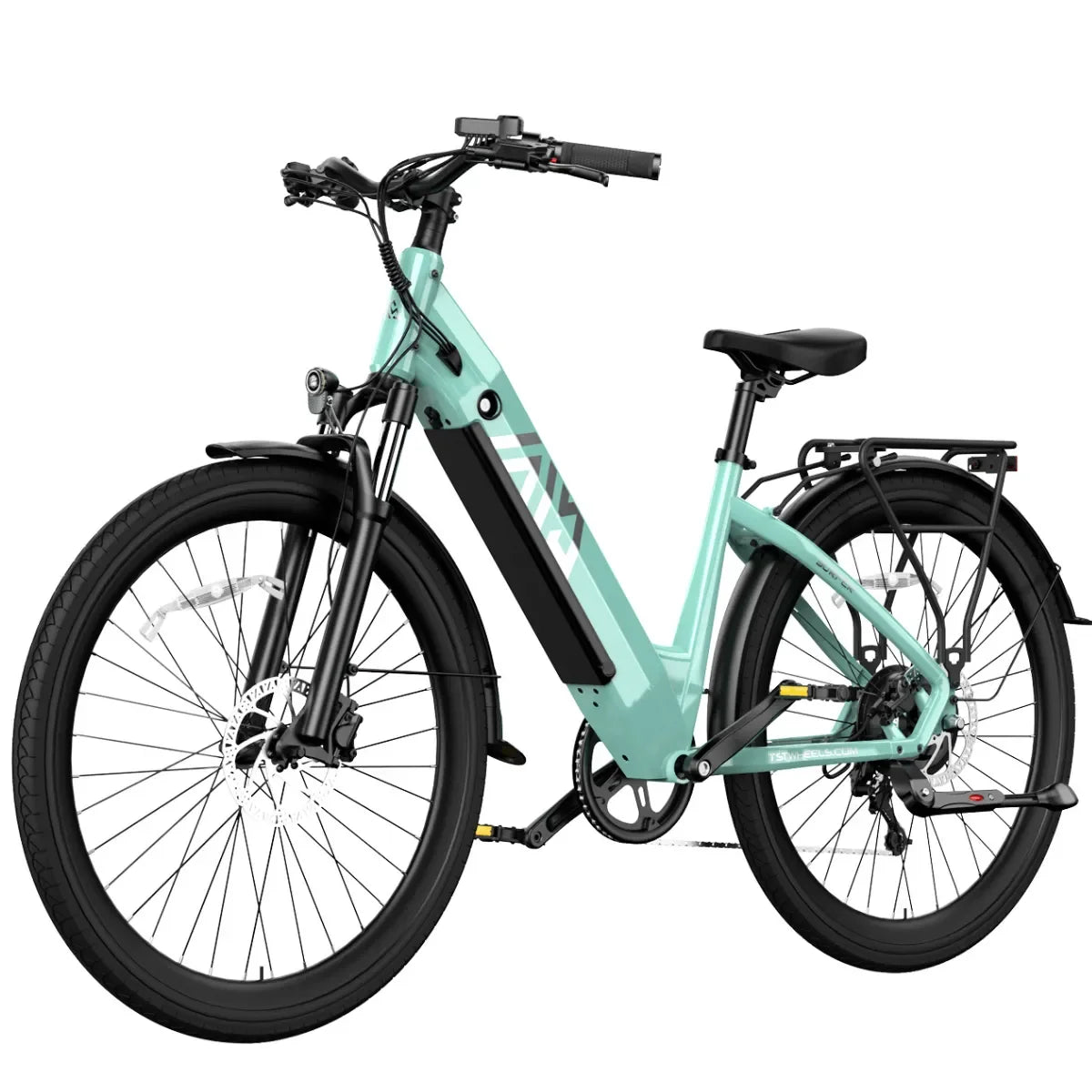
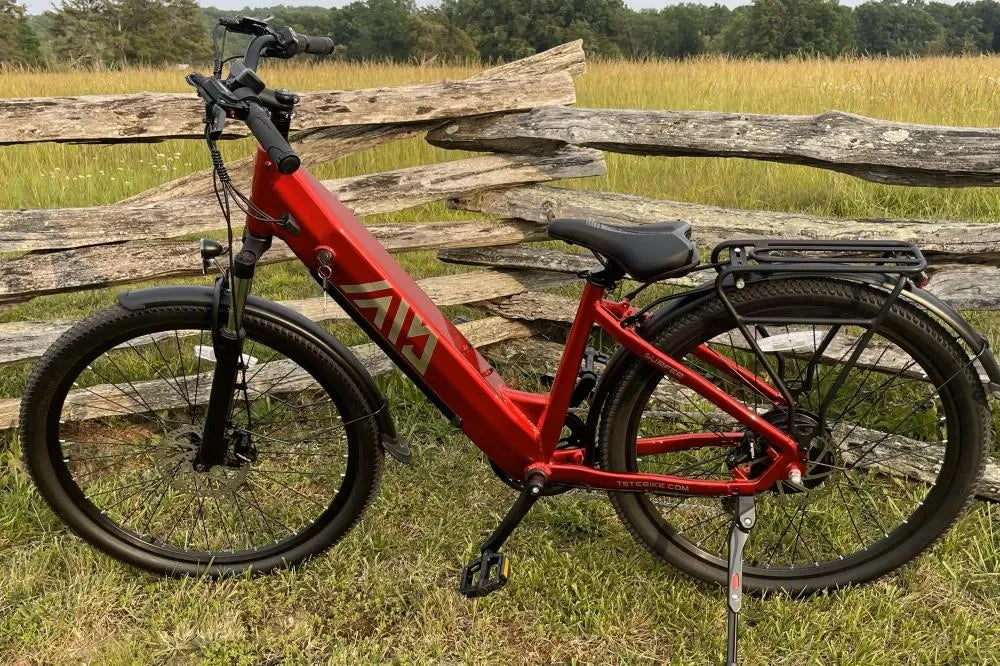
Riders looking for a commuter-oriented format may prefer the TST Surfer 27.5-inch step-through commuter e-bike. TST lists a 1000W motor, 70 Nm of torque, a removable 48V 15Ah battery, and up to 65 miles of stated range.
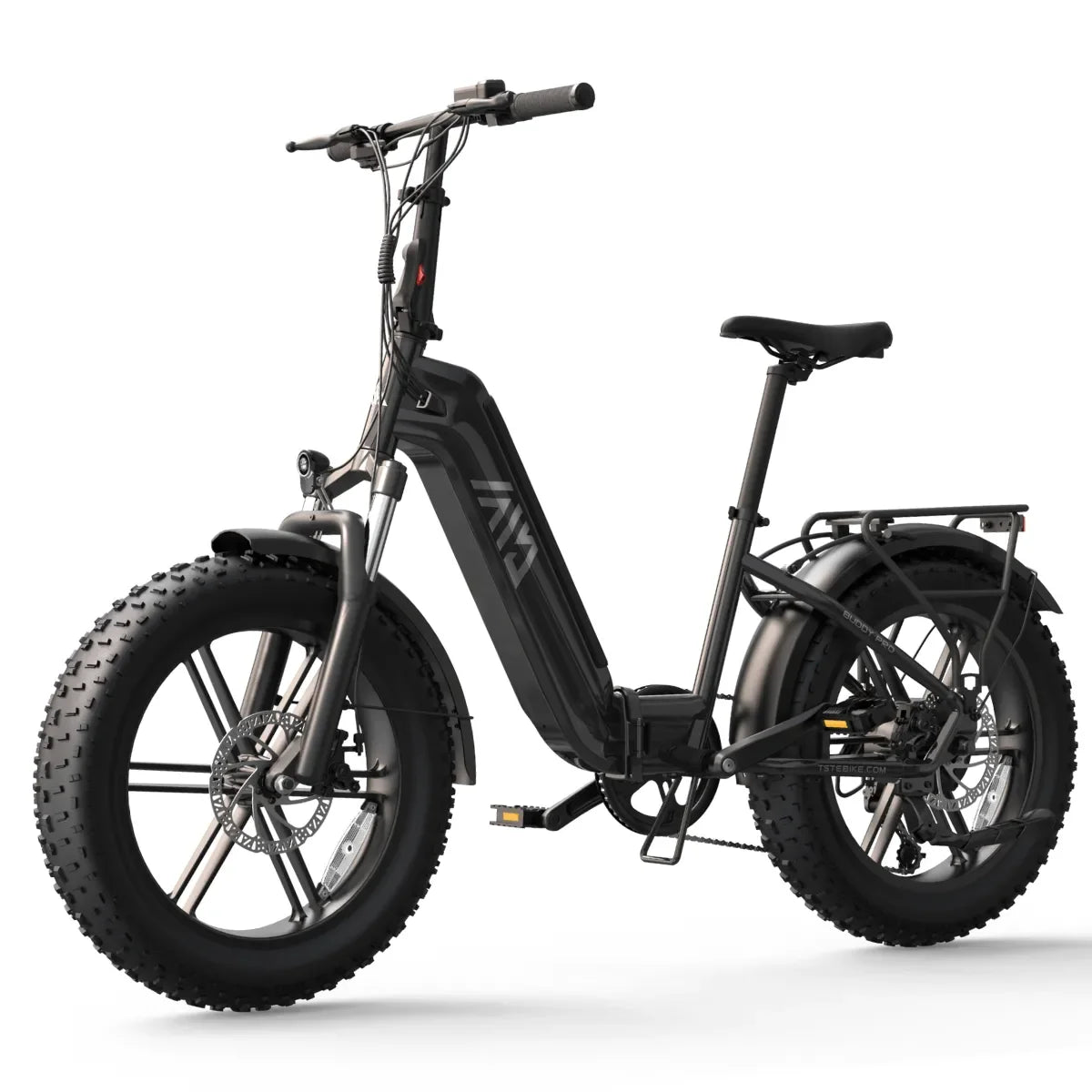
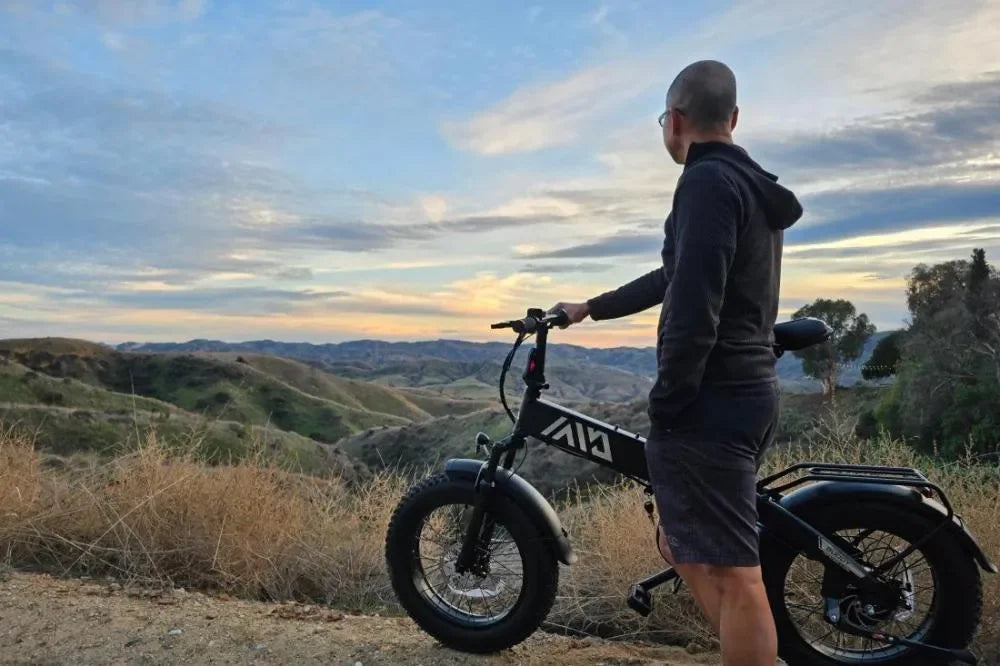
For smaller homes, RV travel, or limited office storage, the TST Buddy Pro folding e-bike addresses portability. TST describes it as a folding model with a 1,000W peak rear-hub motor and a stated range of up to 60 miles.
How to Build a Greener Commute
-
Map the real journey. Record the round-trip distance, elevation, traffic crossings, pavement quality, parking conditions, and available bike infrastructure before choosing a route or bike.
-
Replace suitable trips first. Start with predictable journeys such as a local office, transit station, coffee shop, gym, pharmacy, or grocery store instead of trying to replace every car trip immediately.
-
Choose capacity honestly. A commuter e-bike may be enough for a backpack and laptop. A cargo model may better suit groceries and equipment. A folding e-bike may be the most practical choice for apartment residents or people combining cycling with transit.
-
Plan charging carefully. Charge the bike indoors in a dry, ventilated location using the manufacturer-supplied charging equipment. Avoid using damaged batteries, improvised extension cords, or unsafe charging locations.
-
Create a safety routine. Wear a properly fitted helmet, use front and rear lights, inspect brakes and tires, ride predictably, signal clearly, and follow local laws governing e-bike speed and access.
-
Track what changes. Note how many trips are replaced, how much parking time is avoided, what routes feel safest, and which barriers still make a car necessary. Small adjustments to storage, clothing, route choice, or cargo accessories can make riding easier over time.
Green Transportation in Real Life
Scenario: The urban commute
Traditional approach: A driver travels alone, pays for fuel and parking, and loses time in stop-and-go traffic near the workplace.
With a TST e-bike: A rider can combine bike lanes, neighborhood streets, and secure bike parking close to work. The R002 or R9 may suit riders seeking a moped-style layout, while the Surfer provides a step-through commuter-oriented option. Riders should always verify how local rules classify and regulate e-bikes.
Scenario: The family errand
Traditional approach: A car is used for several grocery bags, a package pickup, a child’s activity, or routine household supplies.
With a TST cargo option: The Carrier gives households a cargo-focused alternative for suitable local trips. Loads should be secured, weight limits followed, and passenger accessories properly installed before riding. A cargo e-bike may replace some short errands, but it is not a substitute for every weather condition, distance, or passenger need.
Scenario: Apartment or RV living
Traditional approach: A resident avoids cycling because a full-size bike is difficult to store, transport, or secure.
With a TST folding model: The Buddy Pro can reduce the storage barrier with a foldable design. Riders still need an appropriate secure storage location, enough room to unfold and inspect the bike, and a safe method for lifting or transporting it when needed.
Green Transportation and Safety
A green commute should also be a safe commute. Before every ride, riders should check tire pressure, brake response, chain condition, battery security, lights, and any cargo attachment points. Small maintenance checks can reduce the chance of a breakdown during a workday or errand.
Route selection also matters. A slightly longer route with protected bike lanes, lower speeds, better visibility, and fewer complex intersections may be safer and more comfortable than the fastest road route. Riders should avoid assuming that a powerful e-bike changes stopping distance, traffic risk, or the need for defensive riding.
Green Transportation Frequently Asked Questions
Is an e-bike green transportation if it uses electricity?
Yes. An e-bike can be part of green transportation when it replaces suitable trips that would otherwise be made by a motor vehicle. Electricity still has an environmental impact that depends on the local power grid, but electric micromobility can reduce vehicle miles traveled, gasoline use, parking demand, and local emissions associated with short car trips.
What is the best electric bike for green commuting?
The best model depends on the route, terrain, rider fit, cargo needs, storage space, and local e-bike regulations. A step-through commuter can suit frequent city riding, a cargo e-bike can be more useful for regular loads, and a folding e-bike can work better for limited storage or multimodal travel.
Can a cargo e-bike replace a car for errands?
It can replace some car errands, especially nearby grocery runs, package pickups, and trips involving manageable loads. However, it may not replace trips involving severe weather, highway travel, oversized items, several passengers, or destinations that lack safe cycling infrastructure.
How far can an electric bike travel on one charge?
Actual range varies with battery capacity, terrain, assist level, throttle use, rider and cargo weight, weather, wind, and tire pressure. TST lists the R002 with a 65-to-100-mile range depending on the selected 15Ah or 25Ah battery configuration. Riders should use advertised range as a planning guide and test their own route conservatively.
Are electric bikes safe for urban commuting?
They can be used safely when riders follow traffic laws, ride at an appropriate speed, wear a helmet, use lights, maintain the bike, and choose safer routes. E-bike riders should remain aware that higher speeds increase the importance of braking distance, road awareness, visibility, and defensive riding.
Do e-bike incentives make green transportation more affordable?
Some state and local governments offer e-bike rebates, vouchers, or incentive programs. Availability, eligibility rules, funding levels, purchase requirements, and approved-bike restrictions vary significantly by location. Riders should review local programs before buying because funding may be limited or available only during specific application periods.
Conclusion
Green transportation is not an all-or-nothing decision. It does not require households to abandon every car trip, nor does it imply that one type of e-bike fits every rider. The realistic goal is to use the least resource-intensive option that safely meets a trip’s distance, time, cargo, weather, and accessibility requirements.
An electric bicycle can be especially valuable for trips that are too far to walk, inconvenient by transit, and unnecessarily expensive by car. Selecting the right model, maintaining it well, planning charging, and learning safer routes can turn an occasional ride into a consistent transportation habit.
Start With the Next Short Trip
Explore TST Ebike’s moped-style, cargo, commuter, fat-tire, and folding models to find a configuration that fits the trips already taken each week. TST Ebike is an electric-bike brand offering practical models for commuting, cargo carrying, recreation, and everyday mobility.
Sources
-
U.S. Environmental Protection Agency — Transportation Sector Emissions, 2025
-
U.S. Department of Energy — E-Bike Sales in the United States, 2023
-
U.S. Department of Energy — Convenient Transportation Action Plan, 2024
-
National Highway Traffic Safety Administration — Bicycle Safety, 2025
-
Bureau of Transportation Statistics — U.S. Passenger-Miles, 2024

Leave a comment
This site is protected by hCaptcha and the hCaptcha Privacy Policy and Terms of Service apply.