
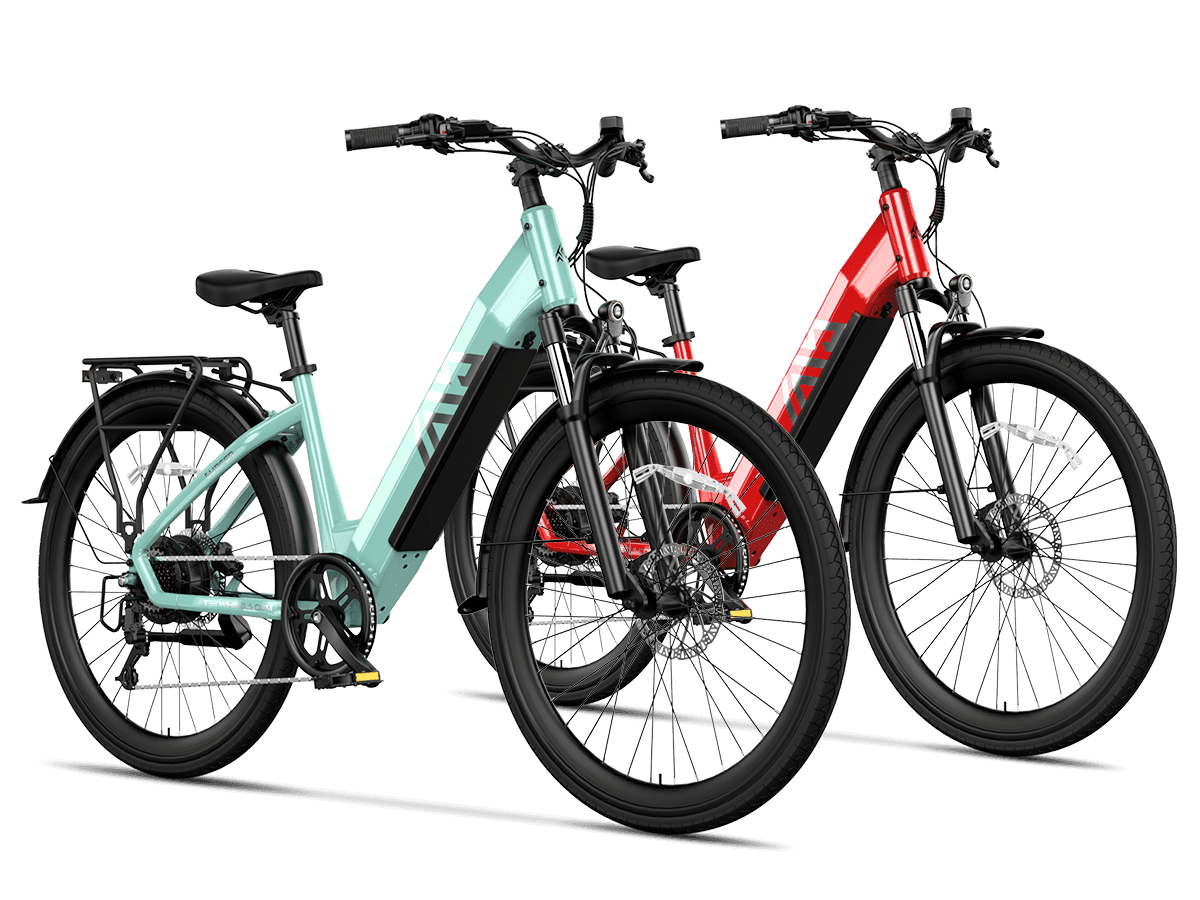
Explore ebike environmental benefits, responsible battery practices, and practical TST Ebike options for lower-impact daily travel.
Ebike Environmental Context
Ebike environmental value is increasingly tied to one simple shift: replacing suitable car trips with lightweight, electrically assisted travel. In the United States, e-bike sales reached 1.1 million units in 2022—nearly four times 2019 volume—while the U.S. Department of Energy estimates an e-bike can use energy equivalent to as much as 3,800 mpg. U.S. Department of Energy — E-Bike Sales 2023
The environmental case is strongest when an e-bike genuinely displaces solo driving, particularly for errands, local commutes, and first- or last-mile connections. It is not impact-free: manufacturing, electricity generation, shipping, and battery end-of-life all matter.
TST Ebike Early Introduction
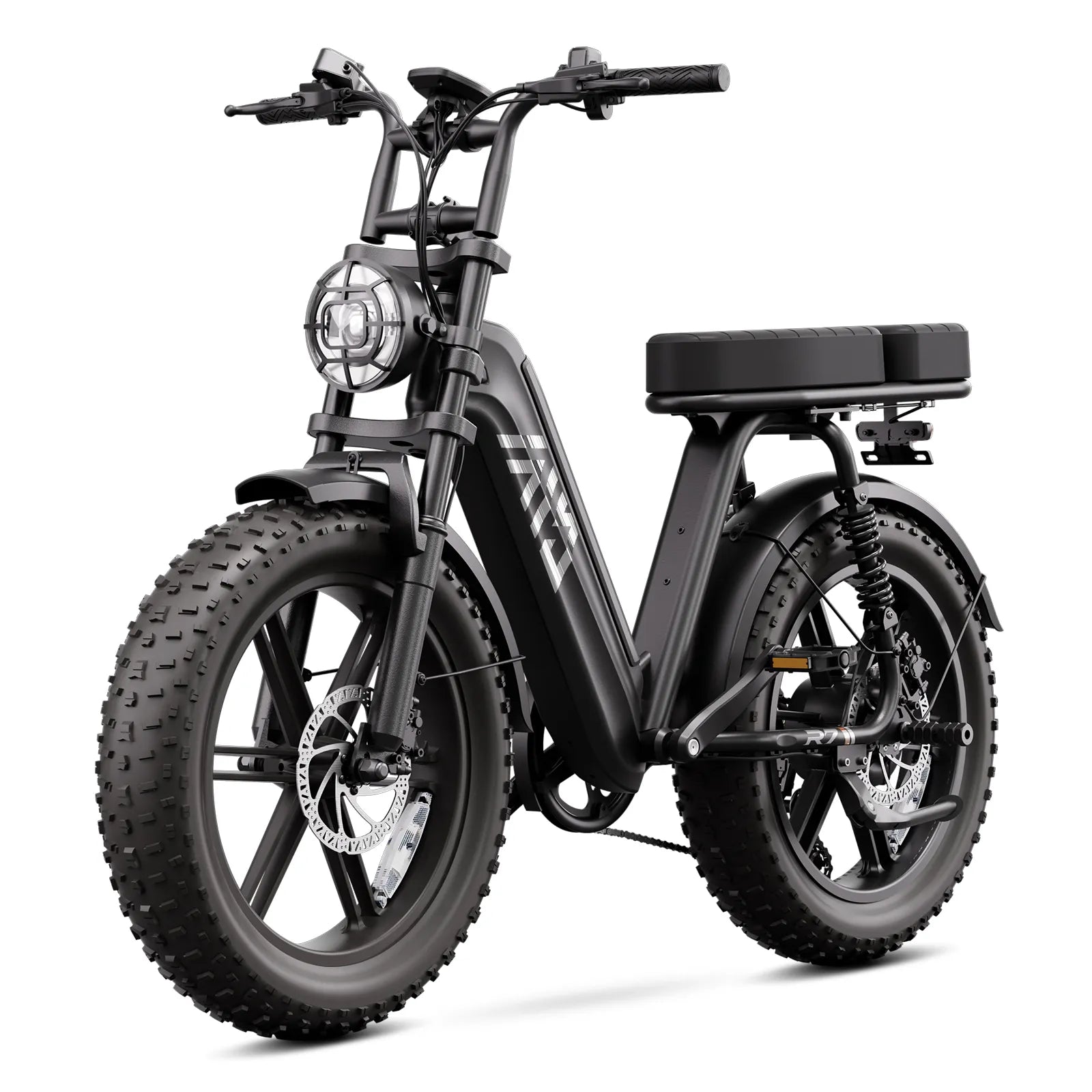
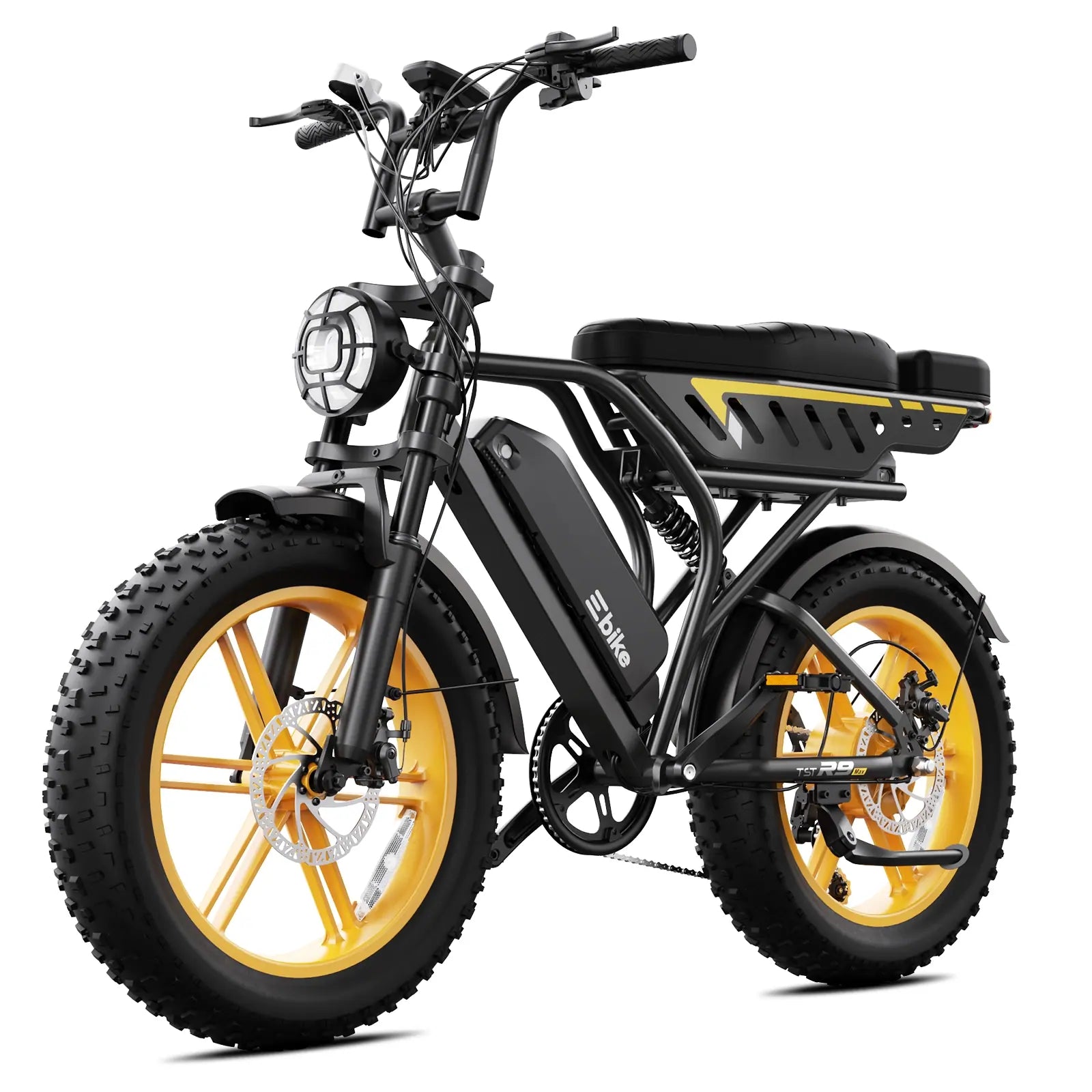
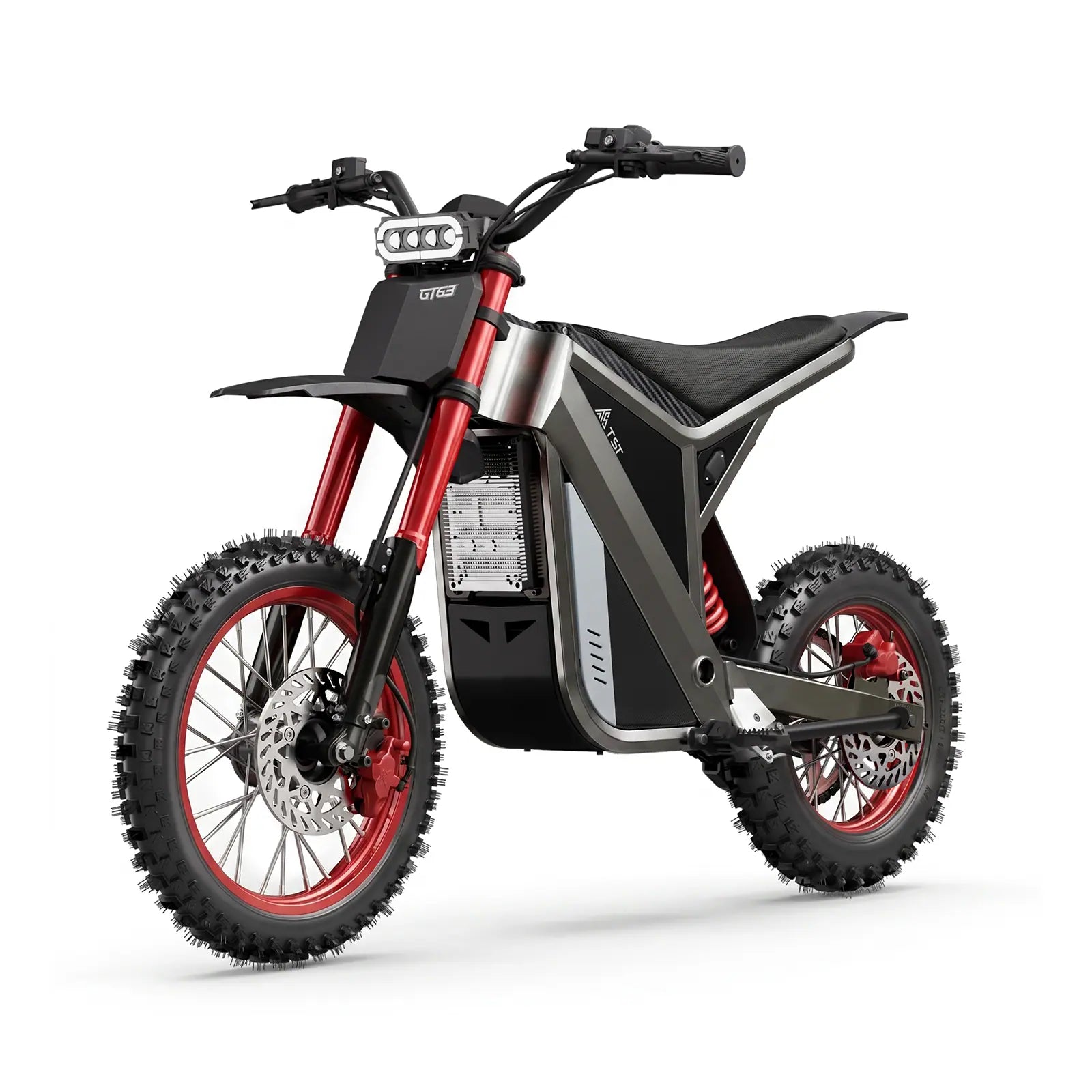
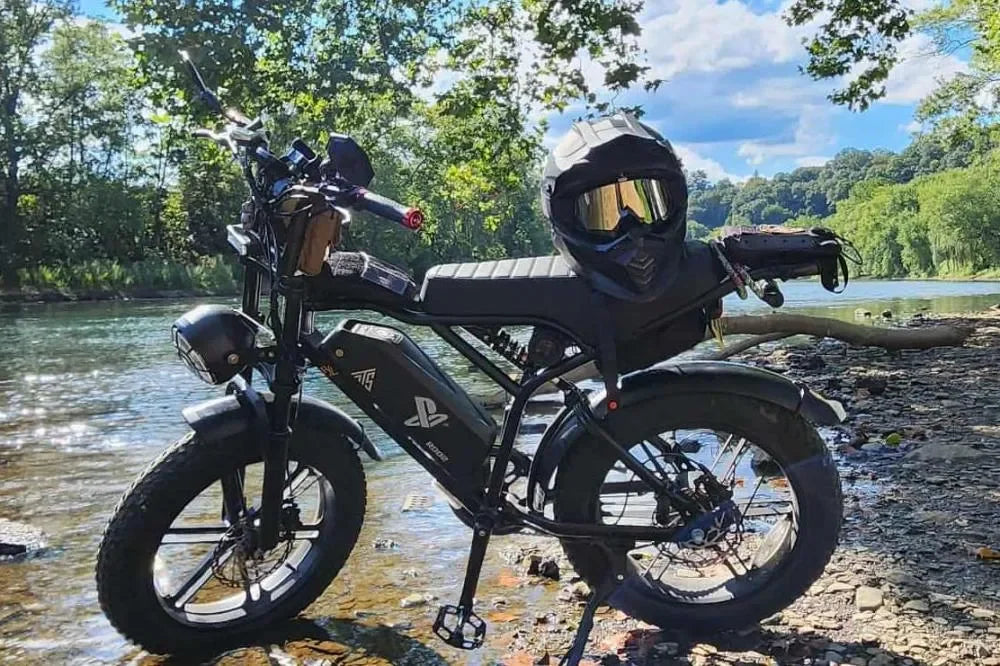
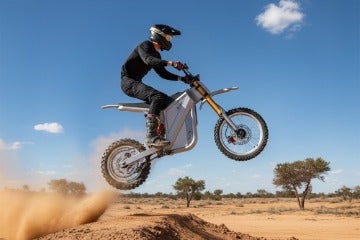
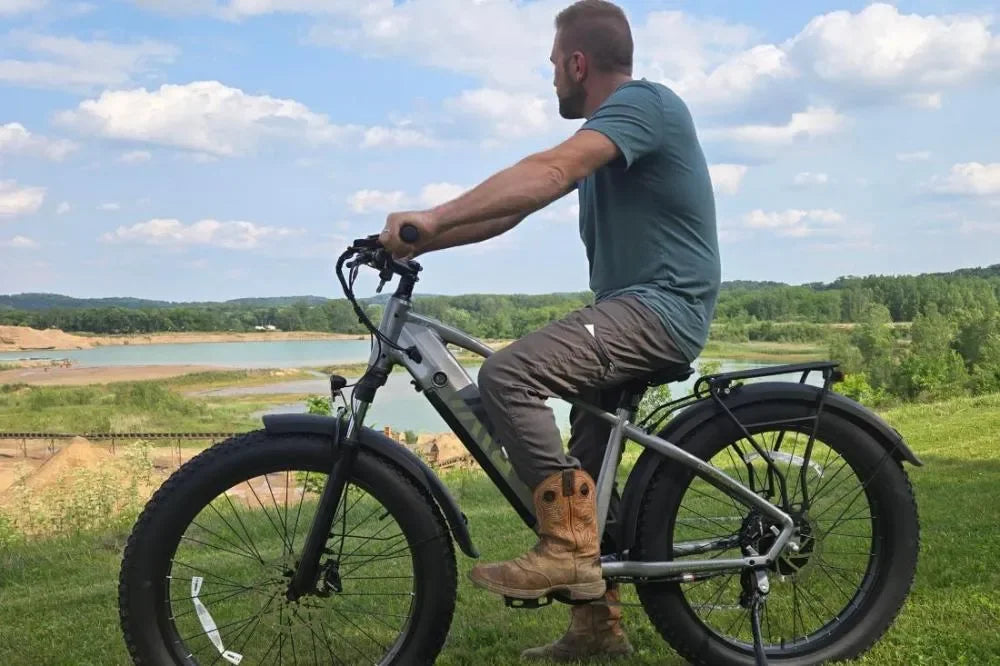
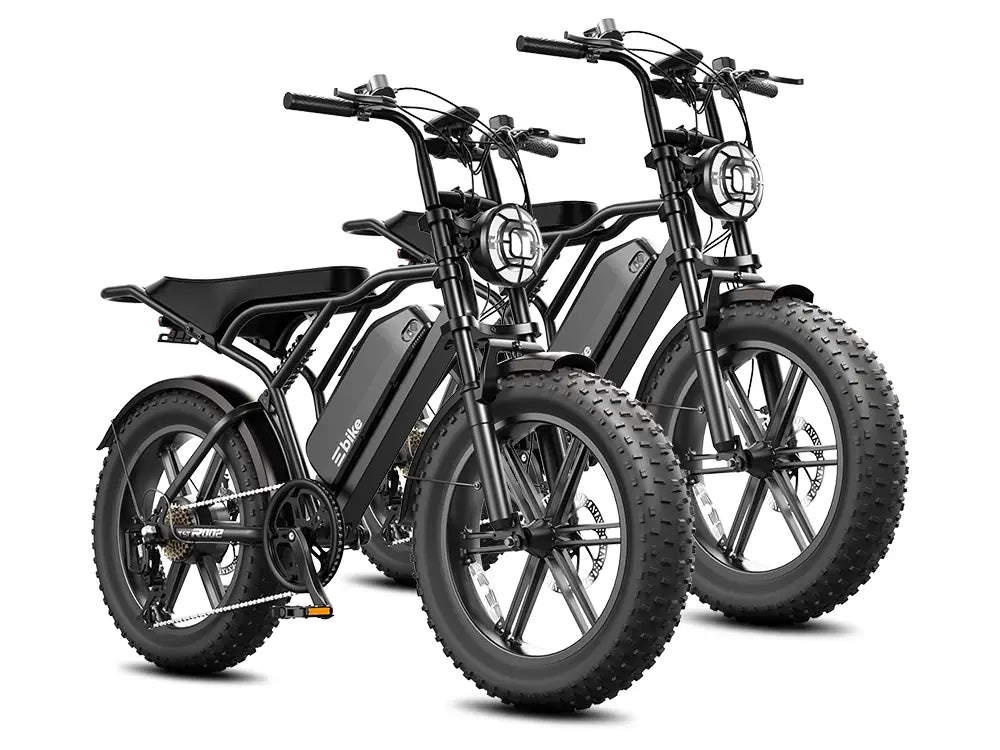
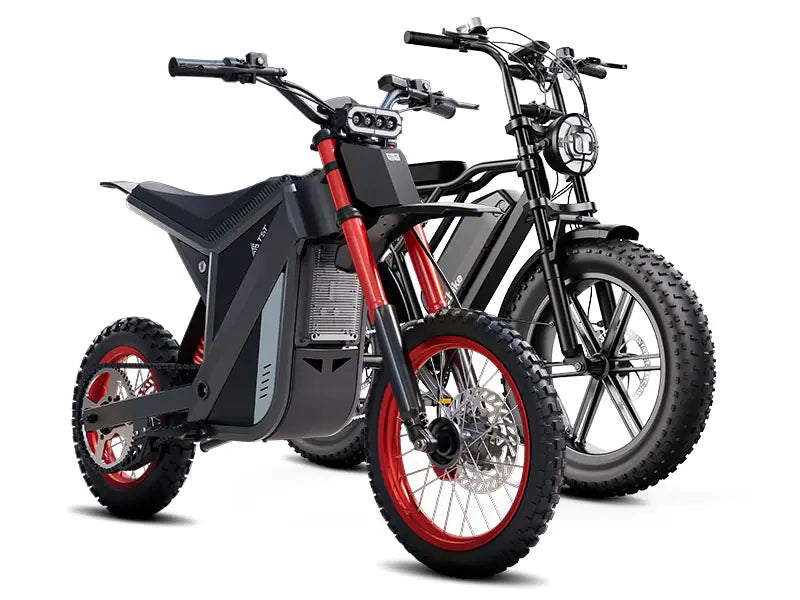
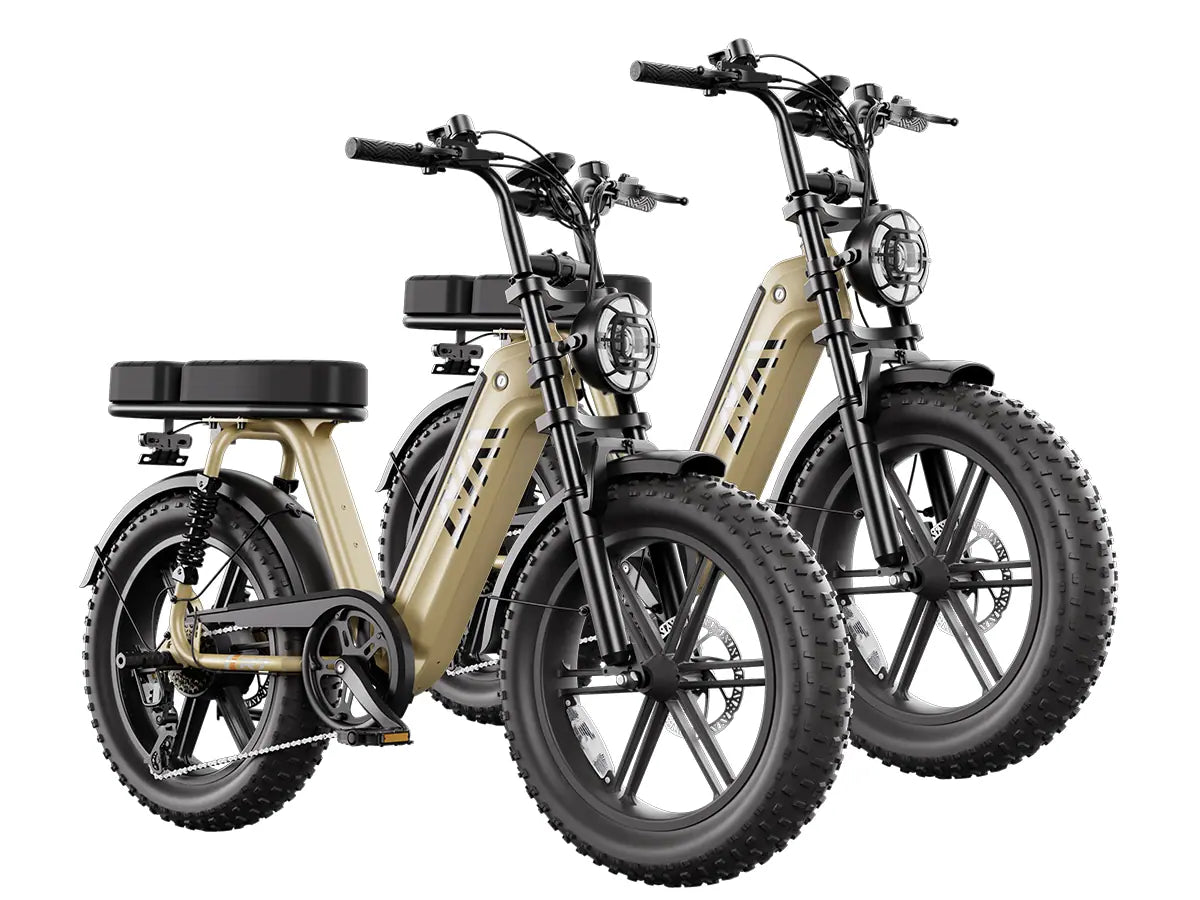
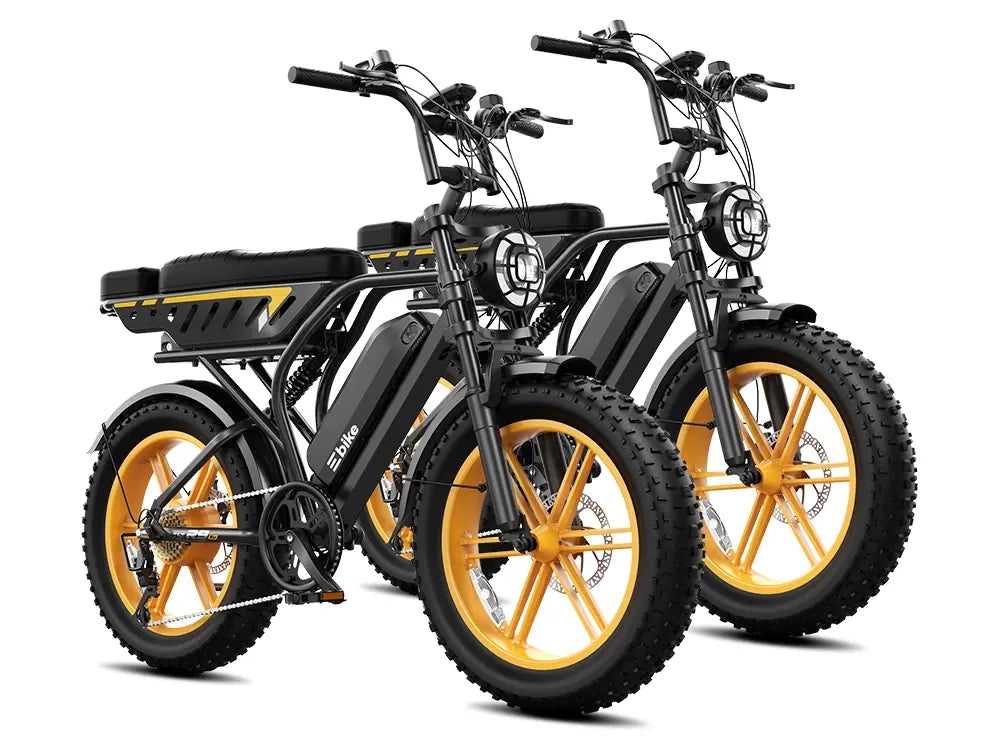
TST Ebike offers moped-style, cargo, commuter, fat-tire, and folding electric bikes for riders who need a practical alternative to some car-dependent trips. Its current range spans models such as the R002, Carrier, R7, R9, Defender, Dreamer, Surfer, Flyer, and Buddy Pro, with listed sale prices generally ranging from $799 to $1,099 at the time of writing.
What Is Ebike Environmental Value?
Ebike environmental value is the potential reduction in energy use, local tailpipe pollution, congestion, and car mileage when an electric bicycle replaces a more resource-intensive journey—while accounting for the bike’s full life cycle, including responsible battery care and recycling.
Ebike Environmental Impact Is Lifecycle-Based
An e-bike produces no tailpipe emissions during riding, but “zero emissions” should not be confused with zero environmental impact. Aluminum, steel, electronics, lithium-ion cells, freight, charging electricity, tires, and replacement components all have material and energy costs.
That distinction matters because the best environmental decision is rarely just buying a product. It is buying a bike that will be ridden regularly, maintained for a long service life, charged responsibly, and kept out of the waste stream prematurely.
For many households, the difficult trips are not long highway journeys; they are five- to ten-mile errands that still require a car because walking is too slow and a conventional bicycle feels impractical on hills, in heat, or with groceries. Pedal assistance can make those trips accessible without claiming that every journey should—or can—be car-free.
The environmental gain also varies by electricity source. Charging from a cleaner grid lowers operational emissions further, but even on a fossil-fuel-heavy grid, an e-bike’s small battery and low vehicle mass make it a fundamentally different energy proposition from moving a full-size car.
Ebike Environmental Pain Points
A lower-impact commute must also be realistic. Riders may want to replace local car trips but face practical barriers:
-
Range anxiety: A bike that cannot reliably complete a week of errands is less likely to replace driving.
-
Load limitations: Groceries, child-related equipment, work bags, and recreation gear can push riders back into a car.
-
Comfort concerns: Rough pavement, hills, poor weather, and long riding times affect whether the bike becomes a daily tool.
-
Battery uncertainty: Unsafe charging, incompatible chargers, and improper disposal can undermine both safety and sustainability.
A useful ebike environmental strategy starts with the trips a rider actually makes, then matches capacity, comfort, and battery practices to those trips.
A Defining Ebike Statistic
Replacing car trips with an e-bike can reduce an individual’s annual carbon emissions by about 225 kilograms, according to National Geographic’s 2023 reporting on e-bike sustainability. The actual result depends on which trips are displaced and how the battery is charged. National Geographic — E-Bikes and Sustainable Transportation 2023
Ebike Environmental Comparison
Ebike Environmental Features That Matter
Right-sized mobility
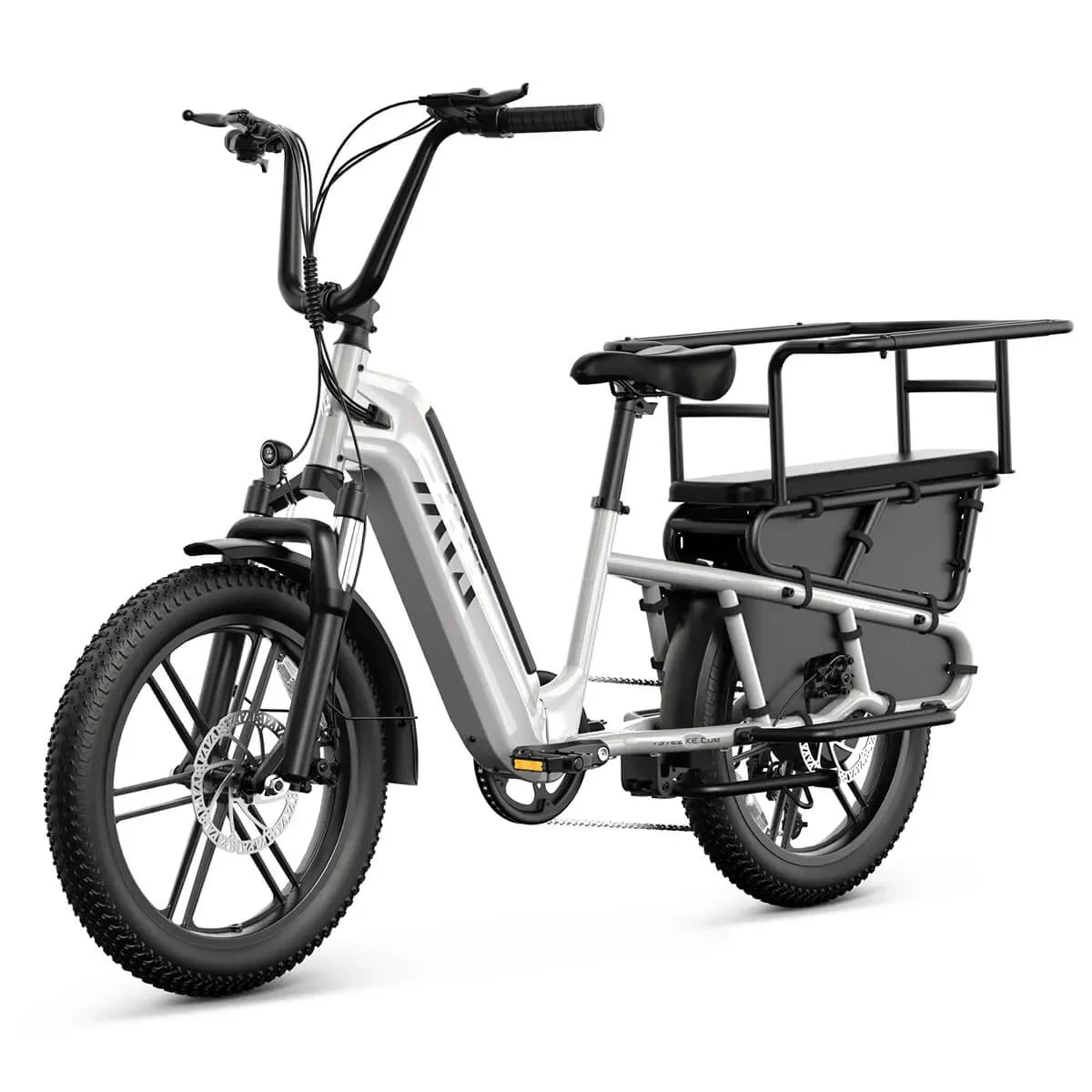
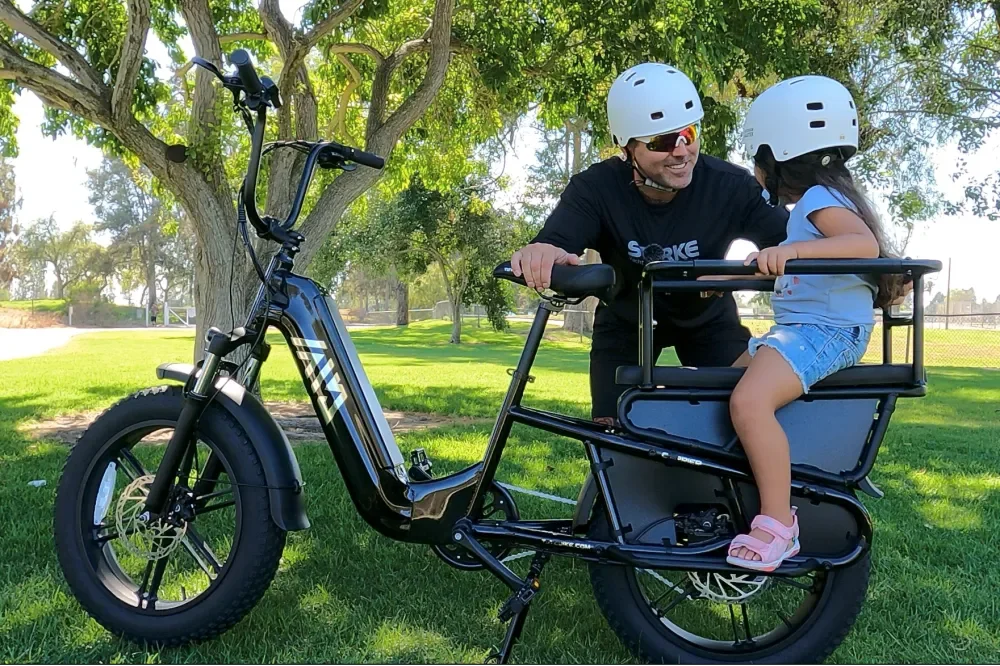
The environmental advantage grows when the vehicle fits the trip. A cargo e-bike can make grocery runs and local family logistics more feasible without defaulting to a full-size vehicle.
Range that supports replacement
TST describes the R9 dual-battery moped-style e-bike as offering up to 130 miles under ideal conditions, with a 1,500W rear hub motor and dual 48V 15Ah batteries. Actual range will change with speed, rider weight, terrain, temperature, load, and assist level.
Durability over disposability
A bike that remains serviceable is generally a better environmental choice than one replaced quickly. TST states that its e-bikes are backed by a two-year warranty; riders should also review the specific model documentation and maintenance requirements before purchase.
Ebike Environmental Examples
A rider uses a commuter e-bike for a three-mile rail-station connection instead of driving and paying for parking.
A household uses a cargo e-bike for two weekly grocery trips, selecting routes with protected lanes where available.
A weekend rider chooses pedal assist for hills, enabling a longer outing without replacing everyday travel by car.
Related TST Ebike Options
For utility-focused riding, the TST Carrier 20 Cargo Electric Bike is positioned for carrying cargo and can better match errands that would otherwise require a car. TST lists a 1,300W motor, 48V 15Ah battery, up to 60 miles of pedal-assist range, 20-inch by 4-inch tires, and a claimed 450-pound maximum load for the Carrier; riders should verify local rules, loading instructions, and accessory compatibility before riding with passengers or heavy cargo.
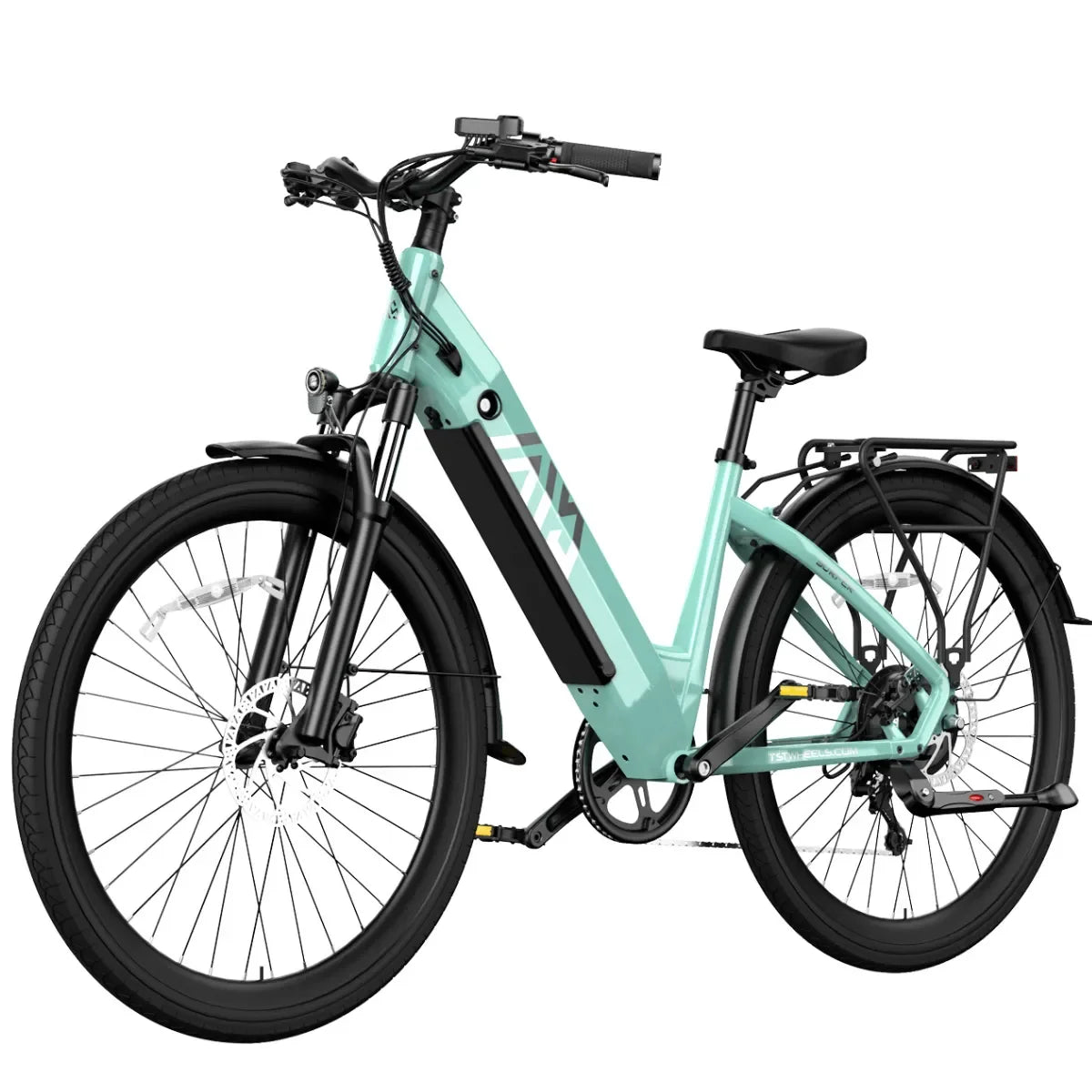
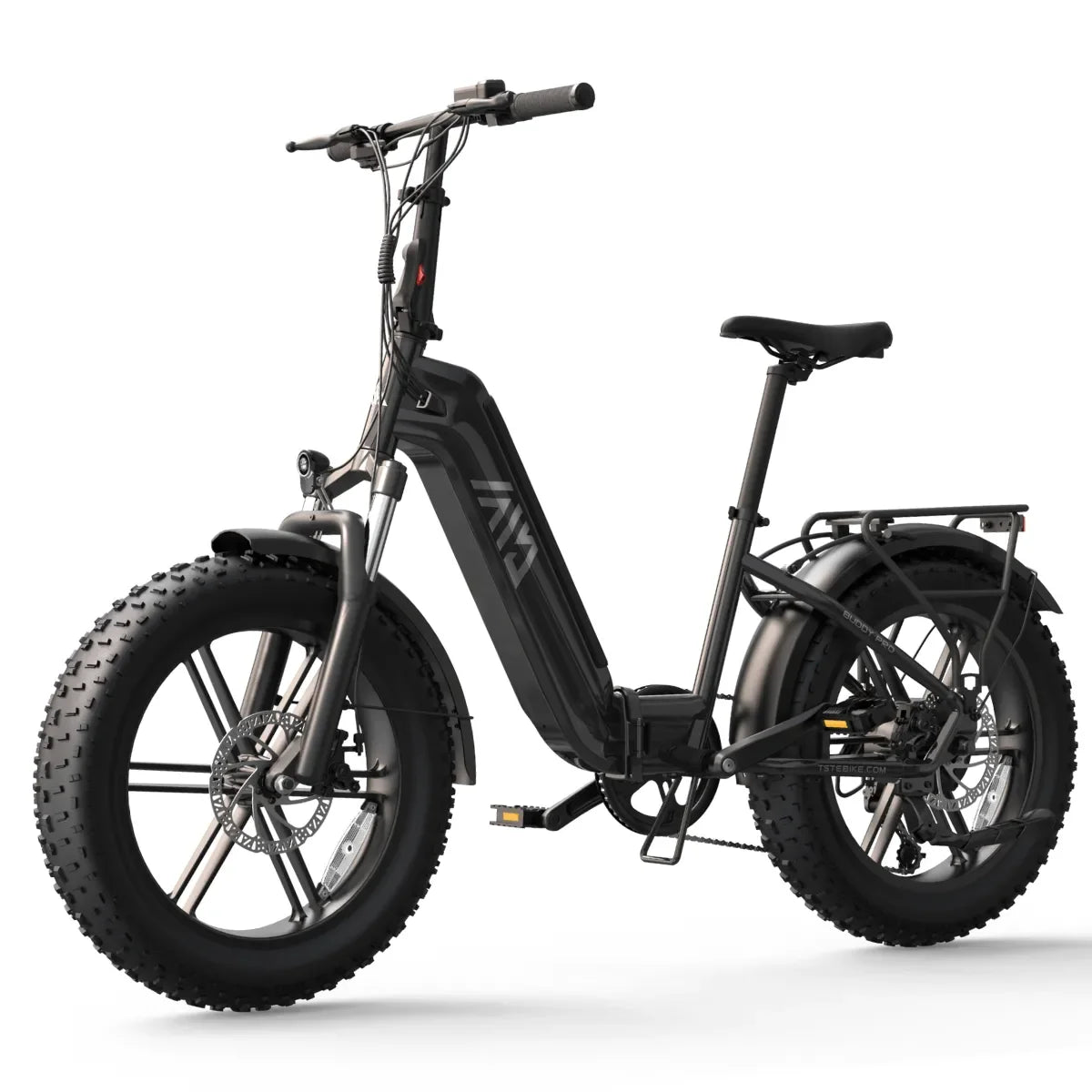
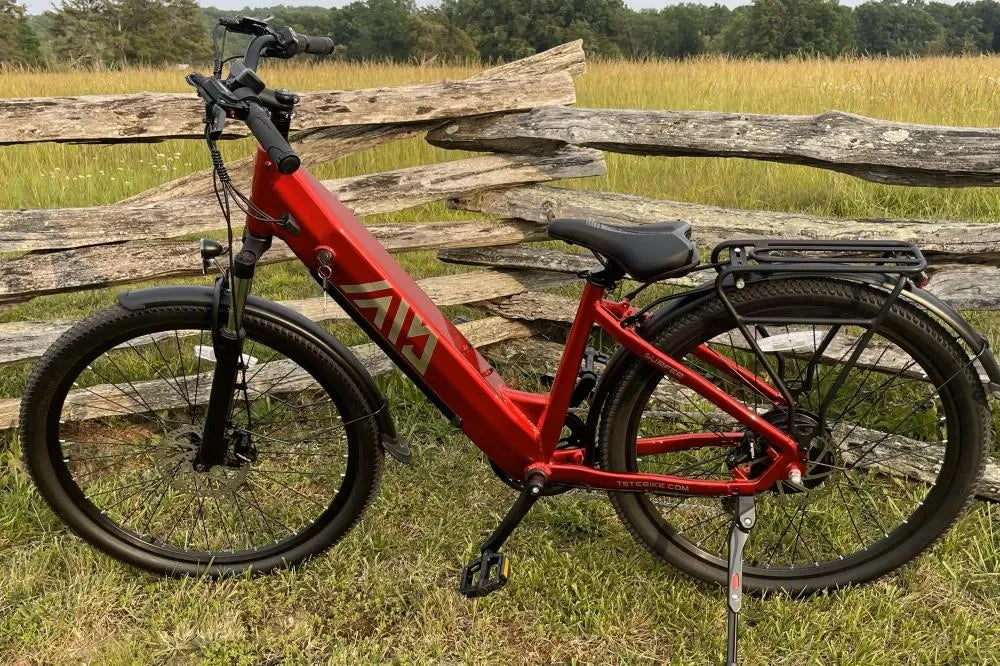
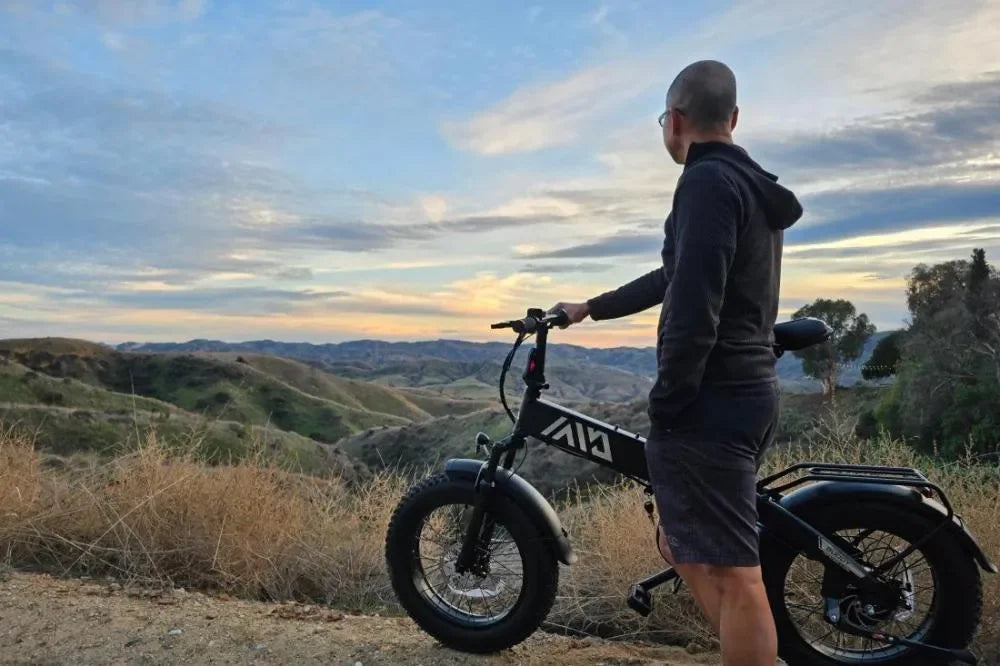
For riders short on storage space, TST’s folding category includes the Buddy Pro, which the brand describes as a 20-inch folding e-bike with up to 60 miles of stated range. For everyday commuting, TST also offers the step-through Surfer 27.5-inch commuter e-bike and Flyer 27.5-inch commuter model.
How To Improve Ebike Environmental Results
-
Identify replaceable trips. List regular journeys under roughly ten miles: errands, school runs, gym visits, station transfers, and local meetings.
-
Choose for real-world utility. Select cargo capacity, frame style, storage needs, and expected range based on typical routes—not a best-case advertised range alone.
-
Ride with appropriate assist. Lower assistance can extend battery range; higher assistance may be worthwhile for steep hills, headwinds, or heavy loads.
-
Charge safely. Use the supplied or manufacturer-approved charger, charge on a stable nonflammable surface, and follow the model’s battery instructions.
-
Maintain the bike. Keep tires inflated, brakes adjusted, drivetrain clean, and fasteners checked. Efficient maintenance helps preserve range and extends product life.
-
Plan battery end-of-life. Do not place lithium-ion batteries in household trash or curbside recycling. Contact a qualified collection, retailer, or local hazardous-waste program for appropriate handling.
Ebike Environmental Scenarios
Scenario: The weekly grocery run
Traditional approach: A driver takes a car for a short trip because bags are too heavy for a backpack.
After choosing TST: A rider considers the Carrier 20, plans a safe route, uses cargo accessories as instructed, and combines nearby errands into one trip. The potential environmental value comes from avoiding a car journey—not from the purchase alone.
Scenario: The hill-heavy commute
Traditional approach: A conventional bicycle stays in the garage because hills, sweat, and fatigue make workday riding unrealistic.
After choosing TST: A rider uses pedal assistance to make the route more manageable, arrives with less exertion, and reserves the car for trips where it is genuinely needed. This is where an e-bike can expand active transportation rather than compete only with walking.
Scenario: The long local ride
Traditional approach: A rider uses a car for several scattered appointments due to concern about returning home with enough energy.
After choosing TST: A long-range option such as the R9 may support more local travel between charges when operated within stated conditions. The rider still checks battery level, weather, route safety, and local e-bike regulations before departure.
Ebike Environmental FAQs
Are e-bikes environmentally friendly compared with cars?
Usually, e-bikes have a substantially smaller operational energy footprint than cars because they are far lighter and use much less electricity per trip. Their greatest benefit occurs when they replace eligible car journeys, while responsible manufacturing, use, maintenance, and battery recovery remain essential.
What is the environmental impact of an e-bike battery?
Lithium-ion batteries require energy and raw materials to manufacture, and they must be handled carefully at end of life. The U.S. Environmental Protection Agency advises that lithium-ion batteries should not go into household garbage or curbside recycling because damaged batteries can create fire hazards. U.S. Environmental Protection Agency — Lithium-Ion Battery Recycling 2023
How can I make my e-bike more sustainable?
Ride it often enough to replace appropriate car trips, maintain it to extend its service life, inflate tires correctly, avoid unnecessary battery replacement, use approved charging equipment, and recycle the battery through a qualified program when it reaches end of life.
Is a cargo e-bike better for the environment than driving?
For local errands that a cargo e-bike can safely and realistically replace, it can reduce car mileage and fuel use. A cargo e-bike is not a universal car substitute, however: long-distance travel, unsafe road conditions, severe weather, and unusually large loads may require other transportation.
Do electric bikes reduce urban pollution?
They do not generate exhaust emissions at the point of use, so replacing gasoline-car trips can help reduce local tailpipe pollution and traffic noise. The broader climate outcome still depends on manufacturing, charging electricity, riding patterns, and battery management.
Are TST Ebike batteries certified?
TST’s publicly available homepage identifies product categories, specifications, and a two-year warranty, but riders should not assume a specific certification unless it appears on the exact model’s current product page, battery label, manual, or official documentation. In the United States, transportation agencies and safety organizations increasingly point to ANSI/CAN/UL 2849 as an important e-bike electrical-system safety benchmark. PHMSA — Micromobility Battery Safety Considerations 2024
Conclusion
Ebike environmental benefits are most credible when they are measured in practical behavior: fewer short car trips, more efficient local travel, careful charging, and responsible battery handling. TST Ebike’s cargo, commuter, folding, fat-tire, and long-range models give riders different ways to match an e-bike to everyday needs. The better fit is the one that gets ridden safely, maintained consistently, and used to replace real car miles.
Explore TST Ebike
TST Ebike builds electric bikes for commuting, cargo carrying, recreation, and mixed-terrain riding. Explore the current TST Ebike collection to compare models, confirm live pricing and specifications, review manuals, and choose a bike that supports lower-impact local mobility.
Sources
-
U.S. Department of Energy Alternative Fuels Data Center — Active Transportation and Micromobility 2024afdc.energy
-
National Geographic — E-Bikes and Sustainable Transportation 2023nationalgeographic
-
U.S. Department of Transportation — Electric Bicycles (E-bikes) 2024rosap.ntl.bts
-
PHMSA — Micromobility Battery Safety Considerations 2024phmsa.dot
-
U.S. Environmental Protection Agency — Lithium-Ion Battery Recycling 2023epa
-

Leave a comment
This site is protected by hCaptcha and the hCaptcha Privacy Policy and Terms of Service apply.