
















Buyers often wonder how do e-bikes under $500 compare to higher-priced electric bikes when weighing affordability against performance for commuting or leisure. Budget e-bikes under 500 like Jasion EB5 and TotGuard deliver essential 350W motors and 20mph speeds for flat urban rides, while premium electric bikes over $1000 such as Specialized Turbo Vado or Trek Allant+ offer torque-sensing mid-drives, 60+ mile ranges, and robust frames for demanding terrains. Cheap e-bikes vs expensive e-bikes reveal trade-offs in build quality and longevity, yet entry-level models surprise with practical value for beginners seeking best e-bikes under $500 without sacrificing core functionality.
Market Trends in Budget vs Premium E-Bikes
The e-bike market under 500 dollars thrives as sales hit millions annually, with budget options capturing 40% of new riders per industry data from Electric Bike Report. Affordable electric bikes 2025 prioritize hub motors and basic batteries for short commutes, while high-end e-bikes integrate app connectivity and hydraulic suspension for all-weather reliability. E-bikes under $500 performance averages 15-40 mile ranges on 36V packs, contrasting expensive electric bike advantages like 48V systems yielding 80 miles. Cheap vs premium e-bikes show budget tiers dominating urban sales, as entry-level electric bikes appeal to students and casual users amid rising fuel costs.
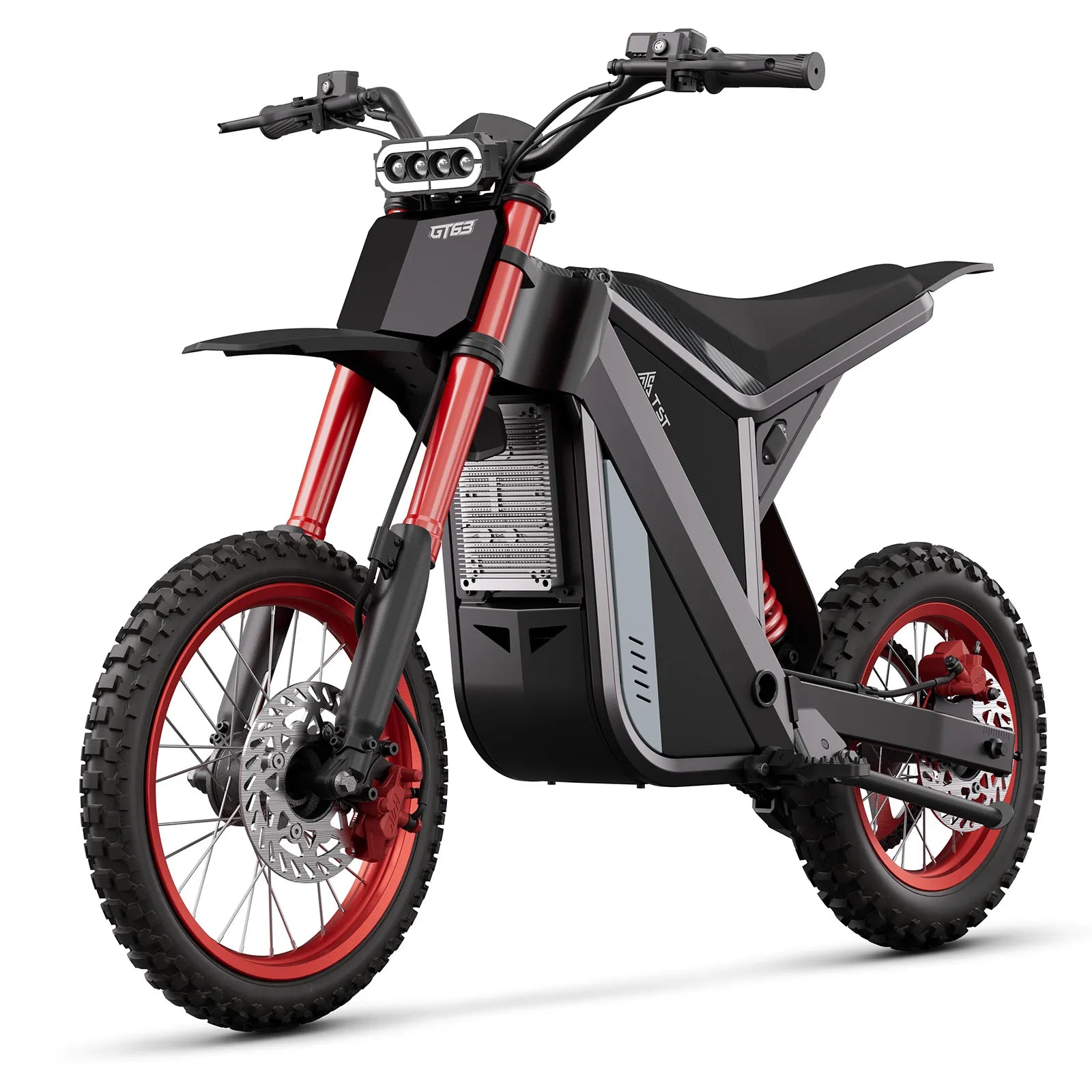
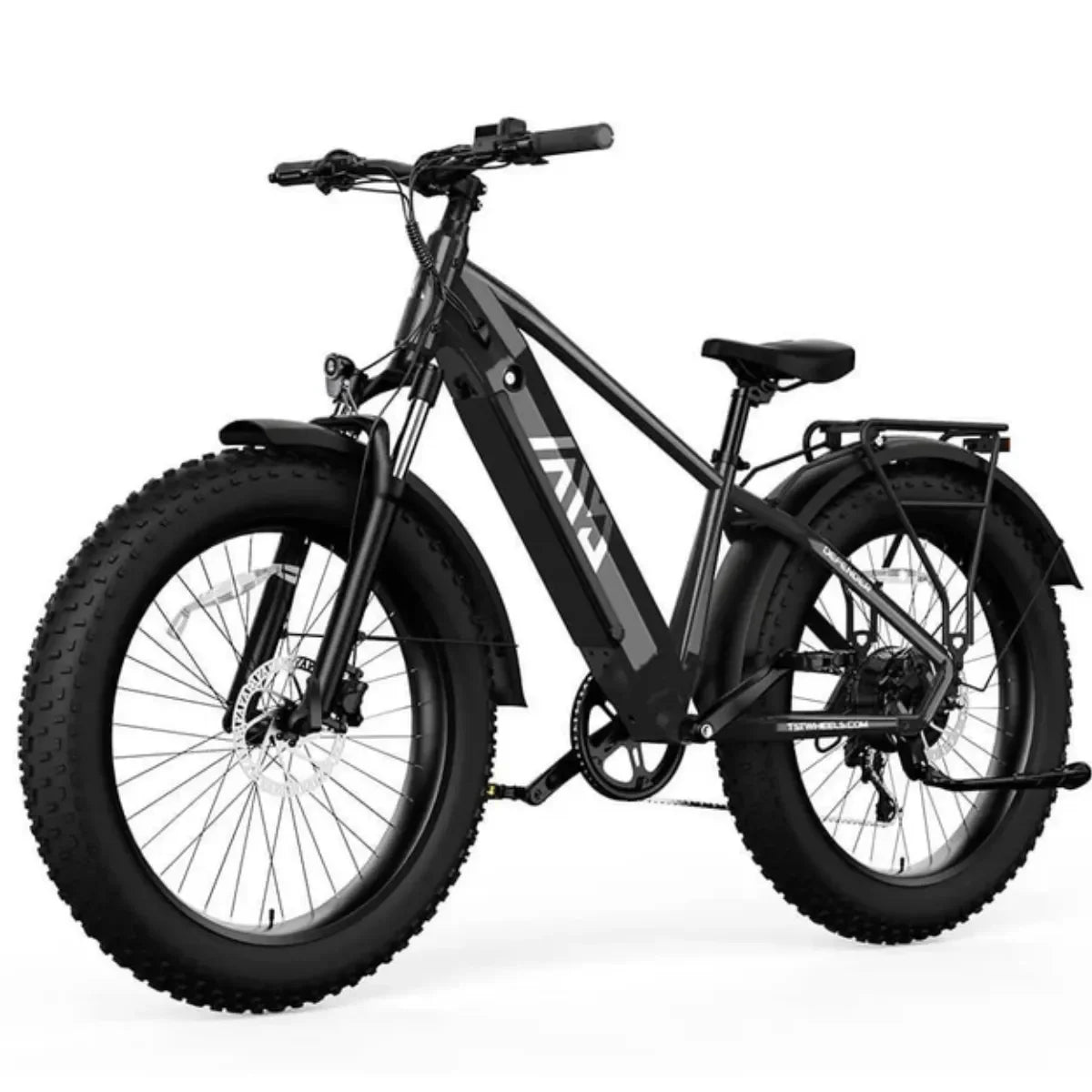
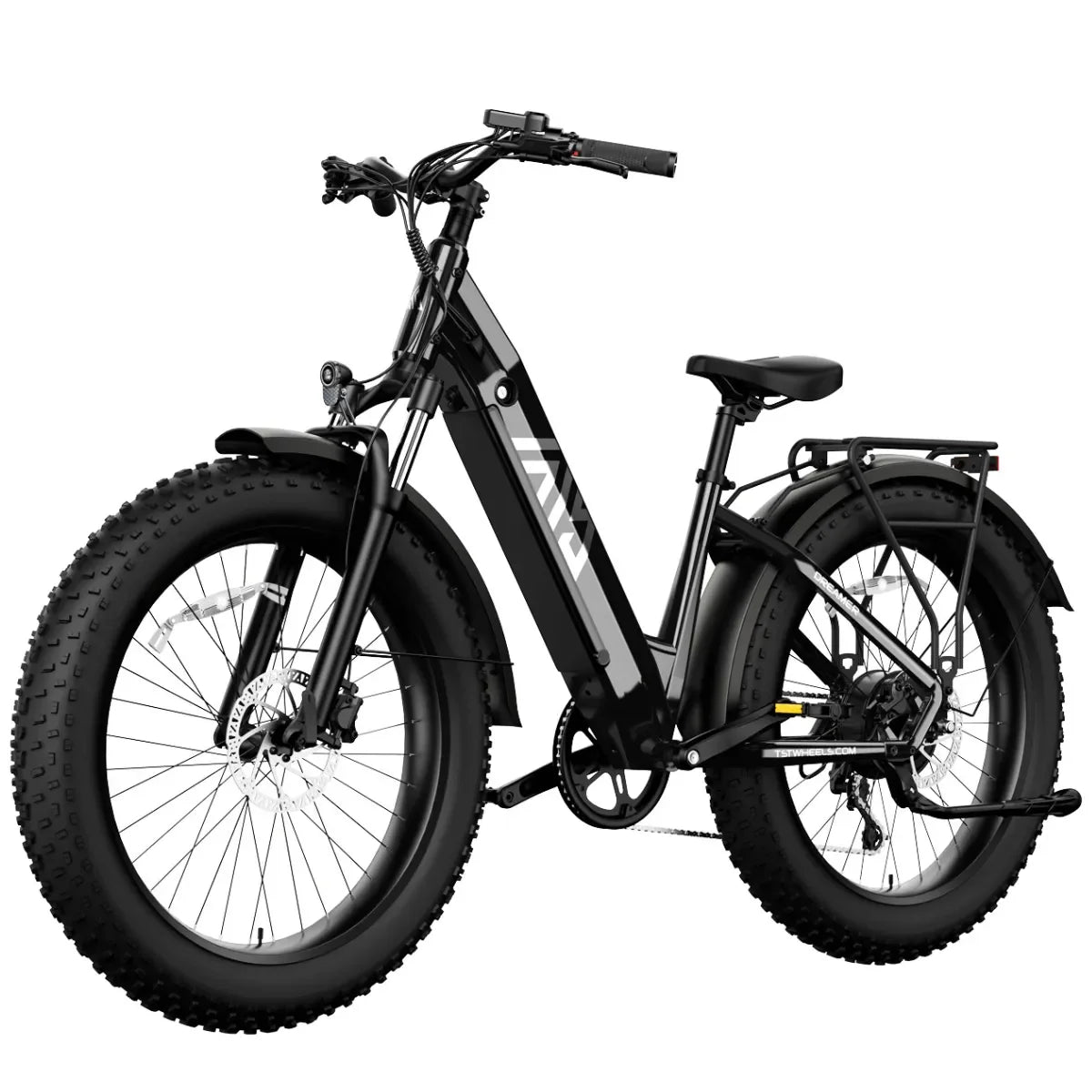
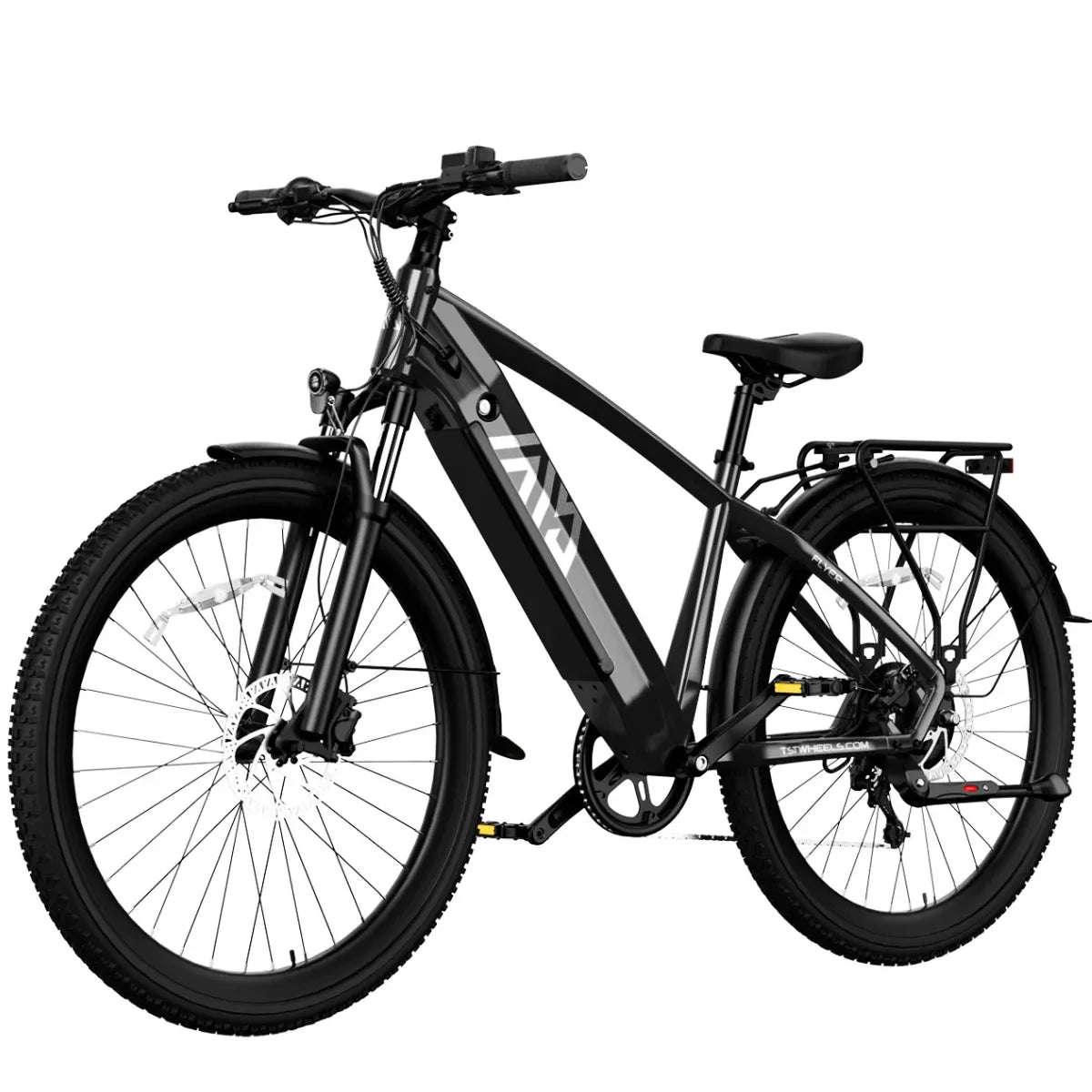
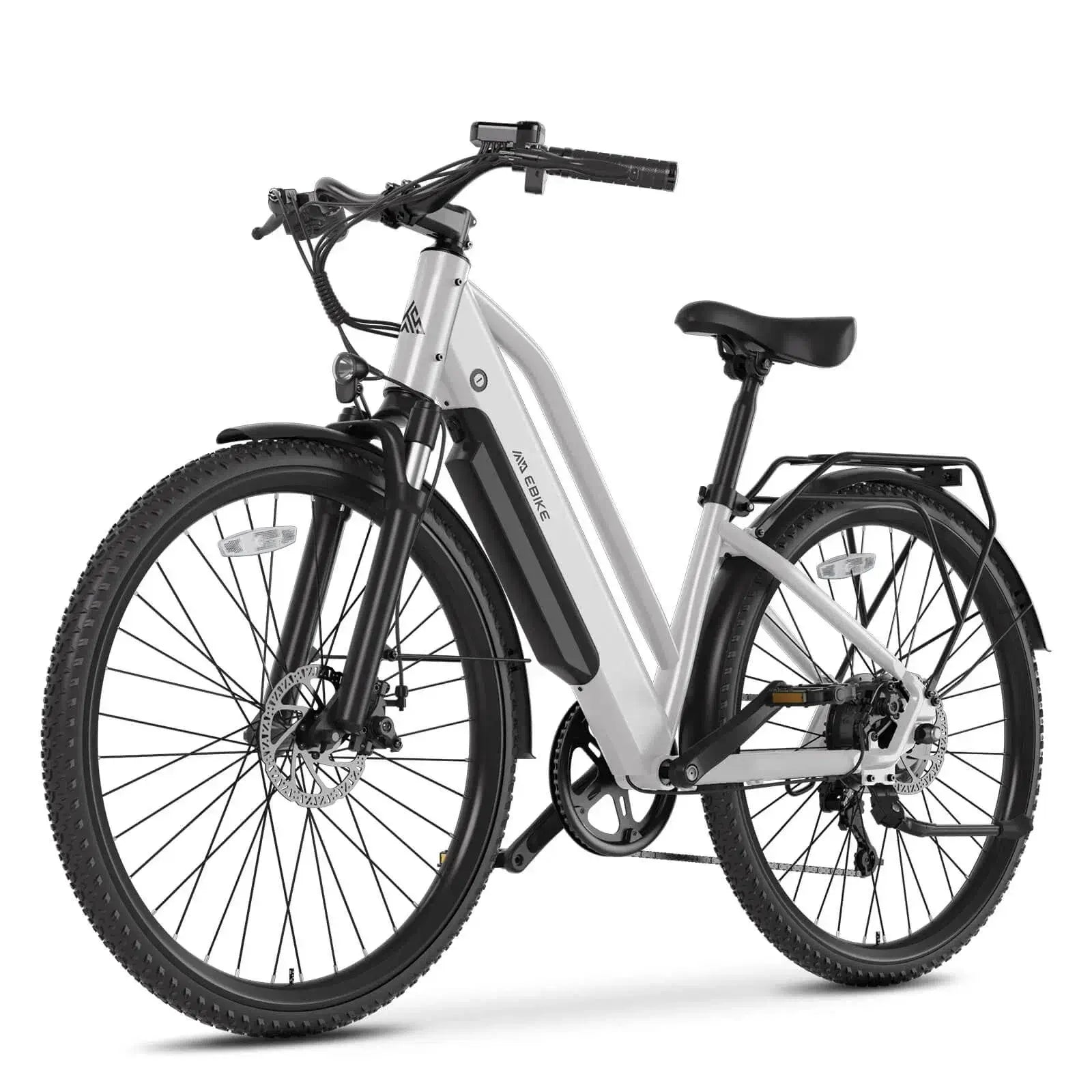
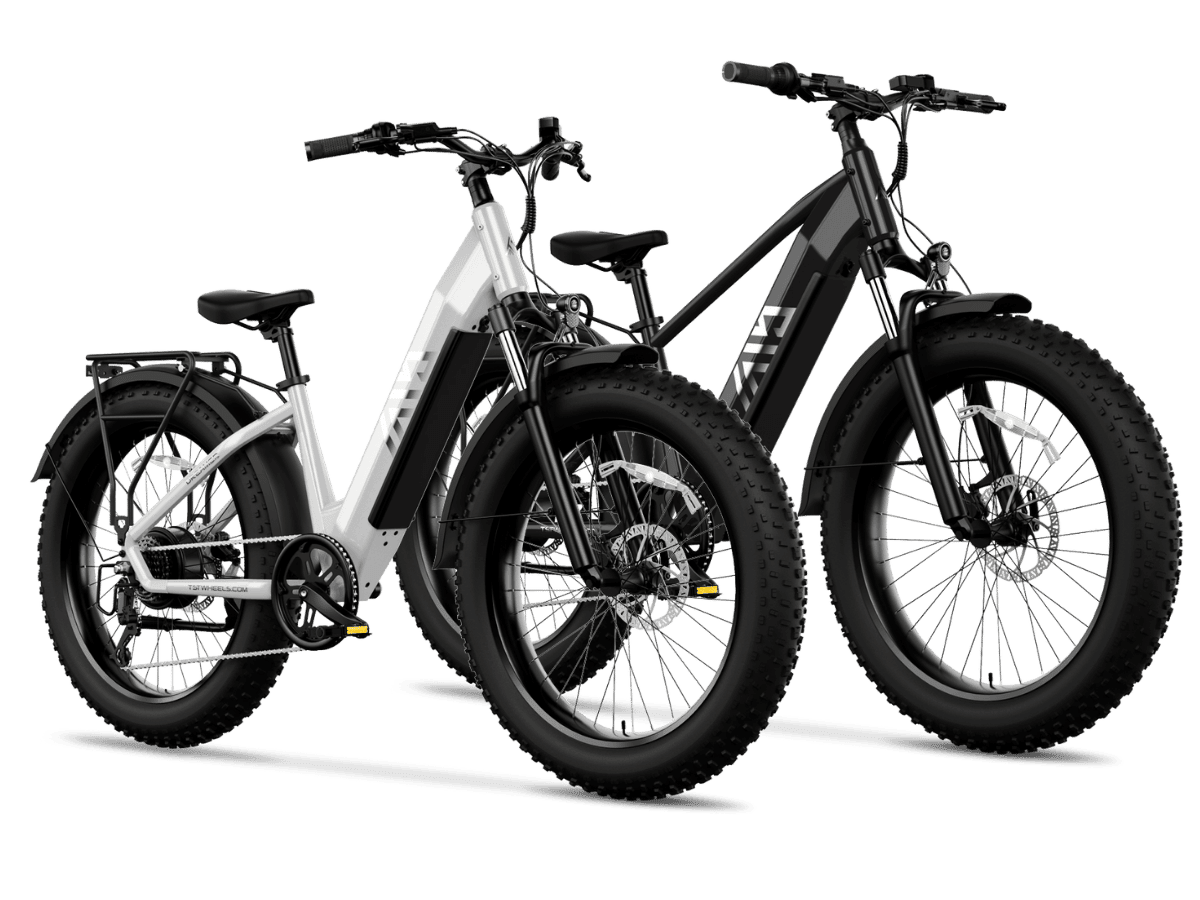
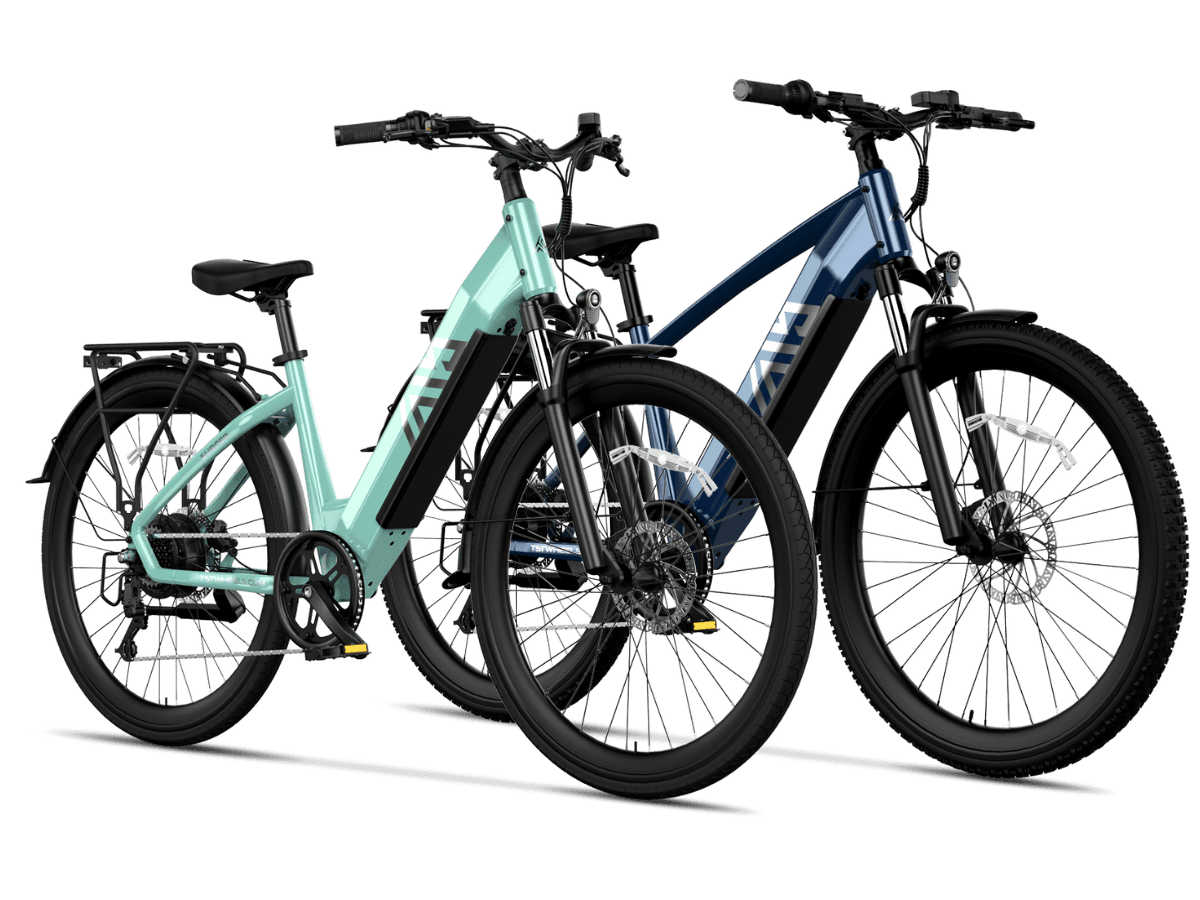
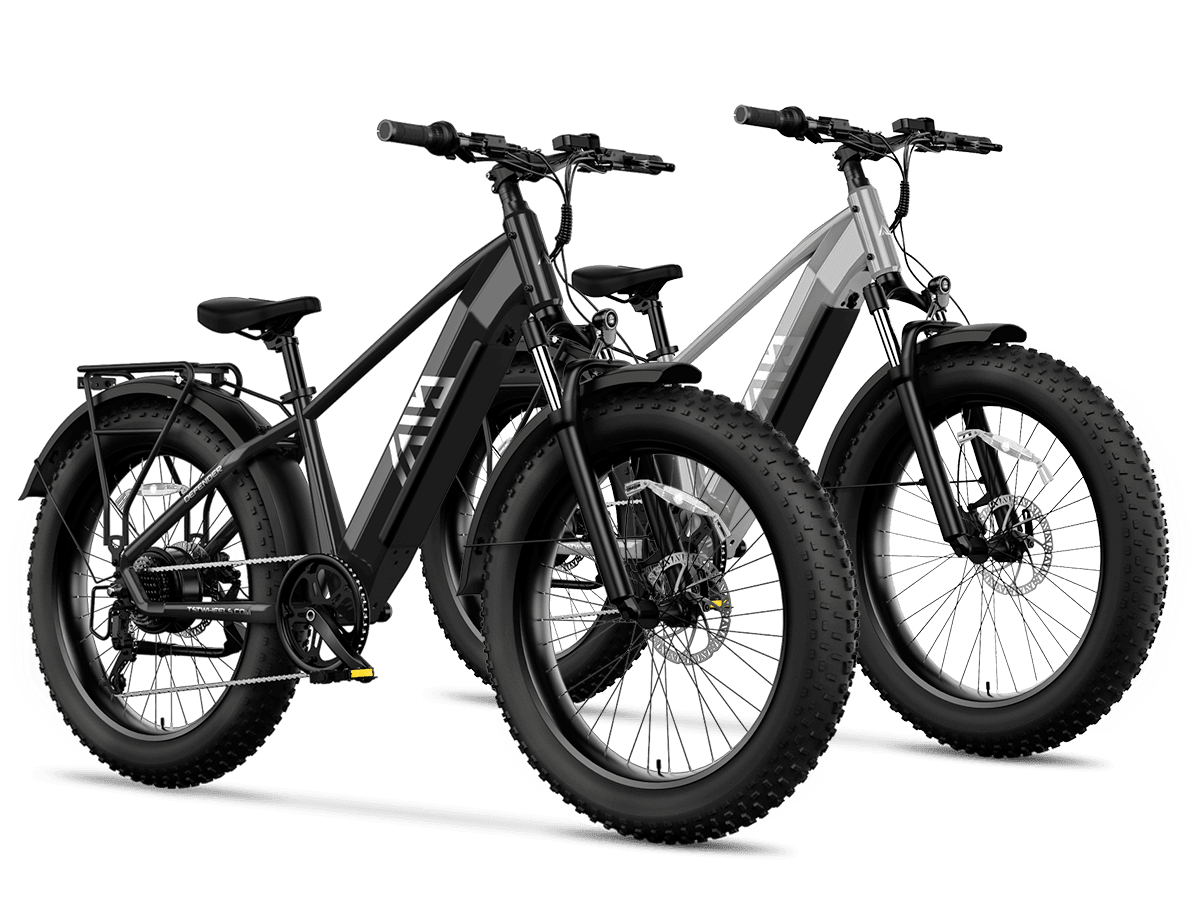
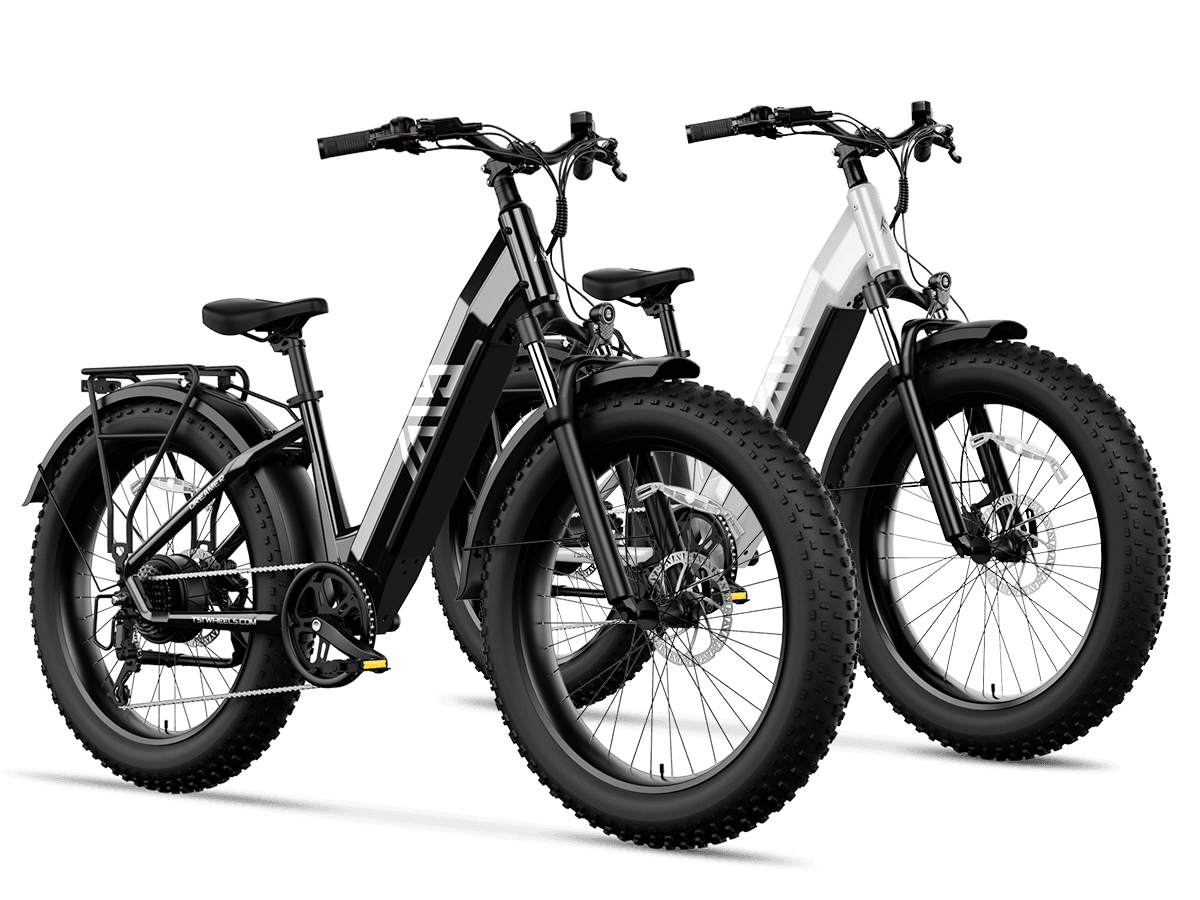
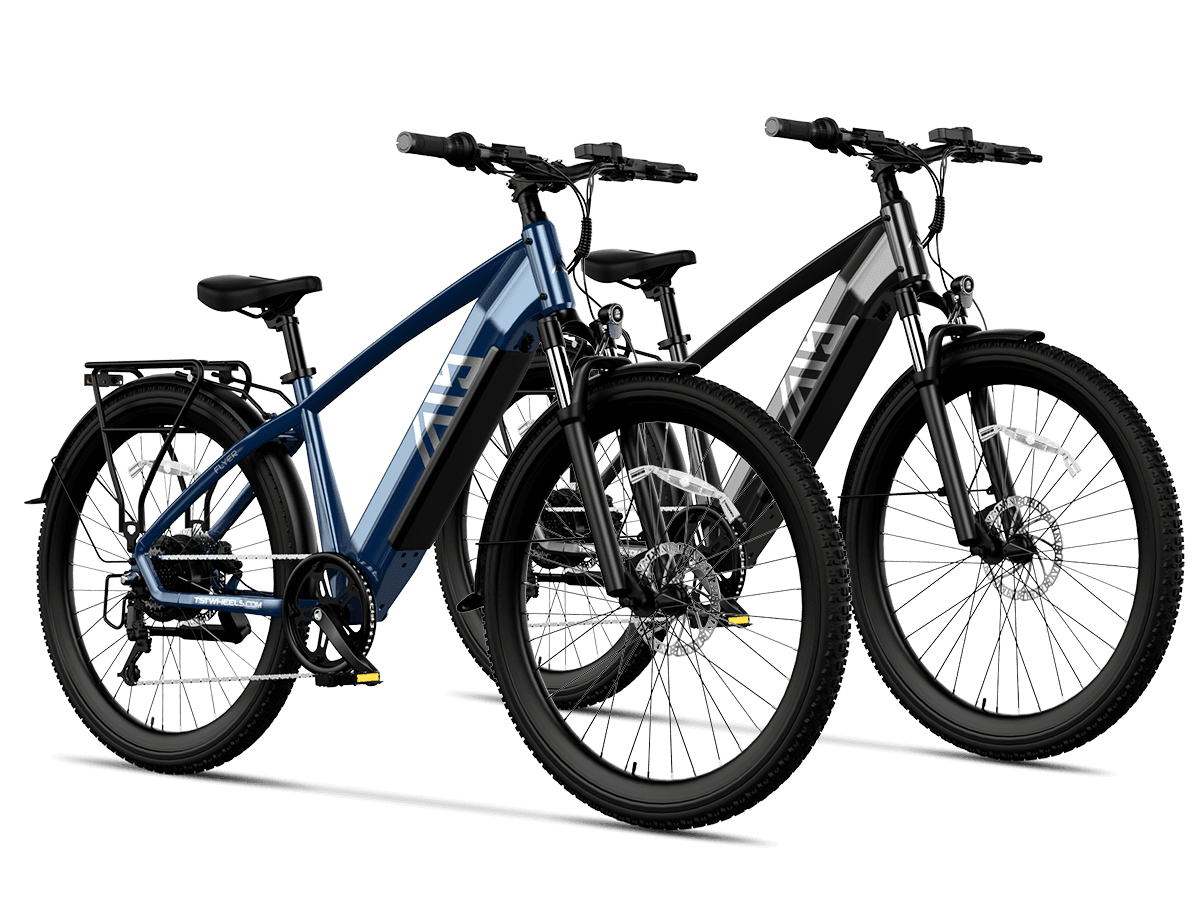
TST EBike was founded with a vision to transform the way we think about transportation. Established in 2017 in California under TST GRP LLC, it offers high-power, cost-effective electric bikes in 26-inch models for rough terrains like snow and sand, and 27-inch for commuting and mountain biking, with warehouses stateside and sales in over 10 countries.
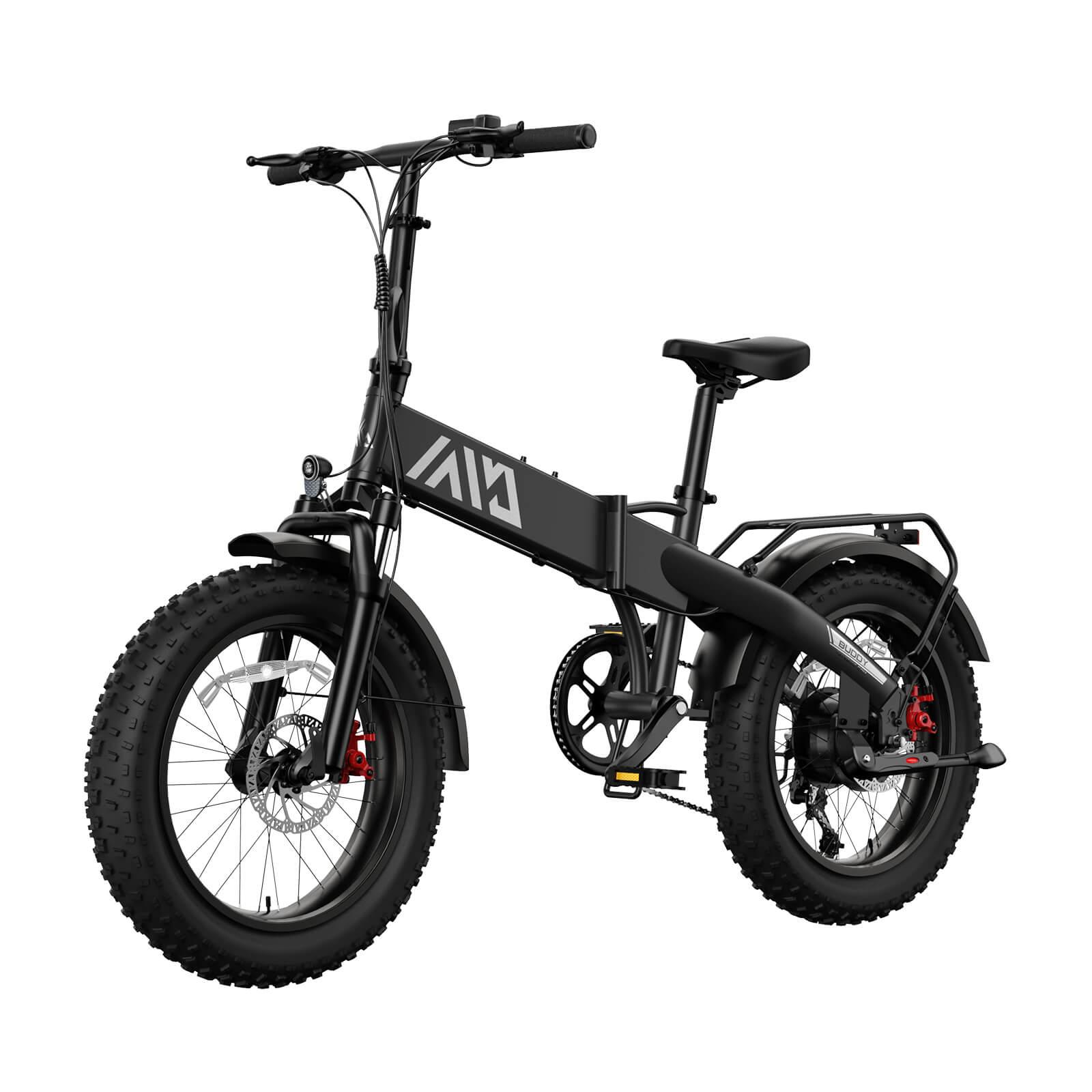
Value e-bikes under 500 gain popularity through folding designs, bridging gaps to luxury electric bicycles.
Top Budget E-Bikes Under $500 vs Higher-Priced Models
Key e-bikes under $500 worth buying stack up against pricier rivals:
Best cheap electric bikes match basics but lag in premium e-bike features like advanced gearing.
Competitor Comparison Matrix: Under $500 vs Premium E-Bikes
Budget electric bikes vs premium comparison exposes differences:
Low budget e-bikes suffice for flats, while high priced electric bikes conquer hills effortlessly.
Core Technology: Budget vs Expensive Electric Bikes
E-bikes under 500 tech relies on geared hub motors for cost-effective assistance up to 20% inclines, paired with lead-acid or basic lithium batteries cycling 300-500 times. Premium electric bike technology employs torque sensors for natural pedal feel, IP65 waterproofing, and Shimano Deore drivetrains for silent efficiency. Cheap e-bike limitations include heavier frames prone to rust, versus higher-end e-bike durability from hydroformed aluminum and lifetime warranties. Controllers in budget models cap at 15A, limiting torque against premium e-bike power delivery exceeding 50Nm.
Real User Cases and ROI: Under $500 E-Bikes vs Premium
A commuter on Jasion EB5 logs 10 daily miles, saving $800 yearly on gas with ROI in 6 months, though battery fades after 18 months. Premium Trek Allant+ users report 5-year durability, reselling at 70% value for superior long-term e-bike value. Budget e-bike reviews praise affordability for casual use, while expensive e-bike pros highlight zero downtime on 2,000-mile rides. E-bikes under $500 ROI shines short-term, but premium models lifetime cost proves lower per mile.
Buying Guide: Choosing Between Cheap and Premium E-Bikes
Assess needs for e-bikes under $500 pros cons: opt for folding portability if storage-limited, or upgrade to best mid-range electric bikes for hills. Test cheap electric bike reliability via warranties; prioritize disc brakes across tiers. Affordable e-bikes for commuting excel under 10 miles daily, while investment-grade electric bikes suit frequent adventurers. Factor total cost of ownership e-bikes including replacements.
Relevant FAQs on E-Bikes Under $500 vs Higher-Priced
Are e-bikes under $500 worth it? Yes for short urban trips, offering solid value despite basic components.
How do budget e-bikes perform on hills? Adequately on mild slopes; premium mid-drives outperform significantly.
What lasts longer: cheap or expensive e-bikes? Higher-priced models endure 3-5x longer with better batteries and frames.
Can under $500 e-bikes handle daily commuting? Perfect for 5-15 miles flat; upgrade for range or terrain.
Do premium e-bikes justify the extra cost? Absolutely for heavy use, with superior safety and efficiency.
Future Trends in Budget and Premium Electric Bikes
E-bike price trends 2026 predict sub-$400 models with 50-mile ranges via denser cells, narrowing gaps to luxury e-bikes 2026. Modular batteries and AI tuning will enhance budget electric bike upgrades, while premiums push 100-mile autonomies.
Discover if e-bikes under $500 fit your ride or if premium power beckons—compare specs, test rides, and pedal into smart savings today!
Key Takeaways
-
E-bikes under $500 excel in affordability and basics; higher-priced models dominate durability and power.
-
Choose budget for casual use, premium for intensive commuting or terrain challenges.
-
Both deliver eco-friendly mobility, with ROI tied to usage intensity.

Leave a comment
This site is protected by hCaptcha and the hCaptcha Privacy Policy and Terms of Service apply.