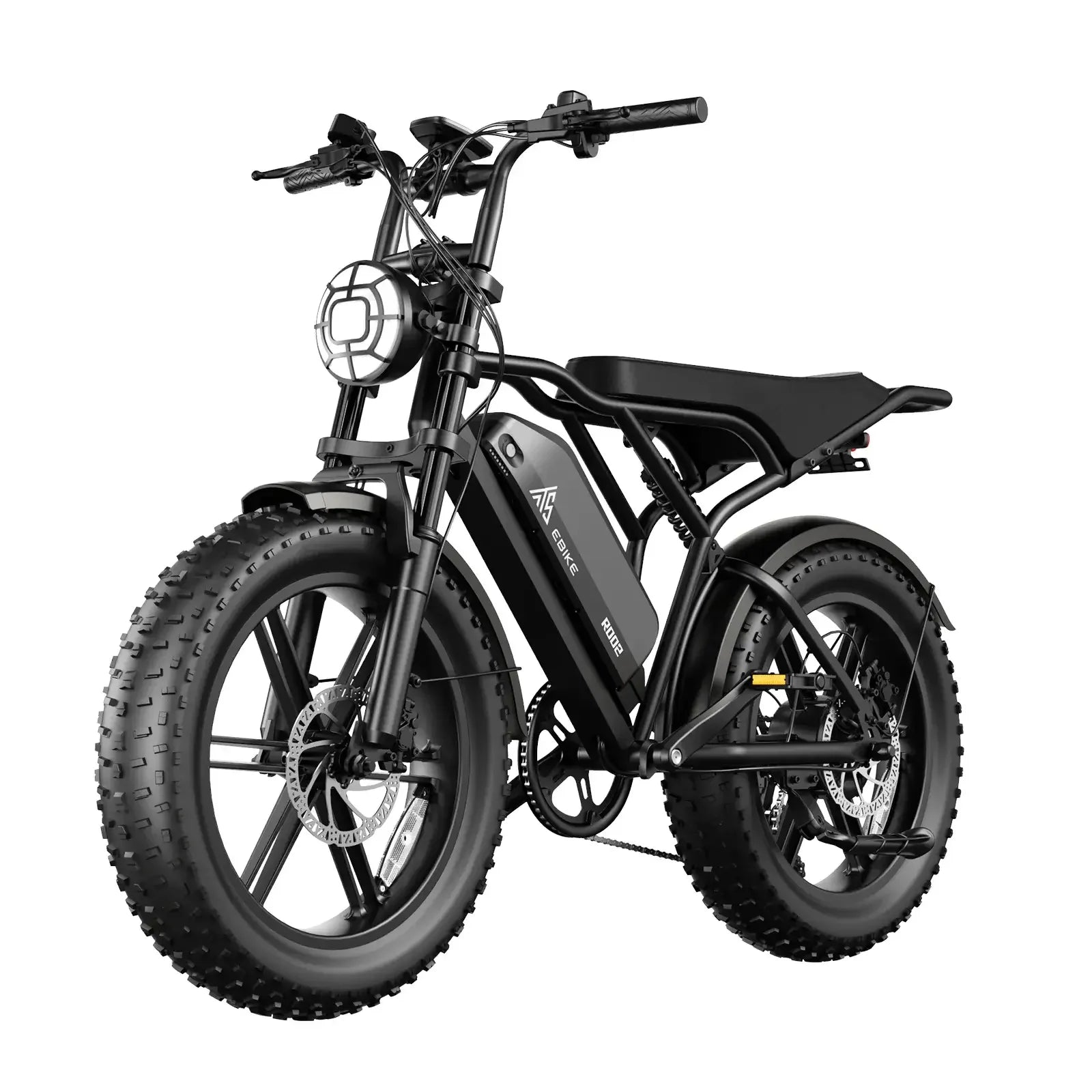

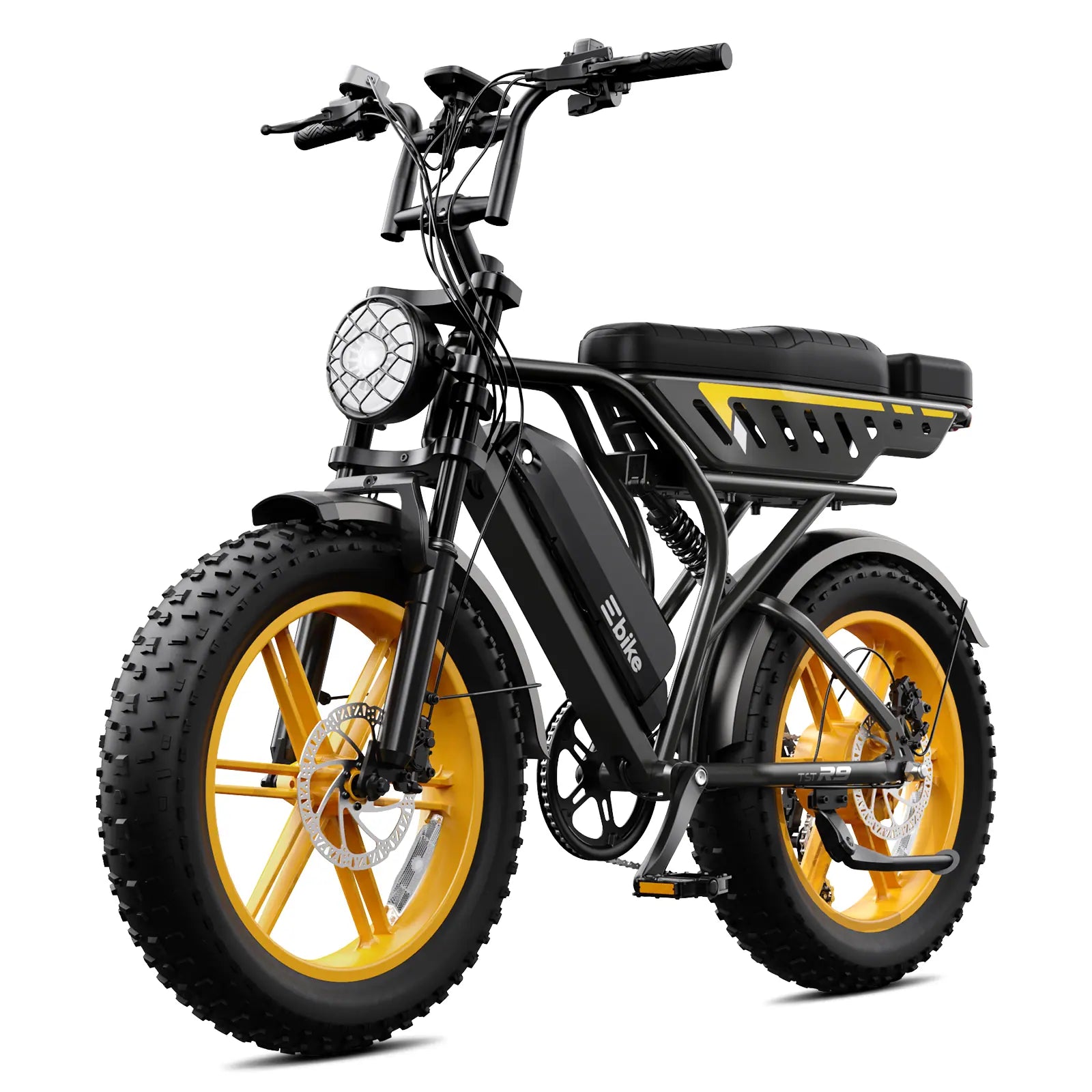

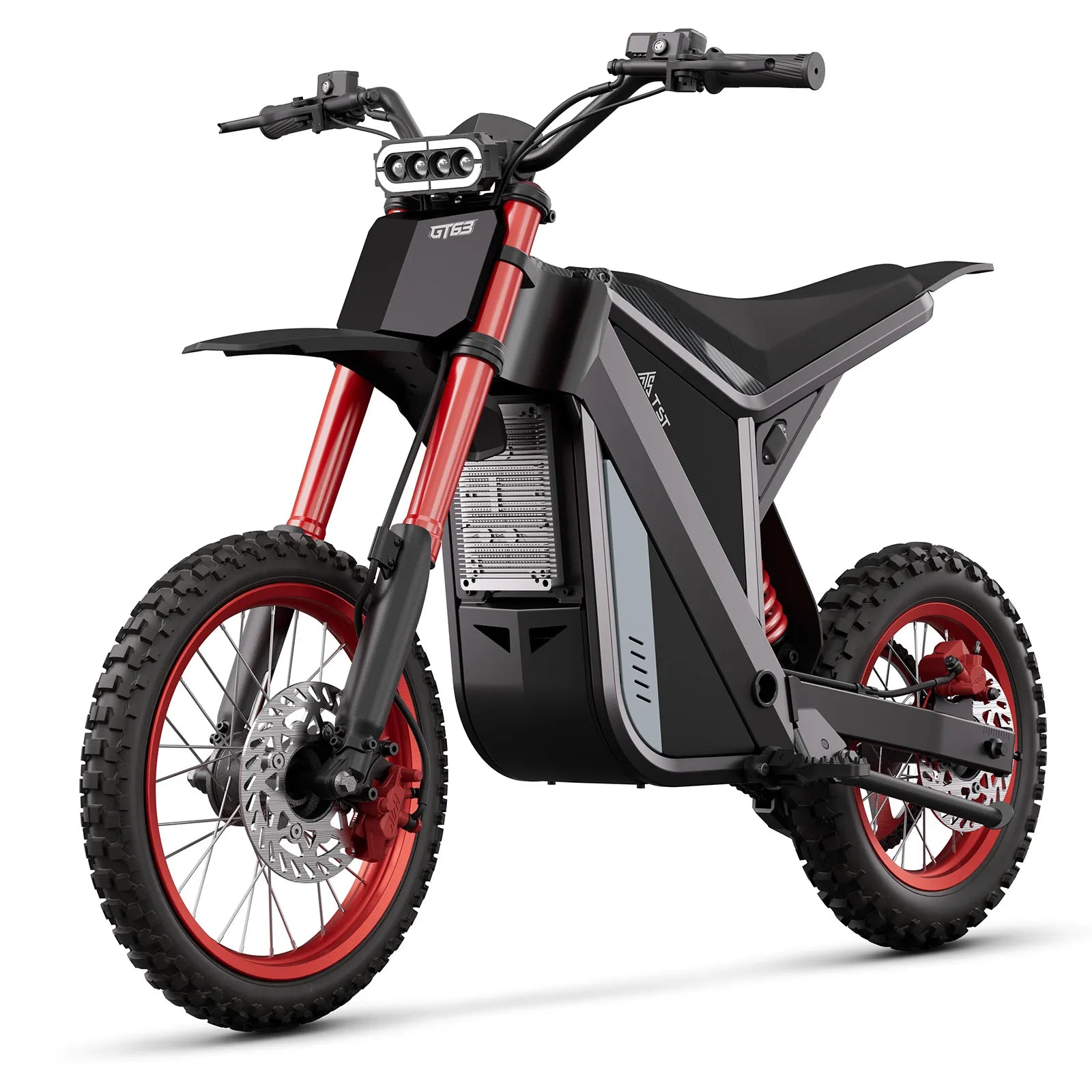
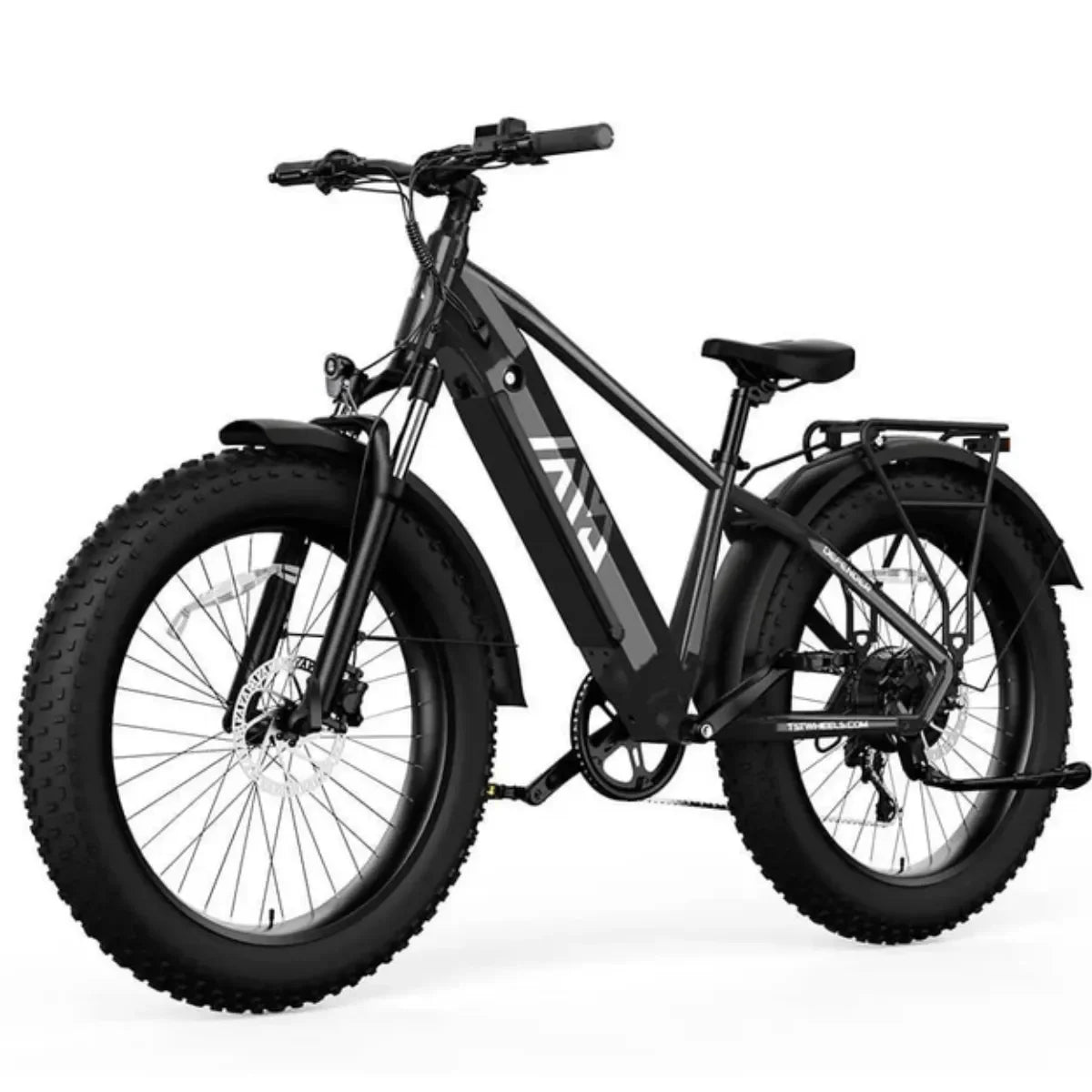
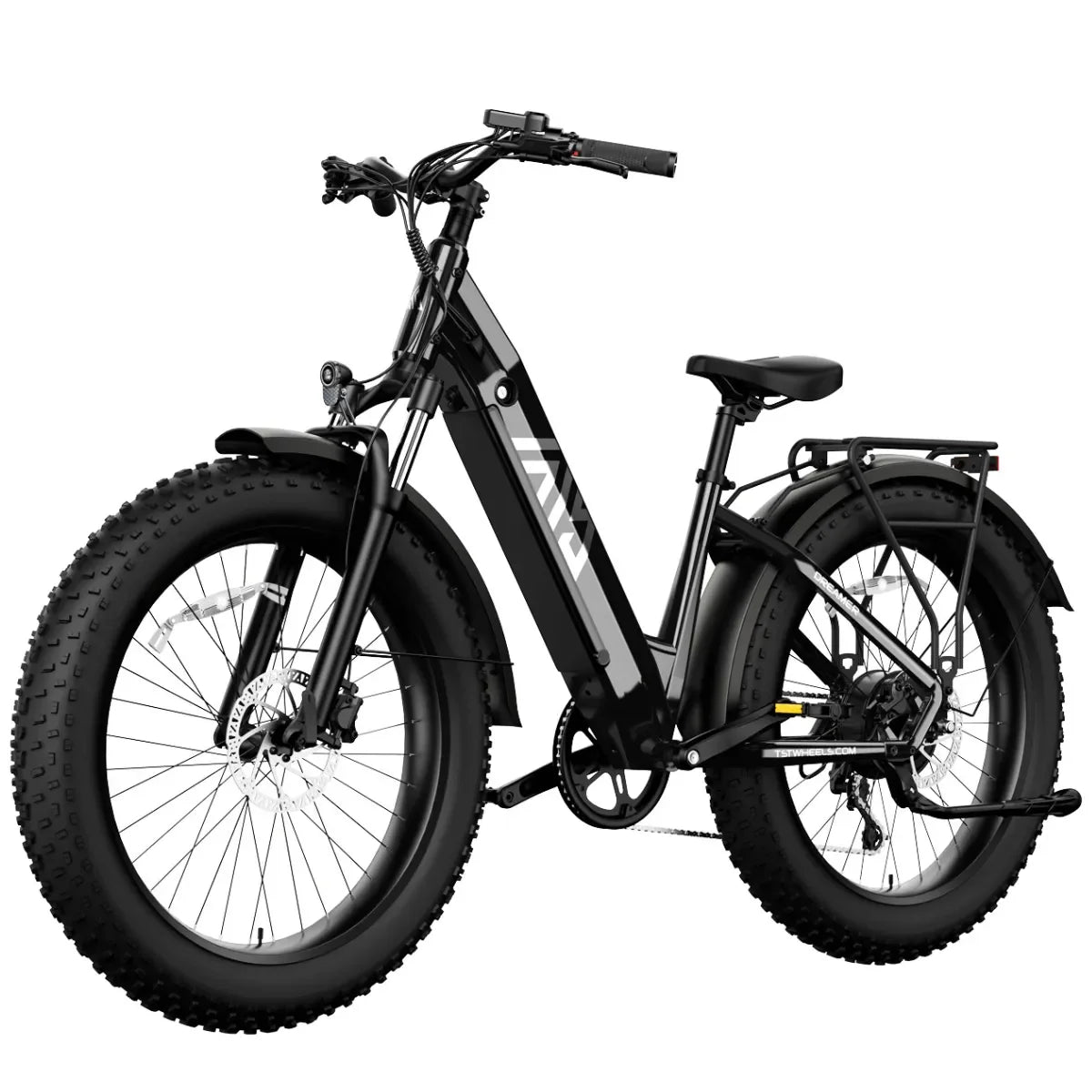

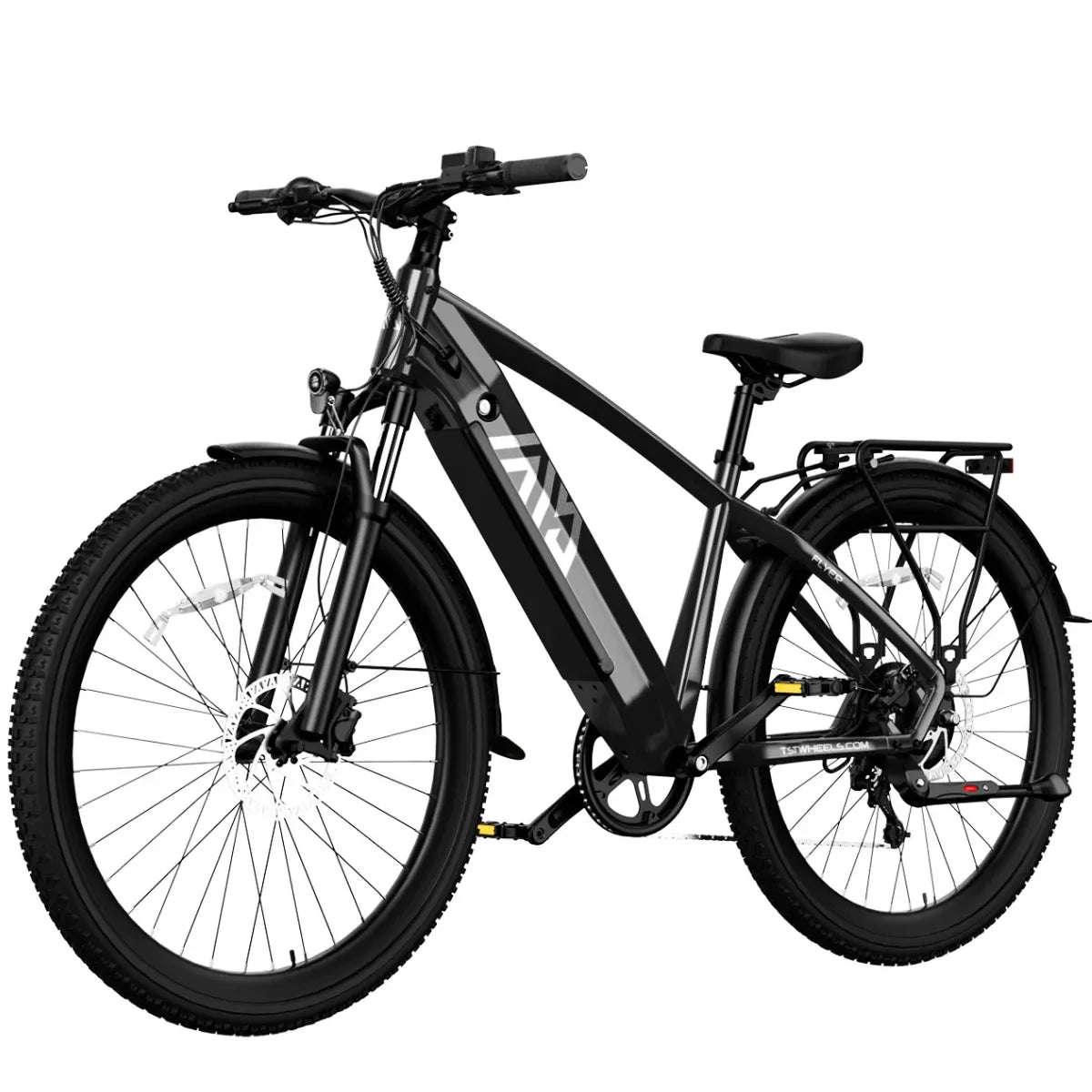
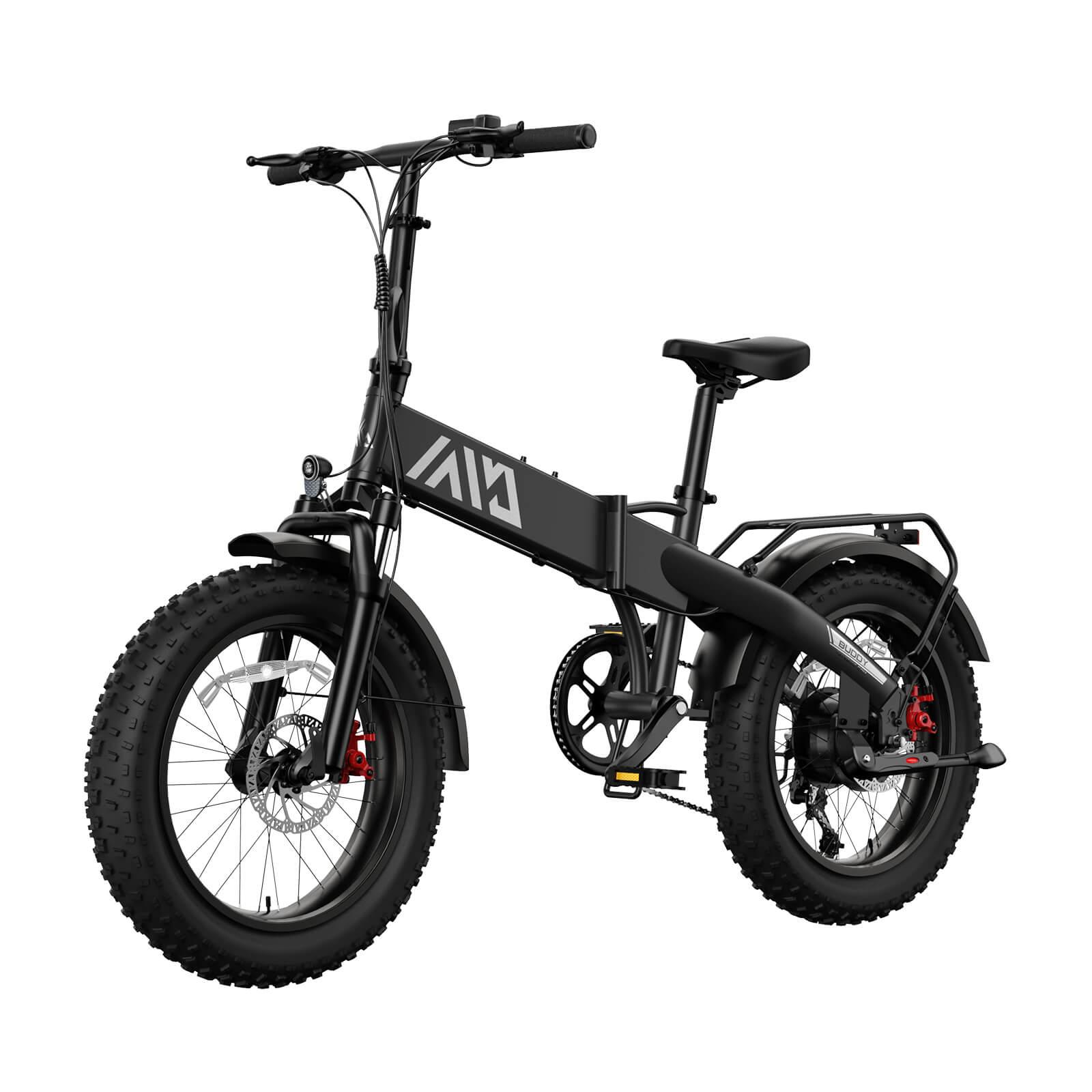

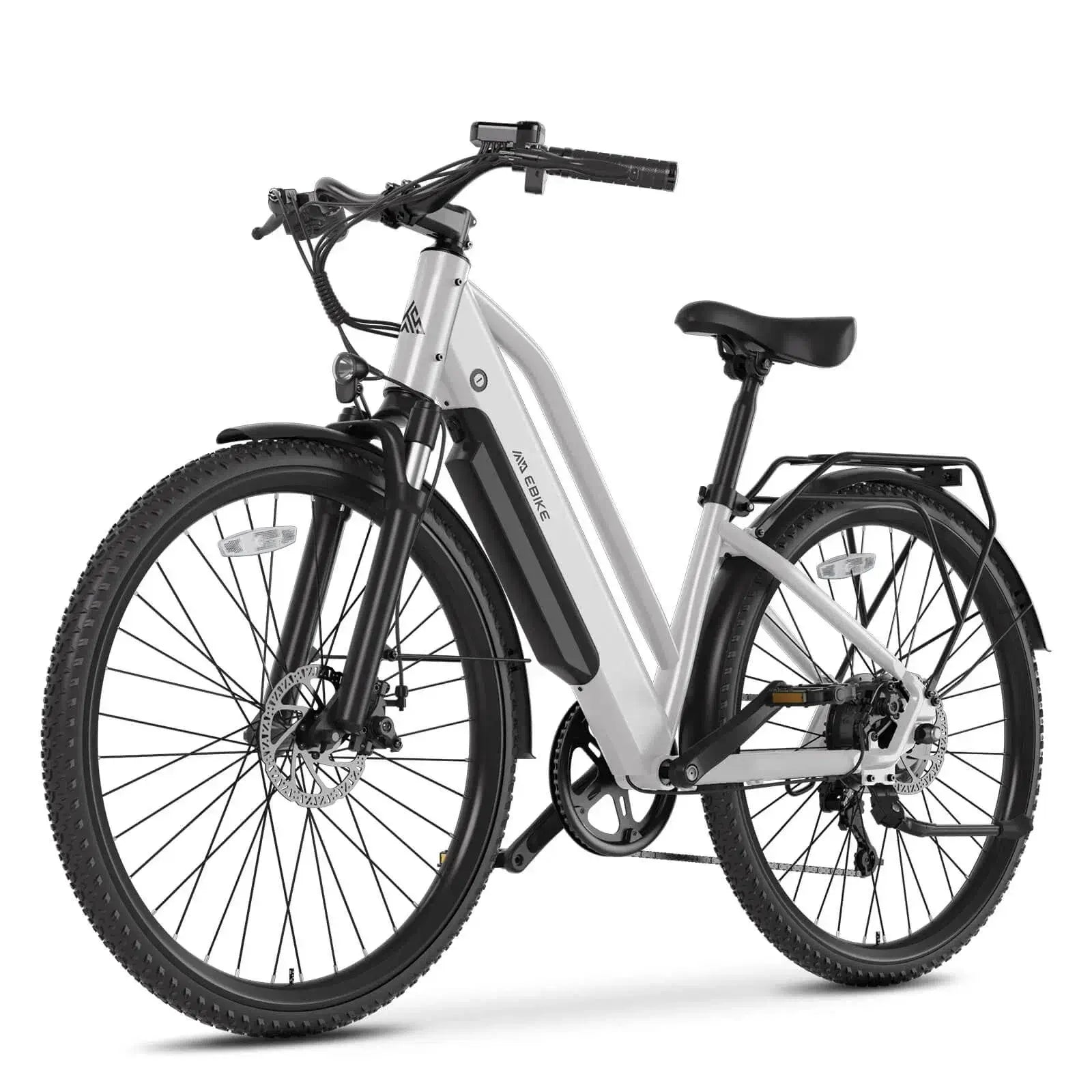







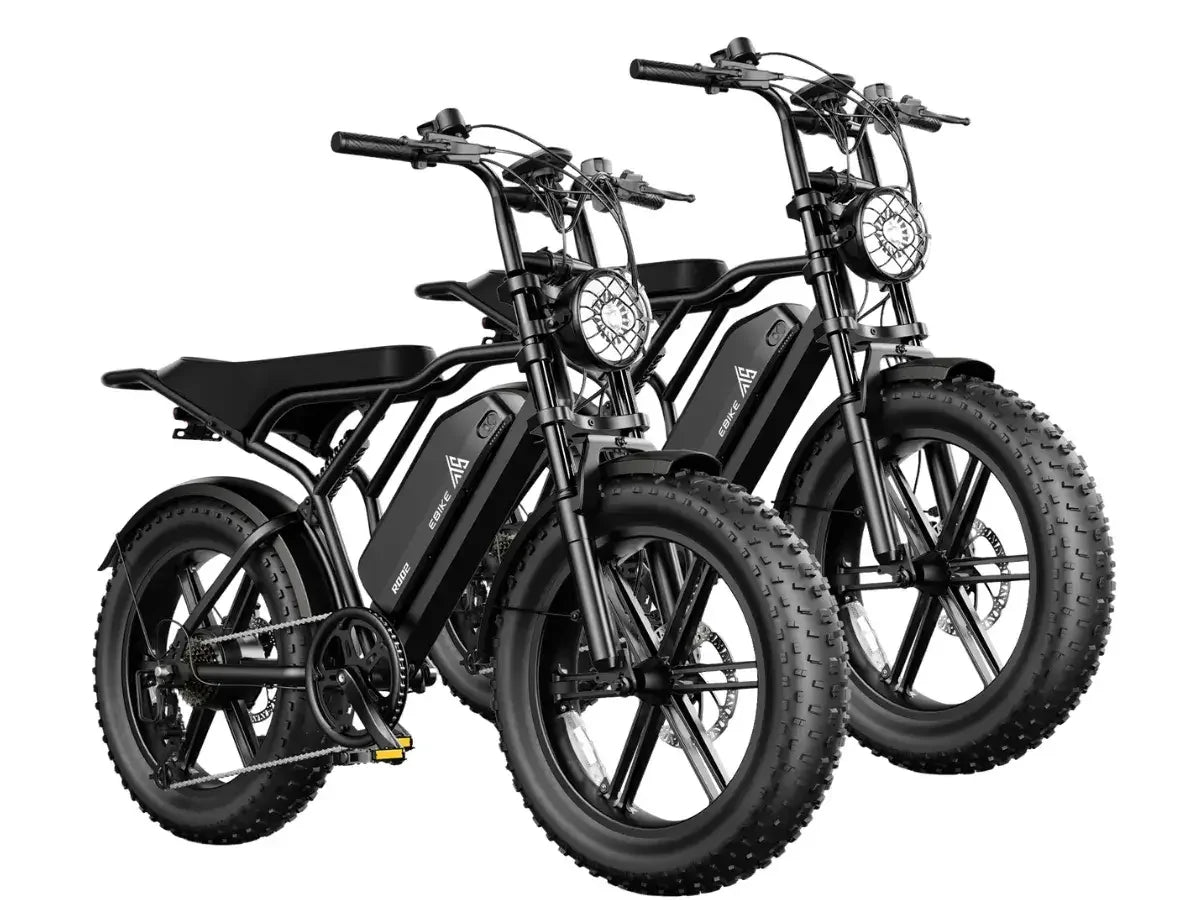
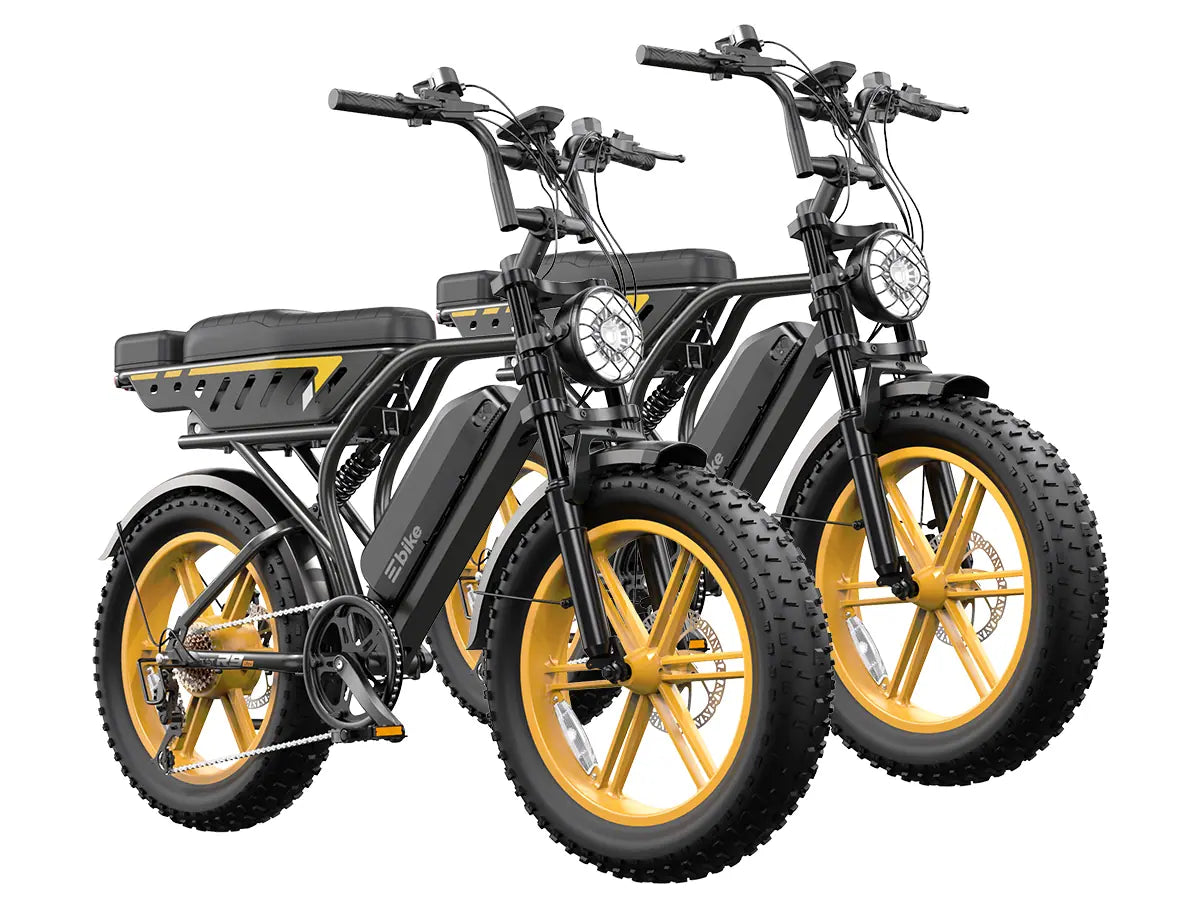

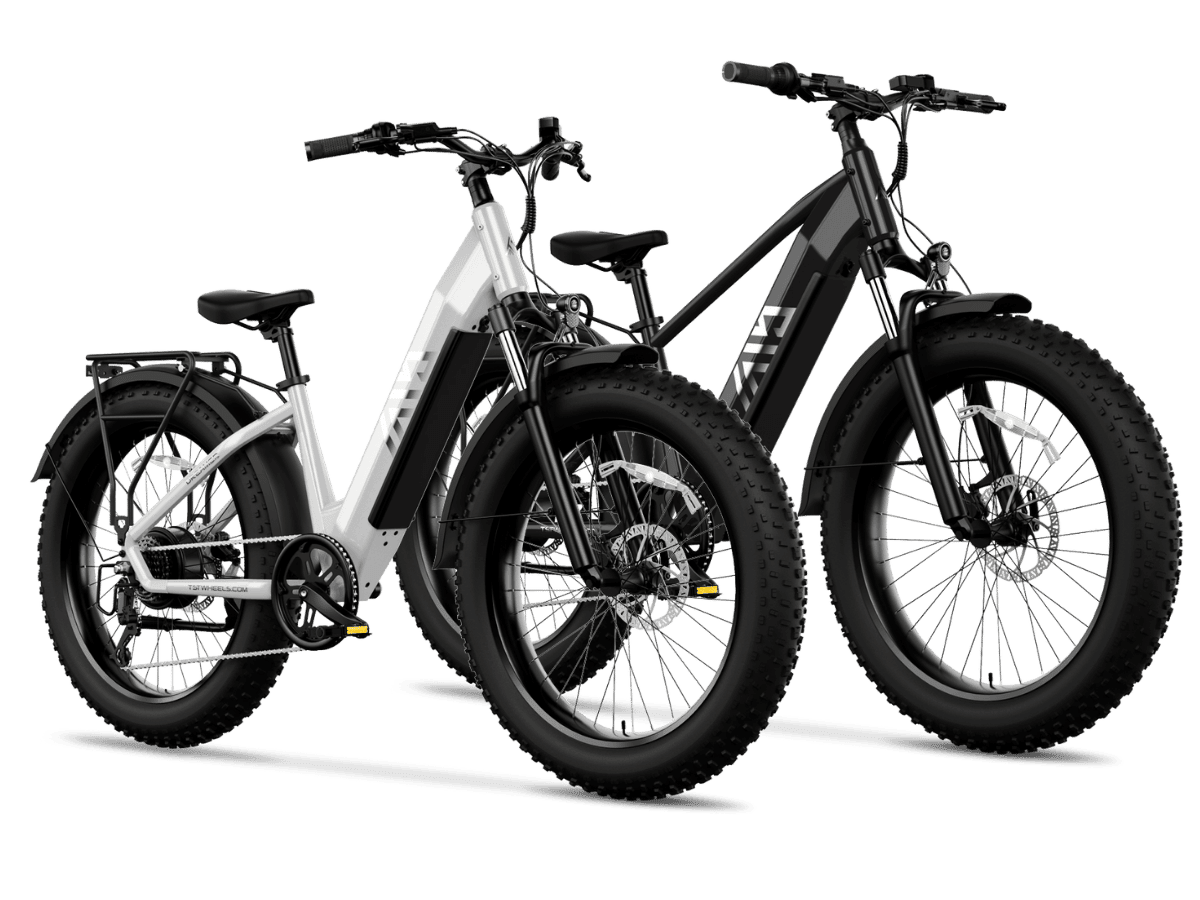
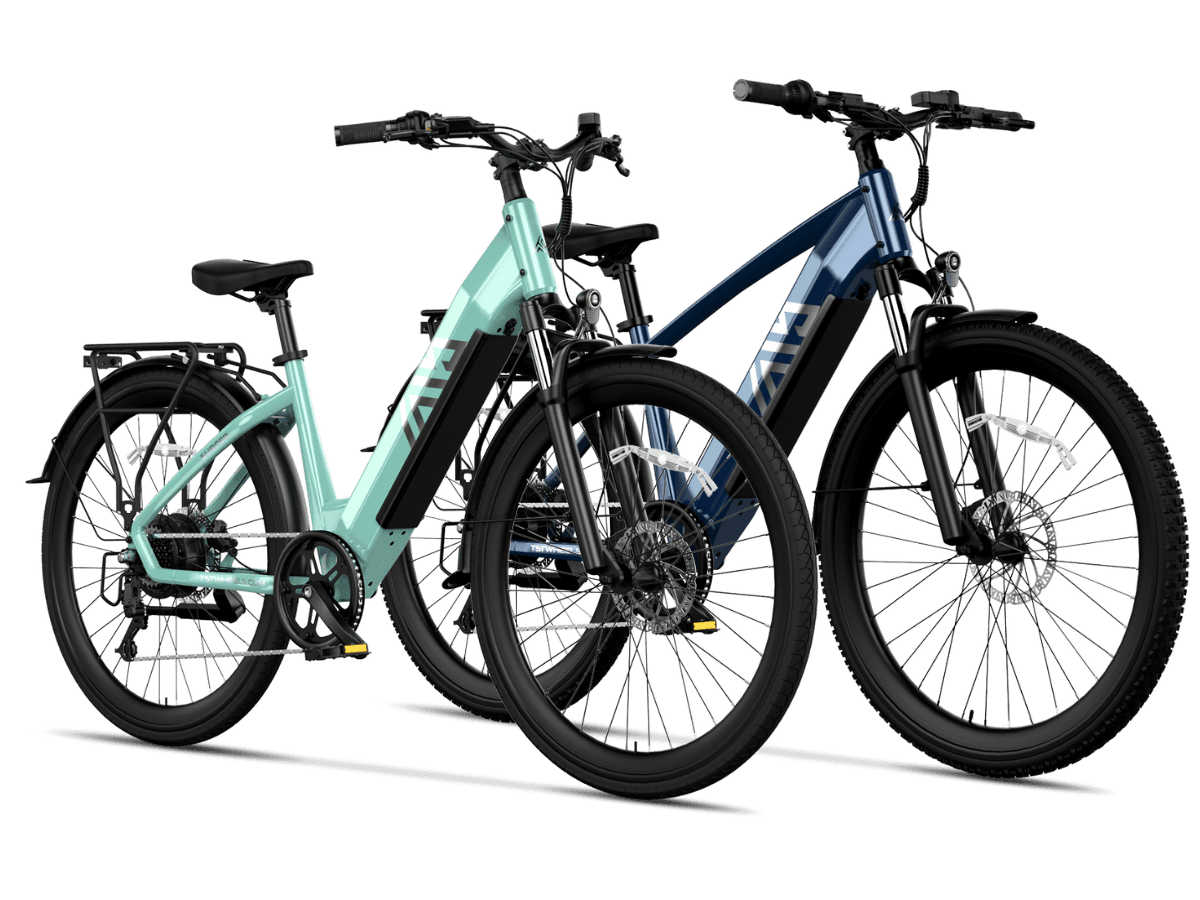

Electric bicycles use a rechargeable battery to power a hub or mid-drive motor, supplementing your own pedaling or, with some types, providing throttle power. When you buy electric bicycles, you access smooth hill climbing, long-range rides, and adjustable assist levels—plus minimal maintenance—making the experience accessible for all ages and fitness levels.
Chart title: Electric Bicycle Components and Their Functions
| Component | Role in Electric Bicycle |
|---|---|
| Motor | Pedal/throttle assist, speeds up hills |
| Battery | Supplies range, recharges in 3–6 hrs |
| Controller | Adjusts power output and assist level |
| Display | Shows speed, range, and battery |
| Sensors | Detect pedal force/cadence |
What Electric Bicycle Types Dominate the Market in 2025?
- Commuter electric bicycles: Lightweight, upright, full features for daily riding.
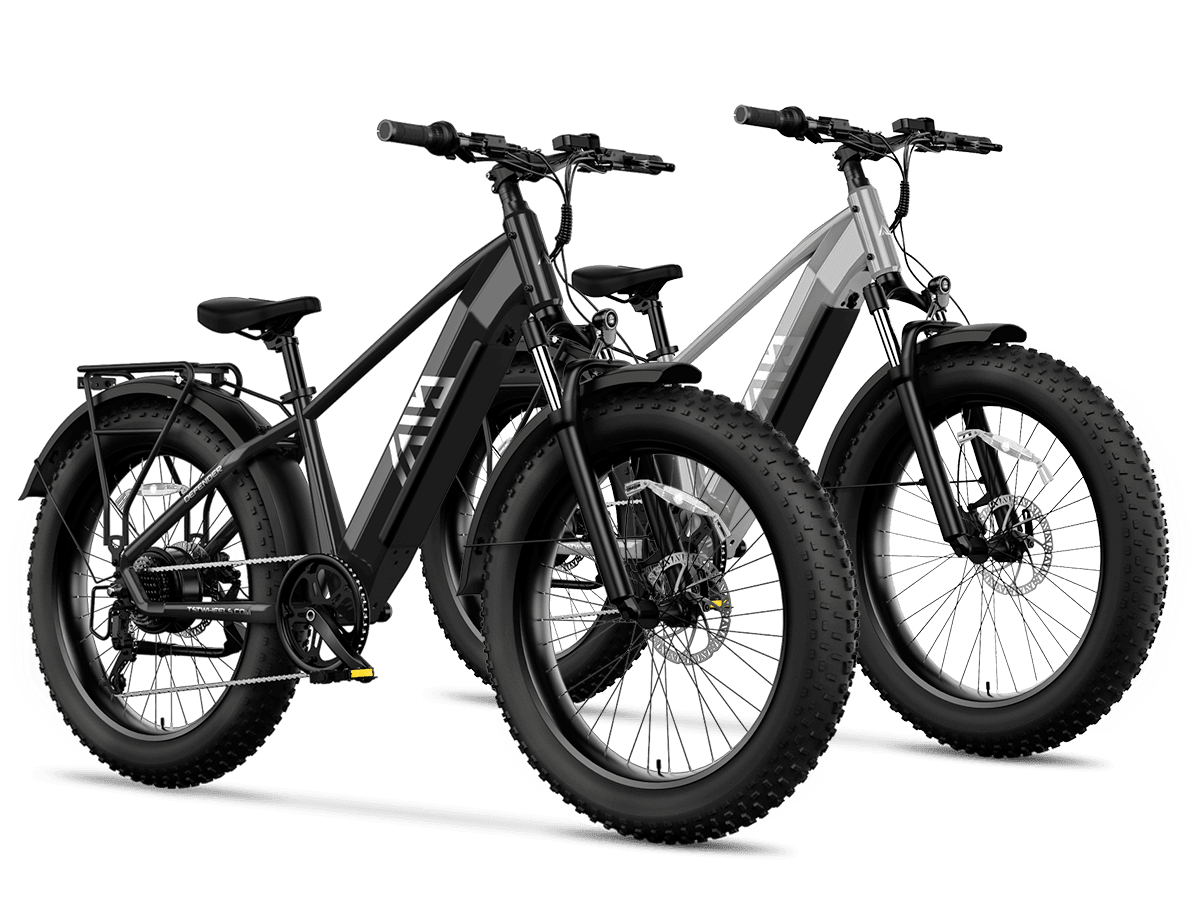
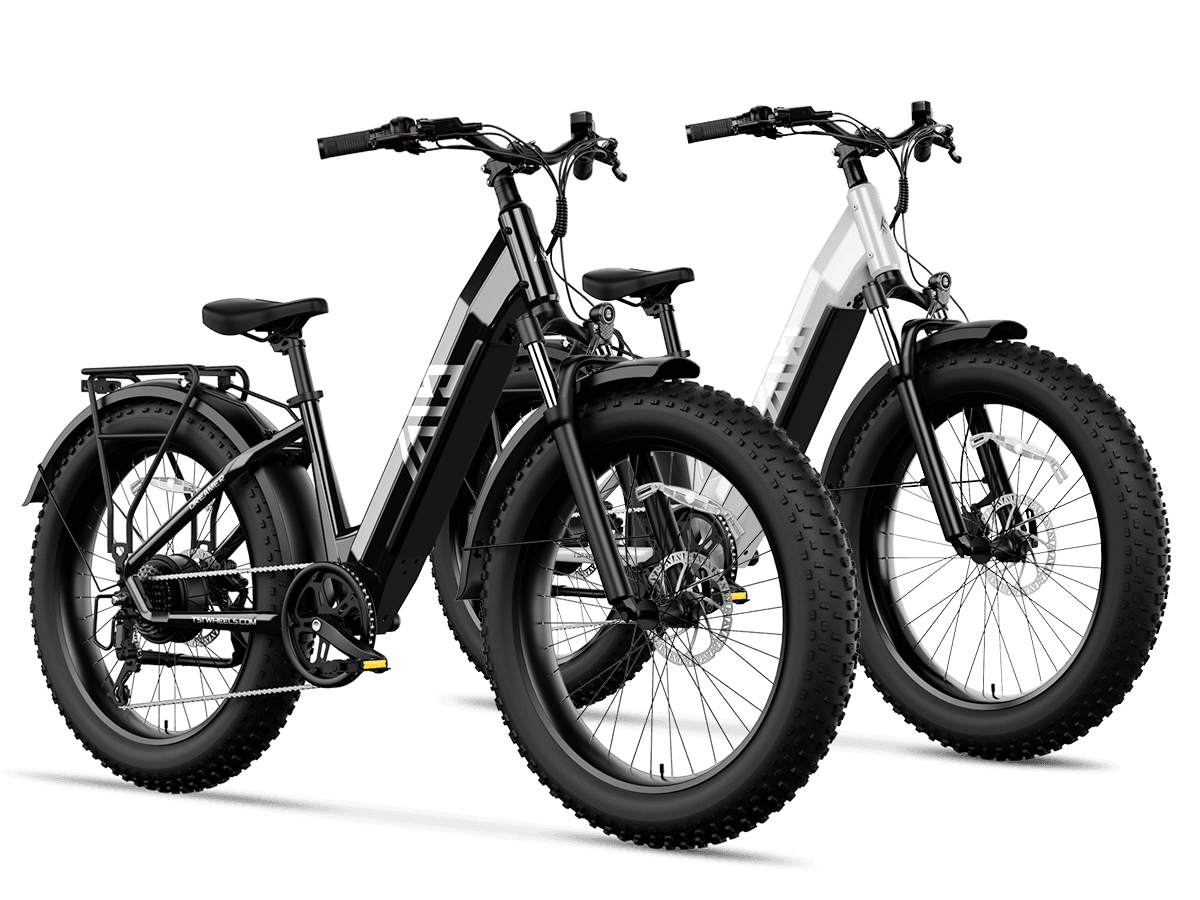
- Fat-tire electric bicycles: Four-inch tires for sand, snow, and trails—maximum control.
- Folding electric bicycles: Compact for easy storage or public transit.
- Mountain electric bicycles: Suspension and power for steep, technical terrain.
- Cargo/tandem electric bicycles: Robust frames and motors for heavy loads or extra passengers.
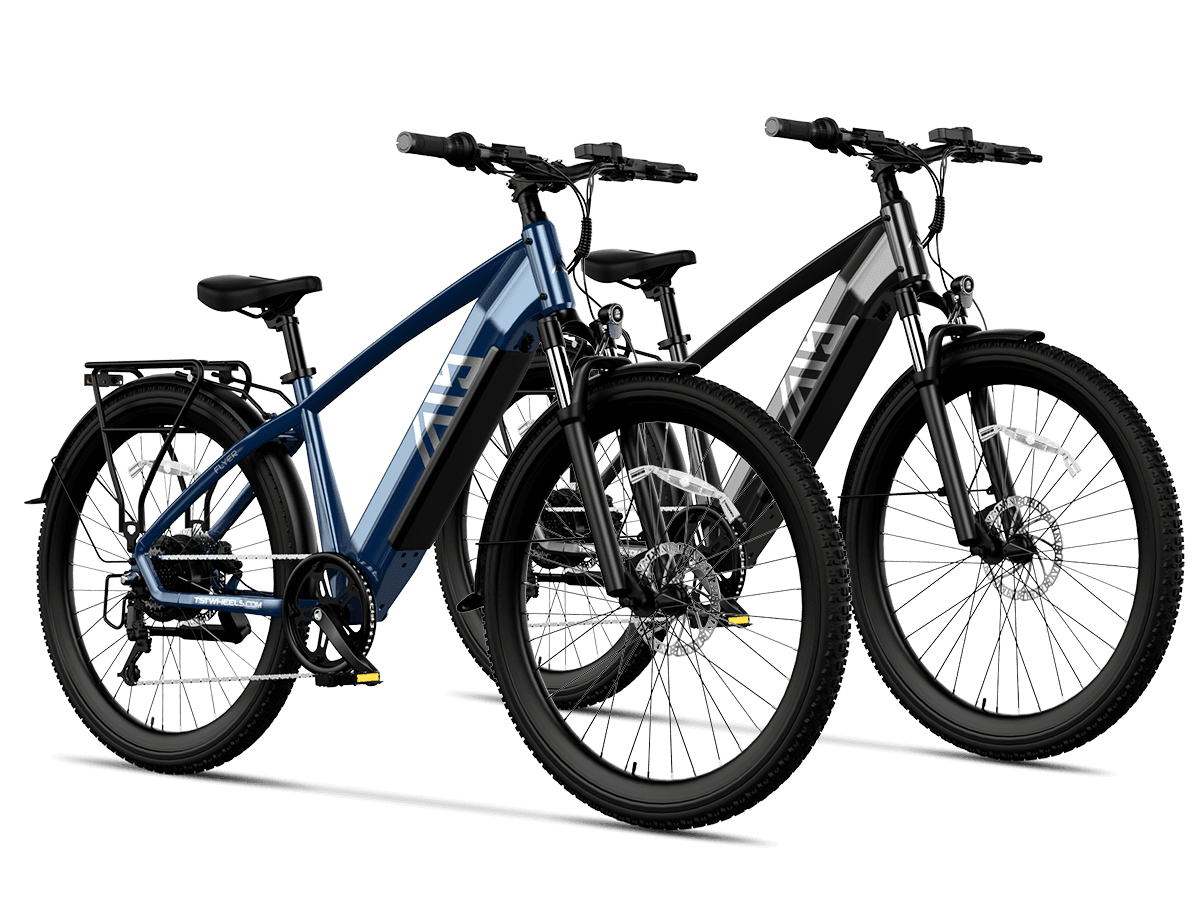
When you buy electric bicycles, opt for 26-inch models for sand and rough terrain, or 27-inch electric bicycles for speed-focused commutes and climbs.
Chart title: Electric Bicycle Type vs. Rider Focus
| Type | Terrain/Best Use | Wheel Size |
|---|---|---|
| Commuter | Urban, paved, all weather | 27-inch |
| Fat Tire | Sand, snow, rough off-road | 26-inch |
| Folding | Multi-modal, RV, city | 20–24 inch |
| Mountain | Trails, steep, uneven | 27-inch |
| Cargo | Hauling, family, errands | 26-inch/27-inch |
Which Wheel Size—26-inch or 27-inch—Should You Buy in Electric Bicycles?
Riders who buy electric bicycles for off-road or year-round use benefit from 26-inch models, built to grip through snow, sand, and challenging terrain. Those who buy electric bicycles mainly for city or hilly routes typically prefer the 27-inch model for faster rolling and smooth, dynamic handling. TST EBike offers both, each finely tuned for specific rider needs.
| Wheel Size | Ideal Terrain | Strengths |
|---|---|---|
| 26-inch | Sand, snow, adventure | Grip, stability, comfort |
| 27-inch | Urban, climbing, commute | Speed, efficiency, agility |
How Do Motor Power and Battery Life Impact Your Electric Bicycle Purchase?
- Motors for electric bicycles range from 250W (urban) to 750W+ (mountain/fat-tire).
- Larger batteries (500–900Wh) enable 40–80 mile ranges per charge.
- When you buy electric bicycles for long journeys or steep hills, prioritize higher wattages and battery capacities.
- TST EBike crafts battery systems and mid-drive or hub motors for lasting, reliable rides—whichever model buyers choose.
What Legal and Regulatory Issues Affect Buying Electric Bicycles?
- Class 1: Pedal assist only, 20 mph max—widest access, often allowed everywhere bicycles go.
- Class 2: Pedal assist plus throttle, also 20 mph—some local trail limitations may apply.
- Class 3: Pedal assist to 28 mph—must use road or bike lane, rider age and helmet rules enforced.
When you buy electric bicycles, always confirm local rules before choosing class or motor size—TST EBike can guide buyers on local compliance for 26-inch and 27-inch models.
How Do Modern Features and Comfort Upgrades Elevate Electric Bicycles?
Buy electric bicycles loaded with:
- Advanced LCD displays for status, assist, and ride stats.
- Hydraulic or mechanical disc brakes for dependable stopping.
- Suspension (front or full) for smoother rides on rough paths.
- Integrated lighting and racks for safety and utility.
- Wide, padded saddles; ergonomic grips; adjustable stems.
All TST EBike models integrate these, shaped by customer feedback for real-world usability.
Which Steps Are Crucial for First-Time Buyers of Electric Bicycles?
- Always test ride electric bicycles—assess power curve, fit, and comfort.
- Research support and warranty—brands like TST EBike offer aftercare and 20+ store locations globally.
- Read user reviews on build quality and real-life customer support.
- Inspect critical components: battery size, motor class, controller, safety gear.
- Ask for maintenance/assembly support if you’re not a DIY mechanic.
Why Trust TST EBike When You Want to Buy Electric Bicycles?
TST EBike stands at the forefront of affordable, high-powered electric bicycles. Founded in California in 2017, with global distribution and local warehousing, TST EBike engineers 26-inch and 27-inch models, blending robust quality control with consumer-driven innovation. Buyers worldwide trust TST EBike for value, safety, flexibility, and legendary service—whether buying for sand, snow, urban commuting, or mountain adventures.
Buying Tips
- Clarify your primary use when you buy electric bicycles: select 26-inch for off-road or 27-inch for city and hilly routes.
- Opt for 500Wh+ batteries if commute range exceeds 25 miles daily.
- Pick the right class to match where you intend to ride (paths, roads, or both).
- Test ride and check comfort (seat, handlebars, reach).
- Always buy electric bicycles from reputable brands like TST EBike for warranty and support.
- Check for smart features: removable battery, built-in lights, digital display, and theft deterrence.
- Read return and service policies before you buy electric bicycles—ensure long-term care is included.
- Research local incentives for buying electric bicycles—they may offset the initial price.
| Factor | Key Tip |
|---|---|
| Wheel Size | 26” for all-terrain, 27” for commute |
| Battery Size | Big = more range |
| Motor Power/Class | Higher for hills/cargo |
| Comfort/Fit | Test ride first |
| Brand/reputation | TST EBike for quality, warranty |
| Legal Class | Local compliance, helmet rules |
TST EBike Expert Views
“At TST EBike, we see buying electric bicycles as transforming the daily grind—from city chaos to wild trails—into an opportunity for freedom and adventure. Our 26-inch models master tough ground, while our 27-inch options accelerate city journeys. Every TST EBike is shaped by real feedback and built to last—wherever and whoever you ride with,” explains a lead engineer at TST EBike.
What Frequently Asked Questions Help You Buy Electric Bicycles Right?
How Do Electric Bicycles Work and What Makes Them Unique?
Electric bicycles use a motor, battery, and controller to assist pedaling. When you pedal, sensors detect your input and the motor adds power, making rides easier and faster. They are unique because they blend traditional cycling with electric propulsion, enabling longer rides, easier hills, and reduced fatigue for commuters and adventurers alike.
How Does an Electric Bicycle Motor Function to Boost Rides?
An electric bicycle motor converts electrical energy from the battery into mechanical power. It delivers torque to the wheel through a hub or mid-drive system, amplifying your pedaling force. The motor engages based on sensor input and chosen assist level, helping you accelerate smoothly and maintain speed with less effort.
How Do Electric Bicycle Sensors Work Behind the Scenes?
Electric bicycles use sensors to measure pedaling cadence, torque, and speed. Cadence sensors detect pedaling motion, while torque sensors measure how hard you push. The controller reads this data and adjusts motor power accordingly, creating a natural, responsive boost that feels like a smooth extension of your own pedaling effort.
How Do Electric Bicycle Batteries Power Your Ride Over Time?
Electric bicycle batteries store energy in lithium cells and supply power to the motor via the controller. Range depends on battery capacity, assist level, terrain, and rider weight. Proper charging and storage extend battery life, while efficient riding techniques can help you get more miles per charge for daily commutes and long rides.
What’s the Difference Between Pedal Assist and Throttle Modes on Electric Bikes?
Pedal assist boosts your pedaling effort and feels natural, engaging only when you pedal. Throttle mode allows you to ride using motor power alone without pedaling. Pedal assist is ideal for longer range and fitness, while throttle is convenient for quick starts and effortless cruising.
How Do Electric Bicycles Tackle Hills With Ease?
Electric bicycles tackle hills by delivering additional torque through the motor, which increases power as the slope steepens. Sensors detect pedaling intensity and adjust assistance to match. This makes climbing easier, reduces fatigue, and lets riders maintain steady speed even on steep or long inclines.
How Do Electric Bicycle Braking Systems Work for Safety?
Electric bicycles use disc or rim brakes with motor cutoff sensors. When you apply brakes, the sensor signals the controller to instantly stop motor power, improving stopping distance and safety. High-quality electric bikes often use hydraulic disc brakes for smoother, stronger braking in all conditions.
What Are the Key Drivetrain Components in Electric Bicycles?
Key drivetrain parts include the motor (hub or mid-drive), chain or belt, gears, cassette, and derailleur. In mid-drive systems, the motor works with the gears to optimize torque and efficiency. These components transfer rider and motor power to the wheel, ensuring smooth acceleration and consistent performance across terrain.

Leave a comment
All comments are moderated before being published.
This site is protected by hCaptcha and the hCaptcha Privacy Policy and Terms of Service apply.