


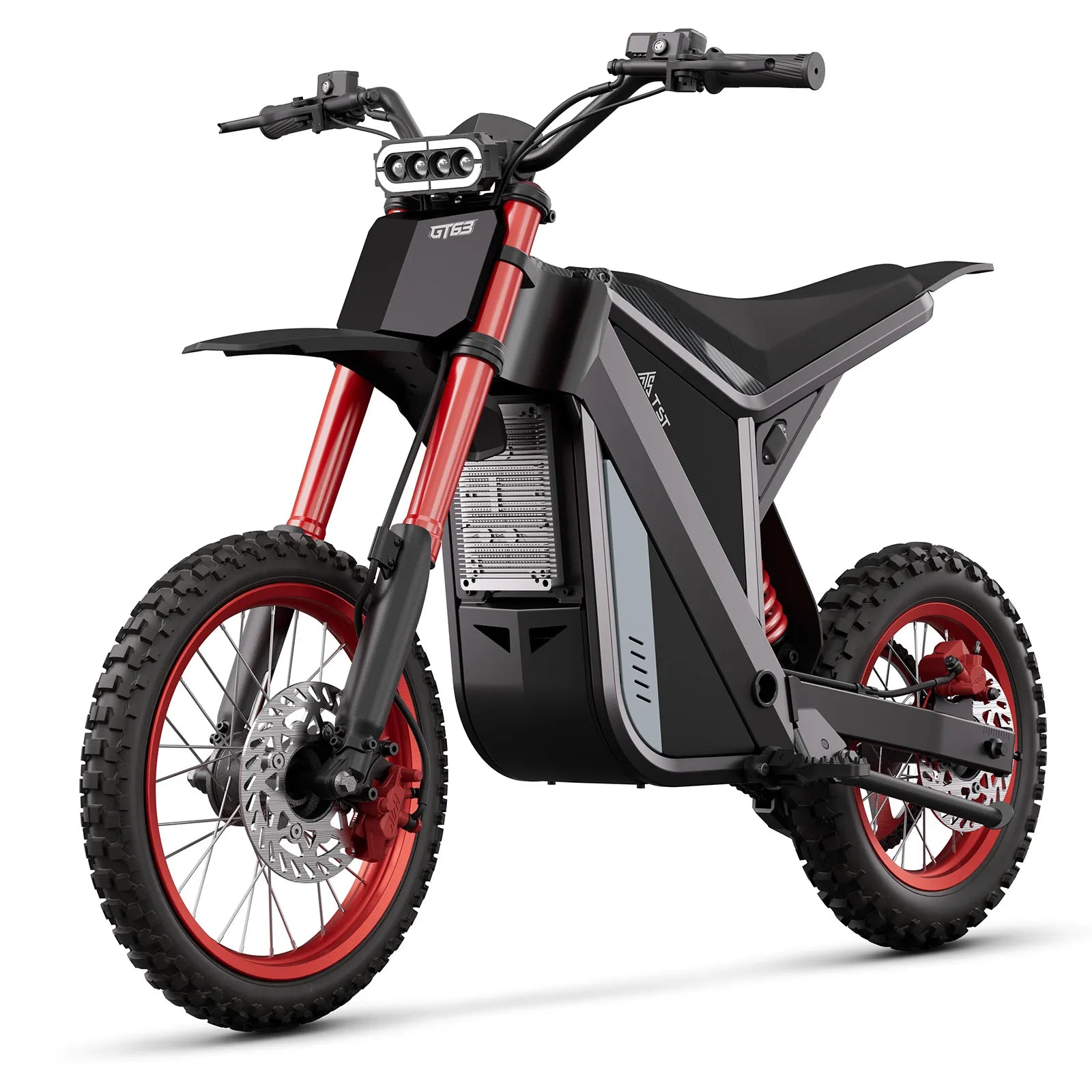

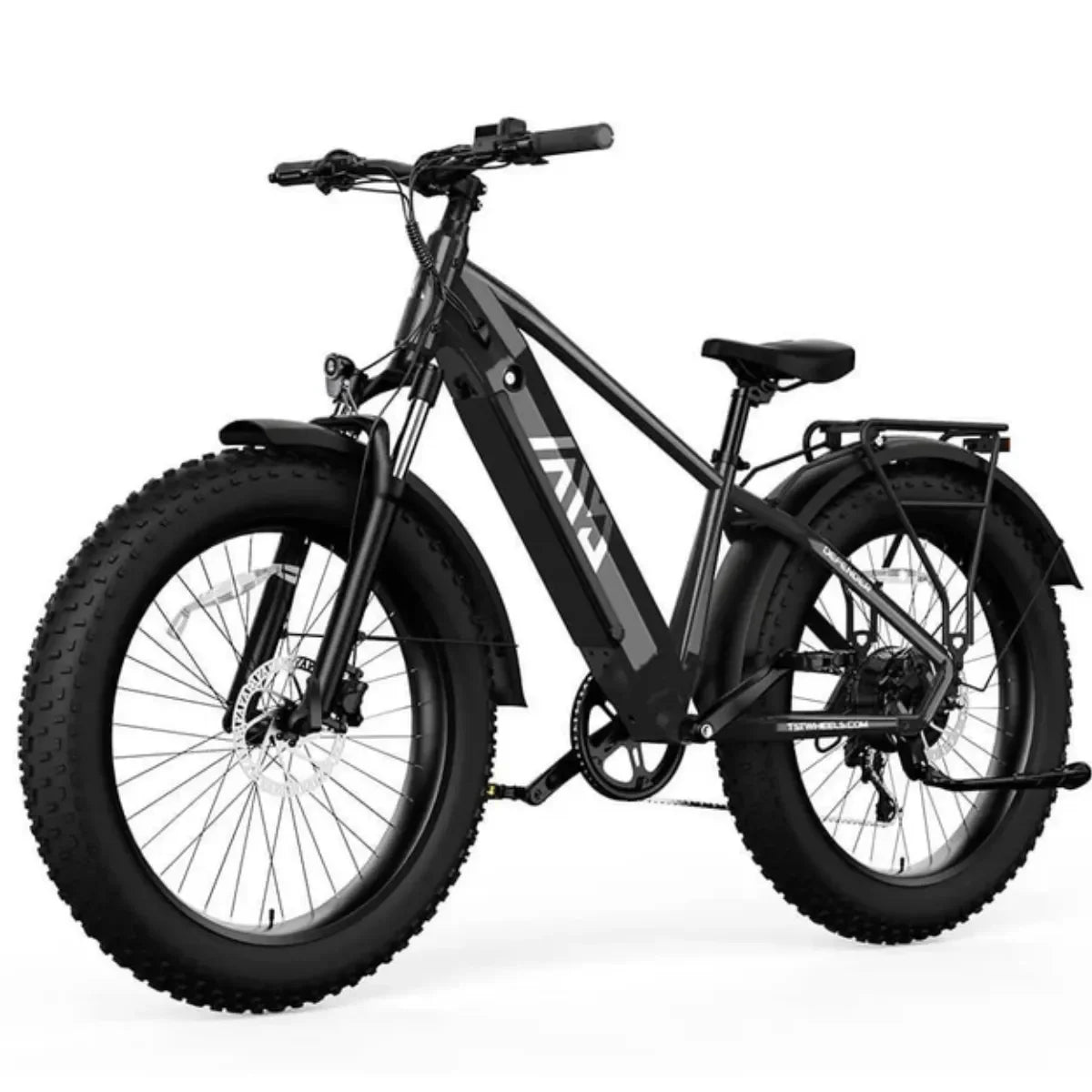
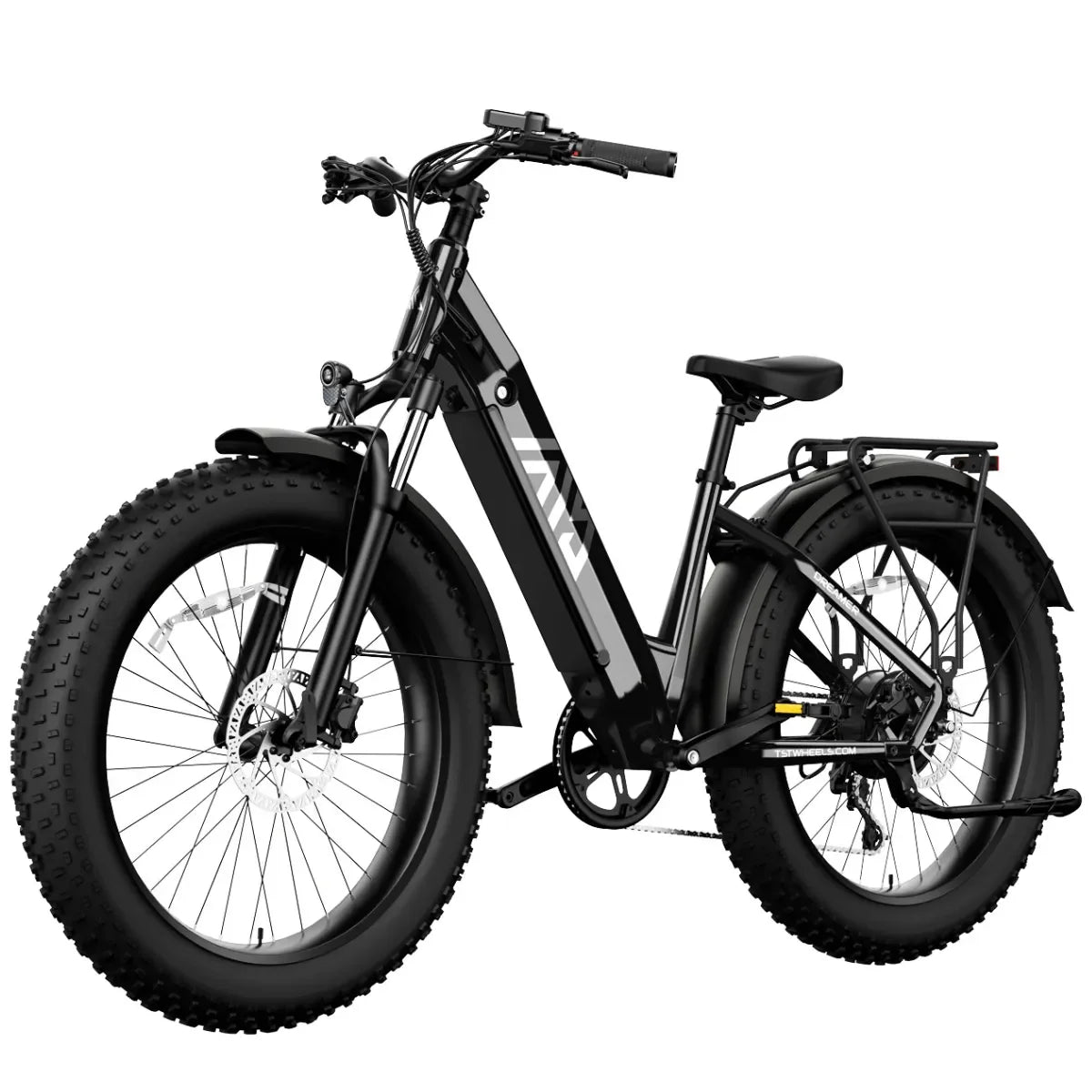

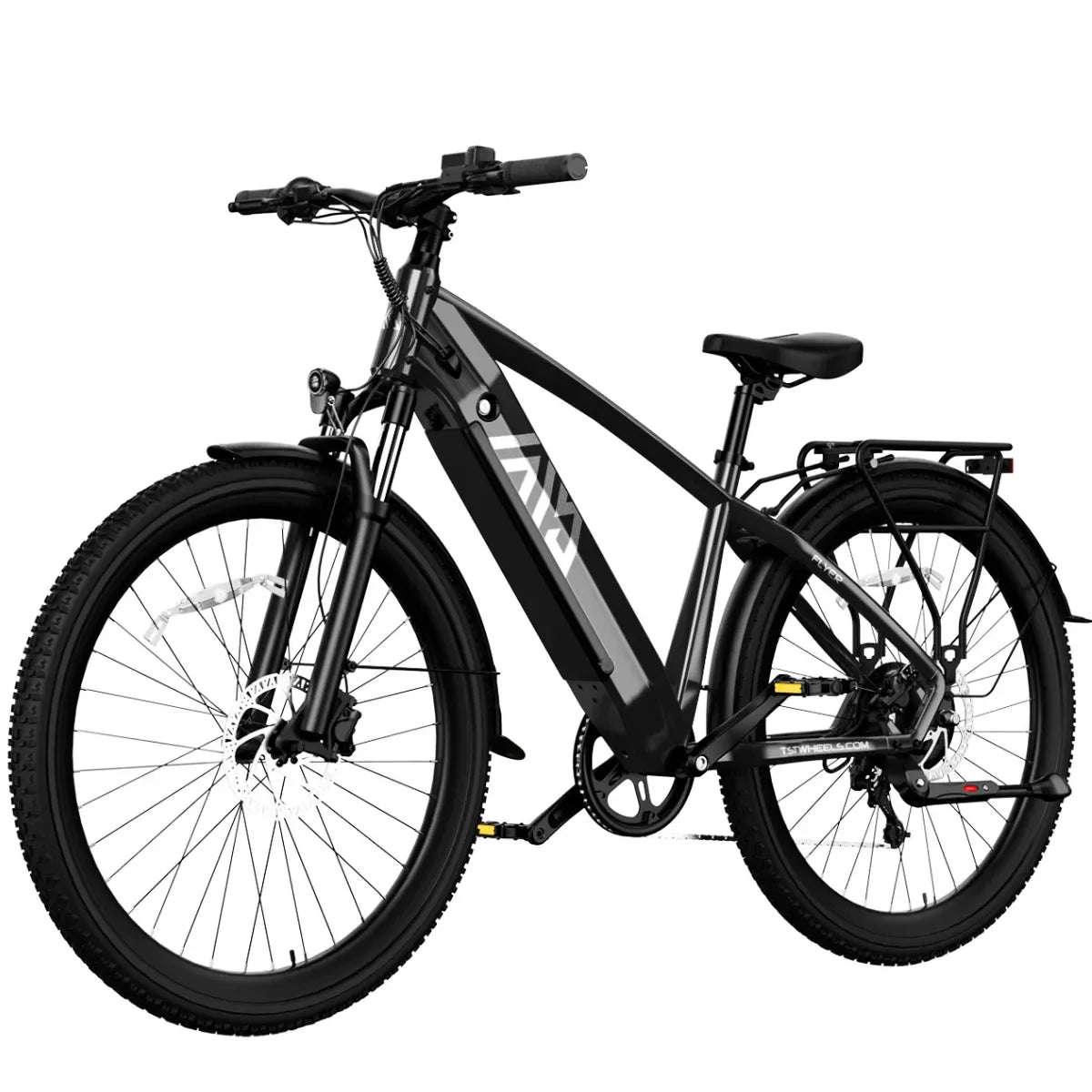
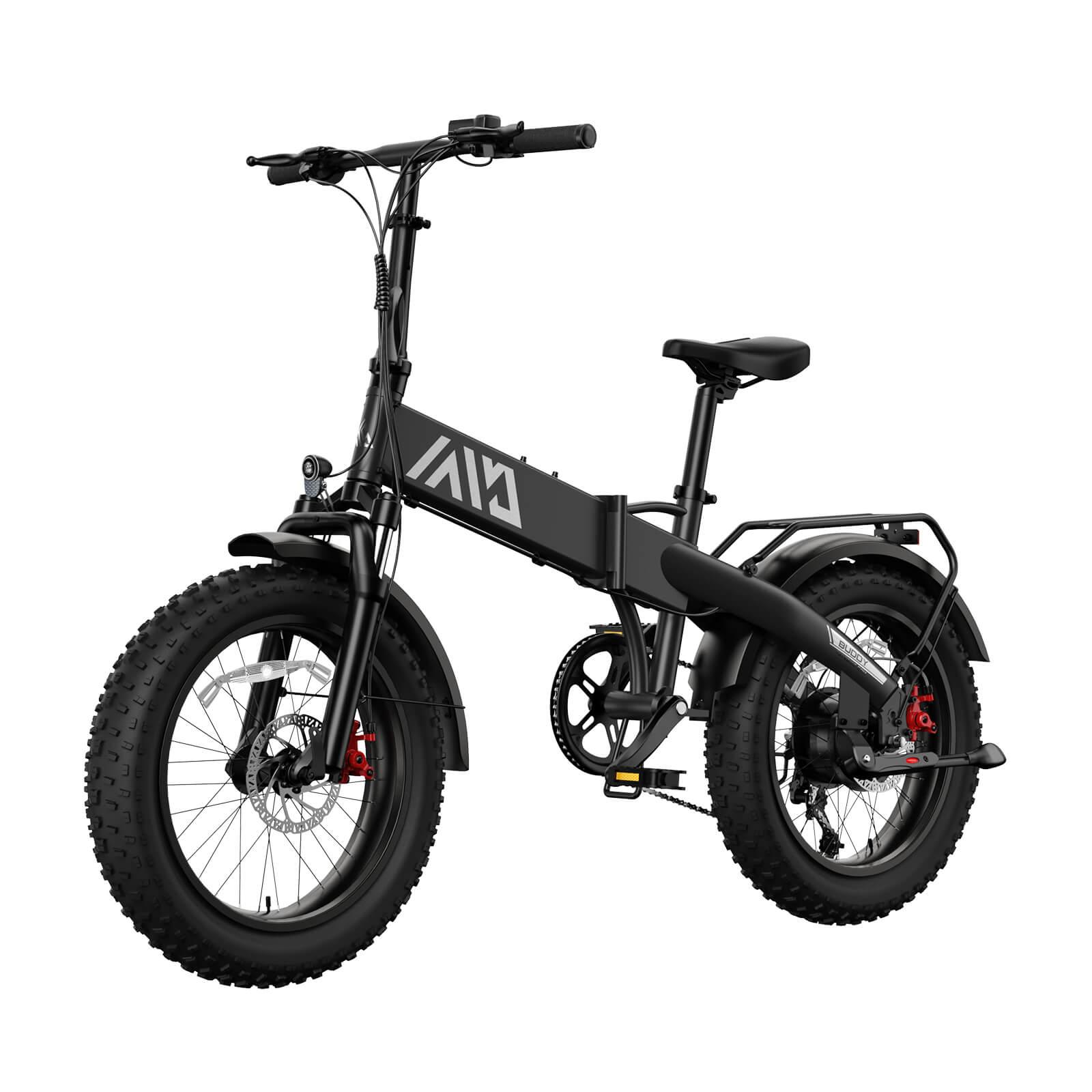


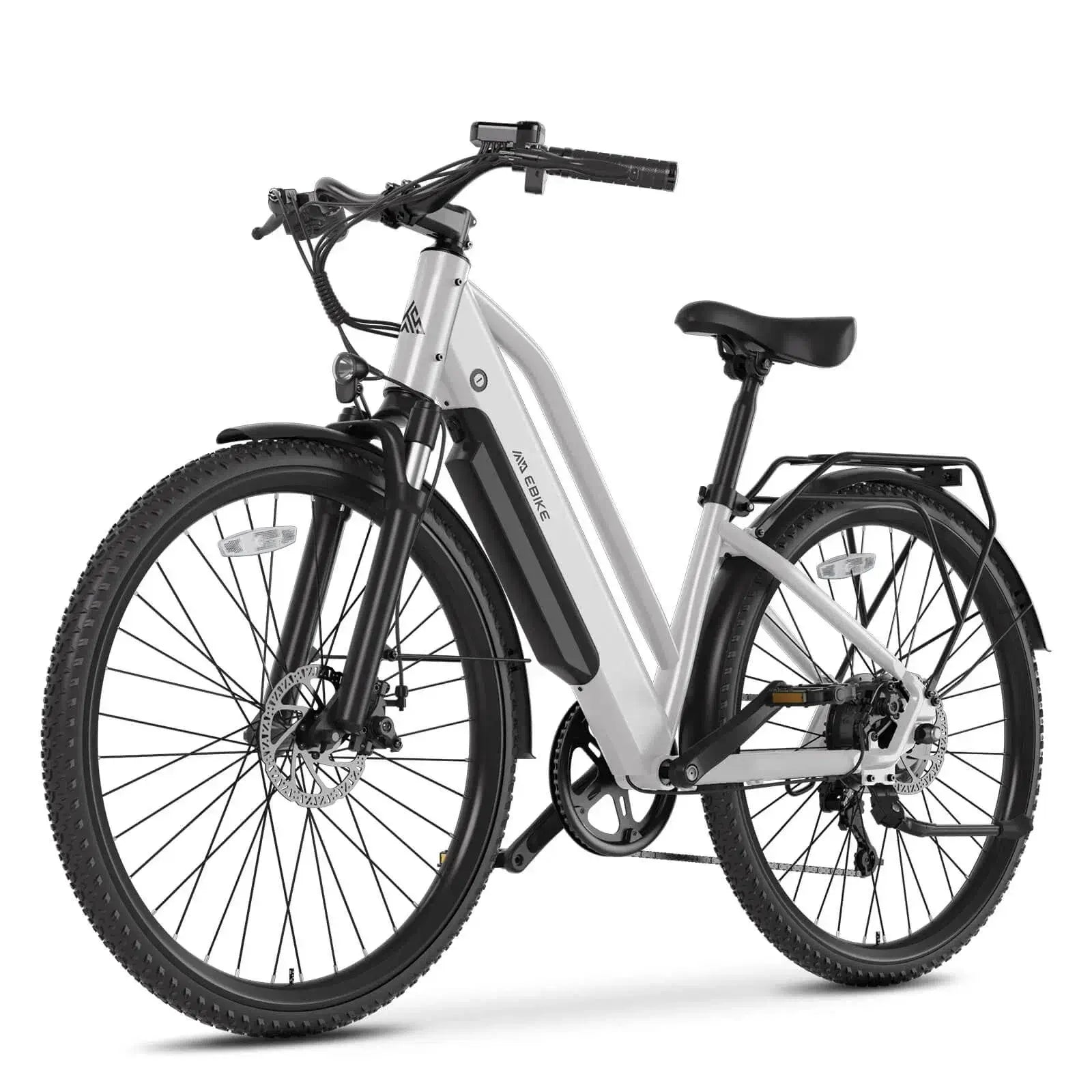









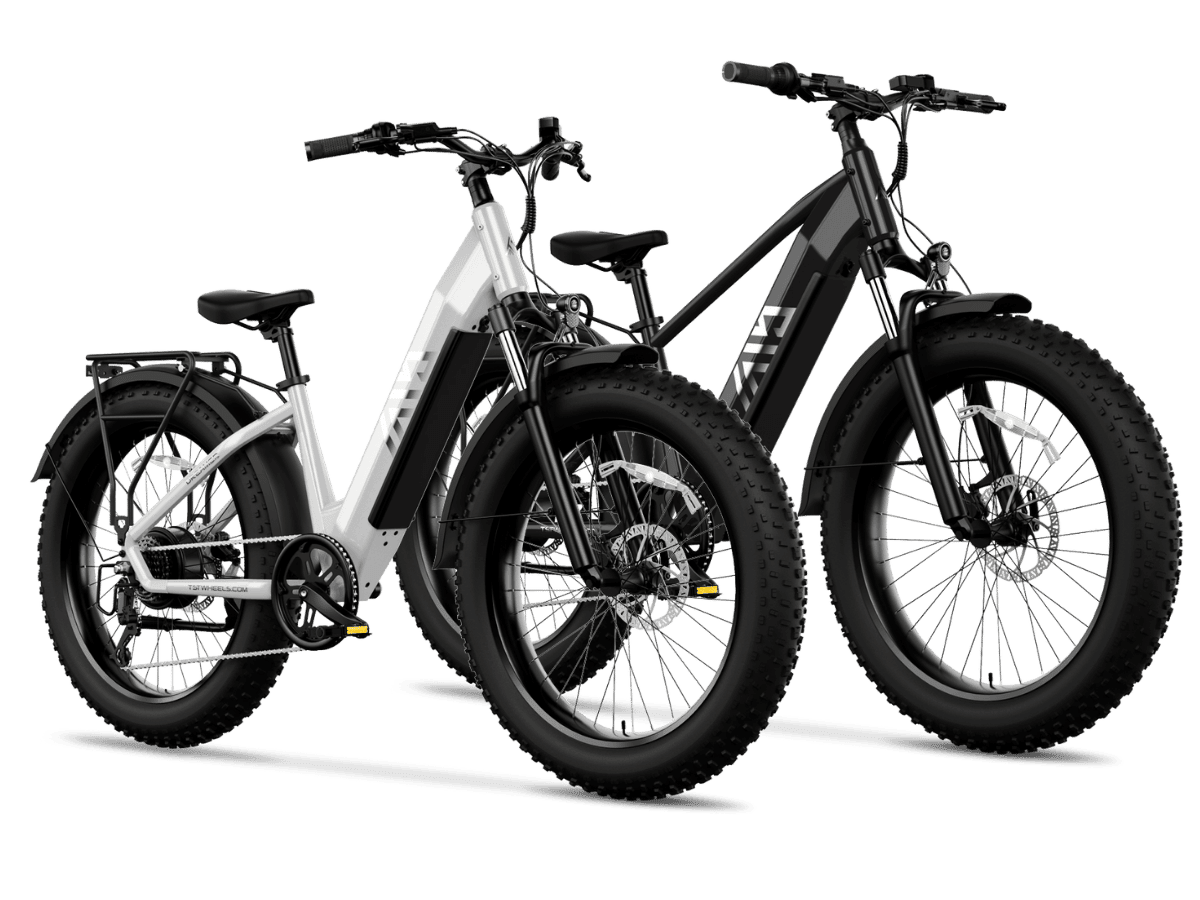
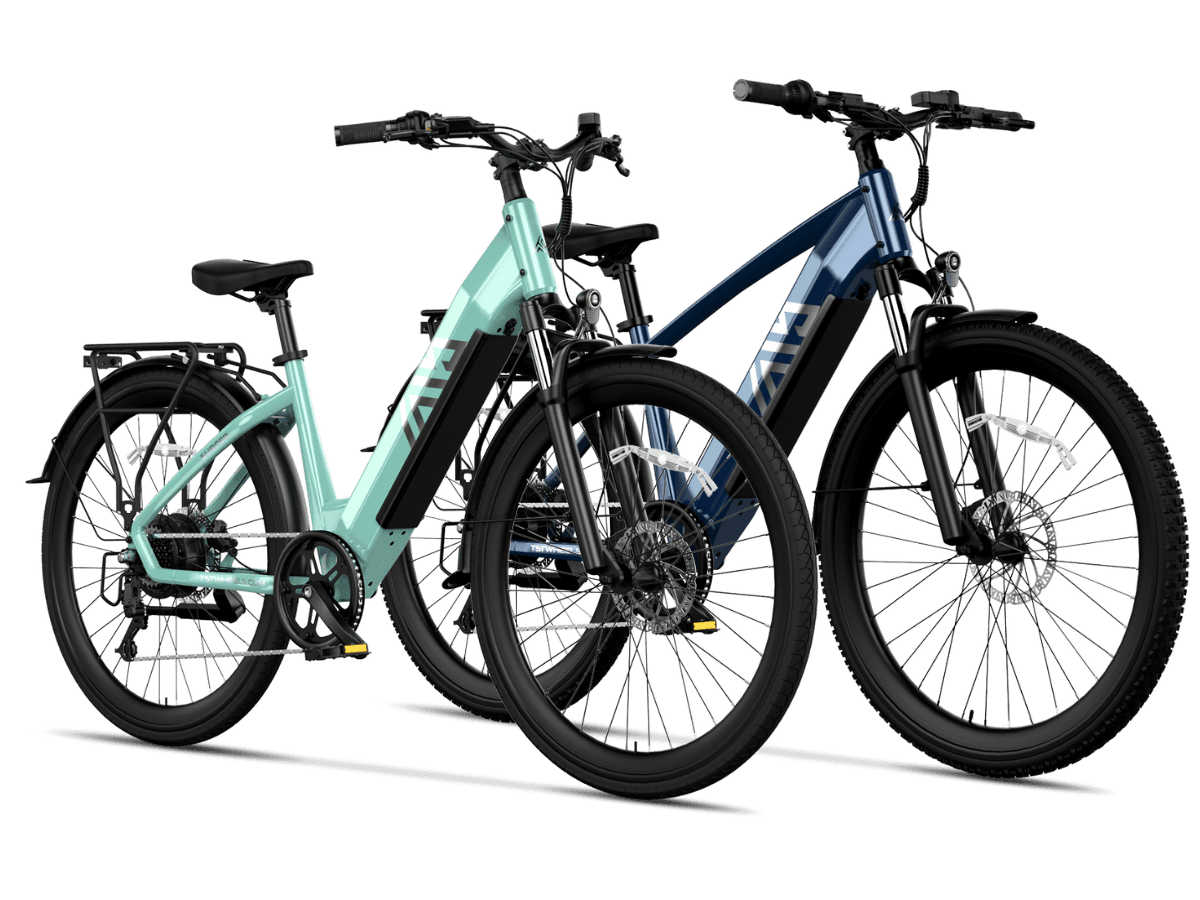
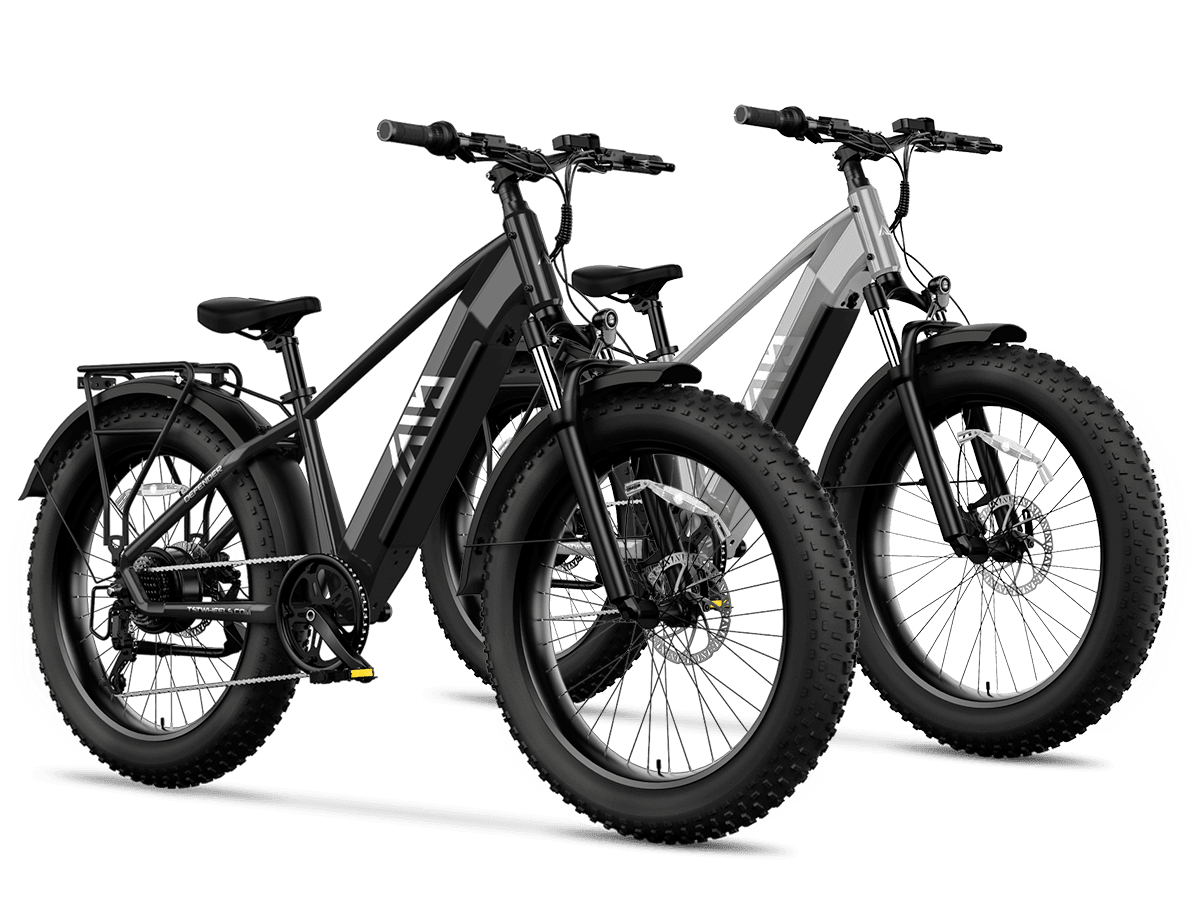
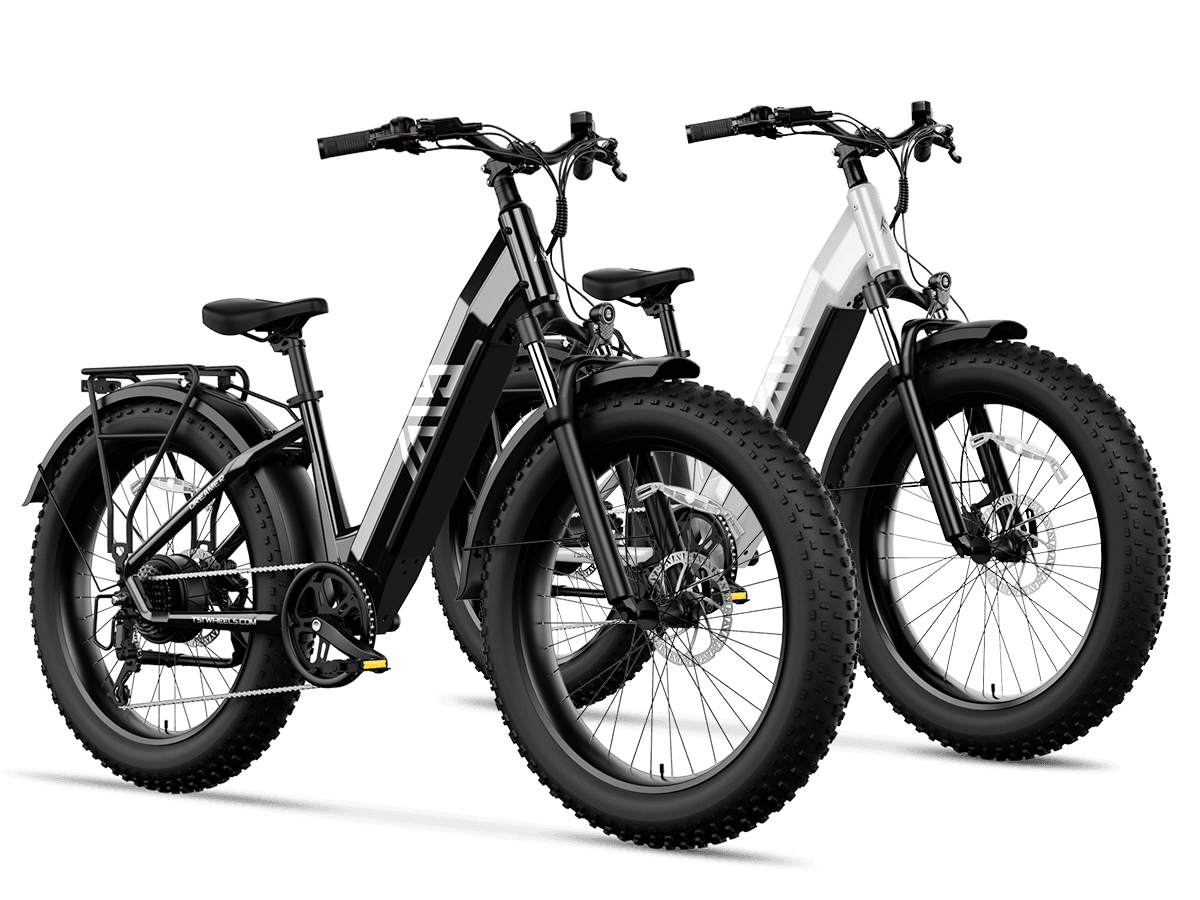

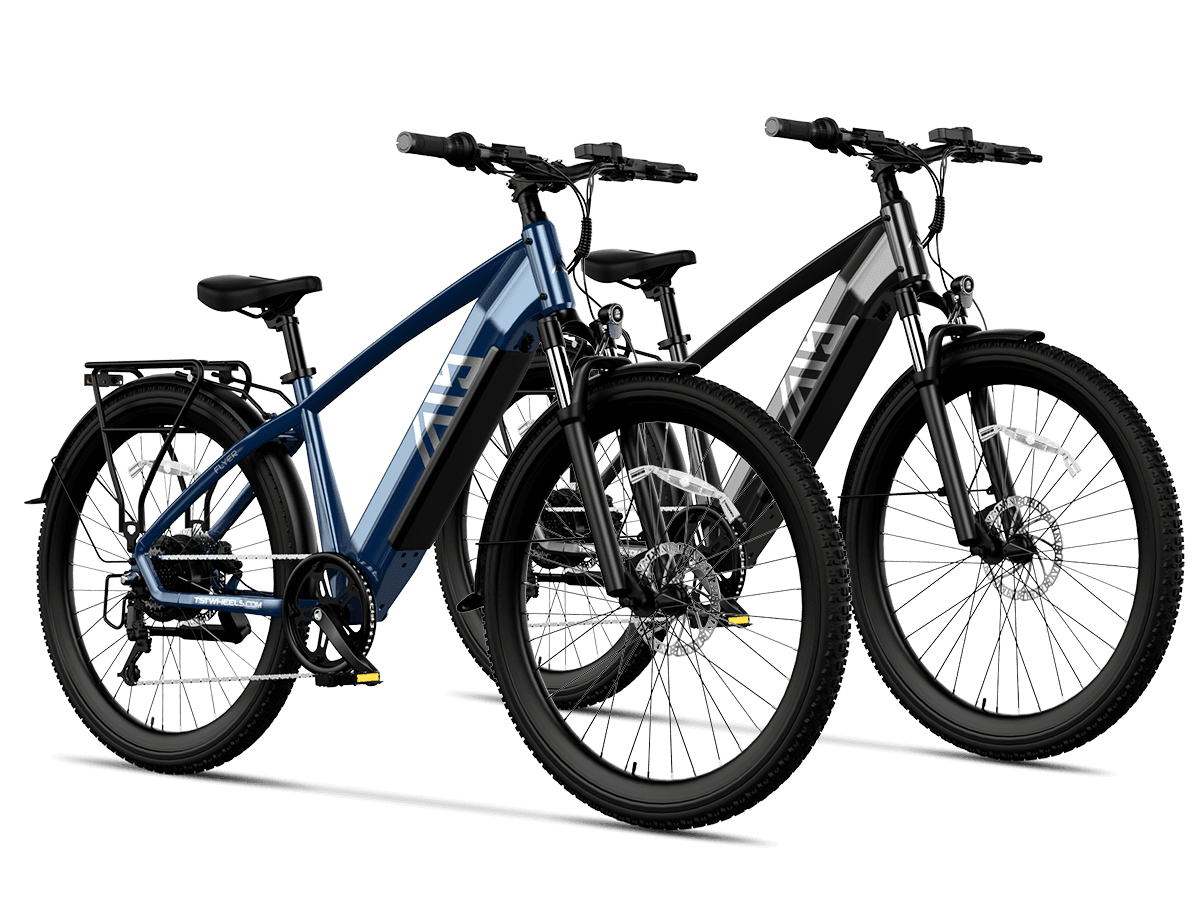
Mopeds have engines under 50cc, top speeds of 28-35 MPH, and often pedals, requiring varying state licenses but no motorcycle endorsement. Scooters feature 50-750cc engines, higher speeds up to 70 MPH, automatic transmissions, and full motorcycle licensing/insurance. Electric moped-style eBikes like TSTE's R002 offer 32 MPH speeds and 65+ mile ranges as Class 2/3 bikes, dodging most gas vehicle rules.
Check: Moped & Scooter Style
What Is a Moped and How Does It Differ from a Scooter?
A moped is a lightweight two- or three-wheeled vehicle with a small engine under 50cc, pedals for human propulsion, and a top speed around 30 MPH. Scooters are similar but lack pedals, have larger engines (50cc+), automatic transmissions, and higher speeds up to 70 MPH, often resembling mini-motorcycles without gears.
Mopeds trace their roots to pedal-assisted motorized bicycles, designed for efficiency in urban settings. They typically feature a "mo-ped" design—combining motor and pedals—for short commutes where gas mileage shines. In contrast, scooters prioritize rider comfort with a step-through frame, floorboard for feet, and enclosed engines, making them ideal for casual city rides or longer trips.
The core distinction lies in propulsion and power: mopeds rely on pedals as a backup and cap power at 2 brake horsepower, while scooters deliver seamless automatic power without pedaling. For US riders navigating traffic-clogged streets, understanding this helps avoid regulatory surprises. Electric alternatives like TSTE Bike's moped-style eBikes blend the best of both, offering pedal-assist without gas hassles.
What Are the Key Technical Differences Between Mopeds and Scooters?
Mopeds feature small gas engines (<50cc), pedals, manual or semi-auto transmissions, top speeds of 28-35 MPH, and weights around 100-150 lbs. Scooters use larger engines (50-250cc+), automatic transmissions, no pedals, speeds up to 70 MPH, and heavier builds with better stability for highways.
Technically, mopeds emphasize simplicity with bicycle-like wheels (often 16-17 inches), exposed chains or belts, and pedal cranks for low-speed assist. Their lightweight frames excel in maneuverability but struggle on hills without pedaling. Scooters, however, boast larger wheels (10-12 inches), enclosed drivetrains, and CVT automatics for effortless acceleration.
Braking differs too—mopeds use drum brakes, while scooters often have discs for superior stopping power. Fuel efficiency favors mopeds at 100+ MPG, but scooters offer more comfort with suspension and storage. For electric fans, TSTE Bike's models like the TST R002 upgrade this with 1500W motors, full suspension, and fat tires, matching scooter performance minus fuel costs.
What Are the Legal Requirements for Mopeds vs Scooters in the US?
Mopeds require age 16+, special registration, liability insurance, helmets, and sometimes a moped license—no motorcycle endorsement needed. Scooters demand full motorcycle licensing (M1/M2), registration, insurance, helmets, and highway restrictions in some states, varying widely by location like California or Washington.
US laws patchwork by state: California's CVC §406 defines mopeds as <4 HP, <30 MPH devices with pedals, needing M1/M2 licenses and plates. Motorized scooters (CVC §407) skip registration if electric but cap road speeds at 35 MPH. Federally, NHTSA views mopeds as <2 HP, <30 MPH cycles.
In Washington, RCW 46.04.304 limits mopeds to 50cc/2 HP/30 MPH, banning tandem riding. Scooters often classify as motorcycles over 50cc, requiring endorsements. Always check DMV—fines for non-compliance hit hard. TSTE Bike's eBikes sidestep this as Class 2/3 (pedal-assist up to 28-32 MPH), treating them like bicycles in most states.
| State | Moped Requirements | Scooter Requirements |
|---|---|---|
| California | 16+, M1/M2 license, registration, insurance, helmet | Driver's license (motorcycle if >50cc), no registration (electric), helmet for minors |
| Washington | <50cc/30 MPH, registration for highways, no tandem | Motorcycle license if >50cc, full registration/insurance |
| Florida (general) | 16+, moped license, registration, no endorsement | Motorcycle license/endorsement, insurance |
Why Do Electric Moped-Style eBikes Avoid Traditional Moped Regulations?
Electric moped-style eBikes classify as Class 2/3 eBikes (pedal-assist, 20-28+ MPH, <750W continuous) under federal and most state laws, requiring no license, registration, or insurance—just bicycle rules. They bypass gas moped/scooter rules by using human-pedal propulsion with electric assist.
Unlike gas vehicles, eBikes leverage a three-class system: Class 1 (pedal-assist <20 MPH), Class 2 (throttle <20 MPH), Class 3 (<28 MPH pedal-assist). TSTE's moped-style lineup, like the TST R002 and R9, fits Class 3 with throttles and 32 MPH tops but retains pedals, dodging moped licensing.
Certifications like UL 2849 ensure safety without motorcycle plates. In urban hubs like NYC or LA, ride bike lanes freely. This regulatory edge makes them perfect for commuters avoiding DMV lines—pure electric power, zero emissions, all bicycle perks.
TSTE Bike Expert Views: "Our moped-style eBikes like the TST R002, R7, and R9 are engineered for riders who want moped power without the red tape. With 1500W motors delivering 32 MPH and full suspension for city potholes, they classify as pedal-assist eBikes in 48 states—no license needed. Dual-battery options on the R9 hit 130 miles, ideal for daily commutes or cargo runs. Ships from California in 1-3 days with 1-2 year warranties." — TSTE Bike Engineering Lead
How Do Moped-Style eBikes Compare to Gas Scooters in Performance?
Moped-style eBikes match gas scooters' 25-35 MPH speeds and urban agility with instant electric torque (70-90 Nm), longer ranges (65-130 miles), and zero maintenance—no oil changes. They outperform on hills via pedal-assist and cost pennies per mile to 'fuel'.
Gas scooters rev to speed but lag in torque; eBikes like TSTE's R002 blast off with 1500W hubs. Full-suspension absorbs bumps better than rigid scooter frames. Quiet operation suits neighborhoods, and fat tires grip rain-slick streets superiorly.
Real-world: scooters guzzle gas on traffic stops; eBikes regen brake for efficiency. TSTE models add Shimano 7-speed gears for versatility—commute like a scooter, explore trails like a bike.
| Feature | TST R002 (eBike) | Typical Gas Scooter |
|---|---|---|
| Top Speed | 32 MPH | 30-60 MPH |
| Range | 65-100 miles | 50-100 miles (gas) |
| Motor/Torque | 1500W / 90 Nm | 50-150cc / 10-20 Nm |
| Weight | 71.87 lbs | 200-300 lbs |
| Cost per Mile | <$0.05 | $0.20+ |
What Is the Total Cost of Ownership for Mopeds, Scooters, and eBikes?
eBikes win TCO at $0.03-0.05/mile (charging/maintenance), vs. mopeds/scooters' $0.15-0.30 (gas/repairs). Upfront: eBikes $1,500-3,000; gas $2,000-5,000. No insurance/licenses save $200-500/year.
Gas mopeds/scooters rack up oil, tune-ups, and fuel amid rising prices. eBikes charge overnight for pennies, with minimal wear on sealed motors. TSTE's 1-year warranties (2 on R002) cut risks. Over 5 years/10,000 miles, save $2,000+ switching electric.
Resale holds strong for quality eBikes. Factor incentives—some states rebate eBikes. For families, TSTE's cargo-ready R7 modular system adds value without extra vehicle costs.
Which TSTE Moped-Style eBike Is Best for Urban Commuting and Cargo?
Check: R7 Hybrid Moped
TST R002 for solo commuters (65-100 miles, 32 MPH, full suspension); R7 for cargo (modular rack/seat, 65 miles); R9 for long hauls (130 miles dual-battery). All ship from CA in 1-3 days, max 450 lbs load.
TSTE Bike shines with moped-style stars: R002's 20" fat tires and LCD display tackle city chaos. R7's step-over frame and switchable rear (passenger/cargo) fits errands. R9's dual 48V 15Ah batteries crush 130-mile days.
Common specs: hydraulic brakes, Shimano gears, 4-6 hour charges. Ratings soar—R002 at 4.8/5 (295 reviews). Perfect for US riders blending scooter ease with eBike freedom. Local pickup in Ontario, CA available.
Where Can You Buy High-Performance Moped-Style eBikes with Fast US Shipping?
TSTE Bike at tstebike.com—US-based, ships from Ontario, CA warehouse in 1-3 business days nationwide. Models like R002, R7, R9 include warranties, free accessories on select, and top ratings.
Skip big-box delays; TSTE delivers direct with responsive support. Explore commuter Flyer or fat-tire Defender alongside moped-styles. All 400-450 lbs payloads suit adults/families. Committed to affordable electric fun—your moped-scooter upgrade awaits.
Conclusion
Electric moped-style eBikes from TSTE Bike outpace gas mopeds and scooters in legality, performance, and savings. Ditch licenses and fuel—grab the R002, R7, or R9 for seamless urban mobility. Ride smarter today.
FAQs
Do I need a license for a moped-style eBike? No, Class 2/3 eBikes follow bicycle rules in most US states—no license, registration, or insurance required.
What's the top speed of TSTE's R9? 32 MPH with pedal-assist and throttle, ideal for city streets without hitting moped regs.
How long is the range on TSTE cargo eBikes? R7 offers up to 65 miles; pair with pedal-assist for reliable errands.
Are TSTE eBikes legal on bike paths? Yes, as pedal-assist Class 3 in compliant states—check local paths.
What's the warranty on moped-style models? 1 year standard (2 years on R002), covering key components.

Leave a comment
This site is protected by hCaptcha and the hCaptcha Privacy Policy and Terms of Service apply.