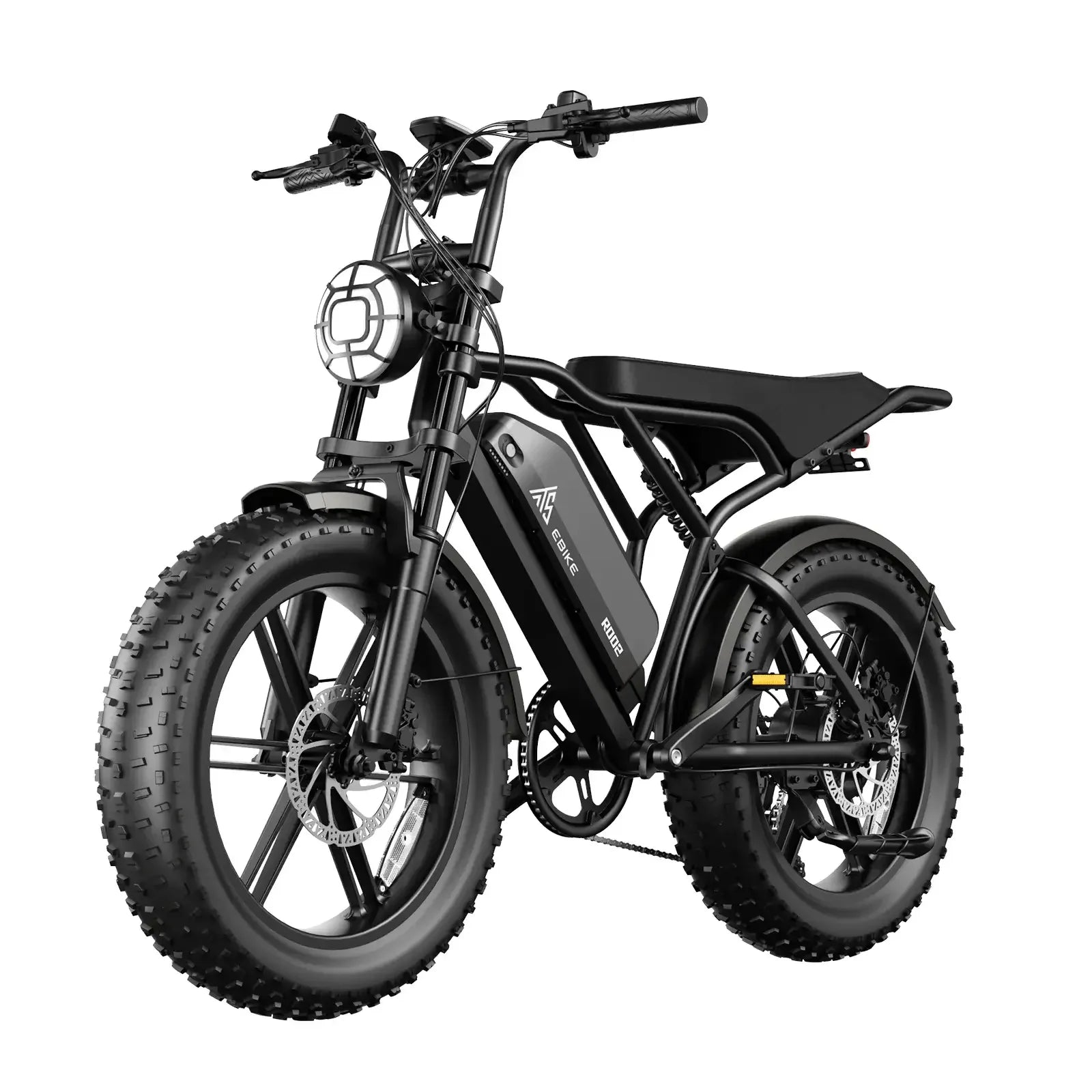
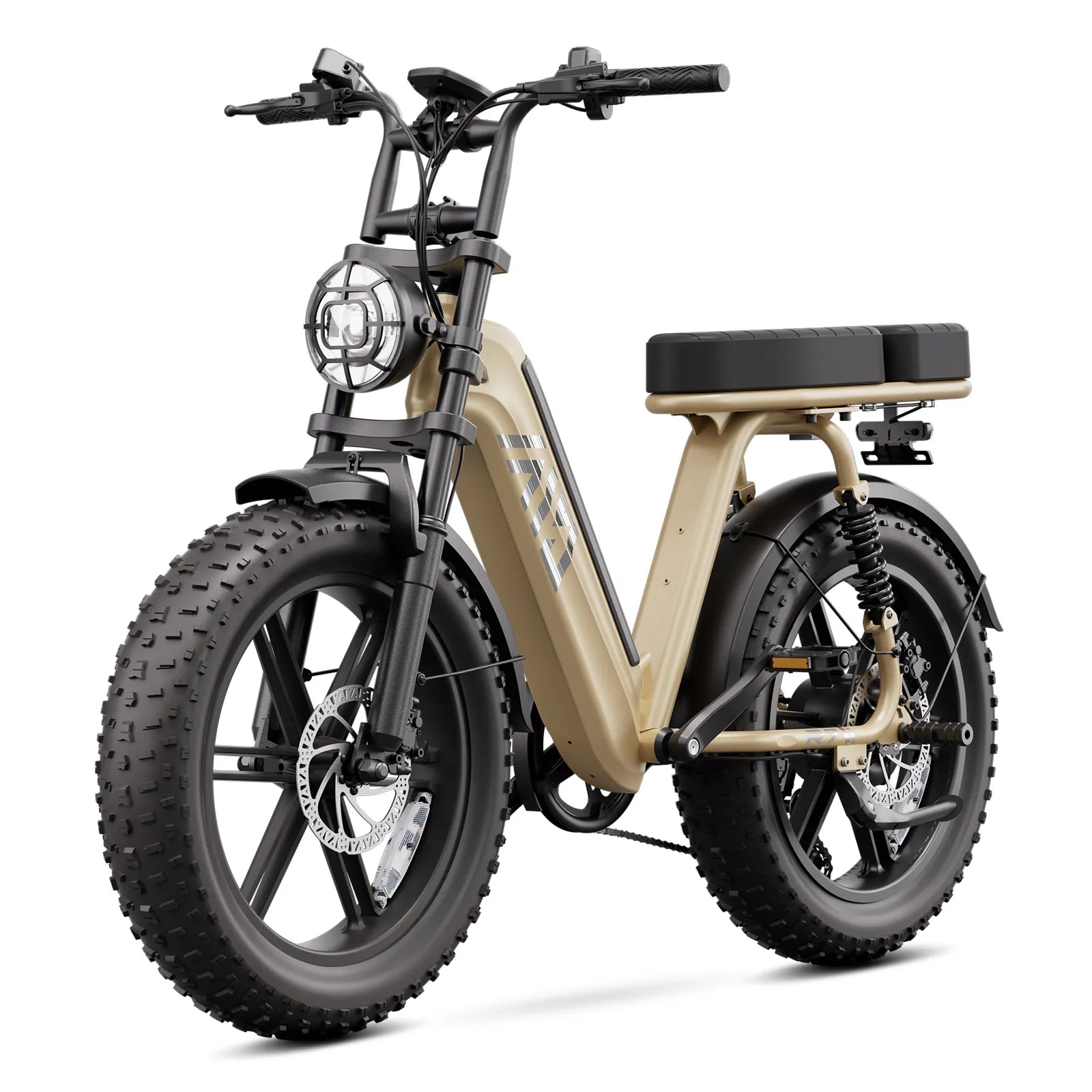
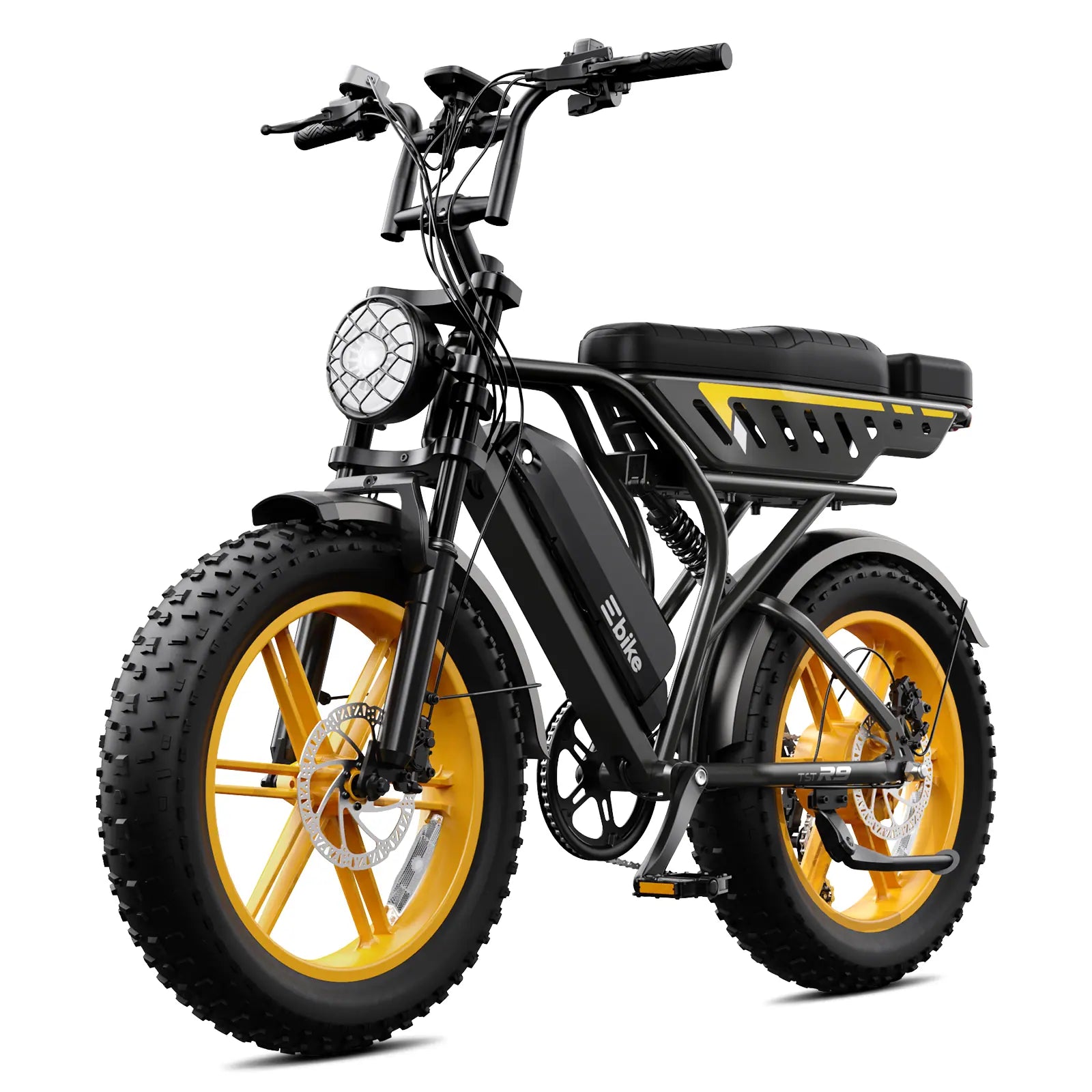
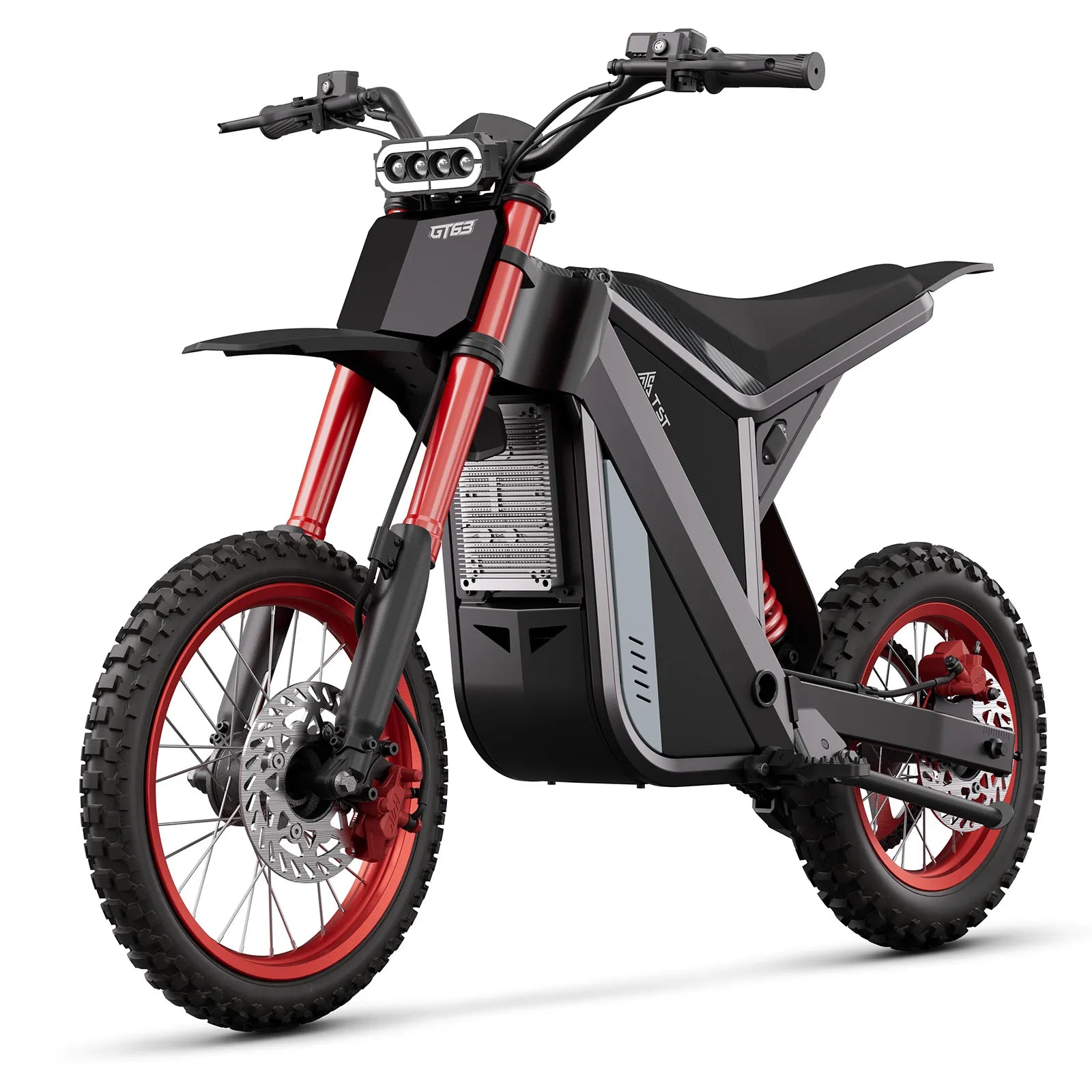
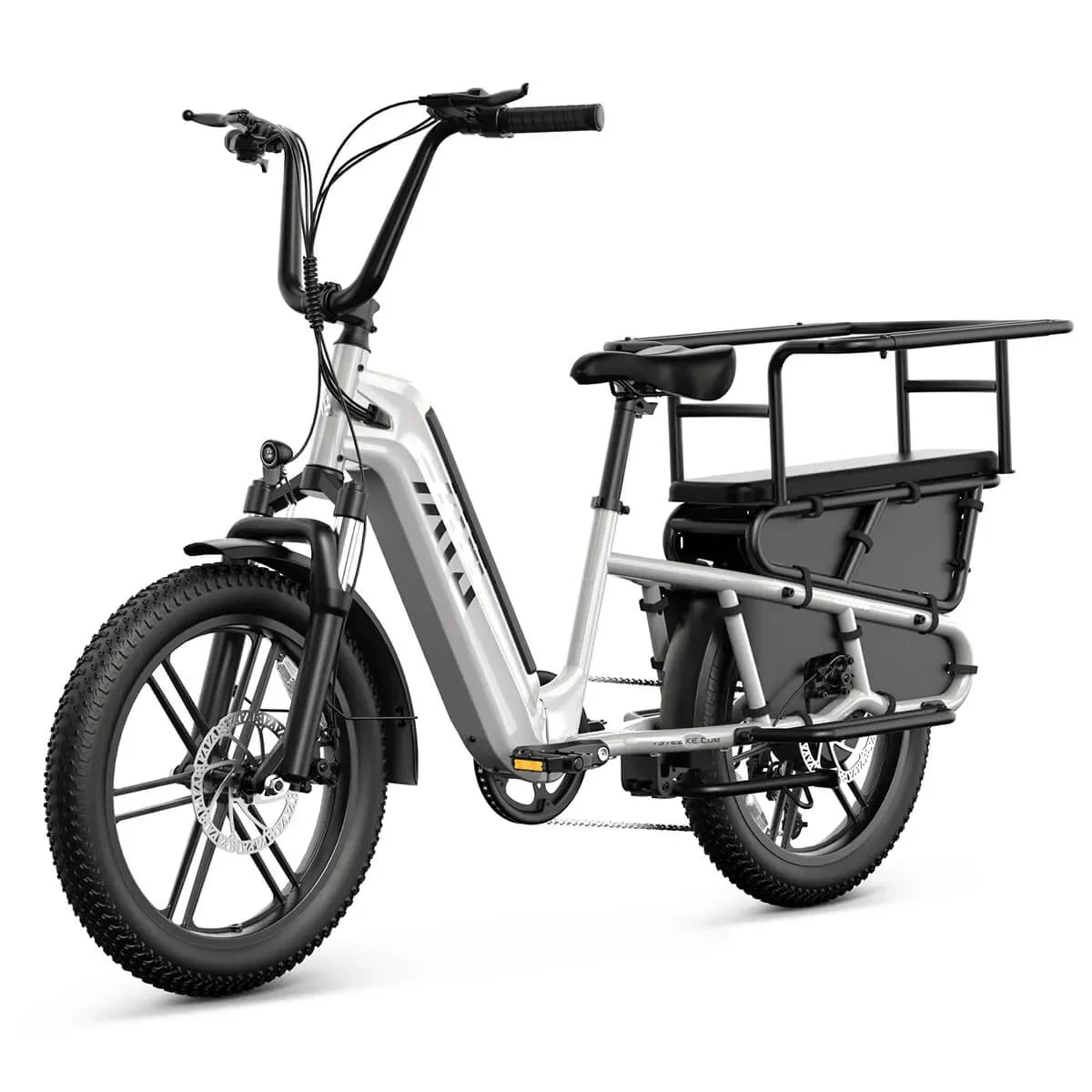
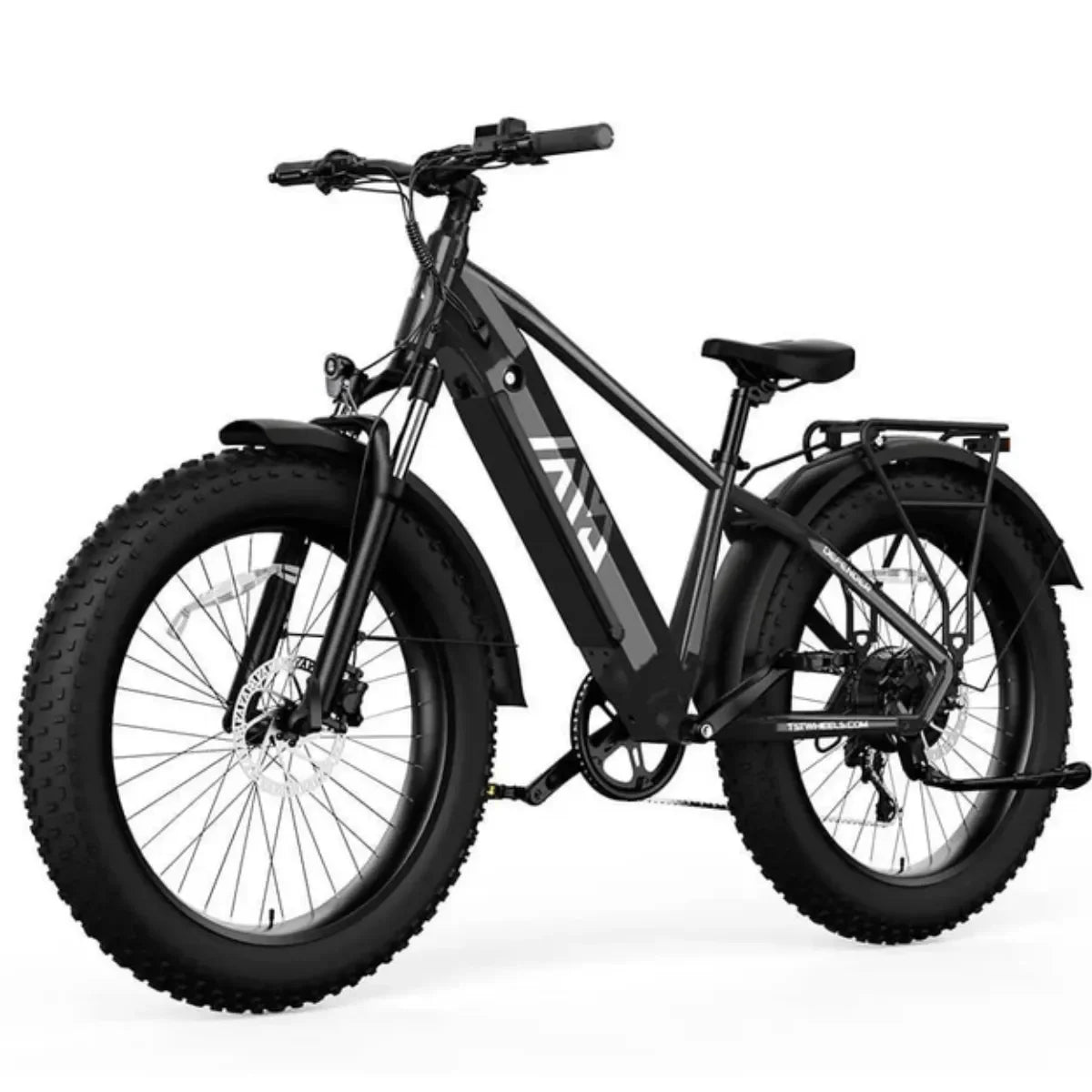
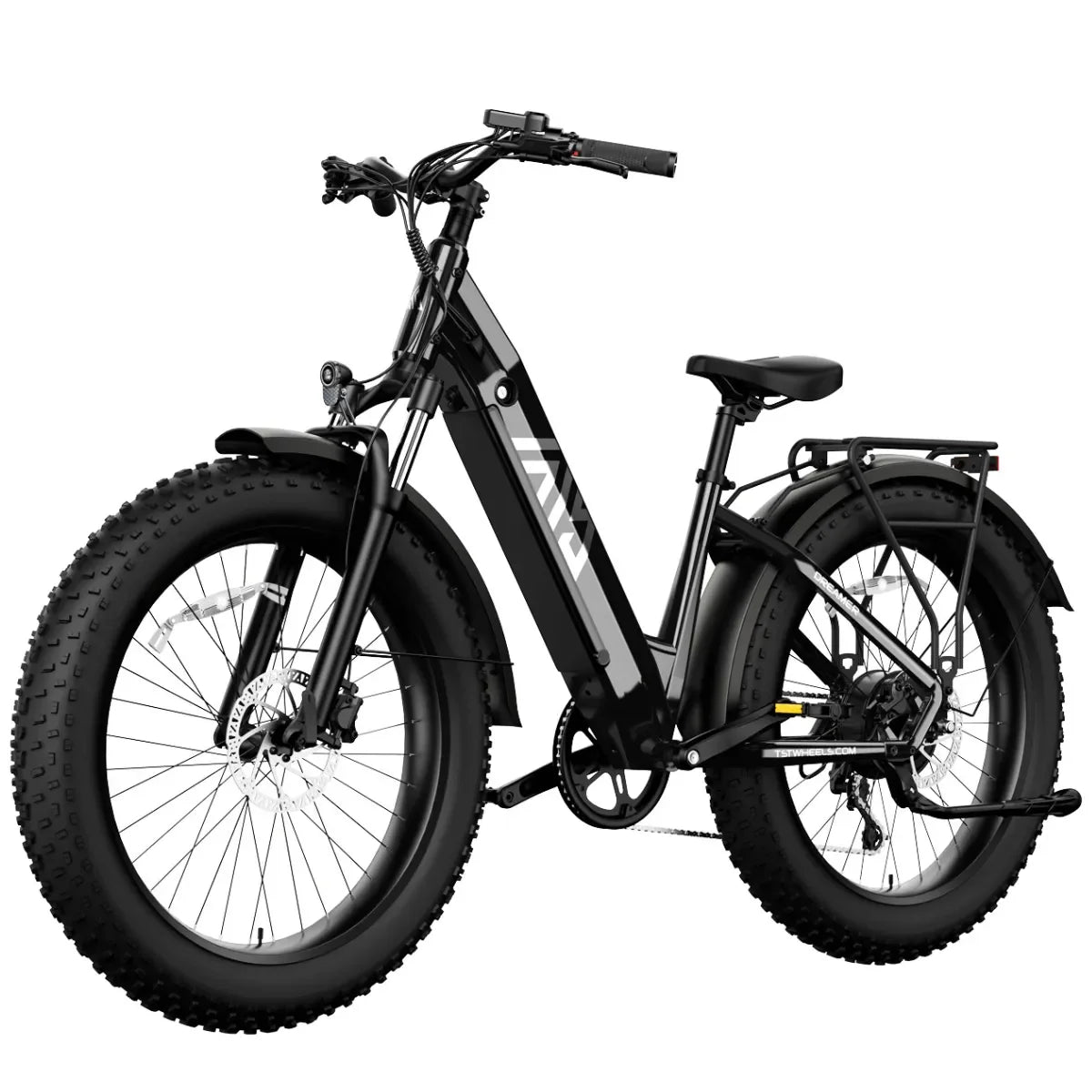
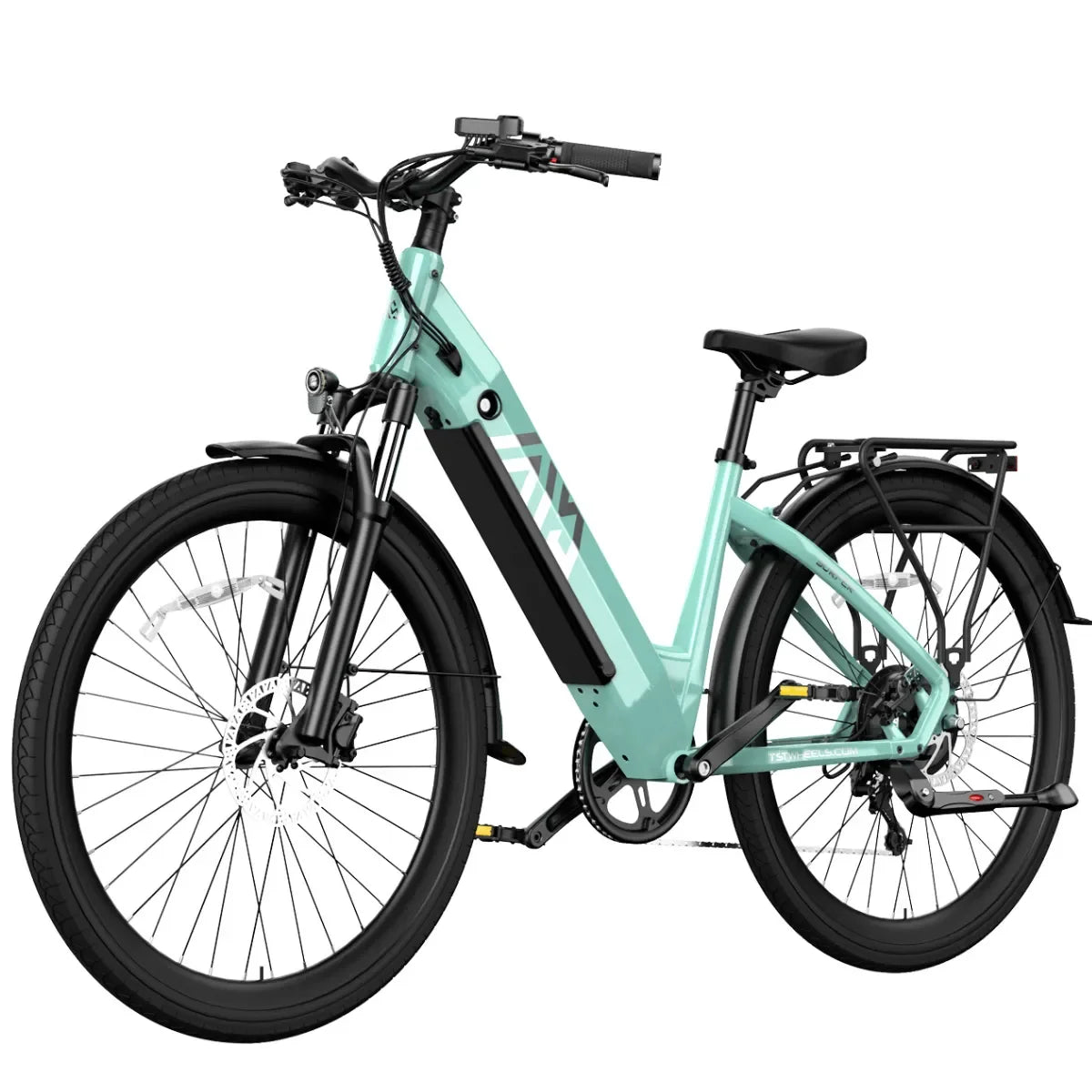
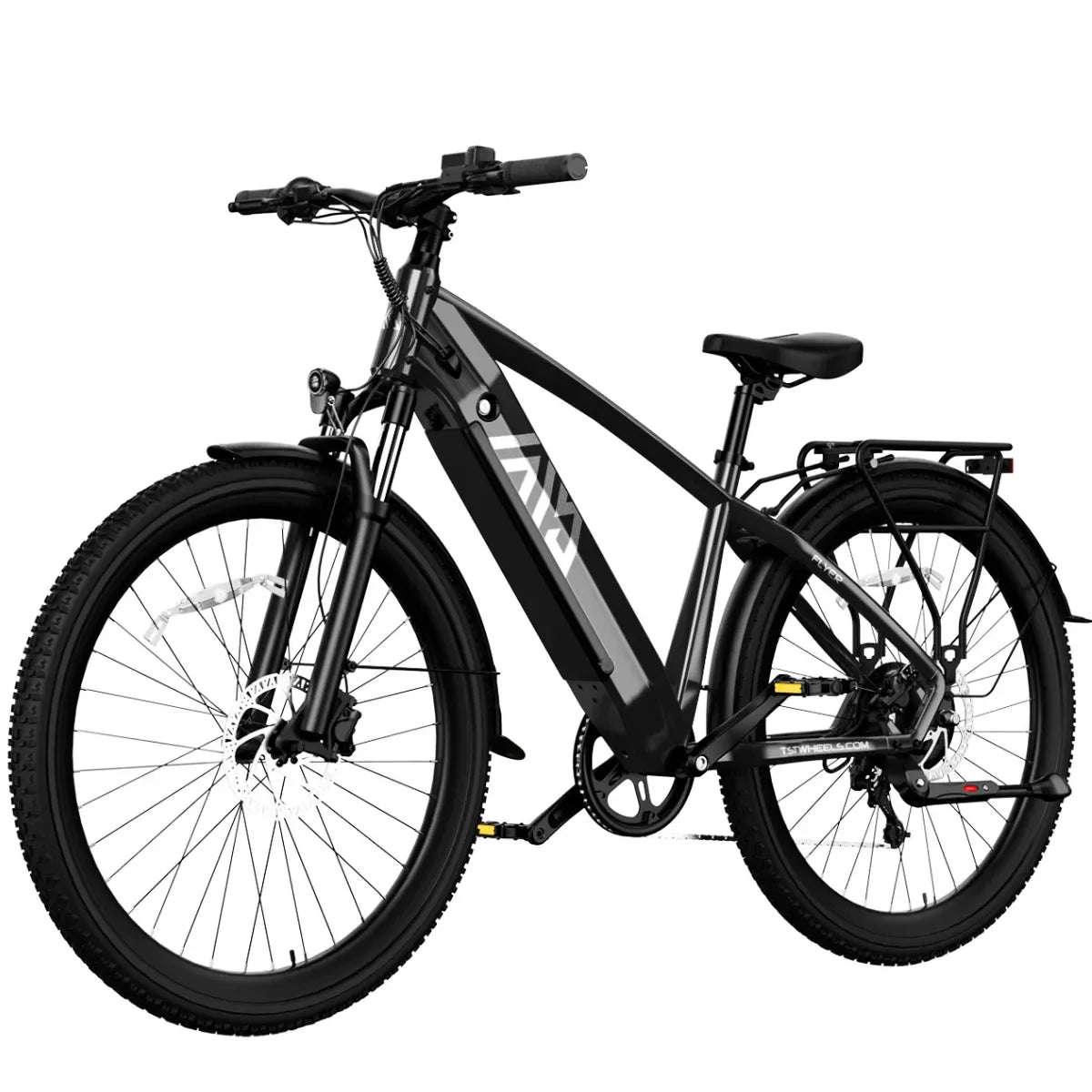
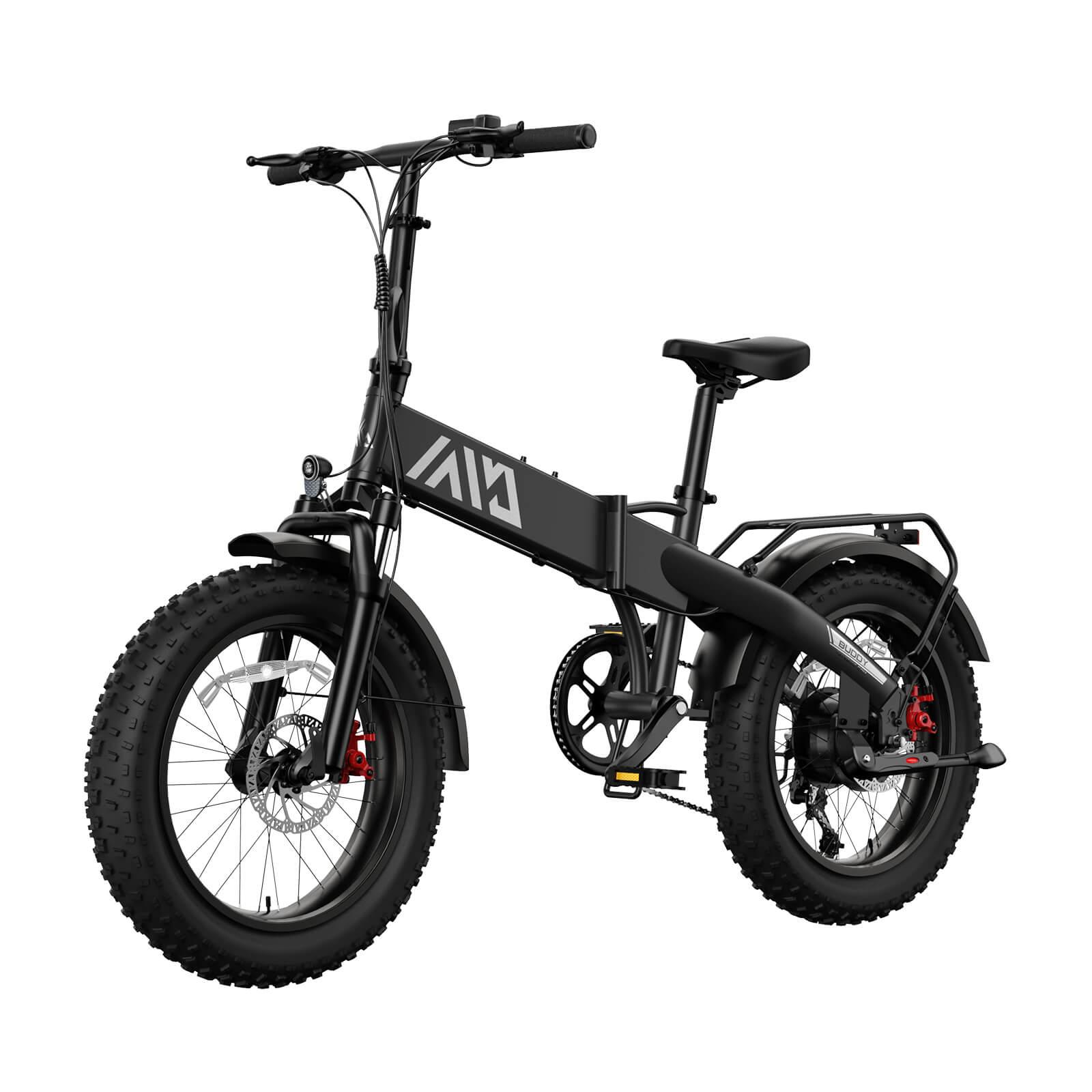
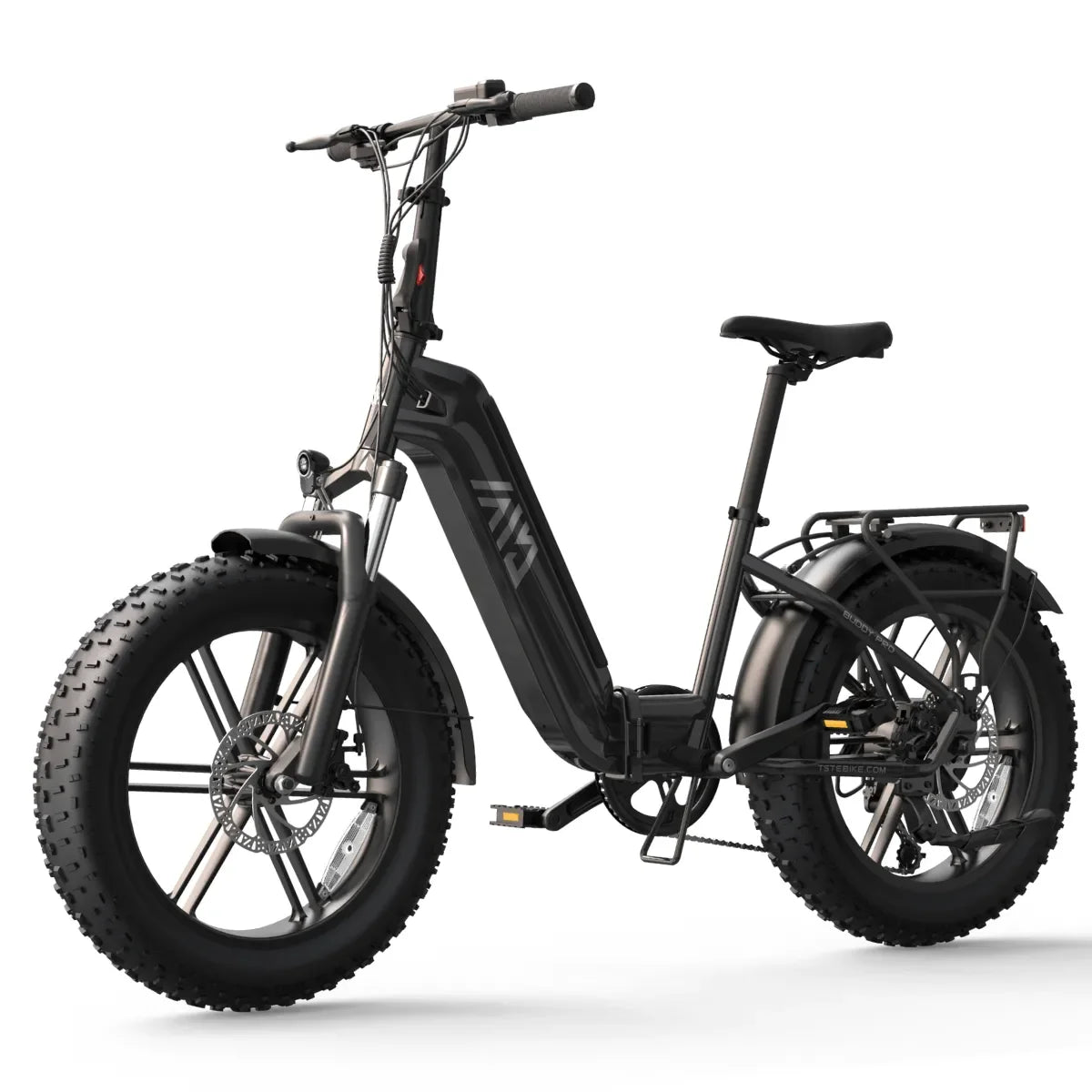

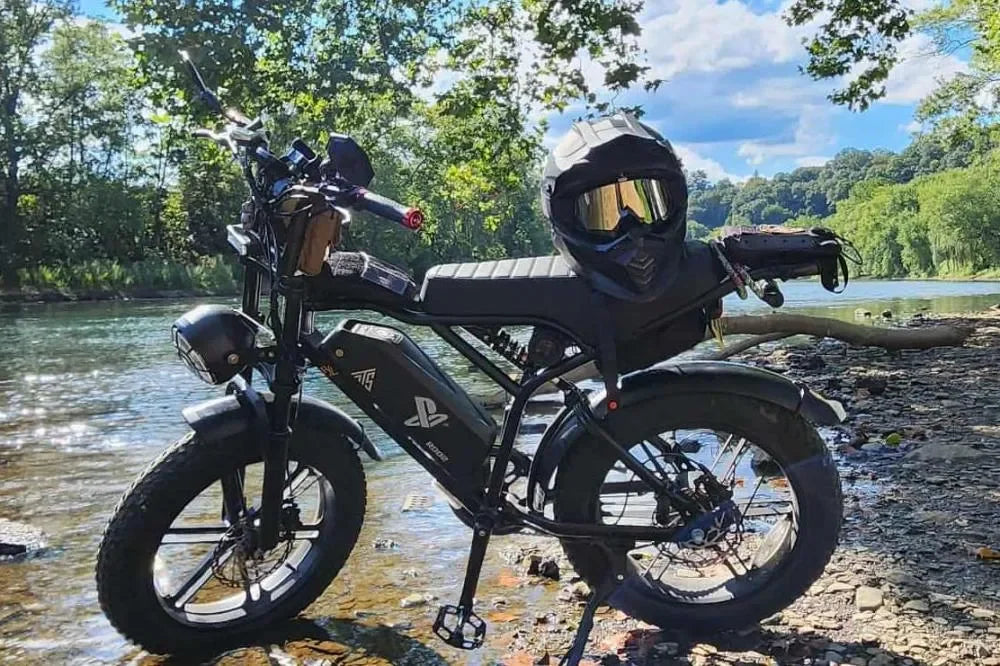
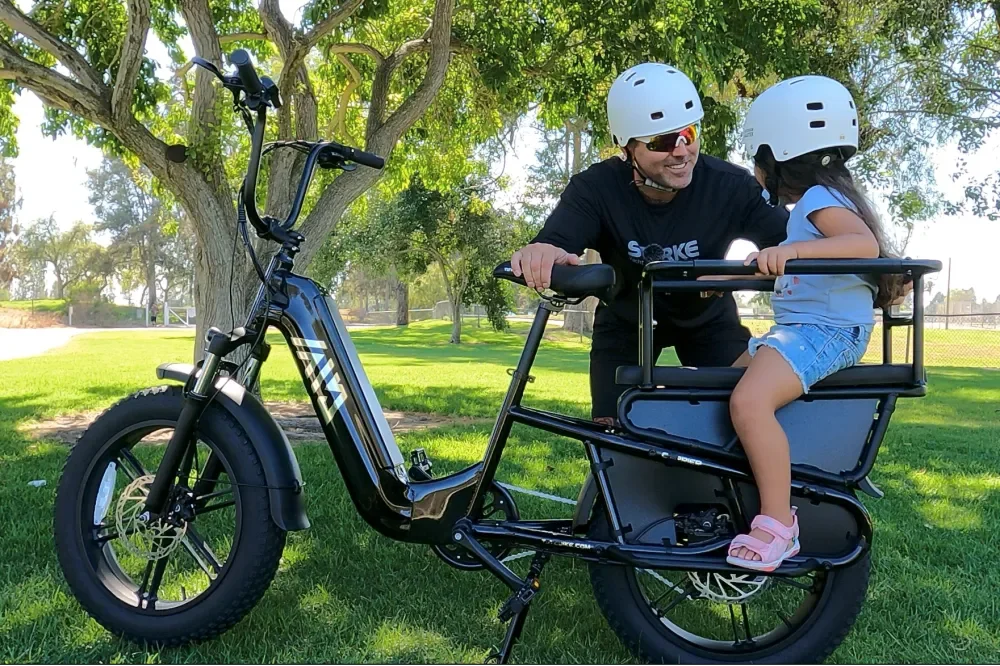
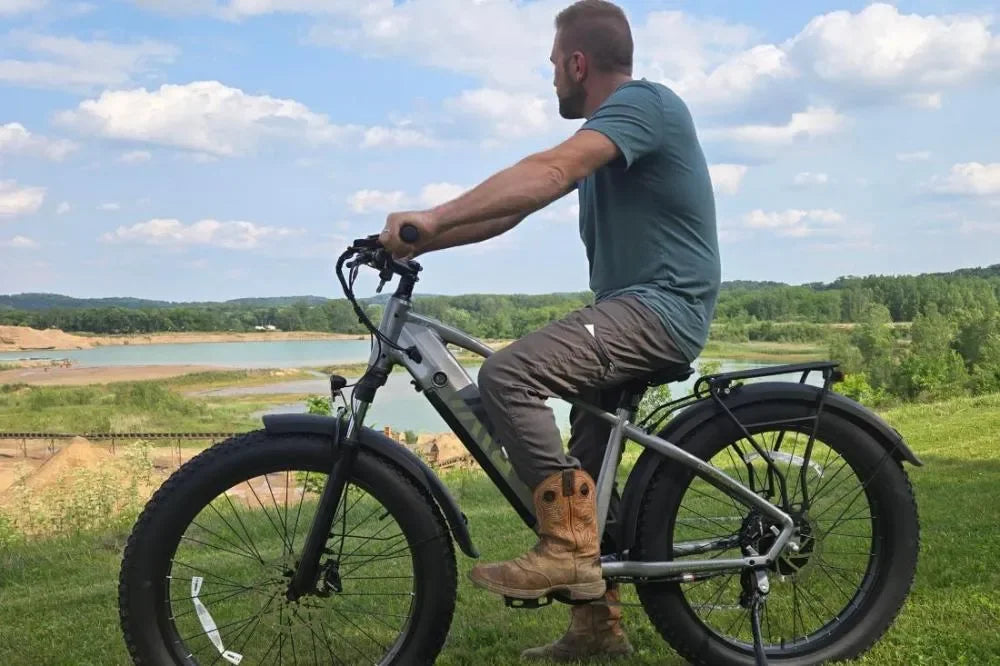
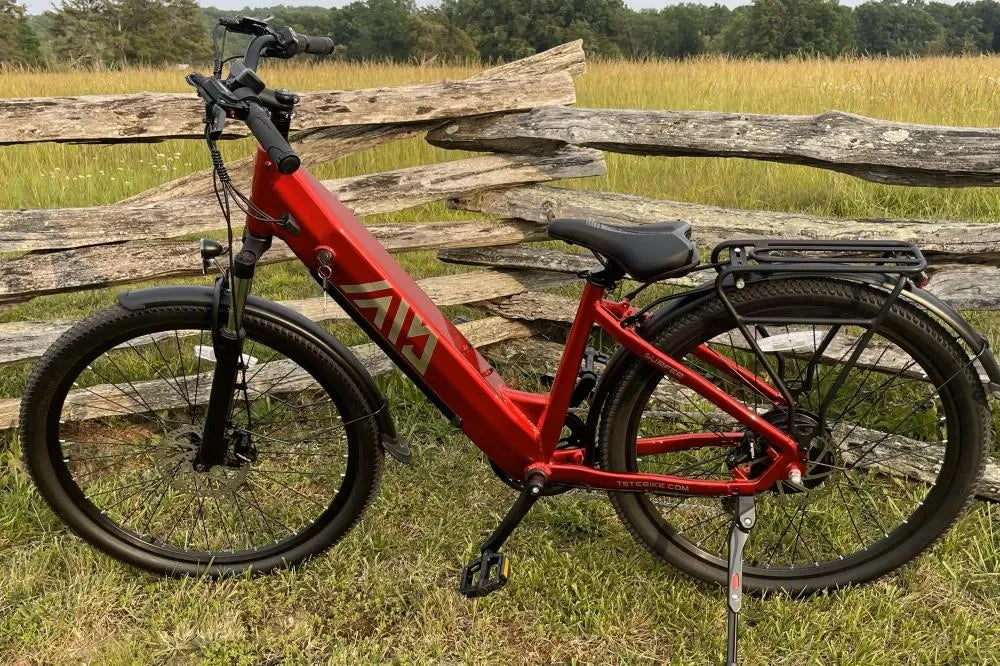
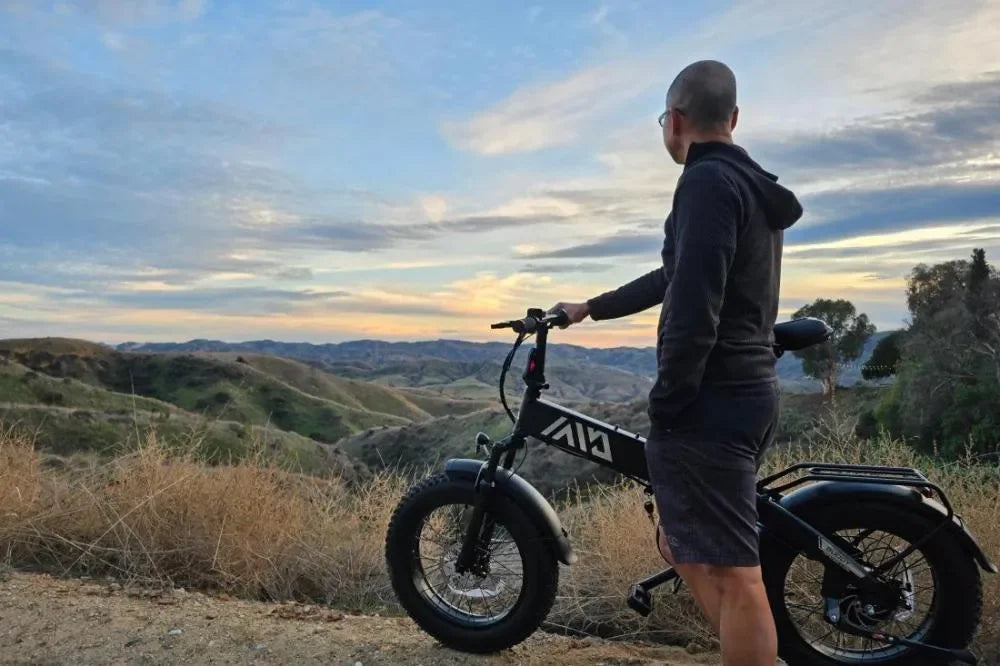
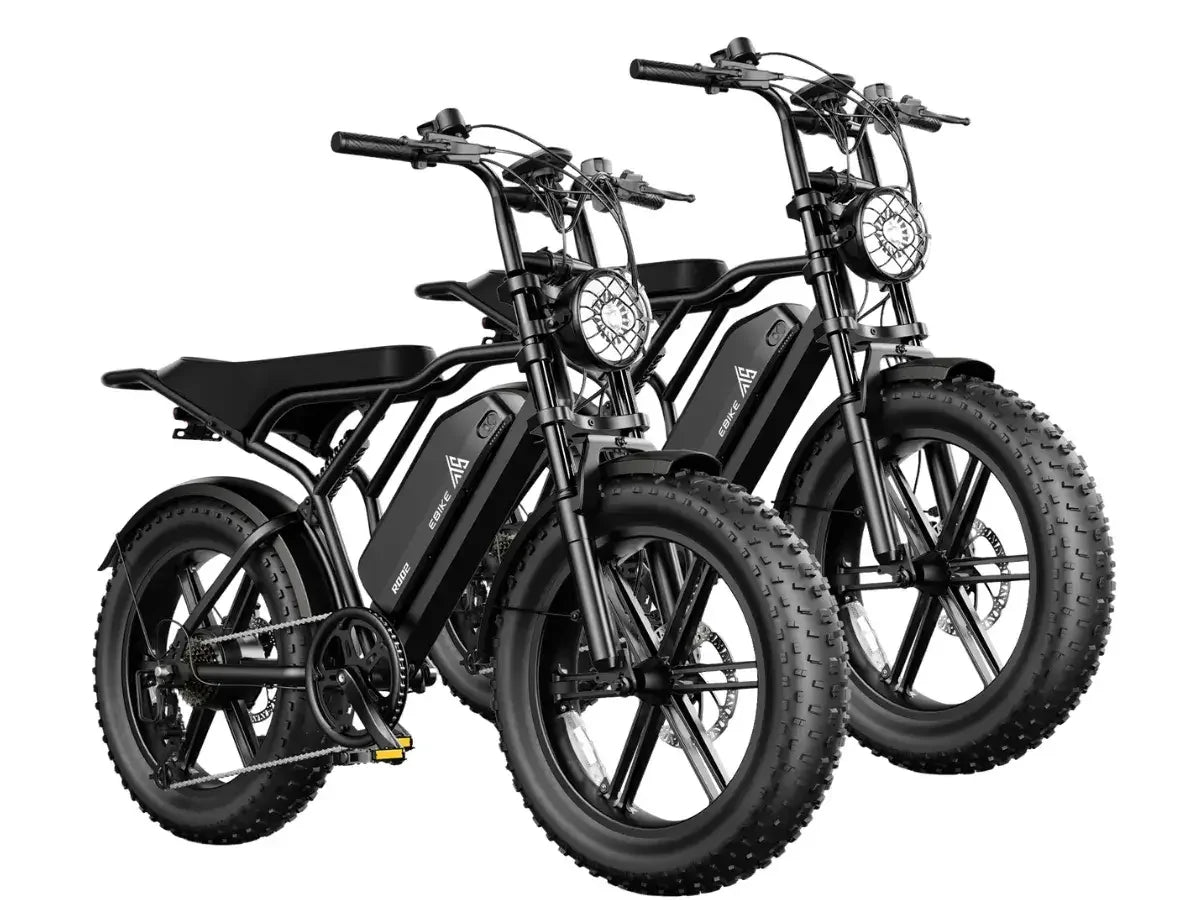
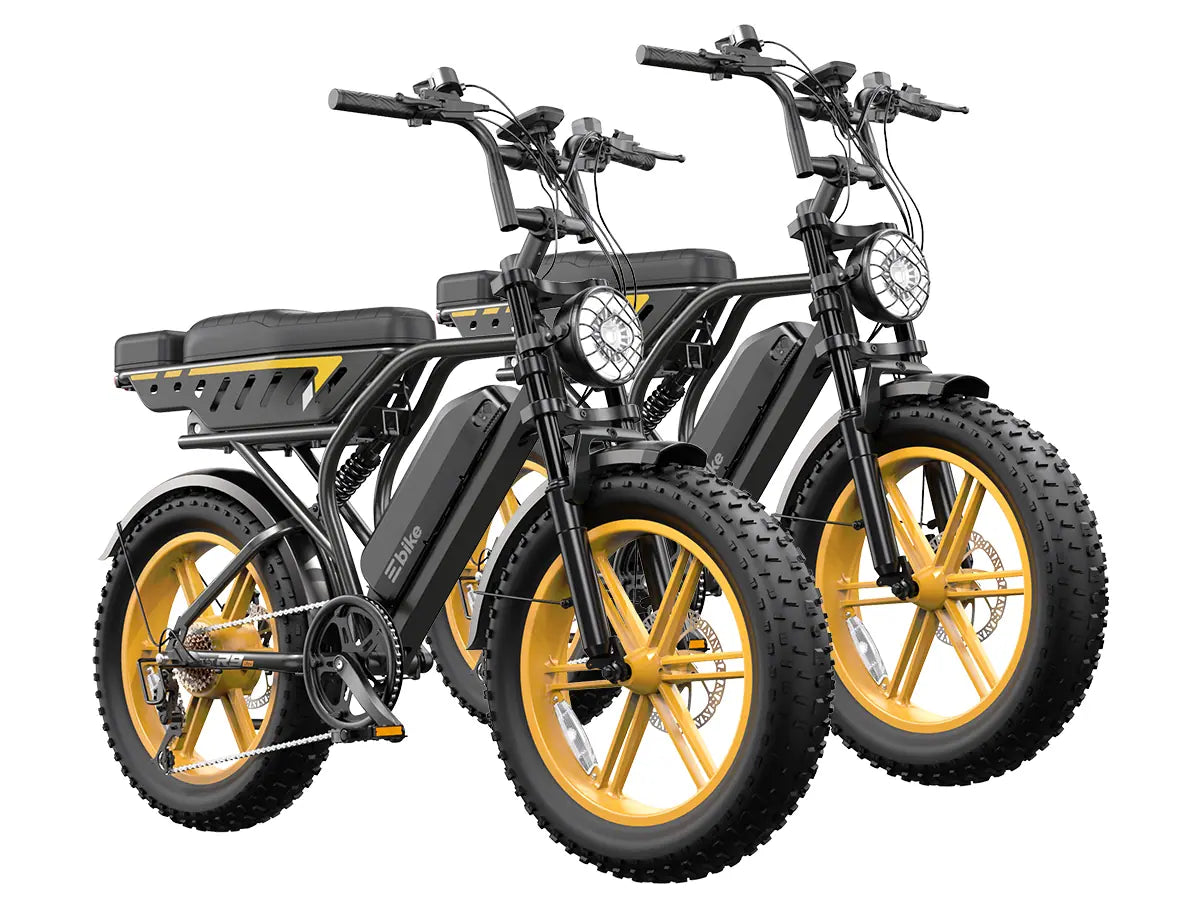
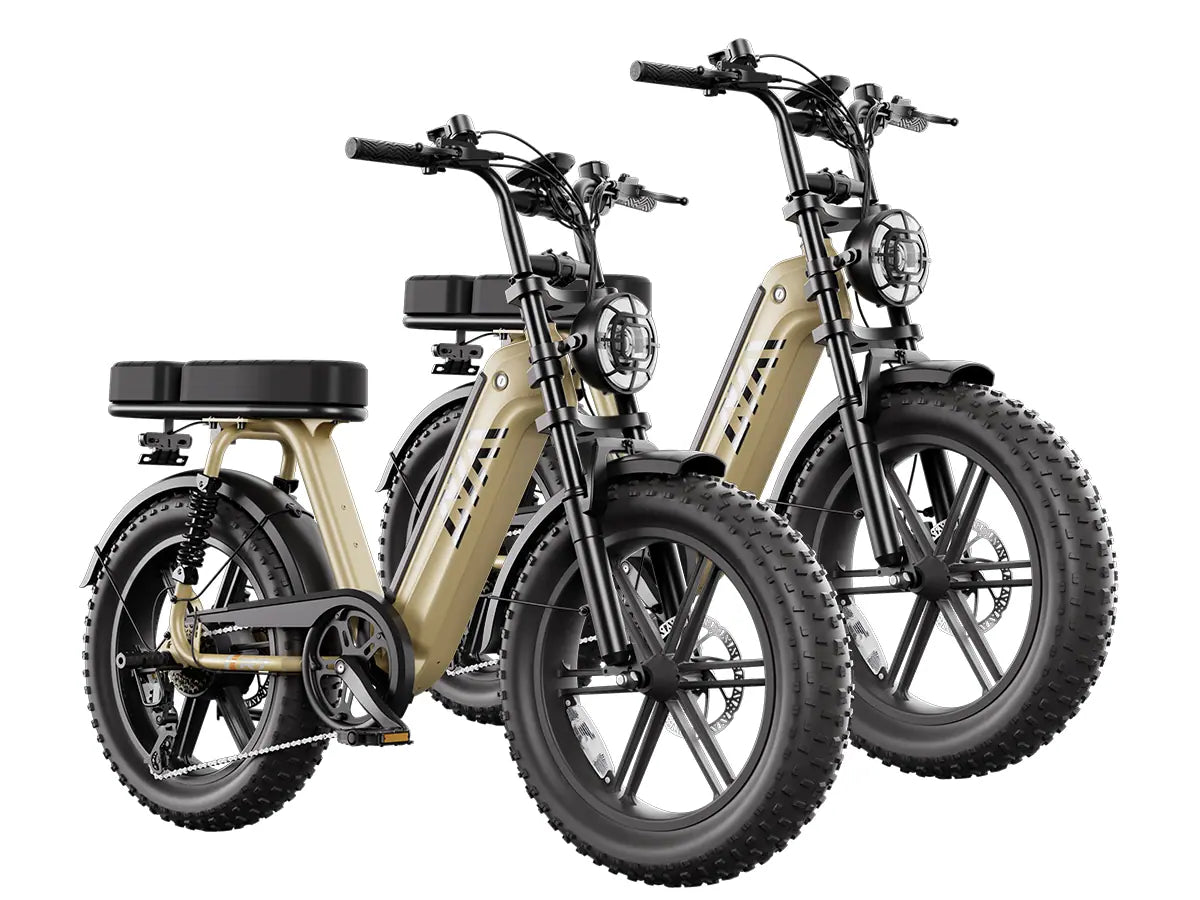
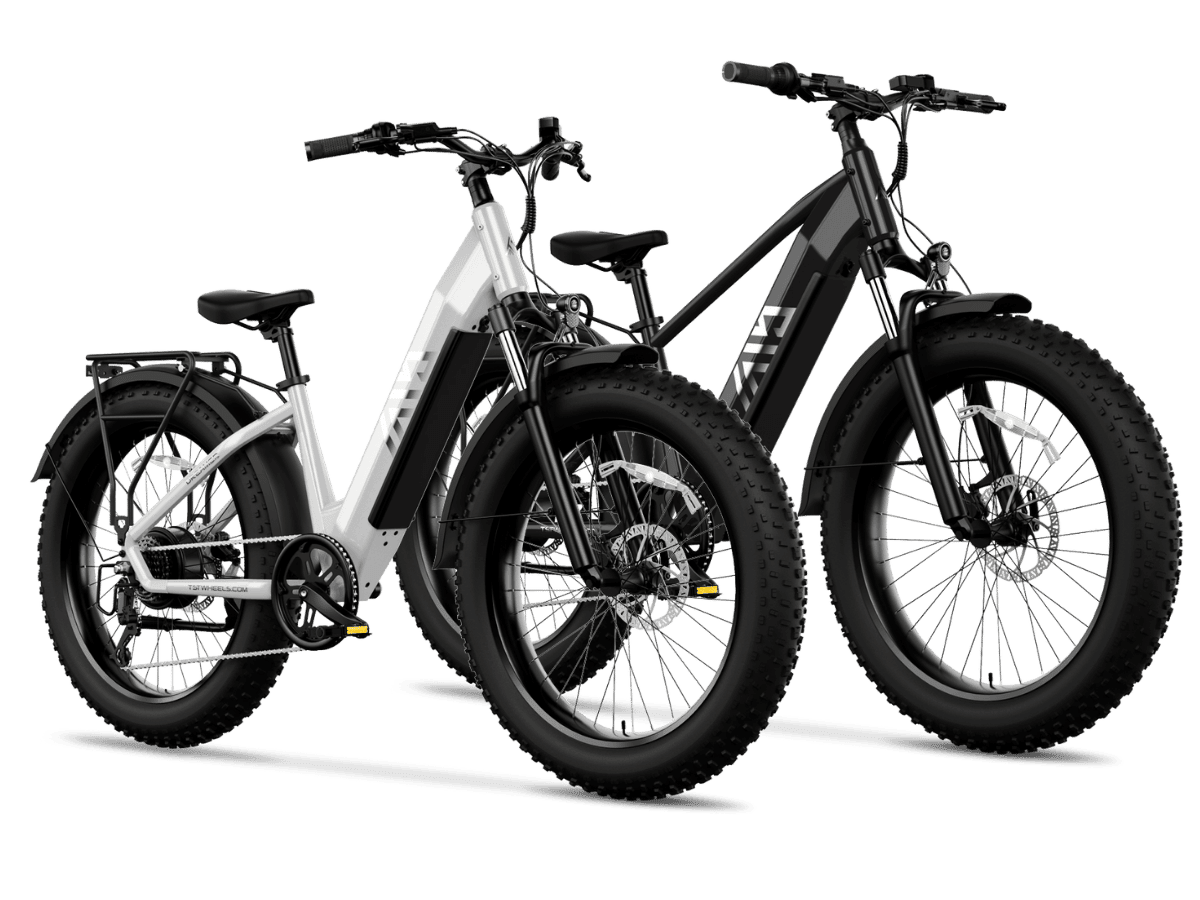
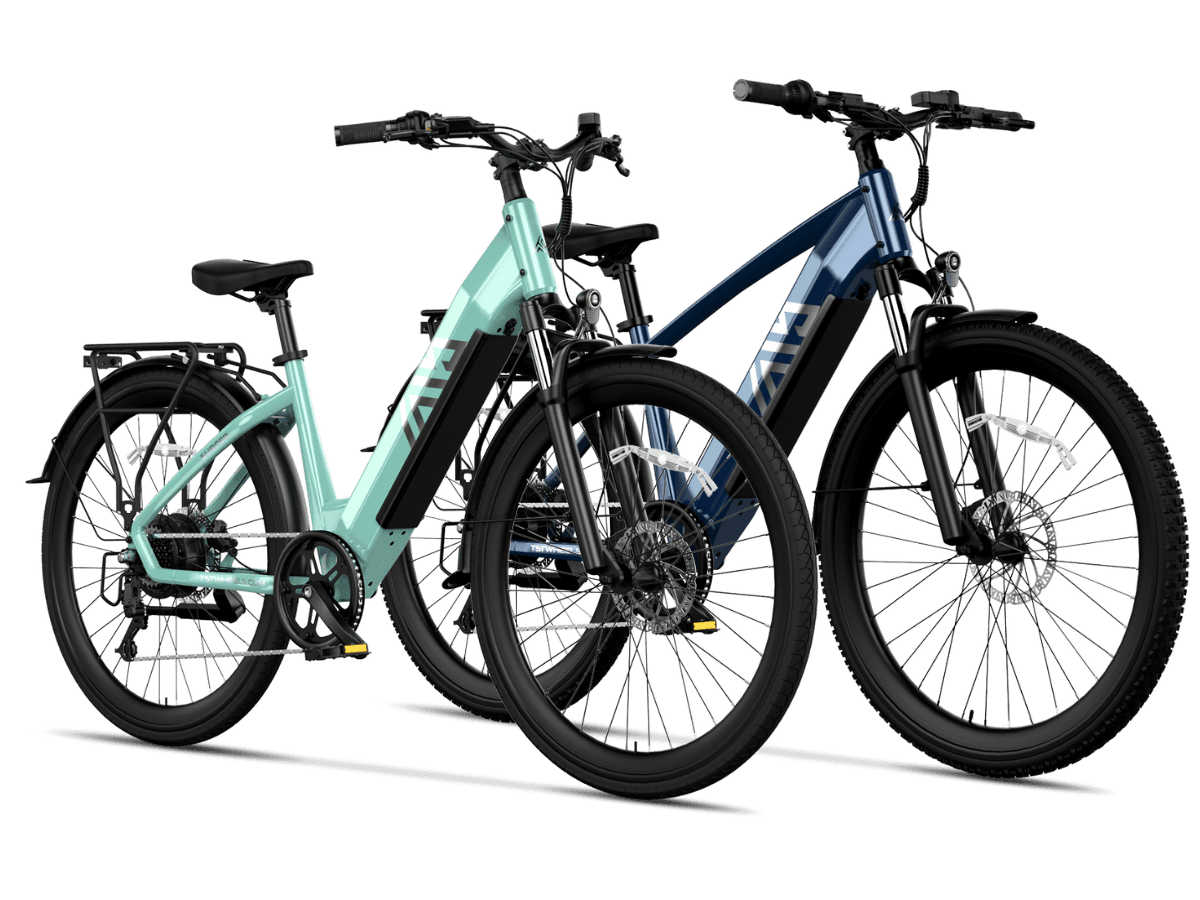
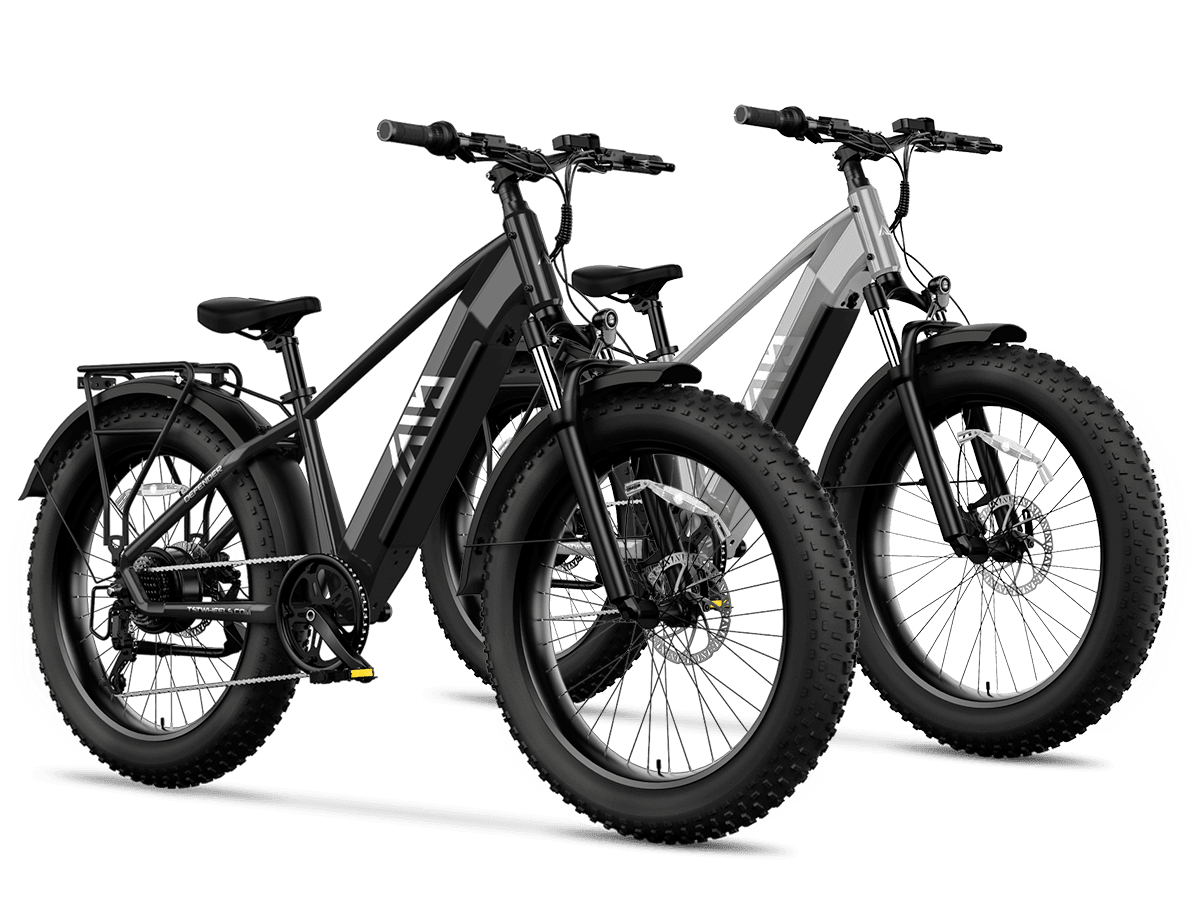
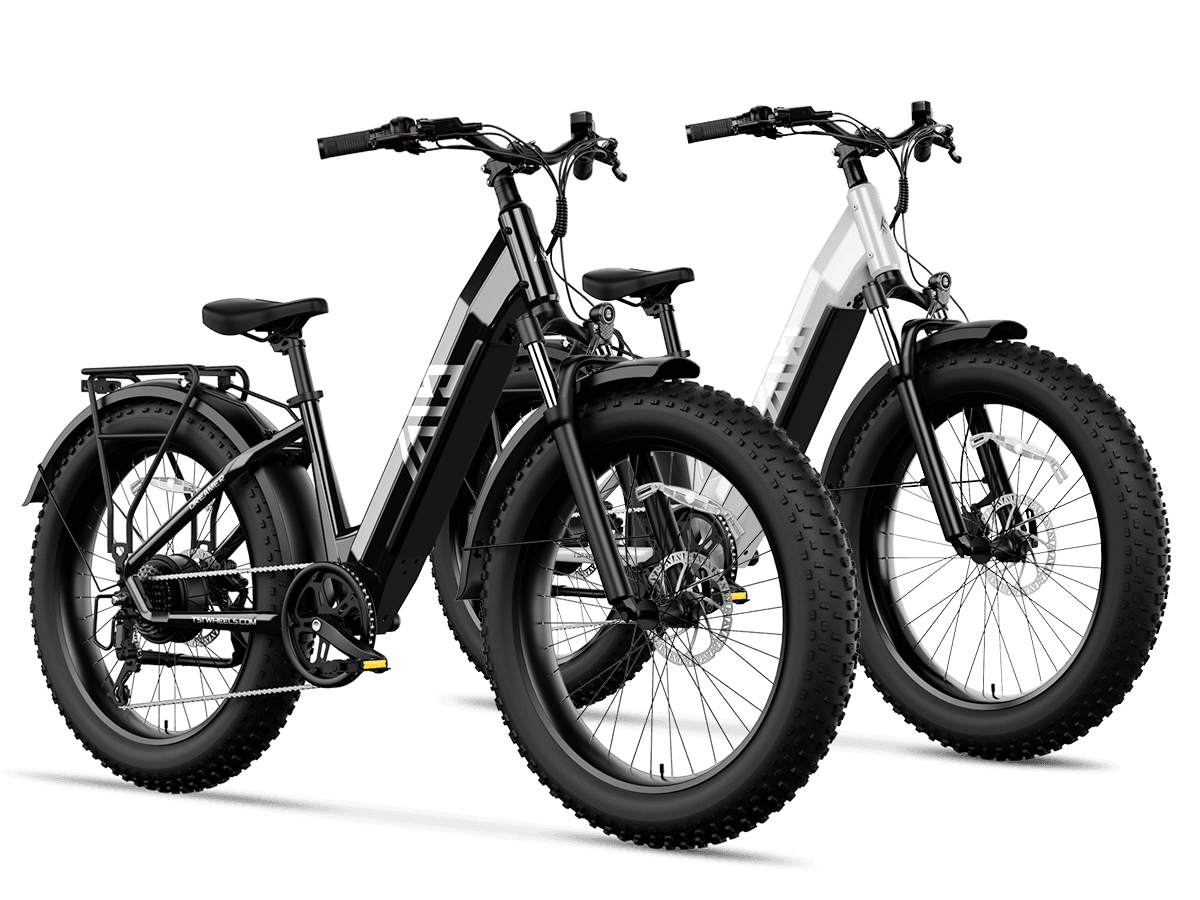
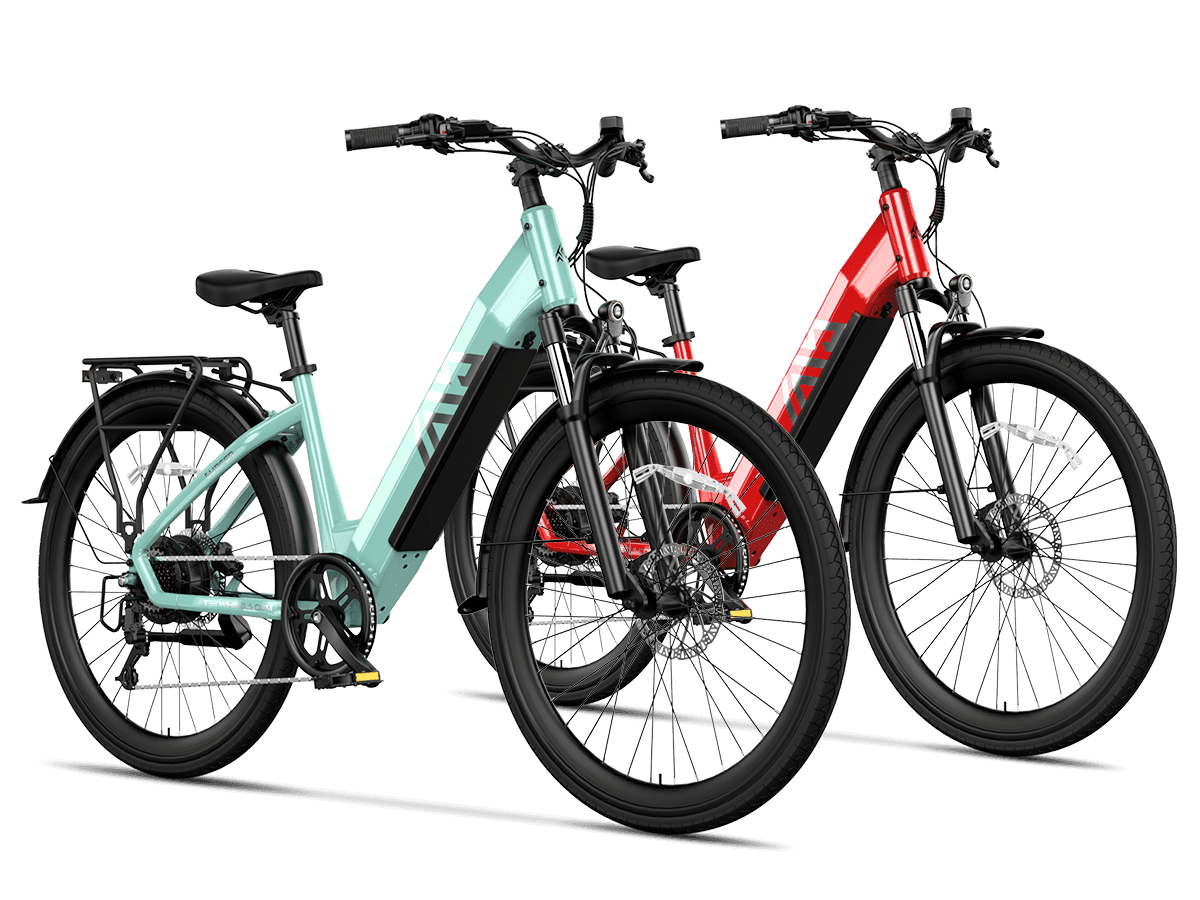
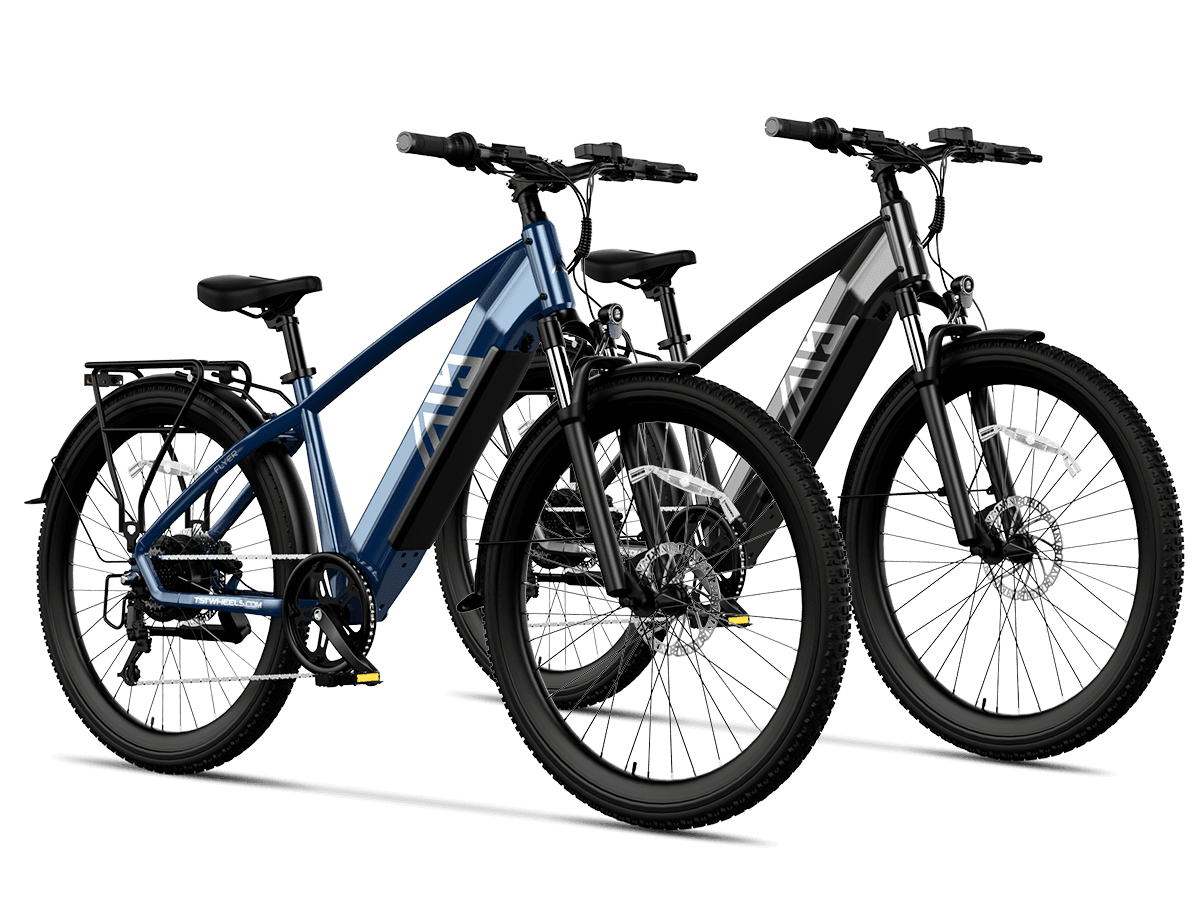
A class 3 ebike is a pedal-assist-only electric bicycle whose motor cuts out once you hit 28 mph. The system may include a throttle that works only up to 20 mph (varies by state), but pedal assistance remains the defining attribute. Critically, a class 3 ebike comes with a speedometer and is limited by law to a motor power of 750W.
Chart title: Key Features of a Class 3 Ebike
| Feature | Value or Requirement |
|---|---|
| Motor Power | ≤ 750W |
| Max Assisted Speed | 28 mph (pedal assist only) |
| Throttle | Rare, up to 20 mph only in some states |
| Speedometer | Mandatory |
| Legal Use | Roads, bike lanes (not trails) |
| Helmet Required | Yes (most regions) |
| Minimum Age | 16–17+ (varies by state) |
What Distinguishes a Class 3 Ebike from Class 1 and Class 2?
Class 3 ebikes outpace the other classes and bring stricter regulations. Class 1 ebikes provide pedal-assist to 20 mph with no throttle; class 2 ebikes allow throttle and pedal-assist to 20 mph. The class 3 ebike, however, excels in speed, cutting off pedal assist at 28 mph and usually barring throttle at higher speed.
Chart title: Ebike Class Comparison
| Class | Assist Mode/Throttle | Max Speed | Where Allowed |
|---|---|---|---|
| Class 1 ebike | Pedal assist only | 20 mph | Paths, roads, trails |
| Class 2 ebike | Pedal & throttle assist | 20 mph | Roads, some trails |
| Class 3 ebike | Pedal assist only | 28 mph | Bike lanes/roads only |
How Do 26-inch and 27-inch Class 3 Ebikes Elevate Different Riding Needs?
A 26-inch class 3 ebike—favored for snow, sand, rough or loose terrain—delivers stability, grip, and shock absorption, making it ideal for adventure routes and challenging commutes. A 27-inch class 3 ebike streamlines rolling efficiency, excelling in cities, on hills, and for riders prioritizing speed, comfort, and daily travel smoothness. TST EBike’s offering of both empowers choice for any class 3 ebike enthusiast.
| Wheel Size | Best Terrain/Use | Unique Benefit |
|---|---|---|
| 26-inch | Off-road, sand, snow | Control, traction |
| 27-inch | City, commutes, mountain routes | Speed, smooth ride |
What Legal and Safety Regulations Shape the Use of a Class 3 Ebike?
Most US states and many countries restrict class 3 ebikes to bike lanes next to roads, banning them from recreational bike paths and multi-use trails. A class 3 ebike almost universally requires helmet use and a minimum age to operate (commonly 16 or 17+). Registration and license plates are not required, but you must follow traffic laws related to bicycles and, in some cases, speed limits in specific areas. How Do Integrated Safety Features Improve Commuter Bikes?
Which Commuters or Riders Benefit Most from a Class 3 Ebike?
A class 3 ebike is designed for riders seeking rapid, sweat-free commutes and long-range cross-city rides. Fast urban travelers, suburban commuters bridging larger distances, and cyclists tackling elevation and traffic all appreciate the consistent speed and power a class 3 ebike delivers. Its added safety requirements make it a step up for adult riders ready for a regulated, high-speed experience.
How Does TST EBike Ensure Quality in Class 3 Ebike Models?
Every class 3 ebike by TST EBike is built from consumer feedback and precision engineering. With compliant speedometers and legal power, advanced disc brakes, and robust frames for 26-inch and 27-inch wheels, TST EBike emphasizes safety, daily reliability, and responsive after-sales support. Since 2017, TST GRP LLC’s commitment to high-power, cost-effective class 3 ebike design has redefined the fast commuter bike segment.
Buying Tips
- Match your class 3 ebike wheel size to your landscape: 26-inch for challenging ground, 27-inch for city and commuting.
- Always check your local laws—class 3 ebike use is confined to certain lanes or roads.
- Prioritize models with mandatory speedometers, good lighting, and reliable disc brakes.
- Confirm helmet and age requirements; never skip safety gear.
- Test ride TST EBike class 3 ebike options to ensure optimal fit, comfort, and power.
- Check brand support and warranty—TST EBike is known for excellent after-sales service and global coverage.
| Buying Factor | Why It Matters |
|---|---|
| Wheel Size | Comfort and traction vs. speed and efficiency |
| Local Law Compliance | Avoid fines, ensure legal use |
| Safety Features | Required equipment—lights, brakes, helmet |
| After-sales Support | Ongoing care, warranty, parts (TST EBike) |
TST EBike Expert Views
“At TST EBike, our class 3 ebike models are engineered for true commuters—those who demand both urgency and safety in the daily ride. Our 26-inch and 27-inch offerings ensure no terrain or route is out of reach. Guided by rider input and strict compliance, every class 3 ebike from TST EBike delivers control, speed, and reliability for every urban journey,” shares a TST EBike product leader.
What Frequently Asked Questions Help You Master Class 3 Ebike Choices?
What Defines a Class 3 Ebike and Why It Matters?
A Class 3 e-bike is defined by federal law as a bicycle with a fully operable pedal-assist motor capped at 750W, providing assistance up to 28 mph, no throttle beyond 20 mph in some states, and a mandatory speedometer. It matters for legal trail access, safety compliance, and matching speed to urban commuting needs.
What Are the Core Features That Make a Class 3 Ebike Unique?
Core features include pedal-assist up to 28 mph, powerful 750W motor, no full throttle (limited to 20 mph), integrated speedometer, and robust brakes for high speeds. These enable faster road commutes while classifying it as a bicycle, not a moped.
How Does a Class 3 Ebike Compare to a Class 2 Ebike?
Class 3 offers pedal-assist to 28 mph without full throttle; Class 2 provides throttle and pedal-assist to 20 mph. Class 3 suits speedier road use but faces more trail restrictions; Class 2 excels in casual, throttle-friendly rides.
What Are the Class 3 Ebike Laws by State?
Class 3 e-bikes are treated as bicycles federally but vary by state: allowed on roads/bike lanes (helmets often 16+), restricted from many trails/paths. California bans throttles; check local rules for age limits, speedometers, and multi-use paths.
How Fast Can a Class 3 Ebike Go and Is It Safe?
Class 3 e-bikes reach 28 mph with pedal-assist (throttle often 20 mph max). Safe with quality brakes, helmets, speedometers, and visibility gear; ideal for roads, but slower acceleration demands caution on shared paths.
Which Is the Best Class 3 Ebike for Daily Commuting?
TST EBike's 27-inch models excel for commuting with pedal-assist to 28 mph, long-range batteries, and smooth handling for city streets/mountains. Prioritize comfort, rack space, and fenders for daily reliability at high speeds.
What Are the Motor and Battery Specs of a Class 3 Ebike?
Class 3 motors max 750W with pedal-assist to 28 mph; batteries typically 48V-52V, 500-1000Wh for 40-80 mile range. TST EBike offers high-power, efficient setups for extended rides without excess weight.
How Much Does a Class 3 Ebike Cost in 2026?
Class 3 e-bikes range $1,500-$5,000 in 2026, depending on motor power, battery, and build. TST EBike delivers high-value options under $3,000 with premium features for commuters seeking performance without premium pricing.

Leave a comment
All comments are moderated before being published.
This site is protected by hCaptcha and the hCaptcha Privacy Policy and Terms of Service apply.