
















Choosing and maximizing your speed bike performance comes down to the right frame, wheels, tires, gearing, riding position, and maintenance routine. If your goal is faster commuting, better road bike speed, or stronger all-around performance, the biggest gains usually come from setup and technique, not just buying a more expensive bike.
Speed Bike Performance Starts With the Right Bike
The best speed bike is the one that matches your terrain, fitness, and riding goals. A road bike designed for speed will usually feel faster than a comfort bike or mountain bike because it uses a lighter frame, narrower tires, and a more efficient riding position. If you ride mixed terrain, a hybrid or electric speed bike can still deliver strong performance when it is built with efficient gearing and low rolling resistance tires.
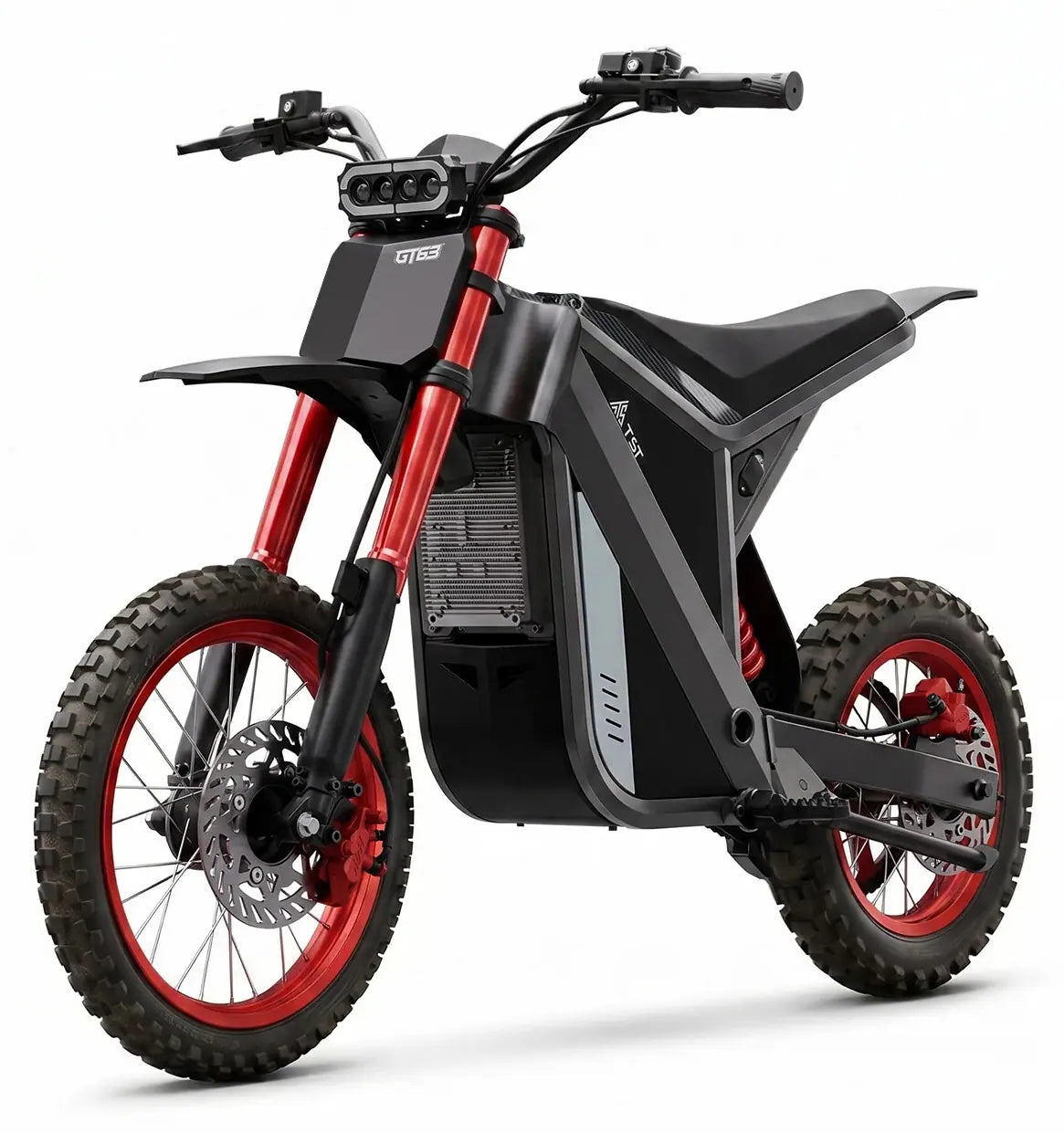
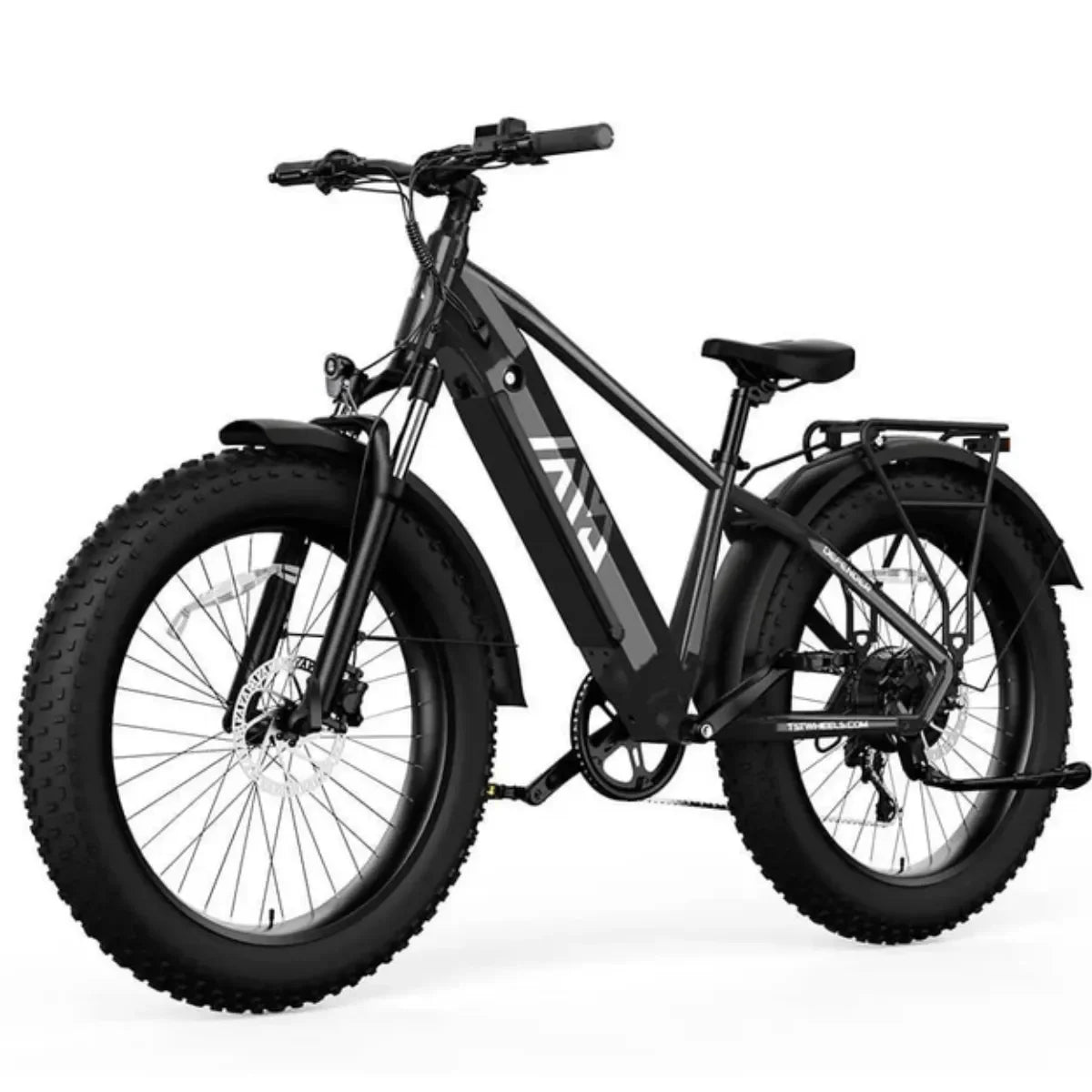
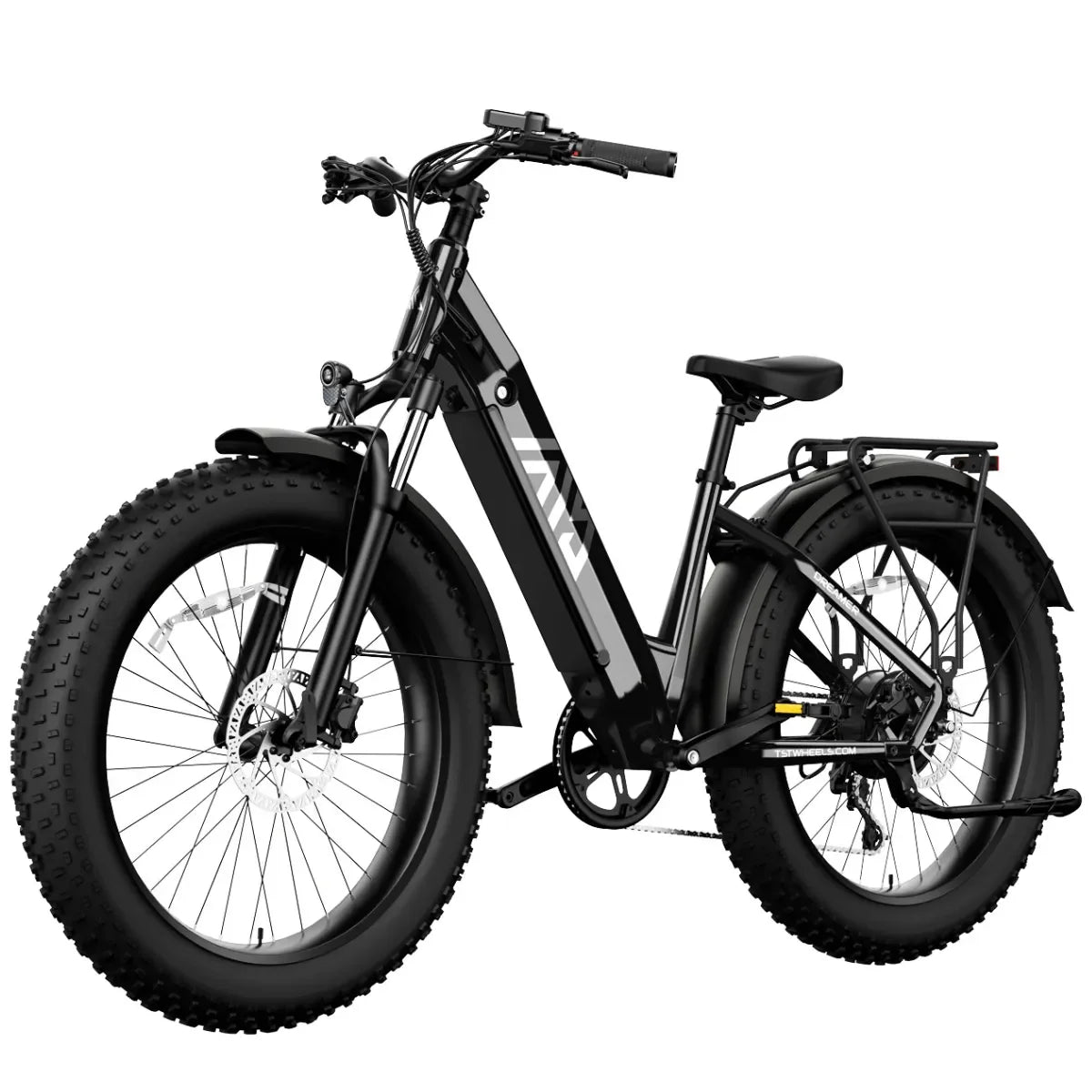
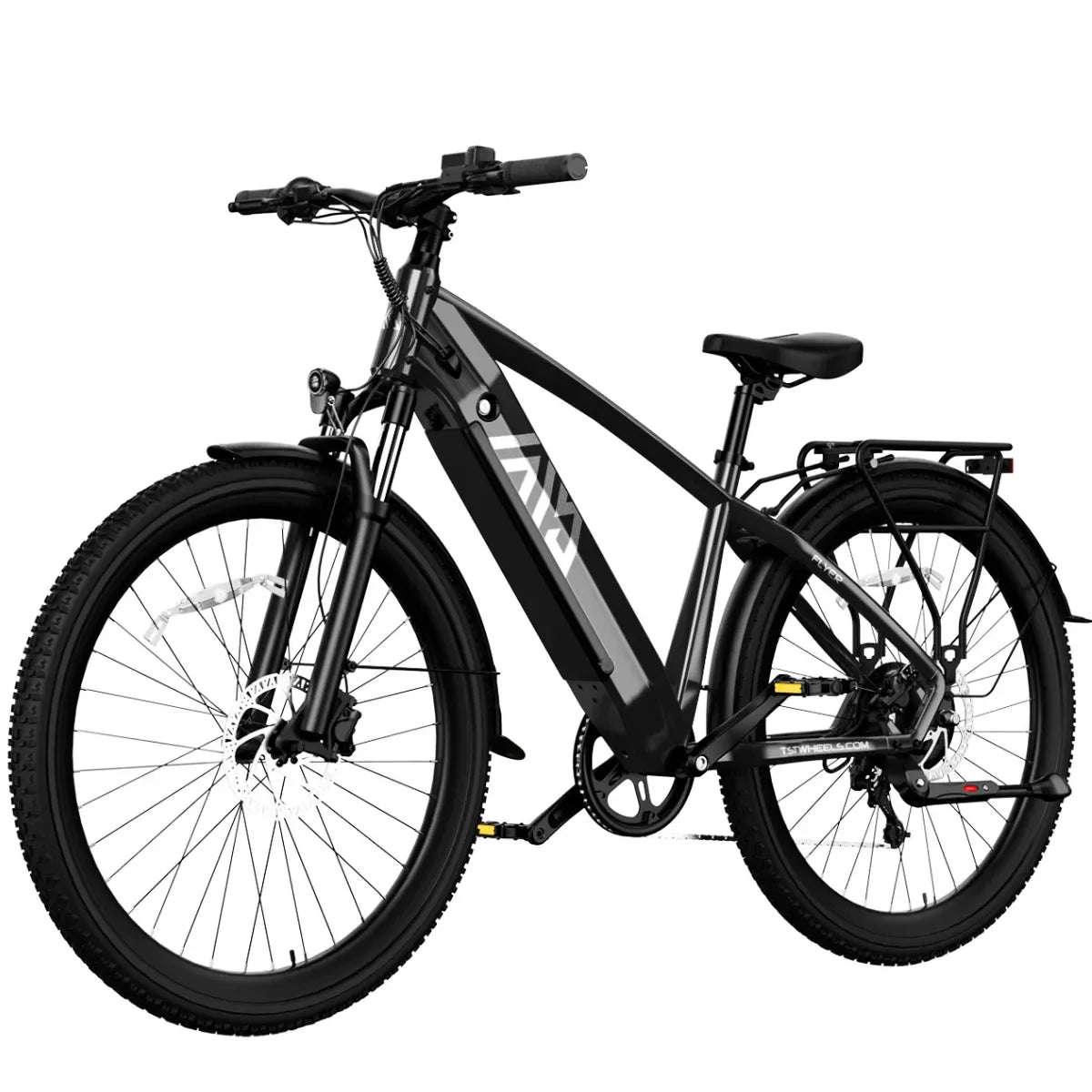
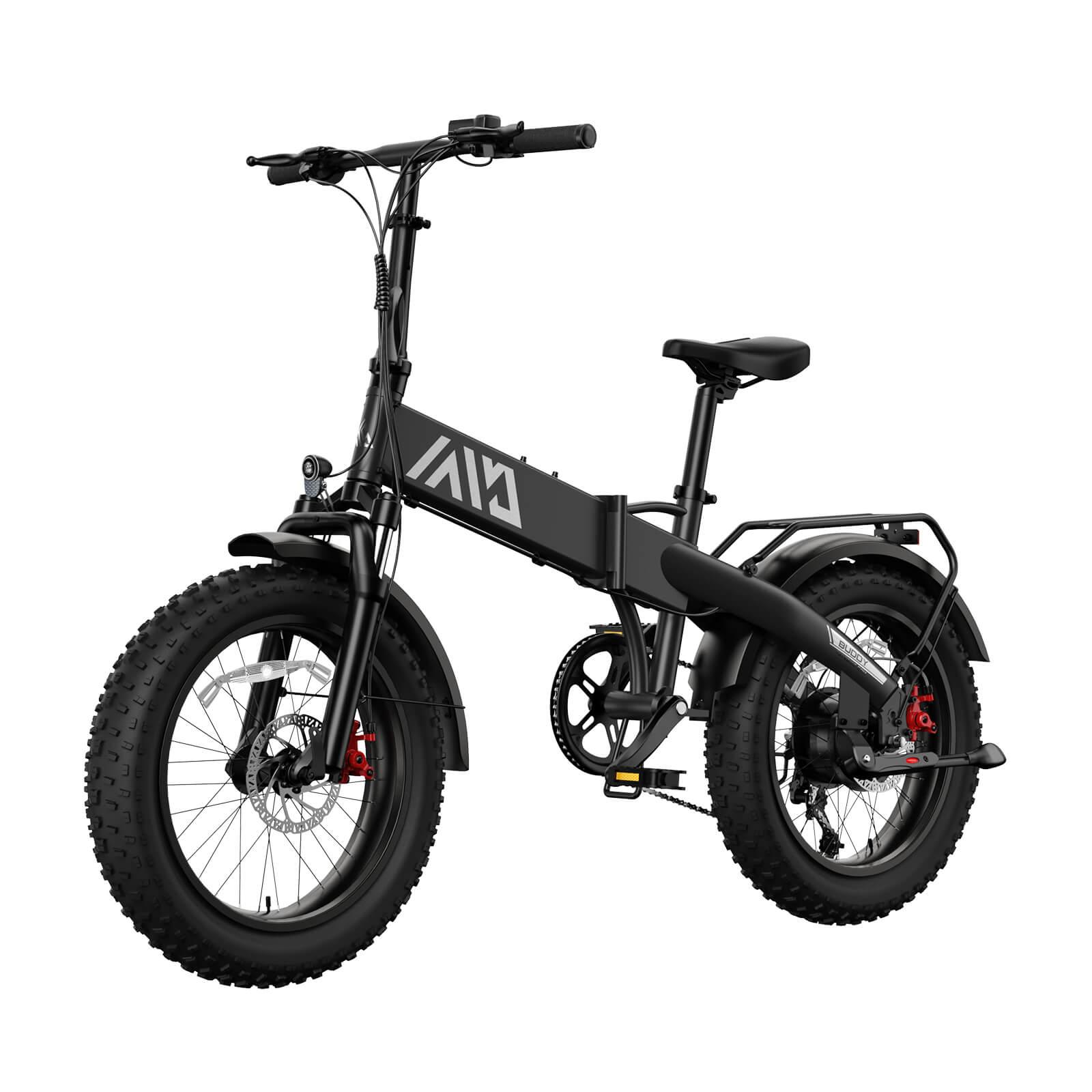
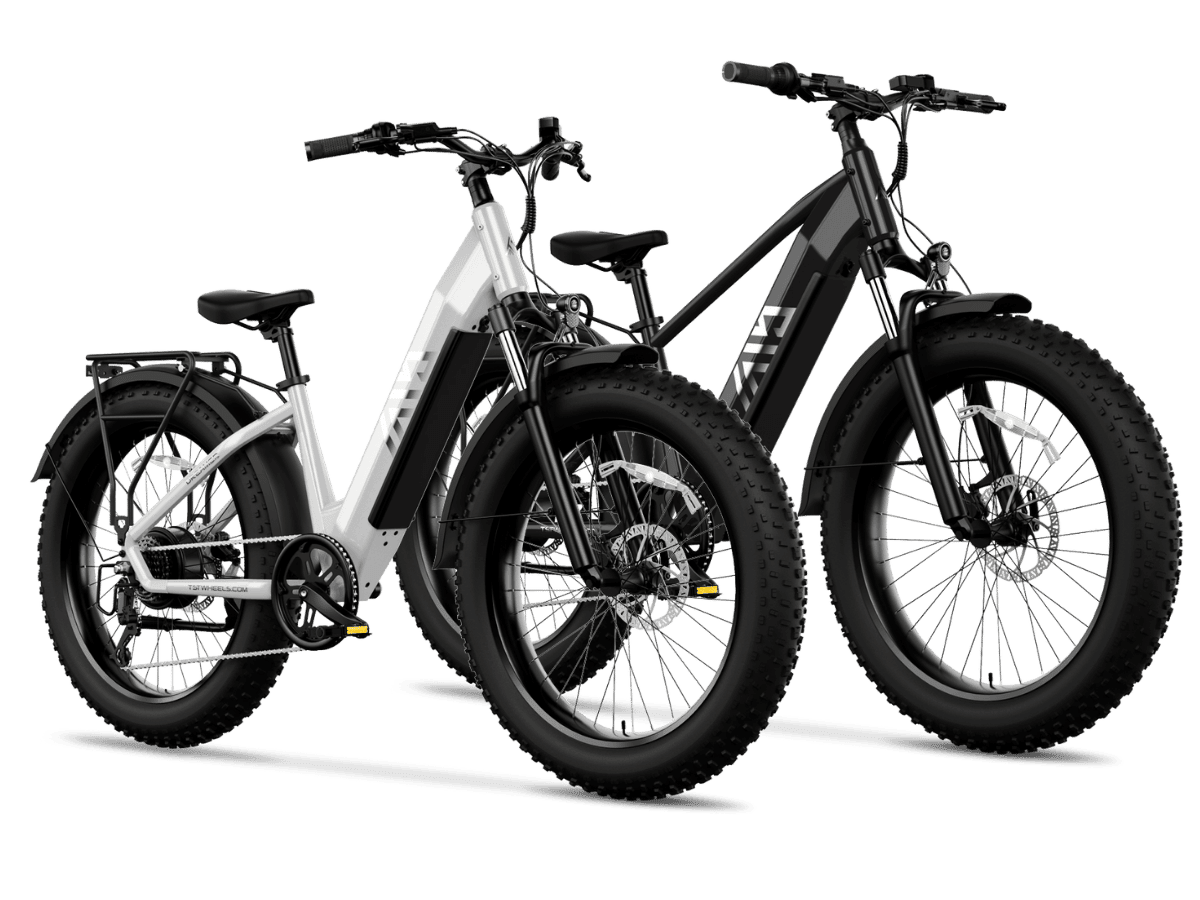
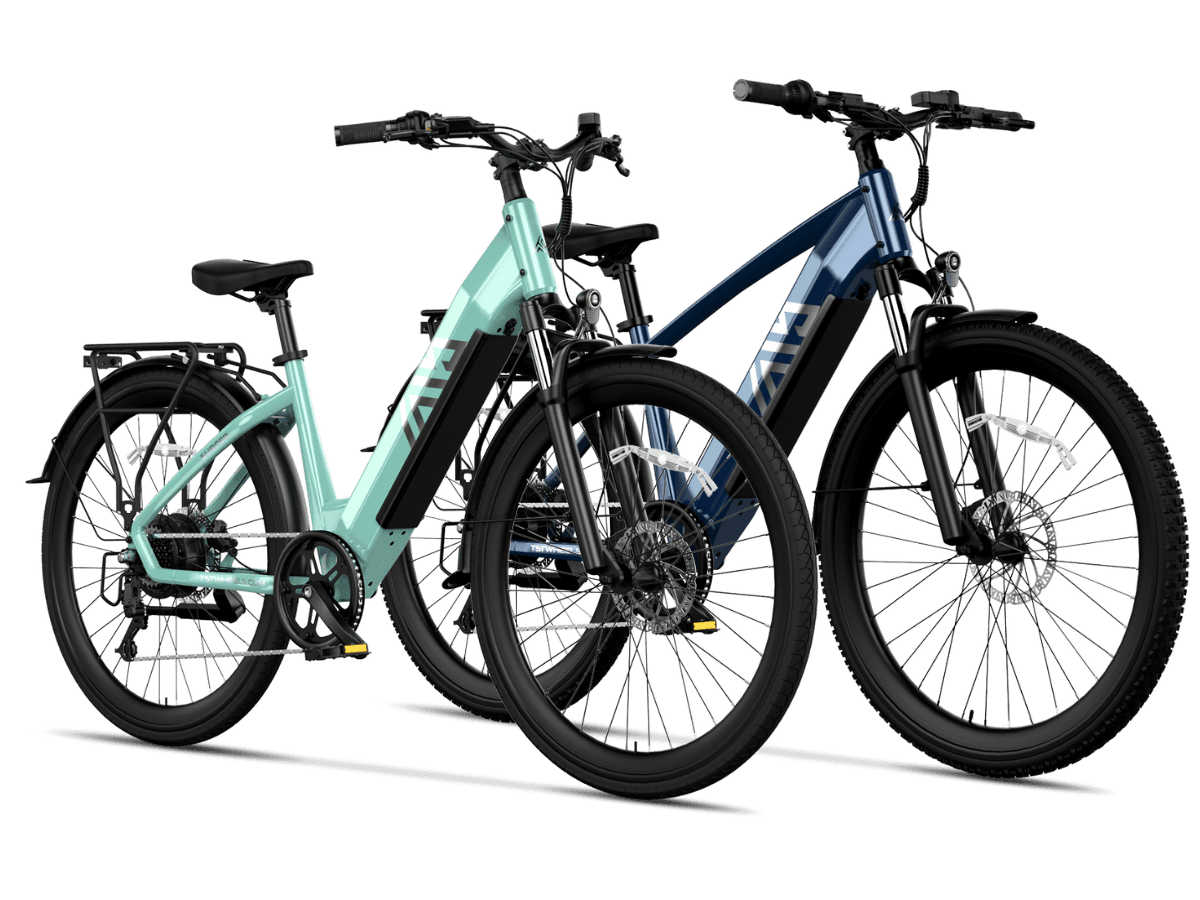
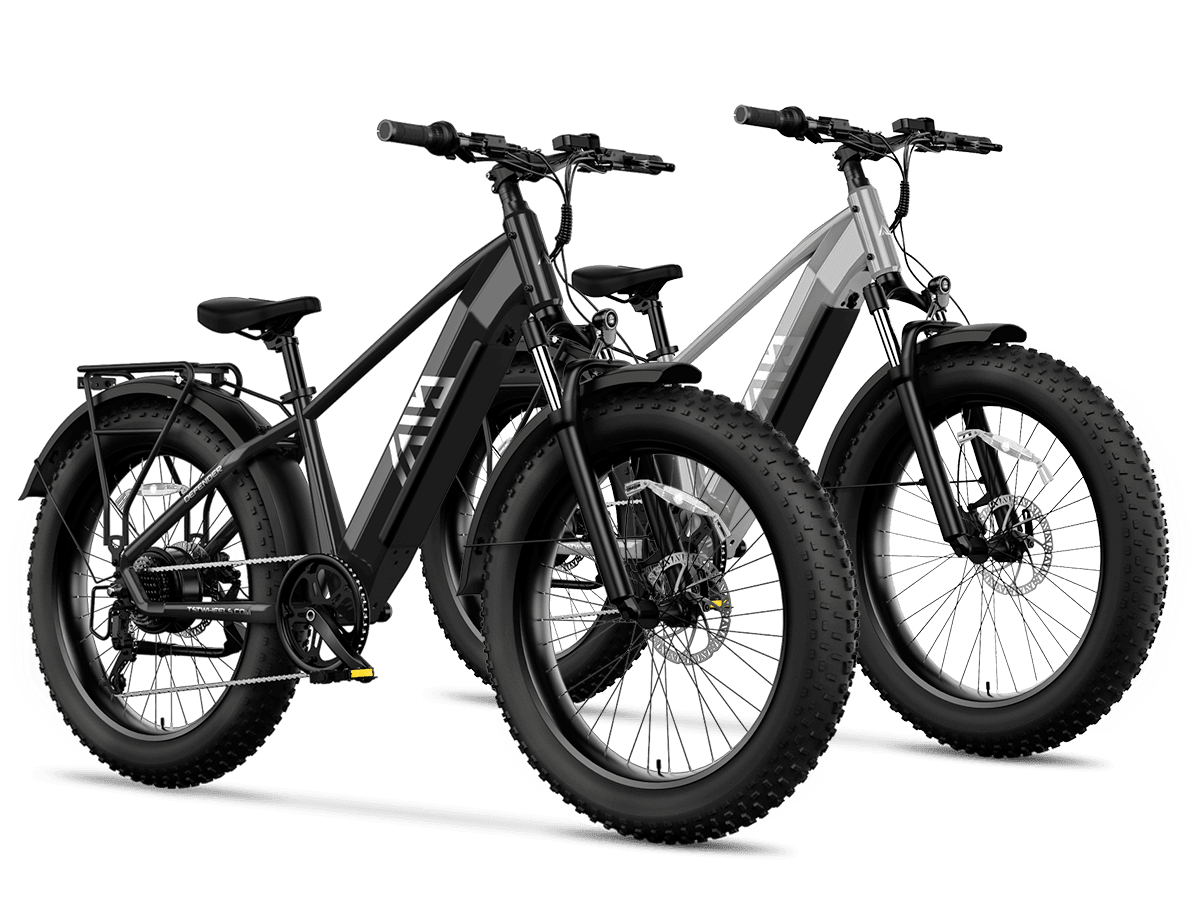
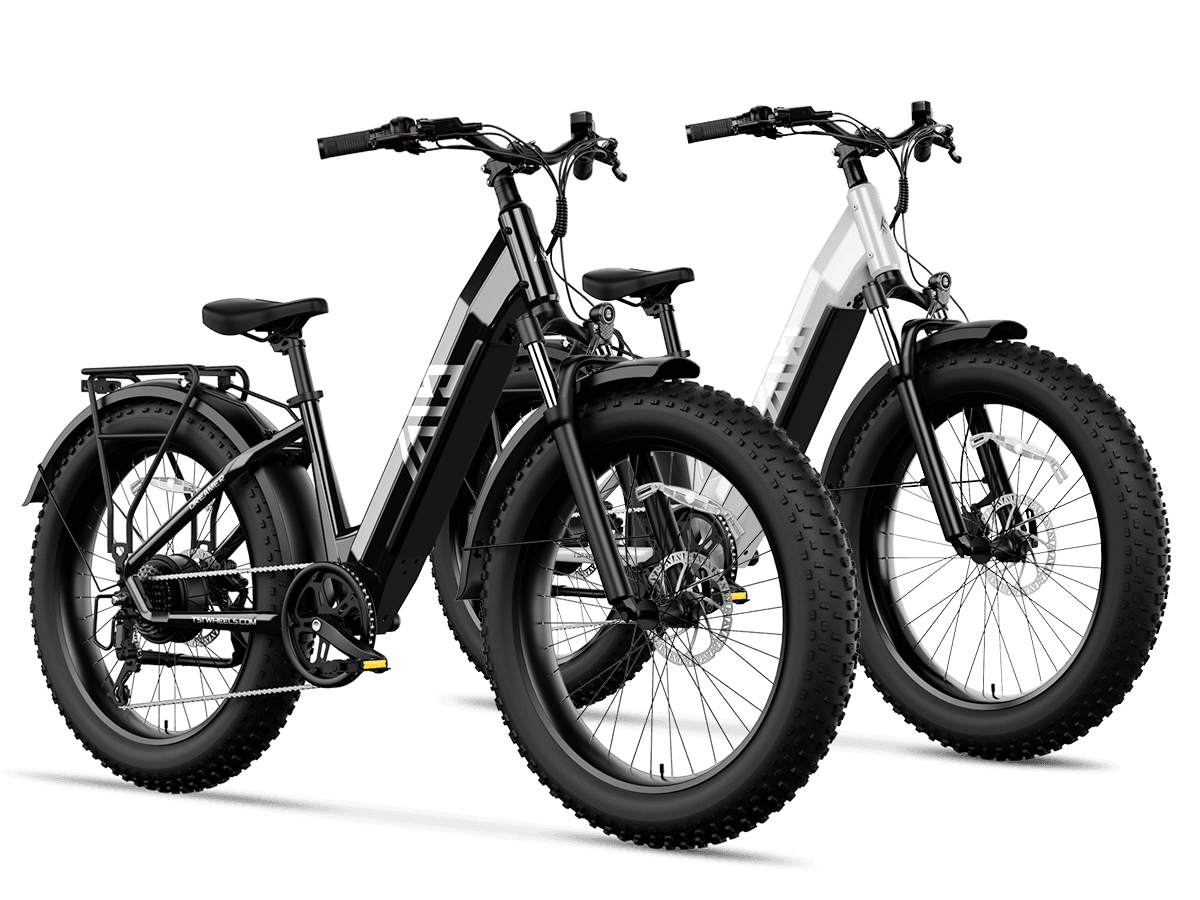
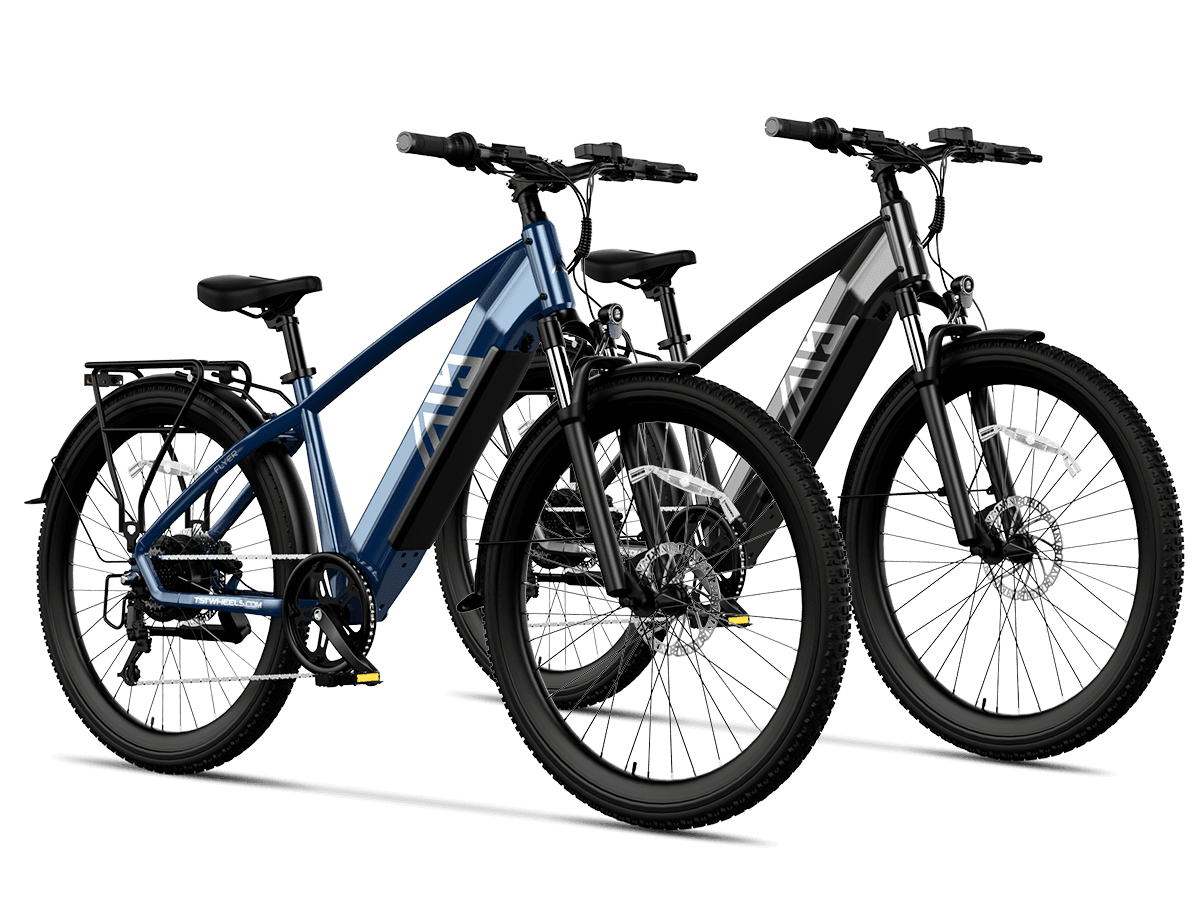
Wheel size matters more than many riders expect. According to TST EBike’s buying guidance, 26-inch models are better for rough terrain like snow and sand, while 27-inch models suit daily commuting and mountain biking. That same logic applies to speed bike performance because the best setup is the one that keeps you efficient on the surfaces you ride most.
Market Trends in Speed Bike Performance
The speed bike market has moved toward lighter frames, smoother drivetrain systems, and easier-to-maintain components. Riders now want a fast bike that is also practical for commuting, fitness rides, and weekend training, which is why search interest has grown around road bike speed, electric speed bike, and performance bike upgrades. In recent cycling advice from brands like Canyon, Polygon, and SportsEdTV, the most repeated speed boosters are aerodynamics, cadence, tire choice, and wheel efficiency.
Electric speed bike demand is also rising because it gives riders faster acceleration with less effort. For urban riders, that means better stop-and-go performance, easier hill climbing, and more consistent travel time. For fitness riders, it means more control over how much assistance they want while still improving bike speed and ride quality.
How to Choose a Speed Bike for Your Needs
Start with the riding surface. A speed bike for smooth pavement should prioritize narrow tires, responsive handling, and a geometry that puts you in a low, efficient position. A speed bike for mixed roads or rougher paths needs a slightly tougher tire setup, stronger wheels, and a frame that can absorb vibration without feeling sluggish.
Next, look at frame material. Aluminum is often the best value for riders who want a lightweight performance bike without paying a premium. Carbon fiber can deliver even better stiffness and lower weight, but only makes sense if you care about racing, climbing, or top-tier acceleration. For many commuters, an aluminum road bike or electric speed bike gives the best balance of speed, price, and durability.
Drivetrain choice also matters. A multi-speed bike with a wide gear range helps you maintain speed across climbs, flats, and descents. If you ride hilly routes, look for a performance bike with smooth shifting and gear ratios that let you spin instead of grind. If you mostly ride in the city, a simpler setup can be faster in real life because it reduces friction, maintenance, and hesitation when accelerating.
Core Factors That Maximize Speed Bike Performance
The fastest gains usually come from four areas: posture, tires, gears, and maintenance. A lower, more aerodynamic riding position reduces drag and helps you hold speed with less effort. This is why riders often see immediate gains when they stop sitting upright and begin using a more efficient road position.
Tires are another major factor. Low rolling resistance tires can improve road bike speed without requiring a new frame or drivetrain. Tire pressure also plays a role, because the right pressure helps you balance speed, grip, and comfort. If pressure is too low, the bike feels slow; if it is too high, control and comfort suffer, especially on rough pavement.
Cadence is just as important as leg strength. Many performance coaches recommend a smoother, higher cadence instead of pushing a heavy gear slowly. Spinning efficiently helps you conserve energy, maintain speed on longer rides, and reduce fatigue on training days. For riders trying to maximize speed bike performance, learning when to shift is often more valuable than trying to push harder in the wrong gear.
Top Speed Bike Types and Best Use Cases
TST EBike was founded with a vision to transform the way we think about transportation. Established in 2017 in California, TST GRP LLC has warehouses in California, sells in over 10 countries, and operates more than 20 offline stores while focusing on high-power, cost-effective electric bikes.
Competitor Comparison for Speed and Efficiency
If your main goal is the fastest feel on pavement, a road bike usually wins. If you want fast real-world travel with less sweat and better hill support, an electric speed bike may be the smarter choice. A performance hybrid is often the most practical option for riders who want comfort and speed in one package.
Tire, Wheel, and Gearing Upgrades That Matter
Tires are one of the cheapest ways to improve speed bike performance. Switching to lighter, smoother tires can reduce drag and make your bike feel faster immediately. A well-chosen wheelset can also improve acceleration and help the bike hold speed more easily, especially on flats and rolling terrain.
Gearing should match your riding style. If your current setup feels slow on descents or too hard on climbs, you may need a different cassette range or crank configuration. Riders who focus on bike speed often notice that the right gearing makes cadence feel natural, which keeps output steady and helps maintain momentum.
Wheels matter because they affect both weight and aerodynamics. Lightweight wheels help the bike accelerate faster, while more aerodynamic wheels help you keep speed once you are already moving. For riders chasing better performance bike results, wheel upgrades often deliver more noticeable improvement than cosmetic changes.
Real Riding Scenarios and ROI
A commuter who switches from a heavy city bike to a lighter speed bike often notices the biggest change in acceleration and cruising speed. That can cut time on short urban trips, reduce effort on hills, and make repeated starts at traffic lights feel easier. For many riders, that improvement is enough to justify a mid-range road bike or electric speed bike upgrade.
A fitness rider may get even more value from better tires, a more aerodynamic position, and smoother gearing than from a full bike replacement. That is because speed bike performance is often about reducing wasted energy rather than adding power. In practical terms, a modest setup change can create a meaningful speed gain without a big budget.
A long-distance rider benefits from efficiency over many miles. The better your position, tire choice, and cadence, the less fatigue you carry into the second half of the ride. That is why a well-fitted performance bike often produces better results than a more expensive bike that does not match the rider.
Why Setup Beats Raw Power
Many riders assume the fastest bike is simply the lightest bike, but real speed bike performance comes from the full system. A fast frame with poor tires, bad fit, or weak shifting will still feel slow. On the other hand, a smartly tuned aluminum road bike with the right pressure and position can outperform a more expensive bike ridden inefficiently.
The most important rule is consistency. If your bike fits well, shifts cleanly, and rolls efficiently, you can hold higher average speed with less effort. That is the true advantage of a speed bike built for performance rather than just appearance.
Future Trends in Speed Bike Performance
Future speed bike performance will likely focus on better integration between motor systems, lighter batteries, and smarter ride modes. Electric speed bike riders will benefit from more refined power delivery, which should make acceleration smoother and more efficient. Traditional road bike riders will continue to see gains in tire technology, wheel design, and frame aerodynamics.
The biggest trend is personalization. Riders want a bike that can shift between commuting, fitness, and weekend riding without losing speed or comfort. That means the next wave of performance bike design will prioritize adaptable geometry, smarter gearing, and lower maintenance.
Final Buying Guidance
If you want the fastest pure road feel, choose a road bike with narrow tires, a lightweight frame, and efficient gearing. If you want practical speed with less effort, choose an electric speed bike with enough battery and motor support for your terrain. If you want one bike that does a bit of everything, a performance hybrid with the right setup can deliver excellent speed bike performance without sacrificing comfort.
The fastest results usually come from small changes done well: lower drag, better tires, smarter gearing, and consistent maintenance. That combination is what turns an average bike into a fast one.

Leave a comment
This site is protected by hCaptcha and the hCaptcha Privacy Policy and Terms of Service apply.