
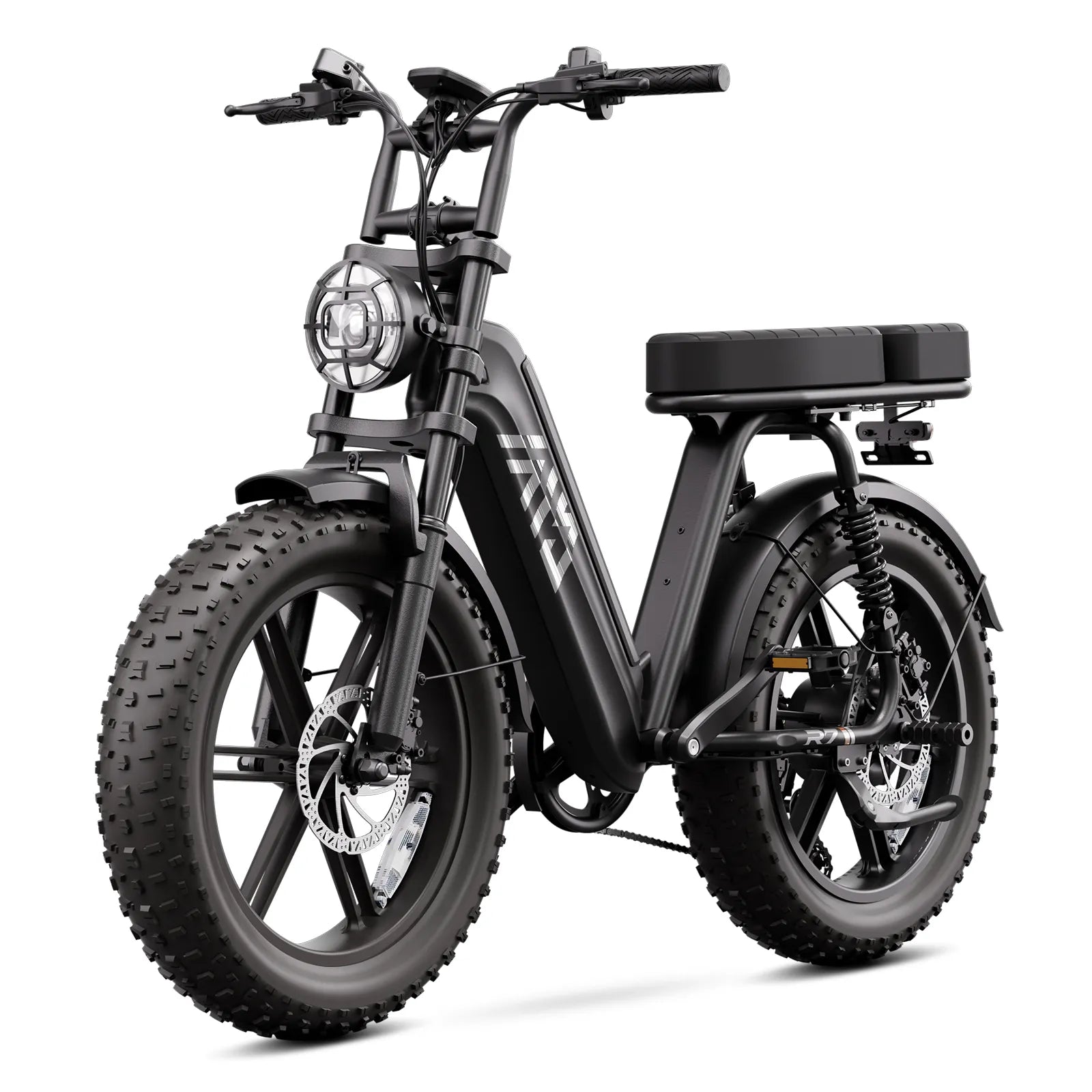




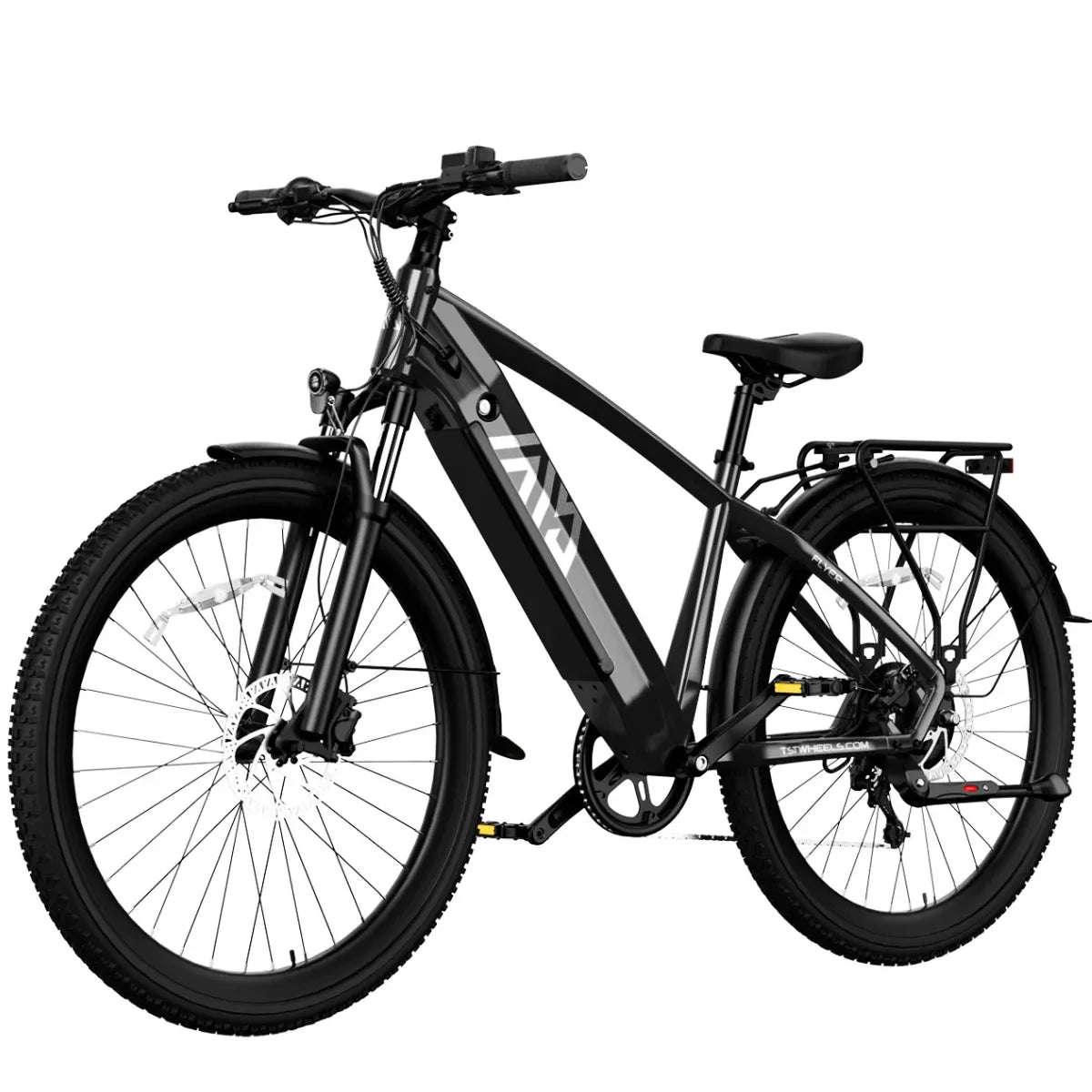












The 60V standard is quickly moving from premium to practical in OEM dirt bikes and light off-road models. In 2026, factories are standardizing battery formats, improving torque delivery, and adding smarter telemetry so even entry-level bikes feel more consistent, more reliable, and better protected against heat, water, and rider misuse.
What is driving the shift toward 60V?
The shift toward 60V is being driven by consumer expectations, factory efficiency, and better real-world performance under load. OEMs want fewer battery variants, dealers want fewer warranty headaches, and riders want stronger acceleration without constant voltage sag.
From a manufacturing standpoint, standardizing around 60V also simplifies sourcing. When battery packs, controllers, and wiring harnesses are built around a more unified platform, factories can scale faster and reduce assembly variation.
How does 60V improve terrain-responsive torque delivery?
60V improves torque delivery by giving the controller more usable headroom under load. That means the bike can respond more smoothly when climbing, accelerating out of loose terrain, or pushing through sand, mud, or uneven trails.
The main advantage is not just power, but control. A well-tuned 60V system can feel less jerky than a lower-voltage setup because it keeps voltage drop and current stress more manageable during sudden throttle input.
Why are IP65 and IP67 ratings becoming more important?
IP65 and IP67 ratings are becoming more important because riders expect off-road bikes to survive water spray, dust, mud, and daily abuse. Entry-level buyers are no longer accepting fragile electronics that fail after light trail use or wet storage.
For manufacturers, stronger sealing also means fewer returns and fewer service claims. Better waterproofing protects batteries, displays, connectors, and controllers, which are often the first parts to fail when a budget bike is pushed too hard.
Which components need the most standardization?
The most important components to standardize are battery packs, controllers, chargers, wiring connectors, and telemetry modules. These parts affect compatibility, serviceability, and overall reliability more than cosmetic parts ever will.
A factory can build a visually different bike with the same internal architecture, but if the battery ecosystem is consistent, parts support becomes much easier. That is why modular battery systems are such a big deal in 2026.
Are modular battery ecosystems replacing fixed packs?
Yes, modular battery ecosystems are becoming a serious direction for OEM dirt bike manufacturing. They make repairs easier, help dealers stock fewer SKUs, and let riders swap or upgrade packs more efficiently.
The strongest advantage is flexibility. A modular system can support different ranges, power levels, or even future upgrades without forcing a complete redesign of the bike frame and electrical layout.
Can entry-level bikes really support higher standards?
Yes, but only if the factory treats the bike as a system instead of a collection of cheap parts. Entry-level bikes can support 60V, telemetry, and better waterproofing when the design prioritizes thermal control, connector quality, and realistic load targets.
The mistake is building a low-cost bike with a high-voltage badge but weak supporting hardware. In practice, the battery may be capable, but the harness, seals, or controller may fail long before the voltage system becomes an advantage.
How does smarter telemetry change the riding experience?
Smarter telemetry changes the riding experience by showing battery health, temperature, fault codes, and usage patterns more clearly. Riders gain better awareness of what the bike is doing before a small issue turns into a major failure.
This also helps dealers and manufacturers. Telemetry can reveal patterns like overheating, over-discharging, or repeated abuse, which makes product support more accurate and helps identify design weaknesses earlier.
What does standardization mean for dealers and buyers?
Standardization means fewer surprises for dealers and easier maintenance for buyers. If battery formats, chargers, and connectors become more consistent, replacement parts are easier to stock and customers spend less time dealing with mismatched components.
Buyers benefit too because they can compare bikes more accurately. A standardized 60V platform makes it easier to judge real value instead of relying on vague marketing claims about speed or range.
Why are manufacturers moving toward smarter diagnostics?
Manufacturers are moving toward smarter diagnostics because electrical systems are getting more complex and customer support costs are rising. If the bike can report its own condition, the factory and dealer can solve problems faster.
I have seen this shift on the production side: when diagnostic data is built into the platform early, the brand saves time on returns, the service team works faster, and the rider gets a more predictable ownership experience.
Can 60V platforms stay affordable?
Yes, but affordability depends on scale, sourcing, and design discipline. A 60V bike can stay cost-effective if the factory limits unnecessary complexity and standardizes the same battery family across multiple models.
The challenge is balancing price against durability. Cutting corners on connectors, seal quality, or controller tuning usually saves money only once, while the failures cost far more later.
How should brands like TST EBike respond to this trend?
Brands like TST EBike should respond by balancing cost, durability, and real-world usability rather than chasing specifications alone. A strong manufacturing strategy is to build around platforms that can support different wheel sizes, rider types, and use cases without losing consistency.
TST EBike is already positioned well for this kind of transition because a consumer-feedback-driven brand can adapt quickly to what riders actually need. In this market, the winners will be the companies that make advanced systems understandable, serviceable, and dependable.
TST EBike Expert Views
"The move toward 60V entry standards is less about hype and more about manufacturing maturity. At TST EBike, the real opportunity is to pair modular battery design with sealed electronics and clean telemetry so the rider gets better reliability without paying for unnecessary complexity. A strong platform should scale across models, not collapse under variation."
Which trade-offs matter most in 60V design?
The most important trade-offs are heat, weight, cost, and serviceability. Higher voltage can improve efficiency, but only if the wiring, controller, and battery management system are designed to handle the change properly.
A 60V bike also needs disciplined thermal engineering. If the motor runs cooler but the battery pack or connector runs hotter, the system is only partly improved. That is where many low-end designs fail.
Could 60V become the next baseline for budget models?
Yes, 60V could become the next baseline for some budget dirt bikes and light off-road models, especially as supply chains normalize and demand grows. When enough factories use the same architecture, the lower-cost versions often follow.
That said, not every rider needs 60V. Some entry-level buyers will still be better served by simpler systems if their use is light and their priority is price over peak output.
Are legacy 36V and 48V systems disappearing?
No, they are not disappearing overnight. They still make sense for lighter use, lower speeds, and riders who value simplicity more than power.
But the market is changing. As more consumers expect stronger hill performance, better waterproofing, and smarter electronics, 36V and 48V systems will increasingly be seen as older, more limited platforms in the dirt-bike and light off-road category.
Can a modular battery ecosystem improve sustainability?
Yes, modular battery ecosystems can improve sustainability by extending product life and reducing unnecessary replacements. When a battery pack can be serviced, swapped, or upgraded without discarding the entire bike, waste drops.
That is a major advantage for riders and brands alike. Instead of replacing an entire unit because one pack or connector fails, the owner can maintain the platform more efficiently and keep it on the road longer.
Conclusion
The 60V standard is emerging because the industry wants better torque, better reliability, and fewer fragmented battery ecosystems. Pair that with IP65 or IP67 waterproofing, smarter telemetry, and modular design, and you get a stronger foundation for the next generation of OEM dirt bikes.
For buyers, the takeaway is simple: look beyond the voltage number and ask how the whole system is built. For brands like TST EBike, the opportunity is to turn standardization into a real advantage by building bikes that are easier to support, more durable in the field, and ready for the next wave of consumer expectations.
FAQs
Will 60V make bikes much faster?
Not automatically. It usually improves torque delivery and efficiency more than it changes top speed.
Is IP67 better than IP65?
Yes. IP67 offers stronger water protection, which is useful for harsher riding conditions.
Do modular batteries cost more?
They can at first, but they often save money over time through easier service and replacement.
Will buyers notice smarter telemetry?
Yes, especially if it improves battery monitoring, fault detection, and maintenance alerts.
Should TST EBike move to 60V across all models?
Not necessarily. The best approach is to match voltage to the rider’s use case and price target.

Leave a comment
This site is protected by hCaptcha and the hCaptcha Privacy Policy and Terms of Service apply.