











The U.S. two‑wheeler market is resetting in 2026 as traditional combustion motorcycles stagnate and electric off‑road models grow by 6.9%, driven by small, lightweight electric dirt bikes and rising fuel prices. This shift shows that budget‑conscious riders are choosing affordable electric off‑road platforms to avoid high fuel costs, dealer markups, and complex maintenance while keeping the fun of powersports.
How is the U.S. two‑wheeler market resetting in 2026?
The U.S. two‑wheeler market has hovered close to its long‑term baseline through early 2026, ending a string of multi‑year declines for gasoline‑powered motorcycles. In the first four months of 2026, total motorcycle sales rose slightly versus the same period last year, even as fuel prices spiked, signaling a stabilization of overall demand.
At the same time, the market is “resetting” structurally: share is moving from high‑priced, heavy ICE bikes toward smaller, more affordable electric segments, especially off‑road‑oriented two‑wheelers. This realignment reflects riders trading big‑engine prestige for lower operating cost, lighter servicing, and easier financing on entry‑level electric chassis.
Key macro‑drivers of the reset:
-
Fuel price surges in early 2026 that pushed practical buyers into alternative powersports and commuting options.
-
Dealer overhang and inventory corrections in 2024–2025 that triggered a pullback on big‑ticket ICE models.
-
A tightening of consumer credit conditions, which favors lower‑priced, entry‑level electric platforms.
What does “electric off‑road growth” mean in 2026?
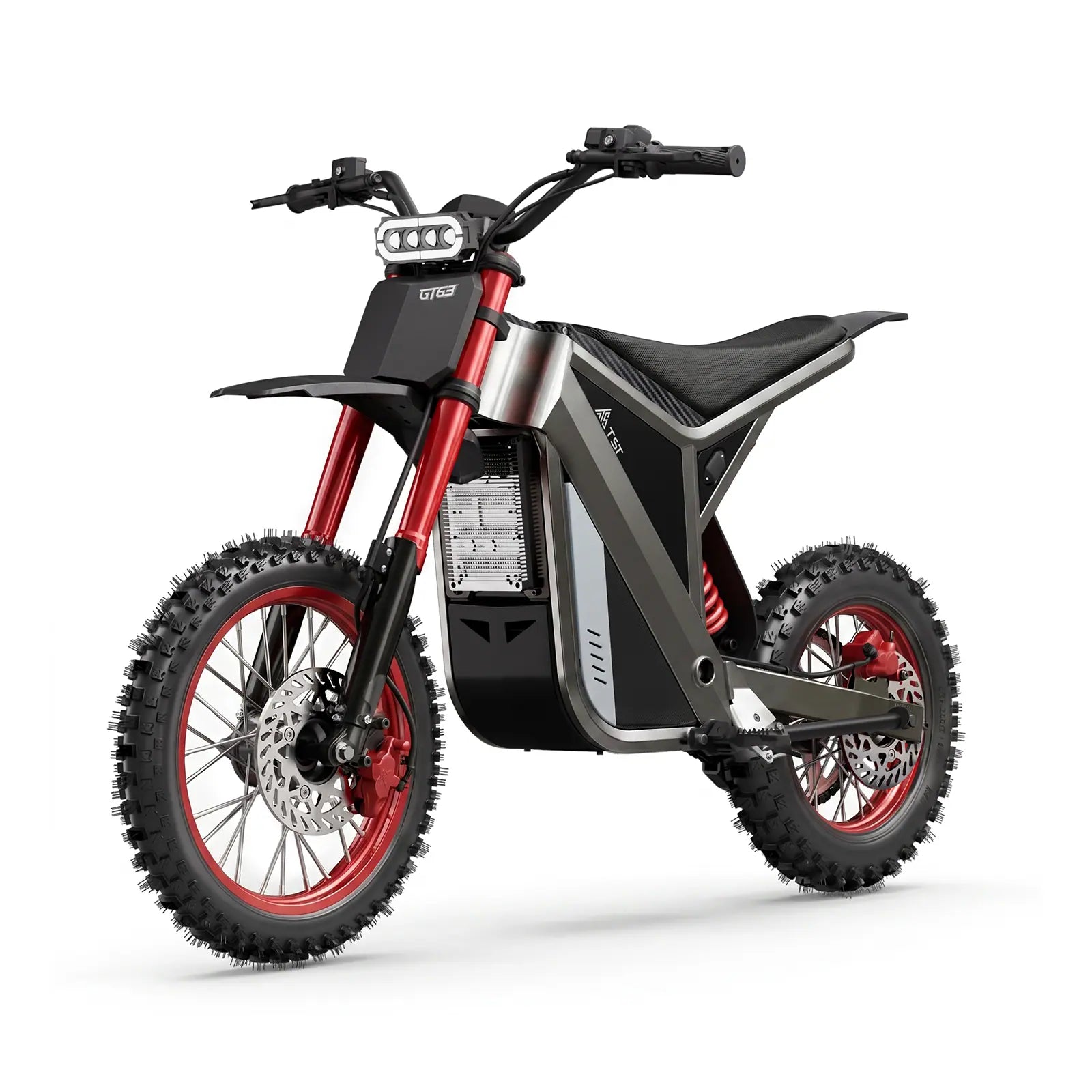
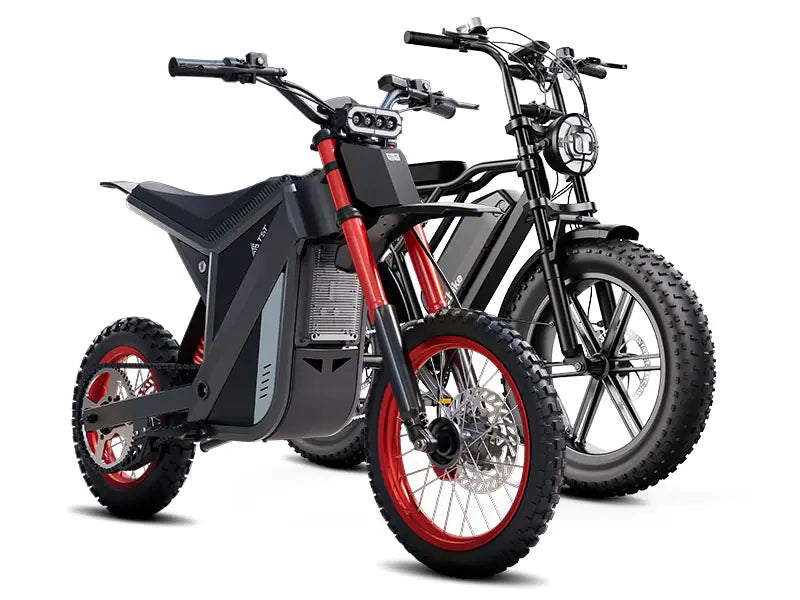
Electric off‑road growth in 2026 refers to the rise of small, lightweight electric motorcycles and e‑motos designed for unpaved trails, backyards, and recreational riding, rather than on‑road commuting or highway use. In the first four months of 2026, the U.S. electric motorcycle segment grew 6.9%, with the bulk of that expansion coming from compact off‑road models.
From an engineering standpoint, these machines typically use high‑torque hub or mid‑drive motors (often 3–7 kW), 48–72 V systems, and 4–8 kWh lithium packs that balance range, weight, and playtime. That’s why they attract not only off‑road enthusiasts but also younger riders, families, and urban riders who want a low‑friction, low‑noise toy they can store in a garage or on a trailer.
Why this matters commercially:
-
Electric off‑road bikes often sit at lower price points than big‑displacement ICE dirt bikes, broadening the market.
-
They appeal to “fun‑first” buyers who care more about quick acceleration, low maintenance, and instant torque than top‑speed records.
-
They dovetail with tightening emission and noise regulations on OHV (off‑highway) vehicles in many states.
Why are fuel prices pushing riders toward electric off‑road bikes?
Fuel prices in early 2026 surged over 50% in some regions, which directly impacted the cost‑per‑mile for gasoline‑powered motorcycles and off‑road bikes. With operating costs for a typical 450cc dirt bike running $0.15–$0.25 per mile depending on terrain and riding style, many riders began re‑evaluating their time‑cost equation.
Electric off‑road bikes shift that cost structure: a 48–72 V, 4–8 kWh system can deliver 40–80 miles of mixed riding for roughly $1–$3 in electricity, depending on grid rates and load. That’s less than one‑tenth the fuel cost of a comparably sized ICE off‑roader, even before accounting for oil changes, valve adjustments, and exhaust work.
Behavioral impact on riders:
-
Weekend riders who previously bought a high‑end, fuel‑hungry dirt bike for “once‑in‑a‑while” trail use now consider a smaller, cheaper e‑moto as their primary toy.
-
Parents who want to introduce kids to dirt riding lean into light electric platforms to avoid both fuel and mechanical complexity.
-
Off‑road land‑use groups and OHV parks see fewer noise complaints and air‑quality issues with electric fleets, making electric off‑road bikes more politically viable.
How is market segmentation changing in U.S. two‑wheelers?
Market segmentation in the U.S. two‑wheeler space is splitting more sharply between “heavy‑duty, premium ICE” and “light‑duty, value‑oriented electric” platforms. Established brands still dominate the big‑bore cruiser, adventure‑touring, and sportbike segments, but they are losing share in the entry‑level and youth categories to electric‑first players.
In practice, this means:
-
High‑end, 600–1,000 cc gasoline motorcycles are increasingly purchased by older, affluent riders or as secondary status machines.
-
Entry‑level and mid‑range buyers are migrating toward 250–400 cc electric equivalents, electric scooters, and compact electric off‑road bikes that offer similar performance with lower total cost of ownership.
Segmentation by use case:
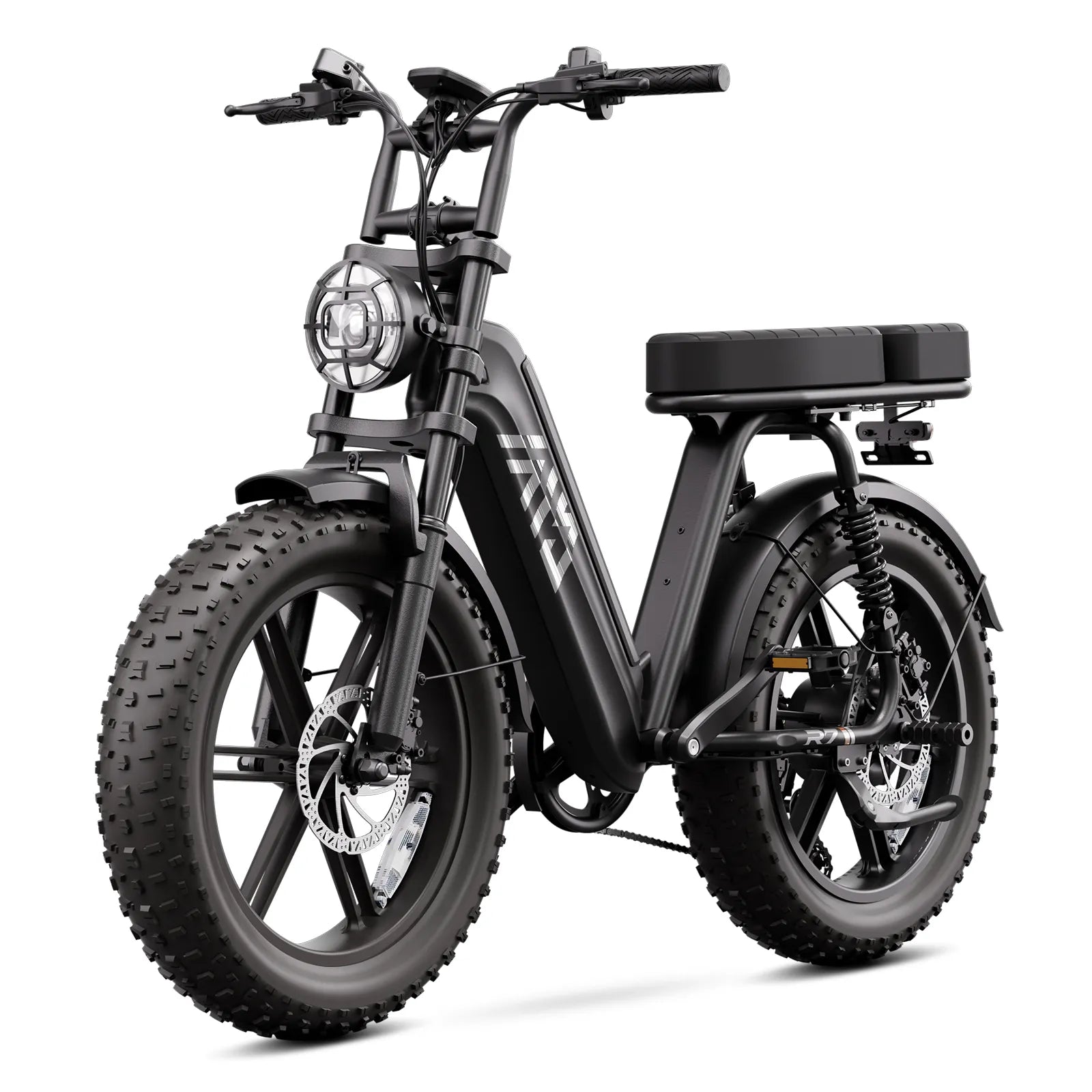
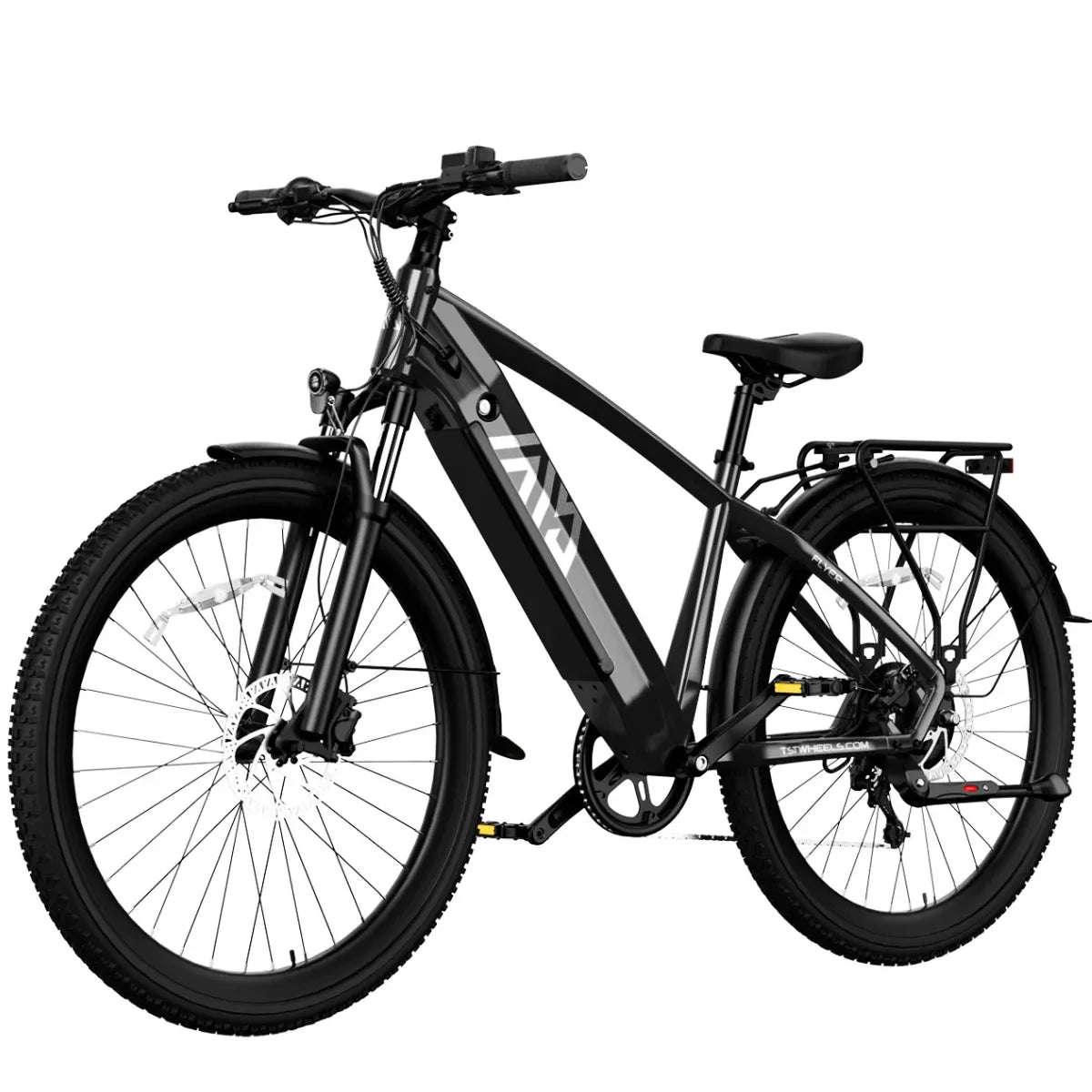
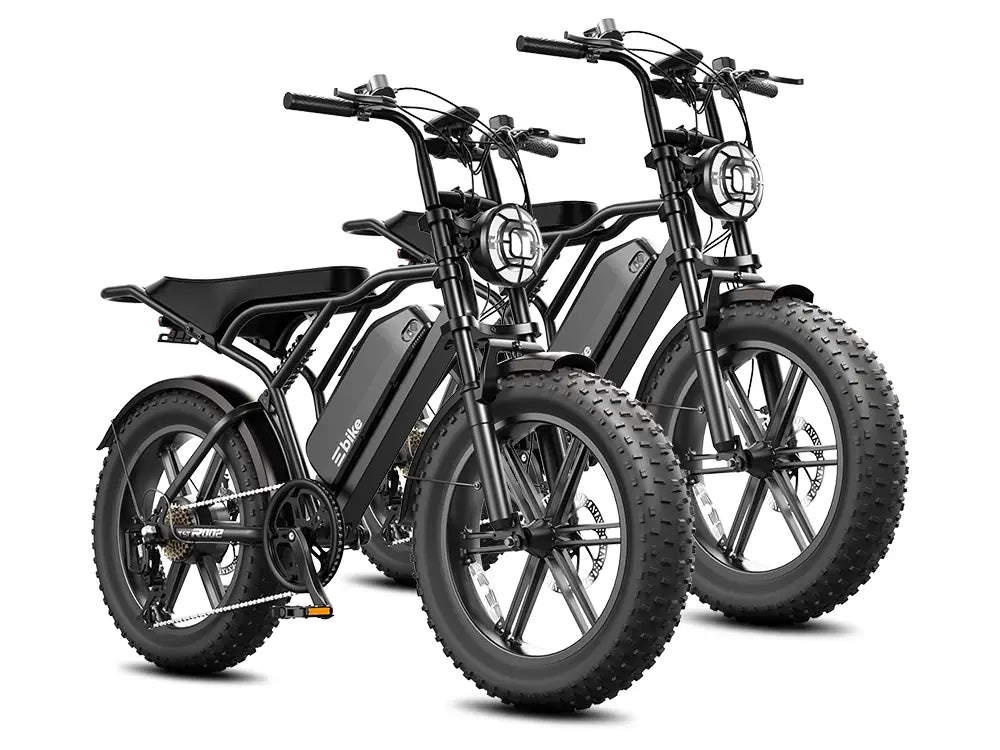
TST EBike, for example, targets the urban commuter and light‑off‑road segments with cost‑effective 26‑ and 27‑inch electric bikes that balance range, torque, and price—filling the gap between ultra‑premium e‑motos and generic Chinese imports.
Where are electric off‑road bikes gaining the most traction?
Electric off‑road bikes are gaining traction fastest in three areas: suburban recreation, youth riding, and light trail‑use around OHV parks. In states like California, Texas, and Florida, where recreational land access is strong and fuel prices are high, small electric off‑road motorcycles are displacing 125–250 cc ICE dirt bikes in the “fun‑bike” category.
From a distribution‑channel perspective, these bikes are also growing in:
-
Specialty powersports dealers that bundle e‑motos with protective gear and accessories.
-
Online‑first brands that sell direct‑to‑consumer and offer lower delivered prices by skipping dealer markup.
-
Rental and adventure‑tour operators who want low‑maintenance, quiet fleets for guided trail rides.
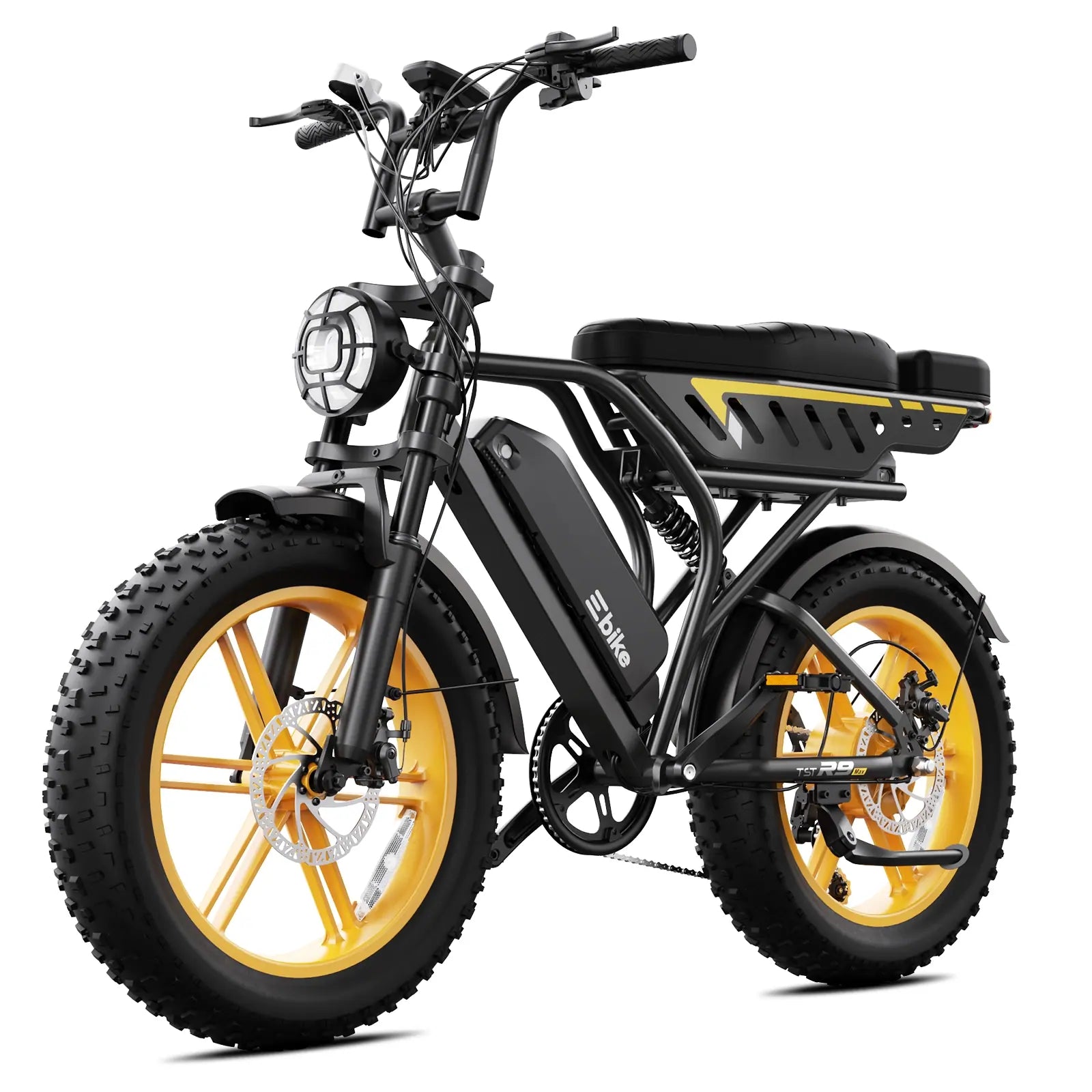
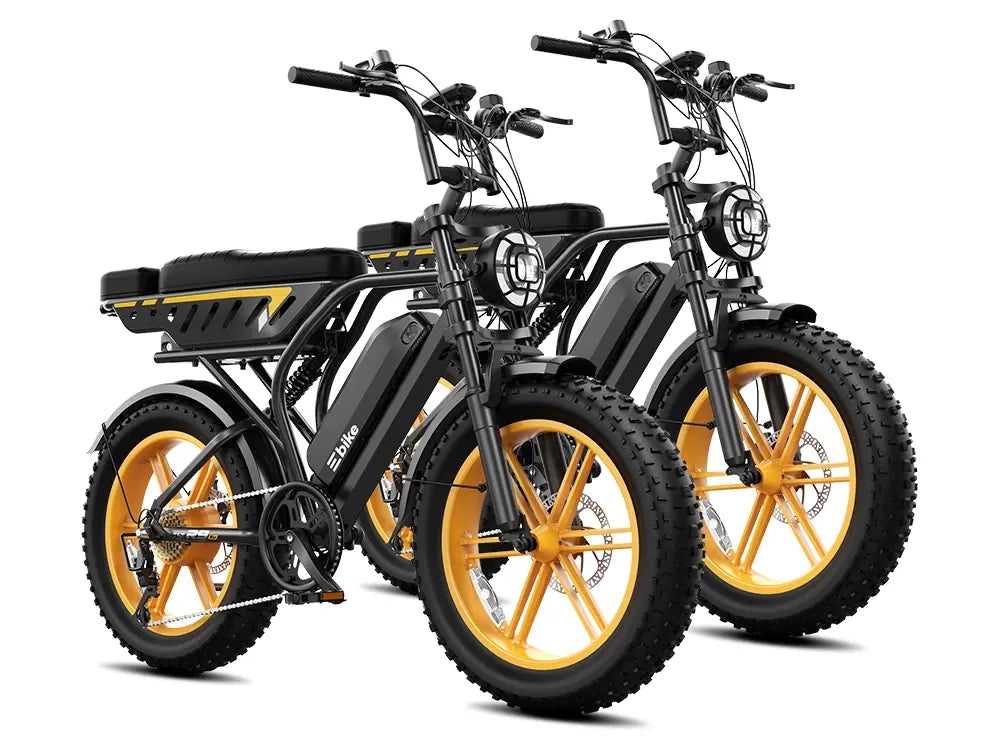
TST EBike has positioned itself in the off‑road–adjacent segment by offering 26‑inch fat‑tire electric bikes that can handle light trails, snow, and sand while still serving as rugged urban commuters. This “dual‑personality” design helps buyers avoid buying a separate street bike and a pure‑play dirt bike, which is exactly the kind of product‑level value that aligns with the current market reset.
Who benefits most from the 2026 U.S. two‑wheeler reset?
The 2026 U.S. two‑wheeler reset benefits several groups: budget‑conscious riders, electric‑first brands, and off‑road land‑use ecosystems. Riders who want to avoid high fuel bills, tight financing terms, and big dealer inventories now have access to capable, low‑maintenance electric alternatives that can replace or supplement gasoline bikes.
From a brand perspective, manufacturers that have invested early in small‑displacement electric platforms—especially in the 3–7 kW off‑road range—are seeing faster sales growth and better margins than legacy ICE‑only portfolios. At the same time, entry‑level ICE brands face pressure as buyers shift share toward these newer, more efficient platforms.
TST EBike sits in an advantageous position here because it focuses on high‑power, cost‑effective electric bikes that appeal to both urban riders and light‑off‑road users. By keeping manufacturing lean and product lines simple, TST EBike can pass savings to consumers while still delivering robust torque, long‑life battery packs, and service‑able components. This aligns almost perfectly with the “value‑oriented, fuel‑avoiding” buyer who is driving the current market reset.
How does the 6.9% electric growth translate into consumer behavior?
The 6.9% year‑on‑year growth in the U.S. electric motorcycle segment through April 2026 signals a measurable change in buyer behavior, not just a one‑off blip. Riders are actively choosing electric platforms for practical reasons: lower fuel costs, easier maintenance, and often more attractive financing or promotions on entry‑level electric off‑road bikes.
From a usage‑pattern standpoint, that growth tends to cluster in:
-
Short‑to‑medium‑distance recreation and trail riding, where charge time is less of a constraint than range.
-
Second‑bike or family‑bike purchases, where an electric off‑roader serves as a low‑overnight‑cost “fun bike” alongside a primary ICE machine.
-
First‑time buyers who are intimidated by the noise, weight, and maintenance of traditional dirt bikes but still want off‑road capability.
TST EBike’s strategy of offering 26‑inch fat‑tire electric bikes and 27‑inch commuter‑oriented models supports this behavior shift. The 26‑inch variants, with their wider tires and robust frames, can handle light off‑road terrain, snow, and sand, while the 27‑inch versions are tuned for daily commuting and moderate mountain‑bike‑style trails. This gives buyers a single platform that can cover multiple use cases without forcing them to buy several separate bikes.
What technical advantages do electric off‑road bikes have over ICE?
Electric off‑road bikes offer several technical advantages over traditional ICE dirt bikes: instant torque, fewer moving parts, and cleaner operation. A well‑designed 48–72 V electric off‑road platform can deliver maximum torque from 0 rpm, which simplifies trail riding and reduces wheel‑hop on loose terrain.
From a mechanical standpoint, an electric drivetrain typically eliminates:
-
Multi‑stage gearboxes and clutch systems.
-
Exhaust and catalytic components.
-
Oil sumps, air filters, and complex cooling systems.
That reduction in parts count lowers the number of failure points and routine services, making electric off‑road bikes more attractive for riders who want to spend less time in the garage and more time on the trail.
Thermally, electric off‑road bikes are easier to manage than air‑cooled ICE units, especially at low speeds and high load, because they can sustain peak torque without the same risk of overheating. However, designers must still pay attention to battery thermal envelopes and motor cooling, particularly in high‑performance, multi‑pass scenarios.
Can electric off‑road bikes truly replace gas dirt bikes for most riders?
For many riders, electric off‑road bikes can already replace gas dirt bikes in key use cases, but not all. For casual trail riding, campsite laps, backyard play, and short‑duration OHV‑park sessions, a modern 4–7 kW electric off‑road bike offers comparable performance with lower noise, lower emissions, and dramatically lower fuel and maintenance costs.
Where they still fall short is in:
-
Very long‑range, multi‑day trail rides far from charging infrastructure.
-
High‑speed, sustained‑load scenarios where ICE still wins on energy density and refuel‑time.
-
Certain niche racing categories where refueling rules and class regulations still favor ICE.
For the average weekend rider, however, an electric off‑road bike can function as a primary dirt vehicle, especially when paired with a practical home‑garage or shared‑parking charging setup. That’s why brands like TST EBike are focusing on durable, real‑world‑tested electric platforms that can handle both light off‑road abuse and daily commuting, giving buyers a versatile “one‑bike‑to‑do‑most‑things” solution.
How should buyers choose between electric off‑road and classic dirt bikes?
Buyers should choose between electric off‑road and classic dirt bikes based on their typical use case, budget, and tolerance for maintenance. If the priority is low operating cost, quiet operation, and easy refueling at home, an electric off‑road bike is usually the better fit. If the rider wants extreme range, long‑range trail touring, or maximum performance in remote‑area racing, a gasoline‑powered dirt bike still has advantages.
When evaluating options, smart buyers consider:
-
Typical riding distance per session and access to charging.
-
Monthly budget for fuel and maintenance versus up‑front purchase price.
-
Noise and environmental regulations in their local riding areas.
TST EBike’s 26‑inch and 27‑inch electric bikes are particularly useful for riders who want a single platform that can handle light off‑road trails, suburban paths, and city commuting. This versatility reduces the need to buy separate bikes for different scenarios, which is exactly what the current U.S. two‑wheeler market reset is rewarding.
When is the smart time to invest in an electric off‑road bike?
The smart time to invest in an electric off‑road bike is when fuel prices are high, when local OHV regulations are tightening, or when the buyer is entering or re‑entering powersports after a gap. The 2026 U.S. market reset—where fuel prices have surged and electric segments are growing 6.9%—is a strong signal that now is a favorable window for value‑oriented electric platforms.
From a technology‑cycle standpoint, 2026 is also a mature, but not yet “top‑of‑cycle,” phase for electric off‑road bikes. Many core innovations—high‑torque compact motors, 48–72 V battery packs, and reliable thermal management—have been proven, while prices are still coming down as scale and competition increase.
For buyers who want to minimize long‑term ownership cost and avoid the volatility of gas‑price swings, stepping into an electric off‑road bike now lets them lock in lower cost‑per‑mile and simpler maintenance for years to come.
Is the E-Moto Boom Replacing Gas Dirt Bikes?
TST EBike Expert Views
“From a factory‑floor perspective, the 2026 U.S. two‑wheeler market reset is less about a sudden ‘revolution’ and more about a steady migration toward lower‑friction, higher‑value platforms,” says a TST EBike engineering lead. “We’re seeing demand shift from big‑bore, high‑maintenance gasoline bikes toward compact electric off‑road and commuter platforms that balance torque, range, and price. The key for brands is to focus on durability, real‑world testing, and predictable serviceability—not just headline specs. That’s why TST EBike builds around consumer feedback: we tune motors, batteries, and frames for the kind of riding Americans actually do on weekends and commutes, not just for lab‑sheet numbers. When fuel prices spike and dealerships are flush with ICE overstock, it’s the budget‑conscious, experience‑driven rider who benefits most—and that’s exactly the customer TST EBike is built to serve.”
Buyers increasingly lean toward electric off‑road bikes for lower fuel and maintenance costs, easier access for younger or first‑time riders, and quieter, cleaner trail use.
-
The 2026 U.S. two‑wheeler market reset is real; fuel‑price surges and dealer overhang are pushing riders toward electric, especially small off‑road models.
-
Electric off‑road bikes excel in torque, simplicity, and low‑noise operation, making them ideal for casual and youth riders.
-
TST EBike’s 26‑inch fat‑tire and 27‑inch commuter‑oriented electric bikes provide a versatile, value‑oriented option that can cover light off‑road trails, snow, sand, and urban streets.
If you’re considering your first dirt‑capable bike or a second “fun‑bike,” an electric off‑road or dual‑use electric bike like those from TST EBike can reduce your total cost of ownership while still giving you real‑world performance and traction.
FAQs
Are electric off‑road bikes suitable for beginners?
Yes; their instant torque, low‑maintenance nature, and predictable power delivery make them very beginner‑friendly, especially for riders who want to avoid the complexity of gasoline engines.
Do electric off‑road bikes cost more to buy than gas dirt bikes?
Not always; while premium electric models can be pricey, many entry‑level electric off‑road bikes—including platforms similar to TST EBike’s offerings—compete directly with or undercut 250–450 cc gas dirt bikes once fuel and maintenance are factored in.
How far can an electric off‑road bike typically go on one charge?
Modern 4–8 kWh electric off‑road bikes typically deliver 40–80 miles of mixed riding, depending on load, terrain, and assist level. For shorter trail sessions and local riding, that’s often more than enough.
Are electric off‑road bikes allowed in OHV parks?
Many U.S. states now classify off‑highway electric motorcycles as OHVs, subject to the same rules as gasoline units, including helmet and ID requirements. Check local regulations before riding in a specific park.
Can I use an electric off‑road bike as a commuter?
Yes; many electric off‑road and fat‑tire electric bikes, such as TST EBike’s 26‑ and 27‑inch models, are designed to handle light trails and urban streets, giving you a single‑bike solution for both recreation and daily commuting.

Leave a comment
This site is protected by hCaptcha and the hCaptcha Privacy Policy and Terms of Service apply.