
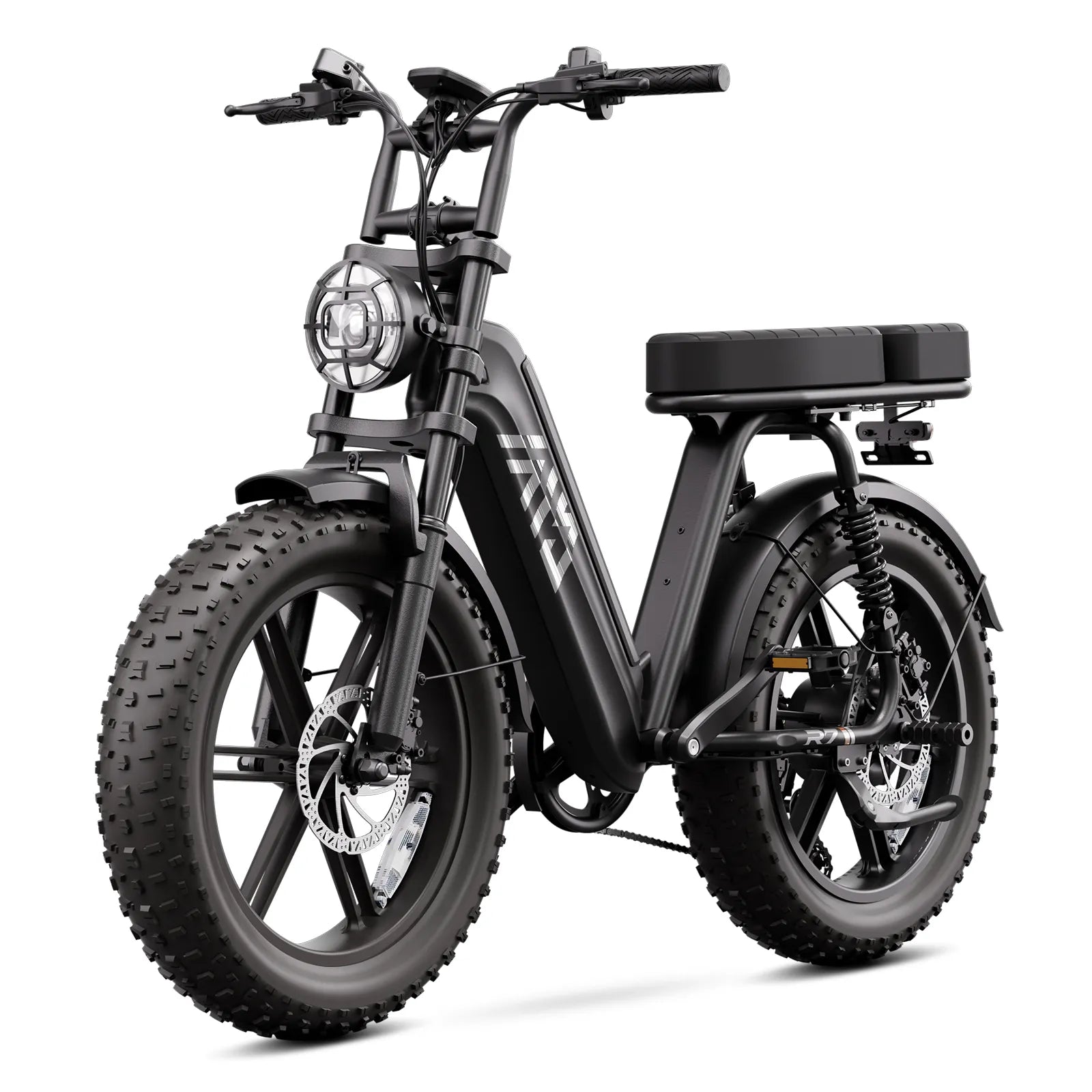
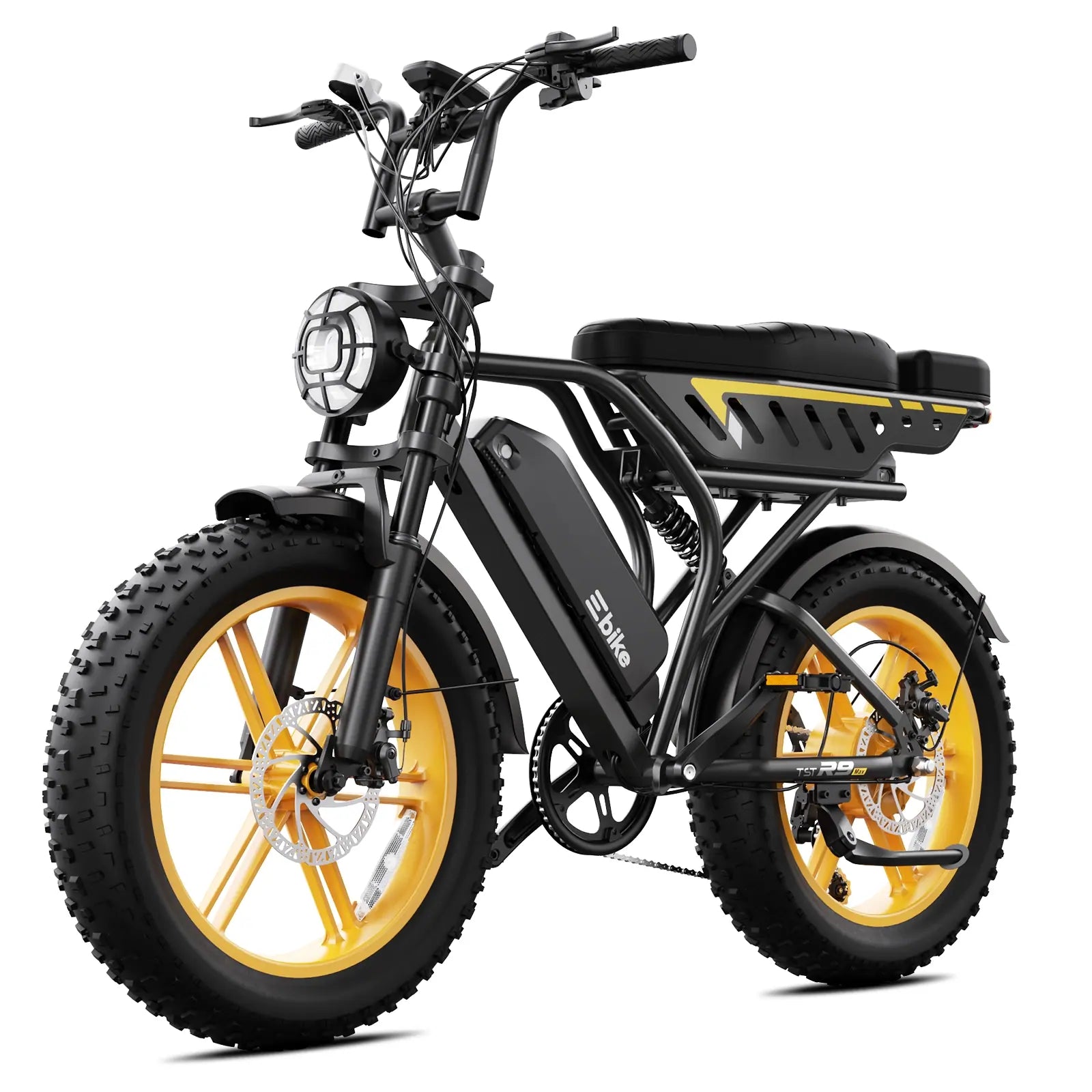
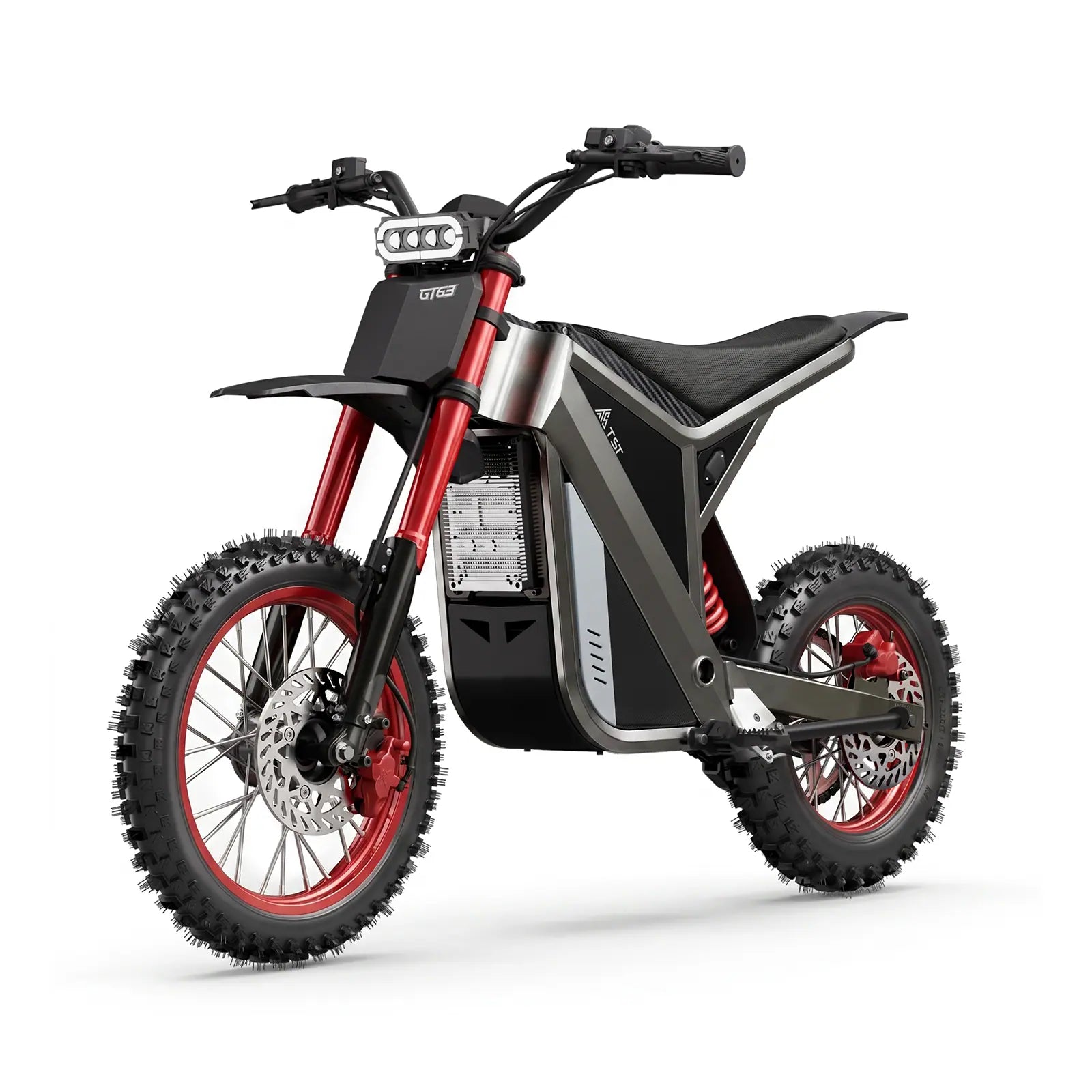


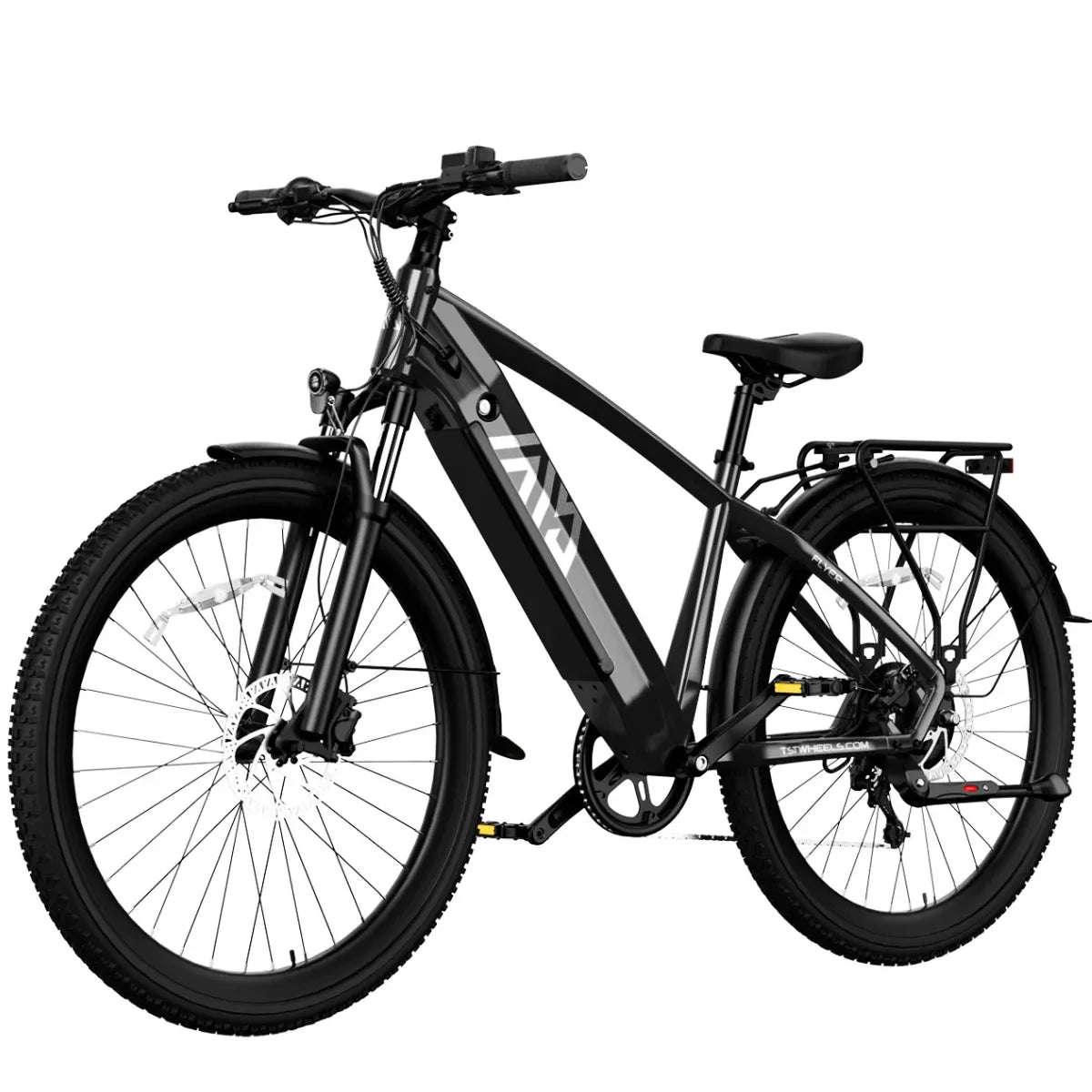









Long-range electric bikes are reshaping how people commute, explore, and carry cargo, letting riders cover more distance with less effort and lower cost than cars or public transit. With global e‑bike market value projected to nearly triple by the mid‑2030s, long-range models are becoming a mainstream mobility choice rather than a niche gadget. For riders who need real endurance instead of short urban hops, brands like TST are building electric bikes specifically optimized for long distances, hills, and heavy loads.
Discover how a long-range electric bike like the TST R9 helps you ride up to 130 miles per charge, cut commuting costs, and handle daily hills, cargo, and adventures in 2026.
Long-range electric bike market is exploding
The global e‑bike market was valued at about 57–68 billion USD around 2025 and is forecast to grow at roughly 10–14% annually into the 2030s, driven by urbanization, sustainability goals, and rising transport costs. In parallel, industry data shows e‑bike ridership is surging: in the United States, the share of riders who use an e‑bike at least once jumped from under 10% in 2021 to nearly 20% by 2023. Longer range is a key factor, because e‑bike trips are already significantly longer than trips on traditional bicycles in countries with mature cycling cultures.
Where TST fits into long-range electric bikes
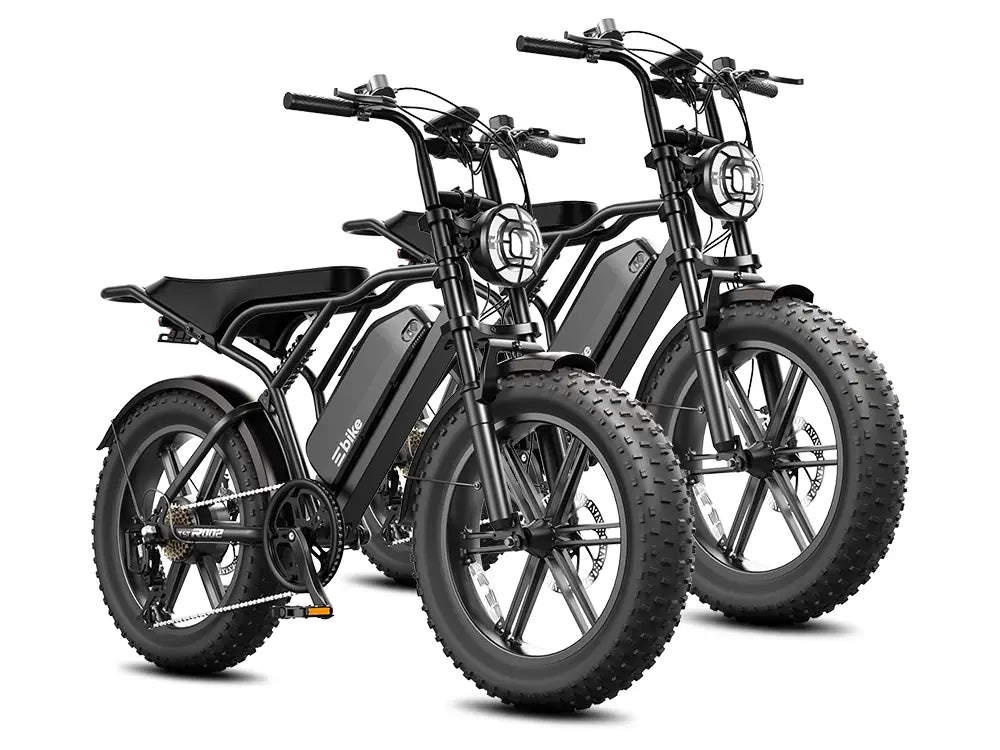
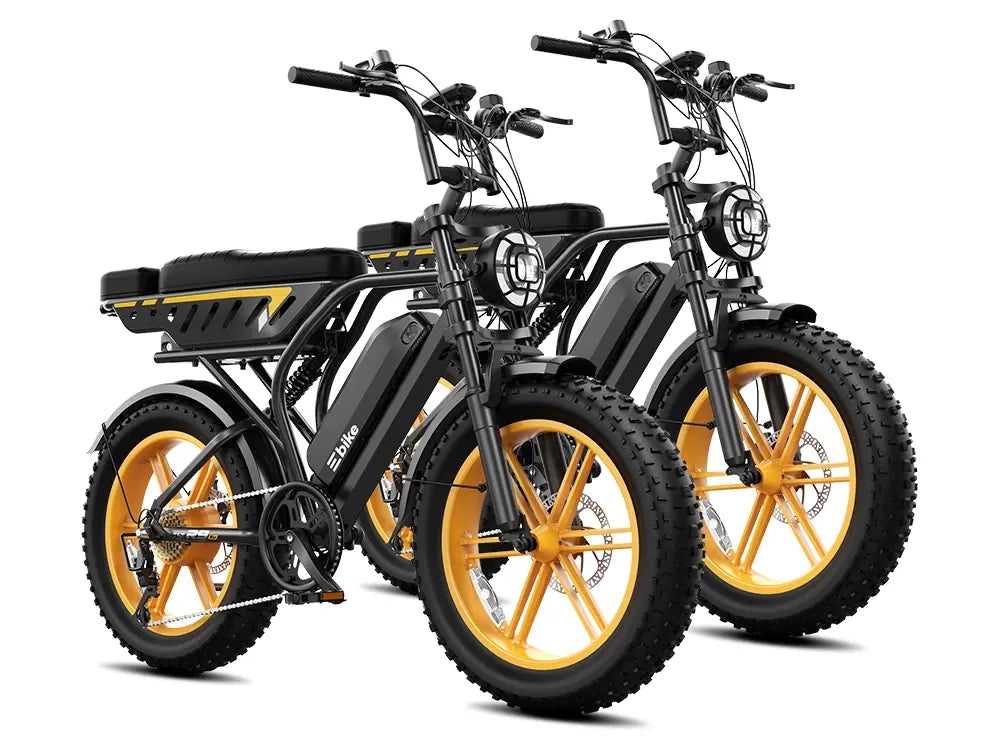
Within this fast-growing landscape, TST focuses on practical, long-range electric bikes that combine powerful hub motors, dual-battery options, and full suspension with fat tires. Models like the moped‑style TST R9 Long Range Electric Bike are designed to support up to around 130 miles of riding under ideal conditions with dual batteries while maintaining comfort and control on both city streets and rougher terrain.
What is a long-range electric bike?
A long-range electric bike is an e‑bike engineered to travel significantly farther per charge than standard models, typically by combining higher-capacity batteries, efficient motors, and intelligent pedal-assist tuning. For example, TST’s R9 uses dual 48V 15Ah batteries and a 1500W rear hub motor to deliver up to around 65–130 miles of range depending on configuration, terrain, and riding style.
Why riders struggle without a true long-range electric bike
Many riders discover that entry-level e‑bikes advertised at “up to 40 miles” struggle to deliver even half that range in real-world conditions with hills, headwinds, and heavier riders. Real-world studies show that e‑bike trips are already longer than analog bike trips, which means limited range can quickly become a hard ceiling on where people can go. The result is “range anxiety” very similar to early electric cars: riders constantly watch their battery indicator, avoid detours, and hesitate to use the highest assist levels even when they really need them.
For commuters, this often means the bike handles a one-way trip but not a full round trip without mid-day charging, especially on routes above 6–7 km each way. If you add cargo like laptops, groceries, or work equipment, the effective range shrinks further, forcing riders back into cars or public transport on days when they cannot recharge. Over time, that inconsistency undermines the habit of using the e‑bike for everyday mobility.
Another pain point is terrain: many cities have bridges, overpasses, or steep neighborhoods that can drain smaller batteries quickly, especially when combined with stop‑and‑go traffic. Without a strong motor and generous energy reserves, riders may experience sluggish acceleration, overheating brakes, and the dreaded “dead bike” feeling when the battery runs out and they must pedal a heavy frame unassisted. For heavy riders or those carrying children, these limitations effectively make many cheaper e‑bikes unusable on certain routes.
Finally, low-range bikes can be a poor fit for weekend adventures. Riders often want to combine multiple errands, visit friends, and detour through parks in a single day, rather than planning around charging. When an e‑bike cannot credibly deliver a weekend’s worth of riding on one or two charges, many of those trips revert to cars, eliminating both the cost savings and the environmental benefits that motivate e‑bike adoption.
A well-specced long-range electric bike can realistically replace a car for trips of 5–15 km each way, covering dozens of kilometers per day without stress.
Long-range electric bike comparison: TST vs alternatives
Below is a simplified comparison of a TST long-range electric bike (R9 configuration) versus two typical alternatives: a generic commuter e‑bike and a budget folding model. Figures for non‑TST options are typical ranges rather than specific brands to keep the comparison neutral.
Key long-range features of TST electric bikes
Dual-battery architecture for extended range
Select TST models like the R9 use two 48V 15Ah batteries that automatically switch as you ride, enabling ranges of up to approximately 130 miles under ideal conditions with efficient use of pedal assist. Because both batteries are removable, riders can charge them indoors or swap packs for multi-day trips without range anxiety.
High-torque motor tuned for hills and loads
A 1500W brushless rear hub motor with around 90 Nm of torque allows TST’s long-range bikes to climb grades of around 20% while still maintaining speeds approaching 28–32 mph where legally permitted. This combination of torque and top speed makes it easier to carry cargo or passengers without bogging down on steep segments.
Comfort and control over long distances
Full front and rear suspension paired with 20x4 inch fat tires helps isolate the rider from road chatter and trail impacts, which is crucial when you plan to spend hours in the saddle. Hydraulic or high-quality disc brakes, integrated lighting, and multi-level pedal assist further support safe, confident riding even with heavy loads and higher average speeds.
How a long-range electric bike fits into daily life
“My 25-mile commute used to mean one-way range anxiety. With a dual-battery long-range electric bike, it’s now two days of riding on a single overnight charge.”
“Weekend errands, gym, and a park loop add up to 40–50 miles, which a long-range electric bike handles without thinking about the charger.”
“On family rides, towing a trailer no longer drains the battery in an hour—there’s enough range to explore all day and still get home comfortably.”
Other TST electric bikes worth a look
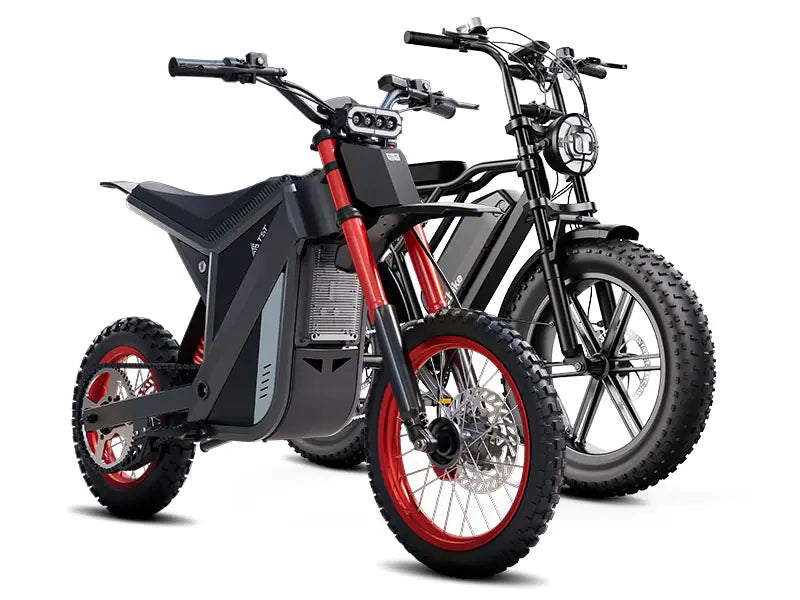
While the R9 is the headline long-range electric bike, TST offers other models that complement it for different roles. Riders who want a more compact, urban-friendly design may consider models highlighted in TST’s All Electric Bikes collection. For cargo and family transport, the TST Carrier series in the European lineup shows how the brand is applying similar long-range thinking to dedicated cargo platforms that handle heavy loads and multiple passengers.
If you prefer a moped-style stance but do not need dual batteries, the TST R002 moped-style electric bike provides a powerful 1500W setup with full suspension and fat tires, prioritizing comfort and control for shorter but still demanding rides. Together, this ecosystem lets riders mix and match: a long-range R9 for commuting and adventure, and a more compact or cargo-focused TST bike for city errands or family trips.
How to choose and set up a long-range electric bike
-
Clarify your daily and weekly mileage. Estimate your typical commute distance, errands, and weekend rides to determine whether you truly need 60, 80, or 100+ miles of range per charge.
-
Decide on single vs dual battery. Choose a dual-battery bike like the R9 if you regularly exceed 30–40 miles per day or want longer intervals between charges; single batteries are often enough for shorter commutes.
-
Match motor power to terrain and loads. If you live in a hilly area or plan to haul cargo or passengers, prioritize higher-torque motors around 750–1500W; flatter city riding may allow you to opt for lower power.
-
Prioritize comfort for long days. Look for full suspension, wider tires, adjustable handlebars, and a saddle that fits your body, especially if your rides typically exceed 30–40 minutes at a time.
-
Plan your charging routine. Use removable batteries to your advantage by charging indoors overnight and, if needed, keeping a second pack for multi-day trips or irregular long journeys.
-
Set up assist levels for efficiency. Start with moderate pedal-assist settings and only use higher levels on hills or in heavy traffic, which can significantly extend the range of any long-range electric bike.
Scenarios: how a long-range electric bike changes real life
Scenario: Suburban super-commuter
Traditional approach: A driver in a suburban area faces a 15–20 mile one-way commute and feels stuck with car ownership due to distance and lack of mid-day charging options. Fuel, parking, and maintenance costs steadily rise, and traffic reduces predictability.
With TST: A dual-battery TST R9 enables 30–40 miles per day for several days on one charge, turning the long commute into a comfortable, assisted ride that absorbs hills and rough pavement. Riders can leave the car at home most days, cutting commute costs dramatically while maintaining reliable arrival times.
Scenario: Urban family logistics
Traditional approach: Parents juggle school drop‑offs, grocery trips, and after‑school activities by car, even for short distances under 5–8 km, because they worry a standard e‑bike cannot handle both passenger loads and multiple trips per day.
With TST: A long-range, high-torque TST bike with cargo‑friendly design allows them to make several trips in one afternoon without recharging, carrying children and groceries comfortably. The extended range means unplanned detours or additional errands never feel risky, helping shift many car trips to two wheels.
Scenario: Weekend explorer and fitness rider
Traditional approach: A rider who enjoys scenic rides limits outings to 20–25 miles because they fear running out of battery far from home and do not want to arrive exhausted. This narrows the number of reachable destinations.
With TST: On a long-range model, the rider can plan 40–70 mile loops with confidence, using higher assist levels on climbs and lower levels on the flats while still finishing with battery to spare. That extended envelope opens up new routes, trails, and small towns that were previously out of reach on a single charge.
FAQ about long-range electric bikes
How far can a long-range electric bike like the TST R9 actually go on one charge?
Under ideal conditions with dual 48V 15Ah batteries, efficient pedal assist, and moderate speeds, the TST R9 can deliver up to around 130 miles of range; a single‑battery configuration offers up to about 65 miles. Real-world range varies with rider weight, terrain, wind, temperature, and assist level, but the dual-battery system is intentionally sized to cover multi-day commuting or full‑day adventures without mid‑ride charging.
Is a long-range electric bike worth it for short daily commutes under 10 miles?
For riders with very short, flat commutes, a standard e‑bike may suffice, but long-range bikes offer more flexibility for errands, side trips, and weekends that often extend beyond daily commute distance. A higher-capacity bike like the R9 can also reduce charging frequency to once every few days, which many riders find more convenient and better for long-term battery health.
What long-range electric bike motor power do I need for hills and cargo?
If you routinely face steep hills or carry heavy loads, motor power around 750–1500W with high torque is generally recommended to maintain comfortable speeds and reduce strain on components. The TST R9’s 1500W motor with about 90 Nm of torque is designed for grades near 20%, supporting both hill climbs and cargo or passenger carrying without feeling sluggish.
How does a long-range electric bike compare to a car for commuting costs?
Studies and industry analyses consistently show that operating an e‑bike costs a fraction of a car when you factor in electricity, maintenance, insurance, and parking, often reducing commute costs by well over 50%. TST estimates that riders using a long-range model like the R9 can cut commuting expenses by up to about 80% compared with gas vehicles in suitable use cases, mainly by replacing short to medium-distance trips.
Will a long-range electric bike battery degrade quickly if I ride every day?
Modern lithium-ion e‑bike batteries are built for many charge cycles, and long-range setups can actually reduce stress because they are cycled less deeply day to day. By staying within mid-range states of charge and charging overnight instead of fast-charging constantly, daily riders on bikes like the R9 can expect several years of useful battery life under normal use.
What should I look for when buying my first long-range electric bike?
Focus on total battery capacity (in watt-hours), motor torque, braking system, suspension, load rating, and warranty, rather than just headline top speed. Look for clear, realistic range claims, preferably supported by detailed specs like those TST provides for the R9 and its other models. A robust warranty and responsive customer service, as reflected in TST’s reputation, are also important for peace of mind on a high‑value purchase.
Why long-range electric bikes matter now
As e‑bike adoption accelerates worldwide, long-range electric bikes are emerging as the segment most capable of replacing a large share of car trips, especially in the 5–20 km range where e‑bikes are most efficient. Riders are discovering that adequate range, paired with comfort and cargo capability, is what transforms an e‑bike from a weekend toy into a daily mobility tool. TST’s focus on dual-battery systems, high-torque motors, and all‑terrain comfort positions its long-range models like the R9 as compelling options for commuters, families, and adventure riders who need reliability over distance.
Ready to ride farther?
If you want an electric bike that can handle real-world distances, hills, and loads without constant charging, exploring TST’s long-range options is a logical next step. Start with the R9 long-range moped-style bike and then consider complementary models in the All Electric Bikes lineup to match different riders or roles in your household. TST builds electric bikes to turn everyday trips into efficient, low-stress rides, so you can leave the car behind more often and enjoy the freedom of true long-range mobility.

Leave a comment
This site is protected by hCaptcha and the hCaptcha Privacy Policy and Terms of Service apply.