
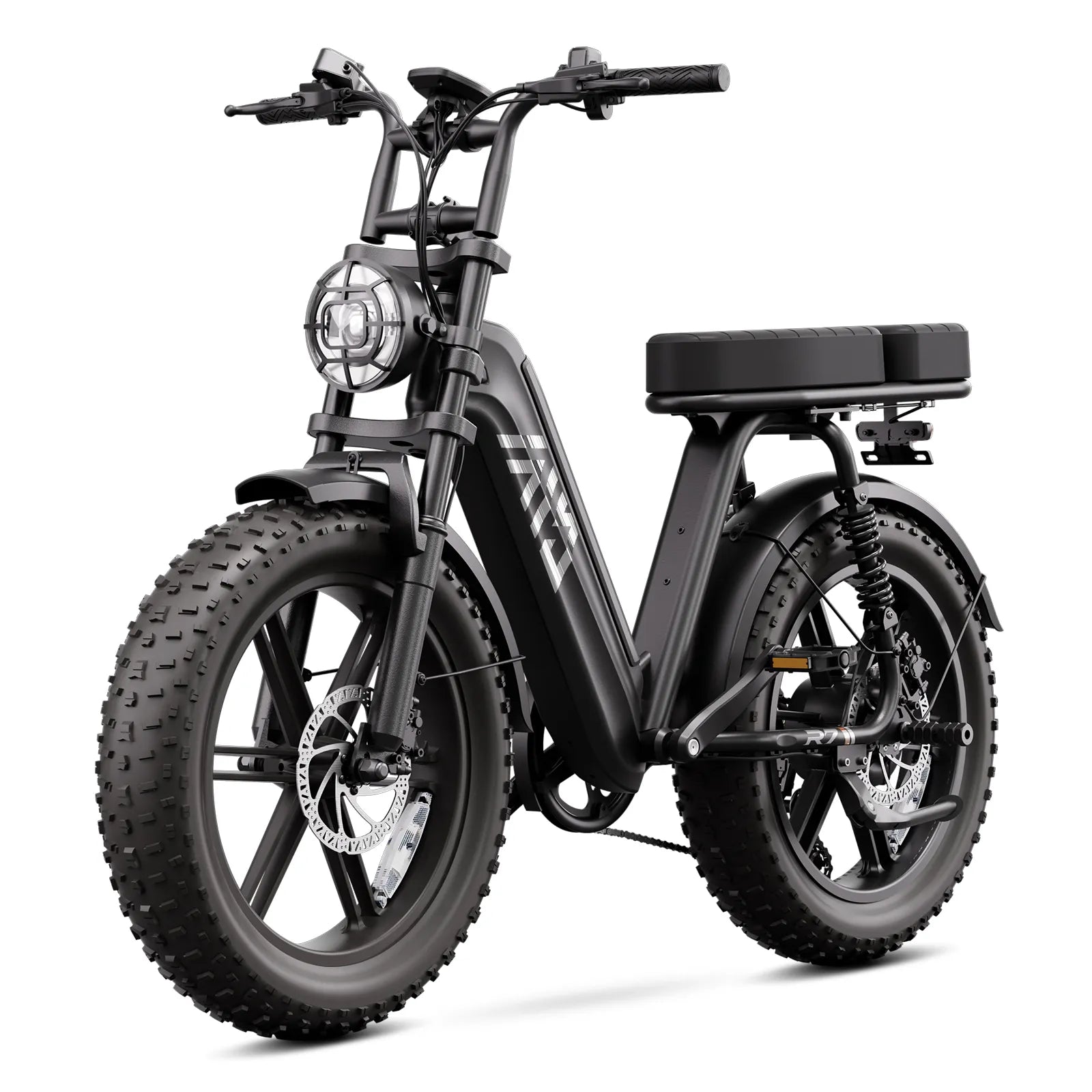




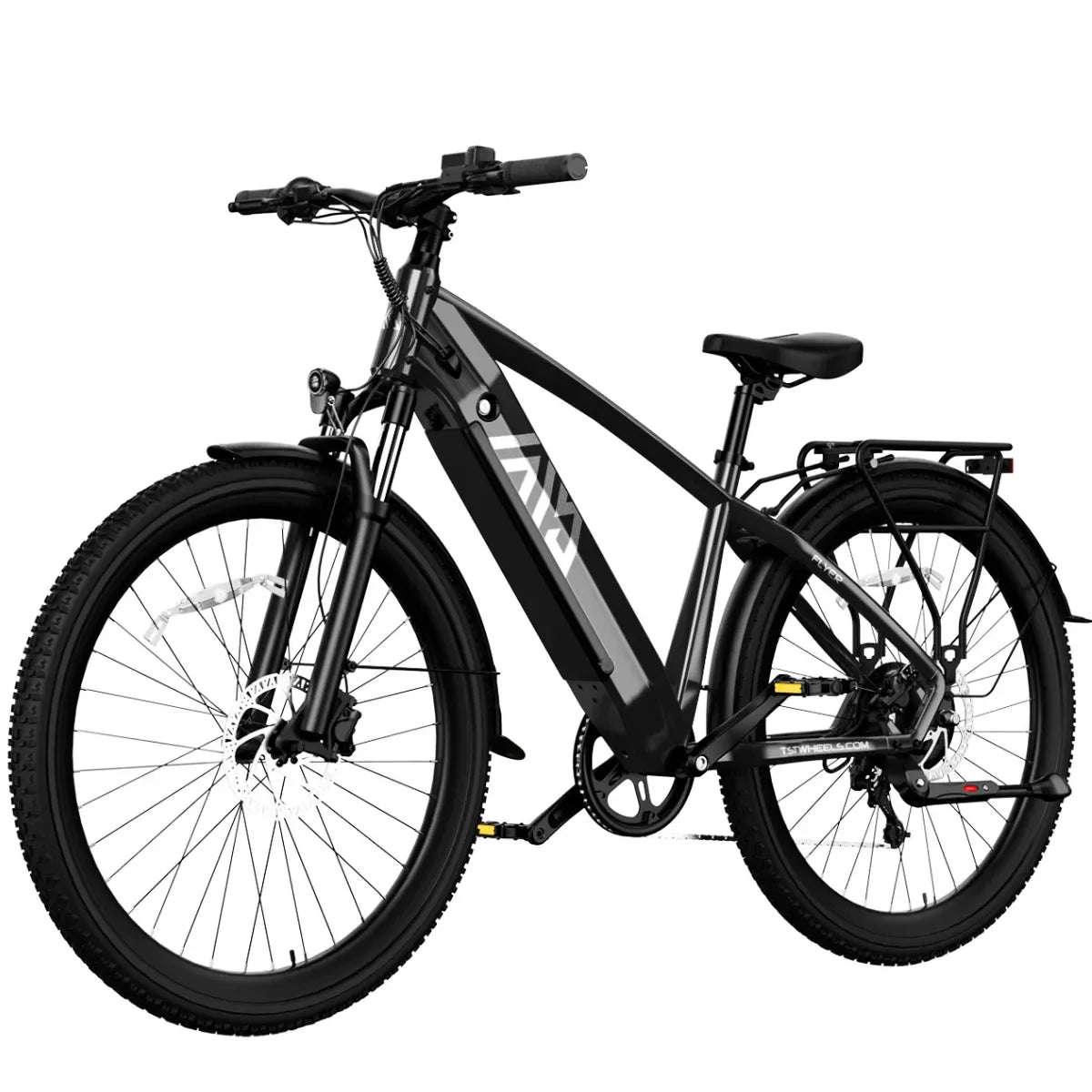












Mountain electric bikes are rapidly becoming the go‑to choice for riders who want to climb steeper trails, ride longer distances, and turn everyday routes into mini‑adventures. In 2024, the global e‑bike market was valued at over 26–53 billion USD and is forecast to keep growing strongly through the next decade, driven by health, sustainability, and new battery tech. Mountain and e‑mountain bikes are among the fastest‑growing segments, with participation rising and more riders using pedal assist to get out on the trails more often. Against this backdrop, brands like TST Ebike are designing real‑world mountain and all‑terrain models that make hills easier, rides smoother, and long days in the saddle more accessible for everyday riders.
TST focuses on powerful, full‑suspension, fat‑tire and 27.5‑inch models engineered for all‑terrain use, such as the TST® Defender 26" Fat Tire Ebike For Adult and TST® Flyer 27.5" Commuter Convenience Electric Bike. While some of its bikes are moped‑style or commuter‑focused, they share mountain‑bike DNA: high‑torque rear motors up to 1500 W, long‑range 48 V battery systems, and frames and tires built to handle rougher surfaces.
What is a mountain electric bike?
A mountain electric bike is a mountain‑style bicycle equipped with an electric motor and battery that provide pedal assistance or throttle power on climbs, rough terrain, and long rides. On TST, that means combining trail‑ready geometry and suspension with robust hub motors and large‑capacity batteries to keep riders moving confidently on hills, gravel, and mixed‑surface routes.
Why traditional riding holds people back on hills and trails
Many riders like the idea of mountain biking but find that real‑world conditions make it hard to ride often. Steep hills, heavy bikes, and limited fitness can turn a fun outing into an exhausting chore, especially for beginners or those returning to cycling after a break. Traditional mountain bikes demand sustained power on long climbs, and once fatigue sets in, riders shorten their routes, avoid the toughest trails, or stop riding altogether.
For urban riders, the problem is similar: hilly commutes and heavy loads make daily riding feel unrealistic without electric assistance. A fully human‑powered bike pulling groceries, kids, or work gear up long grades is demanding, so many people default back to cars despite wanting more active and sustainable transport. Even experienced cyclists can find that strong headwinds, back‑to‑back riding days, or joint issues limit how often and how far they can ride.
Safety and comfort are also major friction points. Rough surfaces, potholes, and loose gravel can be intimidating on bikes with narrow tires and minimal suspension, especially when carrying extra weight. Riders who don’t feel stable at speed will slow down or avoid certain routes entirely. Add in time pressure—trying to arrive at work not drenched in sweat—and the gap between “I’d like to ride more” and “I actually ride” only grows.
Mountain electric bikes, particularly all‑terrain fat‑tire models and 27.5‑inch commuters, aim to remove those barriers. They let riders tackle hills with less strain, maintain higher average speeds without burning out, and keep riding into older age or with limited fitness, while still gaining meaningful physical and mental health benefits.
“In 2023, more than 9.2 million people in the U.S. participated in mountain biking, and e‑mountain bikes are helping extend that experience to older and less‑fit riders without sacrificing health or wellbeing benefits.”
TST mountain electric bikes vs other options
Below is a simplified comparison of a TST all‑terrain / mountain‑style e‑bike concept (based on models like Defender, Dreamer, and Flyer) with a typical non‑assisted mountain bike and a generic entry‑level e‑MTB. Figures for non‑TST bikes are indicative rather than brand‑specific, and exact TST specs depend on the specific model you choose.
Key functions of a mountain electric bike
Climb‑smarter assistance
A good mountain electric bike amplifies your own pedaling on climbs, so you can clear longer, steeper hills without blowing up your legs, while still doing real work. Multi‑level pedal assist lets you dial support up for steep pitches and down when you want more workout or battery conservation.
All‑terrain stability and control
Fat or wide tires, stable geometry, and effective suspension help you stay in control on loose gravel, roots, potholes, and urban obstacles. TST’s 26" fat‑tire bikes and 27.5" frames are designed to give that “mountain‑capable but city‑smooth” feeling, making one bike viable for both weekday commutes and weekend exploration.
Real‑world range and load capacity
Mountain electric bikes are built to carry more and go further: higher‑capacity batteries, strong frames, and cargo‑friendly layouts mean you can bring gear, groceries, or a child seat without worrying about stalling on hills. TST highlights range and power across its lineup and backs bikes with a 2‑year warranty, reinforcing the focus on long‑term, real‑world usage.
Real‑life examples: how riders use mountain e‑bikes
“Using pedal assist on hilly forest trails turns what used to be a one‑hour, one‑loop ride into a relaxed two‑loop outing, without arriving home exhausted.”
“Replacing short car trips with an all‑terrain e‑bike for errands and school runs can cut emissions and make daily exercise a built‑in habit rather than a separate workout.”
“Older riders report that e‑mountain bikes allow them to keep up with fitter friends, ride more often, and enjoy the psychological benefits of being outdoors on challenging terrain.”
Related TST models to consider
TST does not position any single bike as a pure race‑focused mountain e‑bike; instead, it builds a family of all‑terrain and commuter‑trail hybrids that cover much of what riders want from a mountain electric bike.
All‑terrain fat‑tire platform
The TST® Defender 26" Fat Tire Ebike For Adult is aimed at riders who want serious grip and comfort on mixed terrain, from city streets to light trails. Its 26" fat tires and all‑terrain positioning give it mountain‑bike versatility with e‑bike convenience.
Step‑through all‑terrain comfort
The TST® Dreamer 26" Step-Thru Fat Tire Electric Bike offers easier mounting and dismounting, especially when carrying cargo or riding in everyday clothes. It keeps the fat‑tire, all‑terrain concept but adds accessibility for more riders.
27.5" trail‑friendly commuters
For riders whose “mountain” use is more about rough paths, longer commutes, and weekend gravel, 27.5" bikes like TST® Flyer 27.5" Commuter Convenience Electric Bike and TST® Surfer 27.5" Step‑Thru Commuter eBike balance efficient rolling with enough stability for light off‑road use.
Together, these categories let TST cover everything from daily urban hills to forest‑path adventures with a consistent design language: high‑torque motors, generous batteries, and frames tuned for real‑world comfort.
How to get started with a mountain electric bike (step‑by‑step)
-
Clarify your main use case
Decide whether you care more about steep off‑road trails, mixed gravel and pavement, or mostly city riding with occasional light trail detours. This will guide you toward fat‑tire all‑terrain models, 27.5" commuters, or cargo‑oriented designs. -
Choose your wheel and tire format
If you expect loose surfaces, snow, or sand, 26" fat tires give maximum float and comfort, while 27.5" wheels roll efficiently and feel nimble on mixed terrain and pavement. Look at TST’s 26" and 27.5" lines to match your typical surfaces. -
Match motor and battery to your terrain
Frequent steep climbs, heavy riders, or regular cargo use benefit from higher‑torque motors and larger batteries, such as the 1500 W class and dual‑battery concepts in TST’s moped‑style line. For moderate hills and shorter daily rides, a single high‑quality 48 V battery is often sufficient. -
Plan your fit and comfort
Check frame size guidance, stand‑over height, and reach to ensure a comfortable riding position, especially if you have back or joint considerations. Step‑through frames like Dreamer and Surfer can make starting and stopping much more comfortable for shorter riders or those carrying loads. -
Set up safety and accessories
Before your first longer ride, confirm that brakes are bedded in, lights are bright enough for your conditions, and tires are at appropriate pressures for your terrain. Consider adding racks, fenders, and bags to convert a mountain‑capable e‑bike into a daily utility vehicle without sacrificing off‑road fun. -
Ease into new routes
Start with familiar loops and gradually add steeper climbs or longer distances as you get used to pedal assist levels and handling. Many riders find they naturally extend rides and tackle more challenging terrain once they see how much assistance and confidence a well‑designed mountain e‑bike provides.
Scenarios: before and after a mountain electric bike
Scenario 1: Weekend trail explorer
Traditional approach: You drive to a trailhead, ride one short loop on a standard mountain bike, and skip the steepest climbs to avoid burning out early. After: With a TST fat‑tire all‑terrain e‑bike, you ride from home, climb more routes using pedal assist, and still have energy for a second loop, turning the day into a longer, more varied adventure.
Scenario 2: Hilly city commute
Traditional approach: You own a conventional bike but rarely ride it because a couple of long hills leave you sweaty and exhausted by the time you reach the office. After: A 27.5" TST commuter with mountain‑inspired design lets you glide uphill with motor support, arrive fresh, and still log meaningful daily physical activity.
Scenario 3: Family and cargo riding
Traditional approach: Hauling kids or groceries by bike on rolling terrain feels risky and exhausting, so you default to using the car even for short trips. After: An all‑terrain TST cargo‑capable model gives you the torque and stability to carry extra weight over rougher paths, transforming errands and school runs into low‑stress, enjoyable rides.
FAQ: mountain electric bike long‑tail questions
What is the difference between a mountain electric bike and a regular e‑bike?
A mountain electric bike is built around off‑road or all‑terrain geometry, with suspension and tires designed for rougher surfaces, plus motor tuning that emphasizes torque for climbs and low‑speed control. Regular e‑bikes, such as pure city commuters, may prioritize upright comfort and efficiency on smooth pavement rather than technical terrain.
Are mountain electric bikes still good exercise compared to normal mountain bikes?
Yes, research shows that e‑bike riders still achieve meaningful physical activity levels, while covering more distance and riding more often, which can improve cardiovascular fitness and mental wellbeing. Many riders use lower assist levels on flats and save higher assist for climbs, balancing workout intensity with comfort.
Can I use a mountain electric bike for daily commuting as well as trails?
Many modern mountain electric bikes, especially all‑terrain and 27.5" models, are designed to handle both weekday commuting and weekend exploration. TST’s Defender, Dreamer, Flyer, and Surfer exemplify this crossover approach, combining trail‑friendly components with lights, racks, and everyday practicality.
How far can a mountain electric bike go on one charge?
Range depends on battery capacity, assist level, rider weight, terrain, and riding speed, but modern systems commonly deliver 30–60 km or more per charge, with larger or dual‑battery setups extending that significantly. TST highlights long‑range options, such as moped‑style bikes tuned for “all‑week riding,” for riders who prioritize distance.
Are mountain electric bikes safe on steep descents and rough trails?
When equipped with quality brakes, appropriate tires, and well‑tuned suspension, mountain electric bikes can feel stable and predictable on descents, provided riders respect speed and terrain limits. As with any bike, proper technique, protective gear, and gradual progression onto more technical routes are essential for safety.
What should I look for when buying my first mountain electric bike?
Focus on fit and frame style first, then match motor power, battery size, and tire type to your terrain and typical load. Checking warranty support (such as TST’s 2‑year coverage), customer reviews, and the brand’s after‑sales service will help ensure a smoother ownership experience.
Why TST is a strong option for mountain electric bike riders
For riders who want mountain‑capable electric bikes that also work in the real world—commuting, errands, family rides—TST offers a focused lineup of fat‑tire and 27.5" models tuned for power, comfort, and durability. Combining high‑torque motors, robust 48 V battery systems, and customer‑validated build quality with a 2‑year warranty, the brand gives new and experienced riders a straightforward path into e‑mountain and all‑terrain riding without overcomplicating choices. By leaning into all‑terrain versatility rather than narrow race specialization, TST’s approach fits how most people actually ride: mixed surfaces, everyday clothes, and a desire to go further with less stress.
Choosing a mountain electric bike is ultimately about unlocking more rides—more hills, more trails, and more everyday trips that replace short car journeys—and TST’s platform is built precisely for that mission. If you are evaluating mountain electric bikes now, aligning your terrain, distance, and comfort needs with TST’s 26" and 27.5" categories is a practical way to narrow your shortlist.
If this article is meant to guide a specific flagship “mountain” model for TST, would you prefer to spotlight a fat‑tire 26" platform like Defender/Dreamer, or a 27.5" model like Flyer as the primary hero bike?

Leave a comment
This site is protected by hCaptcha and the hCaptcha Privacy Policy and Terms of Service apply.