
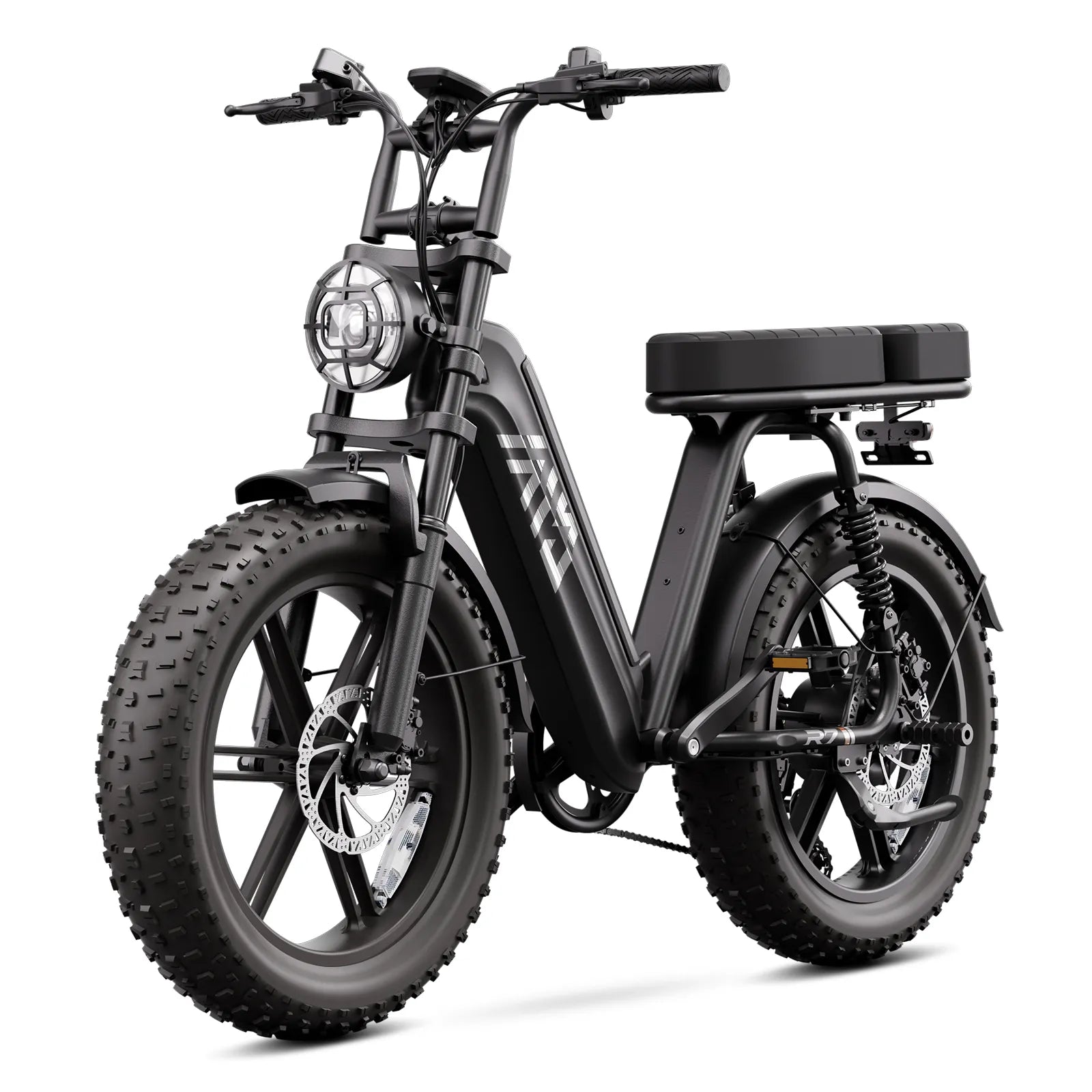




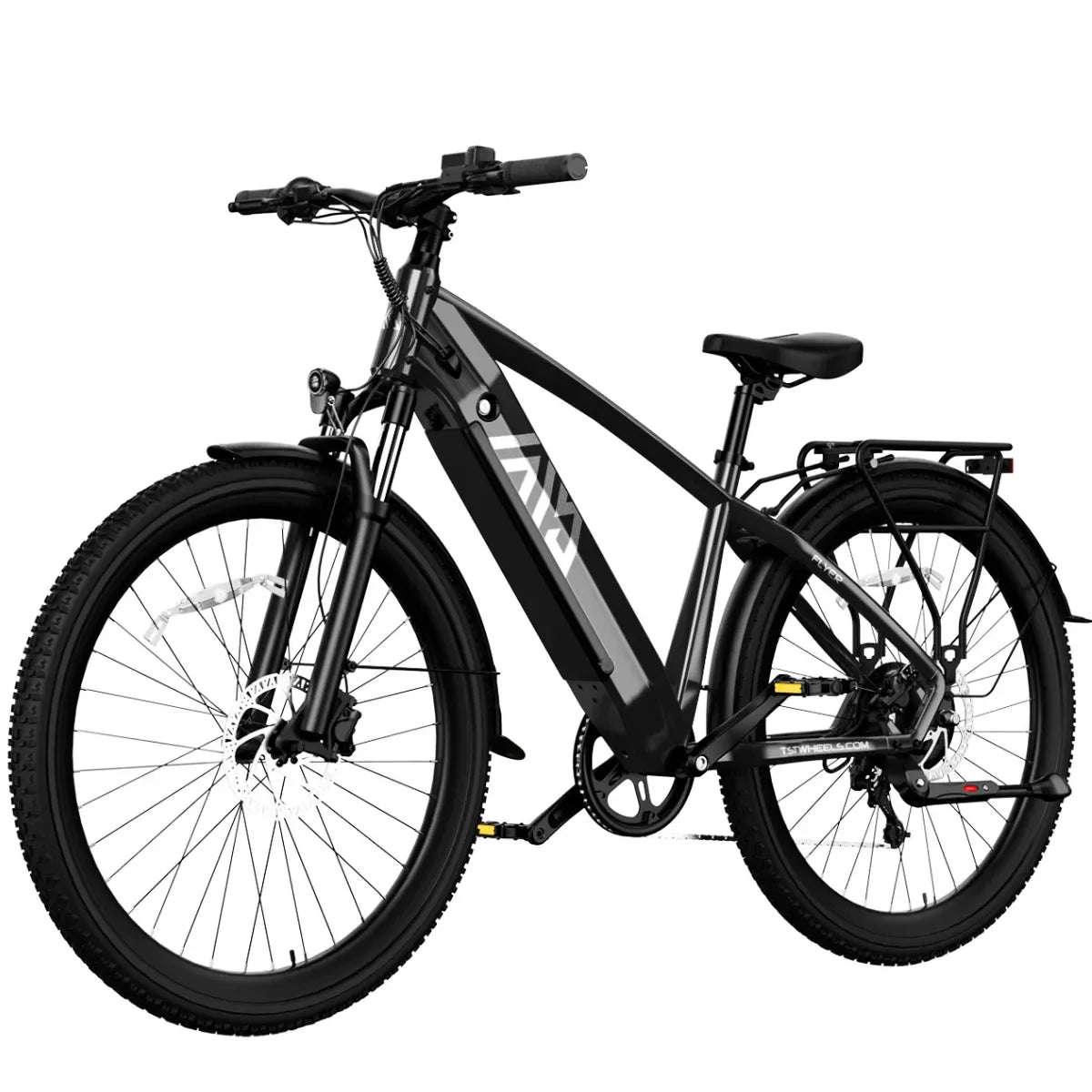












Mini electric bikes are exploding in popularity as cities get denser, commutes get longer, and riders demand compact, high‑torque solutions that still feel fun and safe. In a global e‑bike market already worth over 30 billion USD and growing at double‑digit rates, mini and moped‑style formats are among the fastest‑rising categories for everyday mobility. Within this shift, TST Ebike focuses on powerful, compact moped‑style and folding models that pack serious performance into mini footprints.
Mini electric bike guide for 2026: trends, pain points, and how TST’s compact moped‑style and folding ebikes help you commute farther, carry more, and ride smarter.
Mini Electric Bike Market Momentum
Recent market studies estimate the global e‑bike market at about 32–35 billion USD in 2024, with forecasts to roughly double by 2030. Analysts project annual growth rates around 11–16%, driven by demand for cleaner, low‑cost mobility and better cycling infrastructure in major cities.
Shared micromobility is surging as well: in 2023, riders took around 157 million trips on shared bikes and scooters in the U.S. and Canada, a 20% increase versus 2022. This growth highlights how compact, electric two‑wheelers are becoming mainstream for short urban trips instead of private cars.
How TST Positions Its Mini Electric Bikes
TST Ebike specializes in compact, high‑power models such as the TST® R002 20'' 1500W Full Suspension Moped‑style Electric Bike, a mini‑format frame with full‑size performance. The lineup also includes the TST® Buddy 20'' Folding Ebike and Buddy Pro, which bring mini dimensions and portability to riders who need easy storage or car‑trunk transport.
Across its “All Electric Bikes” range, TST focuses on strong peak motors (up to 1500 W on compact 20'' platforms), long ranges up to about 65–100 miles, and high load ratings up to 450 lbs, making these mini frames viable for real‑world commuting and cargo. A standard one‑year warranty and fast 1–3 day delivery underline the brand’s emphasis on everyday utility rather than purely leisure rides.
What Is a Mini Electric Bike?
A mini electric bike is a compact e‑bike with smaller wheels—often 16–20 inches—and a shorter wheelbase, designed to save space while still offering motorized assistance for commuting and everyday trips. In the TST universe, models like the 20'' TST® R002 moped‑style bike and the Buddy/Buddy Pro folding ebikes embody this concept: short, maneuverable frames with powerful hub motors and integrated batteries.
Why Riders Turn to Mini Electric Bikes
Urban riders rarely start from “I want a mini bike”; they start from persistent pain points that full‑size bikes or cars fail to solve. Mini electric bikes respond directly to several of these issues.
First is storage and parking. Apartment dwellers and shared‑garage users often have no secure space for a full‑size bike, let alone a car, which makes compact 20'' or folding frames easier to bring indoors or tuck into tight corners. The ability to fold or stand a bike in a hallway, elevator, or office can be the difference between riding daily and leaving the bike at home.
Second is the effort required on hilly or longer routes. Studies show that e‑bikes let commuters travel farther and climb hills more easily with less exertion, often making them competitive with cars in door‑to‑door time. For many would‑be riders, a compact bike with a strong motor is the only realistic way to trade traffic jams for active transport without arriving sweaty.
Third is cost and total ownership. With urban congestion and fuel prices rising, e‑bikes offer a low‑maintenance, low‑operating‑cost alternative to cars and even public transport passes. Mini designs reduce upfront anxiety as well—they feel approachable in size but deliver real utility once people realize how much power and cargo capacity they can carry.
Finally, health and well‑being matter. Research has found that e‑bike commuting improves physical and mental health, raising happiness and overall sense of well‑being compared to not riding. For busy urban professionals, a compact e‑bike becomes both a transport tool and a daily, low‑stress movement habit.
“In 2023, riders took 157 million trips on shared micromobility in the U.S. and Canada—a 20% jump from 2022, underscoring how quickly small electric vehicles are replacing short car trips.”
Mini Electric Bike Options: TST vs Alternatives
Below is a simplified comparison of a typical TST mini/moped‑style configuration against two common alternatives in the mini e‑bike space.
(Non‑TST values are representative of typical models in each category, not a single specific competitor.)
Key Functions of TST Mini Electric Bikes
High‑torque performance in a small footprint
TST mini e‑bikes like the R002 deliver up to 1500 W peak power and 90 N·m of torque, enabling quick launches, hill climbing, and confident acceleration even with heavier riders or cargo.
Full‑suspension comfort for daily use
Despite compact 20'' wheels, models such as the R002 combine fat tires with front and rear suspension to smooth out gravel, potholes, and rough pavement on real city routes.
Utility‑ready load capacity
With maximum load ratings up to 450 lbs, TST mini and moped‑style bikes are built to carry passengers, groceries, or work gear without sacrificing stability or control.
Mini Electric Bike Use Cases
Morning commute in dense traffic: a mini electric bike weaves through congestion, turns 45 minutes of stop‑and‑go driving into a 20‑minute, low‑stress ride.
Weekend errands: compact cargo setups handle supermarket runs, hardware store trips, and school drop‑offs without fighting for parking or paying for fuel.
Recreational rides: riders explore riverside paths or suburban trails, using motor assistance to extend their normal “comfortable range” by two to three times.
Cross‑Selling: From Mini Electric Bike to Full TST Ecosystem
Once riders experience a compact, powerful e‑bike, many look for more specialized models for other parts of their life. TST’s lineup makes these transitions straightforward.
For riders who start with a mini moped‑style bike like the TST® R002, the TST® Carrier 20'' Cargo Electric Bike adds a dedicated rear cargo platform and bundled accessories, making it easier to carry children, boxes, or weekly groceries. Its peak 1300 W motor, 60‑mile range, and 450‑lb max load keep the compact footprint but enhance utility.
Urban residents who love the feel of a mini bike but need true portability can look at the TST® Buddy 20'' Folding Ebike or Buddy Pro, which fold in seconds for elevator rides, car trunk storage, or RV travel. These models offer up to 1000 W peak power and around 60 miles of range while remaining easy to carry and store.
Riders who discover their mini bike has re‑ignited a love for riding may upgrade to fat‑tire 26'' or 27.5'' platforms like the TST® Defender 26" Fat Tire Ebike or TST® Dreamer 26" Step‑Thru Fat Tire Electric Bike for more off‑road stability and longer adventure rides. At the same time, commuter‑oriented models such as the TST® Surfer 27.5" Step‑Thru Commuter eBike and Flyer focus on upright comfort and smooth city handling for daily use.
How to Choose and Use a Mini Electric Bike
-
Define your primary route.
Map your most frequent trips—commutes, school runs, or errands—and estimate distance, elevation, and average traffic levels to size your motor power and battery range properly. -
Decide how compact you need to go.
If you must store the bike indoors or in tight spaces, a 20'' moped‑style frame or a folding model like Buddy/Buddy Pro may be necessary; if you have a garage, a slightly larger frame can improve stability. -
Check load and cargo requirements.
Add up your body weight plus any typical cargo or passengers; if you regularly carry heavy loads, prioritize models rated near 400–450 lbs, such as the R002, Carrier, or R7 cargo moped‑style bikes. -
Choose your comfort profile.
Full suspension and fat tires, as on the R002 and R7, help if you ride rough surfaces or mixed terrain; slimmer tires with front suspension can be sufficient for mostly smooth city pavement. -
Understand local regulations.
Review e‑bike classes (including throttle vs pedal‑assist) and speed limits in your city, ensuring your chosen configuration meets local rules for bike lanes and sidewalks. -
Plan your charging routine.
Mini electric bikes with ranges around 60–100 miles typically require charging once or twice a week for normal commuting; building a simple plug‑in habit at home or work is key to long‑term satisfaction.
Real‑World Mini Electric Bike Scenarios
Scenario 1: Urban apartment commuter
Traditional approach: Drives a small car 8–10 miles each way, paying for parking and sitting in congestion while getting little physical activity.
With a mini electric bike: Chooses a 20'' moped‑style TST® R002, stores it in the apartment hallway, and cuts commute time by riding bike lanes and quiet streets, while arriving sweat‑free thanks to motor assistance and fat‑tire comfort.
Scenario 2: Family cargo and school runs
Traditional approach: Uses a second family car for short trips to school, grocery stores, and local parks, often driving under 3 miles per trip but still dealing with traffic and fuel costs.
With a mini electric bike: Switches to a TST® Carrier 20'' Cargo Electric Bike, using the spacious rear rack and included cargo accessories to carry kids and groceries, while the 1300 W motor and 450‑lb max load maintain easy starts and safe handling.
Scenario 3: Multi‑modal commuter and traveler
Traditional approach: Relies on crowded buses or trains and occasional ride‑hailing for the “last mile” between stations and home, facing unpredictable delays.
With a mini electric bike: Uses a TST® Buddy or Buddy Pro folding ebike, rolling it onto public transport and unfolding at the destination to cover the last few kilometers quickly, while taking the folded bike into the office for secure storage.
Mini Electric Bike FAQ (Long‑Tail Focus)
Are mini electric bikes good for long‑distance commuting?
Mini electric bikes can be excellent for longer commutes if they combine adequate battery capacity, efficient motors, and comfortable geometry. TST’s compact models such as the R002 list ranges up to about 65–100 miles under ideal conditions, which comfortably covers most daily and weekly commuting needs when charged regularly.
Can a mini electric bike carry heavy riders or cargo?
Many modern mini e‑bikes are engineered with robust frames and strong hub motors that support high load ratings. TST’s 20'' platforms, including the R002, R7 cargo moped‑style, and Carrier cargo bike, are rated up to around 450 lbs, making them suitable for larger riders, passengers, and cargo within the specified limits.
What is the best mini electric bike for city commuting?
The best choice depends on storage constraints, terrain, and whether you need folding capability. For riders who want a compact yet powerful city machine, the 20'' TST® R002 moped‑style ebike offers full suspension, up to 1500 W peak power, and 65–100 miles of range, while the TST® Surfer 27.5" Step‑Thru Commuter eBike and Flyer serve those who prefer a more traditional commuter frame.
Is a folding mini electric bike better than a fixed‑frame mini ebike?
Folding bikes like TST® Buddy and Buddy Pro shine when storage, elevators, car trunks, or multi‑modal trips are critical. Fixed‑frame mini bikes such as the R002 tend to offer higher peak power, more rugged feel, and higher load ratings, making them better for heavier riders or frequent rough‑surface use.
How safe are mini electric bikes at higher speeds?
Safety depends on frame quality, braking components, tire size, and rider behavior more than wheel diameter alone. TST mini and moped‑style bikes pair fat tires with disc brakes and full suspension to enhance stability and stopping power, but riders should still respect posted speed limits, wear helmets, and adjust speed for conditions.
Can riding a mini electric bike improve my health even with motor assistance?
Yes. Research on e‑bike commuting shows improvements in physical and mental well‑being, with riders reporting feeling happier and more active despite motor assistance. Mini e‑bikes lower the barrier to daily cycling—especially for hills or longer distances—so riders are more likely to stick with active transport routines over time.
Why Mini Electric Bikes Will Keep Growing
Mini electric bikes sit at the intersection of powerful technology and real‑world constraints: tight parking, rising fuel prices, overcrowded transit, and demand for healthier daily movement. With the global e‑bike market on track to expand significantly by 2030 and shared micromobility setting new usage records, compact, high‑torque formats will likely remain a core part of urban transport portfolios.
Brands that combine strong motors, long ranges, and high load ratings with compact 20'' frames—like TST’s R002, Carrier, and Buddy series—are especially well placed to serve riders who need one bike that can commute, haul, and explore without a garage. For many households, the “mini electric bike” is no longer a niche gadget; it is becoming the default second vehicle.
Ready to Try a Mini Electric Bike?
If you are weighing whether a mini electric bike can replace many of your car trips, the next step is to match your routes and storage to a specific model. TST Ebike offers compact moped‑style, folding, and cargo‑ready mini frames with peak motors up to 1500 W, ranges up to about 100 miles, and load ratings up to 450 lbs. With a one‑year warranty, fast delivery, and a lineup that spans mini commuters, folding travel bikes, and cargo‑capable family haulers, TST aims to make the transition to electric riding both practical and enjoyable.
If you had to choose just one primary use—daily commuting, family cargo, or multi‑modal travel—which would matter most for your ideal mini electric bike?
Sources
-
UC Berkeley SafeTREC — Shared Micromobility Ridership 2023 (2024)
-
Frontiers in Future Transportation — Effectiveness of Free Bikes and E‑Bikes for Commute Mode Shift (2022)
-
Department of Land Economy, University of Cambridge — E‑Bike Emissions and Mode Shift Working Paper (2022)
-
PubMed — Health and Well‑Being Benefits of E‑Bike Commuting (2022)

Leave a comment
This site is protected by hCaptcha and the hCaptcha Privacy Policy and Terms of Service apply.