
















Sustainable mobility makes daily travel cleaner and more practical. Learn how electric bikes can support lower-car lifestyles in August 2026.
Sustainable Mobility Is Becoming Practical
Sustainable mobility is no longer only a city-planning idea. It is a daily decision about how people travel to work, shops, school, appointments, and recreation. Transportation remains a major emissions challenge in the United States, while the global e-bike market continues to expand as more riders seek lower-energy alternatives for short and medium trips.
For many everyday journeys, an electric bike can reduce dependence on a single-occupancy car without requiring the time, parking footprint, or physical exertion associated with every traditional bicycle journey. The goal is not to eliminate every car trip; it is to make more trips practical without one.
An Early Look at TST Ebike
TST Ebike offers moped-style electric bikes, cargo bikes, fat-tire models, commuter e-bikes, folding e-bikes, and related accessories. Its current lineup is built around riders seeking a practical combination of pedal assistance, comfort, carrying capacity, and everyday versatility.
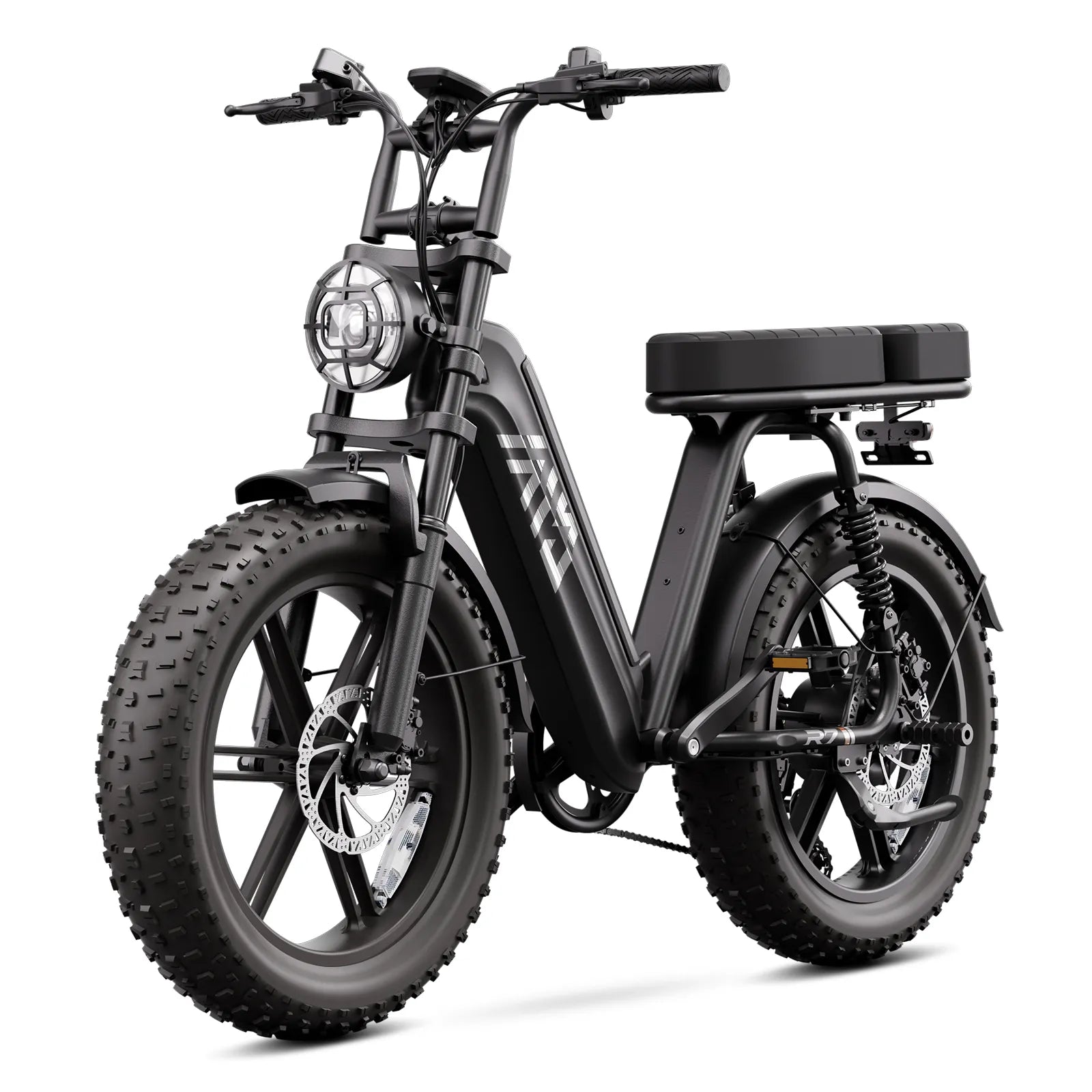
The TST R002 moped-style electric bike is positioned as a powerful, full-suspension option with 20 × 4-inch fat tires and removable battery configurations. It is suited to riders who want added support on longer routes, uneven pavement, hills, or mixed surfaces.
What Is Sustainable Mobility?
Sustainable mobility is the movement of people and goods in ways that reduce energy use, pollution, congestion, and unnecessary resource consumption while preserving safe, affordable access to daily destinations. Walking, public transit, electric bikes, cargo bikes, and shared travel can all support it.
Why Everyday Trips Still Feel Difficult
The biggest mobility challenge for most households is not the occasional long-distance journey. It is the recurring short trip: a few miles to work, a grocery run, school pickup, a local appointment, or an evening activity. A car can make each individual trip feel easy, but its repeated use also brings parking searches, traffic delays, fuel costs, maintenance, and storage demands.
Traditional bicycles address several of those problems, yet they do not suit every route or rider. Hills, hot weather, headwinds, rough roads, limited travel time, and the need to carry groceries can turn an otherwise simple ride into a difficult commitment. Many people want to ride more often but do not want to arrive exhausted, overheated, or late.
An e-bike can reduce these barriers by adding adjustable assistance. That does not mean the bike does all the work; it means the rider can choose a more manageable effort level. Pedal assistance can make an uphill commute, a longer return trip, or a loaded cargo ride feel more realistic for more people.
Range can still create uncertainty. Advertised range figures are useful comparisons, but real-world range changes with terrain, wind, temperature, tire pressure, rider weight, cargo, speed, throttle use, and assist setting. The smartest approach is to choose a bike and battery option around an ordinary week of riding rather than a maximum possible distance.
A Statistic That Reframes Short Trips
The most practical climate and mobility gains often come from replacing repeated short solo-car trips with travel options that require less space and energy.
Sustainable Mobility Options Compared
Sustainable Urban Mobility Starts With Fit
A sustainable transportation choice only creates value when it becomes part of a real routine. The right vehicle depends on distance, hills, weather, storage, cargo needs, rider comfort, and local regulations—not only on motor output or sale price.
A commuter traveling five relatively flat miles may value a lighter, more compact model. A rider navigating broken pavement, suburban roads, and occasional gravel may prefer wider tires and suspension. A family using a bike for school runs or errands may need secure carrying capacity before it needs high speed.
TST’s wider catalog gives shoppers a choice between cargo, commuter, folding, fat-tire, and moped-style formats. That variety matters because a bike that fits daily life is much more likely to be ridden consistently.
Three Features That Matter Most
Battery planning, not just claimed range
The TST R002 is listed with removable battery options, including 48V 15Ah and 25Ah configurations. TST states estimated ranges of approximately 65 miles and up to 100 miles, depending on the battery choice and conditions. Riders should plan with a reserve rather than expecting maximum range every day.
Comfort that supports repeat use
Comfort is a core mobility feature, not an afterthought. The R002 combines full suspension with 20 × 4-inch fat tires, a setup intended to make city pavement, gravel, and imperfect roads feel more manageable.
Stopping and visibility
Power must be paired with responsible speed, dependable braking, visible lighting, and rider awareness. Before every ride, riders should check brake response, tire condition, battery security, lights, and the route ahead.
Three Everyday Examples
The hill commute: Pedal assistance can help a rider maintain a comfortable effort level instead of avoiding cycling altogether.
The parking-lot errand: An e-bike can make a short local trip simpler than searching for a car space near a busy destination.
The mixed-surface ride: Wider tires and suspension can help riders feel more comfortable on uneven streets and suitable gravel paths.
Build a More Useful Mobility Setup
A single bike does not need to replace every vehicle or every trip. A more useful sustainable mobility strategy combines the right bike with secure storage, a battery-charging routine, weather-ready clothing, cargo equipment, and access to public transit or a car when those remain the best options.
For riders who need to carry more than a backpack, the TST Carrier 20 cargo electric bike is designed around cargo functionality. A cargo-oriented setup can help households shift smaller grocery runs, neighborhood deliveries, and routine local errands away from a car.
Before carrying passengers or heavy loads, buyers should verify current payload limits, accessory compatibility, local passenger rules, and safe load distribution. A cargo e-bike works best when the load is secured, balanced, and appropriate for the route.
Plan a Sustainable E-Bike Routine
Before changing a commuting or errand routine, identify the trips that could realistically move from car use to an e-bike. Start with predictable destinations, familiar roads, and fair-weather rides. Then test the route, travel time, parking options, storage, and charging requirements.
A more useful question than “Can this bike replace my car?” is: “Which trips can this bike replace safely, comfortably, and consistently?” That narrower question produces a realistic plan rather than an all-or-nothing promise.
Over time, even replacing two or three regular short trips each week can make a meaningful difference in household mobility habits. Consistency matters more than a perfect lifestyle overhaul.
How to Start Using an E-Bike
-
List recurring trips. Record distance, hills, road surfaces, cargo needs, parking difficulty, weather exposure, and typical travel times.
-
Check local rules. Confirm e-bike classifications, speed limits, helmet requirements, permitted riding areas, trail restrictions, and whether a model’s power or throttle setup changes its legal status.
-
Choose the right category. Consider cargo capacity for errands, folding designs for small storage spaces, commuter models for paved routes, or moped-style bikes for riders who prioritize power and comfort.
-
Fit the bike before riding far. Adjust the saddle, handlebars, tire pressure, brake reach, and suspension settings where applicable. Practice starts, braking, turns, and low-speed handling away from traffic.
-
Create a battery routine. Use compatible charging equipment, follow the owner’s manual, charge in an appropriate location, and plan rides with a comfortable battery reserve.
-
Ride defensively. Wear a properly fitted helmet, use lights when visibility is low, remain aware of traffic, signal clearly, and assume drivers may not have seen you.
Sustainable Mobility in Real Life
Scenario: The five-mile commute
Traditional approach: Drive alone, search for parking, and use a full-size vehicle for a short weekday route.
With a TST e-bike: Pedal assistance can make the distance and hills feel more manageable while allowing the rider to maintain control over effort. The R002’s fat tires and full suspension may suit riders dealing with uneven pavement, though its physical size and weight should be considered for tight storage spaces or apartment stairs.
Scenario: The neighborhood grocery trip
Traditional approach: Take a car for a small basket of groceries because a backpack or basic bicycle basket cannot comfortably carry enough.
With a TST cargo option: A cargo-oriented model such as the Carrier can support some local errands when the load is secured and remains within the manufacturer’s current stated limits. It will not replace every bulk-shopping trip, but it can make smaller, frequent journeys less car-dependent.
Scenario: The mixed-surface weekend route
Traditional approach: Avoid rough streets, gravel connectors, or imperfect paths because a narrow-tire bike feels uncomfortable.
With a moped-style fat-tire e-bike: Wider tires and suspension may improve comfort on suitable surfaces, while pedal assistance can make varied terrain more approachable. Riders should only use routes where their e-bike is allowed and should always adjust speed for visibility, pedestrians, surface conditions, and local rules.
Sustainable Mobility FAQ
What is sustainable mobility for daily commuting?
Sustainable mobility for commuting means choosing lower-impact travel options that still work for time, distance, safety, comfort, and reliability. An e-bike can be practical for recurring journeys that are too long, hilly, or physically demanding for a conventional bicycle.
Are electric bikes sustainable compared with cars?
For many short trips, e-bikes require less energy and produce no tailpipe emissions while riding. Their overall impact still includes manufacturing, battery production, charging electricity, maintenance, and eventual recycling. The strongest practical benefit occurs when the e-bike replaces trips that would otherwise be made by car.
How far can a long-range electric bike travel?
Actual range varies considerably. TST lists the R002 with estimated ranges of about 65 miles for a 15Ah battery option and up to 100 miles for a 25Ah option. Terrain, weather, rider weight, cargo, speed, and assist level can all reduce or increase real-world range.
Is a moped-style electric bike good for commuting?
It can be a strong option for riders who value a stable seated position, added assistance on hills, and comfort over mixed road conditions. Buyers should weigh storage space, vehicle weight, local regulations, route suitability, and service access before choosing one.
What should riders check before buying a cargo e-bike?
Check rated payload, passenger and accessory compatibility, battery range under load, braking performance, storage dimensions, tire suitability, local rules, maintenance support, and warranty coverage. Consider whether the bike will be used for groceries, work gear, school trips, or occasional larger loads.
Do e-bike riders need helmets and lights?
Requirements vary by jurisdiction and e-bike classification. Regardless of local law, a properly fitted helmet, front and rear lights, reflective elements, and defensive riding habits are sensible safety practices for everyday e-bike use.
Legal, Safety, and Battery Notes
Sustainable mobility works best when it is safe, predictable, and lawful. Riders should check local e-bike laws before purchasing or operating a high-powered model, particularly where motor output, throttle use, or top speed could affect classification.
Use the manufacturer-approved charging equipment, inspect tires and brakes regularly, secure the bike when parked, and seek qualified service if a battery, electrical component, brake system, or frame appears damaged. Current warranty terms should always be reviewed directly before purchasing.
Conclusion and CTA
Sustainable mobility does not require a perfect lifestyle or a complete break from car ownership. It starts by shifting the trips that are easiest to replace: local commutes, neighborhood errands, short visits, and recreational rides that can become practical transportation.
Explore TST Ebike’s current lineup to compare moped-style, cargo, commuter, fat-tire, and folding formats against the roads, distances, and loads you actually handle. TST Ebike is an electric-bike brand focused on practical models for commuting, comfort, cargo carrying, and everyday riding.
Sources
-
U.S. Environmental Protection Agency — Fast Facts on Transportation Greenhouse Gas Emissionsepa
-
U.S. Environmental Protection Agency — Greenhouse Gas Emissions from a Typical Passenger Vehicle
-
U.S. Department of Energy Alternative Fuels Data Center — Active Transportation and Micromobility
-
National Highway Traffic Safety Administration — Bicycle Safety
-
International Energy Agency — Transport: Energy System Overview
-
Grand View Research — E-Bike Market Size, Share and Trends Report

Leave a comment
This site is protected by hCaptcha and the hCaptcha Privacy Policy and Terms of Service apply.