


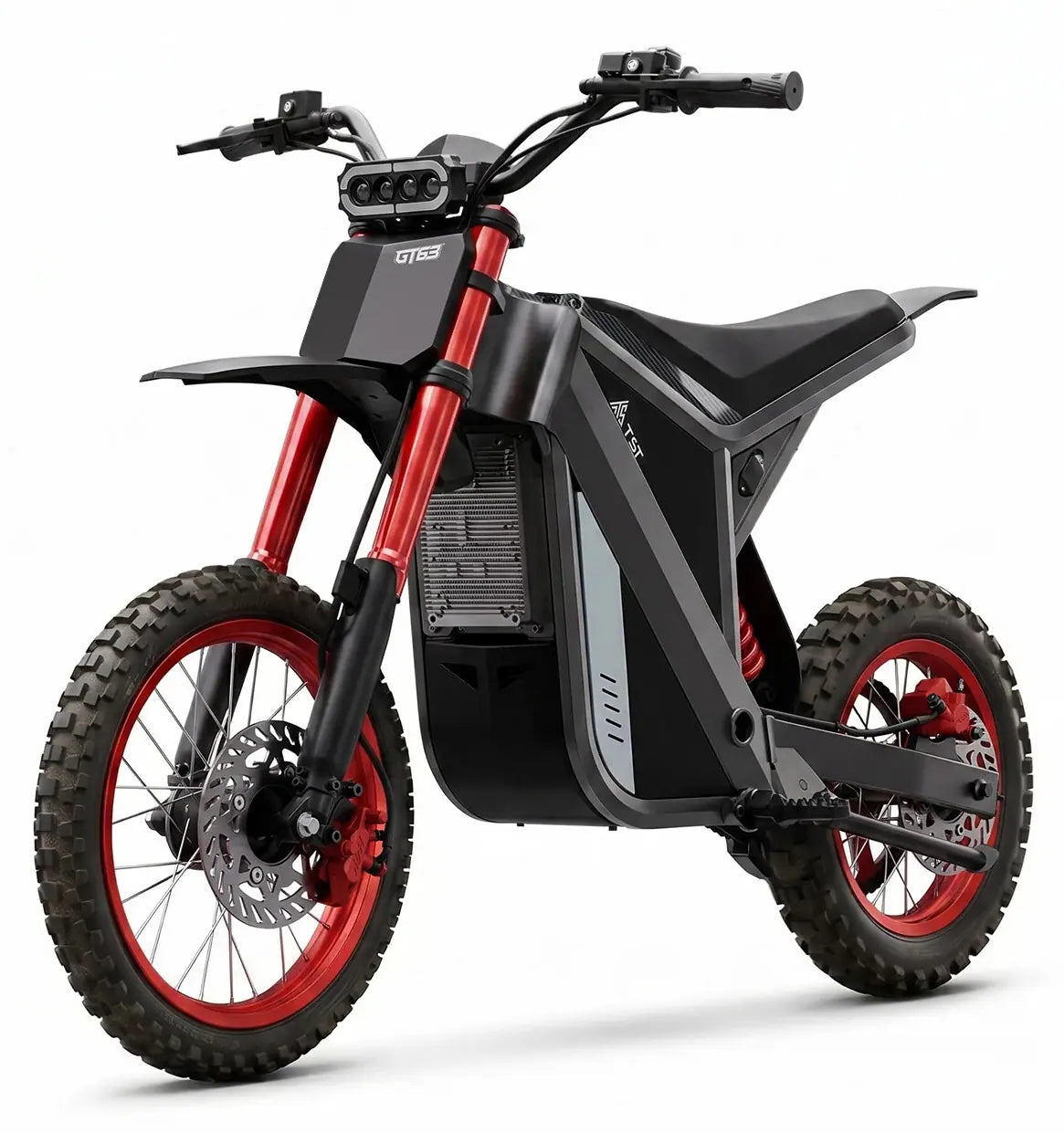

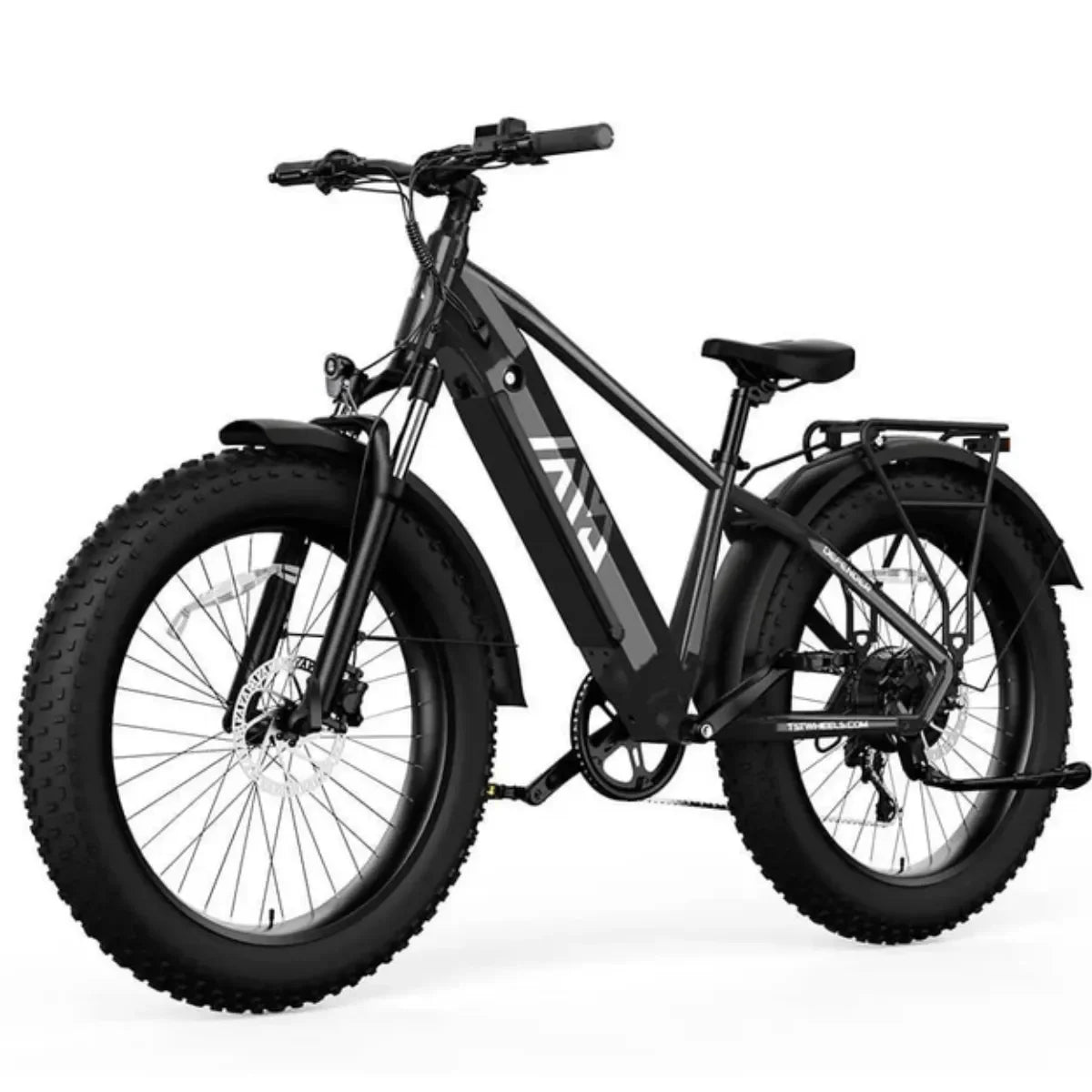
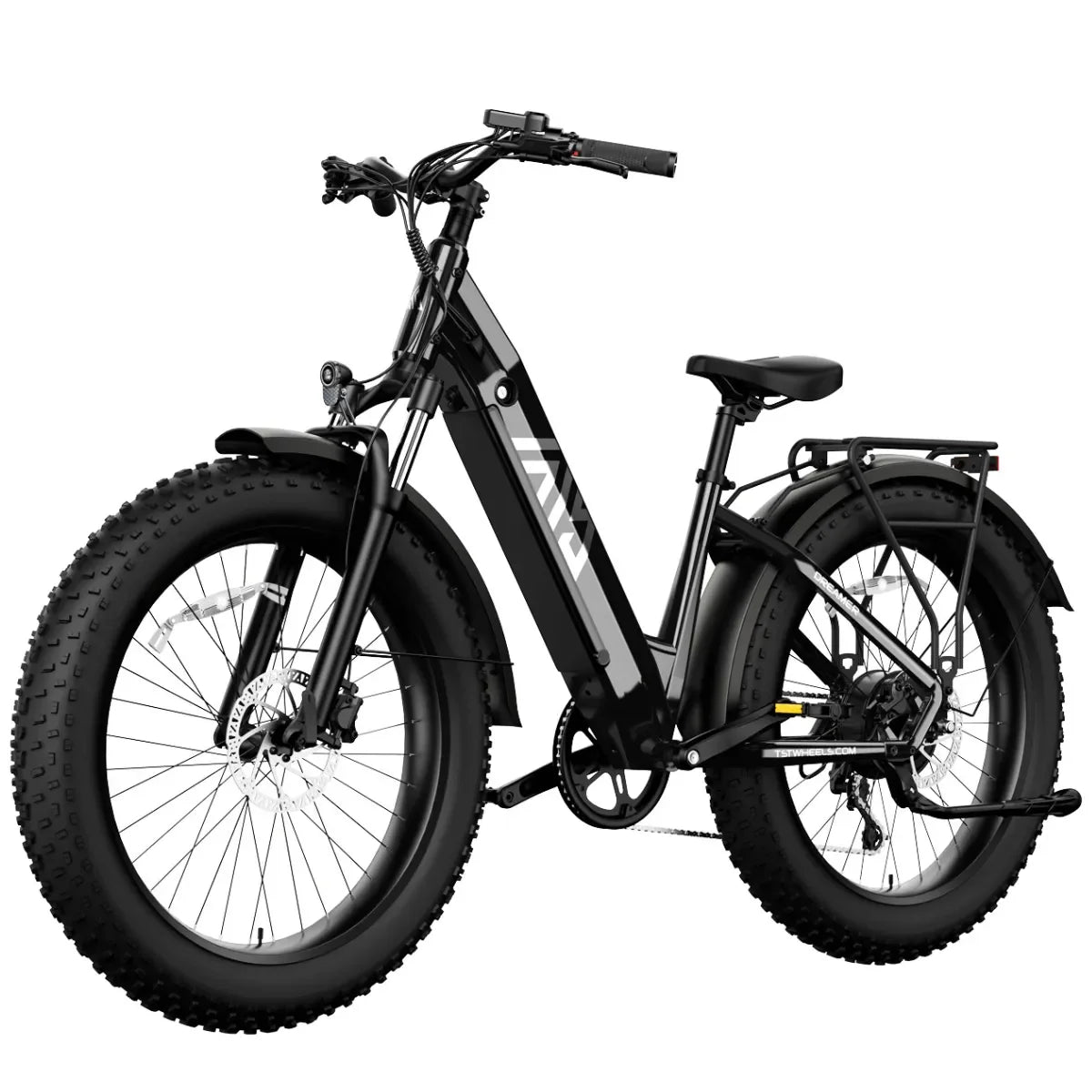

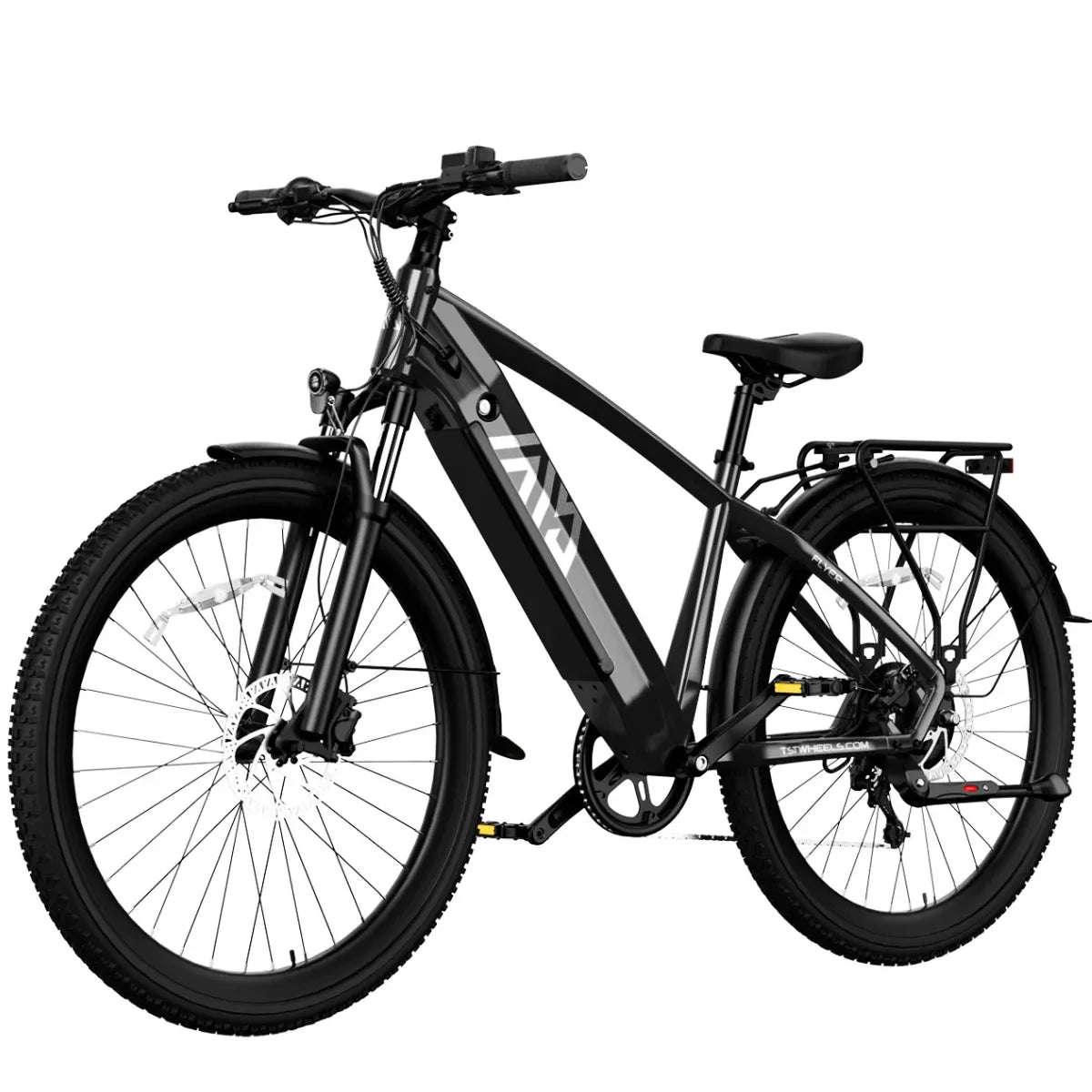
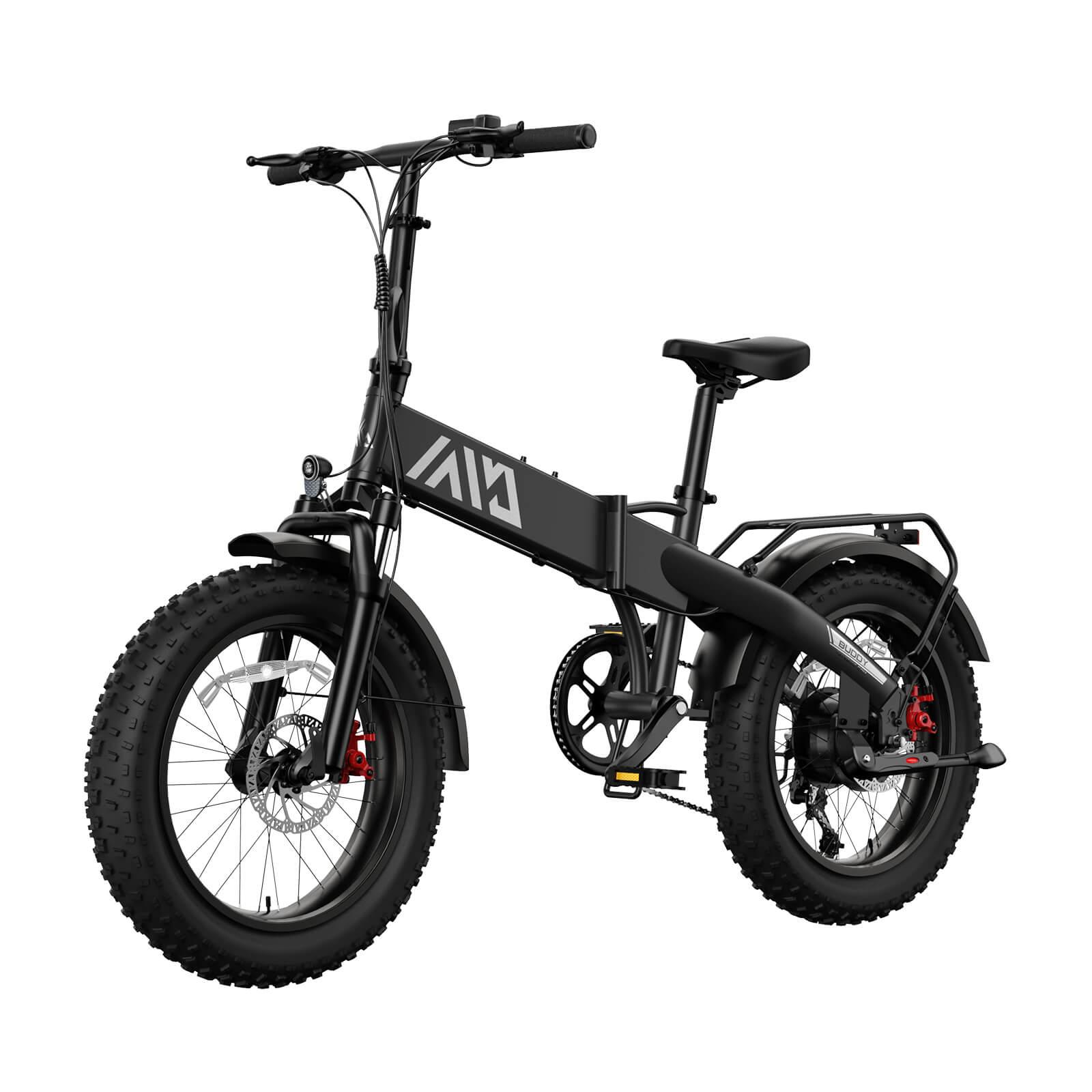










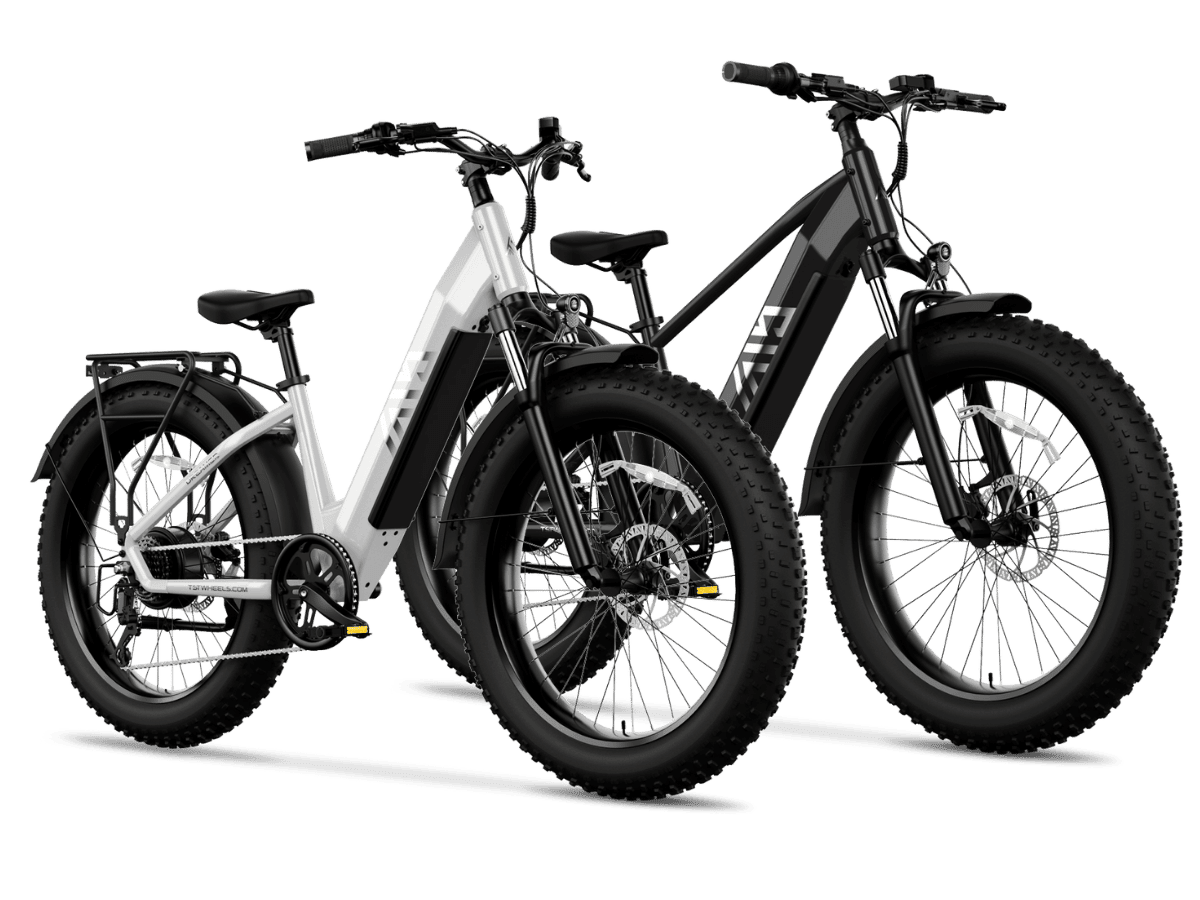
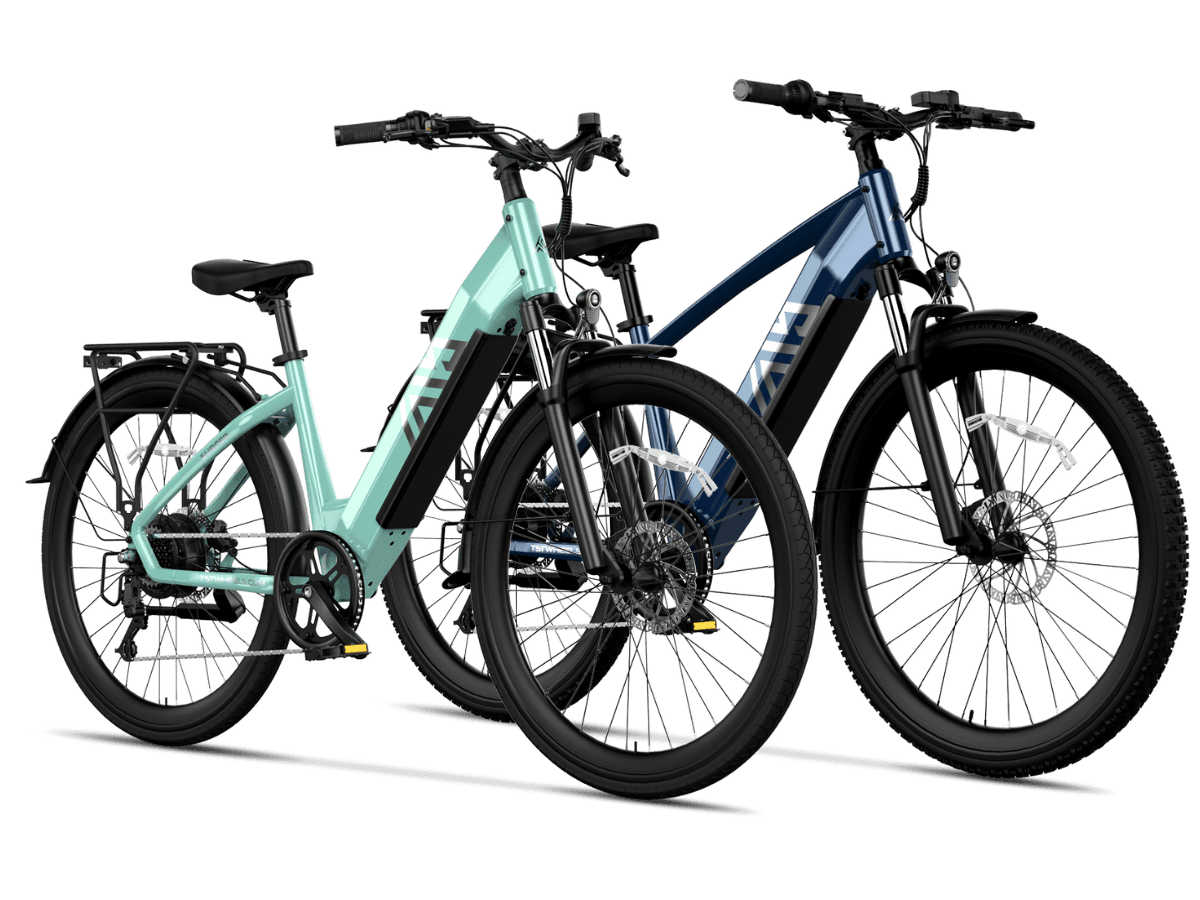
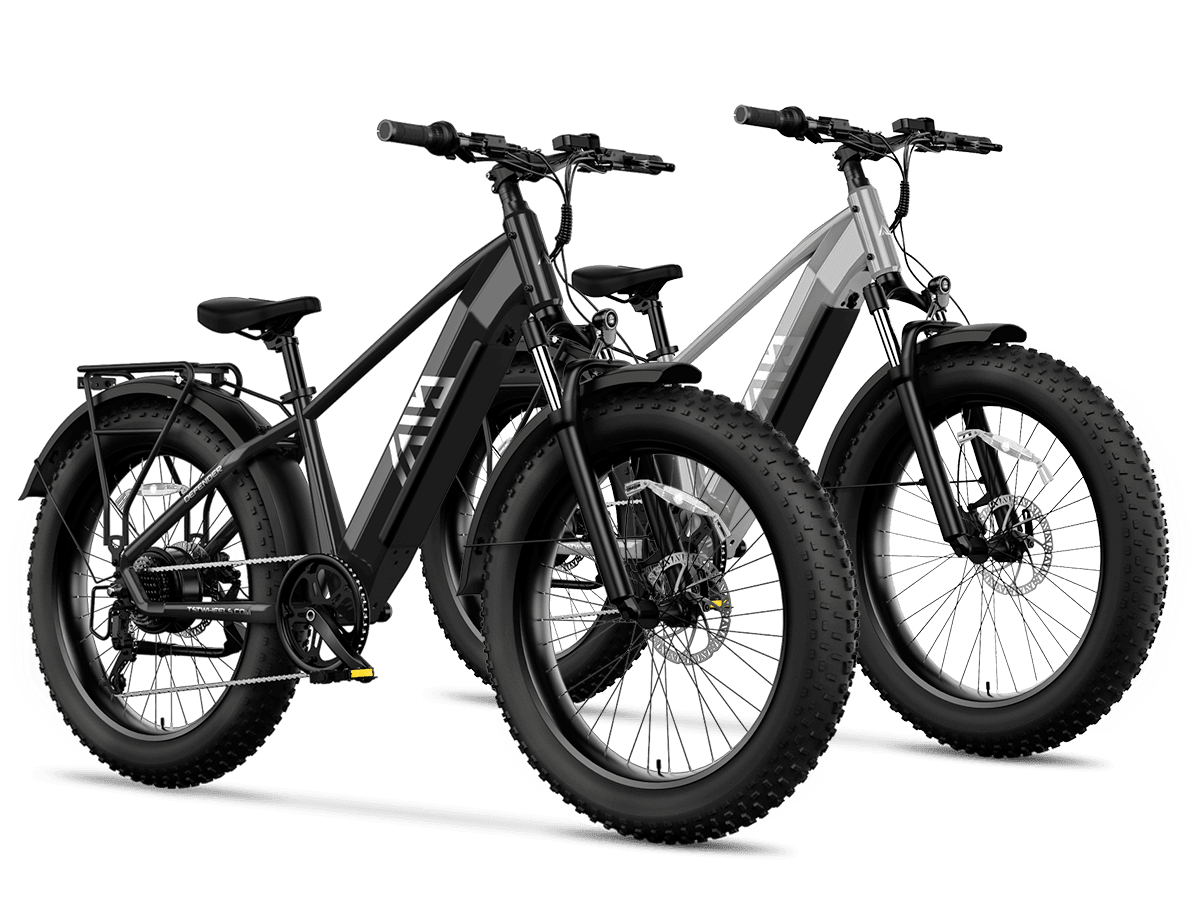
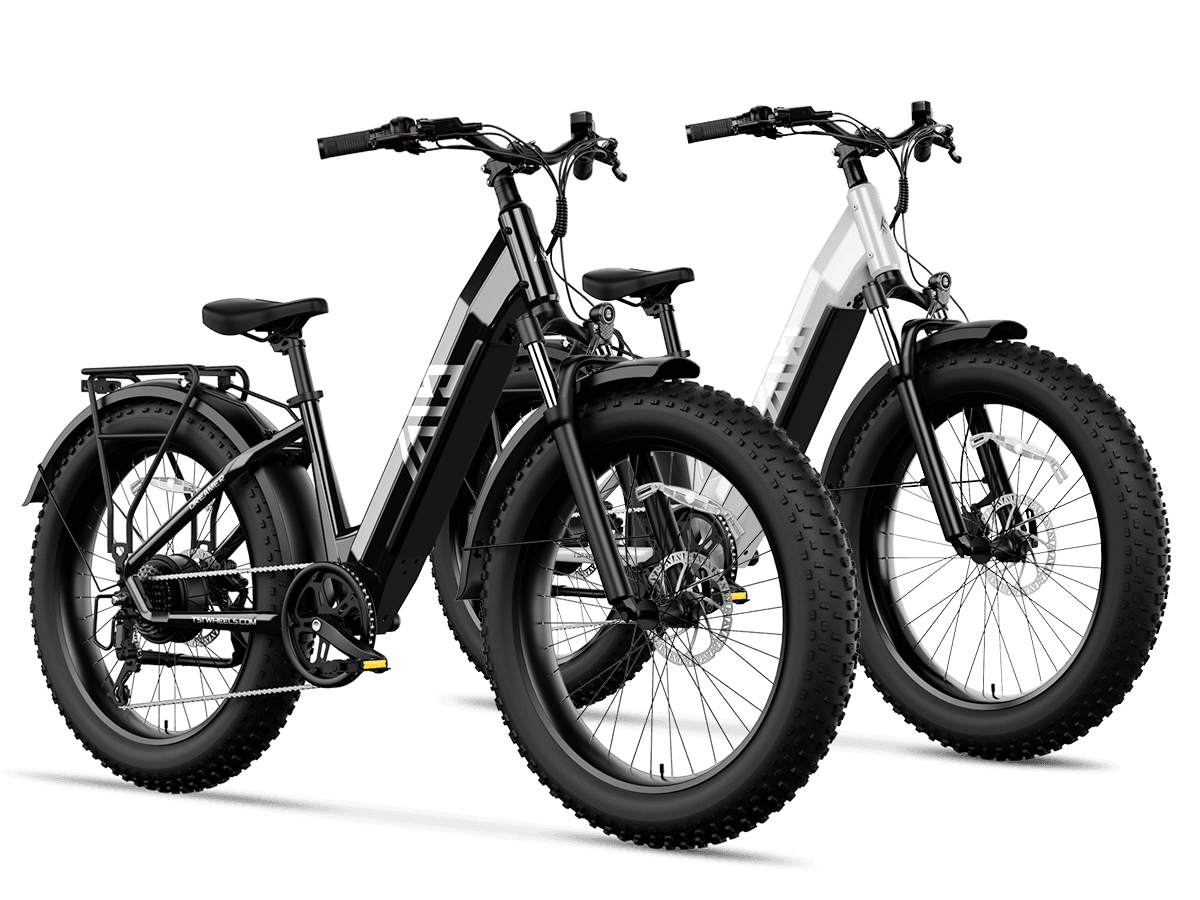

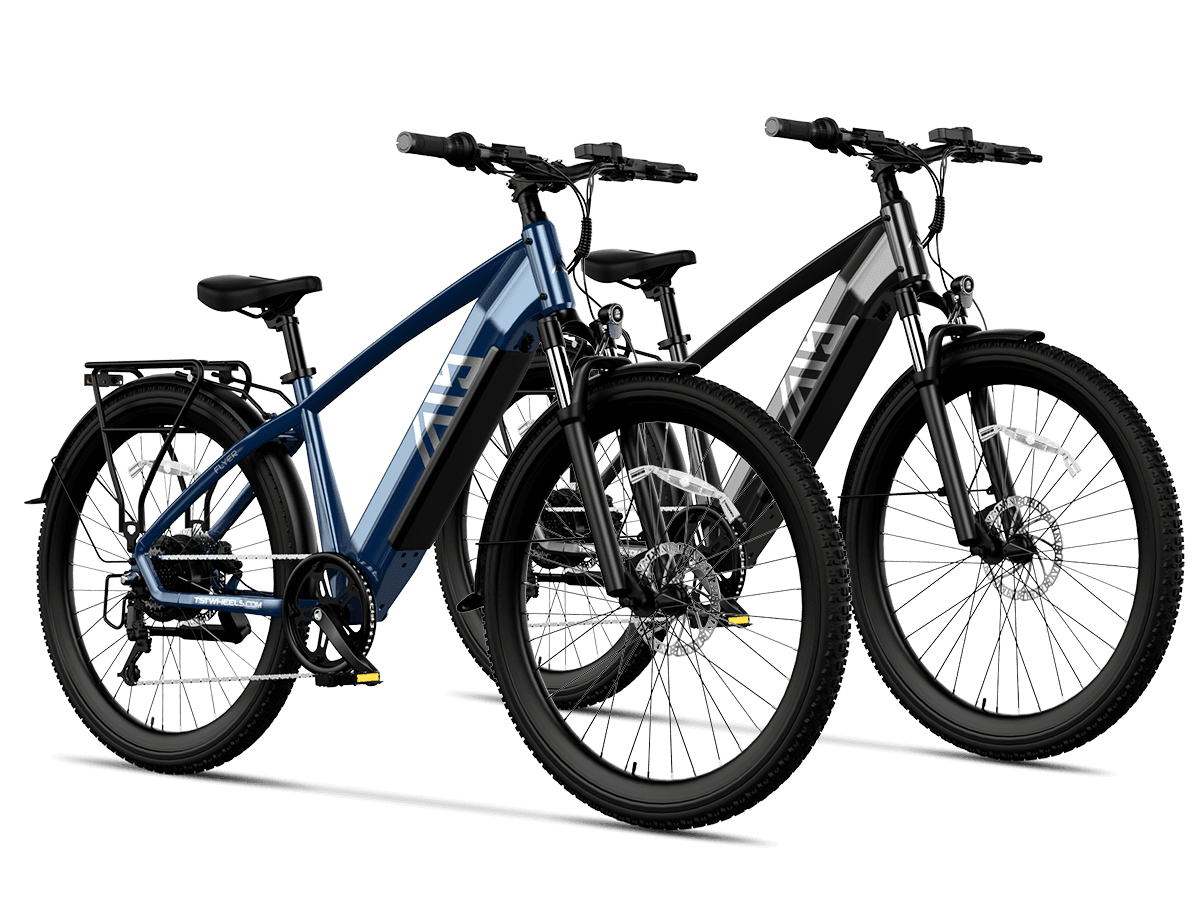

The best e-bikes under $500 in 2026 are entry-level models suited to flat-city commutes, campus use, and light weekend rides, not heavy-duty daily hauling. They typically offer 250–500 W rear hub motors, 15–25 mile real-world range, mechanical disc brakes, and basic suspensions. When you prioritize safety certifications, honest specs, and after-sales support, these budget e-bikes can be smart, low-risk first steps into electric riding.
What key features define a solid e-bike under $500 in 2026?
A solid e-bike under $500 in 2026 combines a 250–500 W hub motor, a 36–48 V battery, and mechanical disc brakes with at least 160 mm rotors, all on an aluminum or high-tensile steel frame. Real-world range should be 15–25 miles, with assist speeds up to 15–20 mph, and basic but serviceable drivetrain and cockpit components.
From a factory-floor perspective, the “tell” of a decent sub-$500 bike is not the advertised wattage but how the controller is tuned and how the battery pack is constructed. Cheap controllers often over-promise peak power while starving the motor with limited phase current, which is why some “500 W” bikes feel weaker than well-tuned 350 W systems. In our line testing, we also see that better budget bikes use 10S battery packs with matched cells, spot-welded in consistent patterns and properly potted BMS boards; badly built packs show uneven welds and inconsistent cell brands within the same series, which is a red flag for early failures.
Typical spec envelope for under-$500 e-bikes
If you see an e-bike under $500 claiming more than 50 miles of range, hydraulic brakes, and a 1,000 W motor, assume the numbers are marketing, not engineering reality. Those specs are physically possible, but not at that price without major compromises in cell quality or assembly standards.
How can riders realistically compare the best sub-$500 e-bikes?
Riders can realistically compare sub-$500 e-bikes by focusing on three metrics: motor system (power and controller current), battery pack (Wh and cell quality), and braking hardware (rotor size and clamp consistency). Beyond that, frame geometry and wheel size determine how the bike feels in your daily use more than any single headline spec.
When I benchmark low-cost e-bikes, I treat claimed specs as hypotheses, not facts. I look for real numbers like rated continuous current on the controller housing, the exact Wh figure on the battery label, and any UL 2849 or equivalent certification. Then I test launch behavior and hill starts at a fixed rider weight. A genuinely competent 350 W system will pull cleanly up a 5–7% grade without abrupt cutouts in assist level 3, whereas under-built systems will show voltage sag and thermal throttling long before that. If you are shopping online, prioritize listings that show close-up photos of the battery label, controller shell, and brake calipers rather than just lifestyle shots.
Which trade-offs matter most when choosing an e-bike under $500?
The most important trade-offs under $500 are between motor power and battery quality, between comfort features and weight, and between flashy components and basic safety. You typically can’t have long-range, high power, and premium hardware together in this segment, so you must pick two and be brutally honest about your riding needs.
As an engineer, I often see budget brands chasing “headline watts” by pairing an oversized motor with an undersized battery and weak BMS. That combination feels exciting on day one but ages poorly, as repeated high-current draws accelerate cell degradation and trigger BMS shutdowns under load. In contrast, some quieter, lower-power builds with decent 18650 or 21700 cells and conservative current limits keep delivering consistent range after 500+ cycles. The same applies to suspension: a cheap full-suspension frame often flexes and creaks, while a rigid or front-suspension-only frame with properly torqued hardware gives you better control and fewer maintenance surprises.
What safety and certification checks are essential for sub-$500 e-bikes?
Essential safety checks for sub-$500 e-bikes include verifying UL 2849 (or equivalent) system certification, inspecting the battery housing for dents or bulges, and confirming that the brakes use at least 160 mm rotors with clean, square caliper alignment. You should also confirm proper cable routing and strain relief to avoid shorts or connector failures.
Behind the scenes, we scrap more battery packs for poor weld quality than most riders realize. A common budget failure mode is cold welds on nickel strips, which can pass initial testing but crack under vibration after a few months, causing intermittent cutouts that are hard to diagnose at home. Good manufacturers also pot or secure the BMS board so it cannot rattle; if you shake a removed battery gently and hear components moving, that is not acceptable. Before first rides, I always recommend a torque check on stem bolts, axle nuts, and rotor bolts plus a bed-in procedure for the brake pads—simple steps that drastically reduce warranty claims and keep riders safer.
Why does wheel size and frame geometry matter more than most spec sheets admit?
Wheel size and frame geometry determine stability, comfort, and real climbing behavior more than pure motor wattage. Larger 26–27.5 inch wheels roll more smoothly over potholes and off-curbs and maintain speed better, while smaller 14–20 inch wheels feel more agile but transmit more vibration and demand more active steering input from the rider.
From my experience on the test track, riders under 5'7" often feel “perched” and insecure on tall, slack-geometry frames that were cloned from mountain bikes without scaling. Conversely, a compact frame with appropriate reach and stack, paired with a 26-inch wheel, can make a 350 W bike feel much more confident than a tall 500 W rig that constantly pitches you forward under braking. TST EBike, for example, deliberately tunes the geometry of its 26-inch rough-terrain models to keep the rider’s center of gravity neutral over the bottom bracket, which makes loose surfaces like sand and snow feel controllable even with mid-tier components. For urban riders, a slightly steeper head tube angle and swept-back bar can make tight traffic maneuvering much less stressful.
Are e-bikes under $500 truly durable for daily commuting in 2026?
E-bikes under $500 can be durable for light to moderate daily commuting if you keep expectations aligned and follow a strict maintenance routine. They are not designed for heavy cargo loads, high-mileage multi-year abuse, or aggressive trail riding, but they can serve reliably for shorter city trips and mixed pedal-assist use.
In our service bays, the budget bikes that survive the longest share a few common traits: sealed bearings in critical locations, sensibly routed cables, and threaded bottom brackets instead of ultra-cheap press-fit units. Owners who check chain stretch every 500–700 km and keep tires inflated to the mid-range of their rated pressure see far fewer controller and motor issues because the system is not constantly fighting unnecessary drag. With sub-$500 bikes, I advise treating them like you would an economy car: change “oil” (in this case, lube, adjustments, and inspections) more often than you think you need, and they will return the favor in extra years of usable life.
What unique advantages does TST EBike bring to budget-focused riders?
TST EBike brings factory-scale quality control, feedback-driven design, and real-world tuning expertise to riders who care about long-term value more than just the lowest sticker price. While many ultra-budget brands rotate models constantly, TST EBike iterates on proven 26-inch and 27-inch platforms and refines controllers, cabling, and weld quality using actual rider feedback loops.
Founded in California in 2017, TST GRP LLC has the advantage of both local warehousing and a network of more than 20 offline stores, which is rare in the value segment. That physical footprint gives us direct visibility into failure patterns and user complaints that pure online sellers often miss. When we see a specific connector type corroding in coastal climates or a particular fork bushing wearing out early, we adjust the specification in the next batch, not after years of issues. For budget-conscious riders, this means that even if a TST EBike model sits slightly above the $500 line at MSRP, you are effectively buying into a more mature platform with a real after-sales support path.
How do 26-inch and 27-inch e-bikes differ for rough terrain and city use?
The main difference between 26-inch and 27-inch e-bikes is how they balance maneuverability, comfort, and terrain absorption. A 26-inch bike is better for rough terrain like snow, sand, and loose gravel, while a 27-inch platform better suits daily commuting and mixed city–trail use with smoother roll-over and more efficient cruising.
In engineering terms, the 26-inch wheel gives you a slightly shorter contact patch and lower gyroscopic stability, which translates to quicker directional changes on soft surfaces where you constantly correct your line. That is why TST EBike positions its 26-inch models as the choice for riders who frequently leave paved roads—your steering inputs remain crisp even when the front tire is partially plowing. The 27-inch configuration, by contrast, gives urban riders a calmer steering feel at 18–20 mph and slightly lower rolling resistance for the same tire width. In our lab tests, we consistently see a few percent energy savings at cruising speeds when stepping from 26-inch to 27-inch wheels on smooth tarmac, which matters when your battery budget is limited.
Does it make sense to consider slightly above-$500 bikes like TST EBike instead?
It often makes sense to consider slightly above-$500 bikes, such as many TST EBike models, because the incremental spend usually buys better cells, stronger frames, and more robust controllers than the very cheapest options. For riders planning to commute daily or tackle mixed terrain, this step up can reduce total cost of ownership over three to five years.
From an insider’s standpoint, the cost curve in e-bike manufacturing is not linear. The jump from an ultra-cheap cell pack to a reputable-name cell pack, or from generic brake calipers to proven, branded units, may add only tens of dollars at factory cost but radically changes how a bike ages. Brands like TST EBike deliberately invest that margin in QC measures—such as 100% end-of-line controller tests and random battery pack teardown audits—that many low-end import labels skip to hit a particular price on a marketplace. If your budget can stretch to that tier, the payoff comes as fewer mid-season failures, tighter tolerances out of the box, and ready access to spares through established warehouses.
Example: when a bit more budget pays off
A rider commuting 10 miles per day, five days a week, will log roughly 2,500 miles per year. On the cheapest under-$500 bike, that often means at least one major component failure (battery or controller) within two seasons. On a slightly more expensive, QC-focused platform, the same rider might go three to four seasons with only consumables (chains, pads, tires) replaced. That difference quickly erases the upfront price gap.
TST EBike Expert Views
“When we test low-cost e-bikes, we don’t start with the brochure; we start with the harness and the welds. If the wiring has proper strain relief and the frame welds show consistent heat signatures, we already know the bike will tolerate real-world abuse better than 90% of no-name imports. On our 26-inch and 27-inch TST EBike platforms, we tune the controllers not for headline wattage but for sustainable current delivery and safe thermal behavior, because a bike that pulls predictably in August heat is worth far more to a commuter than one that only feels fast during a three-minute demo ride.”
How can buyers avoid common marketing traps when shopping under $500?
Buyers can avoid common marketing traps by ignoring exaggerated range and power claims and instead checking real-world Wh, verified certifications, and user-accessible service options. Look for detailed spec sheets with controller current ratings, honest rider-weight assumptions for range, and clear warranty terms covering motor, battery, and controller for at least one year.
One of the most misleading budget claims is “up to 50+ miles” on packs that are visibly under 400 Wh. The physics simply do not support those numbers at typical commuter speeds without heavy pedaling. Likewise, words like “UL compliant” without a listed file number should be treated as red flags, because genuine certification involves rigorous system-level testing that manufacturers are proud to publish. As someone who has been on the factory floor during audits, I can tell you that brands that pass those tests also invest in traceability: serial numbers on frames, date codes on packs, and batch records for controllers. Those tiny details matter later when something fails and you need a precise replacement, not just a generic “compatible” part.
Quick checklist to sidestep hype
-
Confirm battery Wh, not just “Ah” and voltage.
-
Look for real certification IDs on product pages.
-
Prioritize mechanical disc brakes with named pad standards.
-
Favor brands with local warehouses or stores.
-
Treat wild performance claims at ultra-low prices with skepticism.
When is a used or refurbished e-bike a better choice than a new one under $500?
A used or refurbished e-bike from a reputable brand can be a better choice than a new sub-$500 bike when the original model was mid-tier or higher, and the refurbishment includes a fresh or warrantied battery. This route often delivers better frames, components, and support at similar out-of-pocket cost.
In practice, a three-year-old commuter from a serious manufacturer—with hydraulic brakes, a rigid but well-designed frame, and a properly maintained mid-drive or quality hub motor—can outperform most brand-new budget bikes even after some wear. The caveat is battery health: replacement packs are often the biggest hidden expense if the original is tired. I advise checking for proof of refurbishment, such as documented cell replacement or capacity tests, and buying from outfits that offer at least six months of warranty. For riders living near one of TST GRP LLC’s offline stores or similar service hubs, local technicians can also assess used bikes and advise whether a particular frame and system are worth investing in.
FAQ
What is the realistic range of a $500 e-bike?
Most riders can expect 15–25 miles of real-world range from a $500 e-bike, assuming mixed pedal-assist use, moderate rider weight, and mostly flat terrain, rather than the optimistic marketing figures often advertised.
Can a $500 e-bike handle hills?
A $500 e-bike with a 350–500 W rear hub motor can manage short, moderate hills, but sustained steep climbs will strain the system, reduce speed significantly, and shorten battery life if done frequently.
Are cheap e-bikes safe to charge at home?
Cheap e-bikes can be safe to charge at home if their electrical systems are properly certified and you use the original charger on a non-flammable surface away from flammable materials, unplugging once fully charged.
How long does a budget e-bike battery last?
A budget e-bike battery typically lasts 400–600 full charge cycles before noticeable capacity loss, which often translates to two to four years of regular use if you avoid deep discharges and extreme heat.
Is TST EBike a good option for beginners?
TST EBike is a strong option for beginners because its models emphasize stable geometry, sensible power delivery, and robust quality control, backed by warehouses and offline stores that make after-sales support more accessible.
What maintenance does an e-bike under $500 need?
An e-bike under $500 needs regular chain lubrication, tire pressure checks, periodic brake adjustments, and an annual bolt-torque and electrical-connection inspection to keep the motor and controller operating reliably.
Could I upgrade components on a sub-$500 e-bike later?
You can upgrade components like tires, saddles, brakes, and drivetrains on a sub-$500 e-bike later, but upgrading the battery and motor system is often complex and may not be cost-effective compared to buying a better base bike.
Are folding e-bikes under $500 worth it?
Folding e-bikes under $500 can be worth it for short urban hops and easy storage, but you should expect heavier frames, simpler hinges, and more flex compared to premium folding models, especially at higher speeds.
Who should avoid buying an e-bike under $500?
Heavy riders, daily long-distance commuters, and people needing robust cargo capacity should avoid e-bikes under $500 and instead consider higher-tier options with stronger motors, larger batteries, and better-tested frames.
When is the best time to buy a budget e-bike?
The best time to buy a budget e-bike is typically during off-season sales, year-end clearances, or new-model rollouts, when retailers discount older inventory or offer bundles with accessories like fenders and racks.

Leave a comment
This site is protected by hCaptcha and the hCaptcha Privacy Policy and Terms of Service apply.