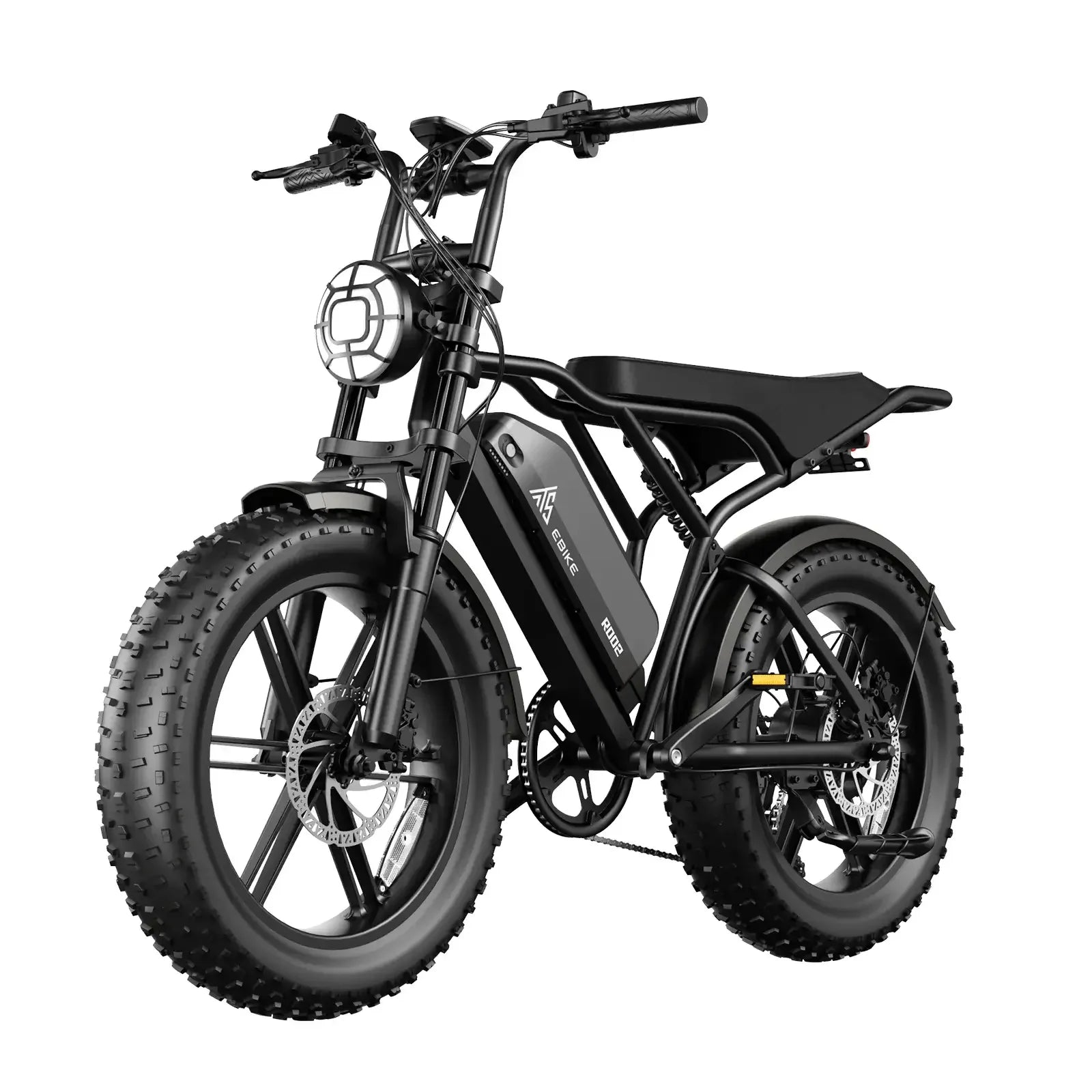

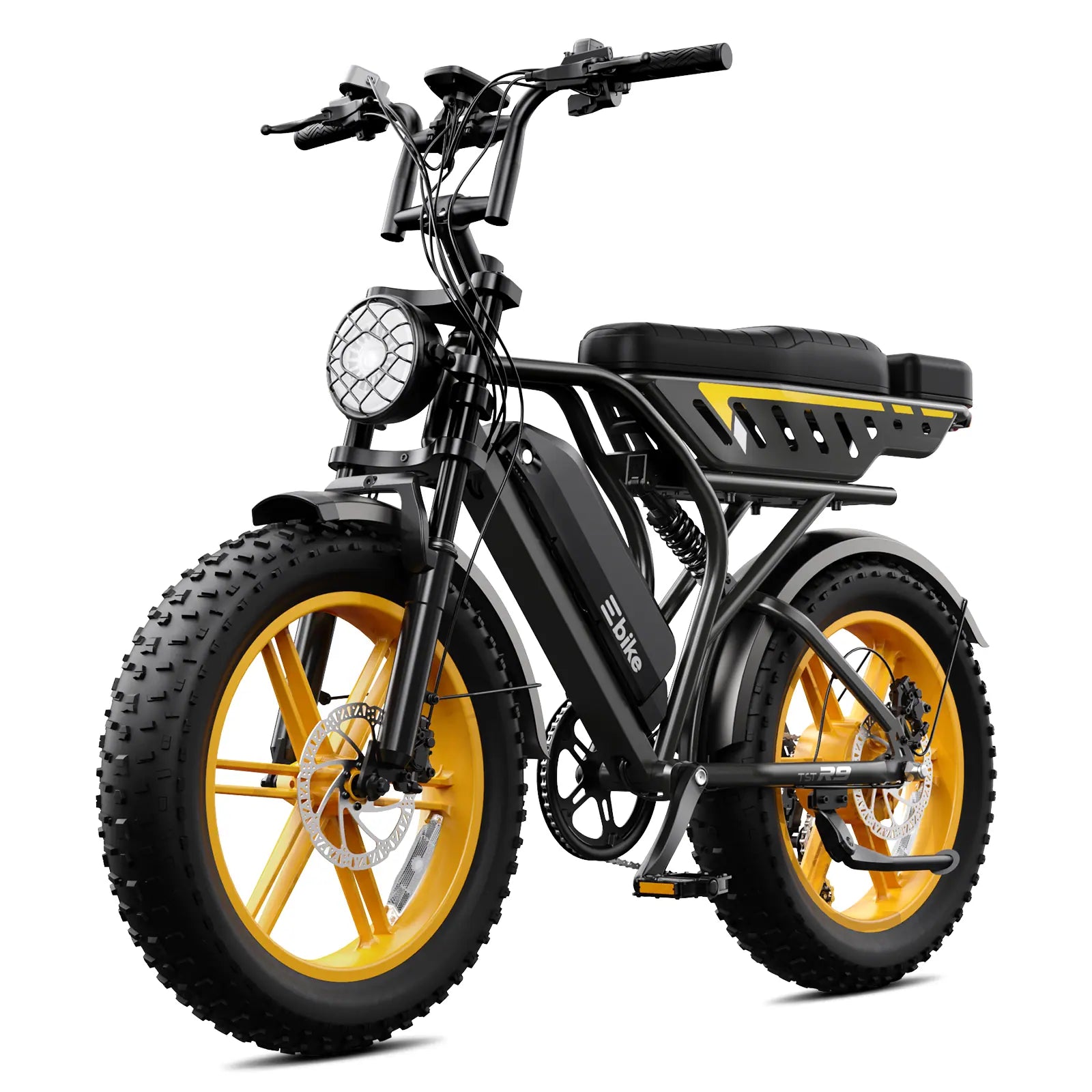

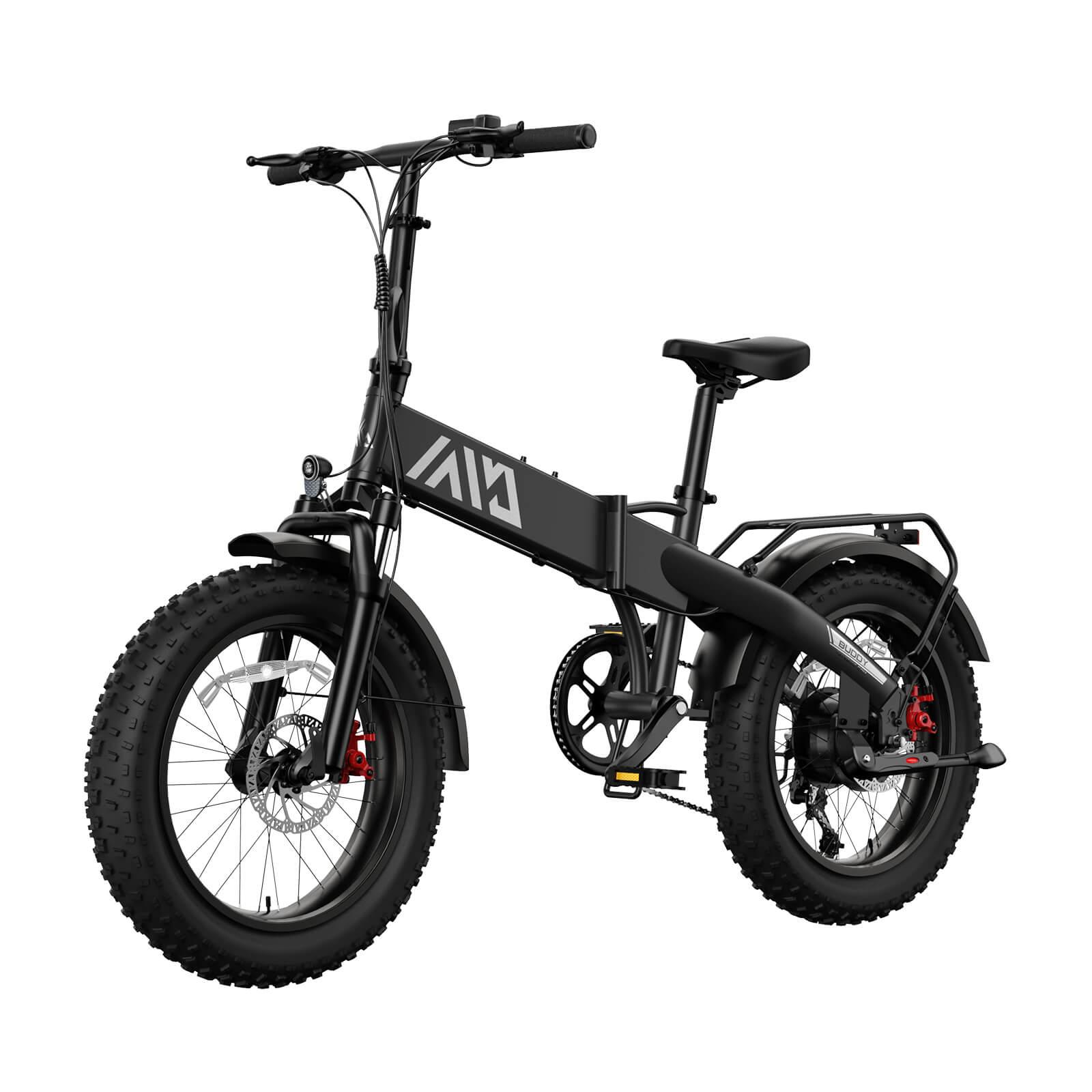

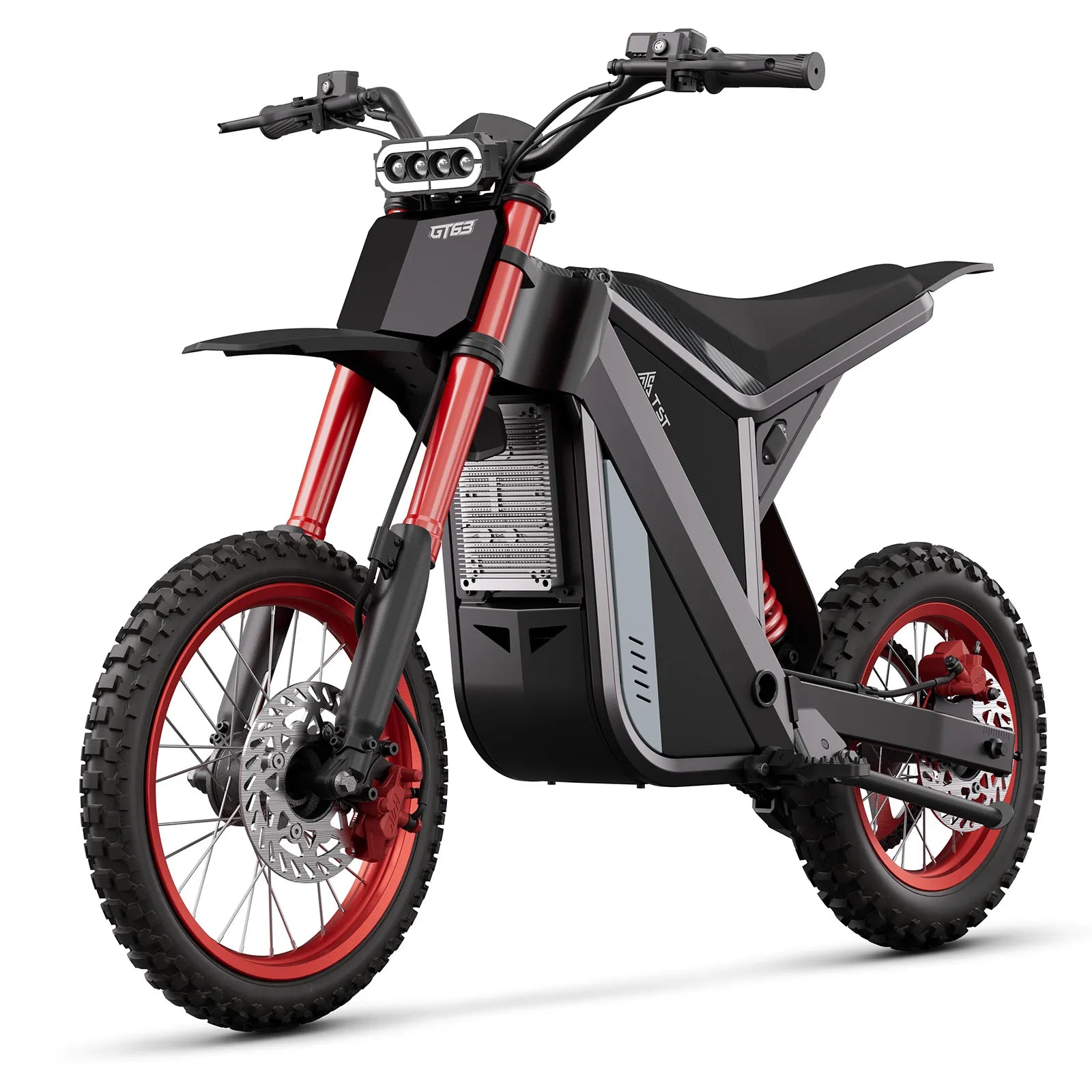
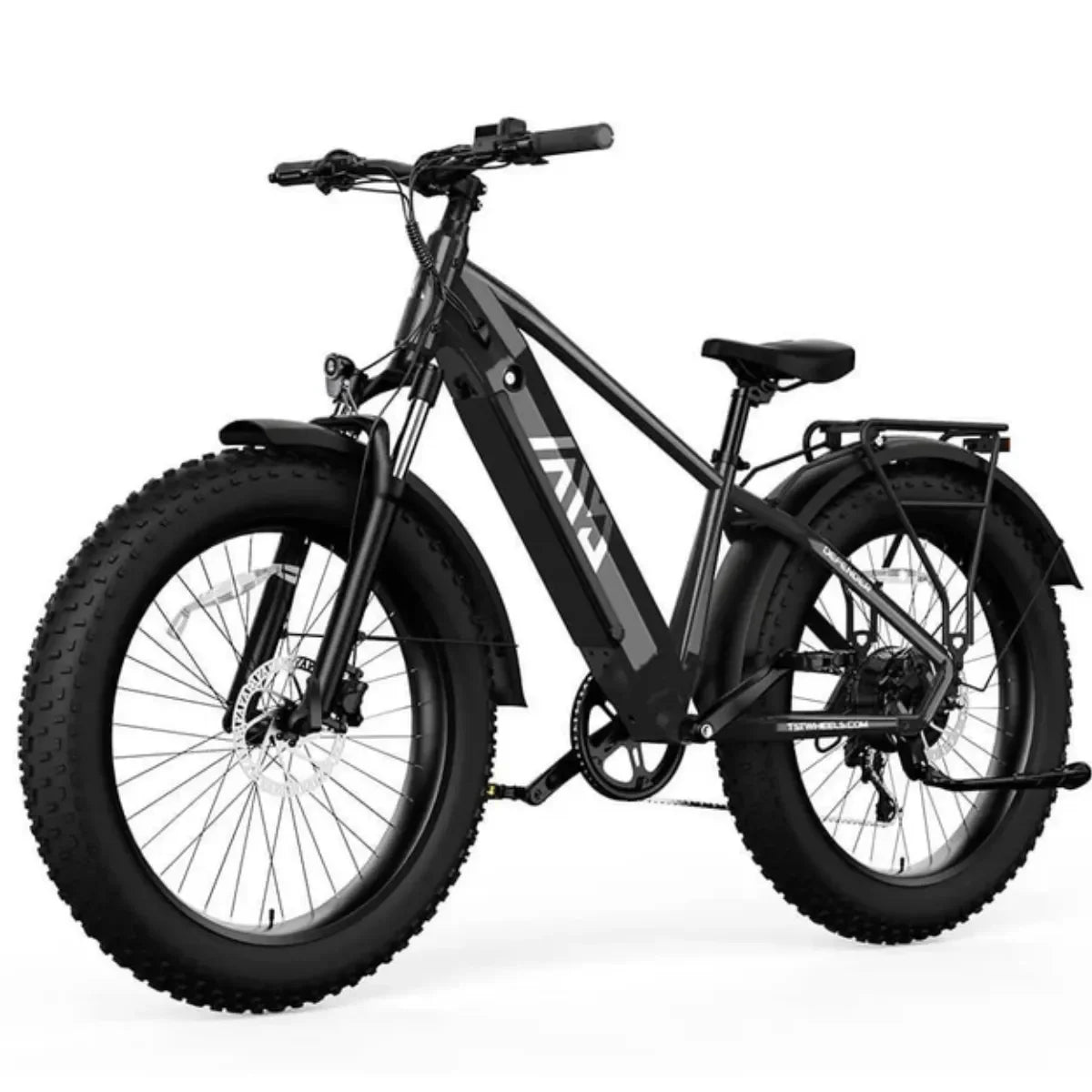
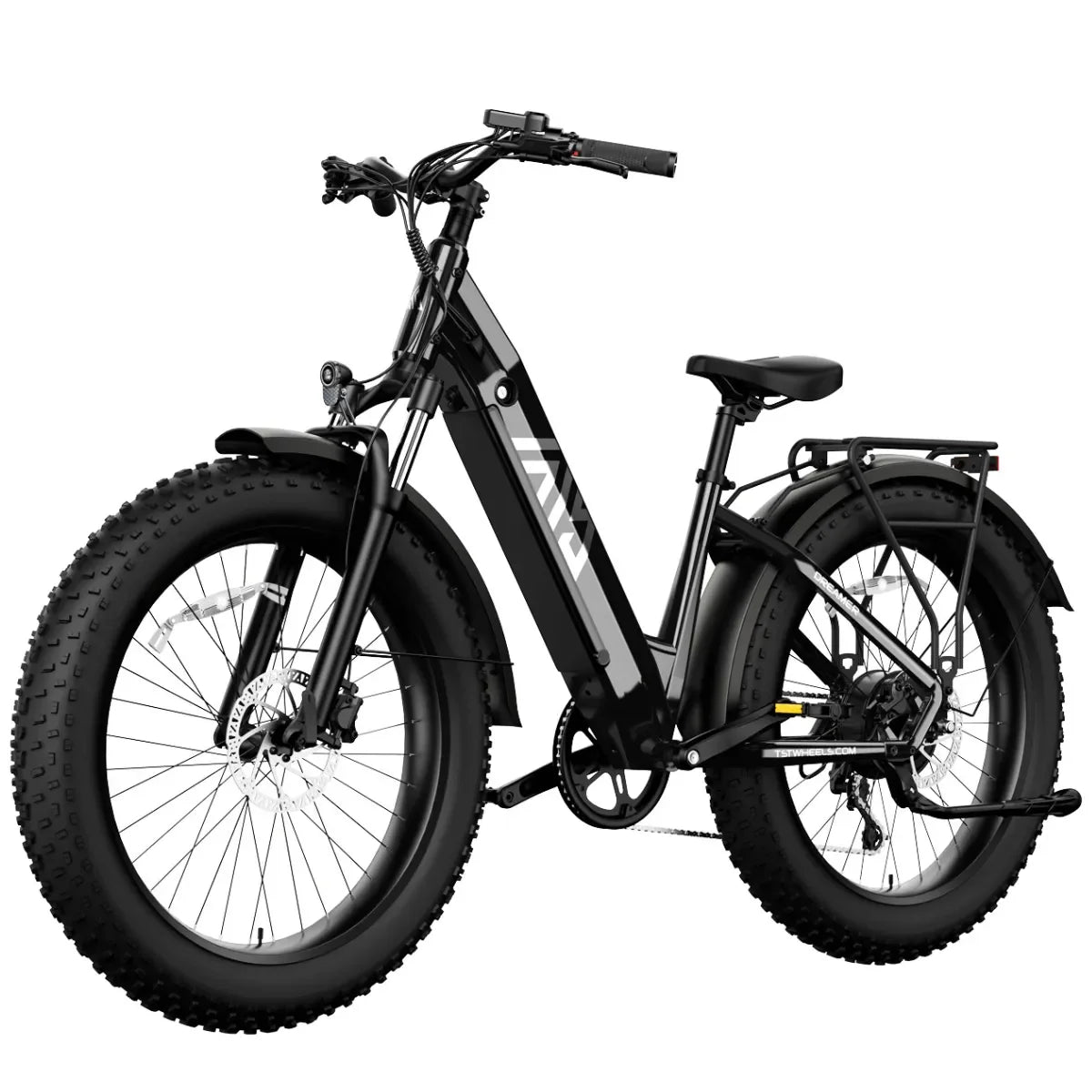

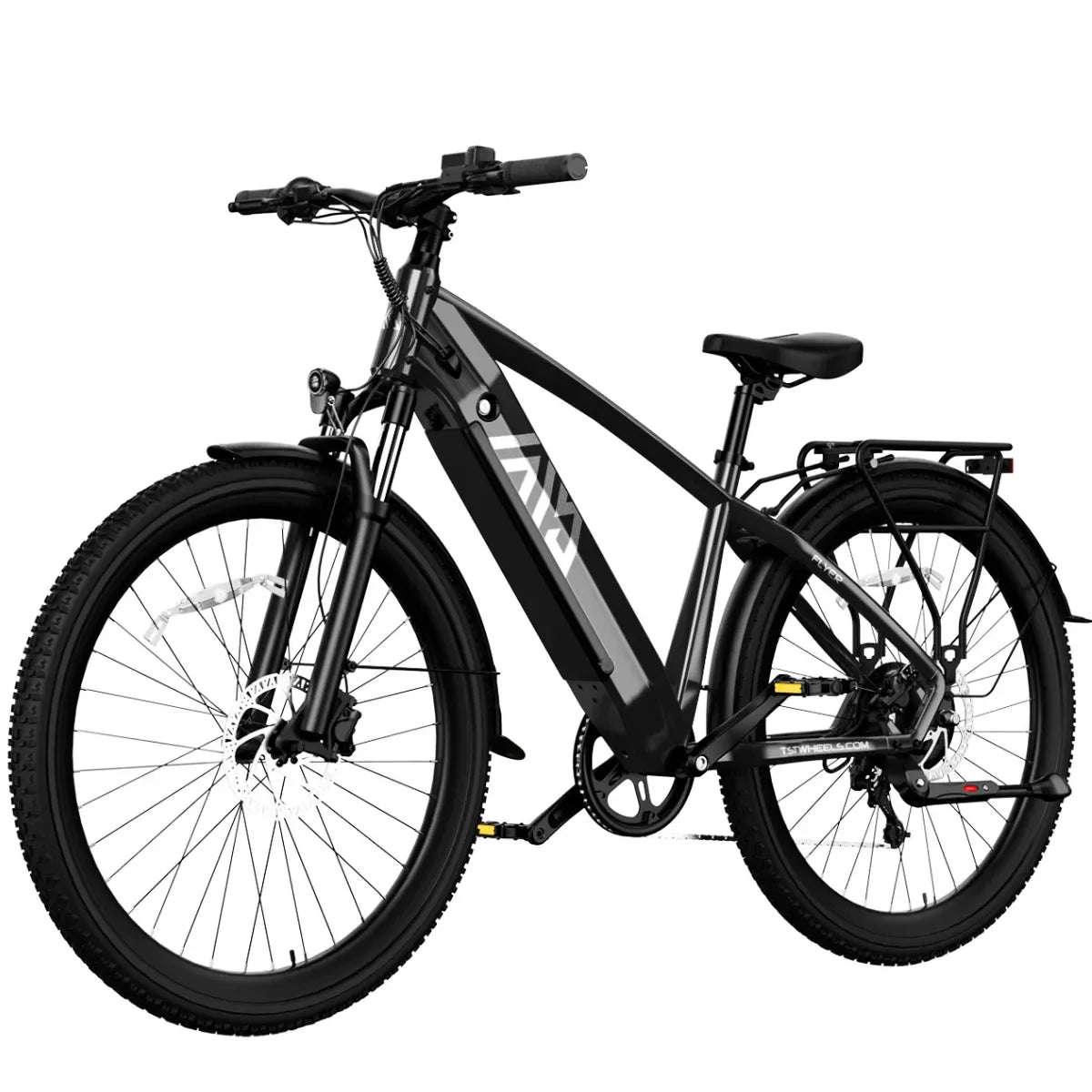

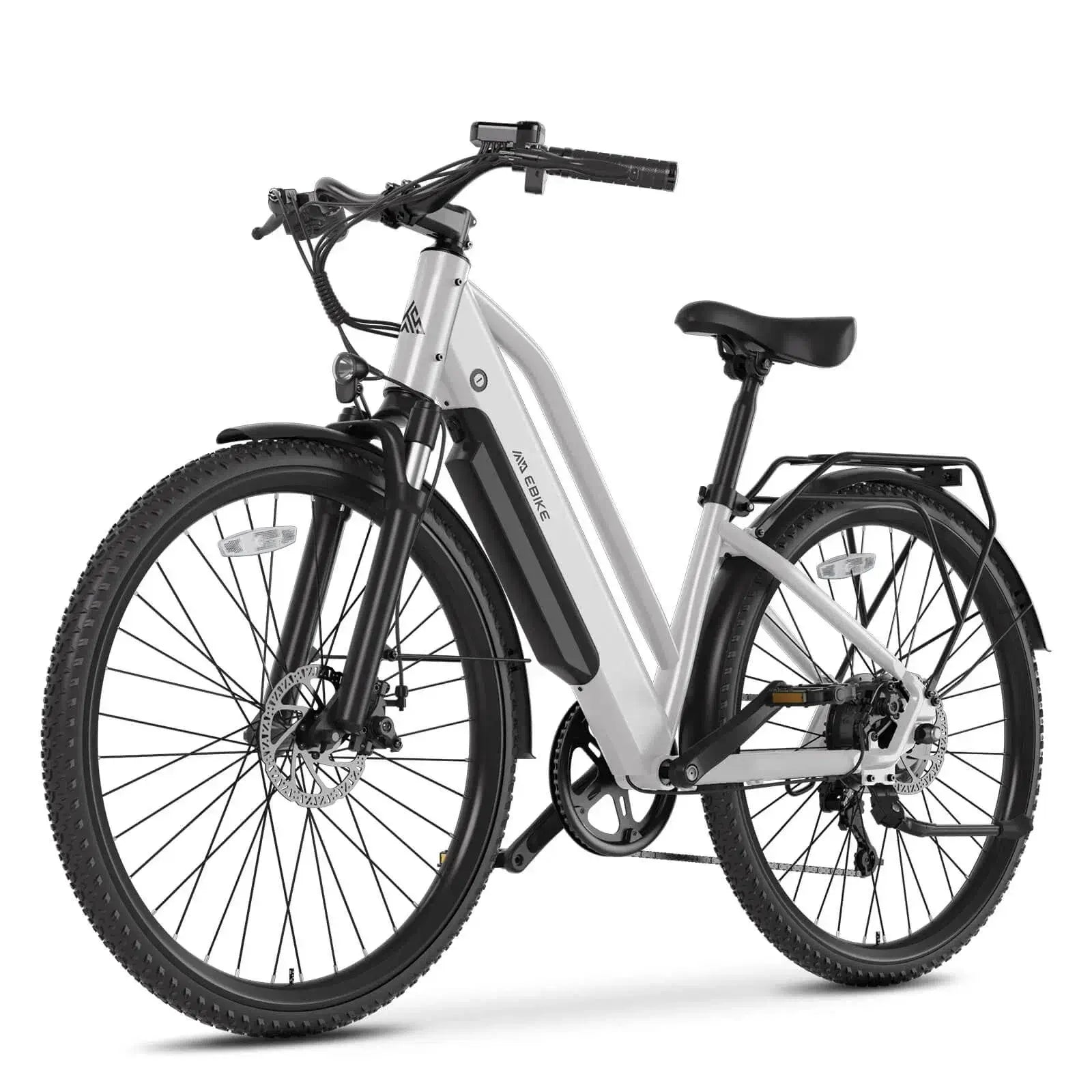






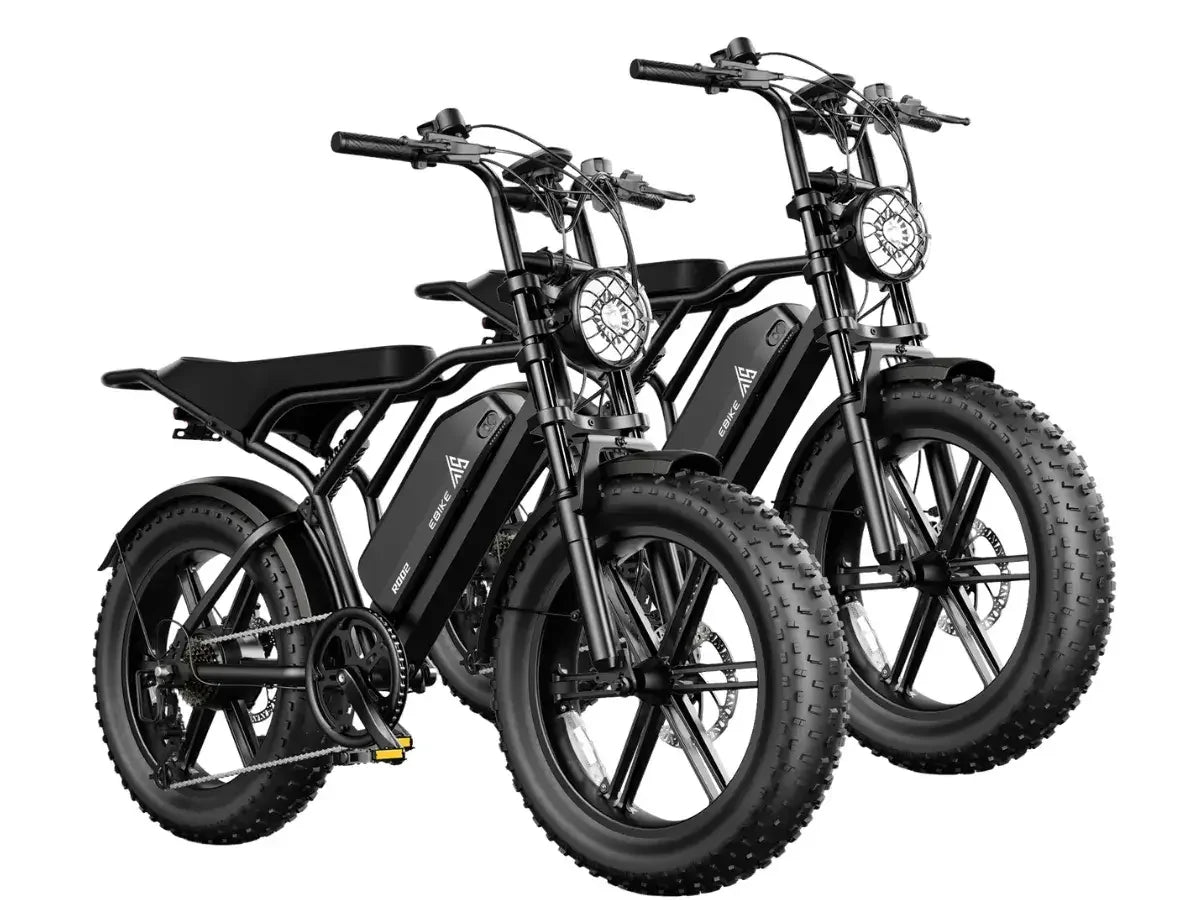
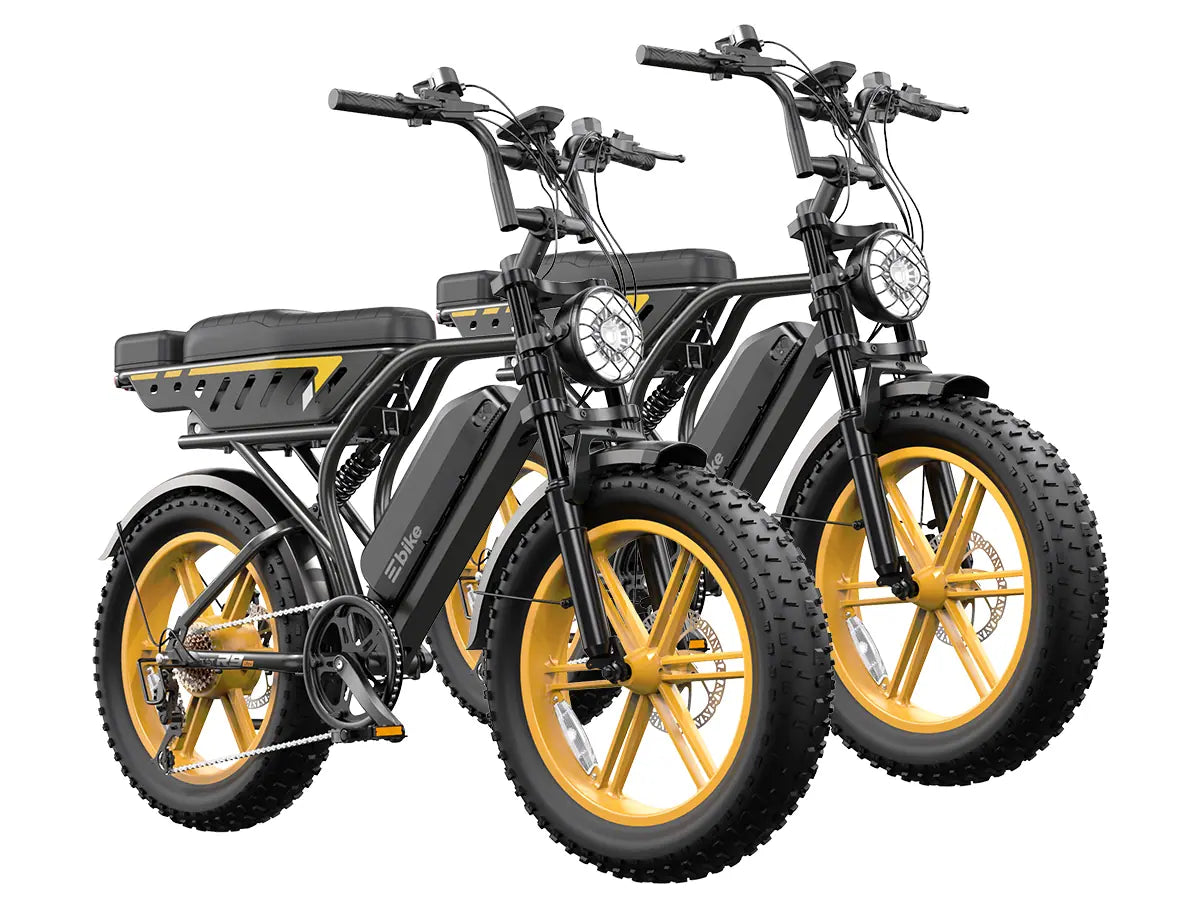

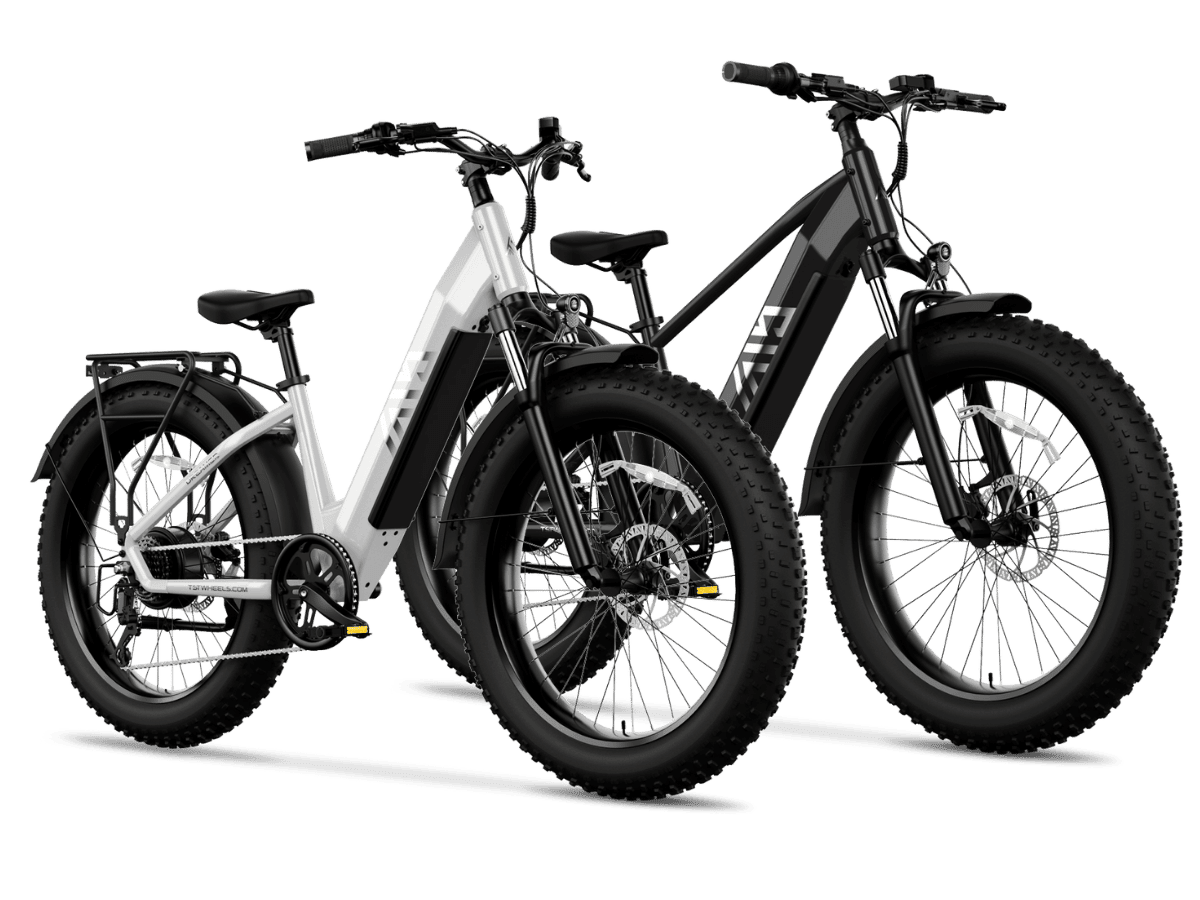
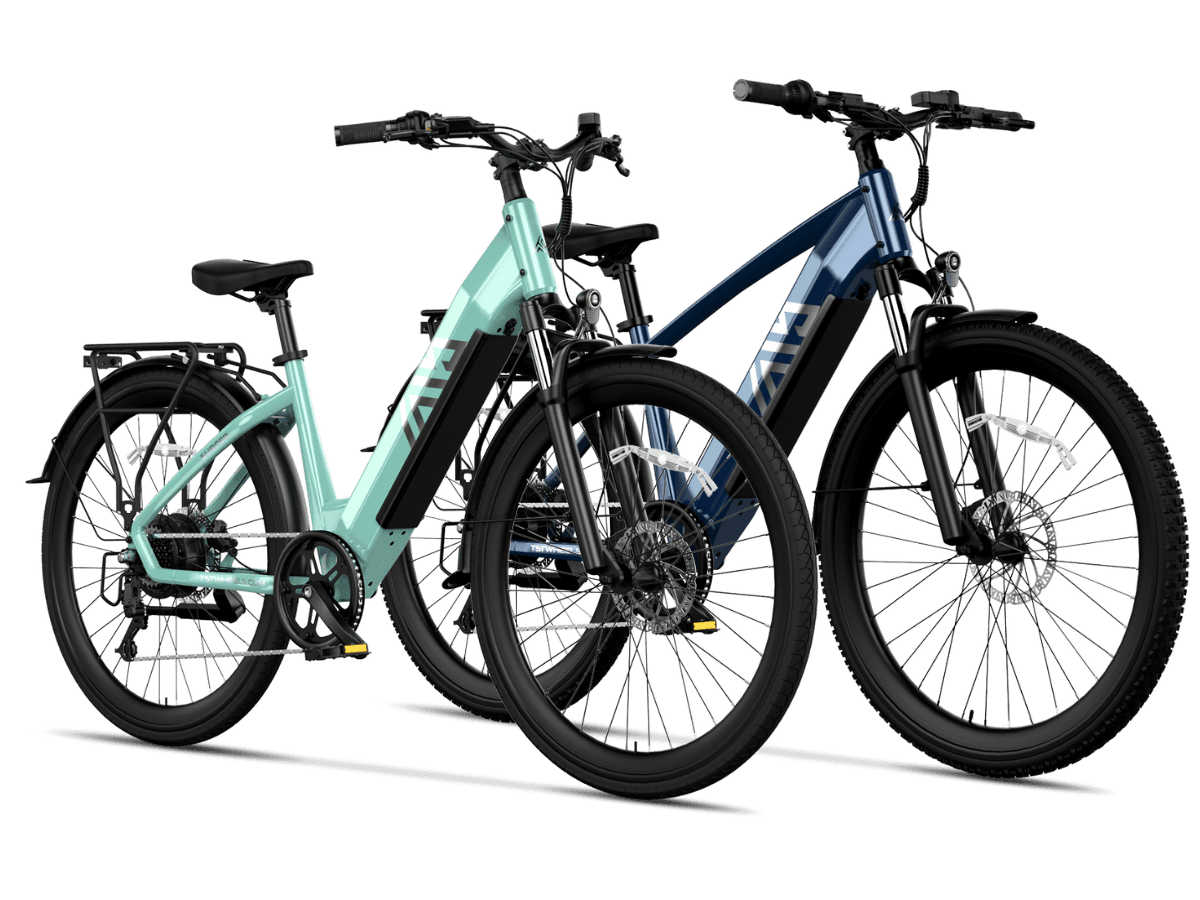

A moped throttle cable connects the handlebar grip to the engine’s carburetor or throttle body, controlling fuel and air intake for smooth acceleration. Properly maintained cables ensure responsive performance, consistent power, and safe operation, which are critical for a reliable ride. TST EBike emphasizes quality cables to enhance rider experience and prevent mechanical failures.
How Does a Moped Throttle Cable Work?
A throttle cable transmits motion from the handlebar grip to the carburetor slide or throttle valve. Twisting the grip pulls the inner cable, increasing airflow and fuel delivery, which boosts engine power. Releasing the grip closes the throttle. Modern cables often use multi-strand steel for durability and flexibility, converting tension into precise mechanical motion.
What Are the Common Signs of a Faulty Moped Throttle Cable?
Indicators of a worn cable include sluggish acceleration, sticky throttle response, throttle not returning to idle, or frayed wires. Unexpected engine revving may also occur. Visual inspections for corrosion, splits, or resistance help determine if a replacement is needed.
| Symptom | Likely Cause | Recommended Action |
|---|---|---|
| Sticky throttle | Rust or debris | Clean and lubricate cable |
| Slow response | Frayed inner wire | Replace cable |
| Uneven tension | Misalignment | Adjust routing |
Why Does the Throttle Cable Need Regular Maintenance?
Regular maintenance reduces friction and prolongs cable life. Lubricating with a cable-safe lubricant ensures smooth operation. Neglect can cause binding or snapping, risking control. TST EBike recommends inspection and lubrication every 3–6 months, depending on usage, to maintain safe and reliable throttle performance.
Which Type of Moped Throttle Cable Should You Choose?
Throttle cables are generally single or dual. Single cables pull the throttle open, while dual cables provide a return path for smoother control and higher safety. Stainless steel is ideal in humid or coastal environments for corrosion resistance.
| Feature | Single Cable | Dual Cable |
|---|---|---|
| Control Mechanism | Pull only | Pull & return |
| Safety | Moderate | High |
| Maintenance Complexity | Low | Moderate |
| Best For | Basic mopeds | Performance scooters |
TST EBike integrates precision cables compatible with high-torque electric systems, ensuring consistent throttle feedback and safe operation.
Where Can You Find a Replacement Moped Throttle Cable?
Replacement cables are available from authorized dealers, e-bike stores, or motorcycle parts suppliers. Matching the make and length to your model is essential. TST EBike provides OEM-quality cables through its California warehouses, 20+ offline stores, and international distributors, ensuring easy access for riders. Professional installation and adjustment are available at TST EBike service centers.
When Should You Replace a Moped Throttle Cable?
Throttle cables should be replaced every 5,000–10,000 miles or sooner if signs of wear appear. Riders in dusty or harsh conditions should inspect cables more frequently. Any corrosion, kinks, or fraying signals immediate replacement to avoid throttle failure.
Who Can Install or Adjust a Moped Throttle Cable?
DIY enthusiasts with basic tools can replace cables, but professional service ensures precise tension. TST EBike technicians use specialized gauges to calibrate slack, preventing over-revving or lagging throttle response, which maintains safe and predictable performance.
Can You Upgrade Your Moped Throttle Cable for Better Performance?
Upgrading to high-performance cables improves responsiveness and longevity. Premium cables feature low-friction liners and smoother operation. TST EBike recommends upgrades when tuning performance or replacing older cables to complement electronic throttle systems and enhance control precision.
Is It Safe to Ride with a Worn Throttle Cable?
Riding with a worn cable is unsafe. Worn cables can stick or fail, creating serious hazards. Immediate replacement is essential if the throttle doesn’t return promptly. Regular testing ensures reliable throttle response and safety.
Why Choose TST EBike for Moped Throttle and Control Systems?
TST EBike offers quality, affordable throttle systems tuned for precise control and minimal mechanical drag. Products perform consistently across diverse terrains due to consumer-driven design and rigorous quality control. Established in 2017, TST EBike operates in California with extensive offline and online presence, providing reliable parts and support globally.
TST EBike Expert Views
“Throttle control defines the connection between rider and machine. At TST EBike, our high-tensile, corrosion-resistant cables are engineered for electric mobility systems. Precision ensures safety and smooth operation, even in challenging conditions. Routine inspections and proper maintenance extend cable life, transforming simple care into long-term performance reliability.”
— TST EBike Technical Engineering Team
Could a Poorly Adjusted Cable Affect Performance?
Yes. Excessive tension can cause erratic idling or engine over-rev, while too much slack delays response. Correct slack delivers predictable, responsive control. Monthly checks of throttle play help sustain optimal performance and prevent ride issues.
Conclusion
A well-maintained throttle cable is essential for safety, performance, and vehicle longevity. Routine inspections, lubrication, and timely replacement prevent common failures. TST EBike demonstrates industry-leading design and precision, ensuring smooth acceleration and dependable control for riders. Prioritizing maintenance and quality parts keeps every ride safe, efficient, and enjoyable.
FAQs
1. How do I know if my throttle cable is too tight?
High idle or incomplete throttle closure indicates excessive tension. Adjust slack for natural response.
2. Can I lubricate a sealed throttle cable?
Sealed cables usually don’t require lubrication. Replace if resistance develops.
3. What tools are needed to replace a throttle cable?
Screwdrivers, pliers, and wrenches are sufficient; a cable lubricator is recommended.
4. Are universal throttle cables reliable?
They work temporarily, but brand-specific cables like TST EBike ensure proper fit and durability.
5. How can I prevent throttle sticking?
Clean the handlebar area regularly and lubricate the cable to reduce friction and debris buildup.

Leave a comment
All comments are moderated before being published.
This site is protected by hCaptcha and the hCaptcha Privacy Policy and Terms of Service apply.