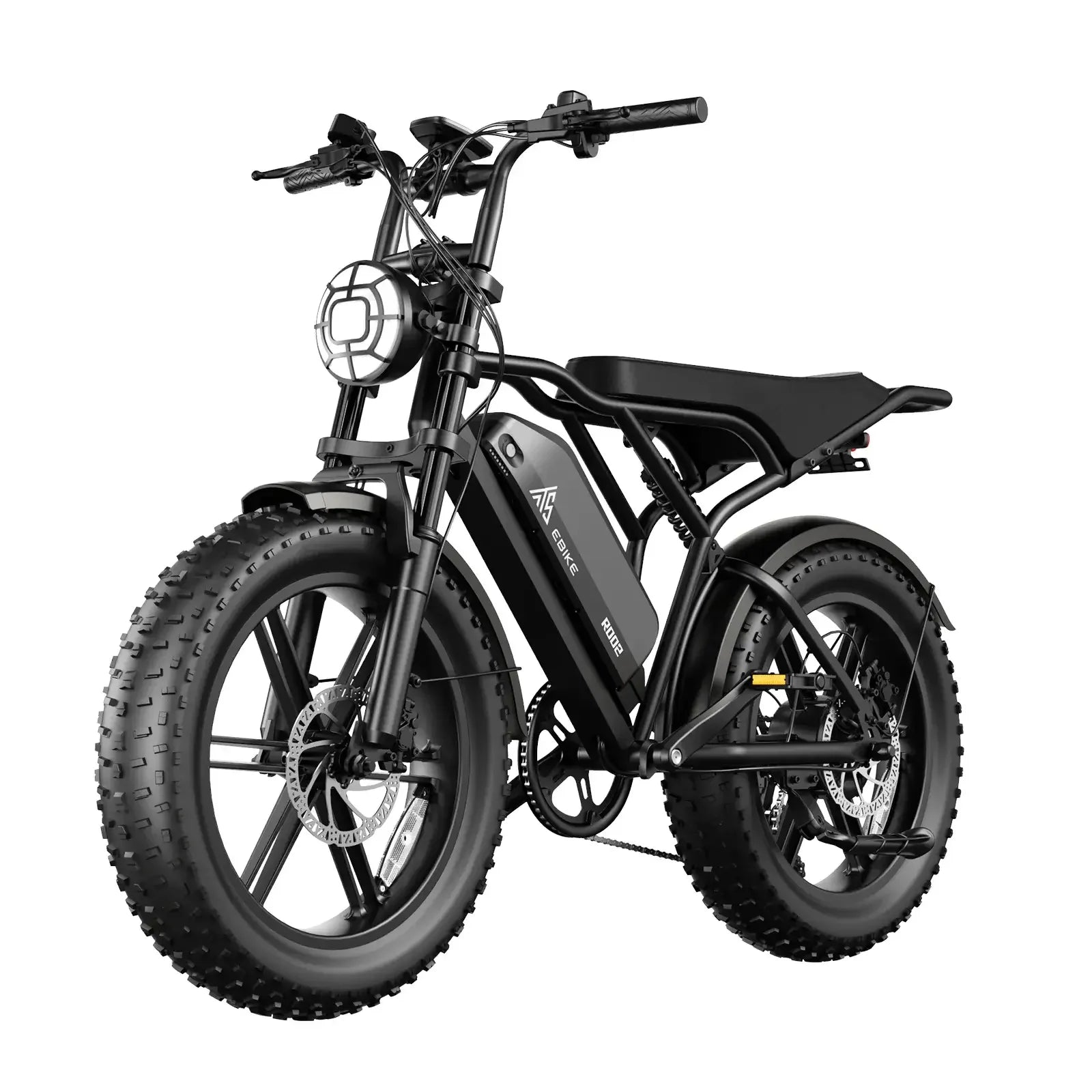

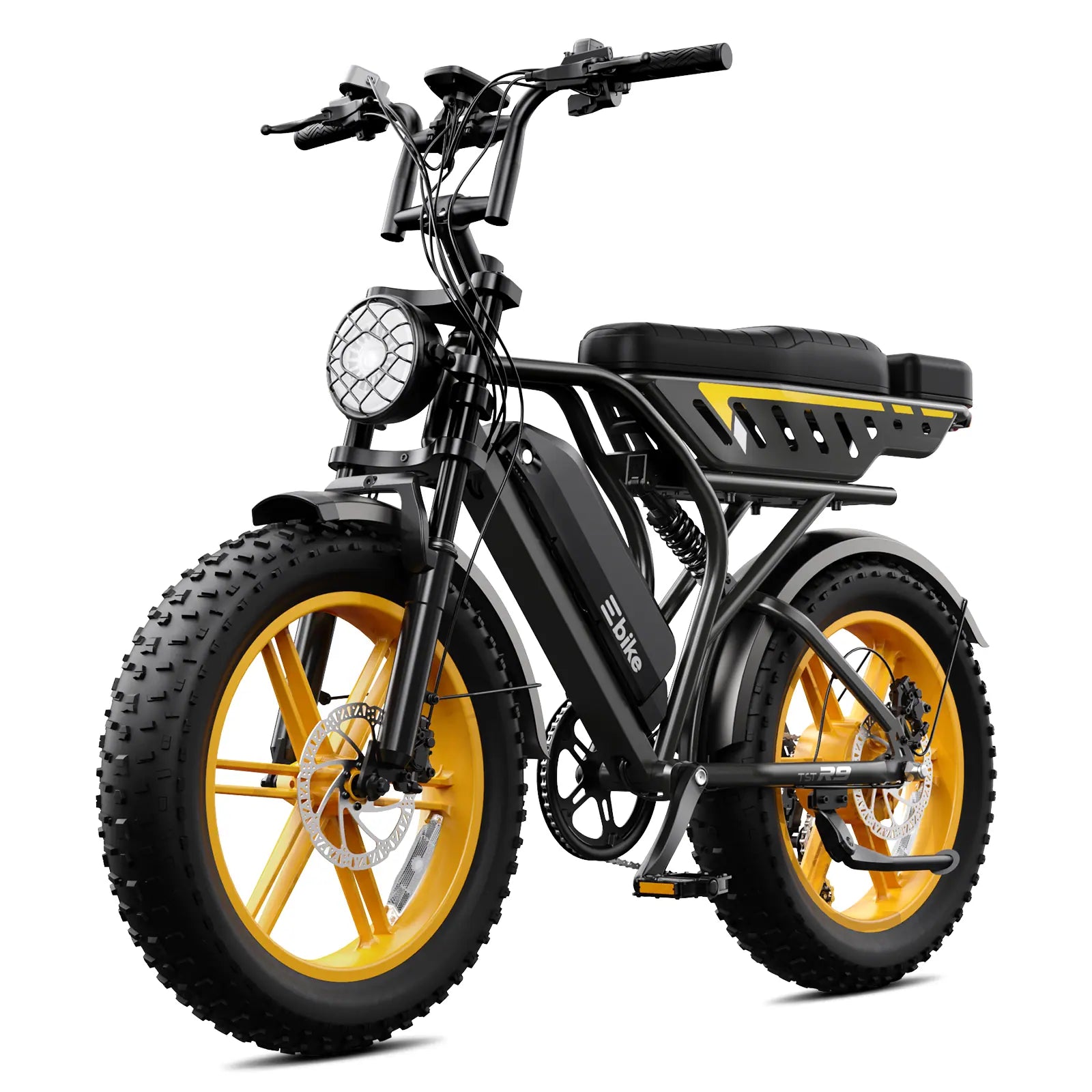

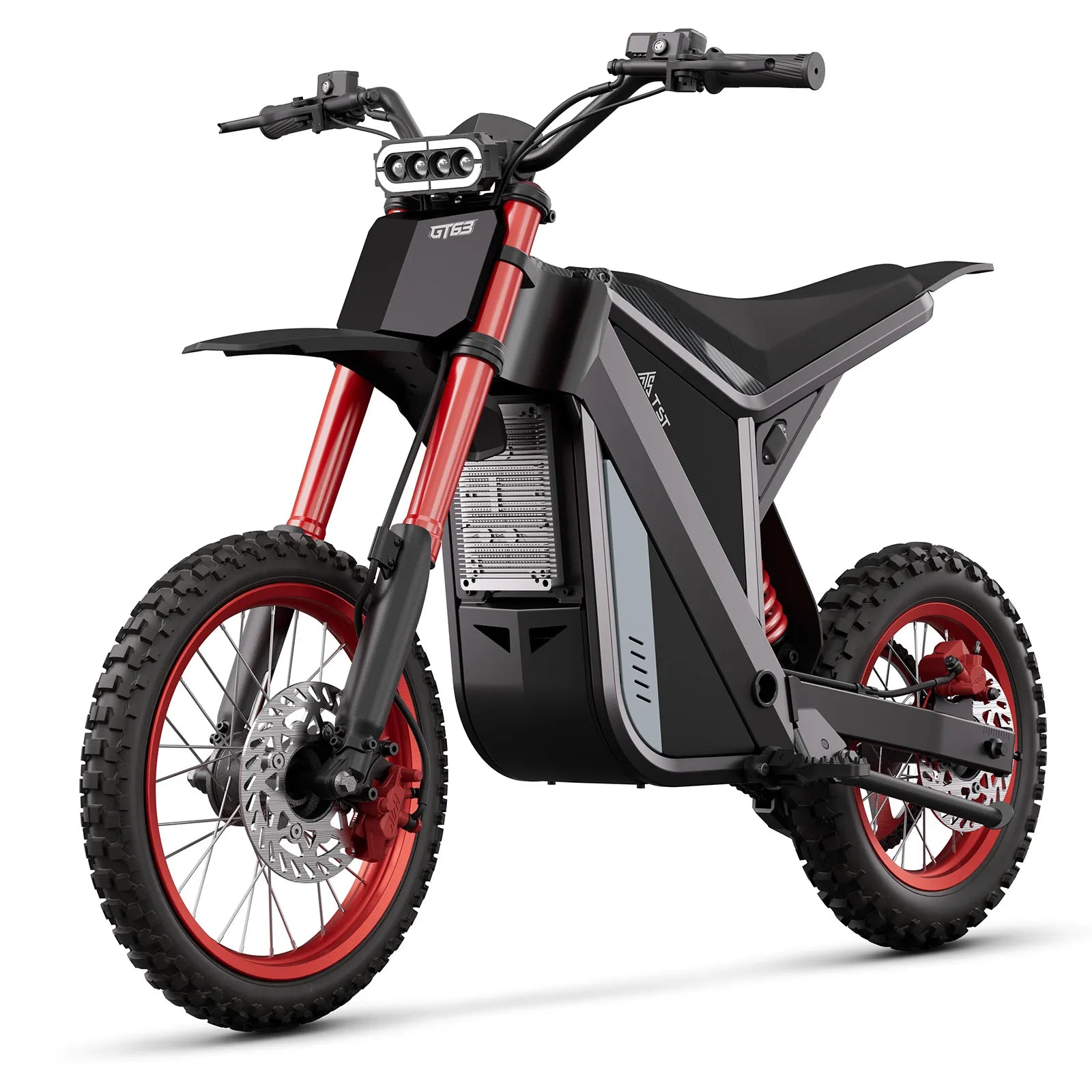
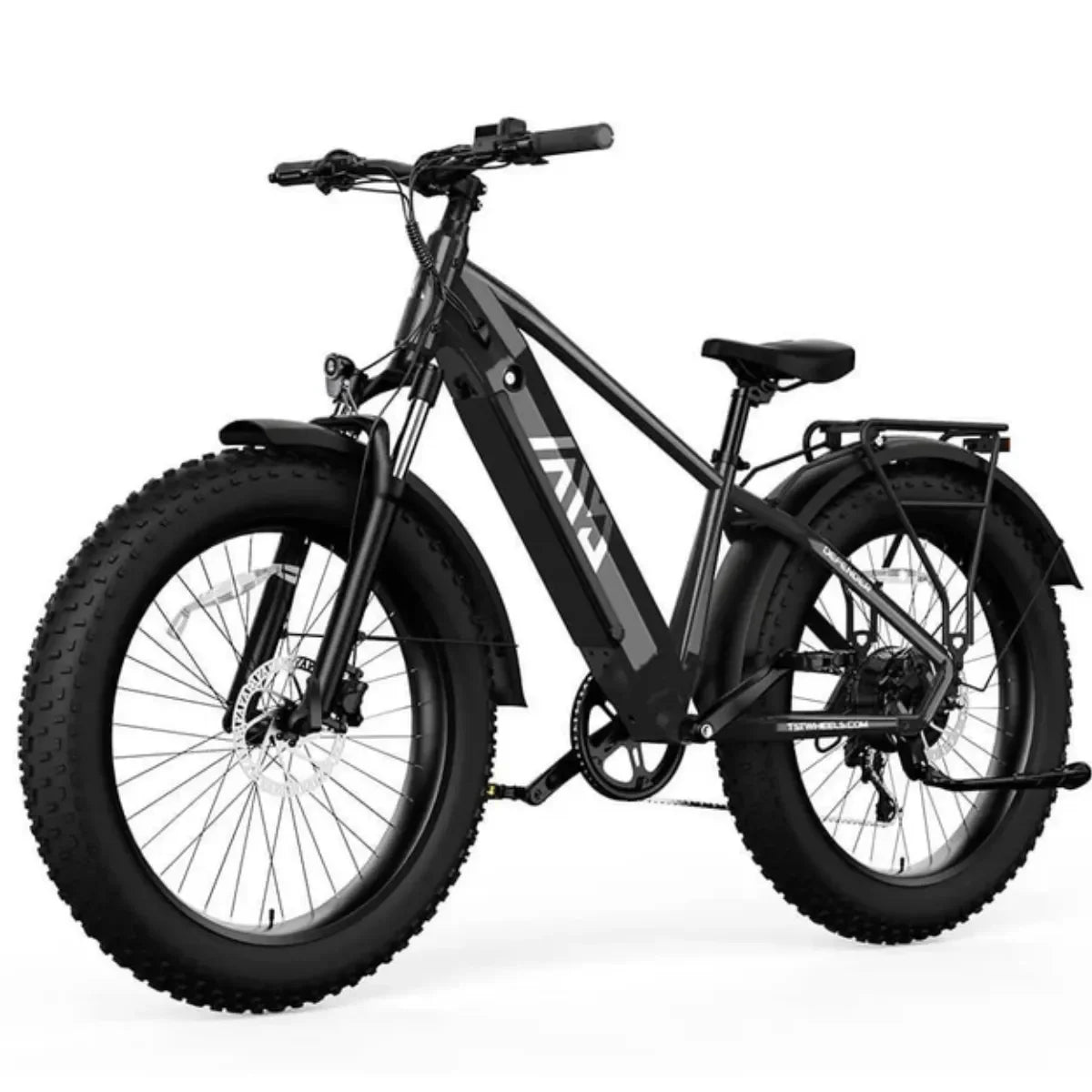
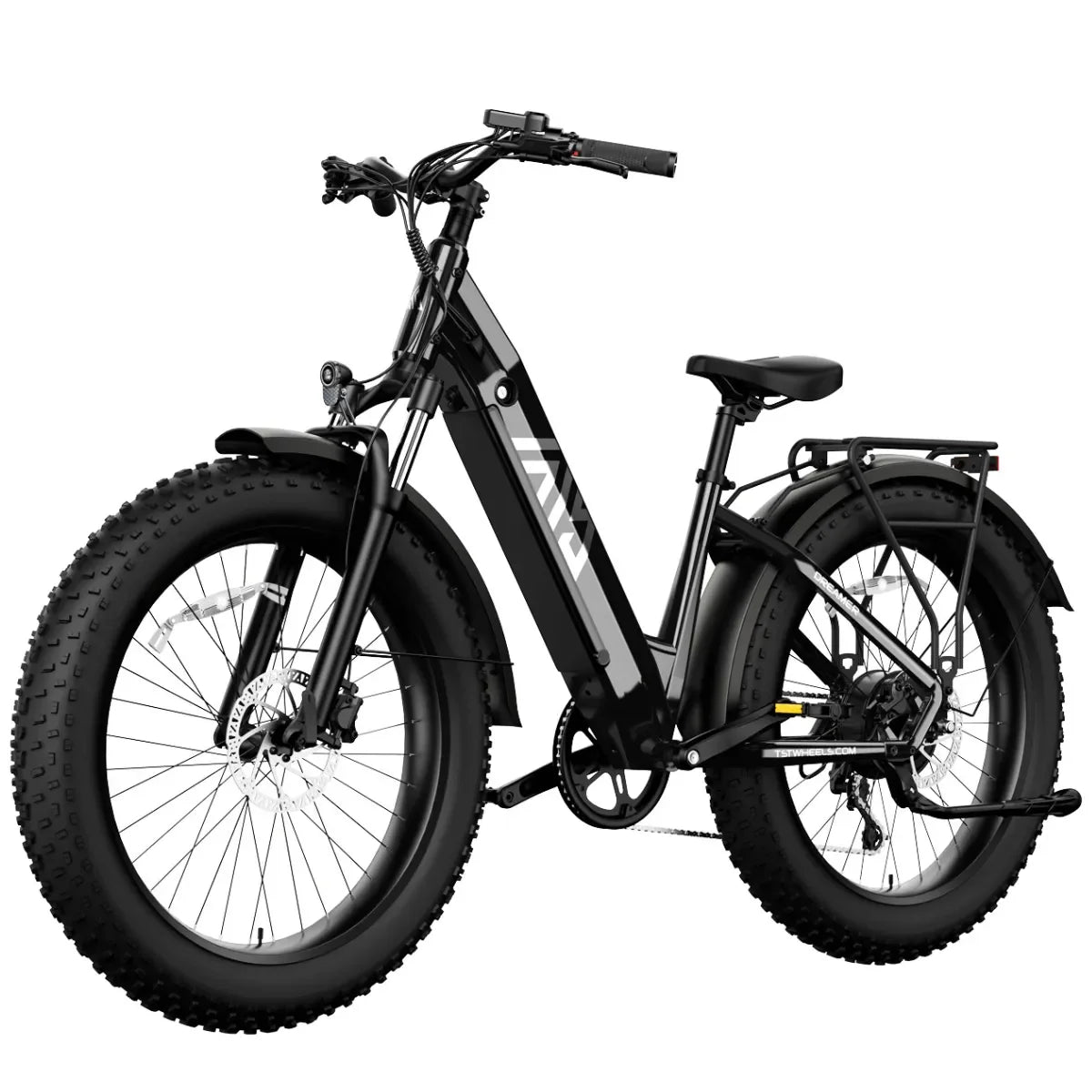

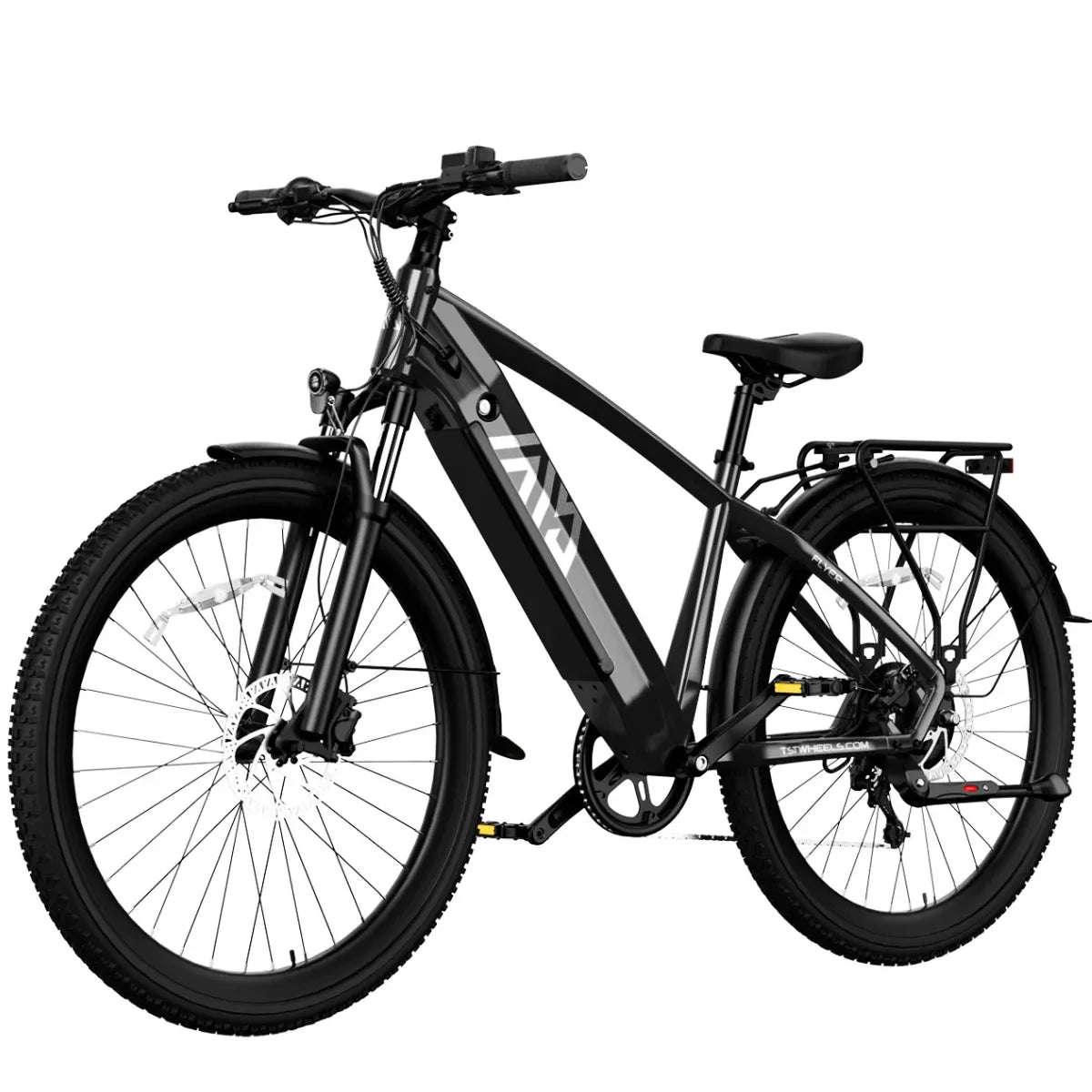
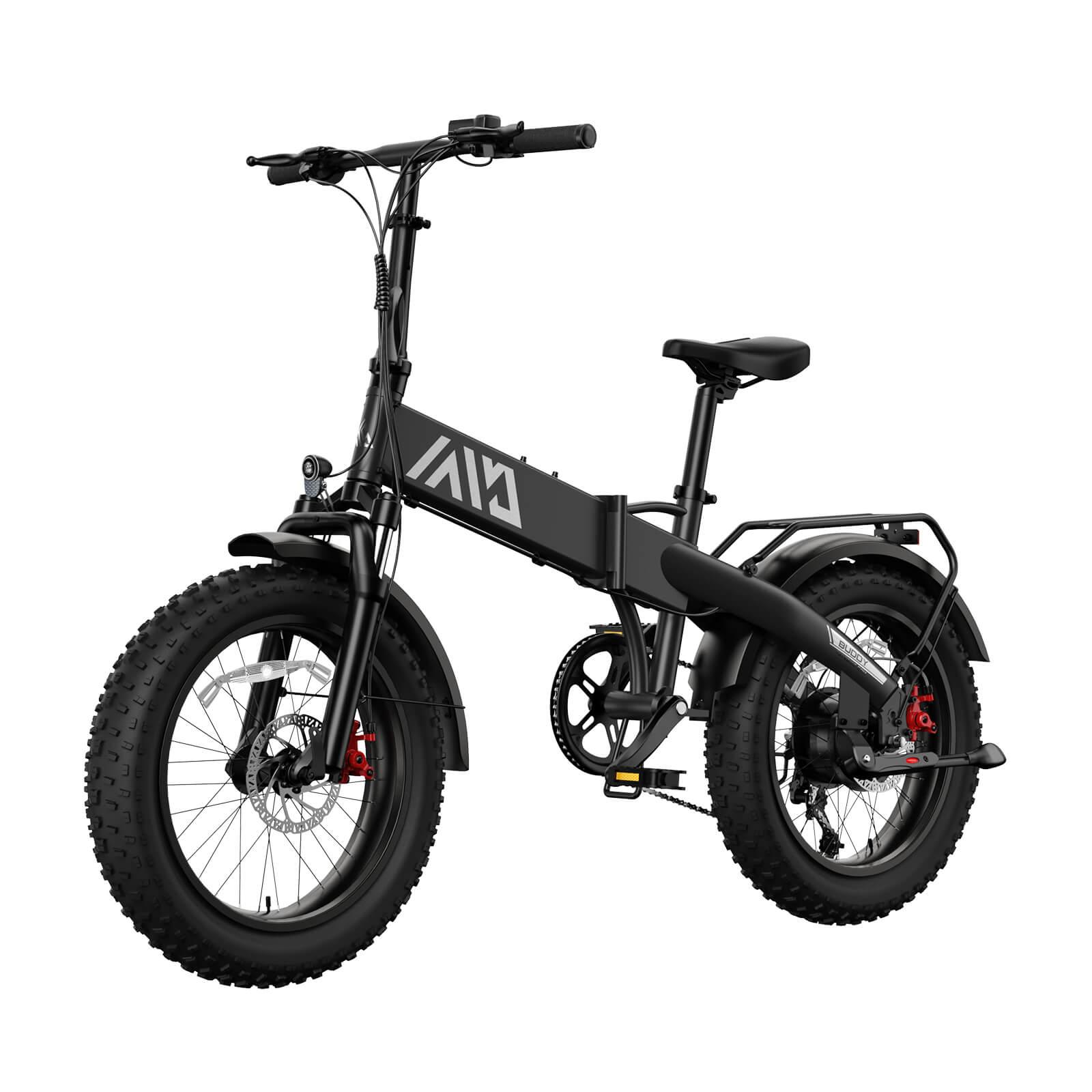

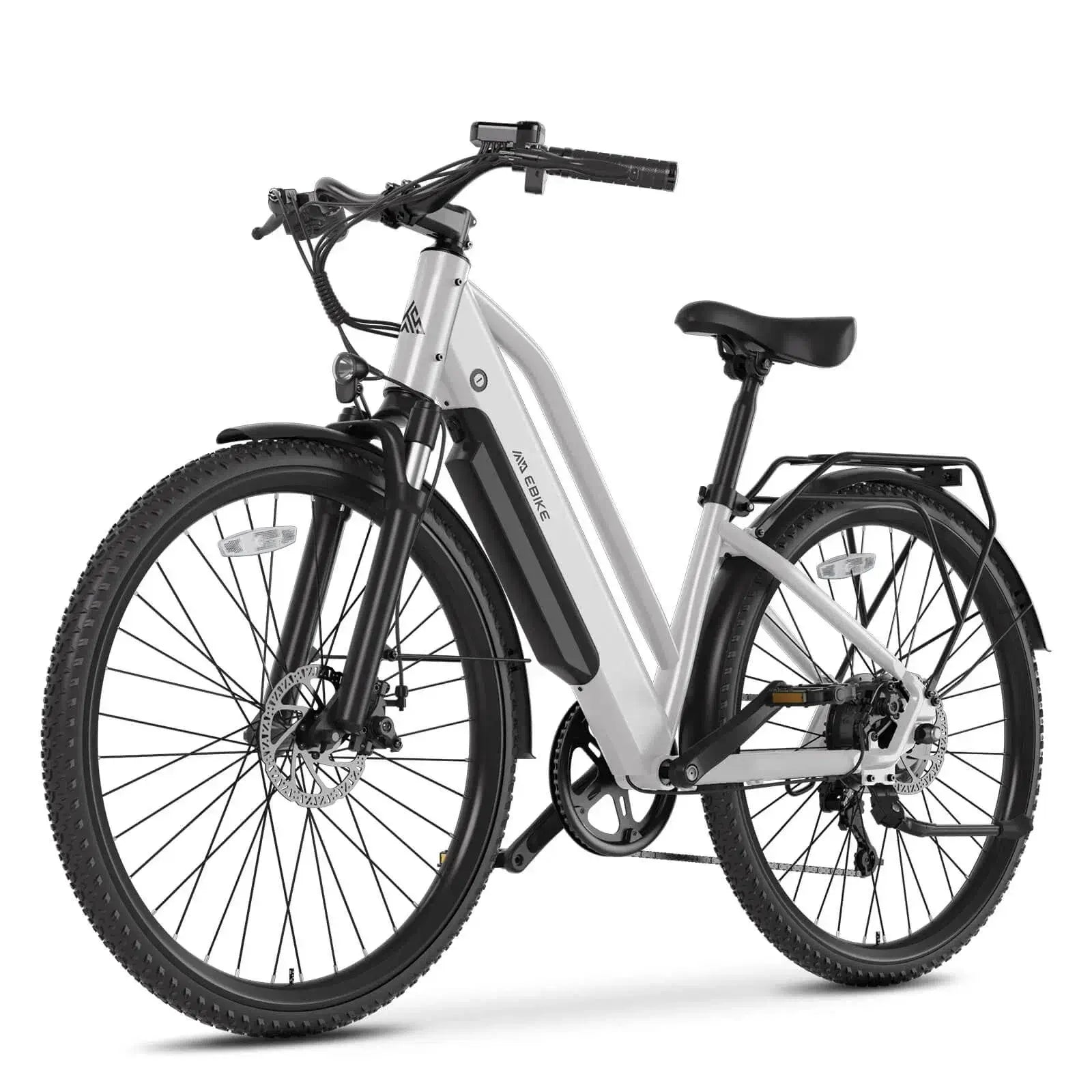







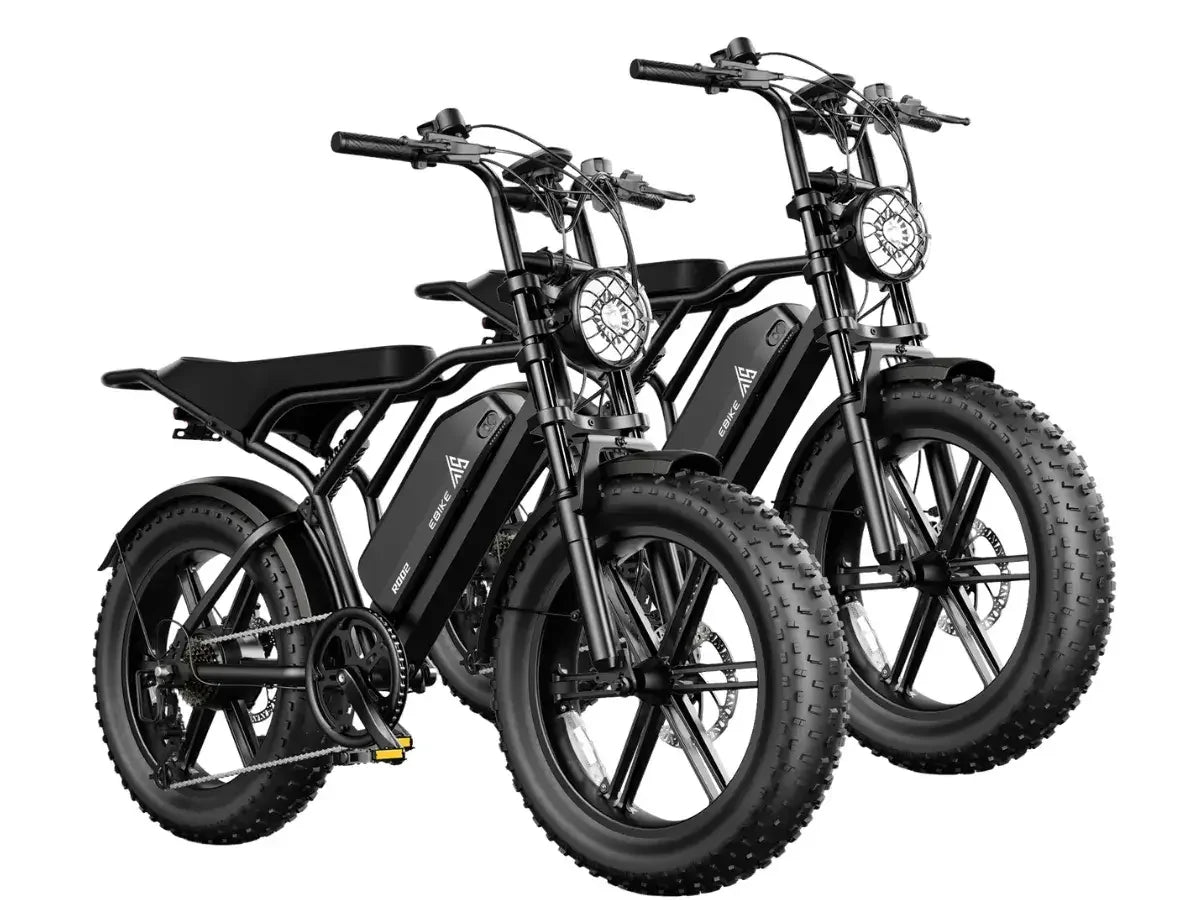
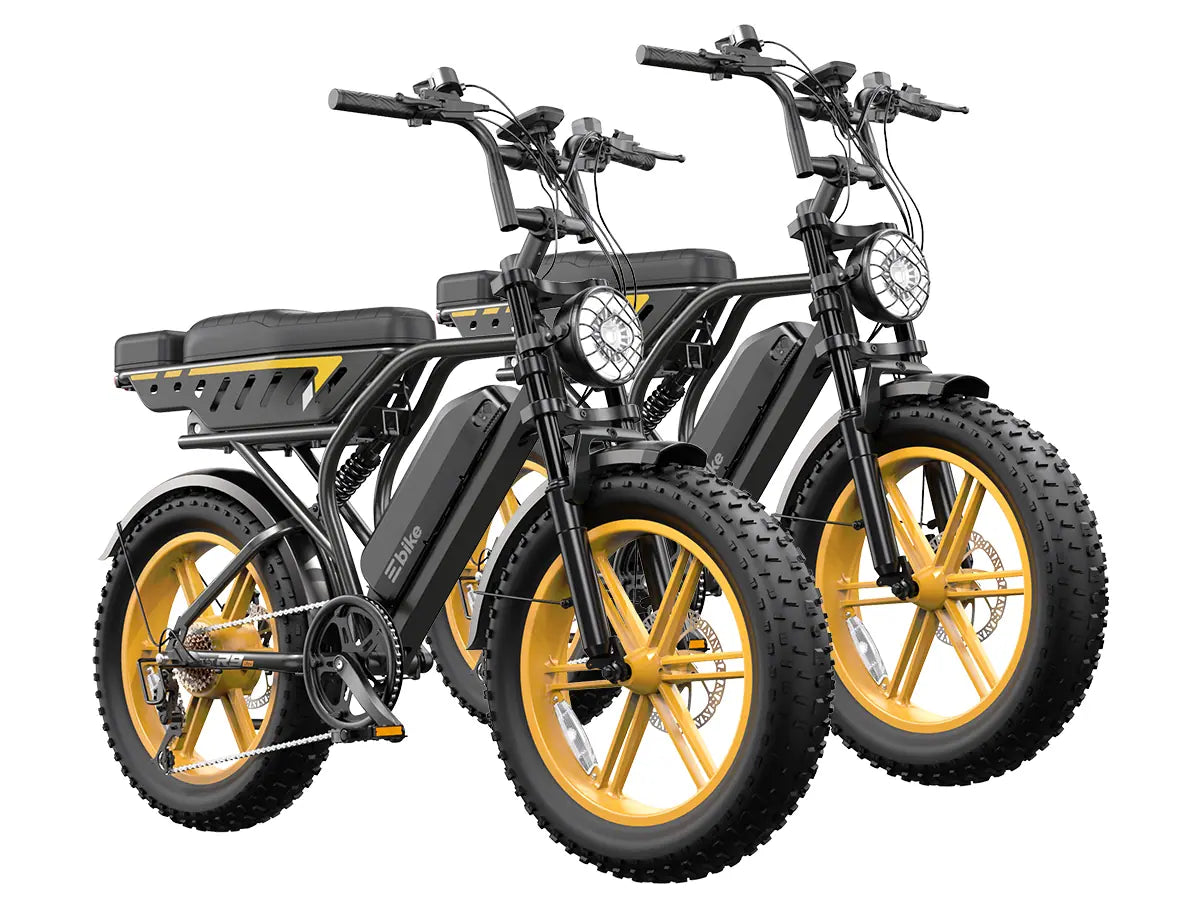

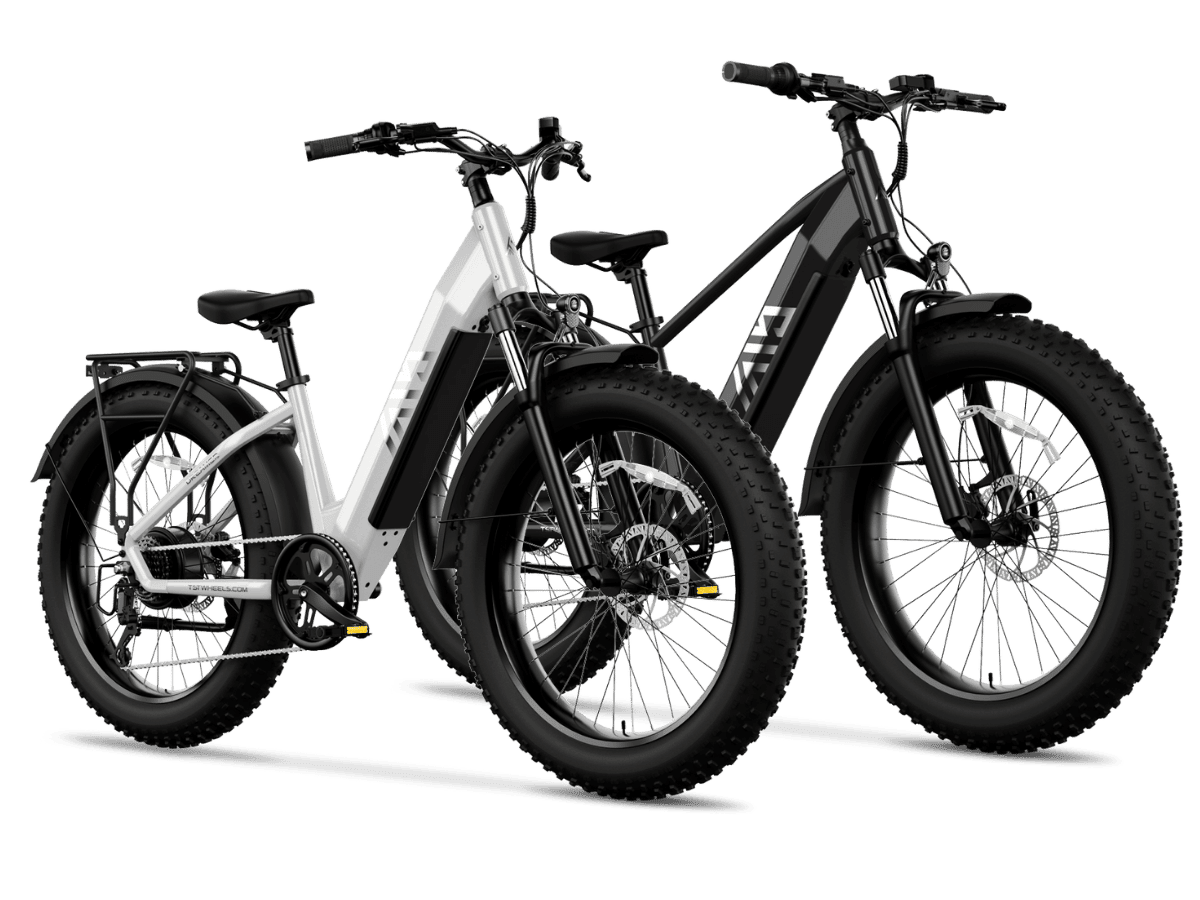
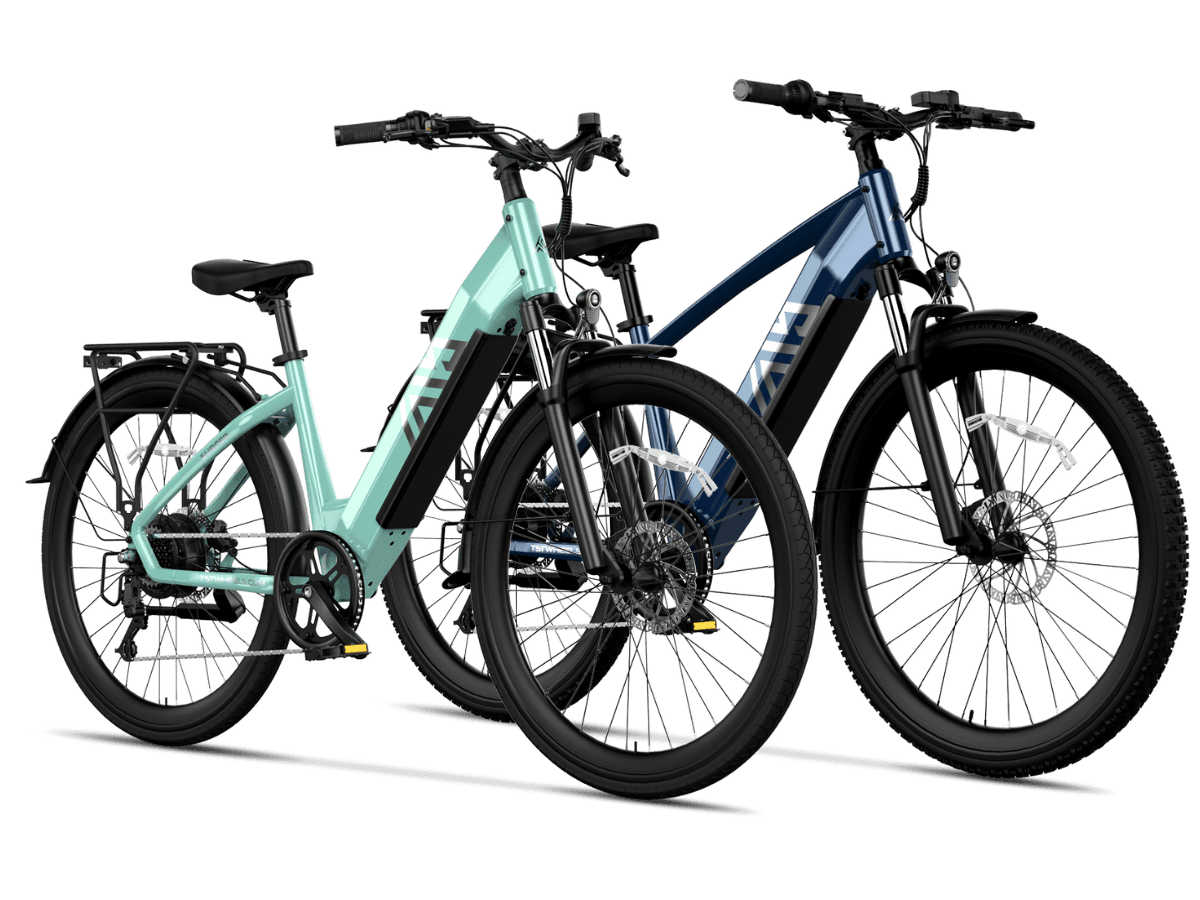
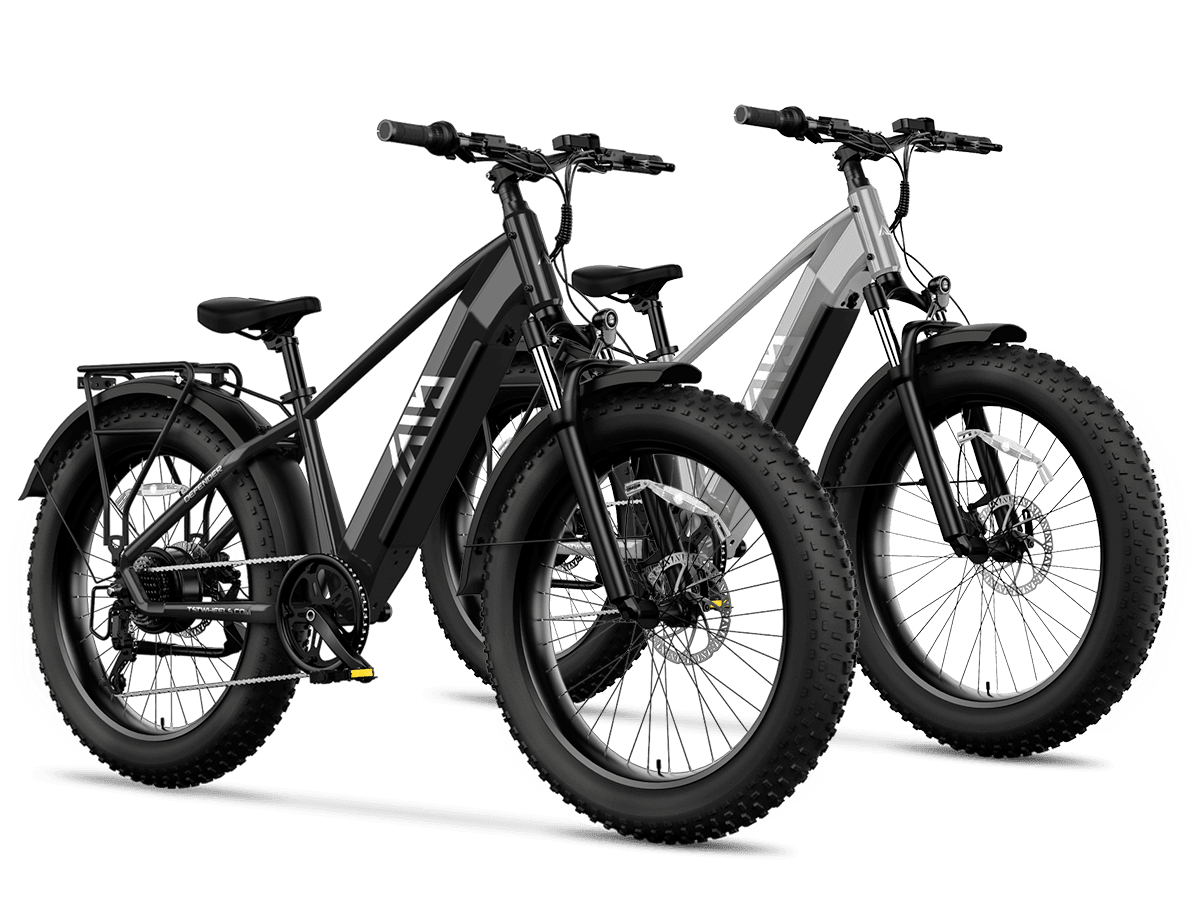
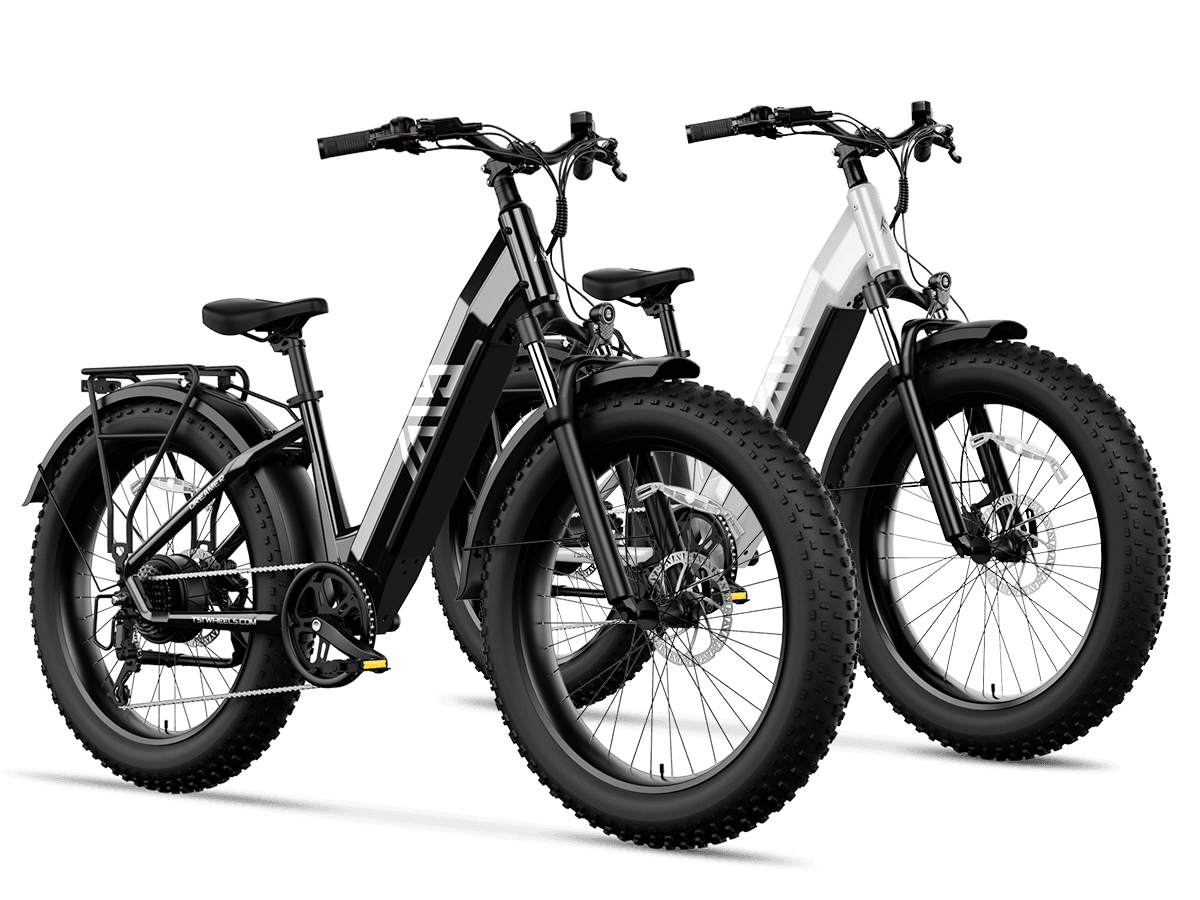

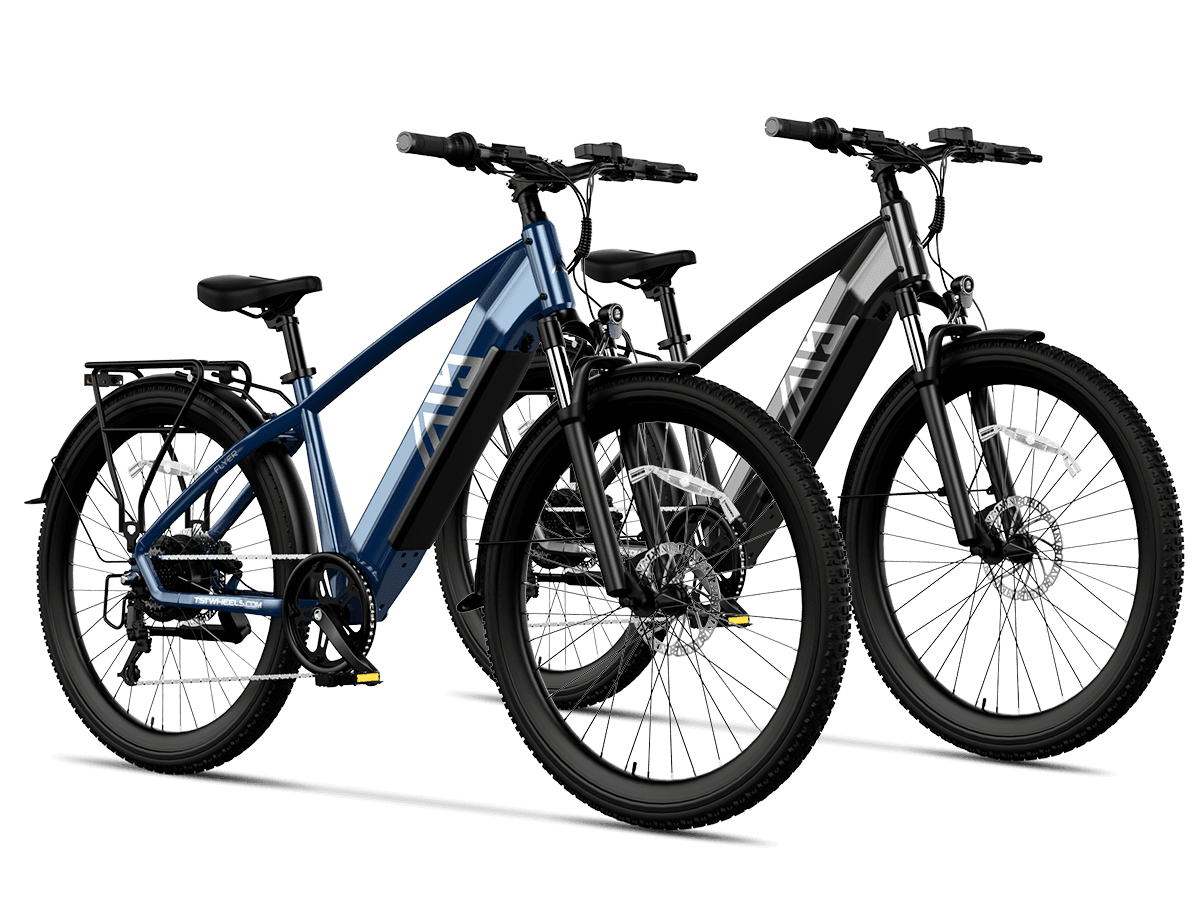
An electric cycle is a traditional bicycle enhanced with an electric motor and battery that assist the rider’s pedaling effort. This hybrid form of transportation reduces the physical strain of riding, allowing for easier travel over long distances and varied terrains. Electric cycles combine human power with electric assistance seamlessly, creating efficient, eco-friendly, and accessible mobility options.
What Is an Electric Cycle and How Does It Differ from a Regular Bike?
An electric cycle resembles a regular bike but integrates an electric drive system consisting of a motor, battery, sensor, controls, and sometimes a display. Unlike regular bikes that rely solely on human strength, electric cycles provide pedal-assist or throttle-driven power to the wheels, making it easier to accelerate, climb hills, and extend travel range without extra fatigue. Despite these additions, they maintain the basic function and feel of a conventional bike. Why Choose Folding Ebikes With Integrated Carrying Handles?
How Do the Key Components of an Electric Cycle Function?
The main components of an electric cycle include:
- Motor: Provides electric power to the drivetrain or wheel hub, assisting pedaling effort.
- Battery: Stores energy, typically lithium-ion, powering the motor for average ranges of 20 to 40 miles or more per charge.
- Sensor: Detects pedaling activity to regulate motor assistance proportional to effort.
- Controls: Allow riders to adjust assistance levels or enable throttle operation.
- Display: Shows information like speed, battery level, distance traveled, and assistance mode.
Chart: Electric Cycle Components and Their Functions
| Component | Function | Impact |
|---|---|---|
| Motor | Assists pedaling power | Easier riding, speed support |
| Battery | Stores and supplies electrical energy | Determines travel range |
| Sensor | Detects pedal input | Smooth assistance delivery |
| Controls | Adjust power levels | Personalized riding experience |
| Display | Provides ride data | User awareness and control |
Which Types of Electric Cycles Are Available and What Are Their Uses?
Electric cycles come in various forms including commuter e-bikes, mountain e-bikes, folding models, and cargo e-bikes. Each type caters to different rider needs: city commuters prioritize battery life and comfort, mountain e-bikes emphasize power and suspension for rough terrains, while cargo e-bikes provide stability and carrying capability. This diversity allows electric cycles to serve broad transport and leisure purposes.
Why Are Battery Capacity and Motor Power Important in an Electric Cycle?
Battery capacity directly affects how far an electric cycle can travel on a single charge, with larger batteries offering longer ranges. Motor power, measured in watts, influences how much assistance the rider receives—ranging generally from 250W to 750W. Higher motor power helps with hill climbing and faster acceleration, making these factors critical for performance and rider satisfaction.
Chart: Battery Capacity and Motor Power Effects
| Battery Capacity (Wh) | Motor Power (W) | Typical Range (Miles) | Usage Scenario |
|---|---|---|---|
| 250-400 Wh | 250-350W | 15-30 | Casual city riding |
| 400-700 Wh | 500-750W | 30-50+ | Mountain, longer commutes |
How Can You Evaluate Quality and Cost-Effectiveness in Electric Cycles?
Assessing quality involves examining battery technology, motor reliability, frame material, brake types, and warranty. Cost-effectiveness aligns with components’ durability and after-sales service. Brands like TST EBike focus on consumer feedback and stringent quality control to offer affordable electric cycles that perform reliably across different riding conditions.
Buying Tips
When purchasing an electric cycle, consider your primary riding needs and terrain. Check for sufficient battery capacity and motor power to cover your typical distances and inclines. Ensure the bike includes quality brakes and durable components. Choose reputable manufacturers like TST EBike that emphasize quality control and customer support. Confirm warranty terms and inquire about local service options. Lastly, test ride models when possible to assess comfort and handling.
What Insights Do TST EBike Experts Provide About Electric Cycles?
TST EBike experts say:
"Electric cycles represent a transformative solution for urban and recreational mobility. By combining powerful motors with user-friendly designs and battery technologies, our models cater to diverse rider demands while maintaining affordability and reliability. We continuously integrate consumer feedback to refine our electric cycles for unmatched performance and satisfaction."
This customer-focused innovation underpins TST EBike’s leadership in the electric cycle market.
What Are the Most Common FAQs About Electric Cycles?
What Is an Electric Cycle and How Does It Work?
An electric cycle combines traditional pedaling with motor assistance powered by a rechargeable battery. When you pedal, sensors activate the motor to provide extra power, making uphill climbs and long rides easier. Brands like TST EBike enhance this experience with efficient motors and durable frames for smooth performance.
How Do Different Electric Cycle Motors Work?
Electric cycle motors come in hub-drive and mid-drive types. Hub motors power the wheels directly for steady acceleration, while mid-drive motors work through the gear system for better hill-climbing efficiency. Both types balance speed and energy use, depending on your riding style and terrain.
How Long Does an Electric Cycle Battery Last?
An electric cycle battery typically lasts 3–5 years or about 500–1,000 charge cycles. Battery life depends on usage, terrain, and charging habits. Proper maintenance, like avoiding overcharging and extreme temperatures, can extend battery performance for years of reliable cycling.
What Are the Best Electric Cycles for Beginners in 2026?
The best electric cycles for beginners in 2026 feature simple controls, reliable motors, and long-lasting batteries. Lightweight and stable models with user-friendly pedal assist make learning easy. TST EBike offers versatile 27-inch models ideal for commuting and recreational rides.
Why Are Electric Cycles Ideal for Daily Commuting?
Electric cycles are perfect for commuting—they’re cost-effective, eco-friendly, and save time in traffic. The motor assistance lets riders travel longer distances without fatigue, while lightweight frames ensure comfortable rides. Modern e-cycles also reduce environmental impact compared to cars and public transport.
How Do You Maintain an Electric Cycle Properly?
To maintain an electric cycle, keep it clean, check tire pressure, lubricate the chain, and monitor brake pads. Regularly inspect battery connections and charge properly. Routine maintenance protects components, ensures smooth rides, and extends your e-cycle’s overall lifespan.
Are Electric Cycles Worth the Cost Compared to Traditional Bikes?
Electric cycles cost more upfront but save money long-term through lower commuting costs and minimal maintenance. They provide faster travel, easier climbs, and less physical strain. Many riders find the convenience and versatility of e-cycles well worth the investment.
How Do Electric Cycles Help the Environment?
Electric cycles reduce carbon emissions and traffic congestion by replacing fuel-dependent transport. They conserve energy, promote sustainable urban mobility, and support cleaner air. Brands like TST EBike encourage eco-friendly commuting with efficient designs built for lasting performance.

Leave a comment
All comments are moderated before being published.
This site is protected by hCaptcha and the hCaptcha Privacy Policy and Terms of Service apply.