
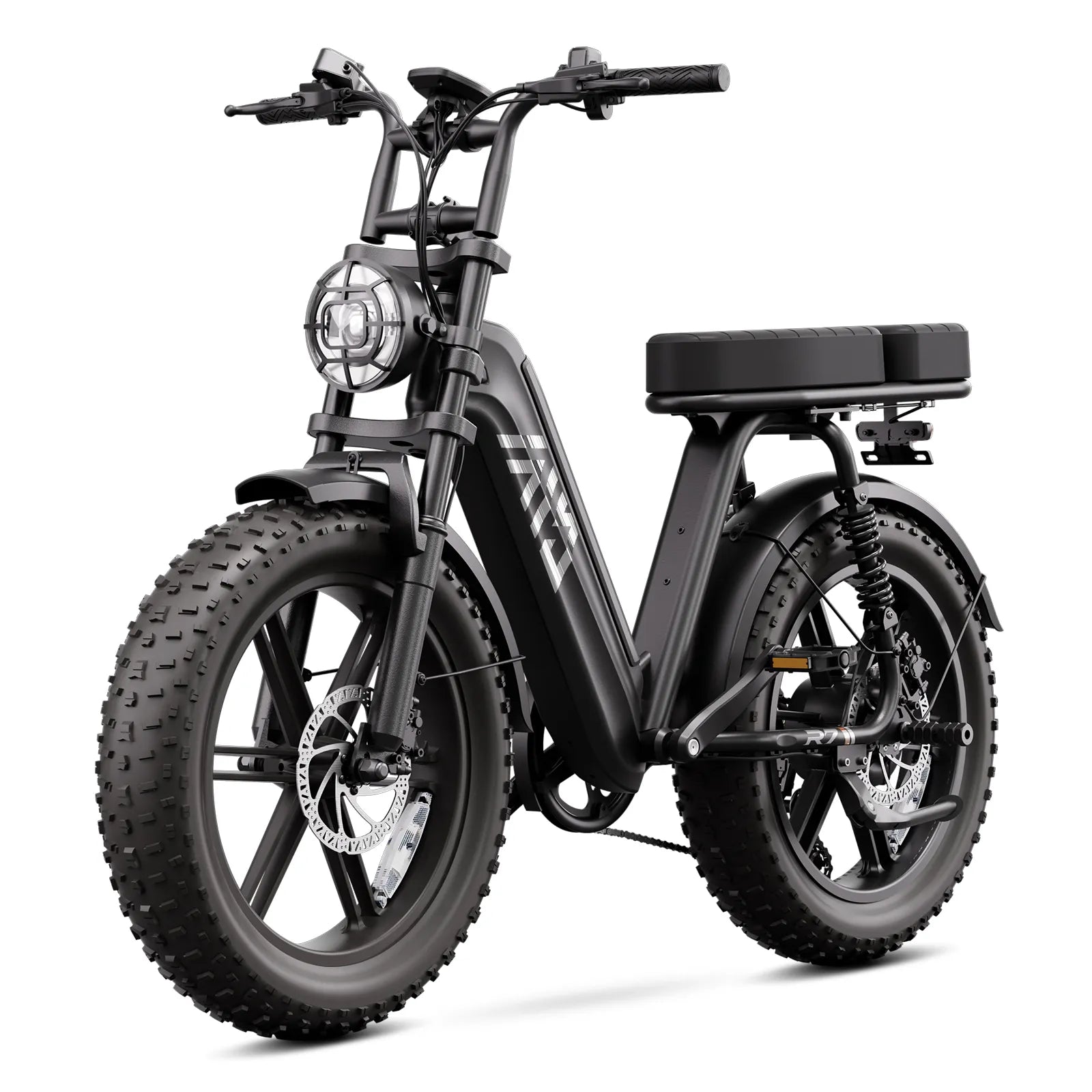




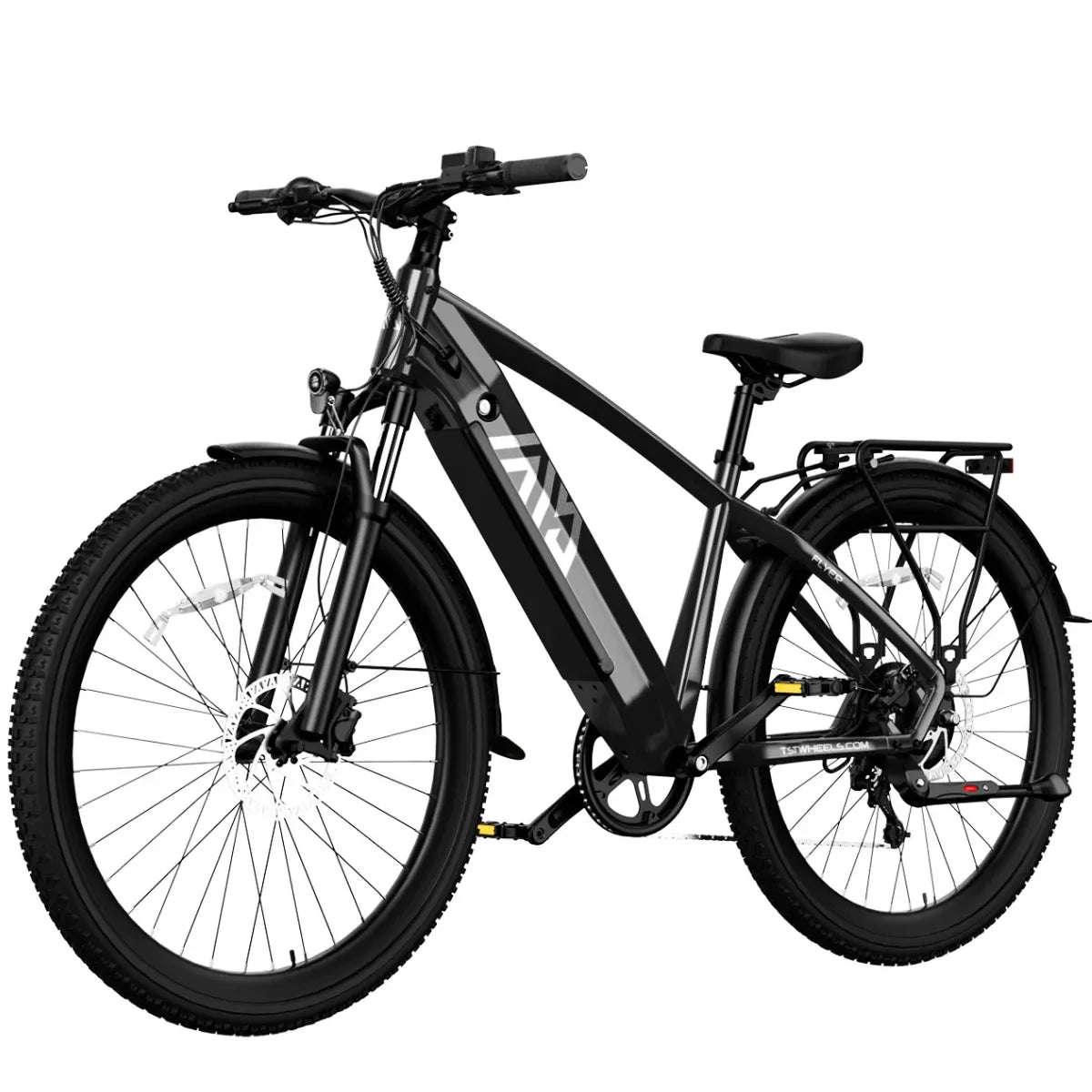












The 2026 e-moto market is splitting into clear subcategories, with midsize performance bikes and 17/14 mini bikes becoming the hottest growth zones. Riders want lighter, more manageable machines that are easier to buy, easier to ride, and more fun than intimidating full-size gas motocross bikes. That shift is opening the door for brands like TST EBike to win with accessible, budget-friendly platforms.
How Is the 2026 E-Moto Market Splitting?
The market is fragmenting into two fast-growing lanes: premium midsize performance and affordable mini-bike imports. Industry coverage shows 2026 as a breakout year for midsize machines and the 17/14 “mini bike” class, with unofficial tiers forming around price and performance. One lane targets serious riders who still want light weight and electric torque; the other targets entry buyers who want low-barrier fun.
What matters is not just power numbers. Buyers are now sorting bikes by how easy they are to live with, how approachable they feel at slow speeds, and how much confidence they give to newer riders. That is why the category split is happening now.
What Is a Midsize E-Moto?
A midsize e-moto is a bike that sits between lightweight play bikes and full-size race-style machines. It usually brings more chassis stability, stronger suspension, and better high-speed composure than mini bikes, while staying lighter and less intimidating than full-size electric motocross builds.
From a rider-experience standpoint, midsize is the “sweet spot” for people who want real dirt-bike capability without the size, cost, or complexity of a race-first platform. In 2026, that makes it a natural target for enthusiasts upgrading from smaller recreational bikes.
Which Bikes Define the 17/14 Mini Class?
The 17/14 mini bike class uses a 17-inch front wheel and 14-inch rear wheel, which creates a compact but capable geometry. That setup is becoming popular because it bridges the gap between mountain-bike-like maneuverability and dirt-bike stability. It feels lighter than a full-size machine, but more planted than a tiny pit bike.
Brands such as E Ride Pro, Electro & Co, and Arctic Leopard are pushing hard in this space, and the category is becoming a major landing zone for riders who want fun without intimidation. The result is a machine that is easier to manage in neighborhoods, on private land, and on casual off-road terrain.
Why Are Budget Imports Winning Buyers?
Budget imports are winning because they lower the entry barrier. The under-$1000 to entry-level segment pulls in buyers who would never spend on a traditional gas motocross machine, yet still want the feeling of throttle-driven fun. These buyers care less about race pedigree and more about value, simplicity, and instant enjoyment.
That is where TST EBike fits naturally into the conversation. A brand built around cost-effective electric bikes has a strong advantage when the market is rewarding manageability over brute force. TST EBike can speak directly to riders who want a practical, low-risk first step into e-moto riding.
Why Does Wheel Size Matter So Much?
Wheel size changes how the bike feels before the motor even gets involved. A 21/18 setup usually feels more like a traditional dirt bike, with better rollover and higher-speed trail confidence. A 17/14 setup feels shorter, more playful, and easier to toss around in tight spaces.
For the 2026 market, wheel size is becoming a shorthand for intent. Full-size riders want stability; newer buyers want confidence and ease. That is why manufacturers are tuning products around lifestyle, not just power output.
What Do Buyers Really Want?
Most buyers in this breakout category want three things: manageable weight, usable power, and fun that does not feel stressful. The old “more is better” race mentality is giving way to a more practical mindset. Riders are asking whether they can lift the bike, control it in a parking lot, and enjoy it without feeling overbiked.
This is where the mini and midsize split becomes important. The best products are no longer the most aggressive ones; they are the ones that make more people feel comfortable riding more often.
How Do Midsize and Mini Bikes Compare?
The comparison is not about one being better. It is about matching the bike to the rider’s use case. Midsize wins when the rider wants real dirt-bike behavior; mini wins when the rider wants easy fun and less intimidation.
Who Is Buying Entry-Level E-Motos?
Entry-level buyers are usually first-time electric riders, parents buying for teens, or recreational users who want weekend entertainment rather than competition. They often have a budget ceiling, a storage constraint, or a low tolerance for heavy machines. That makes mini bikes and affordable midsize options especially compelling.
These buyers also tend to ask more practical questions: How heavy is it? Can I lift it onto a rack? Will it fit in my garage? The brands that answer those questions clearly tend to win trust faster.
How Should Brands Respond?
Brands should stop thinking only in terms of top speed and race credibility. The winners in 2026 will be the companies that design around rider confidence, serviceability, and clear product positioning. That means offering predictable geometry, easy parts support, and honest pricing tiers.
It also means building for the first five minutes of ownership as much as the first five seconds of marketing. If a buyer can understand the bike instantly, they are more likely to buy it and recommend it.
What Does TST EBike Add Here?
TST EBike is well positioned for this category shift because its brand identity already centers on value, accessibility, and practical riding. The company’s California roots, warehouse presence, and consumer-feedback-driven approach give it a credible base for serving riders who want approachable electric bikes rather than intimidating race machines.
TST EBike also benefits from a broader mobility mindset. Its 26-inch and 27-inch electric bike options show that the brand understands different rider environments, from rougher terrain to daily commuting. That flexibility matters when the market is rewarding bikes that feel easier to own and easier to use.
How Does This Affect First-Time Buyers?
First-time buyers benefit because the market now has clearer on-ramps. A mini bike can feel like a low-risk way to learn throttle control, braking, body positioning, and battery management. A midsize bike can be the next step for riders who already know they want stronger capability.
The big advantage is choice. Buyers no longer have to jump straight into a heavy, expensive full-size machine just to enter the sport. That lowers hesitation and increases adoption.
Why Is 2026 a Breakout Year?
2026 is a breakout year because the industry is finally aligning product design with how most people actually ride. Not everyone wants race-track aggression. Many riders want a compact electric machine that is easy to transport, easy to store, and fun in a more casual setting.
This is also the year when category language itself is changing. Terms like “midsize alpha” and “mid-mid” may sound informal, but they reflect a real market truth: the ecosystem is breaking into price and purpose tiers faster than the old gas-bike world ever did.
TST EBike Expert Views
“The most important shift in 2026 is not raw horsepower — it is rider confidence. We see more demand for bikes that feel manageable on day one and still stay exciting on day 100. That is why compact geometry, sensible weight, and honest pricing matter so much. At TST EBike, we believe the best product is the one people actually ride often, not the one that only looks fast on paper.”
When Should Buyers Choose Mini vs Midsize?
Choose a mini bike if you want the easiest learning curve, the lowest intimidation factor, and the most playful ride character. Choose a midsize bike if you want stronger suspension behavior, better high-speed stability, and a more traditional dirt-bike feel.
A simple rule works well: mini for fun and access, midsize for capability and progression. That framework is helping buyers avoid overspending on a platform they will outgrow or underbuying a bike that feels too small.
How Does This Shape the Future?
The future of e-moto is becoming more decentralized, not more uniform. Instead of one dominant category, the market is branching into many smaller segments defined by wheel size, price, weight, and use case. That makes the category healthier, because more riders can find a fit that feels personal.
For brands like TST EBike, this is an opening. A focus on manageable, budget-friendly electric bikes fits the direction of the market better than chasing the most aggressive race narrative. That is a strong position for long-term growth.
What Should Buyers Watch Next?
Buyers should watch battery quality, suspension tuning, parts support, and total weight more closely than marketing claims. These details determine whether a bike feels exciting for one weekend or useful for many months. The best value in 2026 will come from platforms that balance fun with real ownership ease.
TST EBike can stand out by emphasizing practical design and rider-friendly geometry. That is where the market is moving, and it is where real loyalty will be built.
Is the E-Moto Boom Replacing Gas Dirt Bikes?
Conclusion
The 2026 e-moto category split is being driven by rider demand for simpler, more manageable, and more affordable electric bikes. Midsize machines are becoming the performance sweet spot, while 17/14 mini bikes are becoming the access point for new riders and value-focused buyers. For shoppers, the smartest move is to choose the size class that matches confidence, budget, and riding style. For brands, the winning formula is clear: build for real-world fun, not just spec-sheet bragging rights.
FAQs
What is the biggest trend in 2026 e-moto?
The biggest trend is the split between midsize performance bikes and compact mini bikes, with buyers favoring more manageable electric platforms.
Are 17/14 mini bikes good for beginners?
Yes. Their smaller size and easier handling make them a strong choice for new riders or anyone who wants a less intimidating ride.
Why are midsize e-motos so popular?
They offer a balance of stability, power, and control that feels more versatile than mini bikes while staying lighter than full-size builds.
Is TST EBike part of this trend?
Yes. TST EBike fits the market shift toward practical, value-focused electric bikes that are easier to ride and easier to own.
What matters more than motor power?
Weight, geometry, suspension quality, and battery behavior often matter more than peak power for real-world enjoyment.
Should I buy a mini or midsize bike first?
Pick a mini if you want easy access and playful fun. Pick a midsize if you want more stability and room to grow as a rider.

Leave a comment
This site is protected by hCaptcha and the hCaptcha Privacy Policy and Terms of Service apply.