


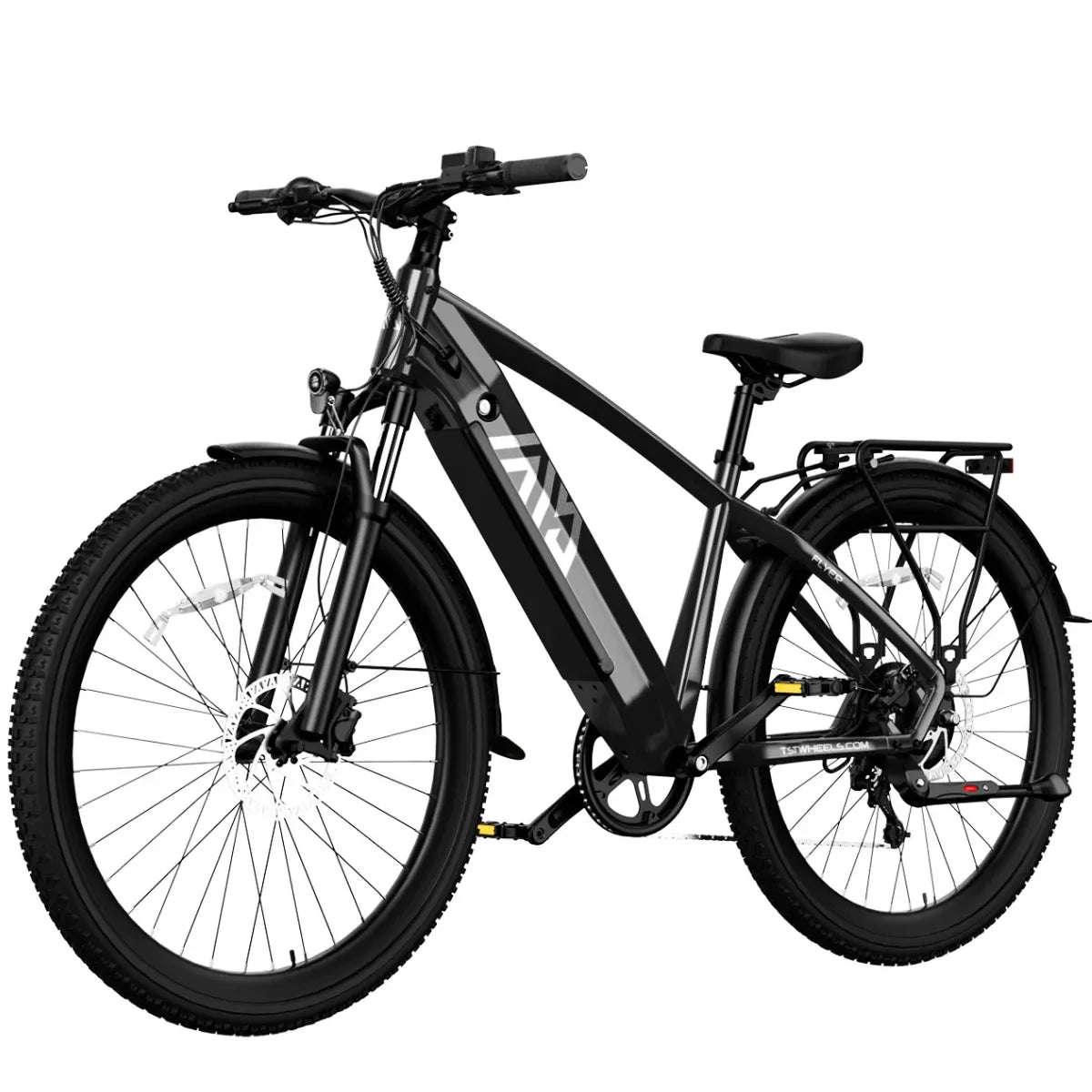







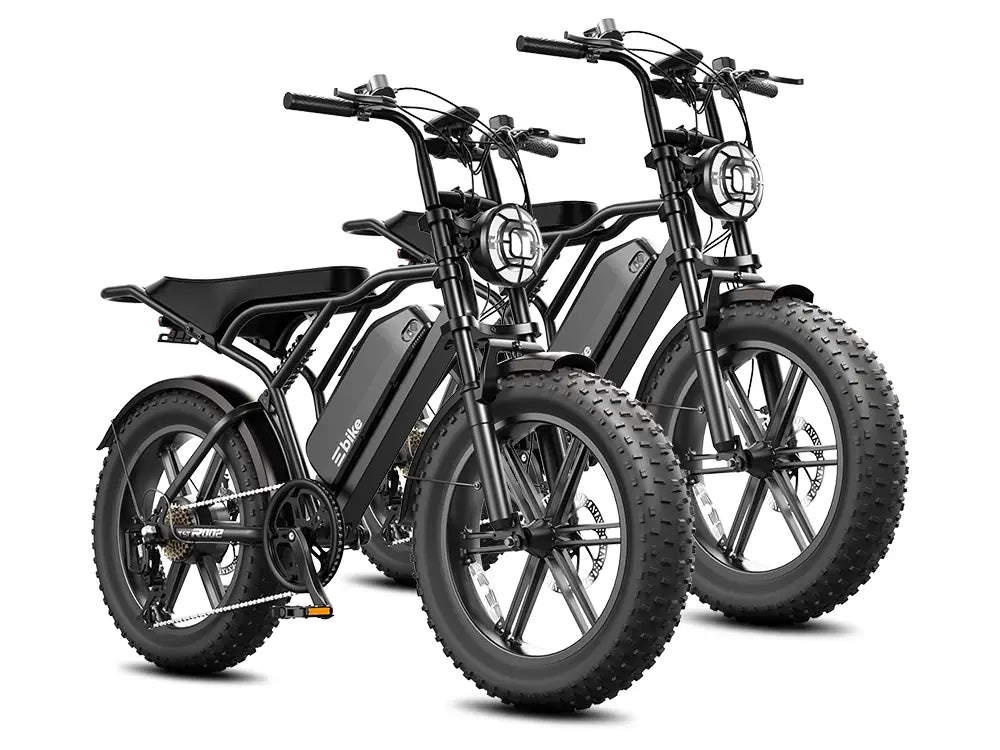
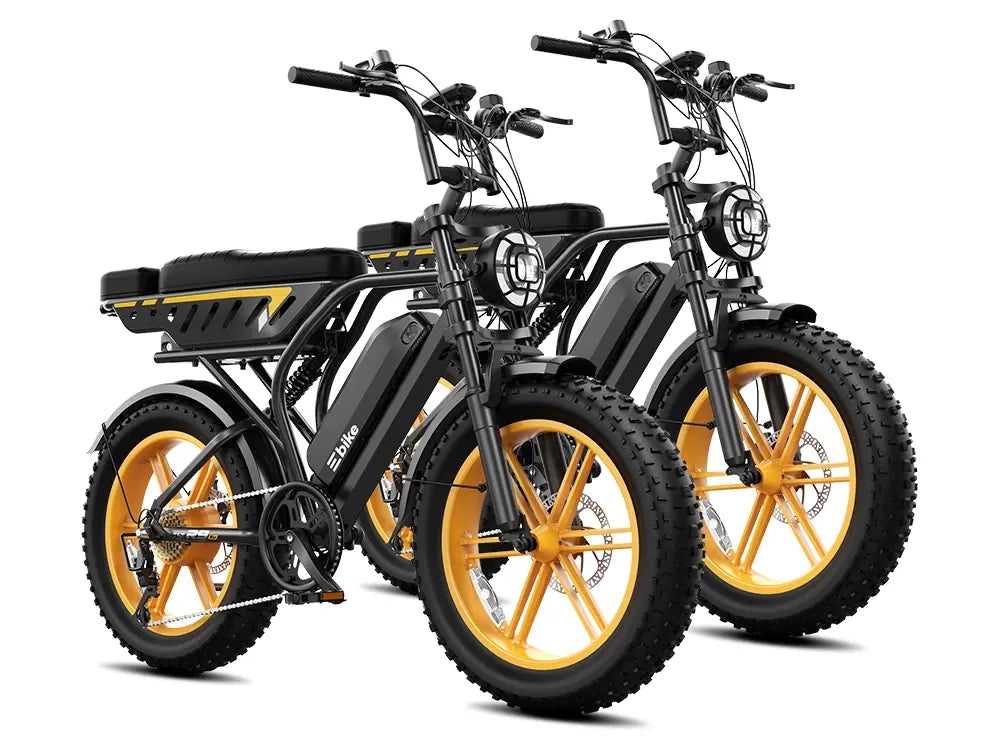

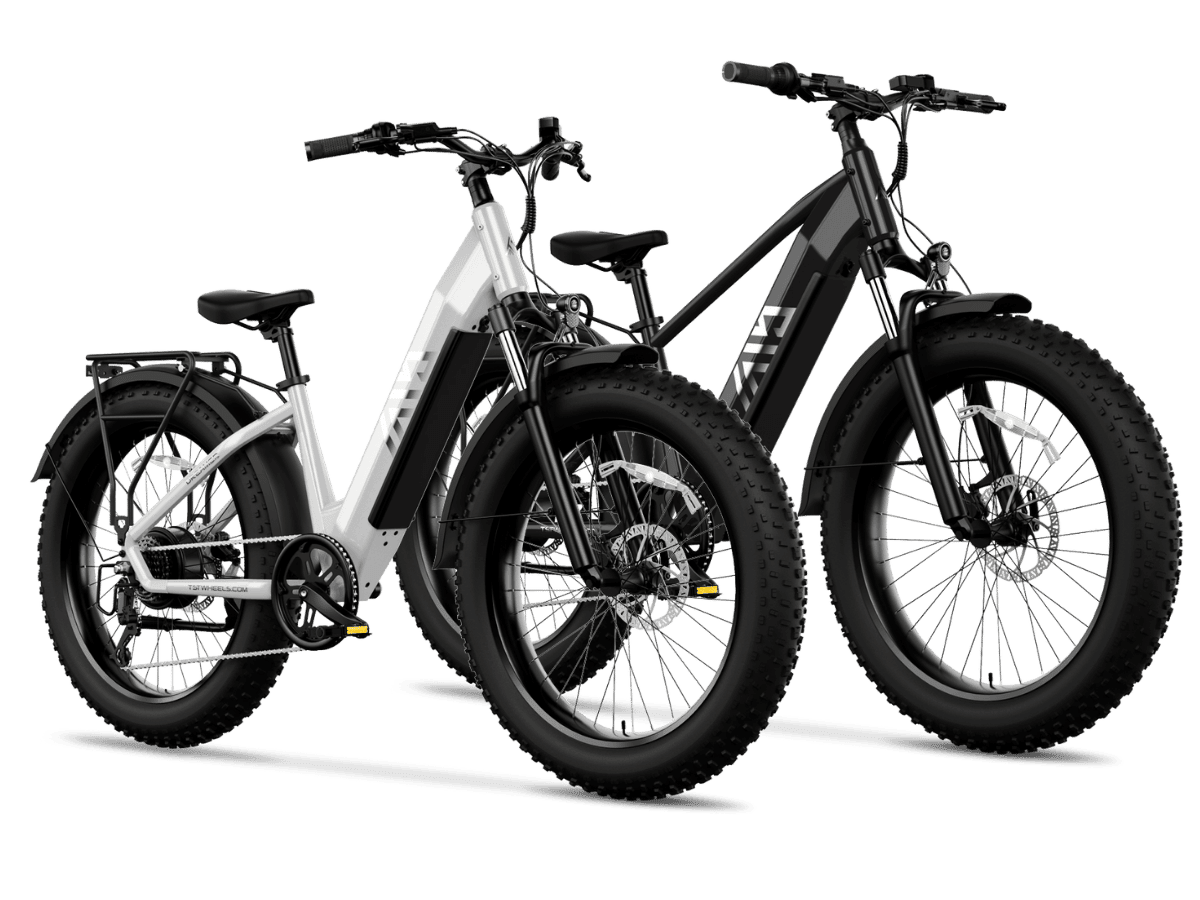
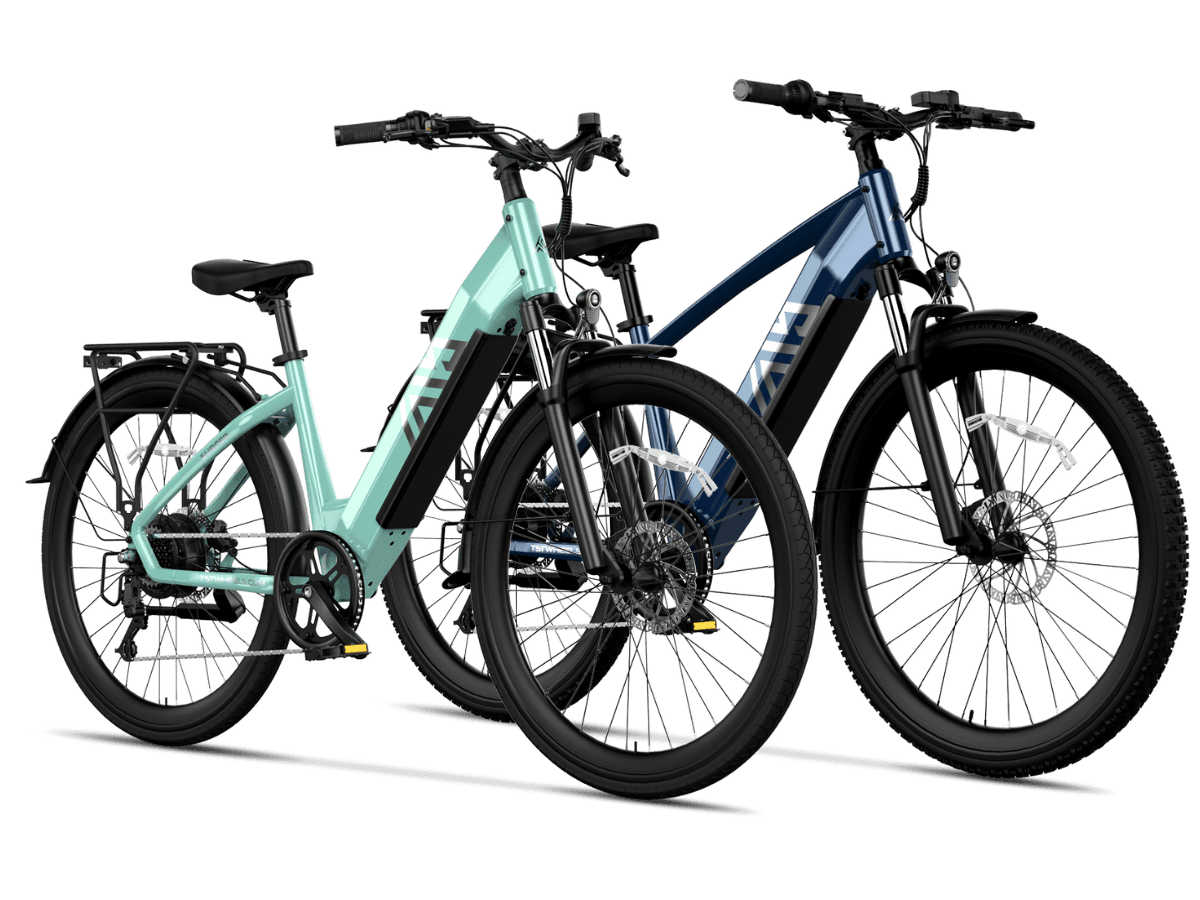
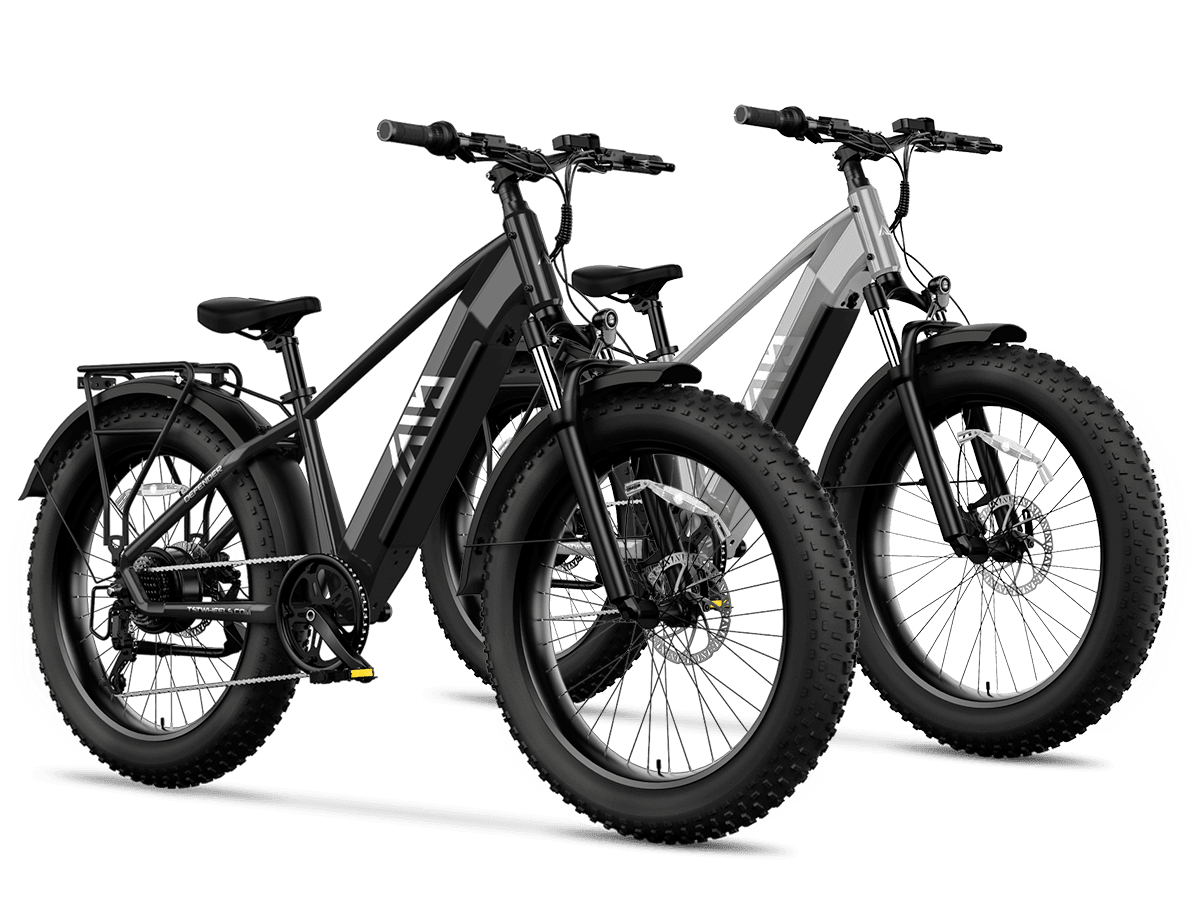
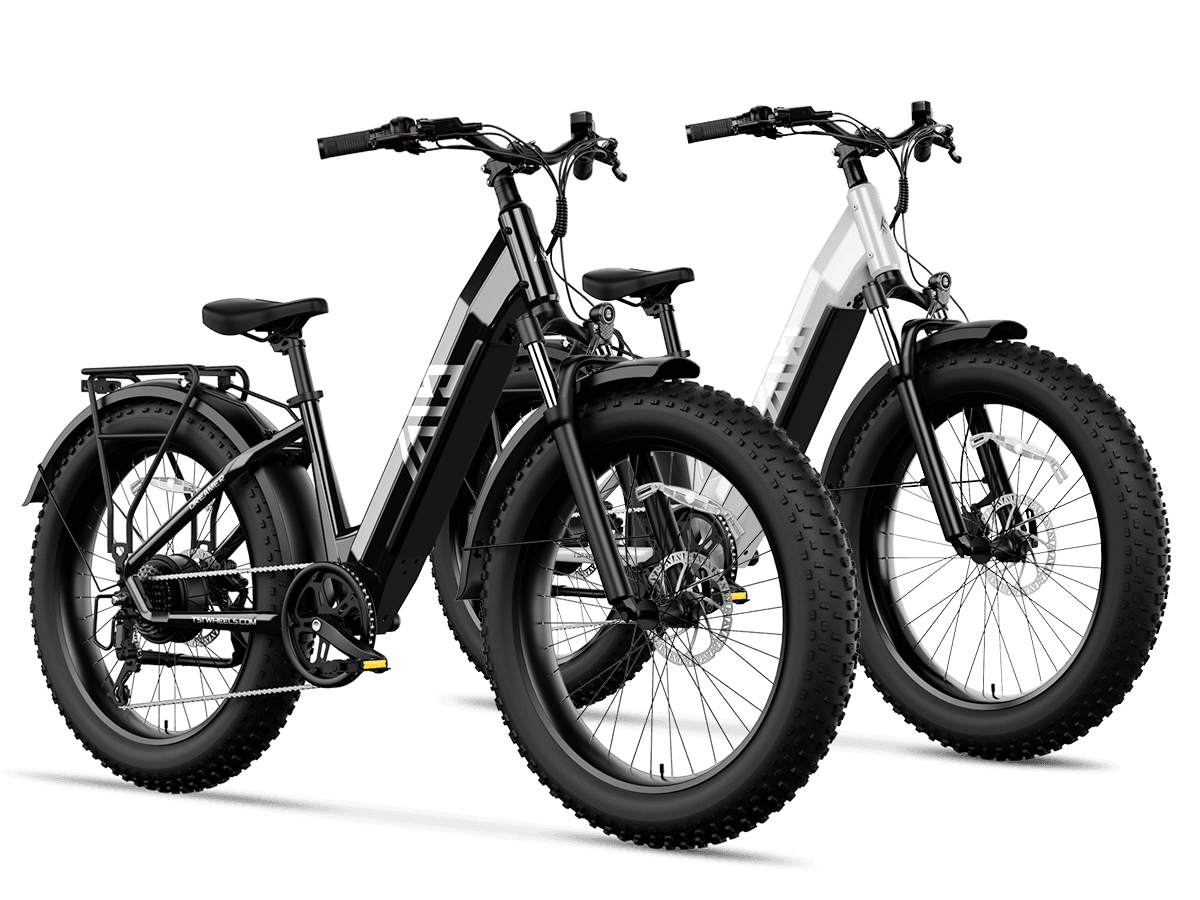

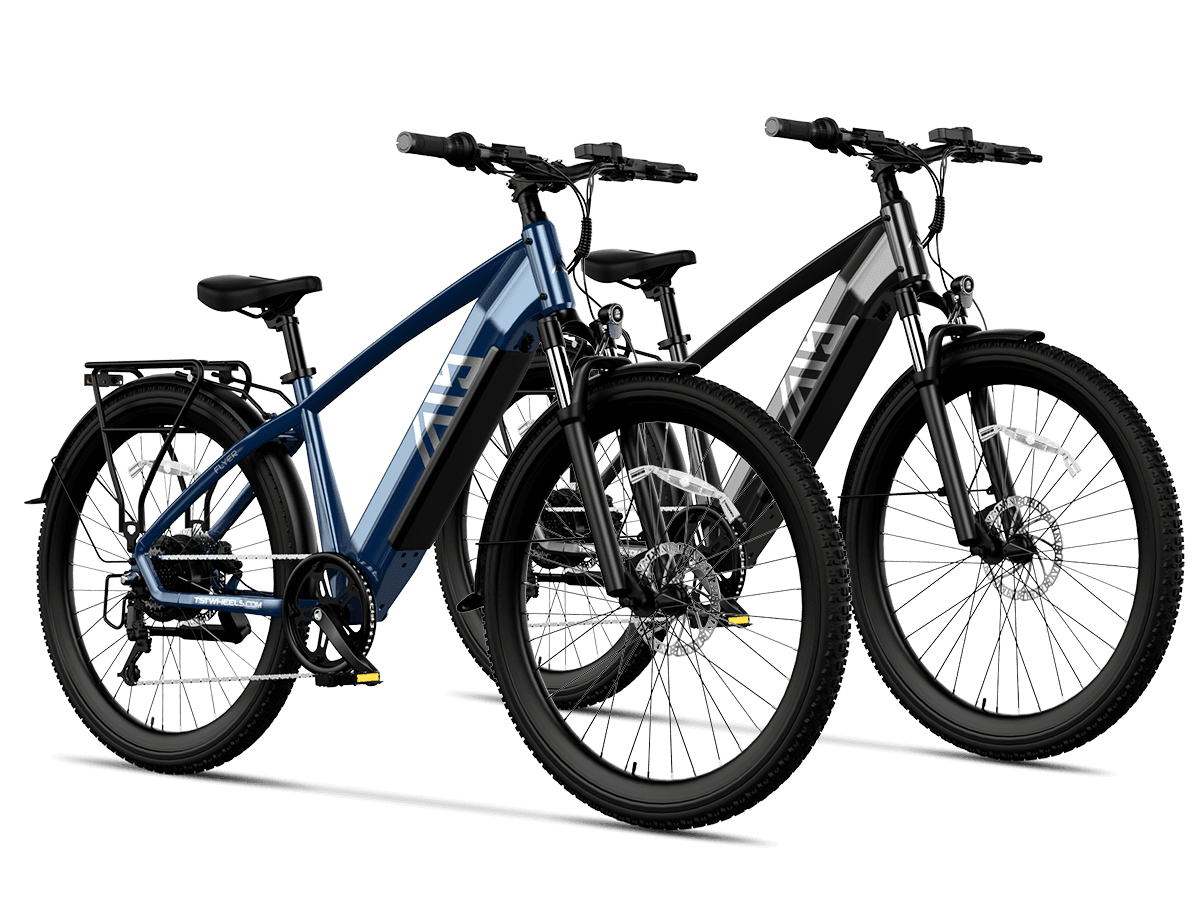
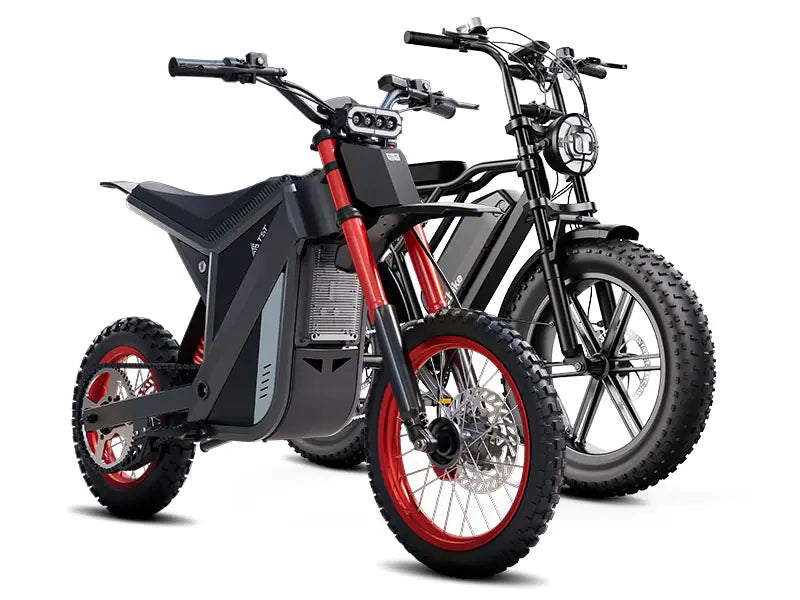



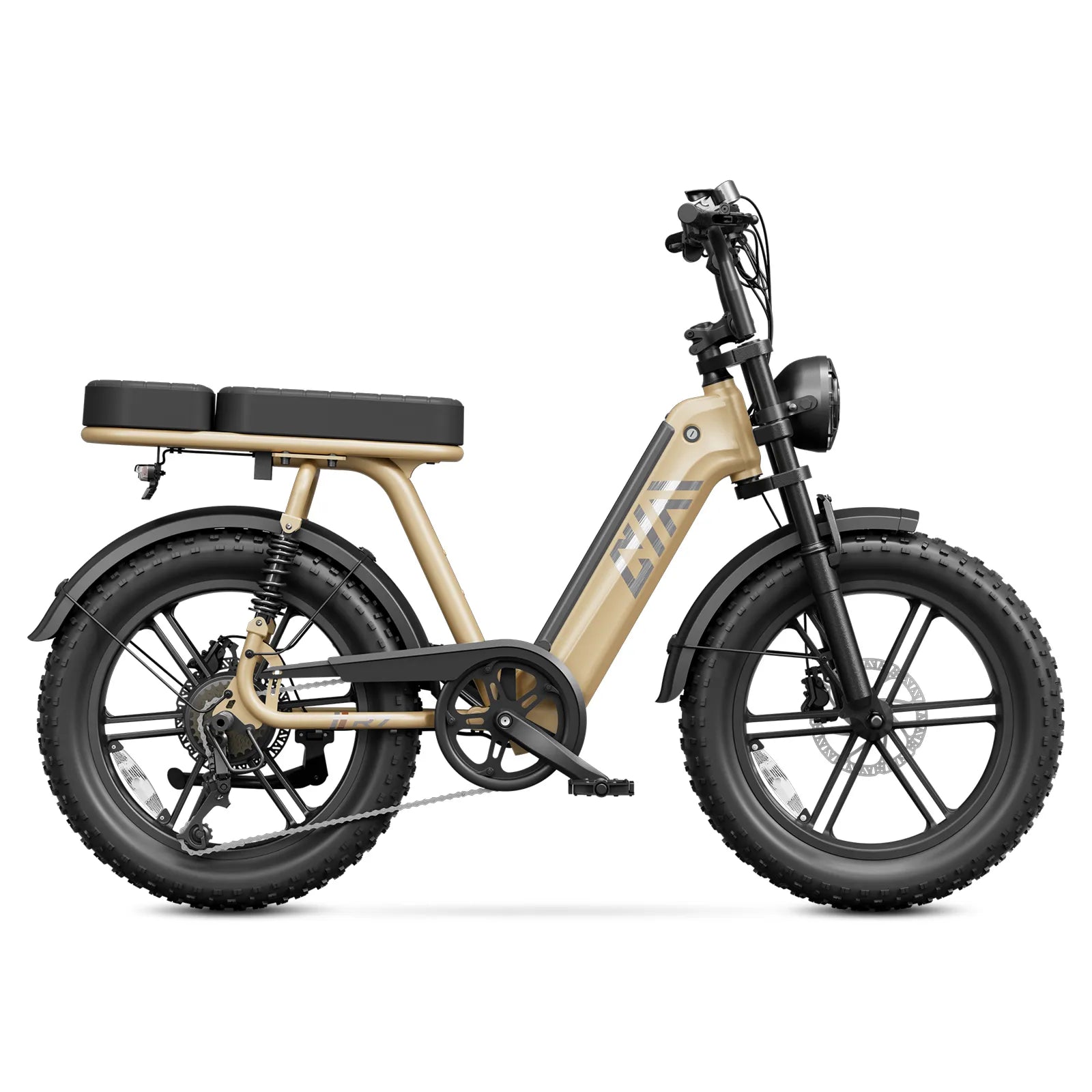
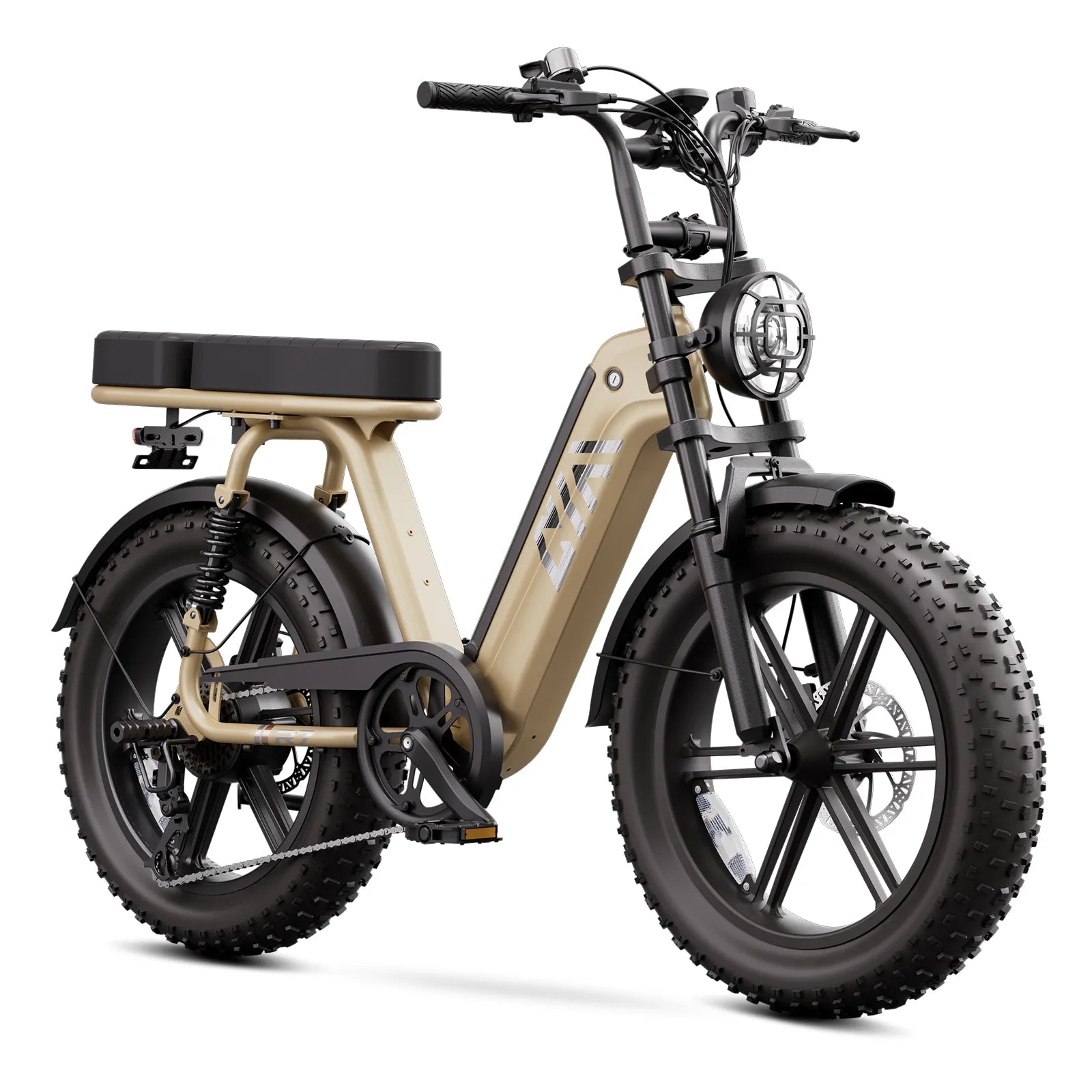
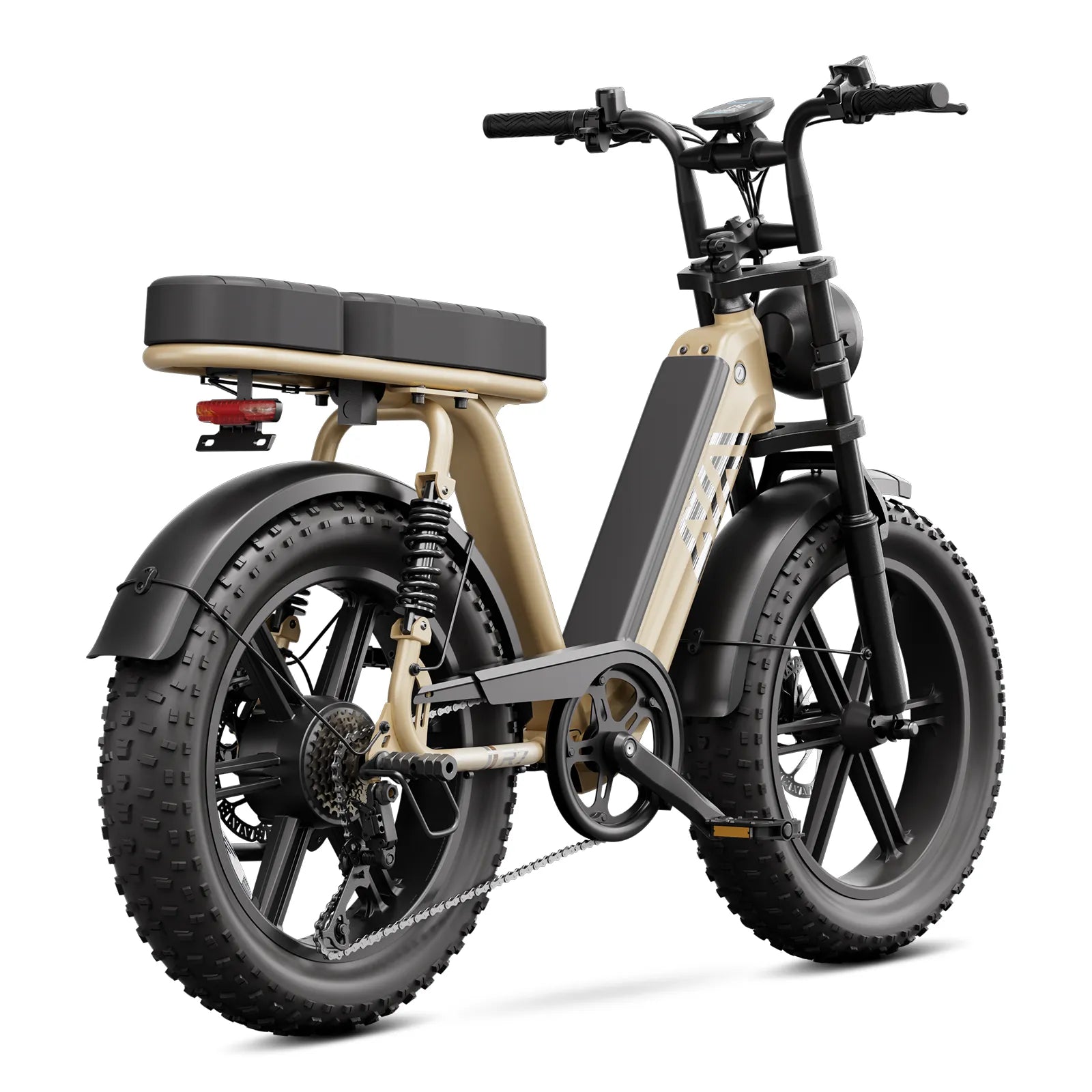
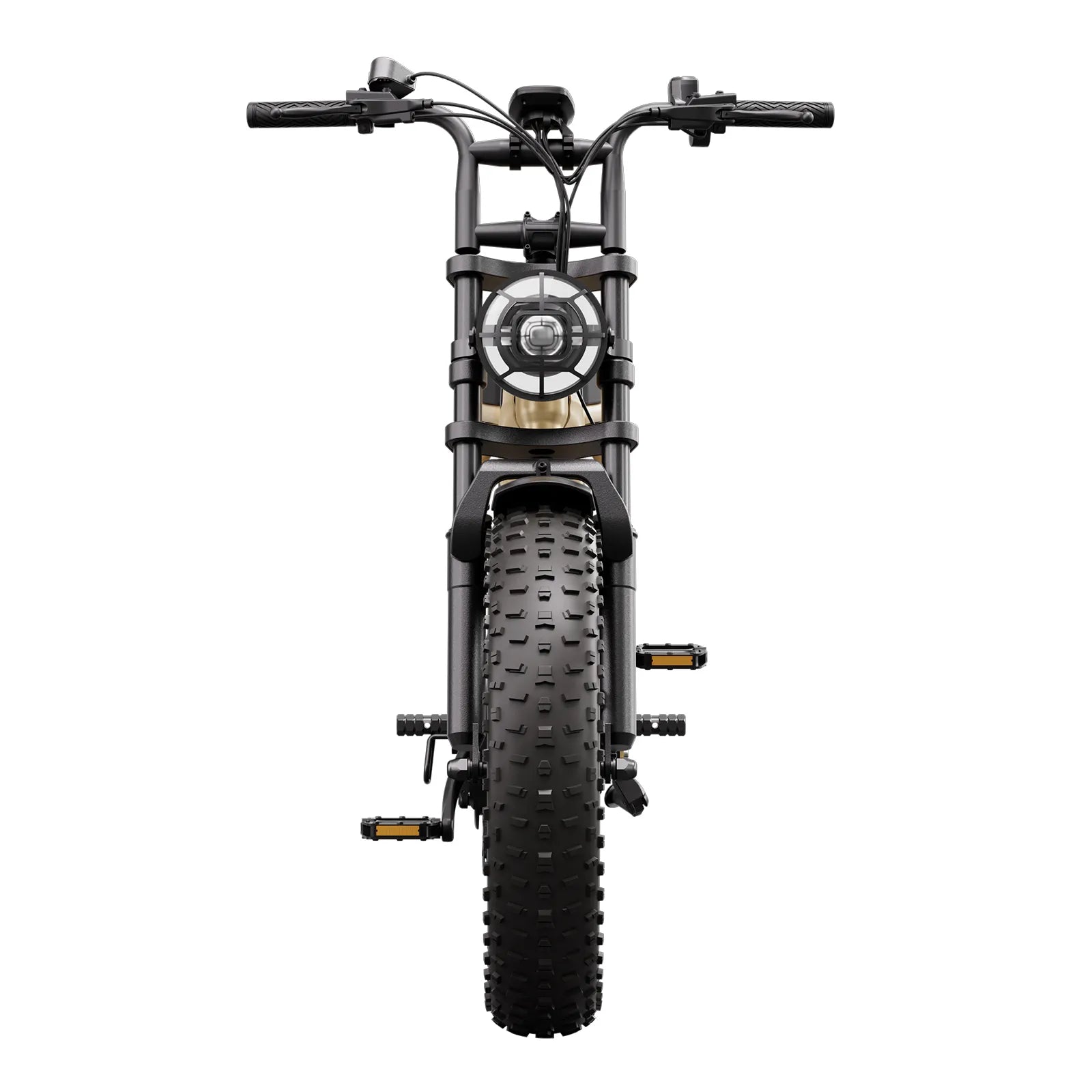
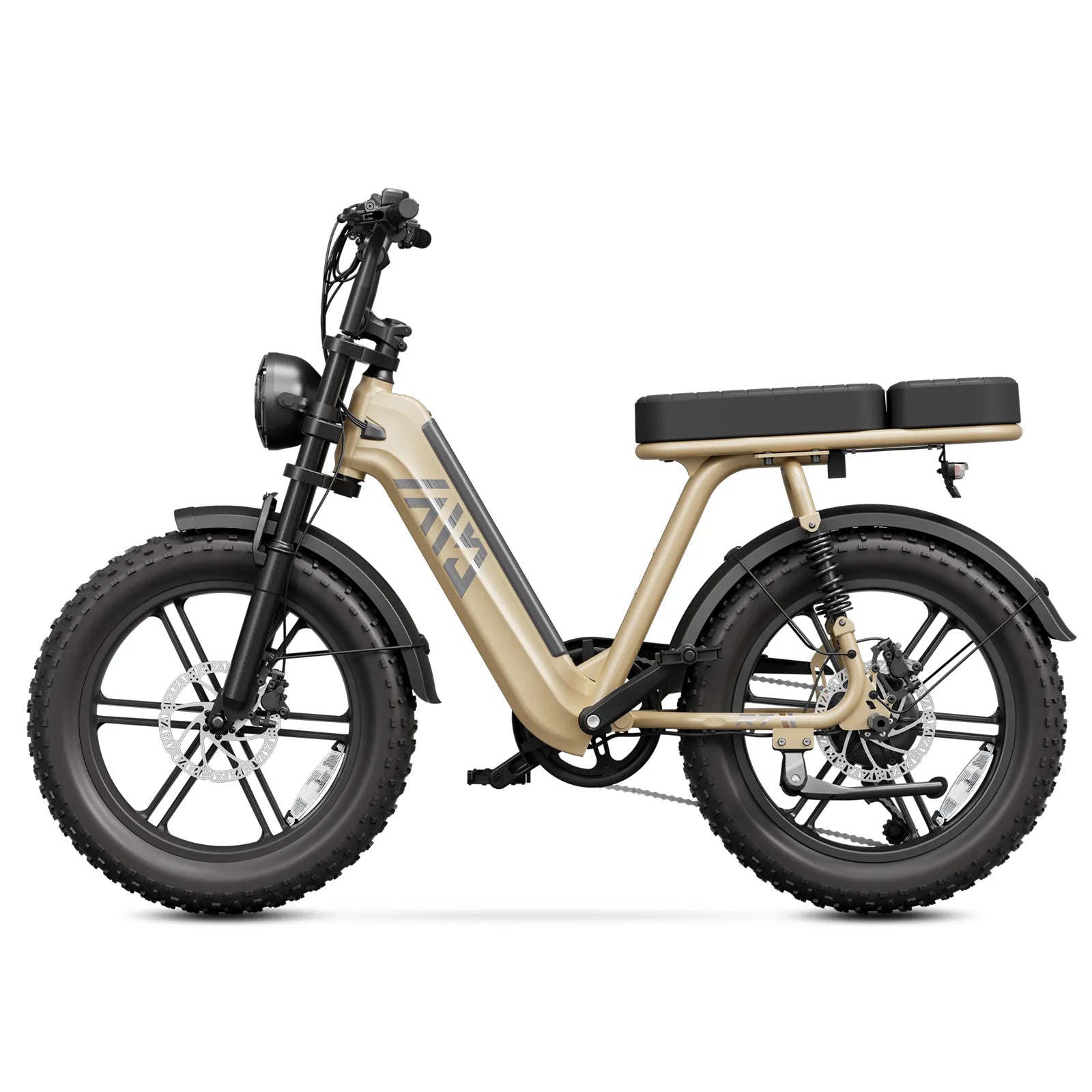
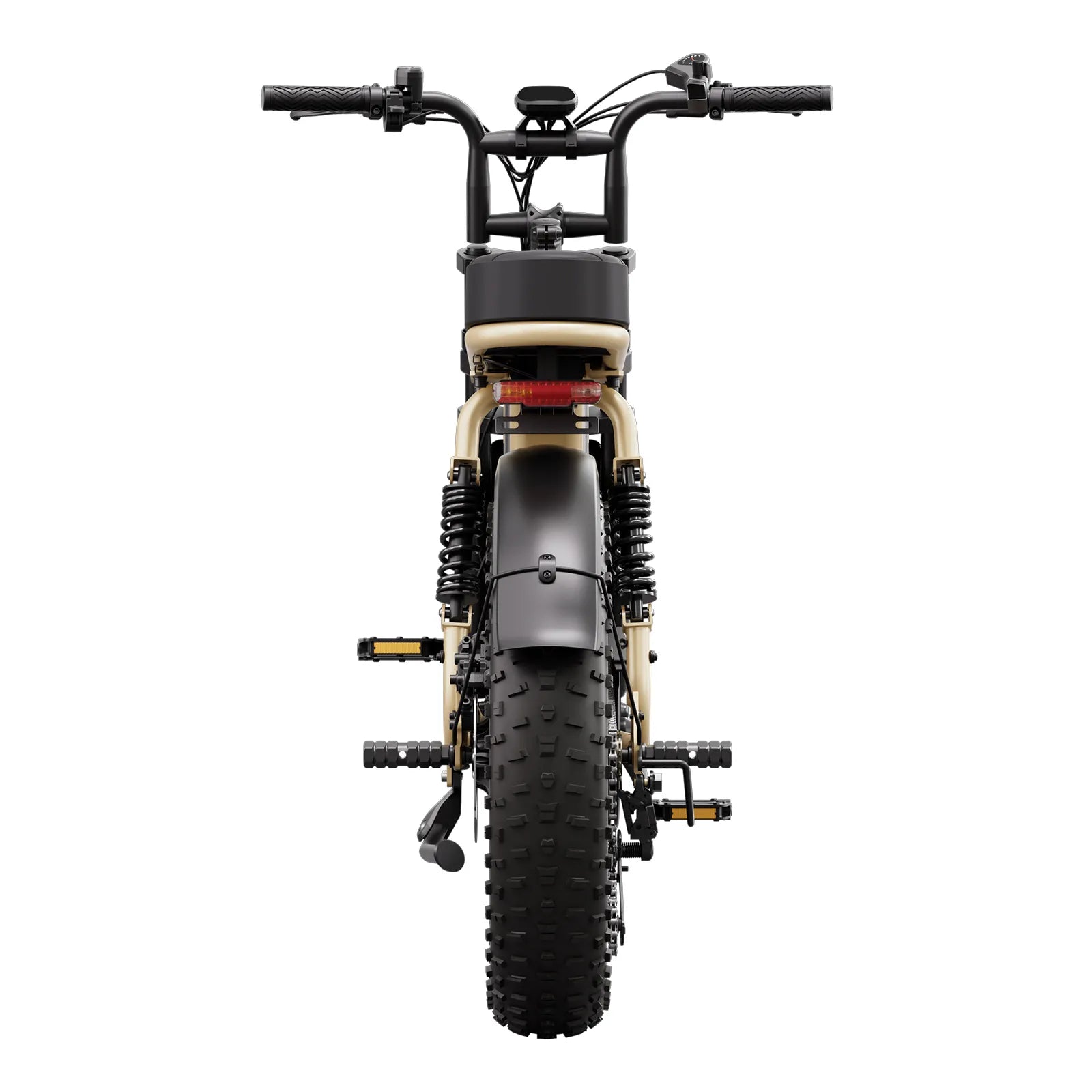
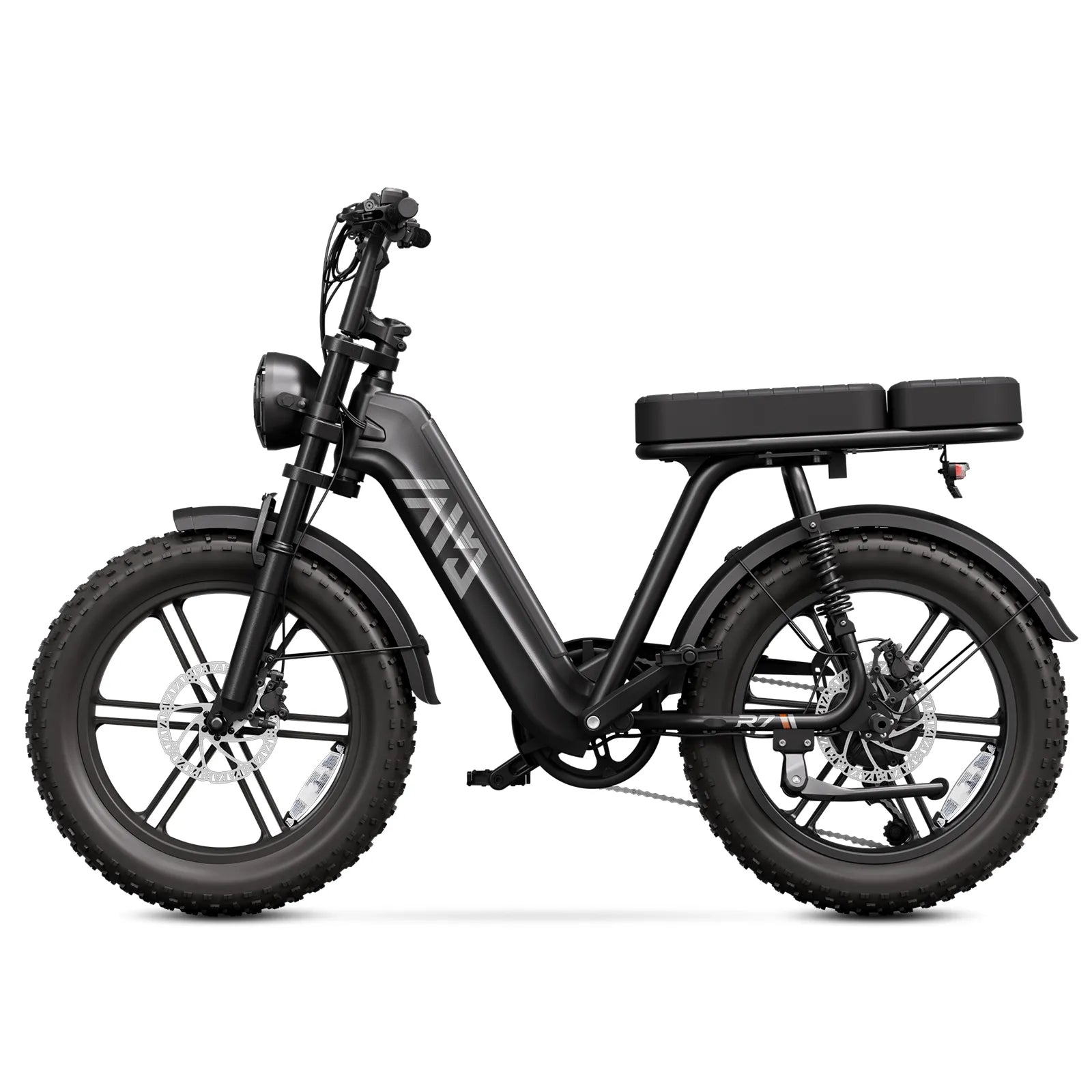

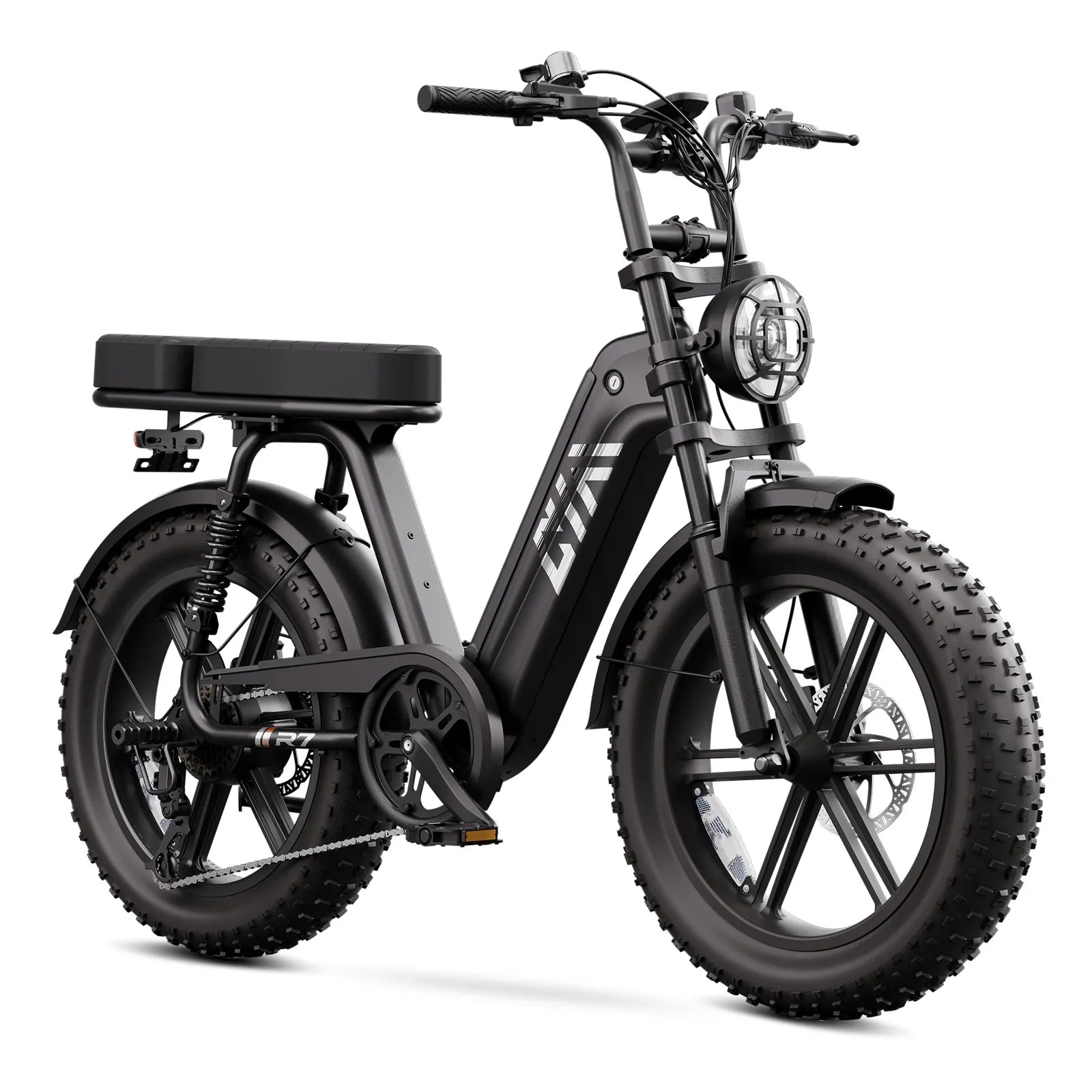
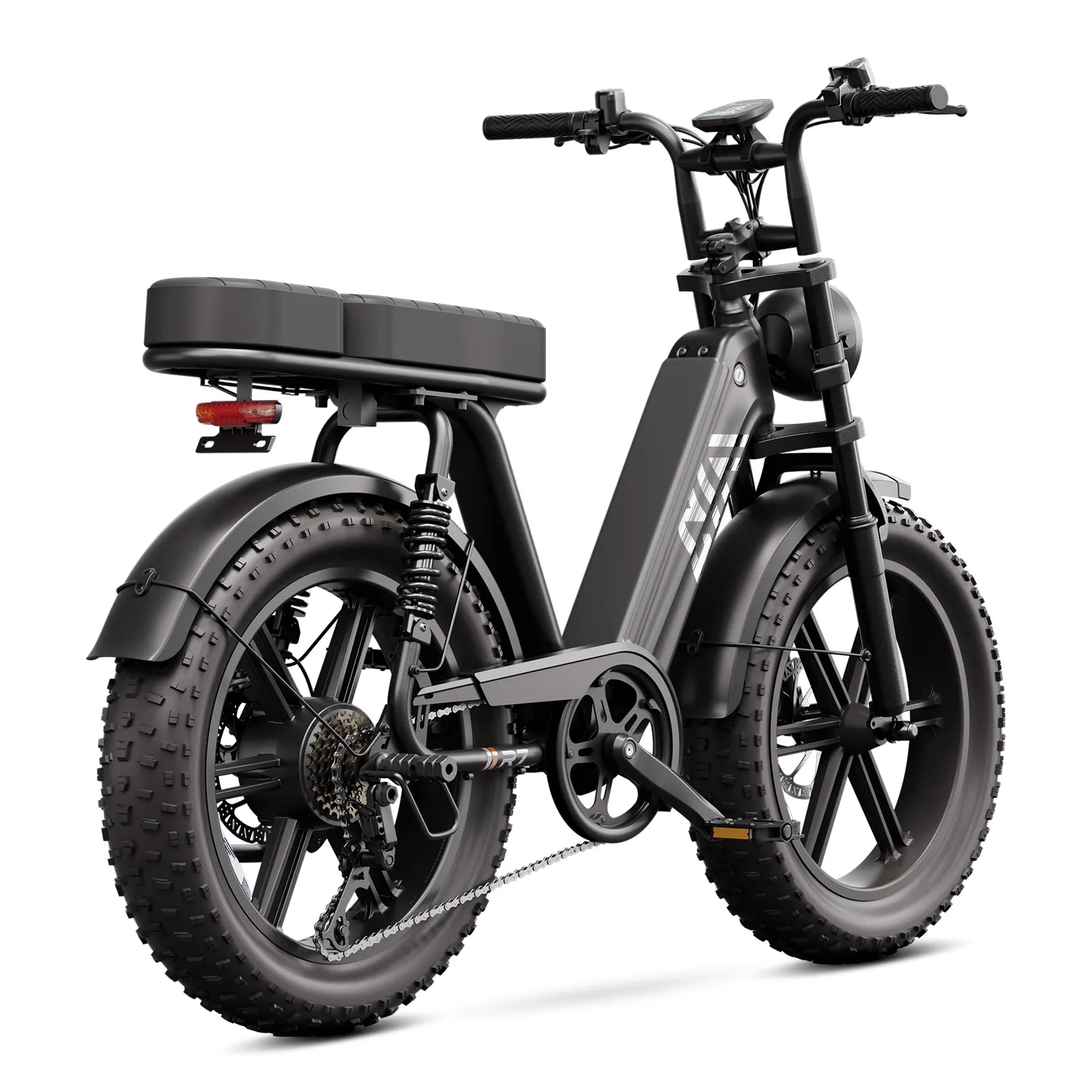
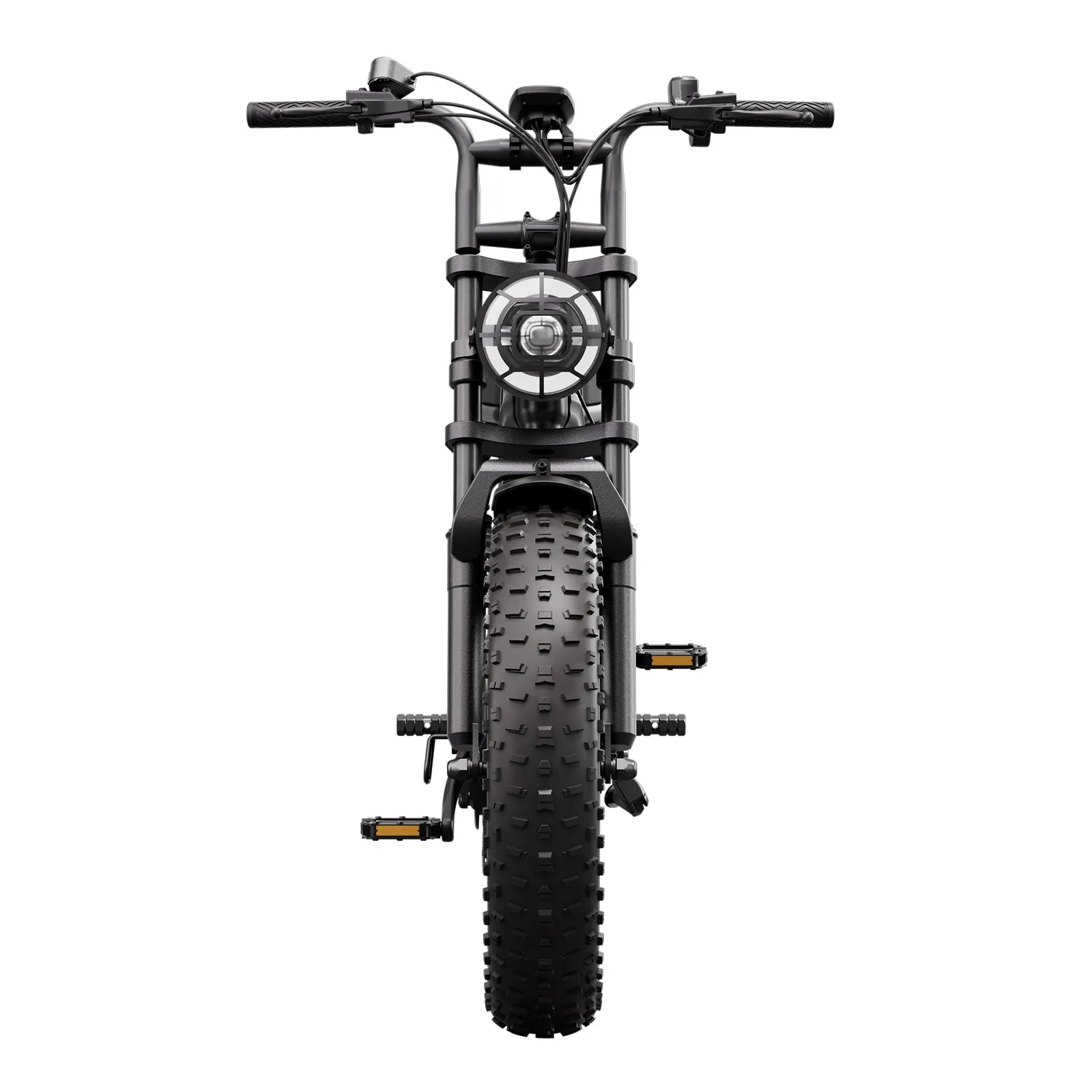

TST® R7 Moped Style 1500W Full Suspension Electric Cargo Bike | 2026 New Model

Get it between June 14 - June 16
Order within: 2 hours 30 minutes • Ships from California warehouse
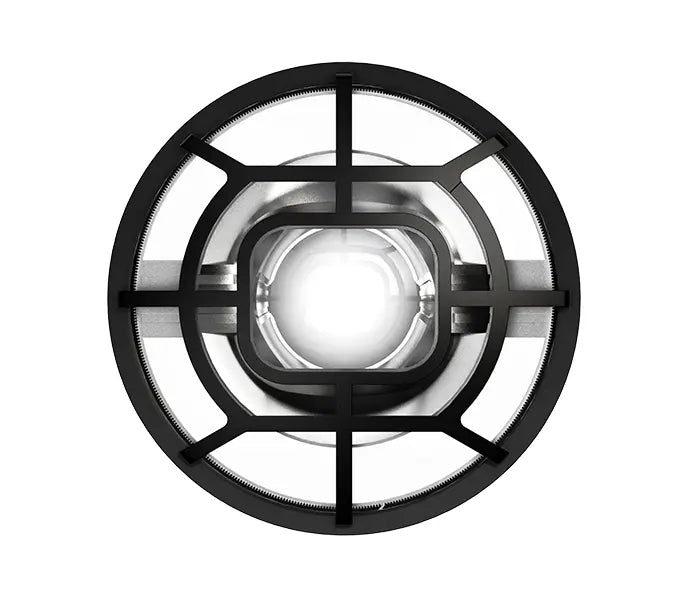
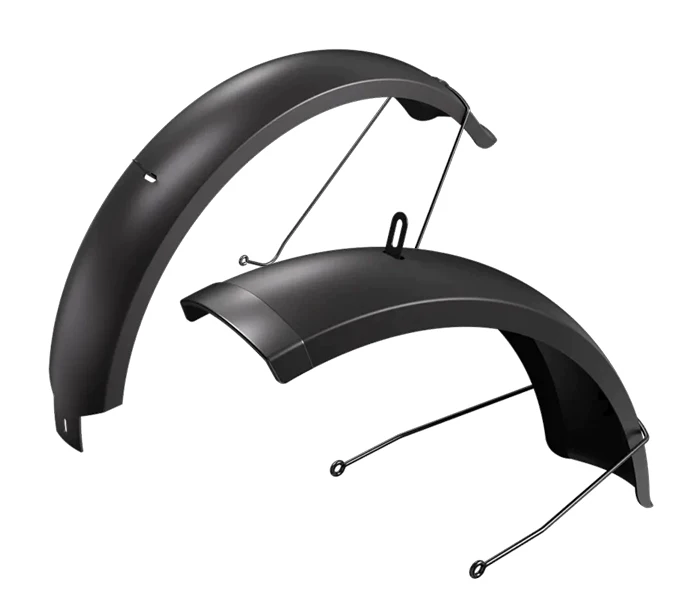
Your Bike Already Includes a FREE $178 Front Light & Fender Set

Supports local pickup

2 Year Warranty

Delivery 3-5 Days
You can opt for local pickup in the United States (address: 820 S Wanamaker Ave, Ontario CA 91761, US). Just select the local pickup option when making the payment. After the purchase, our staff will contact you with the necessary documents for you to pick up your order locally.
We provide a 2-year warranty service. For vehicle issues that fall within the warranty coverage and are not caused by human factors, please contact TST staff. After evaluation and confirmation by TST, we will provide the appropriate replacement parts solution.
Your order will be delivered to the address you provided within 3–5 business days. Actual delivery time may vary depending on the shipping carrier’s schedule and your location. For the security of your vehicle purchase, a signature will be required upon delivery. We ship via FedEx and Western Post.

SGS Certified
c us 803623 Safety Certified

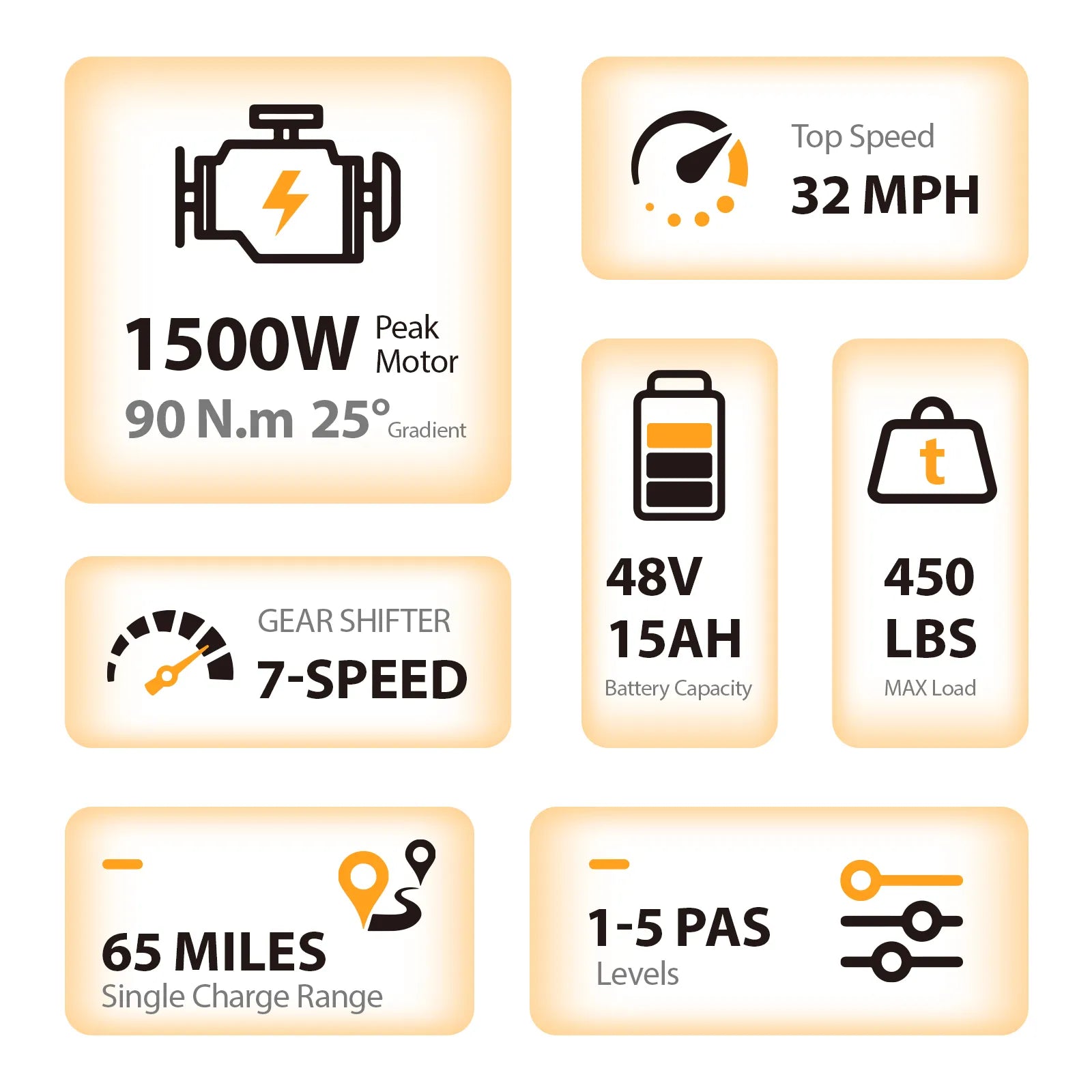
Peak Motor
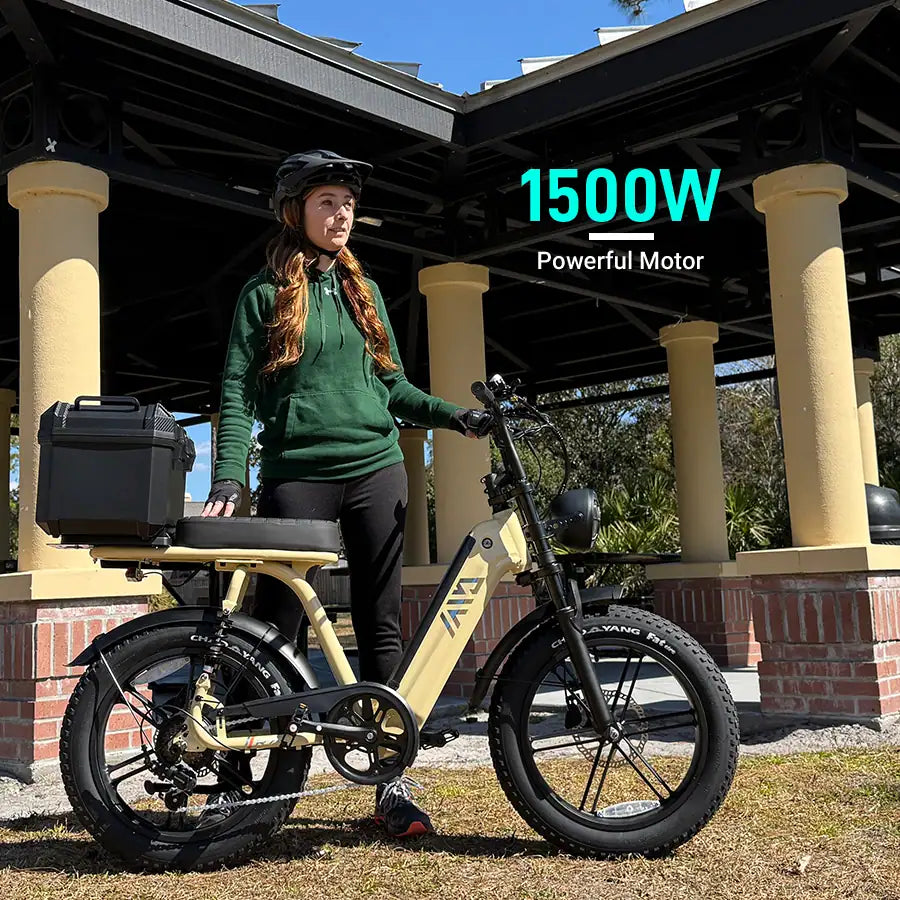
1500 W

Max Range
65 Miles

Top Speed
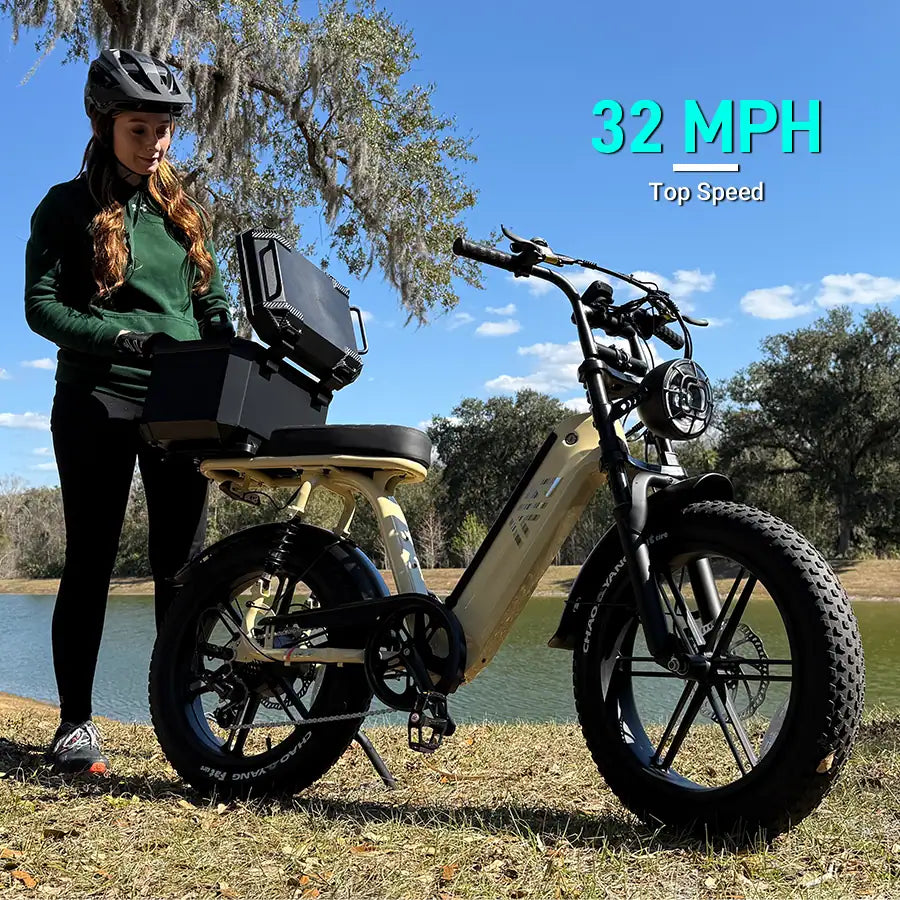
32 MPH

Torque
90 N·m

Phone App
YES

Max Load
450 LBS
What's in the box
-
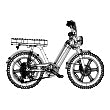
1* Electric Bike
-

1* Rear Rack
-
1* Headlight
-
1* Battery with keys
-
1* Owner's Manual
-
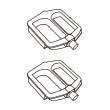
2* Pedals
-
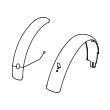
1* Fender Set
-
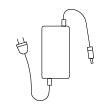
1* Charger
-
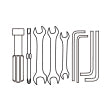
Installation Tool
-
1* Screws-Kits
 Trusted Delivery

 Contact
TST® R7 Moped Style 1500W Full Suspension Electric Cargo Bike | 2026 New Model
Sale price$799.00
Regular price$1,799.00 (/)
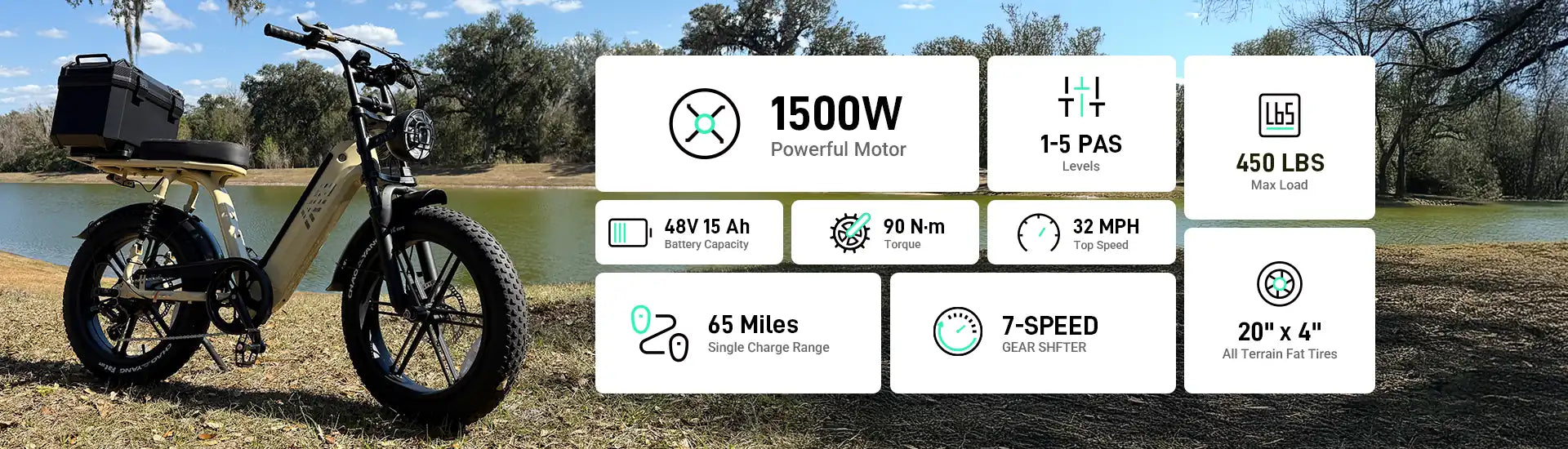
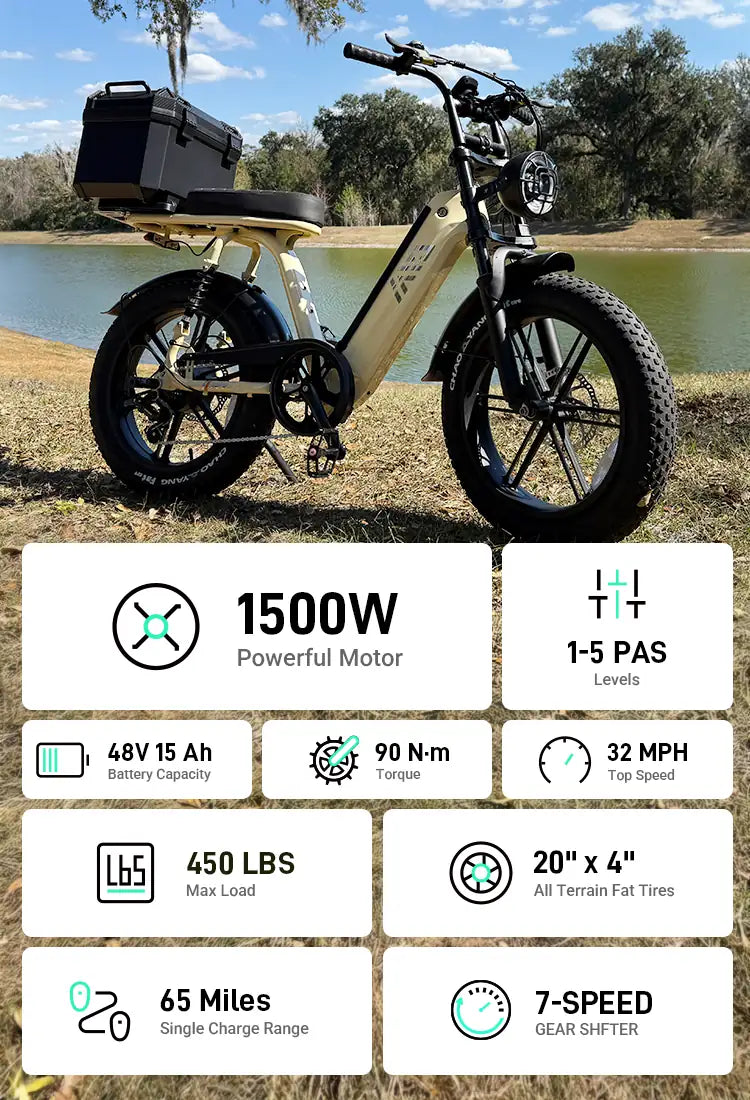
R7 | Redefining Control for Her.
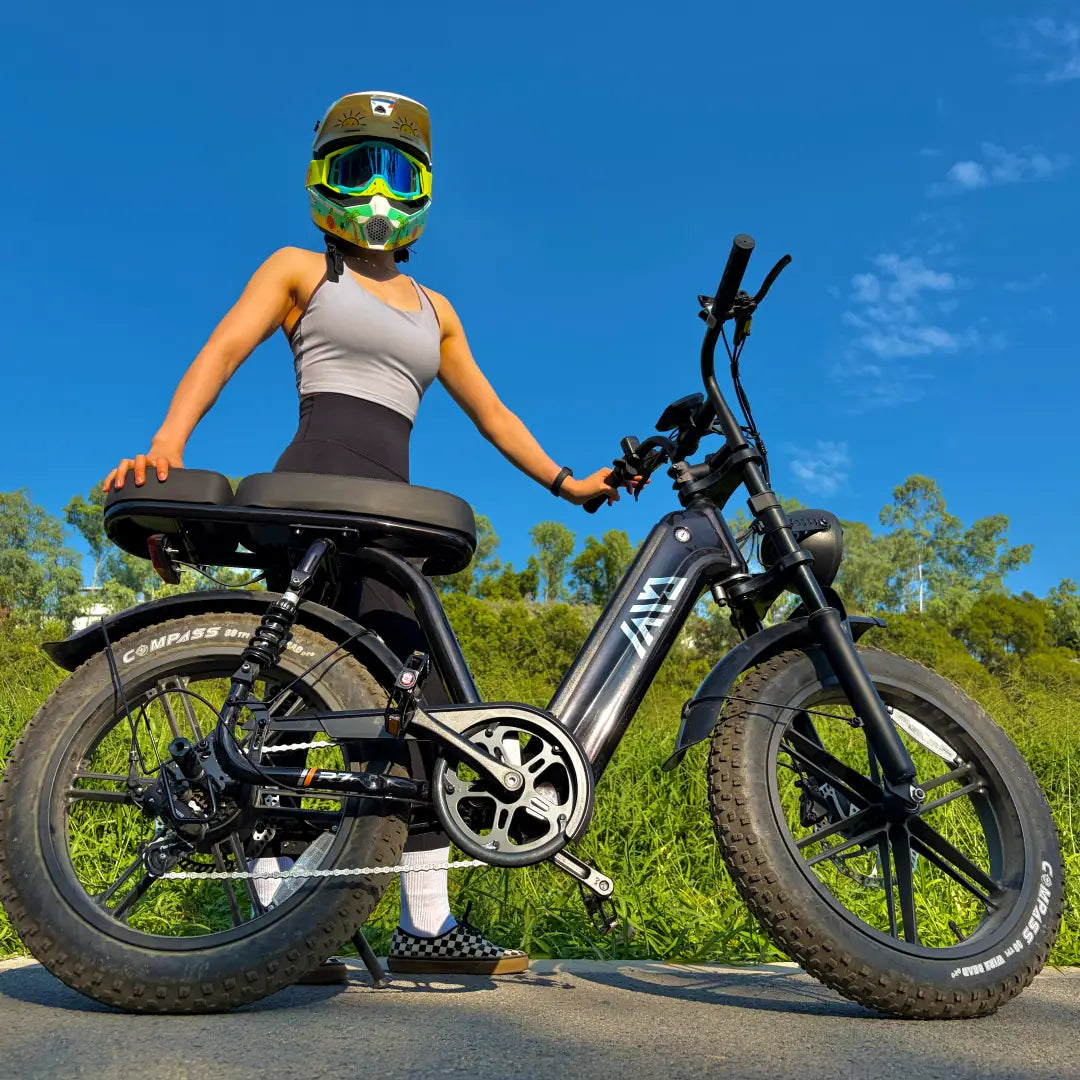
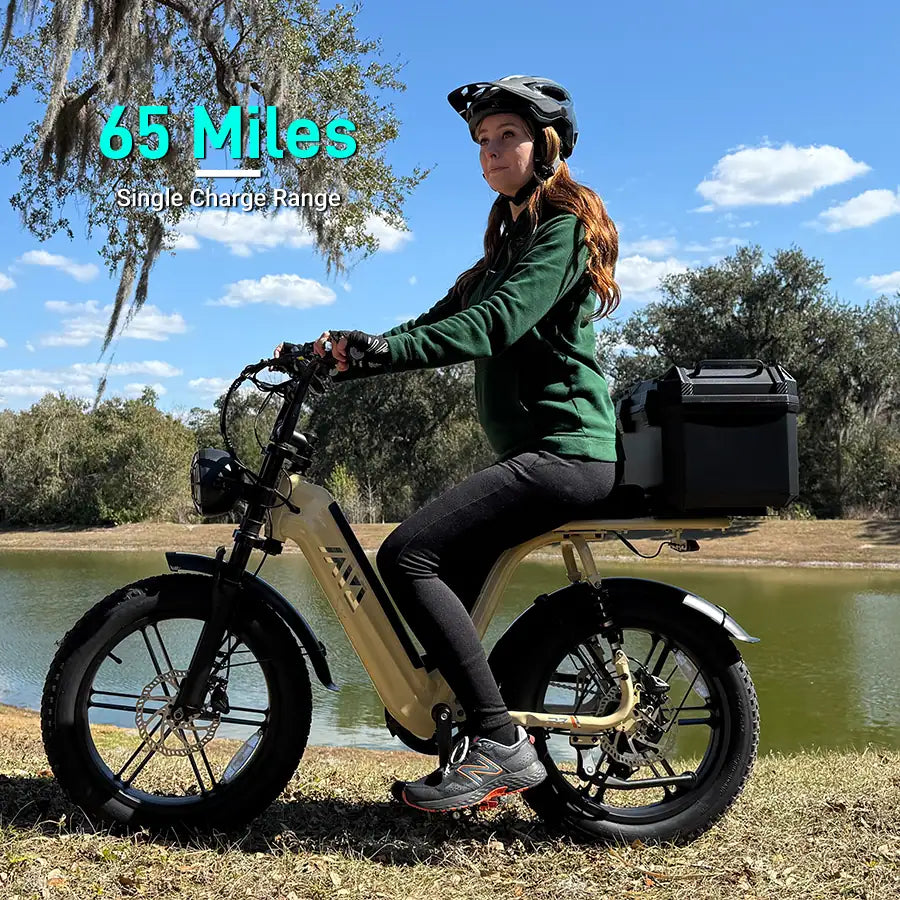
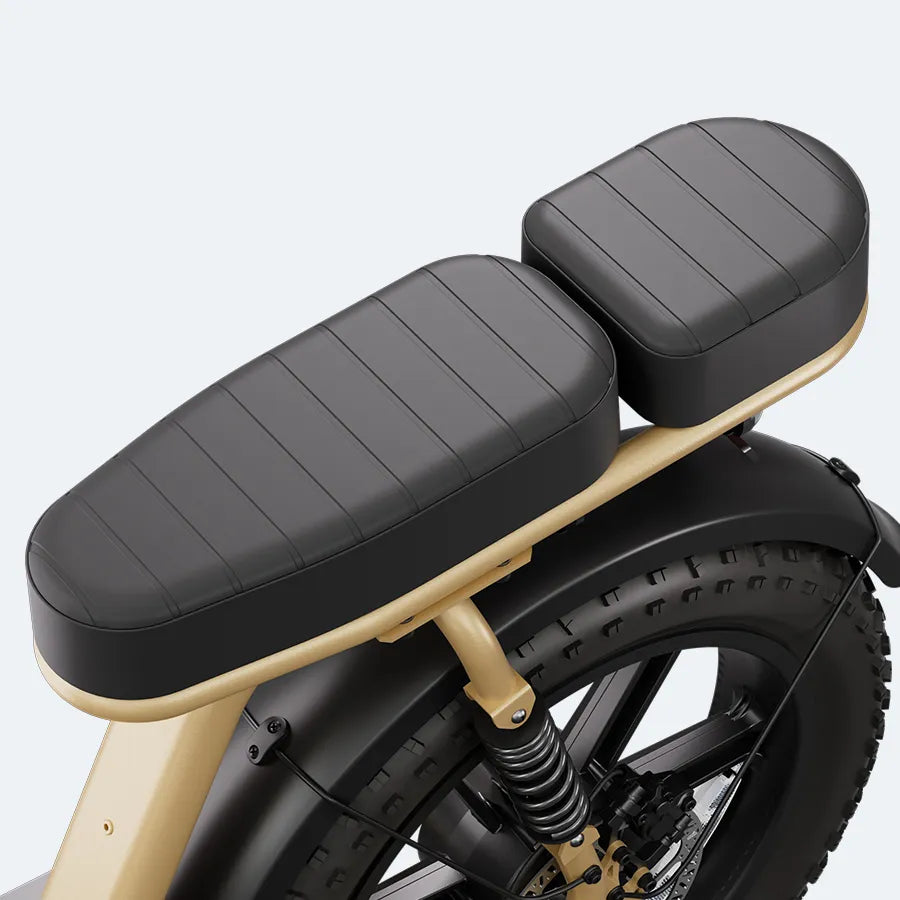
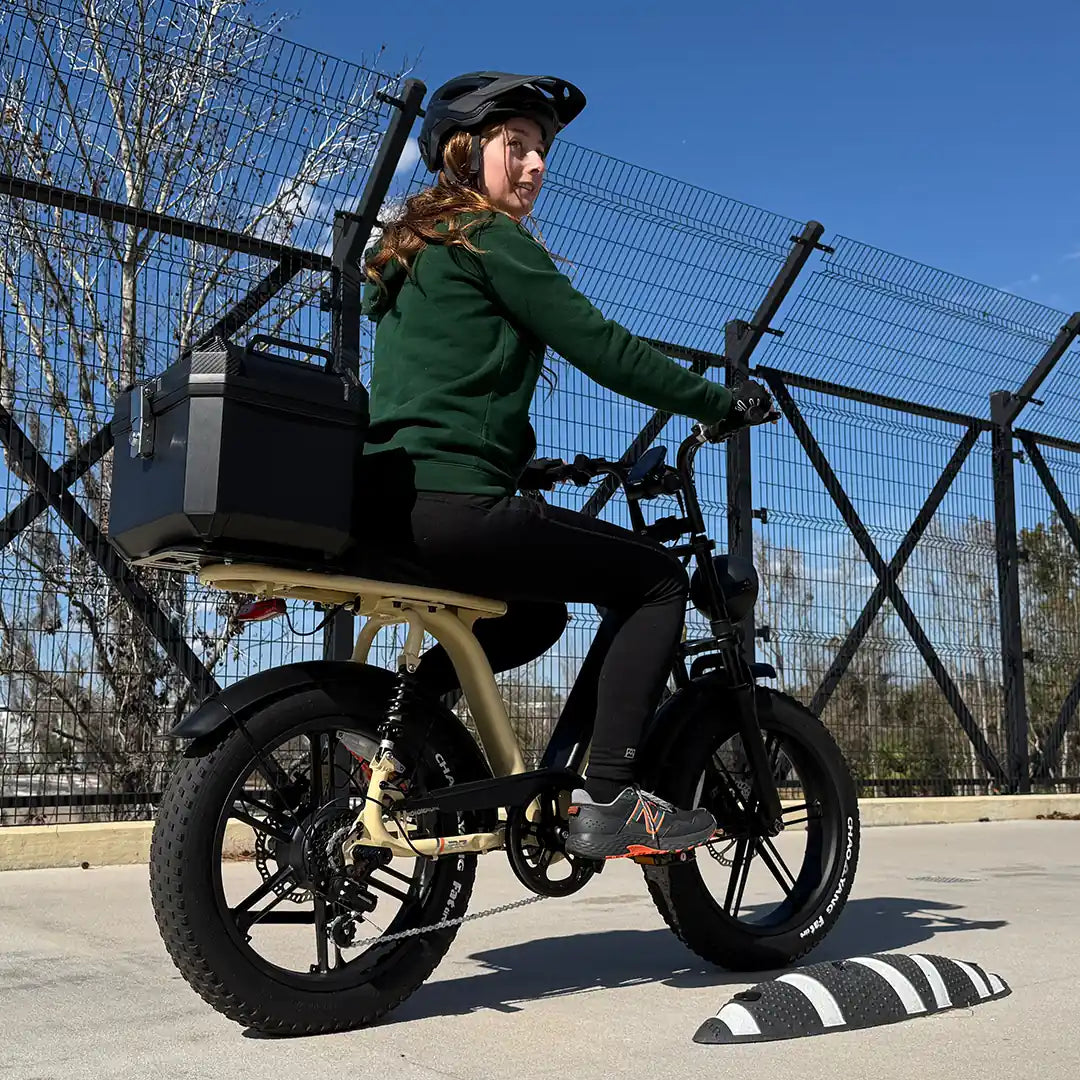
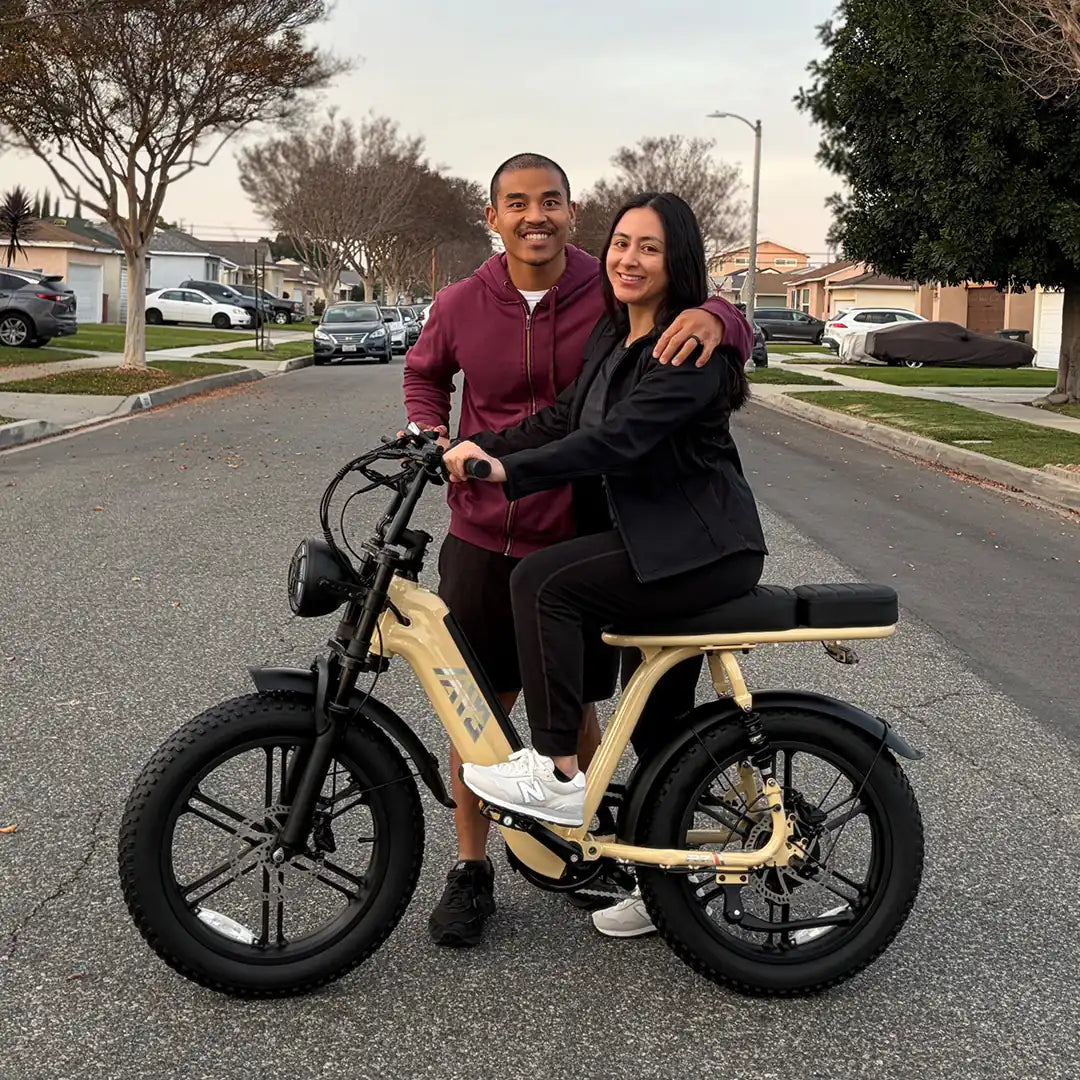
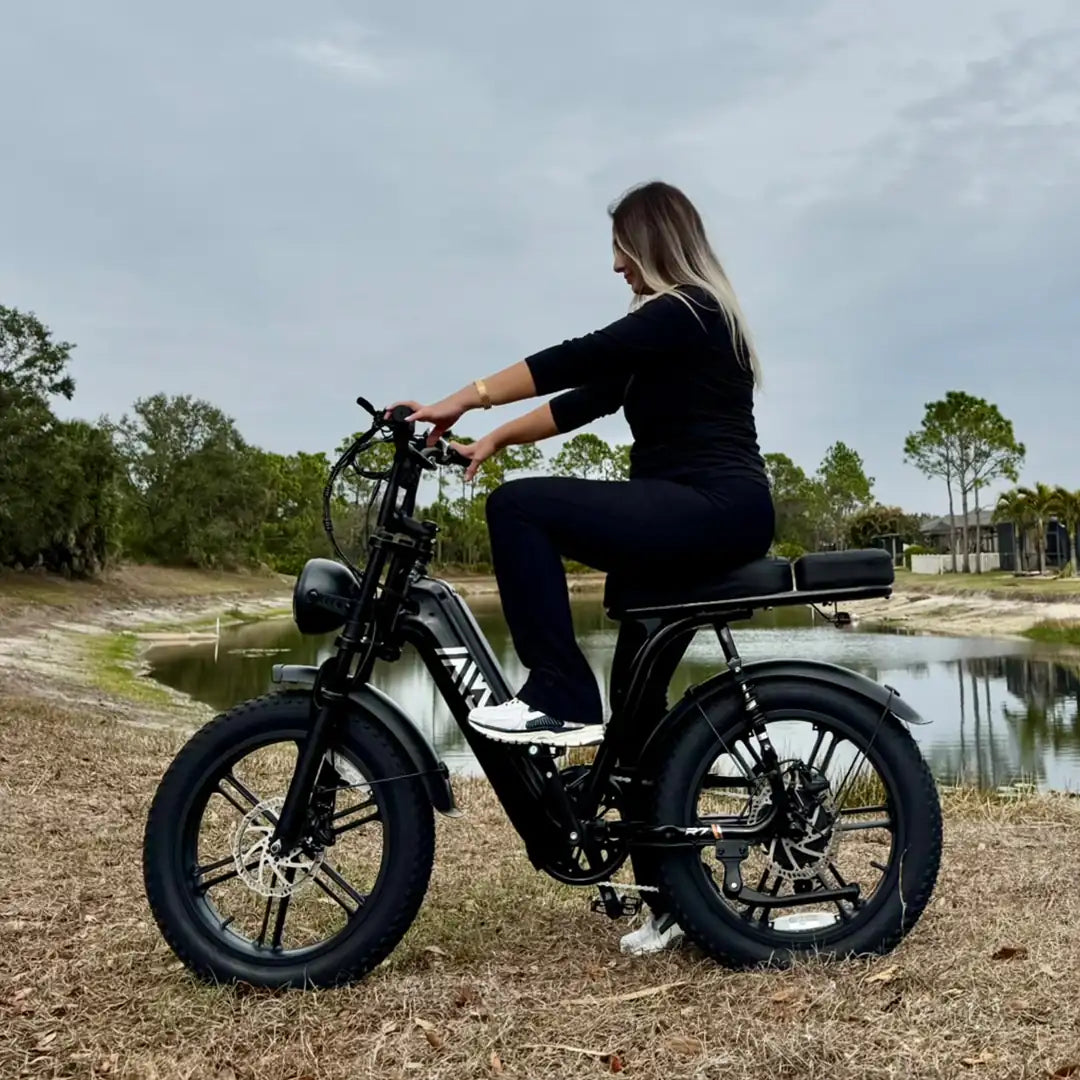
Performance shouldn't come at the cost of comfort. We’ve reimagined the R7’s geometry with a female-specific "Cloud-feel" saddle and a low-center-of-gravity suspension system. Even with 1500W of raw power, every ride feels effortless, stable, and smooth. From heavy cargo to gravel paths, the R7 filters out the chaos, leaving you with nothing but pure confidence.
Rider Review
-
Ultimate Comfort. R7.
Ultimate Comfort. R7.
-
Ultimate Comfort. R7.
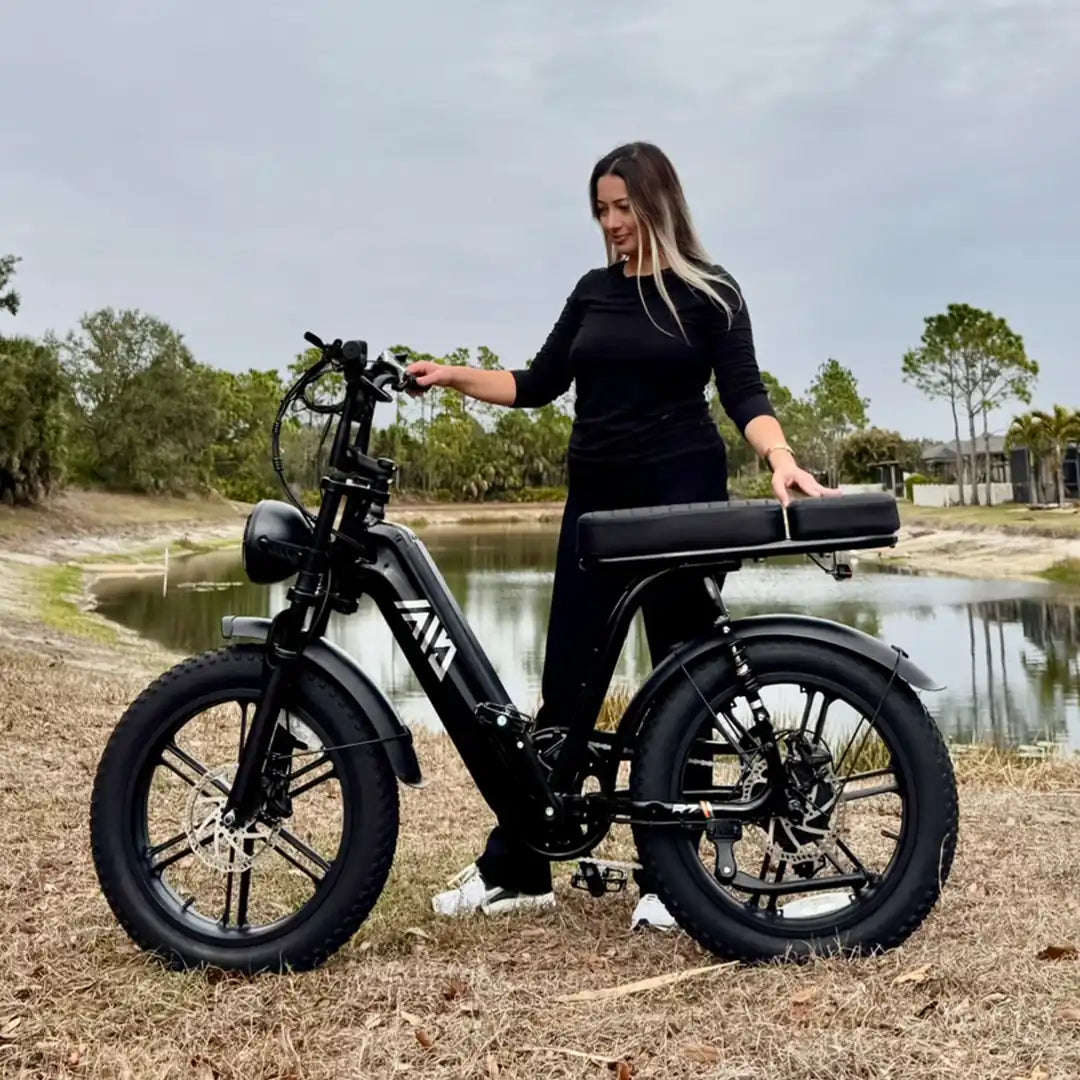
Ultimate Comfort. R7.
-
Ultimate Comfort. R7.
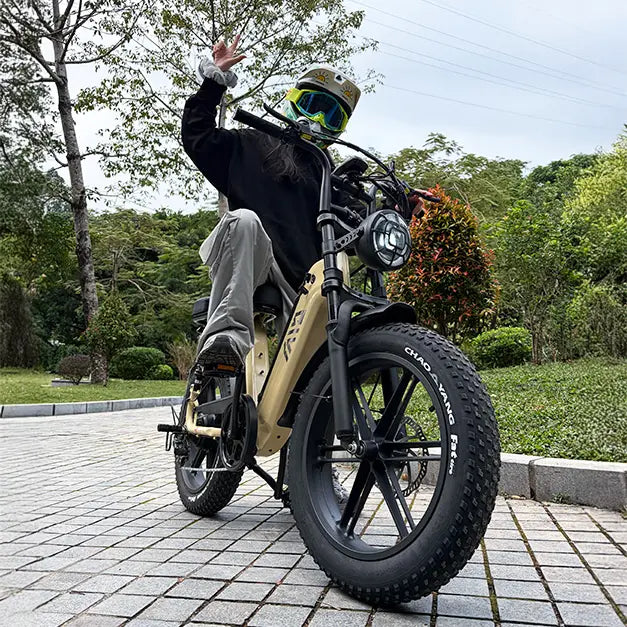
Ultimate Comfort. R7.
-
Ultimate Comfort. R7.
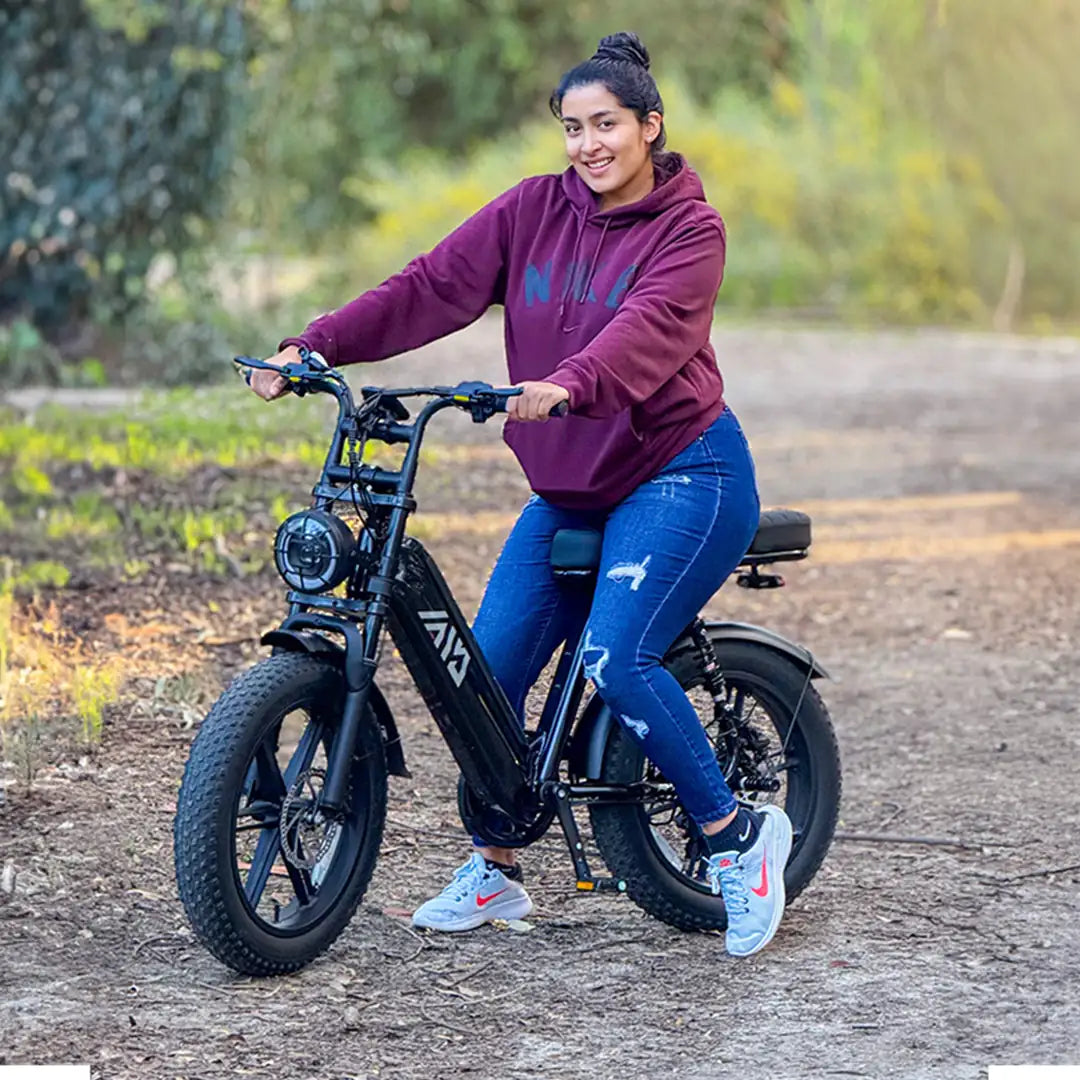
Ultimate Comfort. R7.
-
Ultimate Comfort. R7.
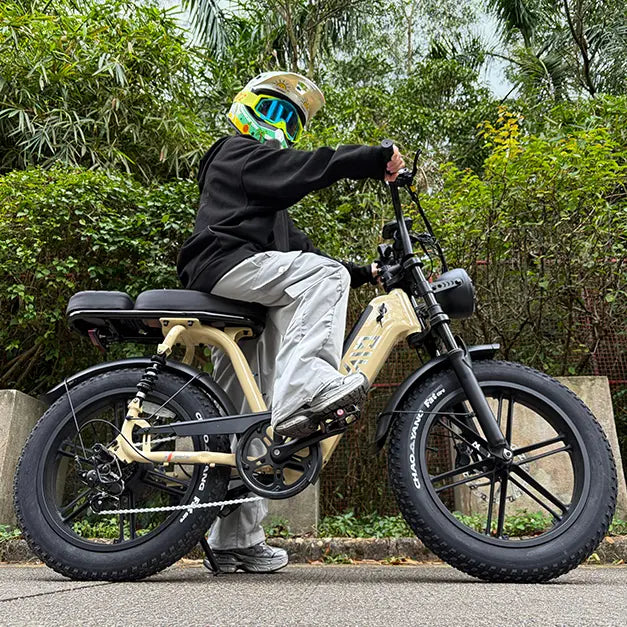
Ultimate Comfort. R7.
-
Ultimate Comfort. R7.
Ultimate Comfort. R7.
-
Ultimate Comfort. R7.
Ultimate Comfort. R7.
-
Ultimate Comfort. R7.
Ultimate Comfort. R7.
-
Ultimate Comfort. R7.
Ultimate Comfort. R7.
-
Ultimate Comfort. R7.
Ultimate Comfort. R7.
-
Ultimate Comfort. R7.
Ultimate Comfort. R7.
-
Ultimate Comfort. R7.
Ultimate Comfort. R7.
Spec & Size
Vehicle specifications
Charging Time
5-6 hours
Charger
54.6V/ 2A
Speed
32MPH
Product Weight
82.67 LBS
Shimano Shifter
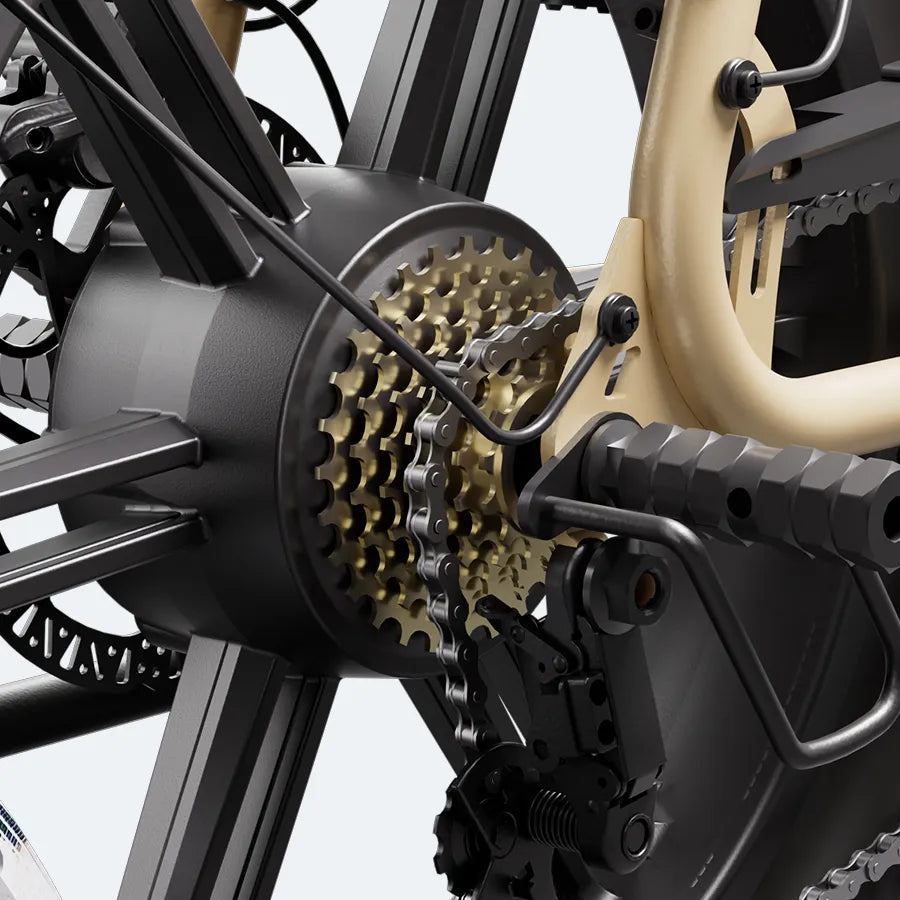
7-Speed
Battery
48V 15Ah
Lithium Battery
Hub Motor
1500W
Brushless Gear Motor
Range
65 Miles
Pedal Assist
Pedal
1-5 Level
1-5 Level Pedal Assist
Brakes
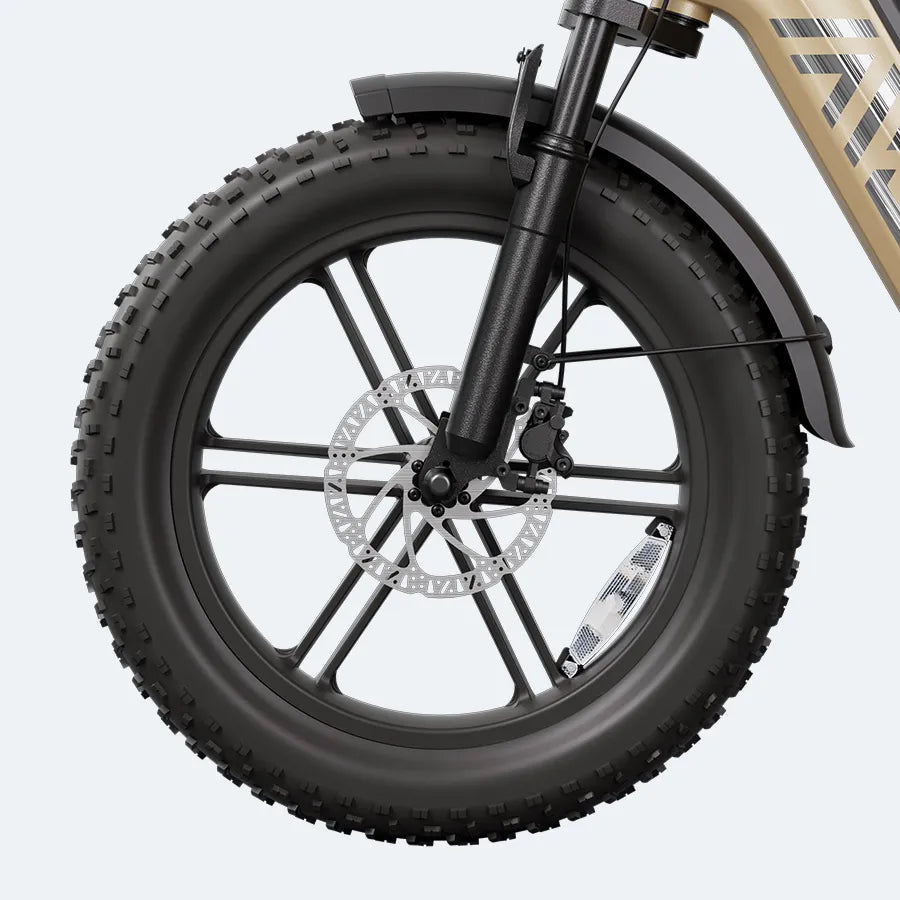
180mm
Hydraulic Disc Brakes
Tires
20" x 4"
Ebike Rated Tires
Weight Capacity
450 LBS
MAX Load
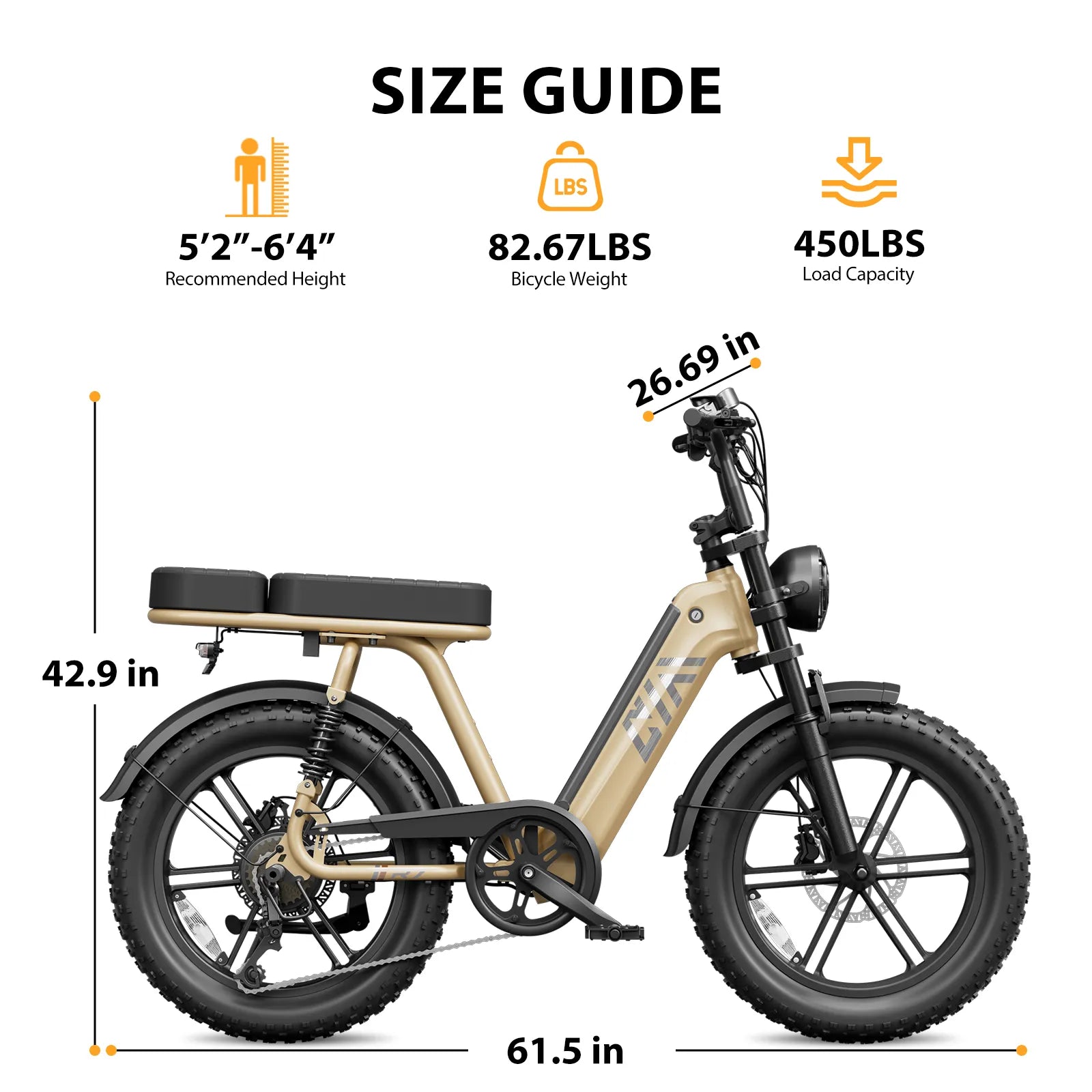
TST® R7 Size


A
Total Length
61.5"
B
Handlebar Height
42.9"
C
Wheelbase
38.1"
D
Maximum Seat Height
25.5"
F
Chain Stay Length
16.4"
G
Stand Height
31.2"
H
Seat Length
22.5"
I
Wheel Diameter
22.9"
J
Head Tube Length
5.9"
K
Handlebar Length
26.7"
L
Minimum Seat to Floor
31.5"
What's in the Box?


1* Electric Bike
1* Owner's Manual
3* Wrenches
4* Allen Key Wrenchs
2* Pedals
1* Charger
2* Seat
1* Front Wheel
1* Rear Rack
1* Fender Set
1* Headlight
1* Battery with keys
2*Rear Foot Pegs
TST R7 FAQs
Overview
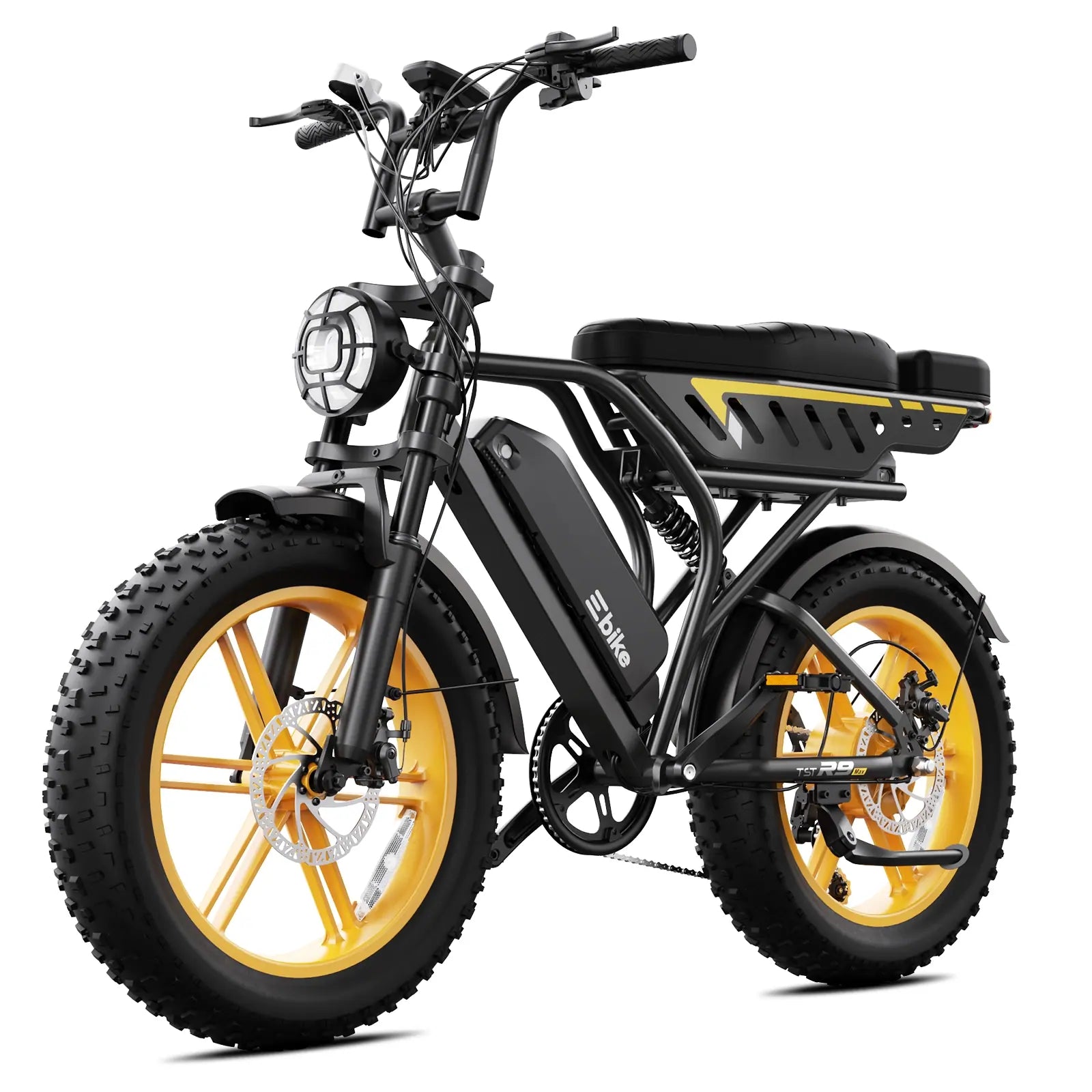
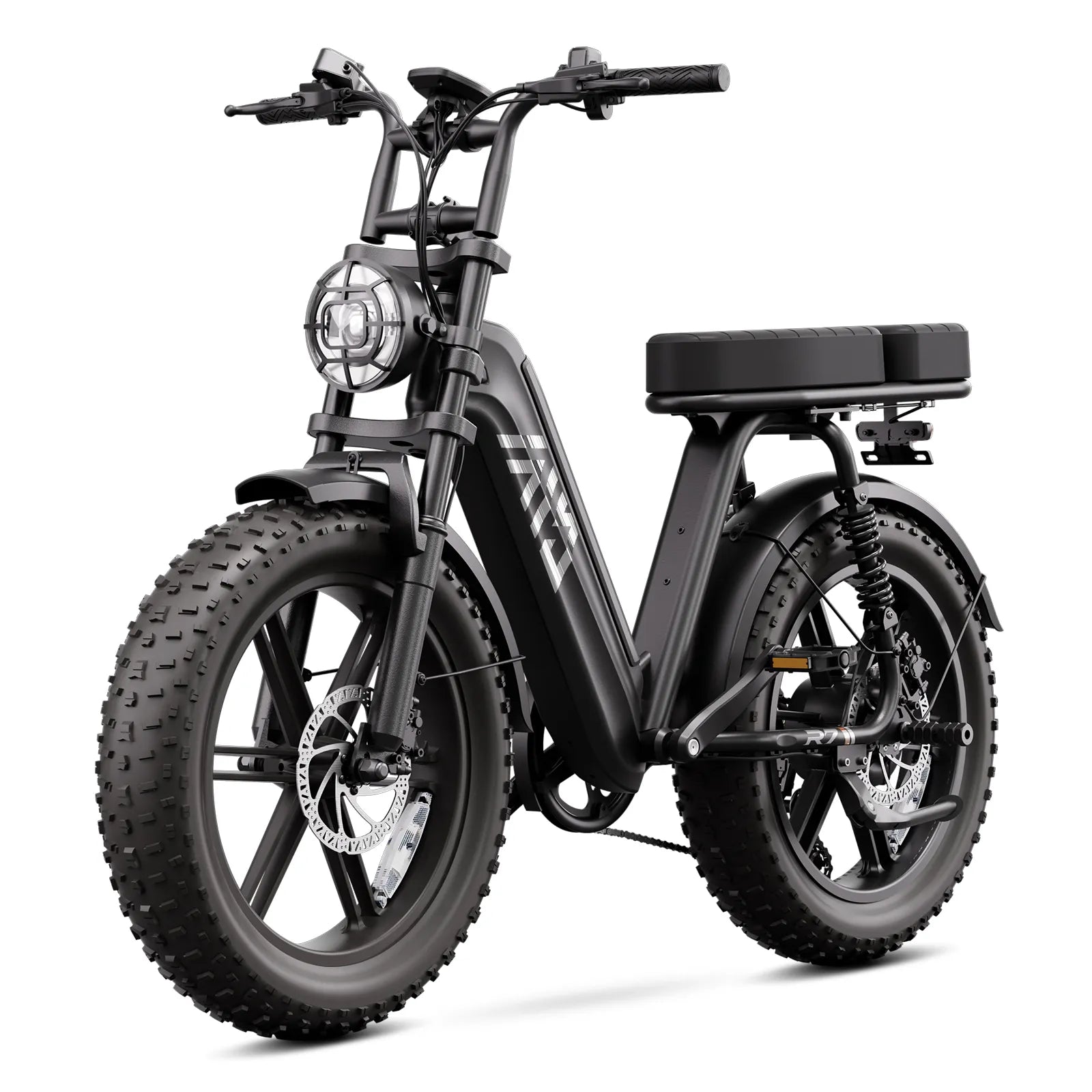
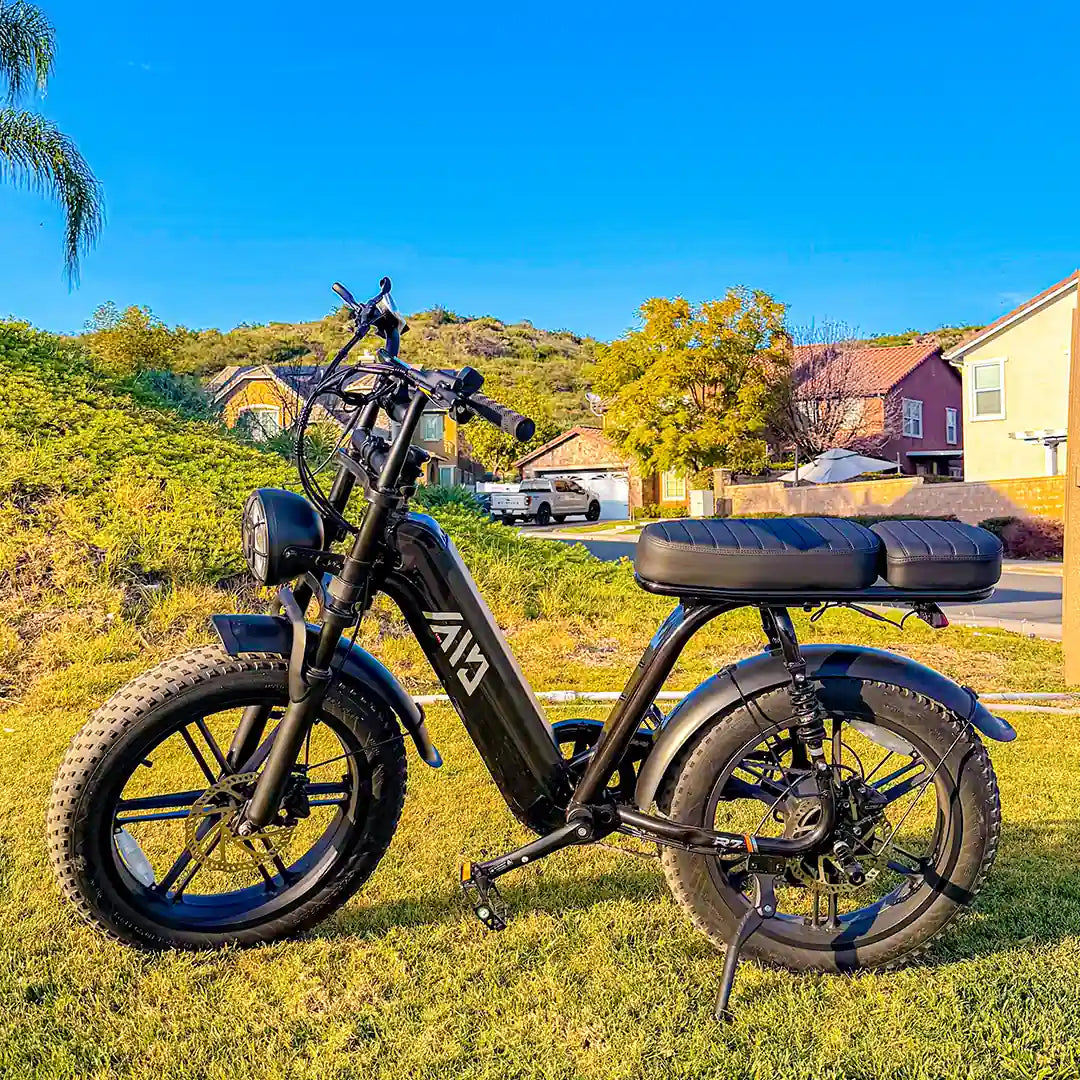
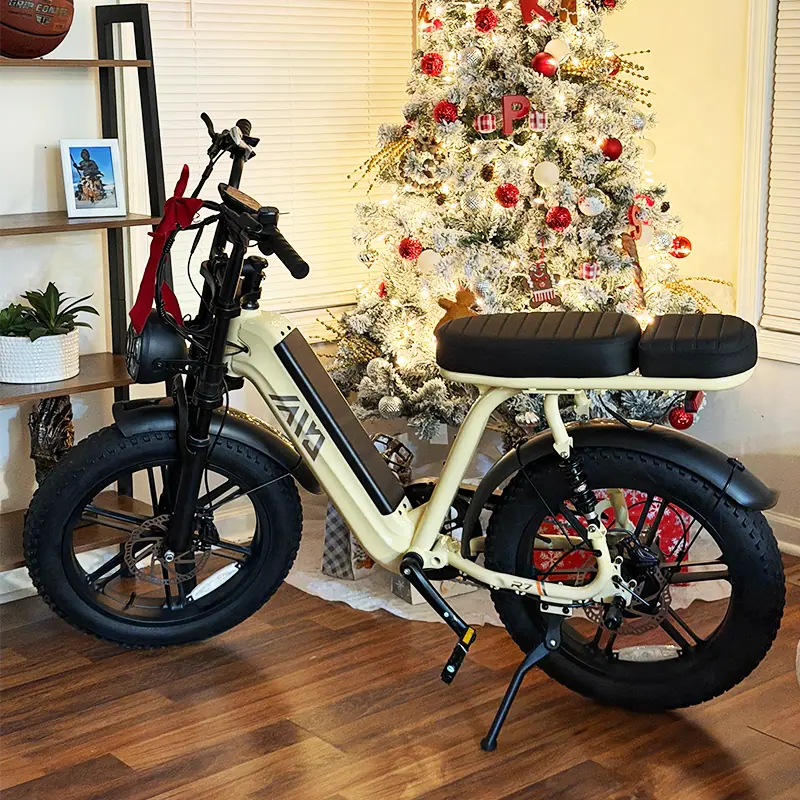
The TST R7 combines retro moped styling with a modern step-through frame for a comfortable, confident ride anywhere.
Powered by a 1500W motor and a removable 48V 15Ah battery, it reaches up to 32 mph with a 65-mile range.
Full suspension, hydraulic disc brakes, and a Shimano 7-speed system ensure smooth, stable control across any terrain.
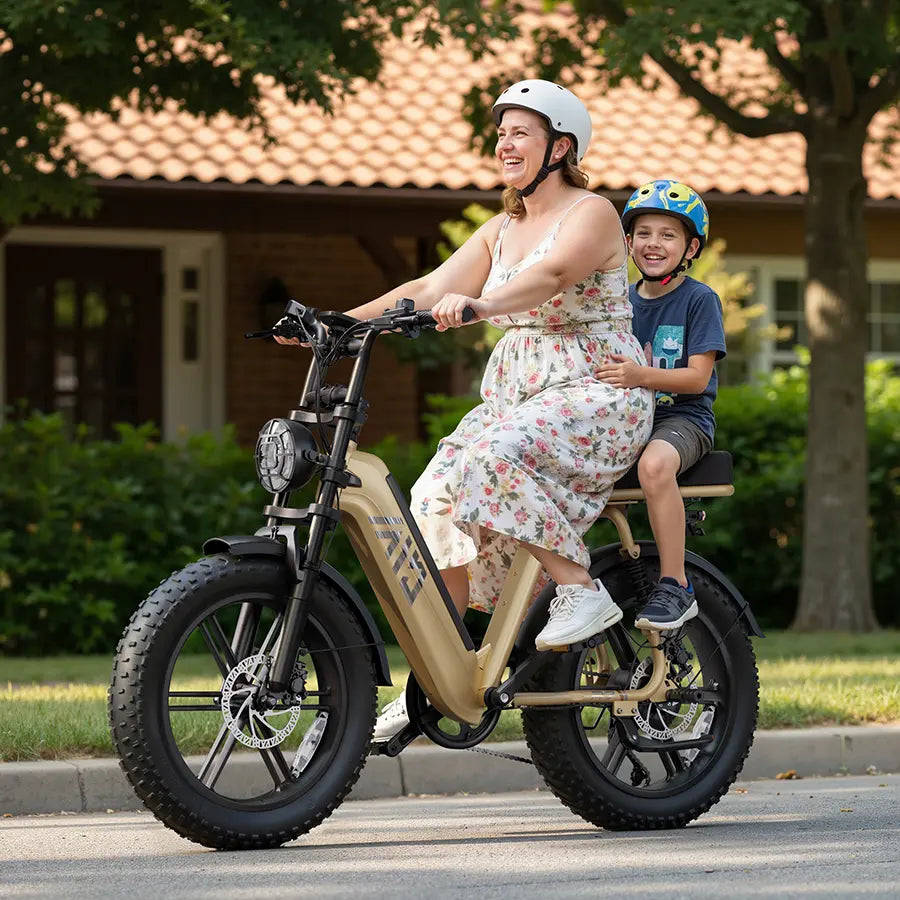
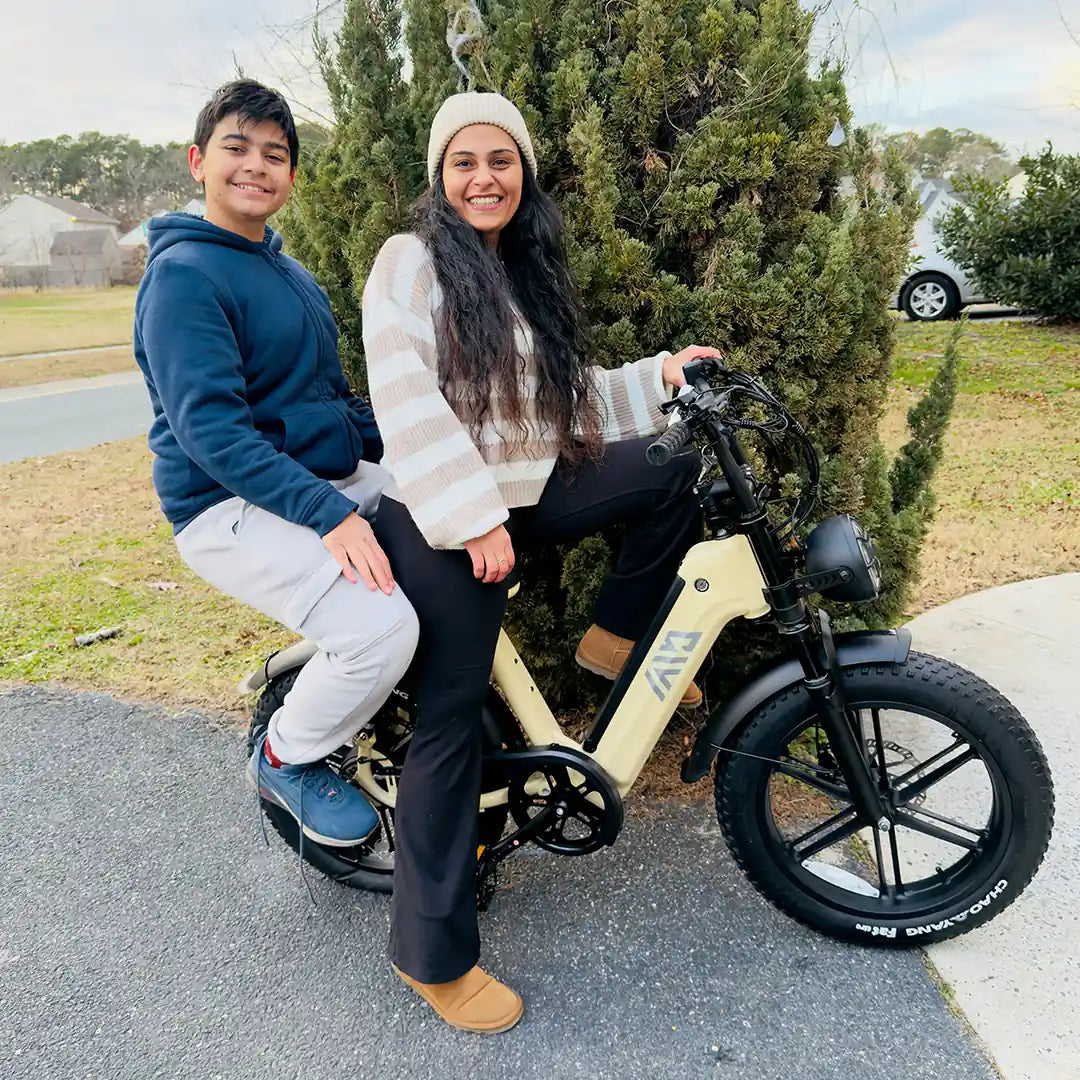
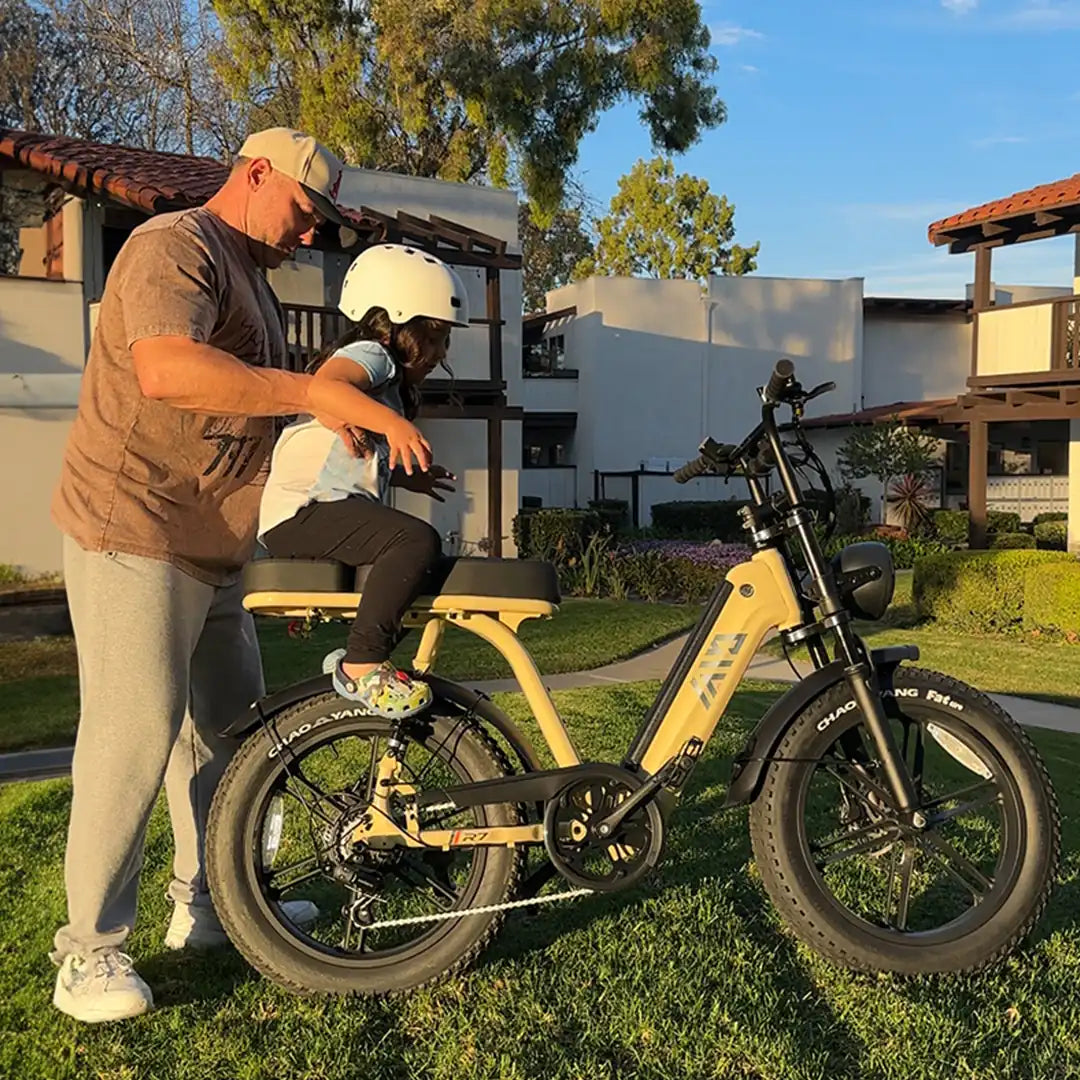
The modular rear seat lets you switch between a passenger seat, cargo rack, or storage box—perfect for families or daily errands.
Ride farther, carry more, and enjoy every journey with style and power.
Limited-time offer: Free front light & fender set included!
Features
The TST R7 combines classic retro styling with modern electric performance, offering a smooth and enjoyable ride for daily commutes or relaxed weekend trips.
Powered by a 1500W high-torque rear hub motor, it delivers smooth acceleration up to 32 mph. The 48V 15Ah removable lithium battery provides up to 65 miles of range and fully charges in about 5 hours, perfect for everyday use.
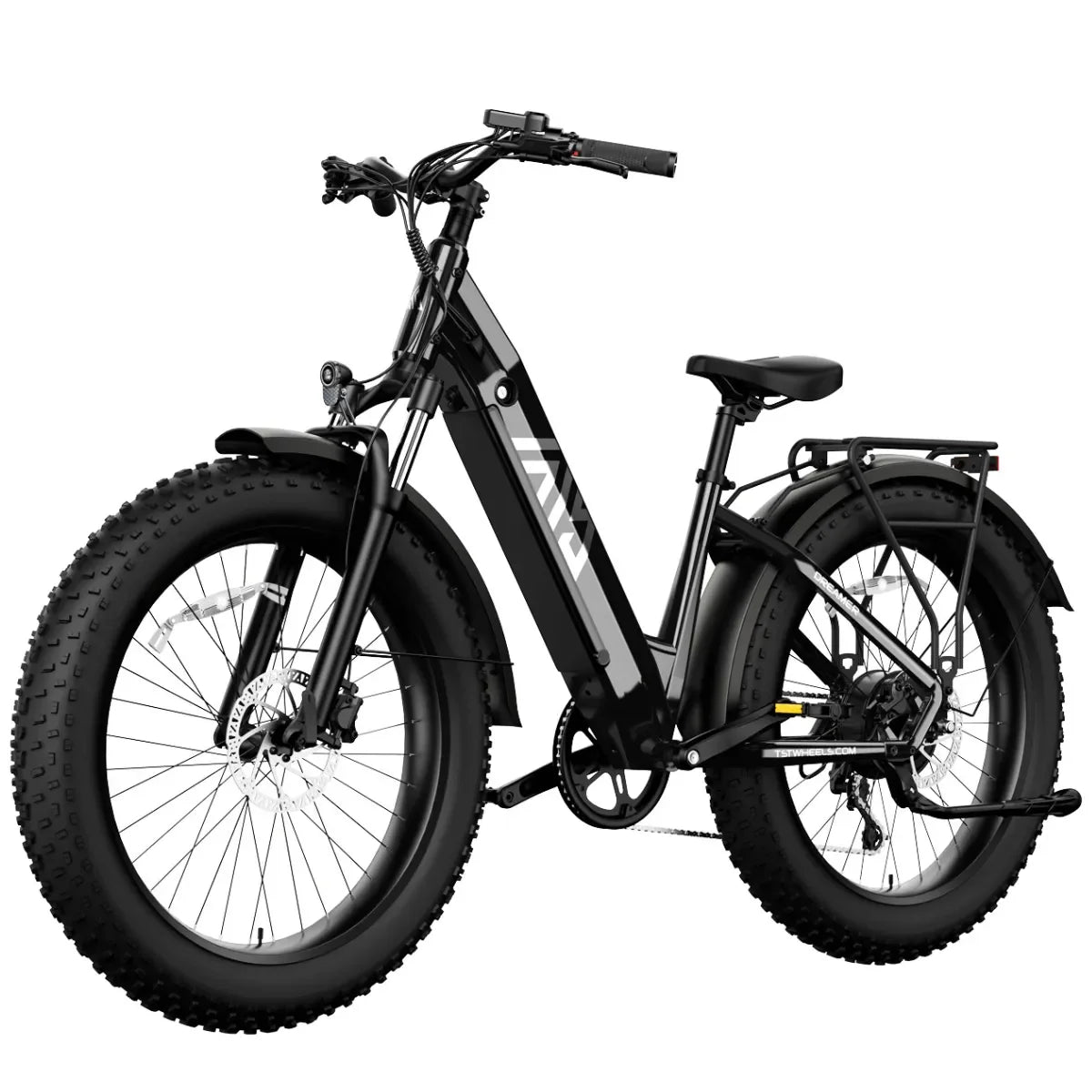
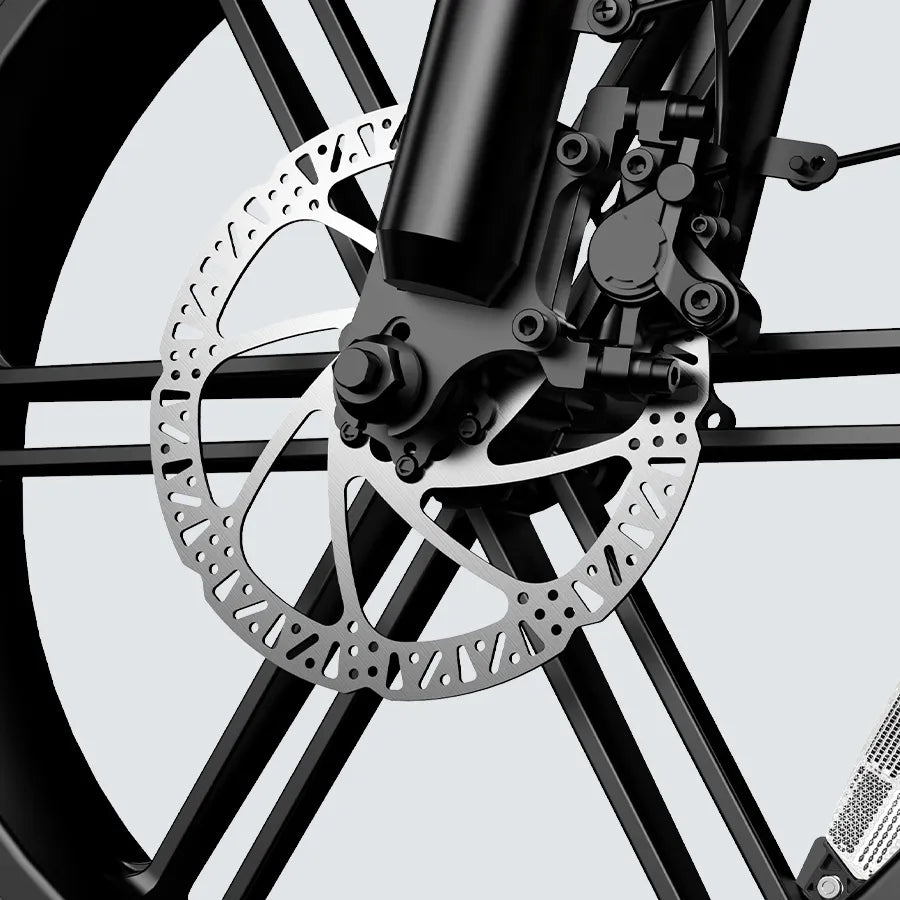
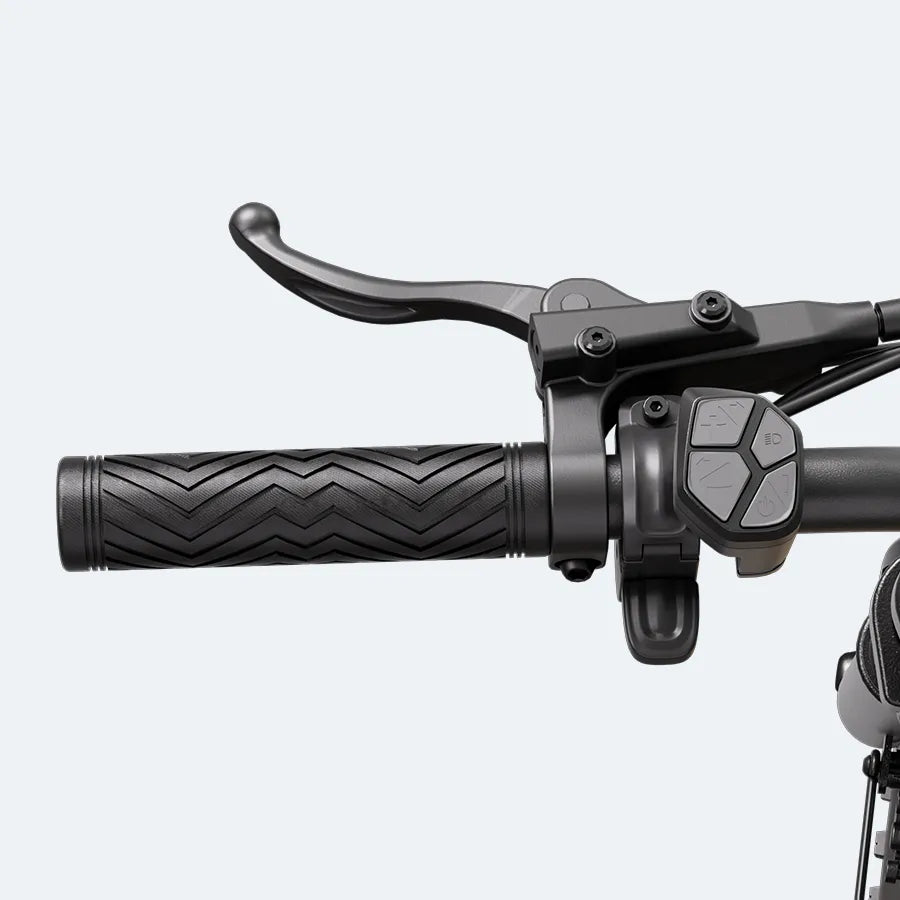
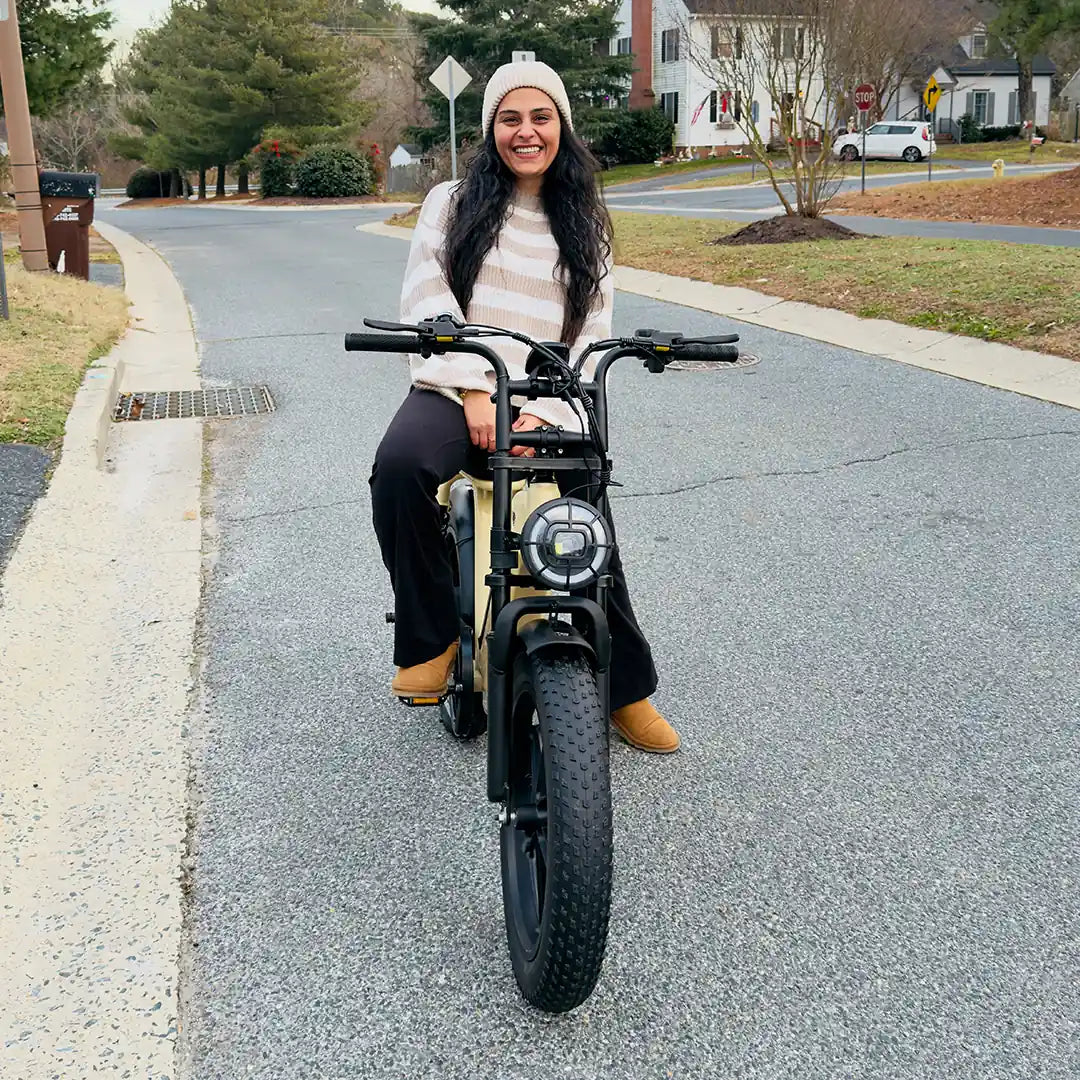
The low step-over frame and full suspension make it easy and comfortable to ride for women and senior riders. Hydraulic disc brakes ensure reliable stopping power in all conditions, while the Shimano 7-speed gear system adapts easily to both city streets and gentle hills.
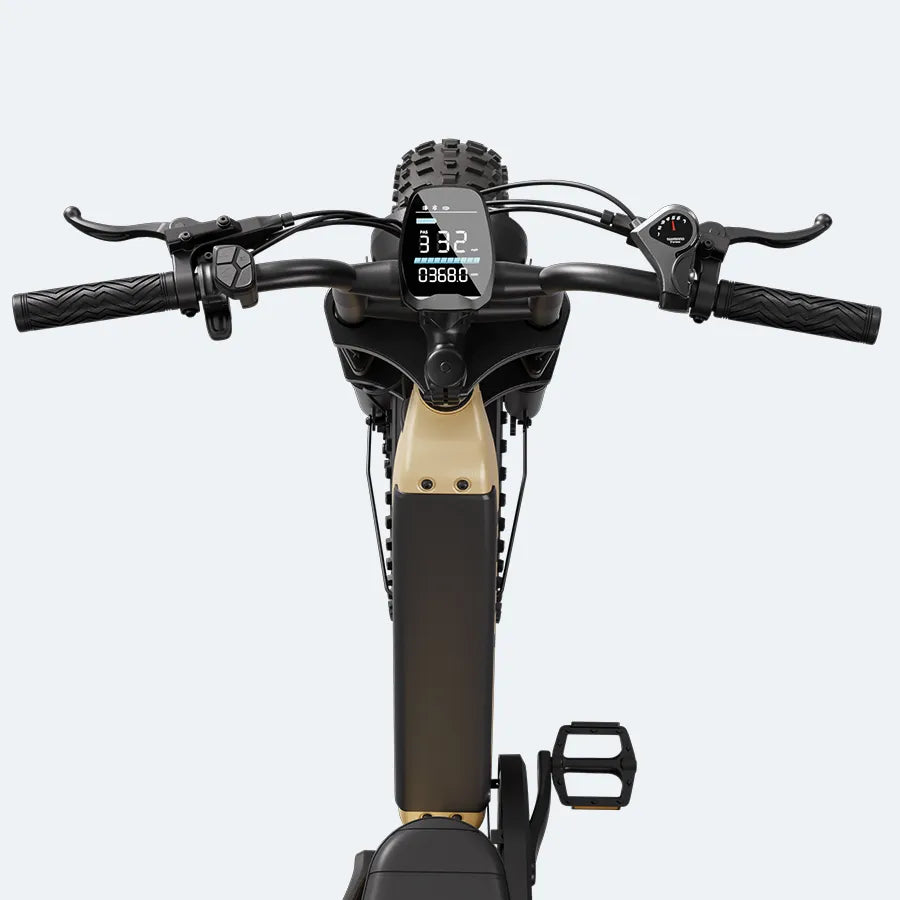
Equipped with a sturdy rear rack, bright front and rear lights, and an LCD display showing speed, distance and battery level, the R7 is built for practical, comfortable and confident riding every day.
FAQs
What are the best electric bikes around $1000
The TST R7, priced just over $1000, is one of the top choices in the retro moped-style cargo e-bike category. It features a 1500W high-torque motor, a 65-mile max range, and full suspension, offering strong performance for commuting or weekend rides. Its step-over frame design provides easier and more stable riding for a wide range of users.
Are there free accessories or bundle deals
Yes, current promotions include a free front light and fender set.
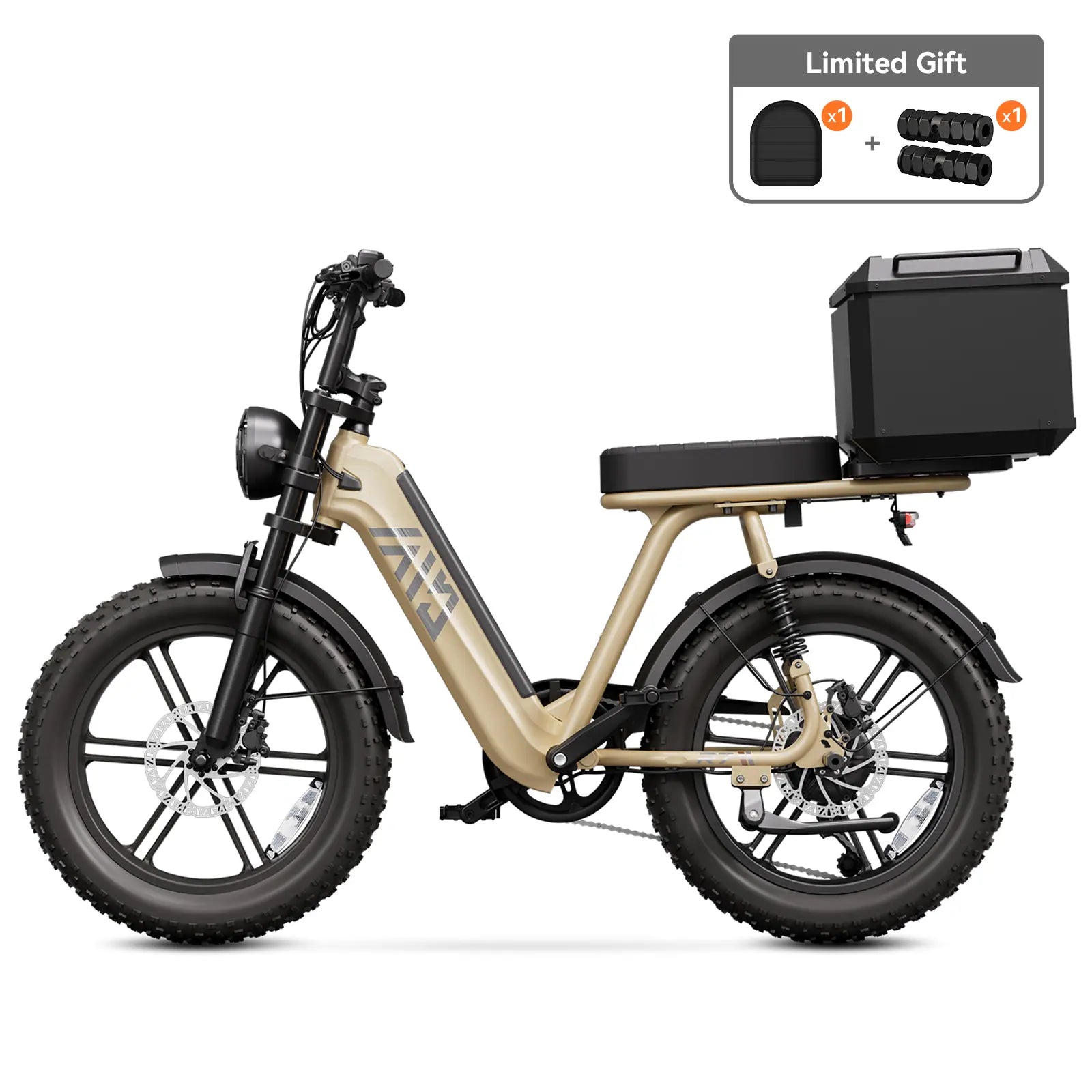
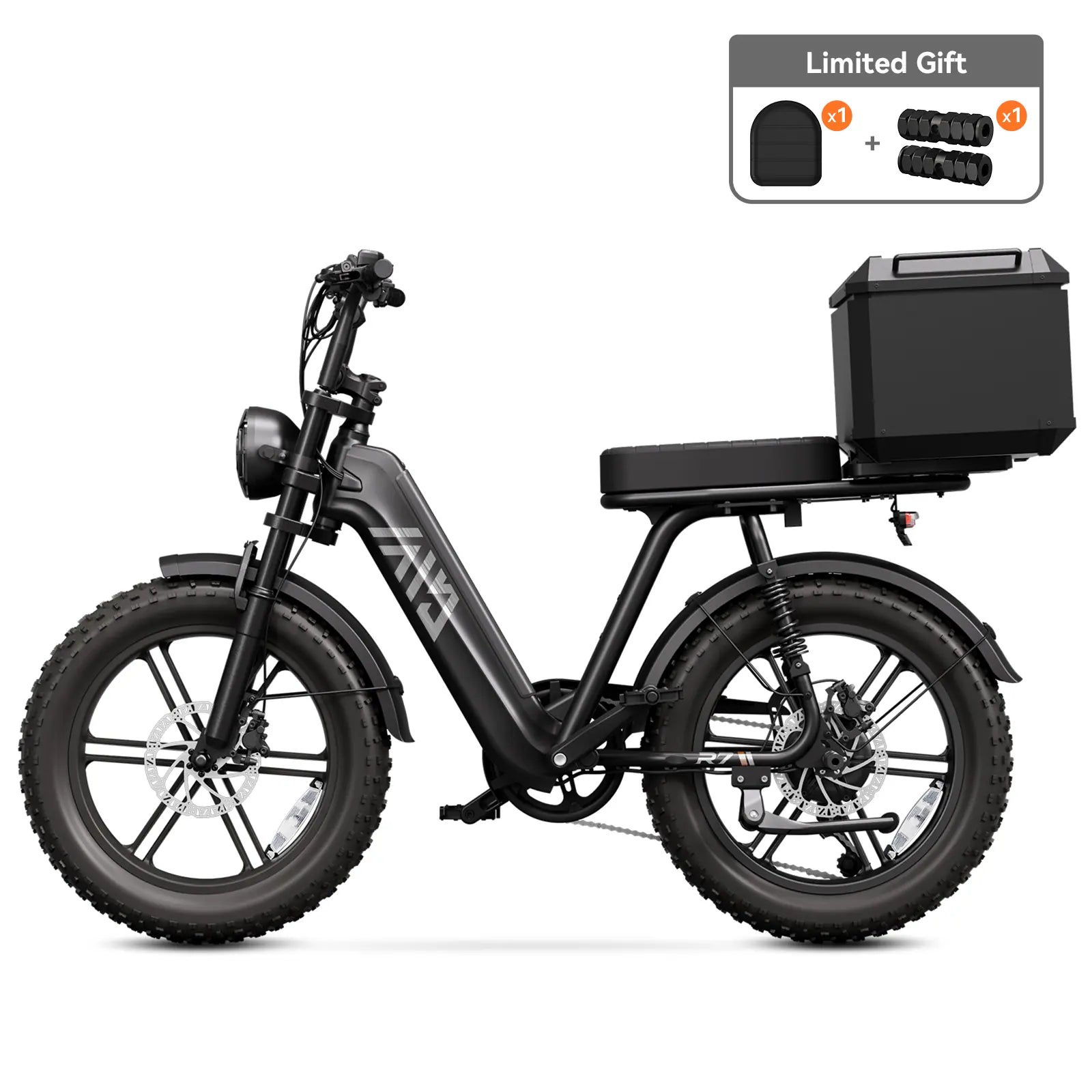
If you need storage space, you can pay an extra $100 to upgrade to the $269 aluminum rear storage box, ideal for groceries, tools, work gear, or delivery use.
When is the best time to get discounts
The best deals typically appear from October to March, especially during Black Friday and Cyber Monday, with savings reaching 20–40%. This is the best time to purchase a high-value cargo e-bike like the R7.
How can I find limited-time sale events
Subscribe to the TST Ebike newsletter, follow the brand on social media, and watch for holiday promotions and seasonal clearances where major deals are announced.
Does the R7 have full suspension
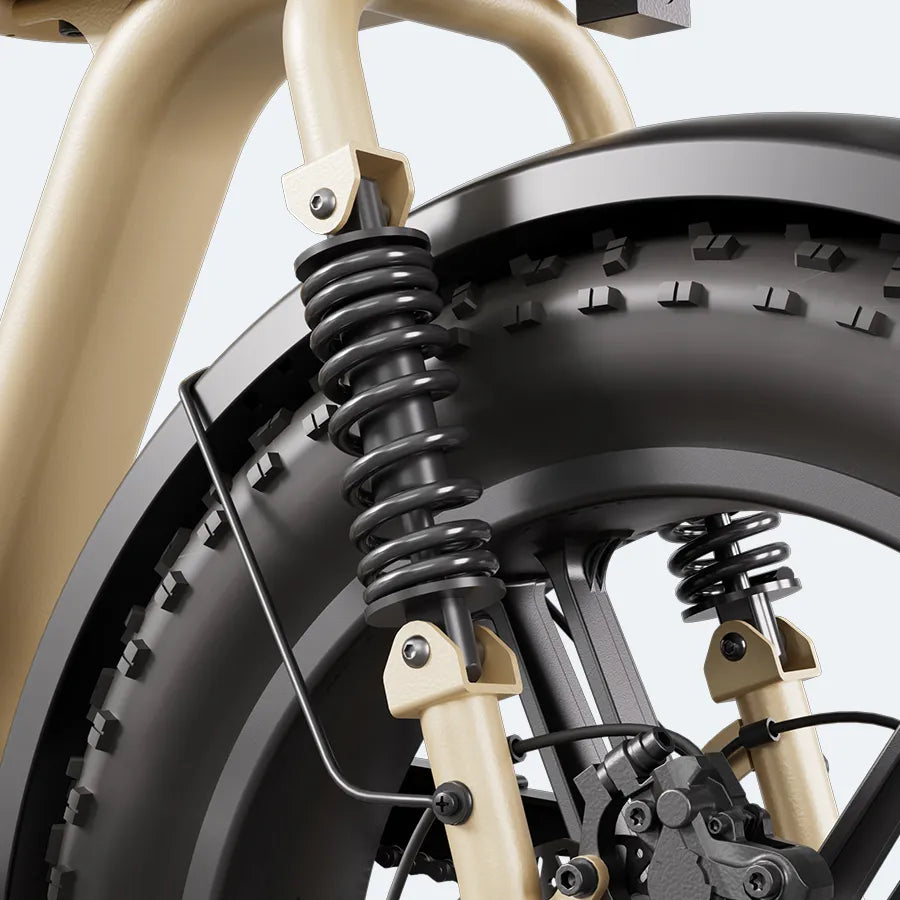
Yes, the R7 is equipped with front and rear full suspension, ensuring smooth and stable rides on city streets, light trails, and uneven terrain, making it especially comfortable for female and older riders.
Is the battery removable
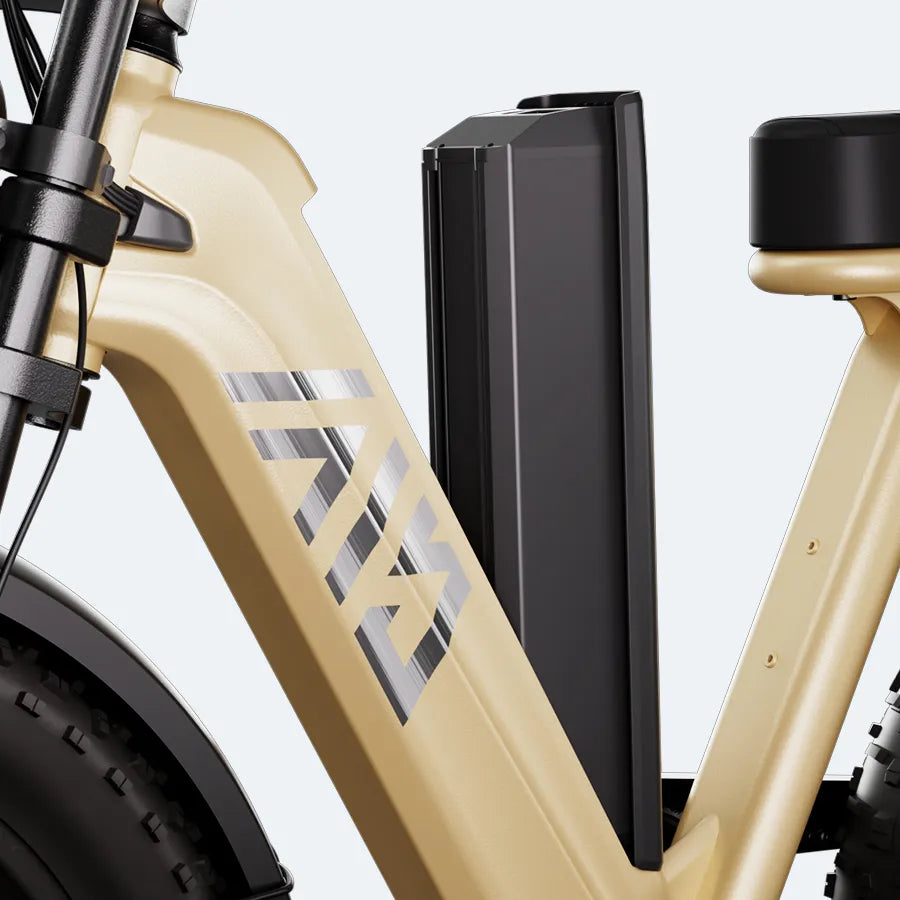
Yes, the 48V 15Ah removable battery offers up to 65 miles of range and can be fully charged in 5–6 hours, making home or office charging easy.
How does the R7 ensure safety and comfort
It uses hydraulic disc brakes for strong stopping performance
A Shimano 7-speed drivetrain for smooth shifting
A step-over frame for easy mounting and dismounting
And large all-terrain tires for enhanced grip and stability
Can the R7 carry passengers or cargo
Yes, the modular rear system allows quick switching between a passenger seat, cargo rack, or the aluminum storage box, making it ideal for family rides, shopping trips, or daily transport needs.
What is the top speed and range
The R7 reaches a top speed of 32 mph, offers up to 65 miles of range, and is powered by a 1500W high-torque rear hub motor.
Does the R7 come with lights and a display
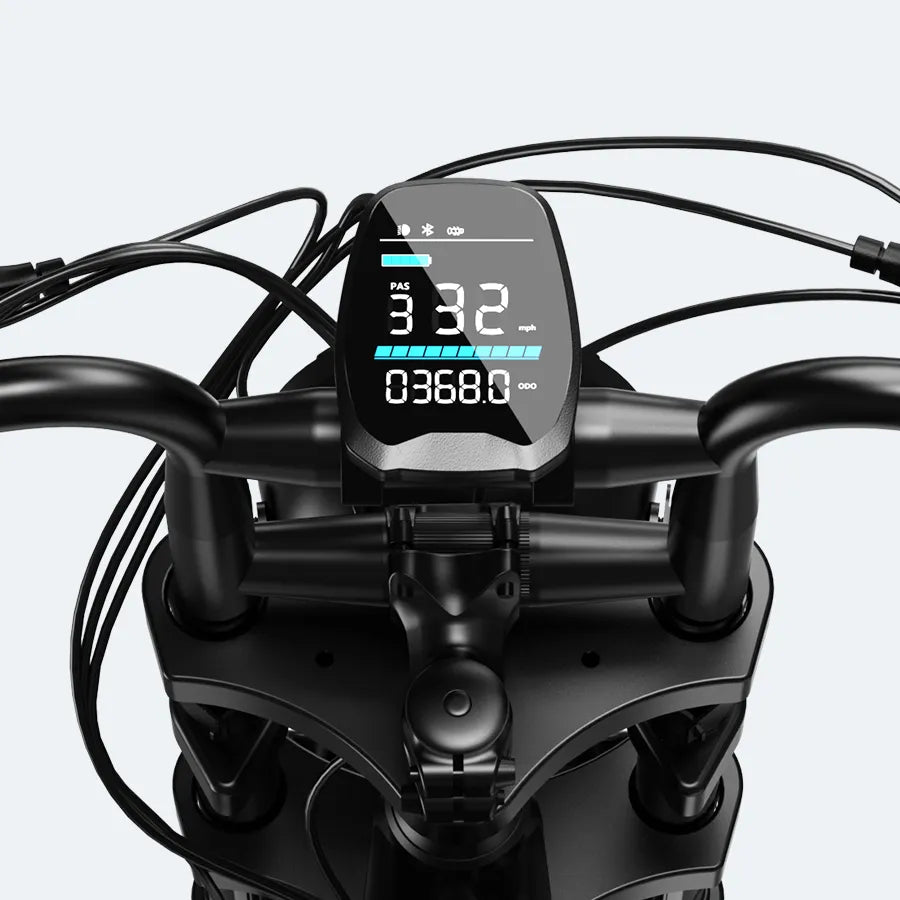
Yes, it includes an LCD display showing speed, distance, battery level, and pedal assist mode, and features integrated front and rear lights for safer night riding.
Is the R7 suitable for female or older riders
Absolutely, the low step-over frame, wide stable tires, and full suspension make the R7 very easy to ride and highly comfortable for women, seniors, and beginners.
Where can I read real rider reviews
You can visit the TST Ebike community, major e-commerce platforms, and social media channels to see real feedback on the R7’s performance, comfort, durability, and riding experience.
The TST R7 combines retro moped styling with a modern step-through frame for a comfortable, confident ride anywhere.
Powered by a 1500W motor and a removable 48V 15Ah battery, it reaches up to 32 mph with a 65-mile range.
Full suspension, hydraulic disc brakes, and a Shimano 7-speed system ensure smooth, stable control across any terrain.
The modular rear seat lets you switch between a passenger seat, cargo rack, or storage box—perfect for families or daily errands.
Ride farther, carry more, and enjoy every journey with style and power.
Limited-time offer: Free front light & fender set included!
The TST R7 combines classic retro styling with modern electric performance, offering a smooth and enjoyable ride for daily commutes or relaxed weekend trips.
Powered by a 1500W high-torque rear hub motor, it delivers smooth acceleration up to 32 mph. The 48V 15Ah removable lithium battery provides up to 65 miles of range and fully charges in about 5 hours, perfect for everyday use.
The low step-over frame and full suspension make it easy and comfortable to ride for women and senior riders. Hydraulic disc brakes ensure reliable stopping power in all conditions, while the Shimano 7-speed gear system adapts easily to both city streets and gentle hills.
Equipped with a sturdy rear rack, bright front and rear lights, and an LCD display showing speed, distance and battery level, the R7 is built for practical, comfortable and confident riding every day.
What are the best electric bikes around $1000
The TST R7, priced just over $1000, is one of the top choices in the retro moped-style cargo e-bike category. It features a 1500W high-torque motor, a 65-mile max range, and full suspension, offering strong performance for commuting or weekend rides. Its step-over frame design provides easier and more stable riding for a wide range of users.
Are there free accessories or bundle deals
Yes, current promotions include a free front light and fender set.
If you need storage space, you can pay an extra $100 to upgrade to the $269 aluminum rear storage box, ideal for groceries, tools, work gear, or delivery use.
When is the best time to get discounts
The best deals typically appear from October to March, especially during Black Friday and Cyber Monday, with savings reaching 20–40%. This is the best time to purchase a high-value cargo e-bike like the R7.
How can I find limited-time sale events
Subscribe to the TST Ebike newsletter, follow the brand on social media, and watch for holiday promotions and seasonal clearances where major deals are announced.
Does the R7 have full suspension
Yes, the R7 is equipped with front and rear full suspension, ensuring smooth and stable rides on city streets, light trails, and uneven terrain, making it especially comfortable for female and older riders.
Is the battery removable
Yes, the 48V 15Ah removable battery offers up to 65 miles of range and can be fully charged in 5–6 hours, making home or office charging easy.
How does the R7 ensure safety and comfort
It uses hydraulic disc brakes for strong stopping performance
A Shimano 7-speed drivetrain for smooth shifting
A step-over frame for easy mounting and dismounting
And large all-terrain tires for enhanced grip and stability
Can the R7 carry passengers or cargo
Yes, the modular rear system allows quick switching between a passenger seat, cargo rack, or the aluminum storage box, making it ideal for family rides, shopping trips, or daily transport needs.
What is the top speed and range
The R7 reaches a top speed of 32 mph, offers up to 65 miles of range, and is powered by a 1500W high-torque rear hub motor.
Does the R7 come with lights and a display
Yes, it includes an LCD display showing speed, distance, battery level, and pedal assist mode, and features integrated front and rear lights for safer night riding.
Is the R7 suitable for female or older riders
Absolutely, the low step-over frame, wide stable tires, and full suspension make the R7 very easy to ride and highly comfortable for women, seniors, and beginners.
Where can I read real rider reviews
You can visit the TST Ebike community, major e-commerce platforms, and social media channels to see real feedback on the R7’s performance, comfort, durability, and riding experience.
This product is rated 4.8 of 5.0 stars.
It has received 50 reviews.