


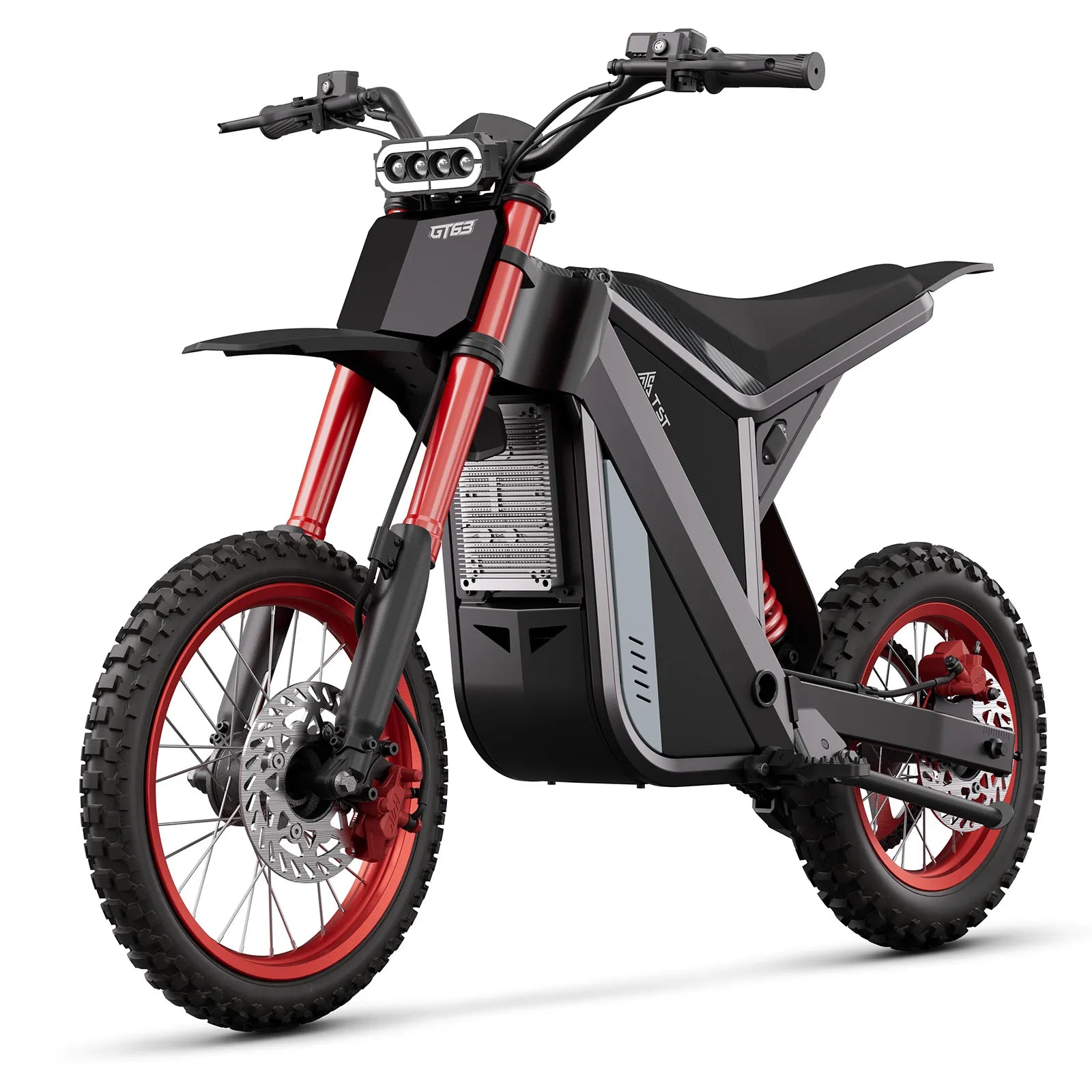
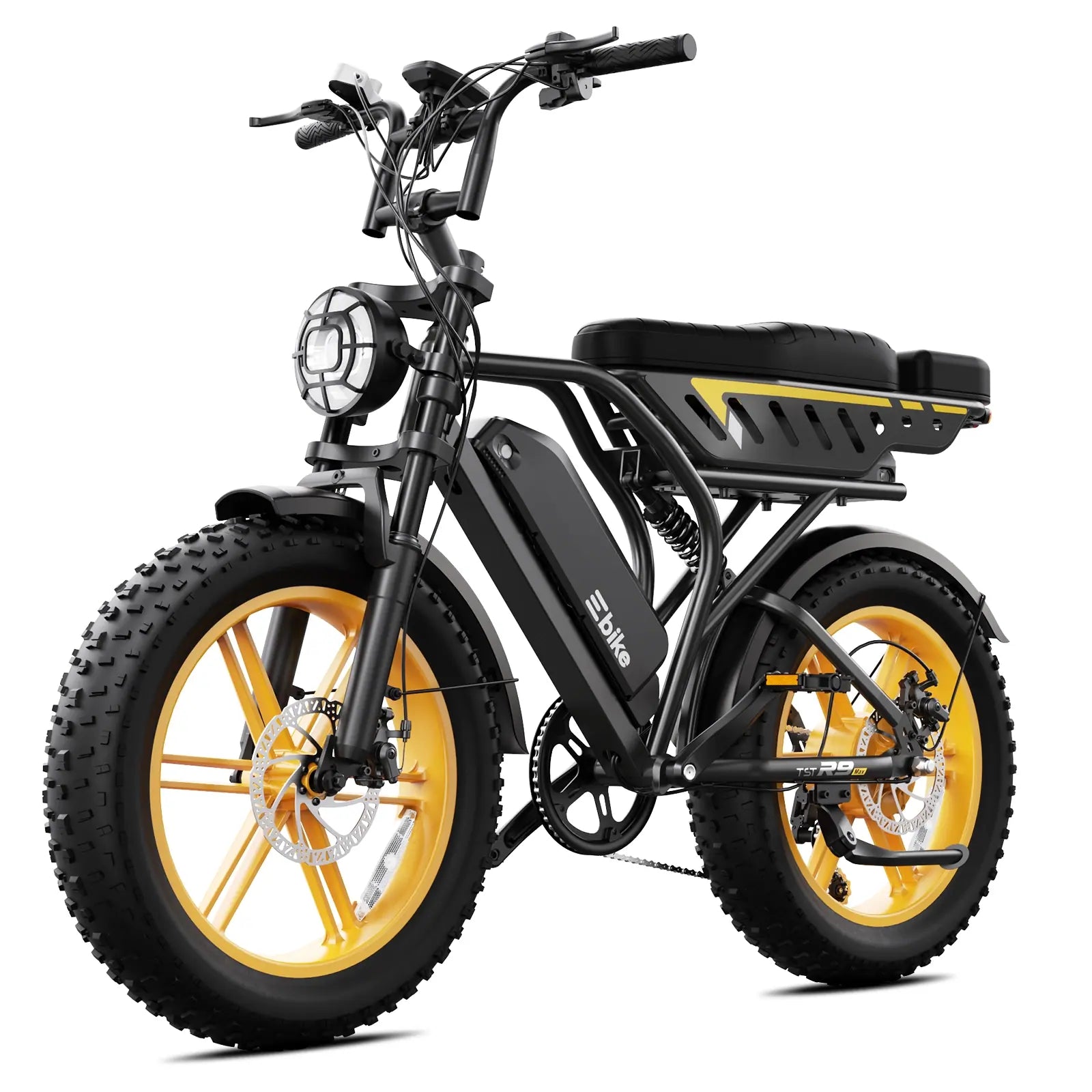

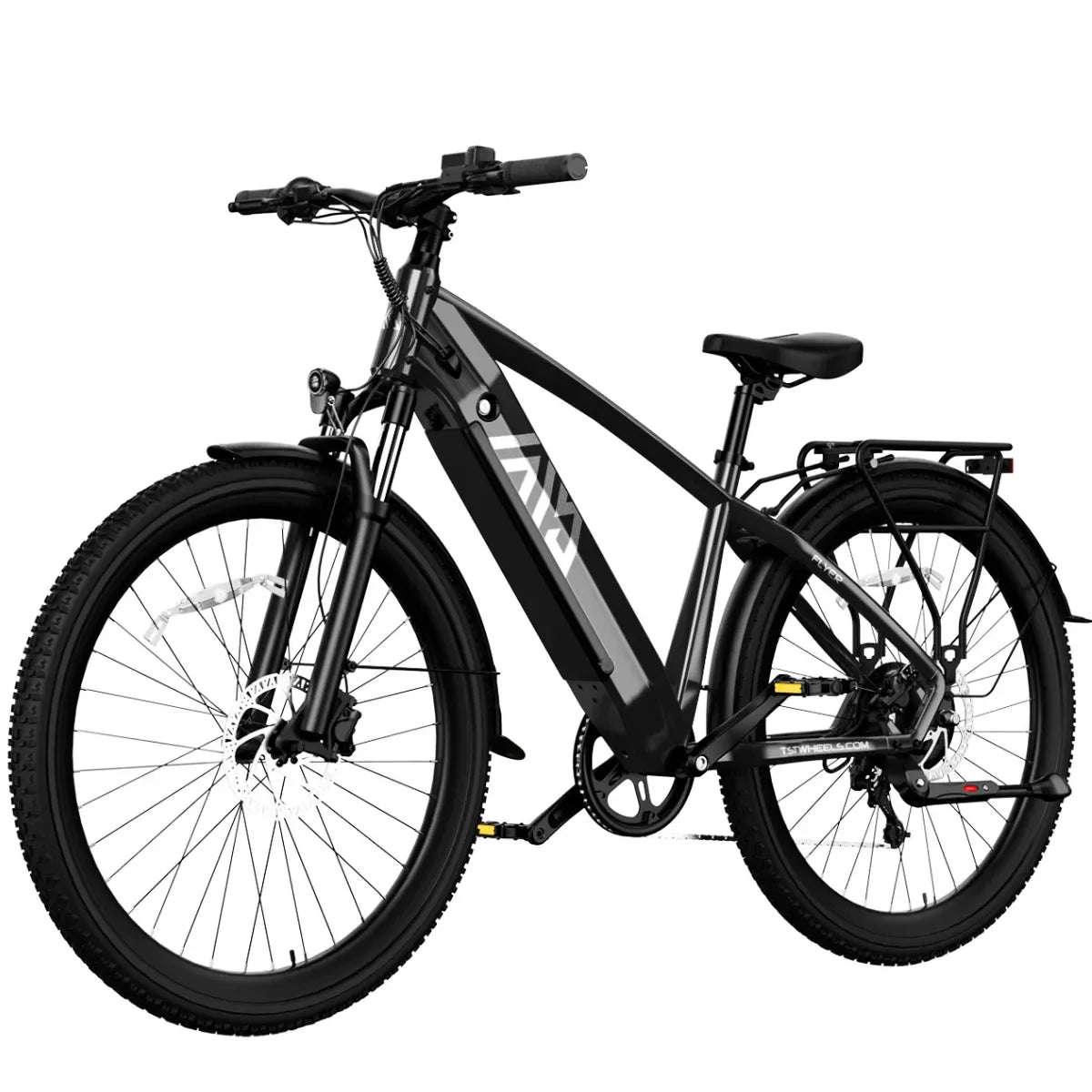
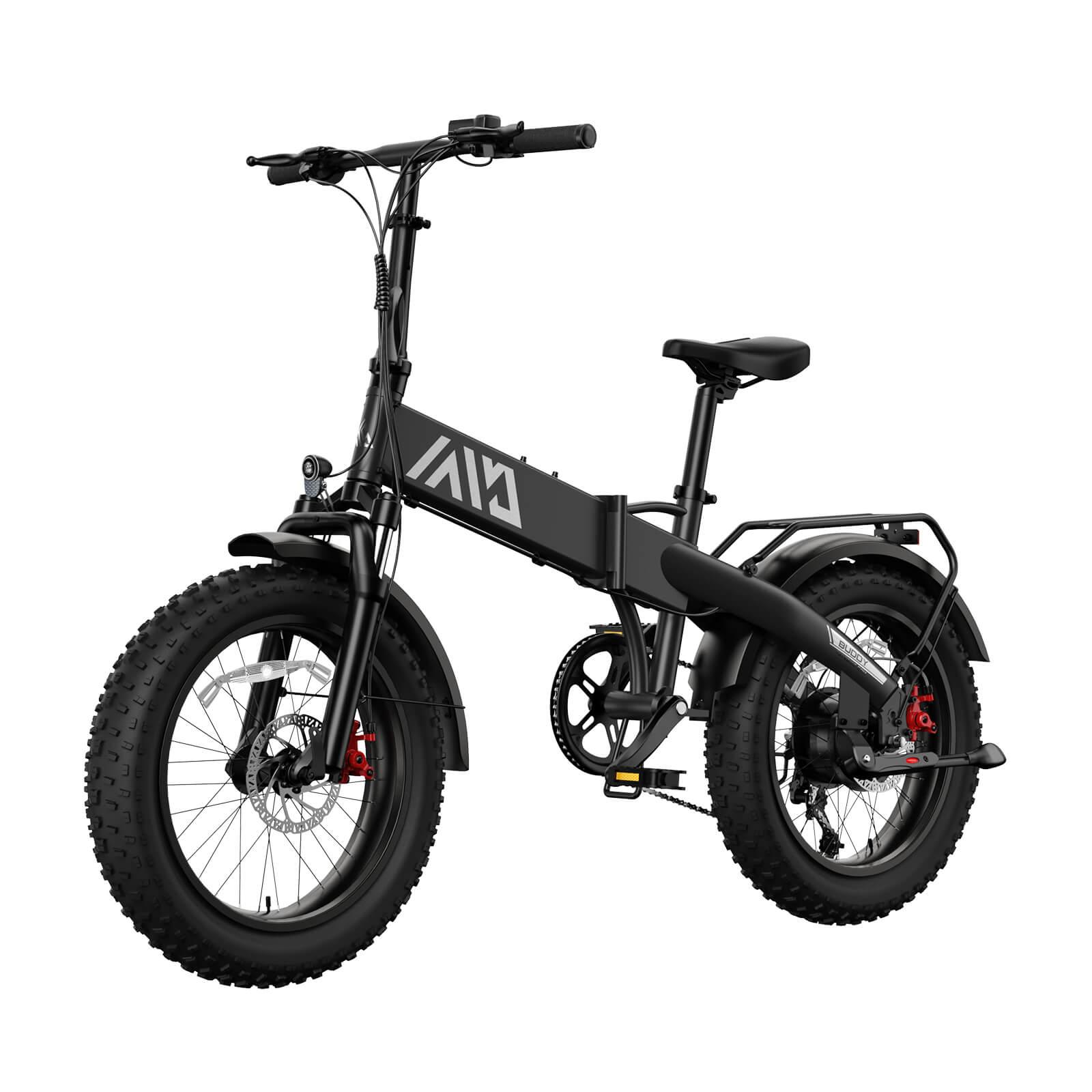


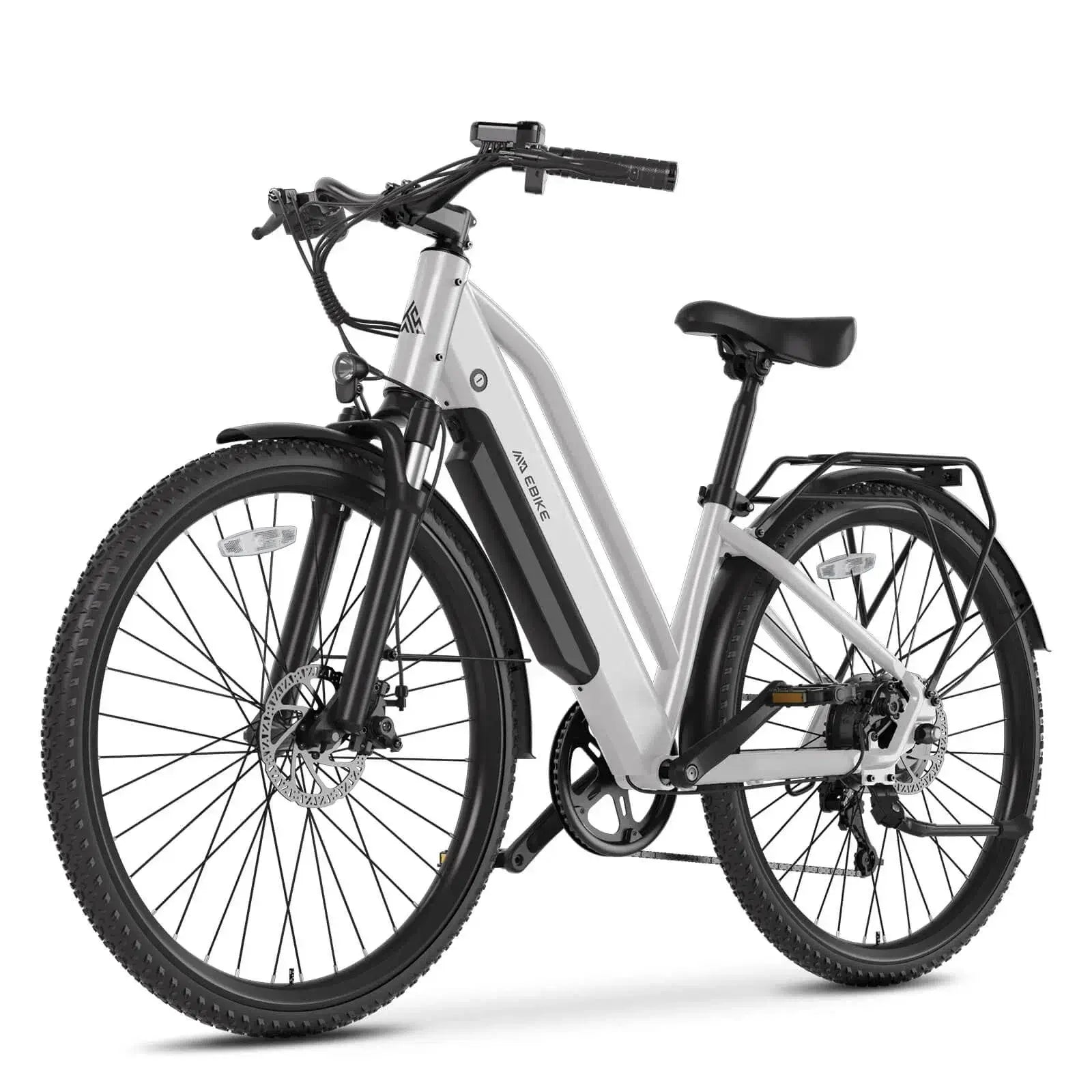






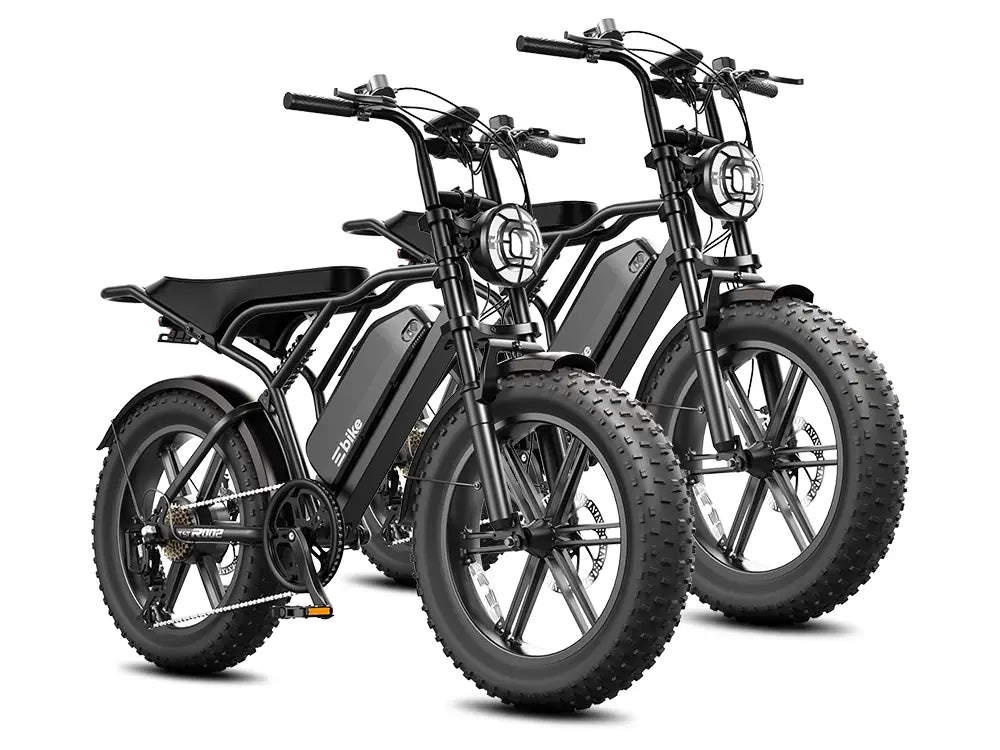


A handful of adult electric bikes can reach or exceed 50 mph in 2025, but they are almost all high‑power, off‑road or moped‑style machines built for enthusiasts, not casual commuters. These speed‑capable ebikes combine 3000–6000‑W motors, 48–72‑V lithium battery systems, full suspension, and fat‑tire stability to deliver performance that rivals small motorcycles.
Which adult electric bikes can reach 50 mph in 2025?
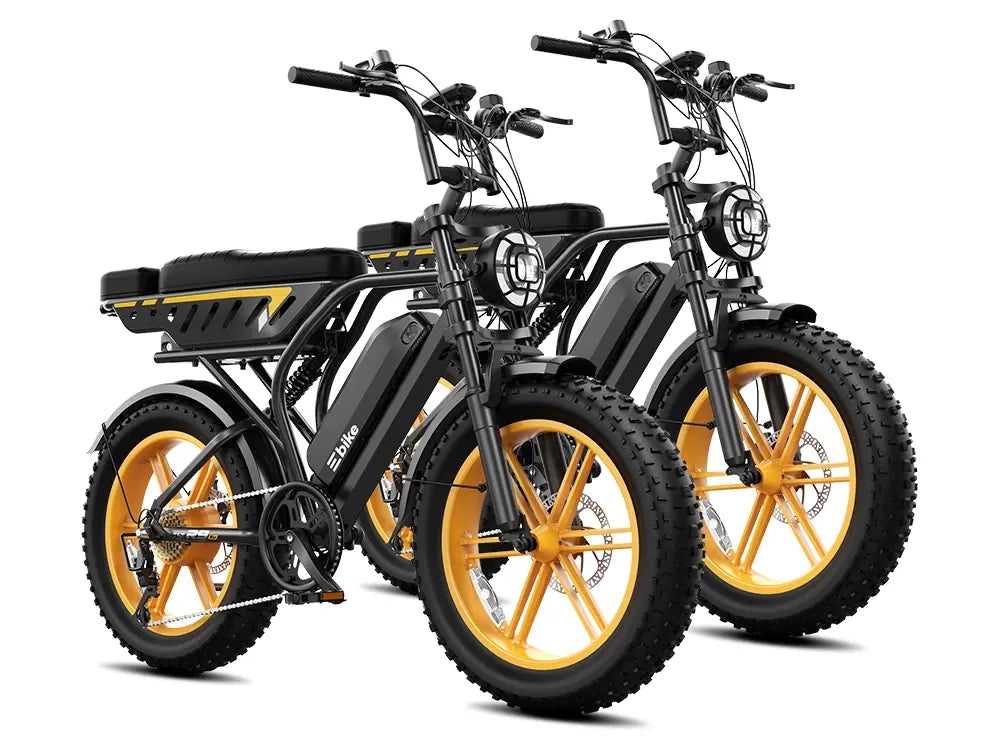
Several high‑performance adult electric bikes can reach or surpass 50 mph in 2025, including models such as the Stealth B‑52, Delfast Top 3.0 / Top Cop, Xion CyberX, Goat Power V3, and Hi Power Cycles Revolution. These machines are typically built as off‑road powerhouses or moped‑style speed bikes, with motors in the 3000–6000‑W range, 48–72‑V battery packs, and robust chassis designed for high‑speed handling. Because of their extreme power, most 50‑mph ebikes are not street‑legal in mainstream e‑bike categories and are often restricted to private land or closed courses.
What defines high‑speed performance in 2025 ebikes?
High‑speed performance in 2025 ebikes is defined by three core elements: motor power, system efficiency, and chassis design. High‑output motors (3000–6000 W) generate enough torque and RPM to push speeds past 40–50 mph, while 48–72‑V lithium batteries paired with high‑amp controllers deliver sustained power without rapid voltage sag. At the same time, lightweight yet stiff frames, full suspension, and optimized aerodynamics help translate raw power into stable, controllable speed rather than just top‑speed numbers on a display.
How do 26‑inch fat‑tire ebikes handle high speeds?
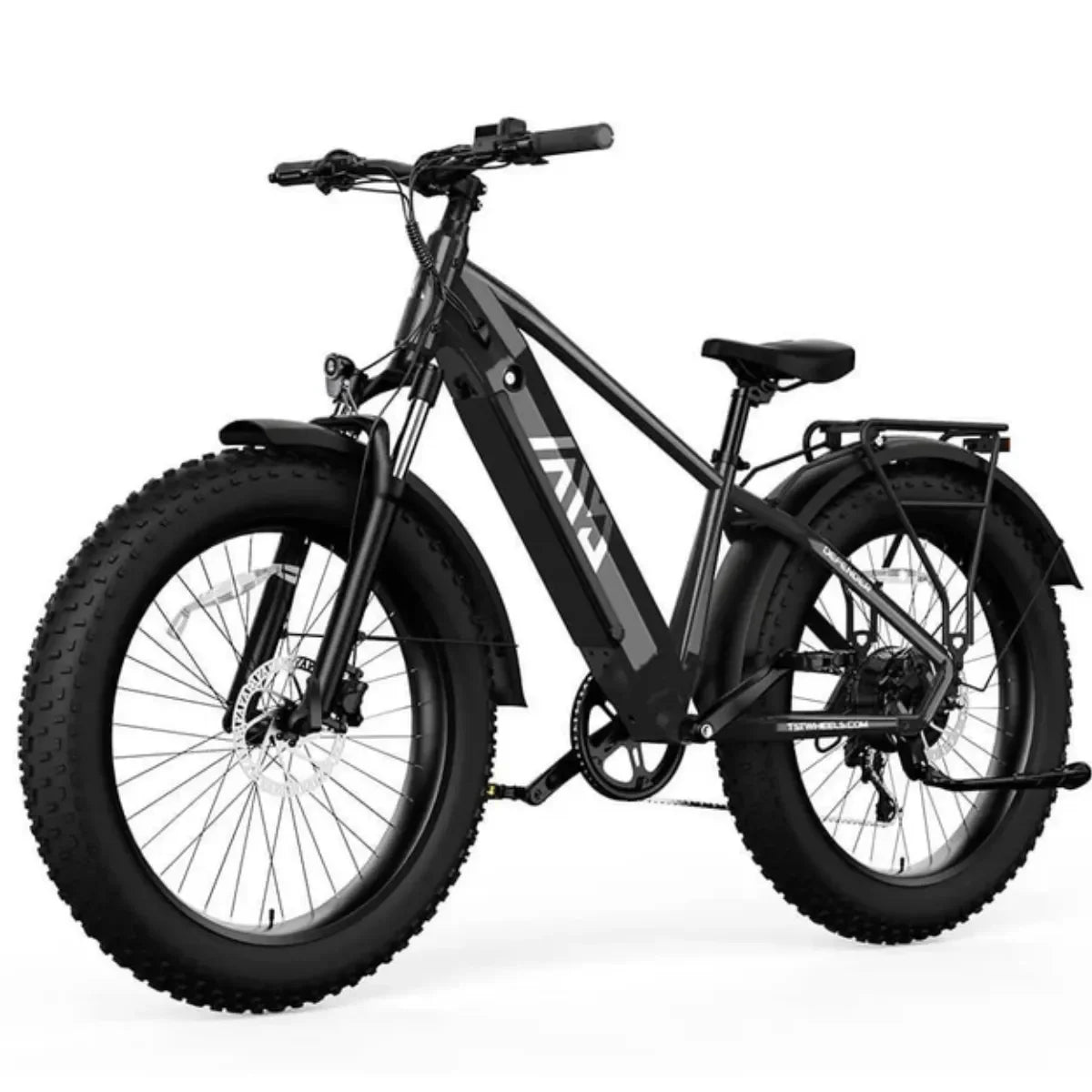
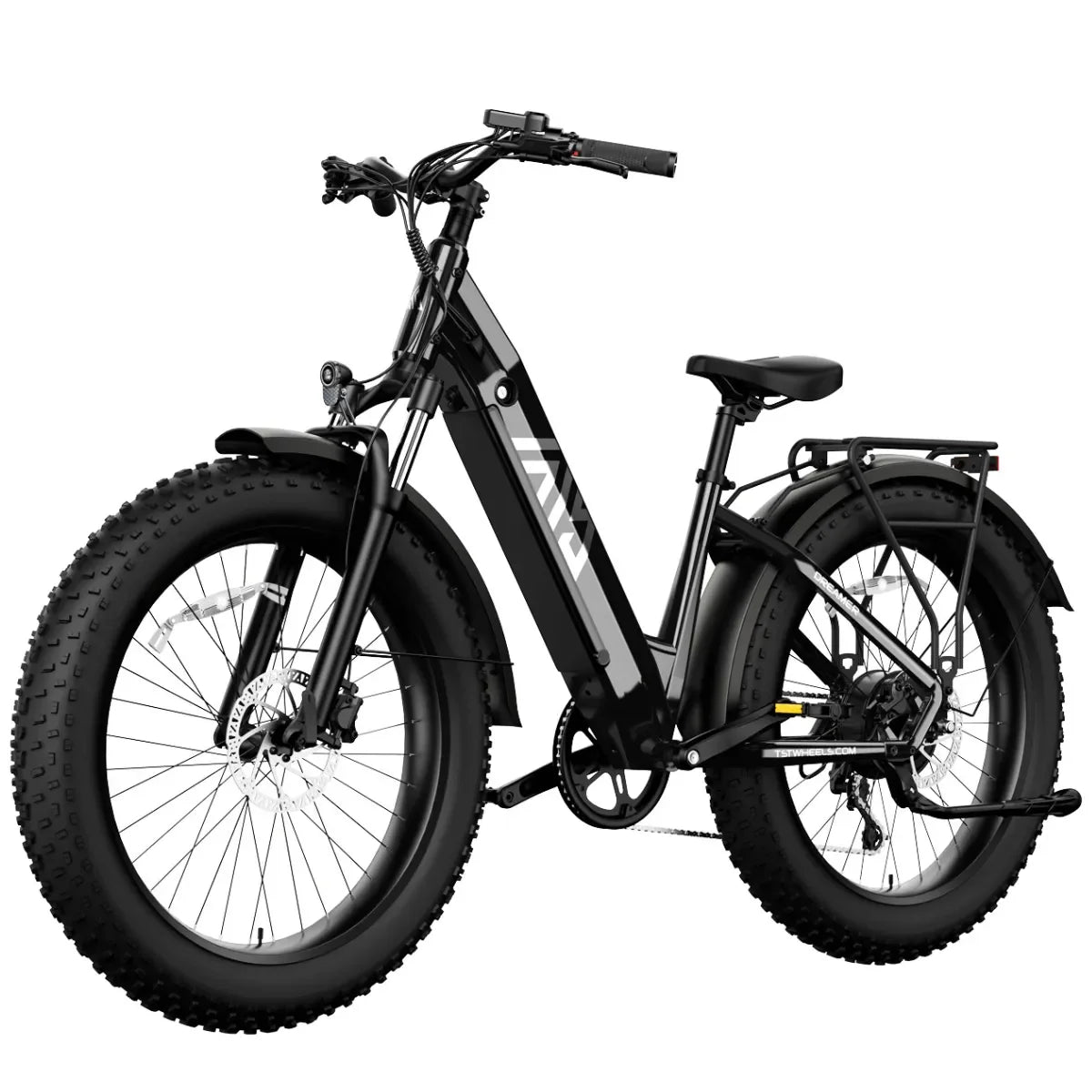
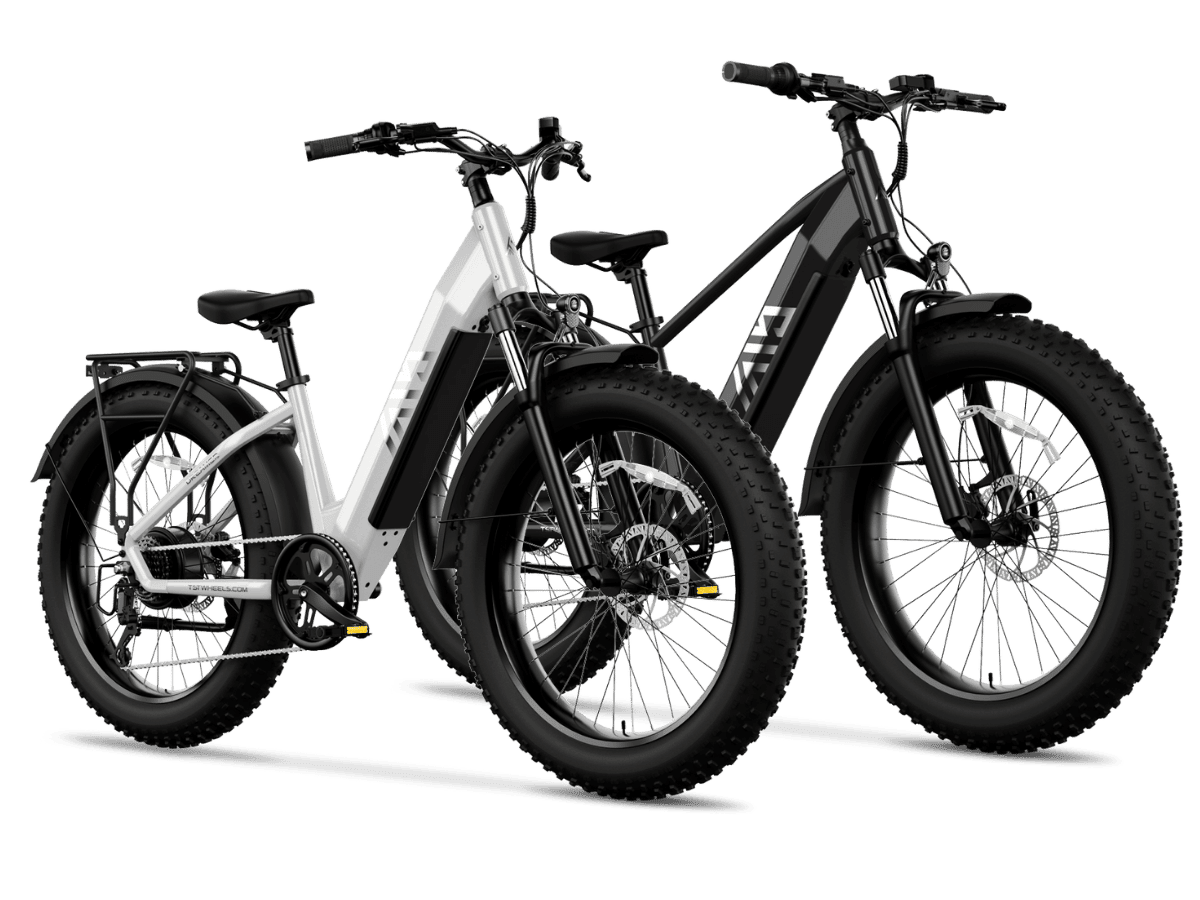
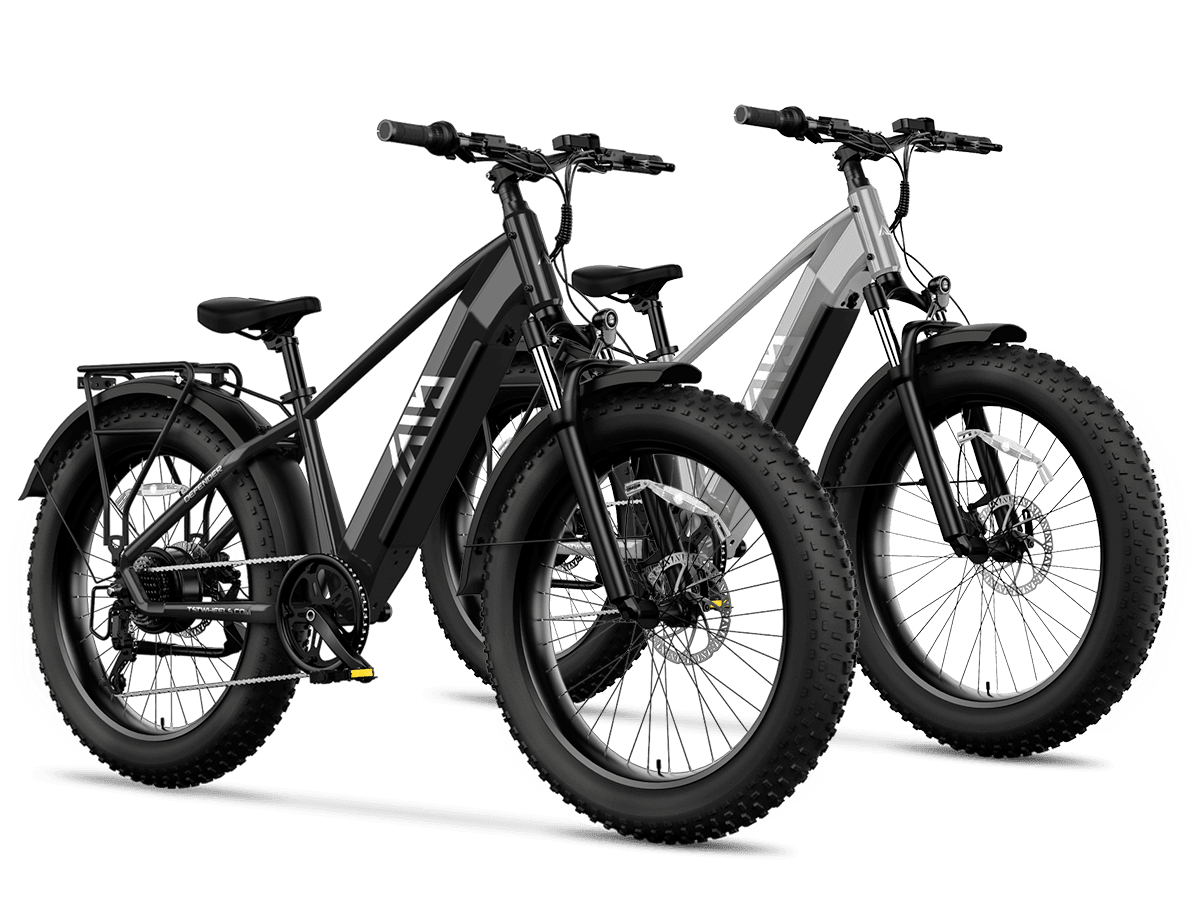
Twenty‑six‑inch fat‑tire ebikes trade some rolling efficiency for significantly better stability and traction, especially at higher speeds over rough surfaces. The wider 26‑inch tires increase contact area and damping, which reduces high‑frequency vibrations and improves straight‑line tracking when blasting down trails or packed dirt. However, the extra weight and rolling resistance of fat tires mean these bikes rarely reach 50 mph unless heavily modified; they are instead optimized for all‑terrain control and rider comfort at more moderate speeds, such as 25–35 mph.
Why do most 50‑mph ebikes not use 26‑inch fat tires?
Most 50‑mph ebikes favor narrower, high‑pressure tires (often 20–27.5‑inch) instead of 26‑inch fat tires because speed‑focused designs prioritize rolling efficiency, top‑speed potential, and aerodynamics over off‑road floatation. Fat tires generate more rolling resistance and add wheel weight, which can reduce acceleration and top speed and shorten usable range at very high power levels. That said, some 26‑inch fat‑tire ebikes can still be tuned for higher performance, but they are typically marketed as “26‑inch full‑terrain” bikes for stability and comfort rather than pure 50‑mph speed runs.
How does wheel size affect stability at highway‑like speeds?
Wheel size plays a key role in high‑speed stability by influencing gyroscopic effect, bump absorption, and contact‑patch geometry. Larger wheels (27.5–29‑inch) tend to roll over obstacles more smoothly and maintain straight‑line tracking at speed, while 26‑inch wheels balance agility and shock absorption, especially when paired with wide, cushioning tires. At highway‑like speeds (30–50 mph), a well‑tuned 26‑inch setup with a stiff frame, quality suspension, and proper tire pressure can feel very stable—particularly over rough or off‑road terrain—though narrower, slicker tires will still outperform fat tires on smooth pavement.
What makes a 26‑inch full‑terrain ebike stable at high speeds?
A 26‑inch full‑terrain ebike stays stable at high speeds through a combination of frame geometry, suspension tuning, and tire design. A longer wheelbase and slackened head‑tube angle help resist speed wobbles, while front or dual suspension soaks up bumps that might otherwise unsettle the front end. The 26‑inch fat‑tire platform also contributes by providing a broad, grippy footprint that resists sliding or skipping, especially on loose or uneven surfaces, making it a strong choice for performance‑oriented riders who prioritize control and comfort over outright 50‑mph sprints.
How do manufacturers balance speed, safety, and legality?
Manufacturers balance speed, safety, and legality by tuning motor output, adding intelligent controllers, and incorporating robust braking and stability systems. Many 50‑mph-capable ebikes are sold as “off‑road” or “private land use only” to avoid stricter street‑legal e‑bike classifications, while still offering rider‑selectable power modes that cap speed for safer street riding. Features such as hydraulic disc brakes, comprehensive suspension, and durable frame construction help mitigate the increased risk that comes with high‑speed electric cycling.
Which 26‑inch performance ebikes are notable in 2025?
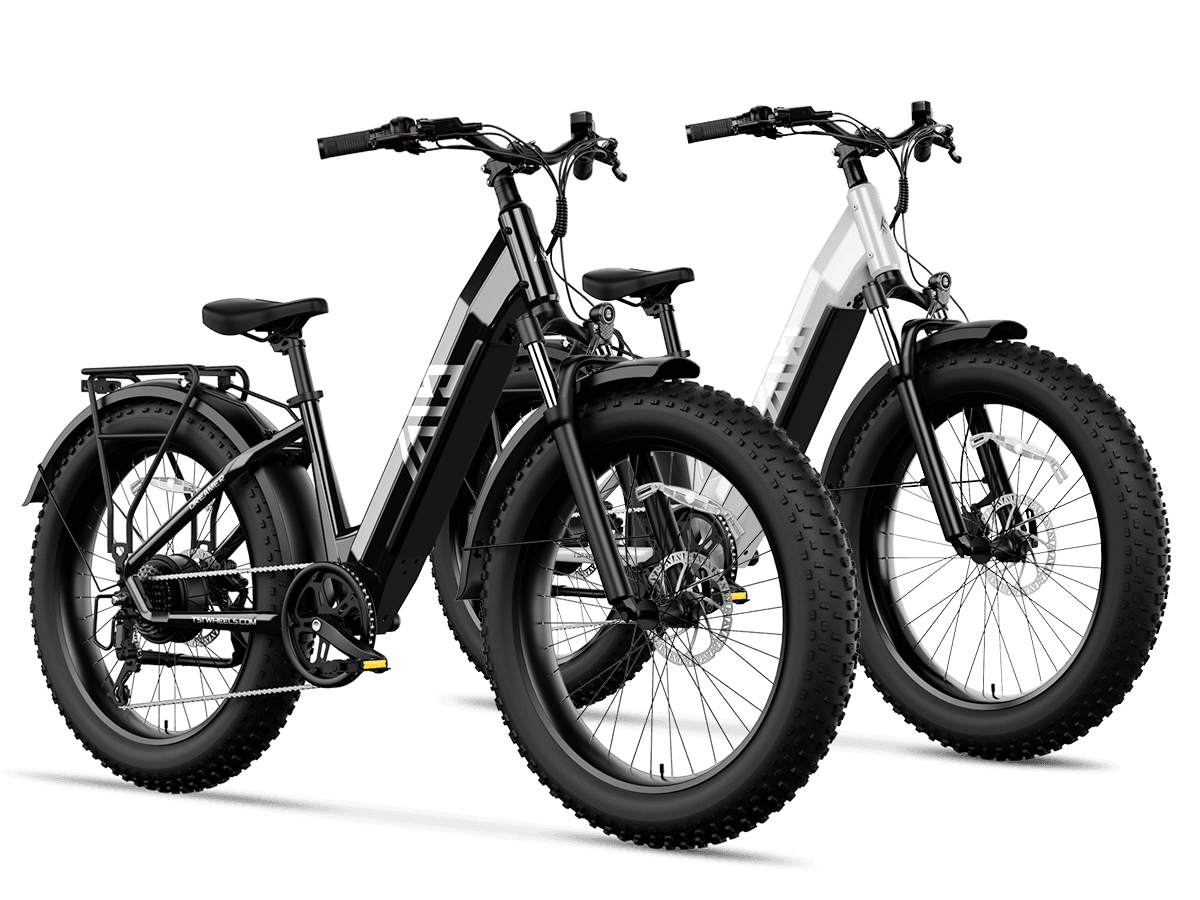
In 2025, several 26‑inch ebikes stand out for performance and all‑terrain capability, even if they do not reach 50 mph. Off‑road and fat‑tire platforms with 26‑inch wheels focus on rugged suspension, wide tires, and powerful mid‑range motors (1000–1500 W) that deliver strong acceleration and hill‑climbing on sand, snow, and rocky trails. TST EBike, for example, offers 26‑inch fat‑tire models built for snow, sand, and rough terrain, combining a 26‑inch wheel platform with robust motors and durable frames to deliver a performance‑oriented but still practical experience.
How does battery voltage and motor power affect 50‑mph capability?
Battery voltage and motor power directly determine how close an ebike can get to 50 mph. A typical 36–48‑V, 500–750‑W commuter bike is electronically limited to around 20–28 mph, whereas 48–72‑V systems powering 3000–6000‑W motors can push into the 40–50‑mph range when paired with efficient gearing and low‑drag components. Higher voltage reduces current demand for the same power level, which helps prevent overheating and allows for heavier sustained loads, while a powerful motor adds torque and top‑speed headroom essential for breaking into the 50‑mph bracket.
What safety features should you look for in a 50‑mph ebike?
In a 50‑mph ebike, look for full hydraulic disc brakes, quality suspension front and rear, a robust frame made from aluminum or advanced alloys, and strong wheel builds with reliable hubs and spokes. Electronic features such as multiple power modes, controlled throttle response, and sometimes advanced rider‑assistance options (like traction or brake control) also boost safety. Additionally, riders should expect a stable chassis, proper wet‑weather braking, and a design that keeps the bike composed during hard braking or high‑speed cornering.
How do 26‑inch full‑terrain ebikes compare to 29‑inch road‑oriented bikes?
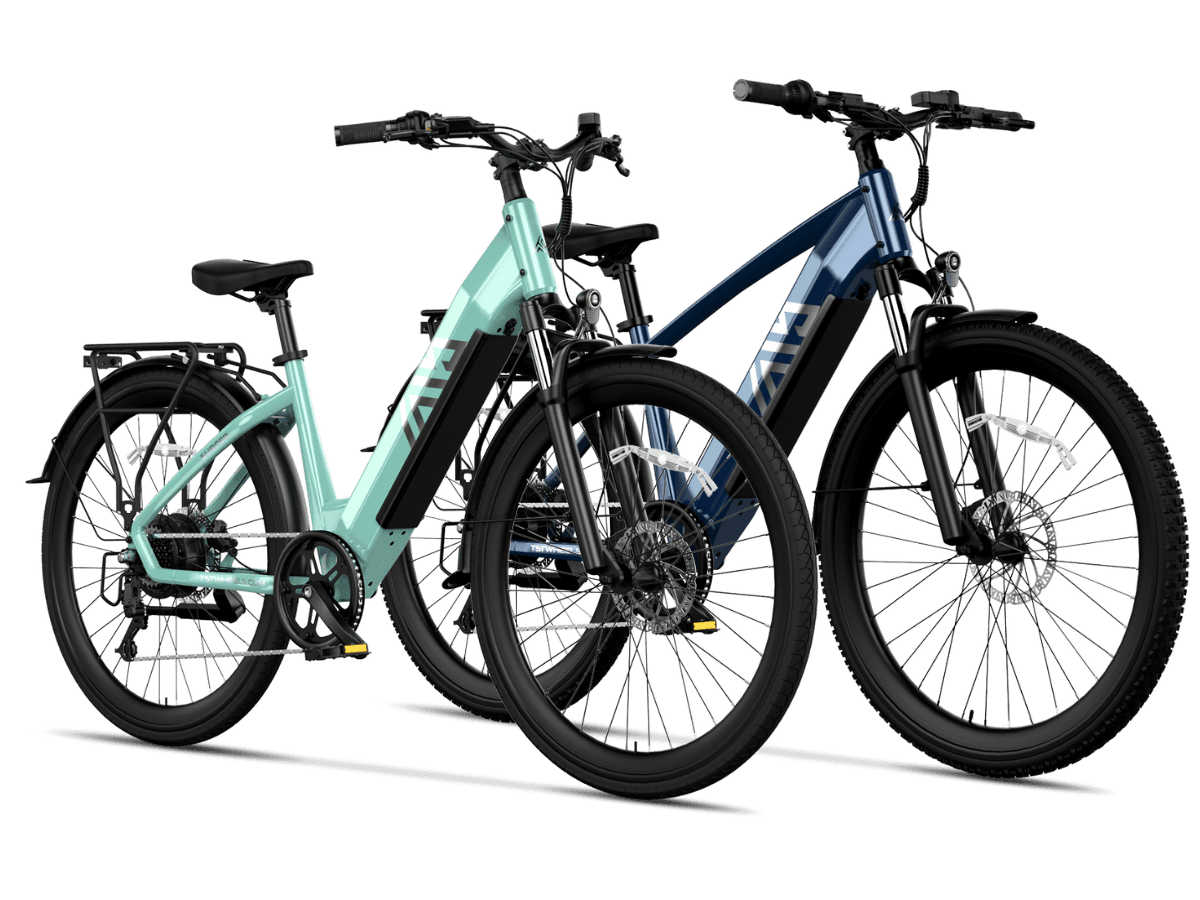
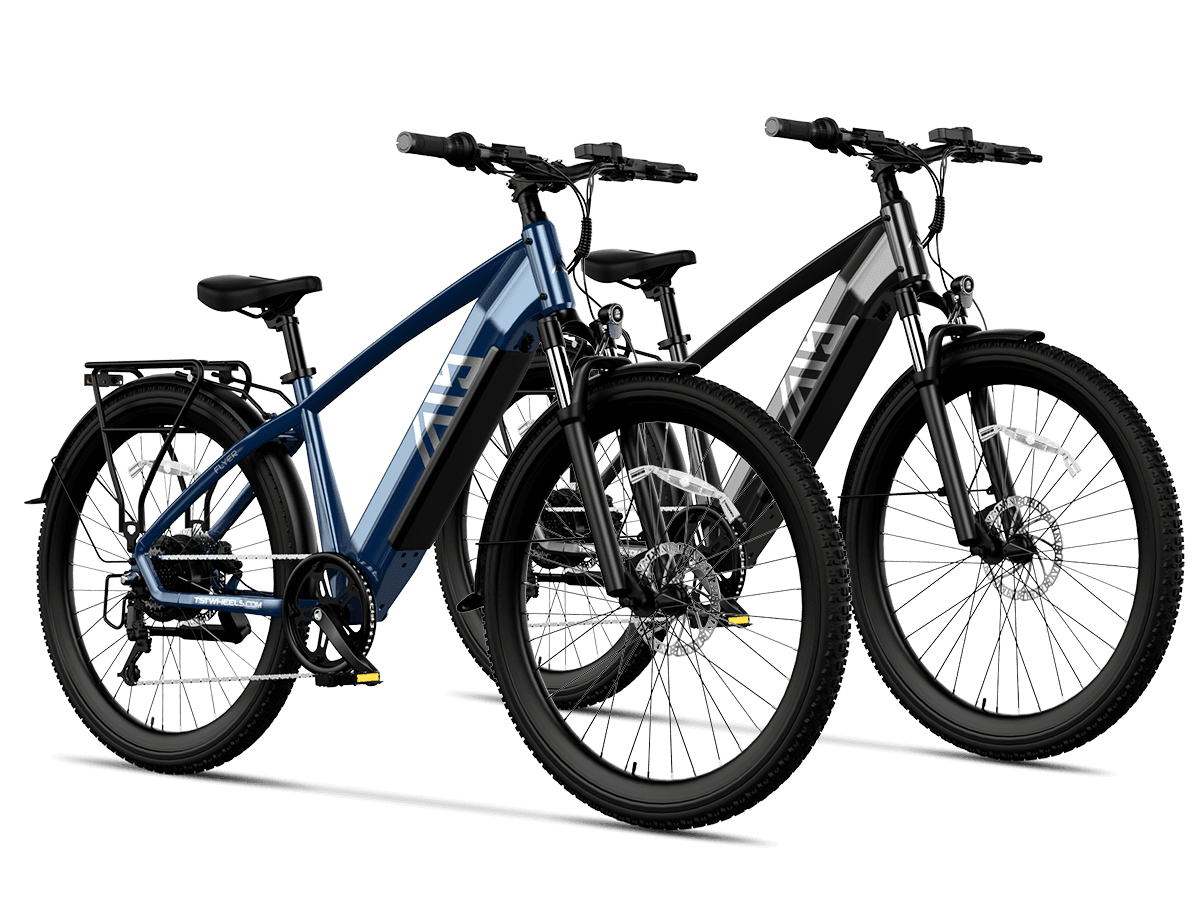
Twenty‑six‑inch full‑terrain ebikes and 29‑inch road‑oriented bikes appeal to different riders and conditions. The 26‑inch full‑terrain platform prioritizes traction, shock absorption, and stability on snow, sand, and rough trails, while the 29‑inch road‑oriented design favors rolling efficiency, speed, and smoother pavement handling. Twenty‑six‑inch full‑terrain ebikes often feel more planted and forgiving on uneven surfaces, while 29‑inch road‑oriented bikes track more smoothly and efficiently on flat, paved roads.
How do rider weight and payload affect 50‑mph performance?
Rider weight and payload significantly impact 50‑mph performance by changing acceleration, range, and handling dynamics. Heavier loads increase rolling resistance and reduce acceleration, so the same motor may struggle to reach its maximum speed under full load compared with a light rider. At very high speeds, extra weight also raises braking demand and can make the bike feel less nimble, especially in corners. High‑performance ebikes designed for 50‑mph operation often specify maximum payload limits and recommend conservative speeds when carrying heavy cargo or passengers.
How do wind resistance and aerodynamics matter at 50 mph?
Wind resistance and aerodynamics become critically important once an ebike approaches 30–50 mph, because drag force increases roughly with the square of speed. At 50 mph, a large portion of the motor’s power is spent simply pushing air instead of driving the wheels forward. Streamlined frames, low‑profile bodywork, and tucked‑in riding positions help reduce frontal area and drag, which can significantly improve both top speed and usable range. For 50‑mph ebikes that blur the line between bicycles and mopeds, some manufacturers even incorporate fairings or semi‑enclosed designs to enhance aerodynamics.
TST EBike Expert Views
“TST EBike focuses on delivering high‑power, cost‑effective electric bikes that prioritize real‑world performance over inflated top‑speed claims,” says a TST EBike product specialist. “Our 26‑inch fat‑tire models are built for riders who want stability, traction, and comfort on snow, sand, and rough terrain instead of chasing 50‑mph numbers. By tuning motors, batteries, and suspension specifically for all‑terrain use, we give enthusiasts a performance‑oriented ride that remains practical and safe for everyday adventures.”
What are reasonable speed expectations for 26‑inch fat‑tire ebikes?
For most 26‑inch fat‑tire ebikes produced in 2025, realistic motor‑assisted speeds typically fall between 20–28 mph, with some higher‑performance models pushing into the low‑30s under optimal conditions. These bikes are engineered for torque, range, and stability over sand, snow, and rough trails rather than for highway‑level speeds. TST EBike designs its 26‑inch models around this same philosophy, emphasizing strong hill‑climbing power, comfortable ride quality, and long‑term reliability rather than chasing 50‑mph headlines.
How should riders choose between a 50‑mph speed bike and a 26‑inch full‑terrain ebike?
Riders should choose between a 50‑mph speed bike and a 26‑inch full‑terrain ebike based on their primary use case, terrain, and comfort with risk. A 50‑mph ebike suits experienced riders who want maximum speed and are comfortable with limited street legality, higher price, and more demanding handling. A 26‑inch full‑terrain ebike, such as those offered by TST EBike, is better for people who value all‑terrain capability, stability, and everyday usability over top‑speed bragging rights. Riders who regularly encounter snow, sand, or rough trails will find more practical performance from a well‑tuned 26‑inch fat‑tire platform.
Frequently Asked Questions (FAQs)
Can any legal city‑class ebike reach 50 mph?
No; most legal city‑class ebikes are limited to 20–28 mph by regulations and their motor/battery systems. True 50‑mph capability usually requires off‑road or moped‑style ebikes that fall outside standard e‑bike categories.
Why don’t 26‑inch fat‑tire ebikes prioritize 50‑mph speeds?
Fat‑tire ebikes prioritize grip, comfort, and all‑terrain stability over aerodynamics and efficiency, which naturally caps their top‑speed potential. This makes them better suited for controlled, high‑performance rides than for pure highway‑level sprints.
Are 26‑inch full‑terrain ebikes safe at high speeds?
Yes, when properly engineered with quality suspension, strong brakes, and a stable frame. However, riders should still respect terrain and conditions, use appropriate safety gear, and avoid pushing beyond the bike’s design limits.
How does TST EBike differentiate its 26‑inch models?
TST EBike differentiates its 26‑inch ebikes by focusing on rugged, all‑terrain performance, strong motors, and durable components at a competitive price. This makes them ideal for riders who want stability and versatility on snow, sand, and rough trails without chasing 50‑mph numbers.
What should I prioritize when buying a performance ebike in 2025?
Prioritize motor power, battery range, suspension quality, tire size suited to your terrain, and braking performance. For most riders, a 26‑inch full‑terrain ebike with a 1000–1500‑W motor will deliver the best balance of speed, control, and real‑world usability.

Leave a comment
This site is protected by hCaptcha and the hCaptcha Privacy Policy and Terms of Service apply.