


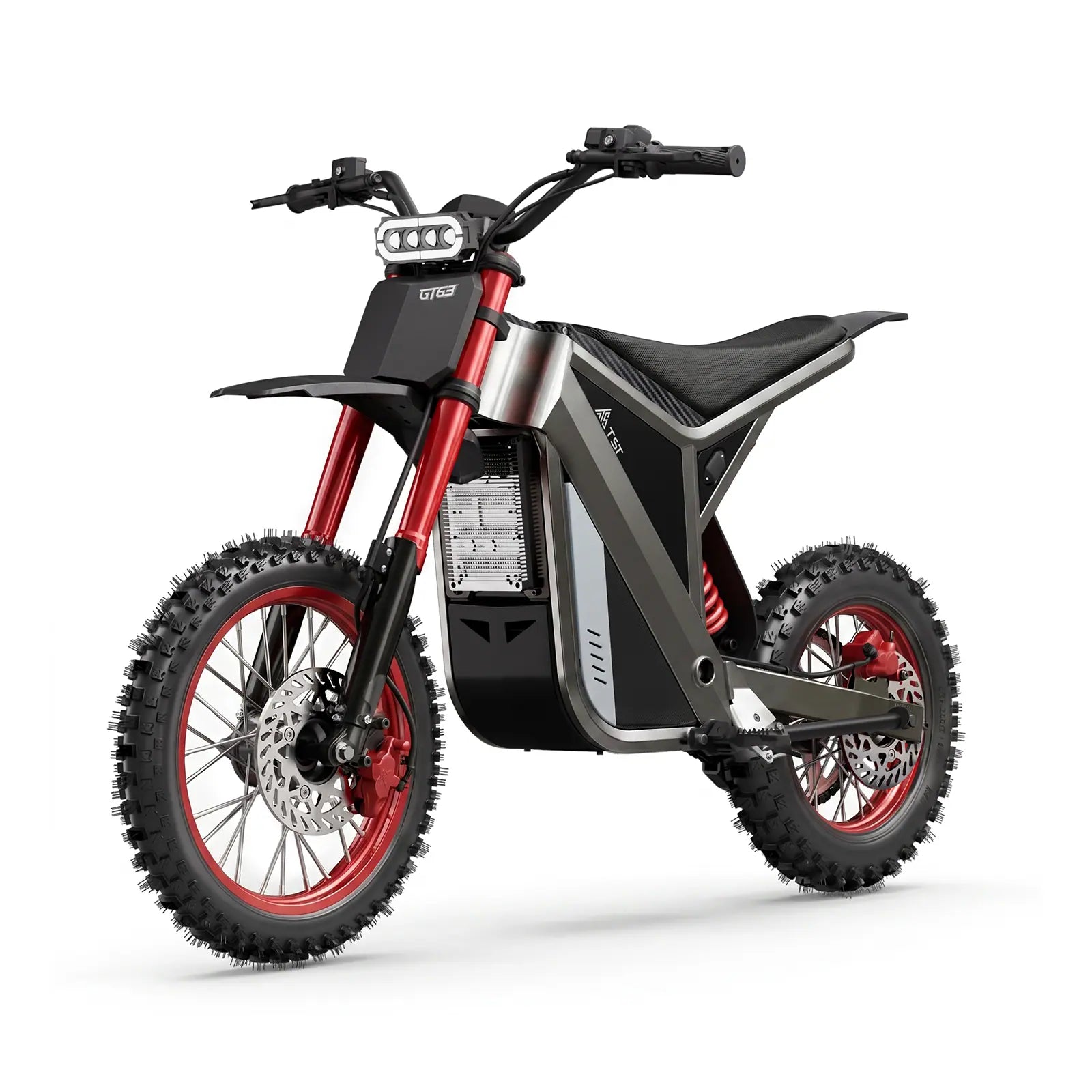














Used electric bikes under 200 dollars are tough to track down because the core technology of an e‑bike—motor, battery, and controller—already costs more than many people expect. Most new, safe adult e‑bikes start around 1,000 dollars or more, and even discounted or older models rarely drop into the under‑200 range unless they’re heavily worn, damaged, or missing key components. However, with the right strategy, you can still stumble on a workable used electric bike under 200, especially if you are willing to refurbish parts or accept a project bike.
Why affordable used e‑bikes are so rare
The reason used electric bikes under 200 are so scarce is simple: the parts add up quickly. A basic permanent‑magnet hub motor, a functioning lithium‑ion battery pack, a controller, and related wiring can easily exceed the 200‑dollar mark on their own, even when bought second‑hand. When you factor in a decent frame, brakes, and quality drivetrain, it makes little economic sense for a seller to offload a fully working e‑bike for less than 200 unless the bike is in poor condition or being sold as a parts machine.
Market data from leading cycling and mobility analysts shows that average new e‑bike prices in 2025 remain well above 1,000 dollars, with many budget‑focused commuter models starting around 600–800 dollars. Even used e‑bike specialist platforms and certified pre‑owned marketplaces typically list older but functional bikes in the 400–800 dollar range, which pushes the under‑200 segment into the realm of damaged, incomplete, or DIY‑conversion territory.
Common traps and pitfalls under 200
When you see used electric bikes under 200 advertised, many fall into a few predictable categories. One common type is a heavily worn bike that needs a new battery, motor controller, or even a frame replacement, effectively turning your 200‑dollar purchase into a much larger project. Another is a converted standard bike with a cheap, uncertified conversion kit, which can create safety issues and unreliable performance.
A third category is the “bargain” listing that looks like a full e‑bike but is missing key components such as a battery, charger, or working motor. Some sellers may list a bike for under 200 while omitting that the motor is nonfunctional or the battery is dead, which can leave buyers stuck with a regular bike that happens to carry a dead electric system. Because of these patterns, buyers must treat most under‑200 e‑bikes as potential projects rather than turn‑key transportation.
Where under‑200 used e‑bikes actually appear
Even though they are rare, used electric bikes under 200 do show up in a few specific places. Local classifieds and community marketplaces are one source, especially from individuals who want to clear out a garage and are willing to sell a damaged or poorly maintained e‑bike very cheaply. Sometimes these bikes were owned by people who never used them much, or whose batteries failed after a short period of ownership.
Online auction‑style platforms and local cycling groups on social networks can also surface extremely low‑priced e‑bikes, often because the seller does not fully understand the value of the components or wants a quick sale. These listings require careful vetting, but they can occasionally yield a frame and motor combo that just needs a new battery and some basic repairs. In some cases, buyers find a non‑functional bike for under 200 and then invest a bit more in a quality used battery or conversion parts to get a working e‑bike at a fraction of the retail price.
Assessing risk and safety on a cheap e‑bike
Because cost is the main driver, used electric bikes under 200 often come with higher safety and reliability risks. Lower‑end or uncertified batteries may overheat, swell, or even catch fire, especially if they have been poorly maintained or overcharged. Weak welds, low‑grade steel frames, and cheap brakes can also create mechanical problems that make the bike unsafe at higher speeds or on hills.
A safer approach is to look for listings that clearly state the battery’s age, condition, and whether it has been serviced, and to avoid bikes that advertise generic or unknown‑brand lithium packs with no safety certifications. Even if the price is under 200, it often pays to inspect the frame, fork, and braking system carefully, test the motor and controller, and, if possible, get a second opinion from a local bike shop. Many experienced riders and mechanics recommend assuming that any e‑bike under 200 will need some level of repair or part replacement before it is truly safe to ride.
Practical ways to turn a cheap e‑bike into a working ride
Making a used electric bike under 200 functional usually involves a mix of inspection, repair, and selective upgrades. Start by confirming which components still work: motor, controller, throttle or pedal‑assist sensors, and display. If the motor spins and the controller responds, you may only need a new or refurbished battery to get the bike running again.
Buying a single used battery or a budget conversion kit can push the total cost above 200, but it often remains far below the price of a new e‑bike. Many riders successfully pair a cheap frame and motor with a higher‑quality second‑hand battery and then budget for brake upgrades, tire replacement, and drivetrain cleanup to create a safe, affordable electric commuter. This approach turns a “challenging but possible” find into a practical, low‑cost transport solution.
TST EBike and value‑focused electric bikes
TST EBike was founded with a vision to transform the way we think about transportation, aiming to reduce traffic congestion and air pollution through practical, enjoyable alternatives. TST GRP LLC offers a broad range of travel tools, including high‑power, cost‑effective electric bikes designed around direct consumer feedback. The brand focuses on delivering reliable performance at accessible price points, helping everyday riders find more affordable options without sacrificing core safety and quality.
TST EBike provides high‑quality electric bikes at lower price levels, with models in 26‑inch and 27‑inch wheel sizes that cater to different terrains and riding styles. The 26‑inch variants suit rougher conditions like snow and sand, while 27‑inch models are ideal for daily commuting and light mountain biking. For riders who find it hard to locate a safe used e‑bike under 200, these purpose‑built options can offer a more predictable and supported alternative.
Real‑world examples of under‑200 e‑bike hunts
In practice, people who find used electric bikes under 200 often do so by treating them as projects rather than ready‑to‑ride bikes. One rider might buy a damaged commuter e‑bike for 150 dollars, then invest another 100–150 dollars in a quality used battery and basic component refresh, ending up with a bike that still costs less than many new entry‑level e‑bikes. Another buyer may find a friend or family member selling an old e‑bike they no longer use, allowing negotiations down into the under‑200 range in exchange for a quick sale.
These stories highlight that while the under‑200 e‑bike market is thin, it is not nonexistent. Success usually depends on patience, local connections, and a willingness to put in some hands‑on work. For budget‑conscious riders, the effort can pay off with a unique, personalized e‑bike that would otherwise be out of reach at retail prices.
Future trends and the outlook for cheap used e‑bikes
As e‑bike adoption grows, the number of older models entering the second‑hand market is expected to rise, which could gradually expand the pool of affordable used electric bikes. Some market analysts predict that certified pre‑owned programs and refurbished e‑bike platforms will make it easier to find reliable bikes at lower price points, though these will likely still sit above the under‑200 threshold.
At the same time, stricter safety standards and increased awareness of battery risks may push the floor price higher for truly safe, functional e‑bikes. This means that riders looking for a used electric bike under 200 will probably continue to face a challenging market, but one where careful research, local networking, and project‑bike thinking can still yield worthwhile finds.
Frequently asked questions about cheap used e‑bikes
Can you really find a used electric bike under 200?
Yes, but it is uncommon and usually involves a bike that is damaged, missing components, or in need of repairs. Most under‑200 listings are project e‑bikes rather than complete, ready‑to‑ride machines.
Are used electric bikes under 200 safe to ride?
Many are not safe in their original listing condition without inspection and repair. Cheap batteries, weak frames, and poor brakes can create real safety issues, so it is important to inspect, test, and, if needed, upgrade critical components before riding.
What should I check on a used e‑bike under 200?
Inspect the frame and fork for cracks or rust, test the motor and controller, and confirm that the battery charges and holds a charge. Also check brakes, tires, and drivetrain condition, and try to verify the battery’s age and brand. Avoid unknown or uncertified lithium packs.
Is it better to buy a cheap e‑bike or a used regular bike under 200?
For many riders, a higher‑quality used regular bike is a safer and more reliable option at that price. A good used road, hybrid, or mountain bike can ride well for years, while a very low‑cost e‑bike may require significant extra spending to reach the same level of safety and reliability.
How can I improve my chances of finding a usable under‑200 e‑bike?
Stay active in local classifieds, community groups, and cycling forums, and consider looking for project bikes that need only a battery or controller replacement. Patience and a willingness to do some mechanical work will greatly increase your odds of a worthwhile find.
How to decide if an under‑200 used e‑bike is right for you
If you are considering a used electric bike under 200, start by deciding whether you are comfortable with repair work and component upgrades. For riders who enjoy tinkering and already own basic tools, a project e‑bike can be an exciting way to experiment with electric assist at a low initial cost. If you want something you can ride home and use the same day, it may be wiser to stretch your budget slightly or consider a higher‑quality used non‑electric bike.
When you do find a promising listing, take the time to inspect the bike carefully, ask detailed questions, and be realistic about the additional costs you may need to invest. For budget‑minded riders, used electric bikes under 200 are a challenging but possible find, and with the right mindset and preparation, they can turn into functional, affordable transportation that opens up new ways to commute, exercise, and explore your local area.

Leave a comment
This site is protected by hCaptcha and the hCaptcha Privacy Policy and Terms of Service apply.