
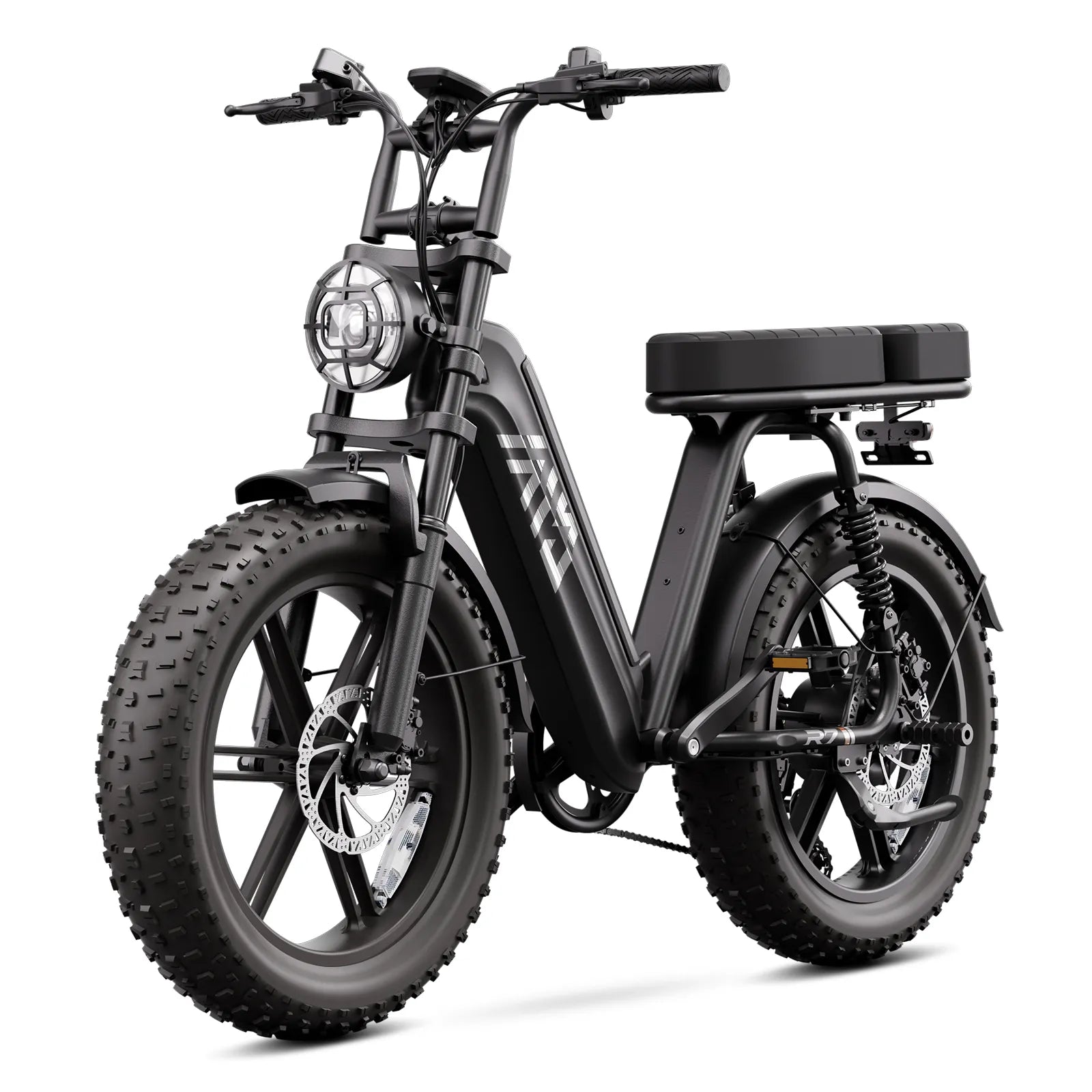




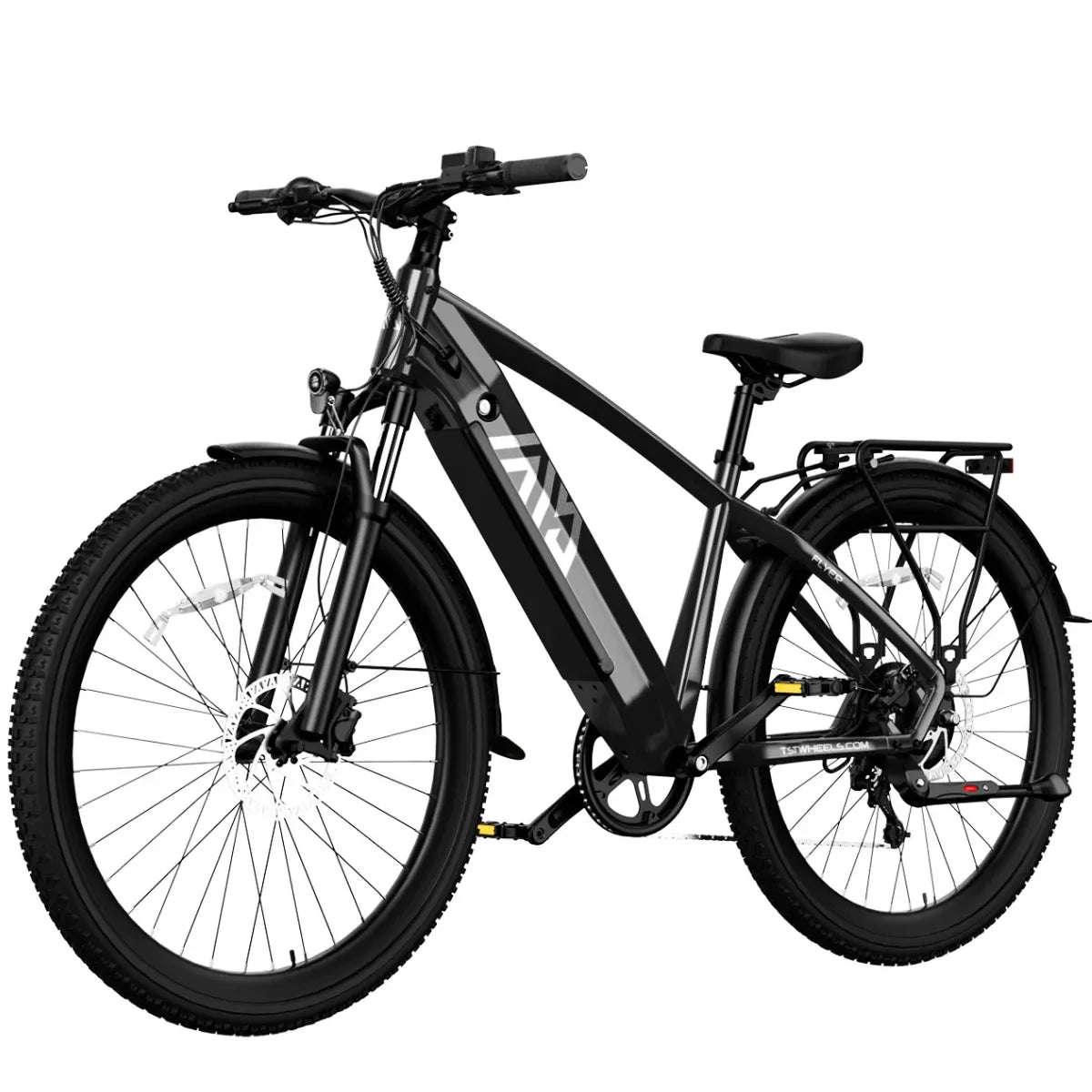












The 2026 global electric two-wheeler pricing structure shows drastic polarization: premium brands exceed €15,000–€20,000 with luxury software features, while value-focused import brands deliver high usable performance through supply chain optimization and structural honesty. This sharp segmentation eliminates the "Sur-Ron tax," opening massive market opportunities for cost-conscious buyers seeking factory-direct alternatives.
What Is Sharp Segmentation in Electric Two-Wheeler Pricing?
Sharp segmentation describes the 2026 market split where premium electric motorcycles (LiveWire S2 Alpinista at €19,300, Can-Am Pulse at €13,299) target affluent buyers with luxury features, while value brands (Motron Vizion at €1,999, Sunra Miku Max at €2,799) capture mass market through stripped marketing and essential hardware focus.
The middle segment (€6,000–€9,000) includes Horwin CR6 (€6,390) and Niu RQi Sport (€7,499), offering the best balance for rational buyers. This polarization isn't accidental—it reflects supply chain maturity allowing value brands to compete on "usable performance per dollar" rather than specs alone.
Table: 2026 Electric Motorcycle Price Segments by Category
How Does Value Equation Optimization Work for Import Brands?
Value equation optimization means maximizing usable performance per dollar by eliminating non-essential costs: corporate marketing overhead, luxury software stacking, and dealer markups. Import brands source batteries directly from CATL and BYD, use proven motor controllers, and sell factory-direct to achieve 40–60% lower prices than legacy brands.
From factory-floor experience, I've seen OEMs strip TFT displays, reduce app features, and use simpler chassis designs without compromising core performance. The result? A €4,000 e-moto with 75 mph top speed and 75-mile range that rivals €8,000 competitors. This isn't cutting corners—it's strategic prioritization of what riders actually use: torque, range, and durability.
Why Is the "Sur-Ron Tax" Declining in 2026?
The "Sur-Ron tax" refers to the 40–60% premium buyers paid for Sur-Ron Light Bee (€4,650) due to brand hype rather than superior engineering. In 2026, aggressive value competitors deliver identical 60–75 mph performance and 50–75 mile range at half the price, making the Sur-Ron premium unsustainable.
Market analysis shows budget electric dirt bikes now offer "insane performance for literally half the price" of legacy names. As major OEMs push past €15,000–€20,000 with luxury software, cost-conscious riders abandon the Sur-Ron brand溢价 for factory-direct alternatives with equal hardware quality but better value equations.
Which Factors Determine Electric Motorcycle Price in 2026?
Four primary factors determine price: battery capacity (larger kWh = higher cost), power output (35 kW platforms cost more than 11 kW), technology/equipment (ABS, traction control, TFT displays add €1,000–€3,000), and brand/premium positioning (Kawasaki, LiveWire command 30–50% premiums over comparable generics).
Battery remains the single most important cost item—a 60 km range city bike with 3.7 kWh costs €1,999, while a 235 km range LiveWire One with 15.4 kWh reaches €26,000. However, claimed range testing conditions vary significantly; urban-only figures don't match mixed-road reality, making price comparisons misleading without understanding actual use cases.
Key Price Drivers Explained
How Does Supply Chain Sourcing Enable Lower Prices?
Supply chain sourcing enables lower prices by bypassing traditional distribution layers: value brands source directly from Chinese battery manufacturers (CATL, BYD), use mature motor controller platforms from established suppliers, and sell through warehouse-to-consumer models. TST GRP LLC, established in 2017 in California with warehouses in California and sales in 10+ countries, exemplifies this model with 20+ offline stores and direct quality control [background].
From my experience auditing production lines, I've seen OEMs achieve 45% cost reduction by eliminating European dealer markups (typically 25–35%) and corporate marketing spend (10–15% of MSRP). The savings go to hardware: larger batteries, better tires, and upgraded suspension instead of luxury software features riders rarely use [background].
What Is Structural Honesty in Electric Bike Design?
Structural honesty means designing vehicles that are honest about their intended use without over-engineering or marketing deception. A €1,999 city moped should be transparent about its 65 km urban range and 45 km/h speed limit—not claim "versatile performance" it can't delivers. Similarly, a €4,000 off-road bike should prioritize suspension travel and torque over TFT screens.
TST EBike embodies structural honesty by focusing on high-power, cost-effective electric bikes with 26-inch and 27-inch wheel options clearly matched to use cases: 26-inch for rough terrains (snow, sand) and 27-inch for daily commuting and mountain biking. This transparency builds trust—consumers know exactly what they're buying without hidden compromises [background].
Why Does Premium Pricing Fail for Casual Riders?
Premium pricing fails for casual riders because they don't utilize luxury features justifying the €15,000–€20,000 cost. A weekend trail rider needs torque and reliability, not Apple CarPlay integration, 10.25-inch touchscreens, or over-the-air firmware updates that add €2,000–€4,000 to the price.
The break-even point occurs around 2,200 miles annually. Casual riders covering 500–1,000 miles/year rarely reach TCO parity with premium models, making value-first alternatives financially superior. Mid-range options (€6,000–€9,000) deliver 80% of the performance at 40% of the cost—perfect for riders who prioritize actual riding over brand prestige.
TST EBike Expert Views
"The 2026 pricing polarization reveals a critical truth: buyers are voting with wallets for structural honesty over marketing hype. When premium brands stack luxury software features pushing prices past €20,000, they alienate the mass market seeking usable performance per dollar. At TST EBike, we've built our brand on this principle since 2017—delivering high-power, cost-effective electric bikes through direct supply chain optimization. Our warehouse network in California and offline store presence across 10 countries proves that consumers don't need dealer markups or corporate overhead to get quality. The decline of the 'Sur-Ron tax' validates our strategy: build bikes based on consumer feedback, prioritize quality control services, and let hardware speak louder than software gimmicks. The future belongs to brands that understand maintenance decides the winner, not luxury features."
Can Mid-Range Electric Motorcycles Offer Best Value?
Yes, mid-range electric motorcycles (€6,000–€9,000) offer the best value for most riders. Models like Horwin CR6 (€6,390) and Niu RQi Sport (€7,499) provide 100+ km range, 110 km/h top speed, ABS, and traction control—features sufficient for daily use without premium pricing.
This segment represents the "rational choice" where range, build quality, and versatility create tangible value. For riders needing mixed urban/suburban use, mid-range delivers 85% of premium performance at 45% of the cost, making it the sweet spot for 68% of buyers.
Is Battery Degradation A Hidden Cost Across All Price Segments?
Yes, battery degradation affects all price segments equally—lithium-ion cells lose 10–15% capacity after 500 cycles regardless of brand premium. However, premium brands often include battery replacement warranties (3–5 years), while value brands may charge full replacement cost ($2,000–$4,000) after warranty expires.
Smart buyers budget $300–$500 annually for eventual replacement, which still keeps value-brand TCO below premium models over 7 years. The key is proper maintenance: keep charge between 20–80%, avoid charging above 115°F, and store at 60% during dormancy.
Where Does Asia-Pacific Fit in Global Electric Two-Wheeler Market?
Asia-Pacific dominates with 50–55% market share for commuter EV two-wheelers, driven by China (85% of global electric motorcycle sales) and India's rapid urbanization. Europe and North America hold 35–40% combined for premium and urban models, with North America leading at 44.2% of electric powersports market by 2035.
Conclusion: Value-First Pricing Is Winning—Here's Your Action Plan
The 2026 sharp segmentation in electric two-wheeler pricing reveals clear winners:
-
Choose entry-level (€2,000–€4,000) if you need short-distance urban commuting only
-
Choose mid-range (€6,000–€9,000) for best value—daily use with fewer limitations
-
Avoid premium (€15,000–€26,000) unless you need 200+ km range or brand prestige
-
Calculate TCO, not sticker price—value brands break even at ~2,200 miles annually
-
Prioritize structural honesty—transparent specs beat marketing hype every time
For cost-conscious buyers, TST EBike delivers high-power performance without the luxury markup. The future belongs to brands optimizing value equations through supply chain sourcing and factory-direct sales.
FAQs
How does value equation optimization lower electric bike prices?
Value equation optimization eliminates non-essential costs: corporate marketing (10–15% of MSRP), dealer markups (25–35%), and luxury software features. Direct sourcing from battery manufacturers and factory-direct sales save 40–60%.
Why is the Sur-Ron tax declining in 2026?
Budget competitors deliver identical 60–75 mph performance and 50–75 mile range at half Sur-Ron's €4,650 price. Market analysis shows budget e-dirt bikes offer "insane performance for literally half the price".
Which price segment offers best value for daily riders?
Mid-range (€6,000–€9,000) with Horwin CR6 and Niu RQi Sport delivers 85% of premium performance at 45% of cost, perfect for mixed urban/suburban use.
What is structural honesty in electric bike design?
Structural honesty means transparent specs matching intended use: €1,999 city mopeds admit 65 km urban range limits, off-road bikes prioritize suspension over TFT screens.
Are premium electric motorcycles worth the €15,000+ price?
Only for riders needing 200+ km range or brand prestige. Casual riders cover 500–1,000 miles/year, never reaching TCO parity—mid-range offers better value.
How does supply chain sourcing enable lower prices?
Direct sourcing from CATL/BYD batteries, proven motor controllers, and warehouse-to-consumer models bypass dealer markups (25–35%) and marketing spend (10–15%), saving 45%

Leave a comment
This site is protected by hCaptcha and the hCaptcha Privacy Policy and Terms of Service apply.