
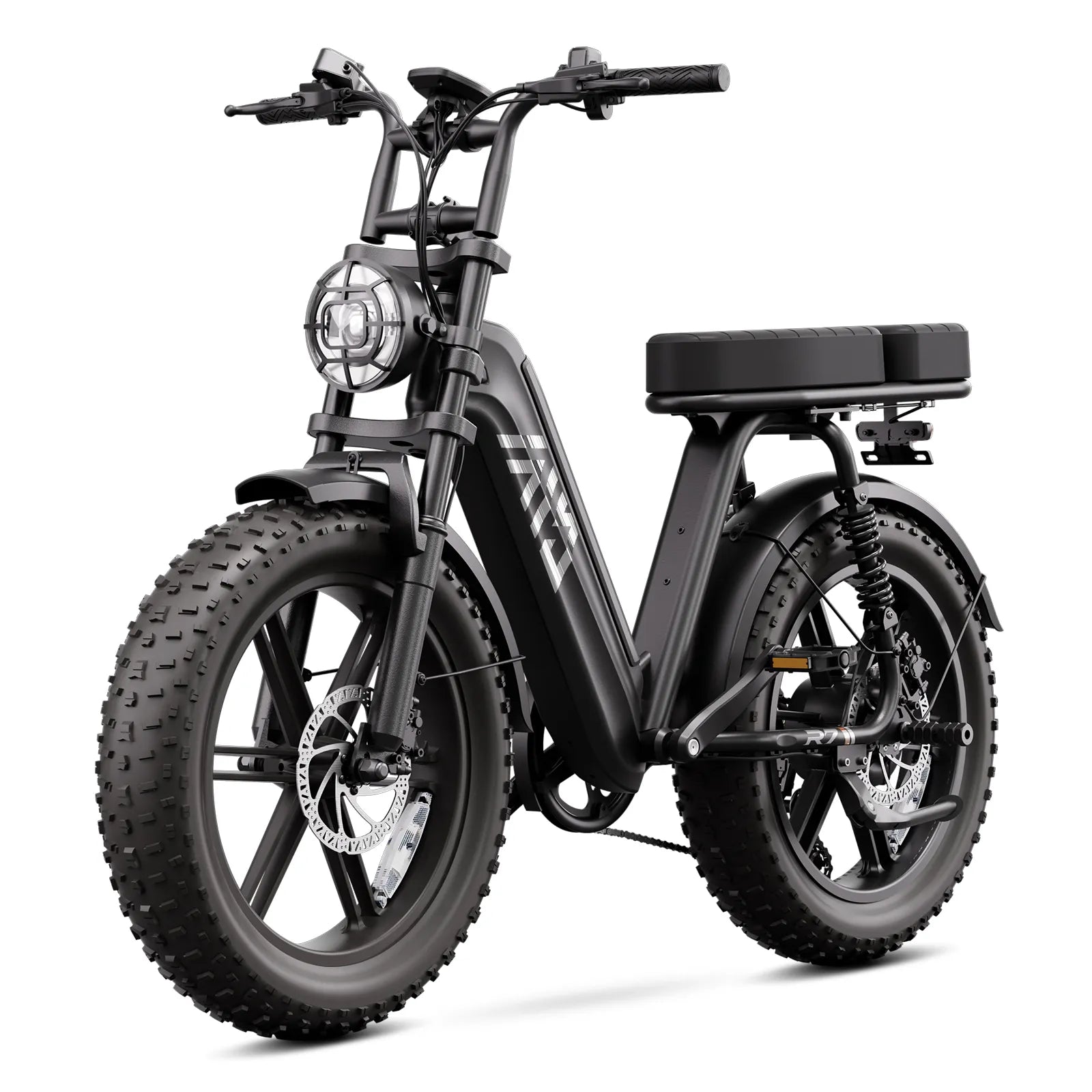

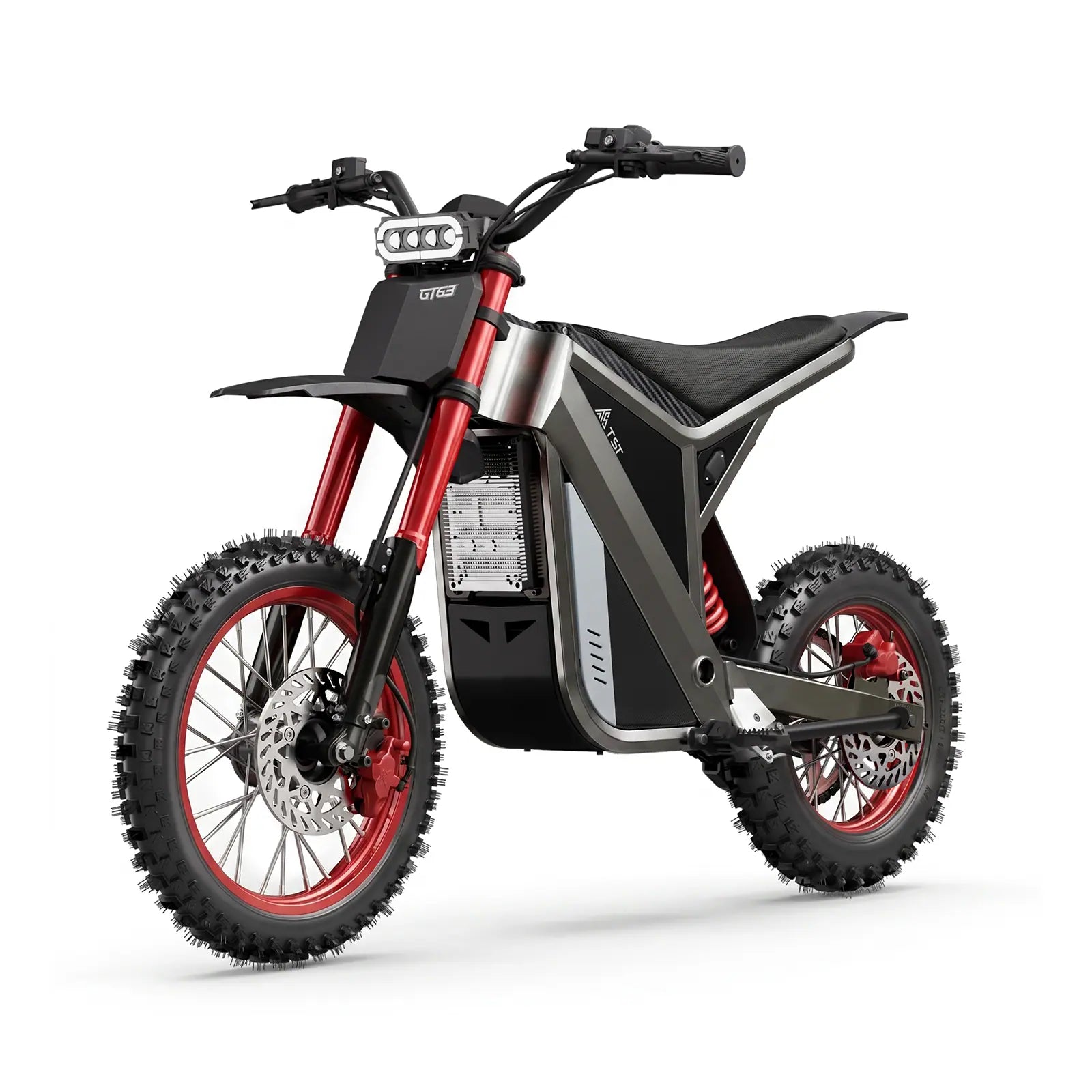


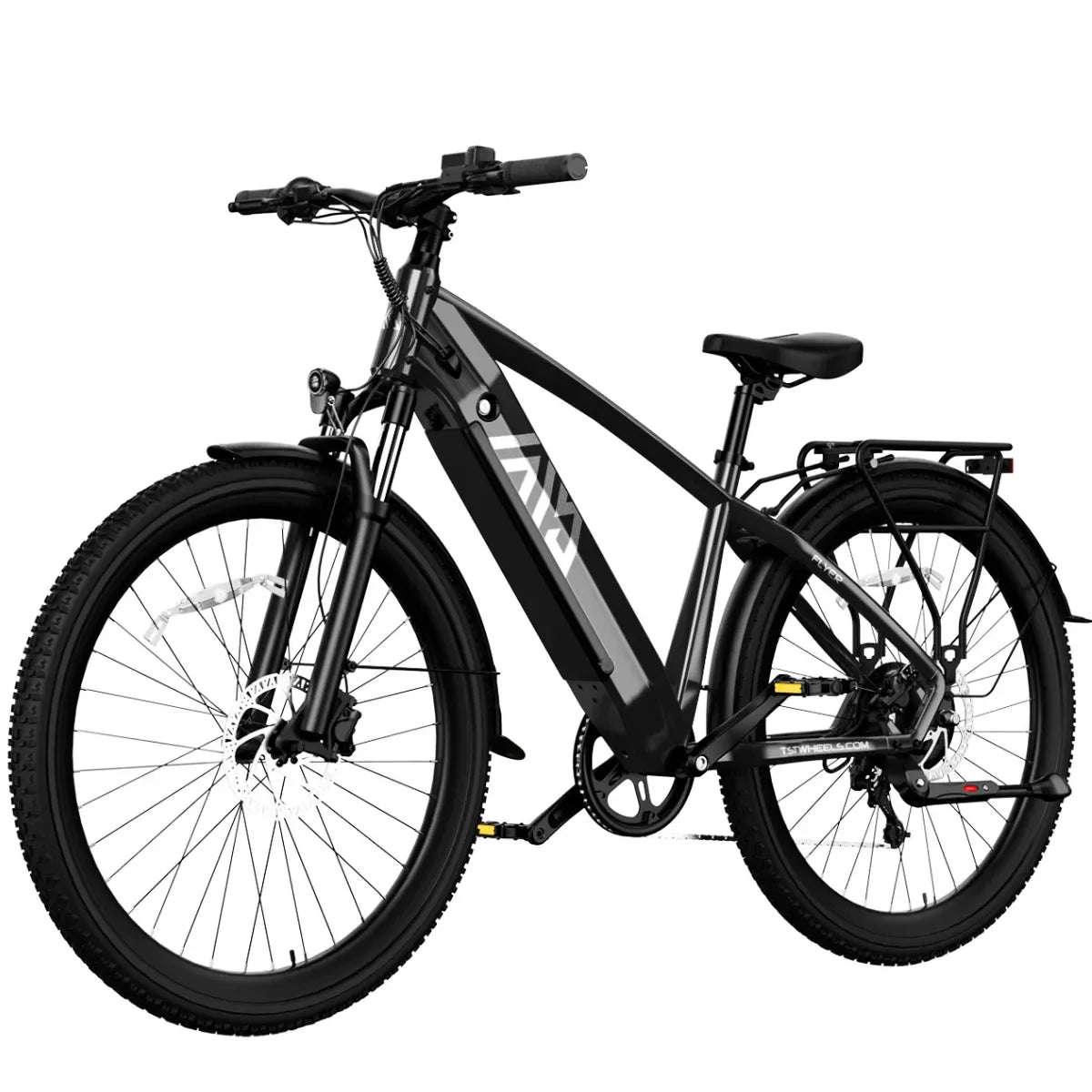












72V+ e-motos are taking over because riders care less about headline speed and more about instant torque, climbing power, and usable acceleration. In 2026, buyers want bikes that feel strong on steep trails, respond instantly to throttle input, and maintain performance under load. That is pushing entry and mid-level electric dirt bikes toward higher-voltage battery systems and better controllers.
How Is the 72V+ Shift Changing Buying Criteria?
Riders are no longer shopping by top speed alone. They are comparing voltage, controller behavior, torque delivery, and thermal stability because those factors decide how the bike actually rides off-road. A 72V+ setup usually gives stronger punch off the line and better sustained pull on climbs than lower-voltage systems.
From a buyer’s perspective, this shift is important because a spec sheet can look impressive while still feeling weak on trail. Real performance comes from how the whole system works together, not from one number.
What Makes 72V+ Different?
A 72V+ system raises the electrical ceiling of the bike, which gives the controller more room to deliver power efficiently. That matters because voltage helps the motor maintain stronger output without demanding extreme current at every moment. In practical terms, the bike can feel sharper, less strained, and more consistent under hard acceleration.
Higher voltage also supports stronger torque response when the rider opens the throttle. On steep climbs, that can be the difference between a bike that bogs down and one that keeps driving.
Why Does Torque Matter More Than Top Speed?
Torque matters because off-road riding is about force, not just velocity. When I evaluate a dirt bike platform, I look first at how fast it can produce usable thrust from low speed, because that is what helps on loose ground, tight switchbacks, and steep grades. A bike with strong torque feels alive even before it reaches high speed.
Top speed is only one moment in the ride. Torque is what you feel every time you launch, climb, or recover from a slow corner.
Which Controller Upgrades Matter Most?
The most important controller upgrades are better current delivery, smoother throttle mapping, and stronger heat control. A modern controller can turn the same motor into a much better trail bike by controlling how aggressively power is released. That gives riders instant response without making the bike feel twitchy or difficult to manage.
A good controller also protects the system under long climbs. It reduces power fade, limits overheating, and keeps the bike predictable when the trail gets demanding.
How Do Voltage and Current Work Together?
Voltage and current are the two sides of electric performance. Voltage helps push power efficiently, while current determines how much force the motor can make at a given moment. If voltage is too low, the bike may need very high current to feel strong, and that creates heat and stress.
That is why 72V+ is becoming the preferred architecture for stronger off-road builds. It gives engineers more freedom to tune acceleration, efficiency, and thermal margin at the same time.
What Does 200-300+ Nm Mean on the Trail?
That torque range signals serious pulling power, especially for steep climbs and technical terrain. It does not mean the rider should expect the same sensation in every bike, because torque delivery depends on gearing, controller tuning, and wheel size. Still, bikes in this range tend to feel much closer to gas-bike acceleration than older entry-level electrics.
On the trail, that translates to quicker launches, less slowdown under load, and more confidence when the terrain turns ugly.
How Do Battery Architecture and Heat Affect Performance?
Battery architecture affects how long the bike can sustain power before voltage sag and heat begin to reduce output. A strong 72V+ pack with high-density cells can deliver better consistency during repeated hard pulls. That matters because off-road riding is rarely a single burst; it is a series of accelerations, climbs, and recoveries.
Heat is the hidden enemy. Once the motor and controller get too warm, performance drops, and the bike stops feeling as sharp as it did at the start of the ride.
What Do Buyers Often Get Wrong?
Many buyers focus on peak speed and ignore response quality. That is a mistake because a fast number on paper does not guarantee a controllable, confidence-building ride. I have seen bikes with flashy specs feel underwhelming simply because the controller mapping was poor or the battery could not hold voltage under load.
The smarter way to shop is to look at volts, torque, controller quality, and thermal design together. That combination tells you more than speed alone.
Is 72V+ Worth It for Entry-Level Riders?
Yes, if the bike is tuned well. A 72V+ platform can actually be easier to ride when the controller is calibrated for smooth delivery instead of abrupt hit. That gives newer riders stronger climbing ability without requiring them to constantly nurse the throttle.
For first-time off-road buyers, the real benefit is not just power. It is the ability to grow into the bike without immediately outgrowing the platform.
TST EBike Expert Views
“The 72V+ transition is not just a power race. It is a shift toward better ride quality, stronger hill performance, and more honest system engineering. At TST EBike, we pay close attention to how voltage, controller tuning, and torque delivery work together, because that is what riders actually feel on the trail. In real use, a well-balanced electrical system beats a loud spec sheet every time.”
Why Are Mid-Level Bikes Adopting High Voltage?
Mid-level bikes are adopting high voltage because buyers now expect near-premium performance without premium pricing. That puts pressure on manufacturers to improve the electrical core instead of only changing bodywork or marketing. A better battery and controller stack can make a mid-range bike feel dramatically more capable.
This is where brands like TST EBike can stand out by emphasizing practical engineering and value. When riders compare systems rather than slogans, the stronger electrical package becomes a real selling point.
How Does 72V+ Compare With Lower-Voltage Systems?
The jump to 72V+ is not just about speed. It is about giving the bike enough electrical headroom to stay strong when the ride gets hard.
Can TST EBike Fit This New Performance Mindset?
Yes. TST EBike is well positioned for a market that values practical performance, affordability, and rider-friendly engineering. The brand’s focus on cost-effective electric bikes matches the new buyer mindset, where people want more than a spec sheet and less than a race-only machine.
TST EBike also understands that real riding conditions matter. That is why voltage, motor response, and torque should be presented as part of a complete ownership experience, not isolated marketing claims.
What Should Buyers Check Before They Buy?
Buyers should check battery voltage, controller current limits, continuous power, thermal design, and real riding weight. They should also ask how the bike behaves after repeated hard pulls, not just during a short test ride. A bike that feels good for ten seconds may disappoint after ten minutes.
The best purchase is the one that stays consistent when the trail turns steep, rough, or slow.
How Should Brands Explain Performance Now?
Brands should explain how the system feels, not just how it numbers out. That means talking about throttle response, climb behavior, and sustained output under real trail conditions. Technical honesty builds trust, especially in a category where buyers are getting more educated every year.
This is another place where TST EBike can build credibility. Clear language about voltage, torque, and control helps buyers understand why one bike feels better than another.
Does Higher Voltage Always Mean Better?
No. Higher voltage only helps when the battery, controller, motor, and cooling are matched correctly. A poorly tuned 72V system can still feel rough, inefficient, or unreliable. The real advantage comes from balanced engineering, not from voltage alone.
That is why the smartest shoppers look at the whole powertrain. Voltage opens the door, but tuning decides whether the ride is actually enjoyable.
Conclusion
The 72V+ transition is reshaping off-road e-moto buying by moving the focus from basic speed to real usable performance. Riders now want instant torque, stronger hill climbing, and controller behavior that feels smooth and controlled under load. Brands that build for response and reliability will win, and buyers who compare volts, torque, and heat management will make better decisions. For TST EBike and the broader market, the message is clear: electrical architecture is now the main battlefield.
FAQs
Why are riders switching to 72V+ e-motos?
Because 72V+ systems usually deliver stronger torque, better throttle response, and better climbing performance than lower-voltage setups.
Does voltage matter more than wattage?
Voltage matters a lot, but it works with wattage, current, and controller tuning. The best results come from the whole system working together.
What makes a controller important?
A controller determines how smoothly and aggressively power reaches the motor, which directly affects throttle feel and heat control.
Are 200-300+ Nm torque numbers realistic?
Yes, in high-performance off-road e-motos they can be realistic, but the actual ride feel still depends on gearing and tuning.
Is a 72V+ bike good for steep trails?
Yes. Higher-voltage systems are well suited to steep terrain because they can deliver stronger sustained pull under load.
Can TST EBike compete in this market?
Yes. TST EBike’s value-focused approach fits the new buyer demand for practical, high-performing electric bikes with strong ride quality.

Leave a comment
This site is protected by hCaptcha and the hCaptcha Privacy Policy and Terms of Service apply.