


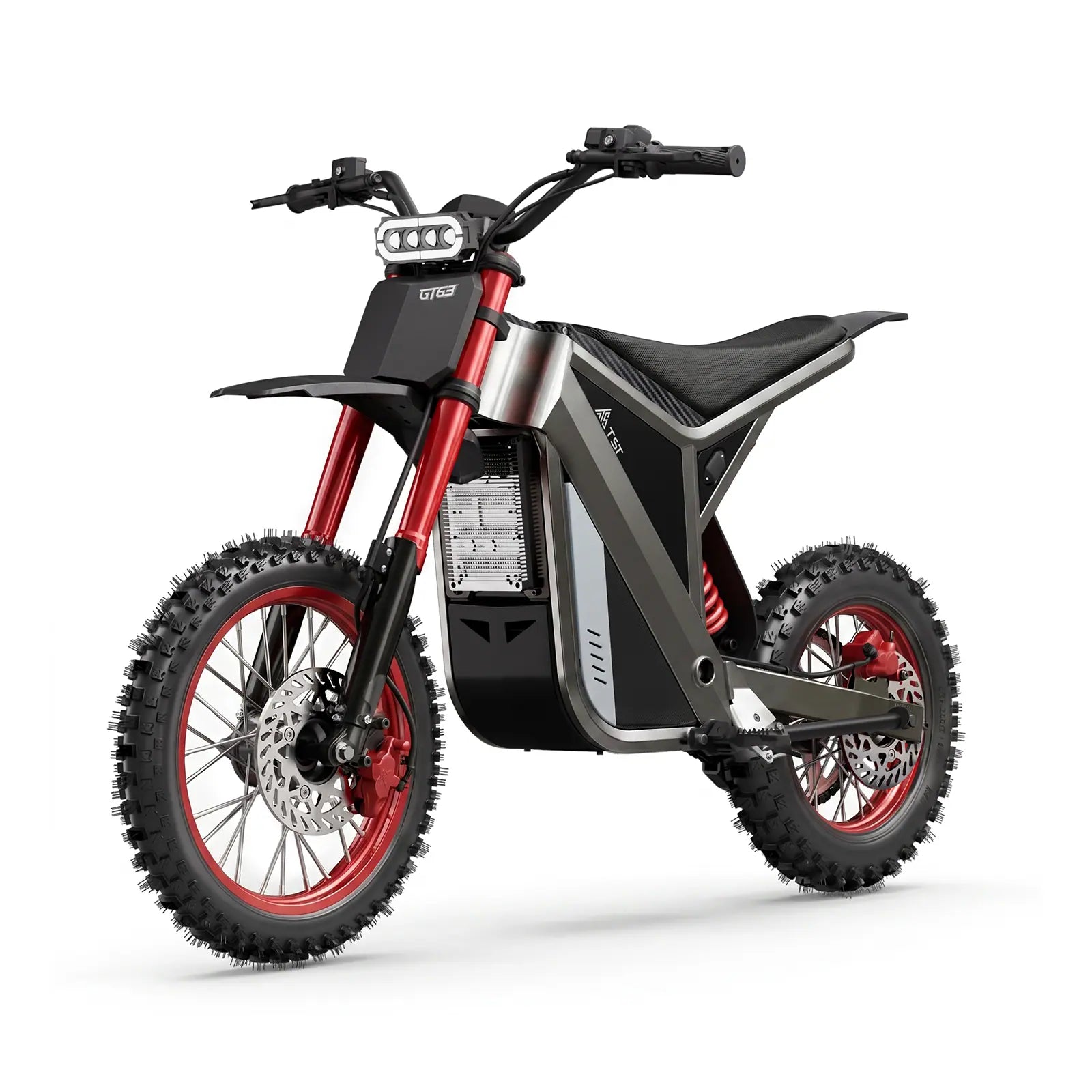














No, not always. The answer depends on whether your machine is legally an e-bike, an off-road electric bicycle, or an electric motorcycle, and on whether you ride on private land, trails, or public roads. If it has full motorcycle-style power and lacks bicycle-like features, it usually falls into registration and license territory; if it keeps pedal-assist bicycle traits, it often stays in the no-license category.
What Makes a Dirt Ebike Street Legal?
A dirt ebike is street legal only when it meets the legal definition of an e-bike or motorcycle in your area. In practice, that means the bike’s motor, top speed, controls, lighting, mirrors, VIN, and pedals all matter more than the marketing label. A bike that looks like a bicycle but behaves like a motorcycle can still be treated as a motorcycle by regulators.
For buyers, the key question is not “How powerful is it?” but “How is it classified?” That classification determines whether you need a license, plates, insurance, or a helmet requirement. This is where many first-time buyers get surprised.
Which Rules Decide the Classification?
The classification usually comes from a mix of motor power, speed capability, pedal presence, throttle behavior, and intended use. A true e-bike generally has functional pedals and remains within bicycle-style limits; a motorized off-road machine with high power and motorcycle-like performance is often treated as a motor vehicle. In real-world enforcement, officers and DMV staff look at the whole vehicle, not just one spec sheet line.
The biggest trap is assuming “off-road only” automatically means “no legal obligations.” Off-road use can reduce road-legal requirements, but it does not magically convert a motorcycle-style machine into a bicycle. If the platform is designed like a moto, it may still need registration rules even if you never ride it on pavement.
How Does Sur-Ron Get Classified?
Sur-Ron is commonly discussed as an electric moto-style platform because its performance, frame layout, and riding behavior move it away from a normal bicycle profile. In many markets, that means it can be treated as an electric motorcycle or similar motor vehicle rather than a pedal-assist e-bike. Once it lands in that category, the rider may face licensing, registration, insurance, and equipment requirements.
For shoppers, this is the critical distinction: a Sur-Ron-style machine is often bought for its power, but that same power is what pushes it out of the simplest legal lane. If your goal is street access, daily commuting, and low-friction ownership, you need to confirm the vehicle class before purchase, not after delivery.
Why Does TST EBike Keep More Bicycle Traits?
TST EBike focuses on keeping the bicycle identity intact while still offering strong assist and off-road capability. The practical advantage is simple: when a bike retains physical pedals and is engineered around bicycle use, it is easier to position as an e-bike rather than a motorcycle. That helps buyers preserve the no-plate, no-license experience that many riders want.
From a design perspective, pedal hardware is not decoration. On a compliant e-bike, the pedal interface, assist logic, controller tuning, and cutoff behavior all help support bicycle classification. TST EBike builds around that balance, which is why many riders view it as a lower-friction ownership choice than moto-style competitors.
Which Vehicle Needs Registration?
The vehicle that is treated as a motorcycle or moped usually needs registration. That typically includes a plate, proof of insurance, and a proper driver or motorcycle license, depending on local law. If the machine has motorcycle-like power and no longer fits the bicycle definition, the paperwork usually follows.
Here is a simplified cross-quadrant view to help buyers separate the two:
The table is a buying filter, not a substitute for local law. It shows why two visually similar machines can have completely different paperwork outcomes.
Can You Ride Without a License?
Yes, if the bike is legally classified as an e-bike or if you ride it in a context that does not require a driver license, such as private property or certain off-road venues. No, if the machine is legally a motorcycle or if your local rules require licensing for where you plan to ride. The same bike can be legal in one setting and illegal in another.
That is why “license-free” is not a blanket promise. It depends on classification and usage. Buyers who want fewer headaches should verify the class first and the riding location second.
How Do You Avoid Buying the Wrong Category?
Start by checking whether the bike has real pedals, whether the motor assistance cuts off within e-bike norms, and whether the seller explicitly states the legal class. Next, ask whether the bike is intended for road use or off-road use, and whether the manufacturer supplies the documentation needed for compliance. If the answer is vague, treat that as a warning sign.
A useful factory-floor test is this: if the frame, drivetrain, and controls look engineered around bicycle use first, the legal path is usually simpler. If the vehicle is built around motorcycle geometry first, the compliance burden usually grows fast. TST EBike positions itself on the bicycle side of that line, which is exactly what many cautious buyers want.
What Should You Check Before Purchase?
Check these items before you pay:
-
Pedals are fully functional, not decorative.
-
Motor assistance behavior matches an e-bike category.
-
The seller states the intended legal classification.
-
The bike has the correct lighting and safety equipment for your riding plan.
-
You understand whether your use is private land, trail, or public road.
The most expensive mistake is buying based on speed alone. A faster machine is not automatically better if it forces you into a license, plate, and insurance path you did not want.
What Is The Legal Risk Of Getting It Wrong?
If you misclassify the bike, you can face fines, impoundment, insurance problems, or denial of coverage after an incident. That risk is especially important for buyers who assume “it looks like a bicycle, so it must be legal like one.” In enforcement, appearance matters less than legal definition and equipment.
For practical buyers, the safest approach is to think like a regulator. Ask: what is this vehicle, where will it be used, and what paperwork would I need if an officer inspected it today? That mindset prevents expensive surprises later.
TST EBike Expert Views
“From a product-design perspective, the easiest way to keep ownership simple is to preserve bicycle DNA: working pedals, bicycle-oriented geometry, and assist behavior that stays inside e-bike expectations. Once a machine starts looking and behaving like a moto, the legal burden rises quickly. That is why TST EBike focuses on delivering performance without forcing riders into the heavier registration path. For many customers, that balance is the real value—not just top speed.”
Why Choose TST EBike Over Moto-Style Builds?
TST EBike is attractive for buyers who want strong performance without stepping into motorcycle bureaucracy. That means less friction at the time of purchase, simpler ownership, and fewer surprises when you plan to ride casually or commute. For riders who want dirt capability but still want bicycle-like legal treatment, this balance matters.
TST EBike also benefits customers who care about practical utility. When a bike keeps its pedal identity and remains aligned with e-bike expectations, it is easier to justify as a flexible, low-hassle transportation tool. In other words, you are not just buying speed—you are buying a cleaner legal pathway.
When Is A License Still A Good Idea?
A license is still a good idea if you plan to ride faster machines, use public roads often, or move between trail and street environments. It also helps if you want the freedom to choose between categories later without re-learning the rules. Even if your current bike stays in the e-bike lane, licensing can be a useful backup for future upgrades.
Think of it as optional insurance against future changes. If you later switch from a bicycle-like platform to a moto-style platform, you will already be prepared. That is a practical move for riders who expect their needs to evolve.
Conclusion
The legal answer depends on the machine’s classification, not just its appearance or power. Sur-Ron-style moto platforms are more likely to trigger registration and license requirements, while bicycle-oriented models such as TST EBike are built to preserve the easier, no-plate, no-license ownership experience.
If you want to avoid legal headaches, buy for classification first and performance second. Verify the pedals, speed behavior, intended use, and documentation before purchase. That is the cleanest way to enjoy dirt-capable electric riding without turning a fun purchase into a paperwork problem.
FAQs
Do you need a license for a dirt ebike?
Not always. If it is legally an e-bike or used on private/off-road property, you may not need one, but moto-style machines usually do.
Is Sur-Ron the same as a regular e-bike?
No. Sur-Ron-style bikes are often treated more like electric motorcycles because of their performance and vehicle layout.
Why does having pedals matter?
Functional pedals help support bicycle classification, which can keep the bike closer to the no-license, no-plate category.
Can I ride a dirt ebike on the street?
Only if it meets your local road-legal requirements. Many off-road machines are not street legal without additional equipment and registration.
Why do buyers choose TST EBike?
Because it offers performance while keeping a bicycle-oriented identity, which can reduce licensing and registration friction.
Should I check DMV rules before buying?
Yes. Local classification rules decide whether the bike is treated as an e-bike, moped, or motorcycle.

Leave a comment
This site is protected by hCaptcha and the hCaptcha Privacy Policy and Terms of Service apply.