










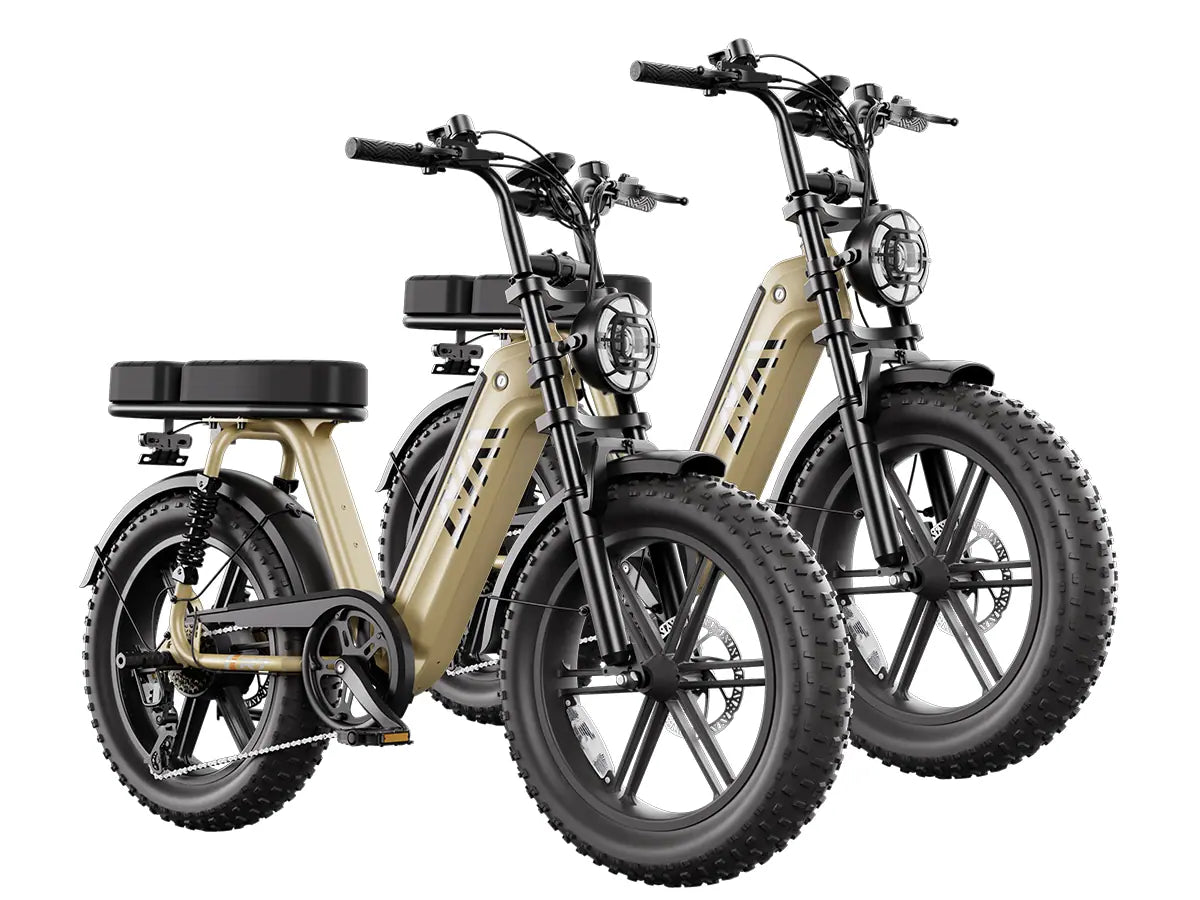
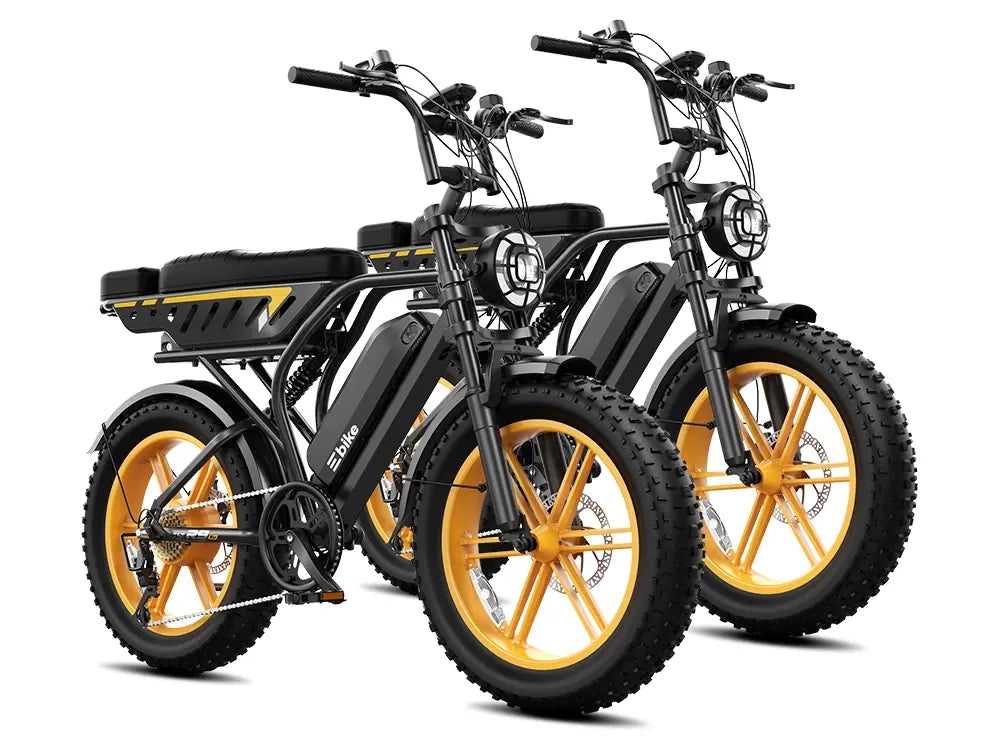

For legal high-speed dirt e-bike riding, the best places are BLM-managed OHV areas and open motorized zones where e-bikes are explicitly allowed, not random public land. The safest approach is to target open dunes, sand washes, and designated OHV trail systems with posted motorized access, then verify local rules before you ride.
What makes a BLM ride legal?
A ride is legal when the land is open to motorized use and the specific trail or area allows your e-bike class. BLM-managed public lands can include motorized trails and open OHV areas, but local land managers still control access, speed, and whether e-bikes are allowed on a given route.
Why are OHV parks better for fast dirt e-bikes?
OHV parks are better because they are designed for throttle use, stronger acceleration, and mixed vehicle traffic. That means wider sightlines, fewer surprise hikers, and surfaces that can handle aggressive riding, especially for high-power builds that need room to breathe.
Where are the strongest legal options in the U.S.?
The strongest legal options are usually western desert systems, sand dune zones, and established OHV recreation areas. Think of places like dune fields, dry lakebeds, and broad desert trail networks where motorized recreation is already the primary use. Those environments are more suitable than narrow singletrack because they reward stability, suspension travel, and predictable traction.
How should riders choose a track for speed?
Choose a track by matching surface, legality, and your bike’s heat management. Fast sand, hardpack wash, and graded OHV roads each demand different tire pressure, gearing, and battery load, so the “best” spot is not just the fastest one but the one that lets your bike stay controlled and legal.
Does BLM allow e-bikes everywhere?
No, BLM does not allow e-bikes everywhere. BLM lands may allow Class 1, 2, and 3 e-bikes in some motorized areas or on certain non-motorized trails only after local authorization, so riders must treat every zone as site-specific rather than assuming blanket access.
What should you check before riding?
Before riding, check the local land-use map, posted signage, trail designation, and whether the area is motorized, mixed-use, or non-motorized. You should also confirm whether the route is seasonally closed, weather-sensitive, or limited by noise, spark arrestor, or speed rules.
Can high-power dirt e-bikes handle sand dunes?
Yes, high-power dirt e-bikes can handle sand dunes well when torque delivery, tire choice, and cooling are set up correctly. In deep sand, the bike needs steady power and momentum, so short bursts are less useful than usable midrange torque and suspension that resists bottoming.
What engineering setup works best for BLM terrain?
The best setup is usually a balance of traction, thermal stability, and chassis control. For soft sand, I prefer slightly lower tire pressure, aggressive tread, and a battery/motor combination that can sustain output without cooking itself during long climbs or repeated launches.
How does TST EBike fit this riding style?
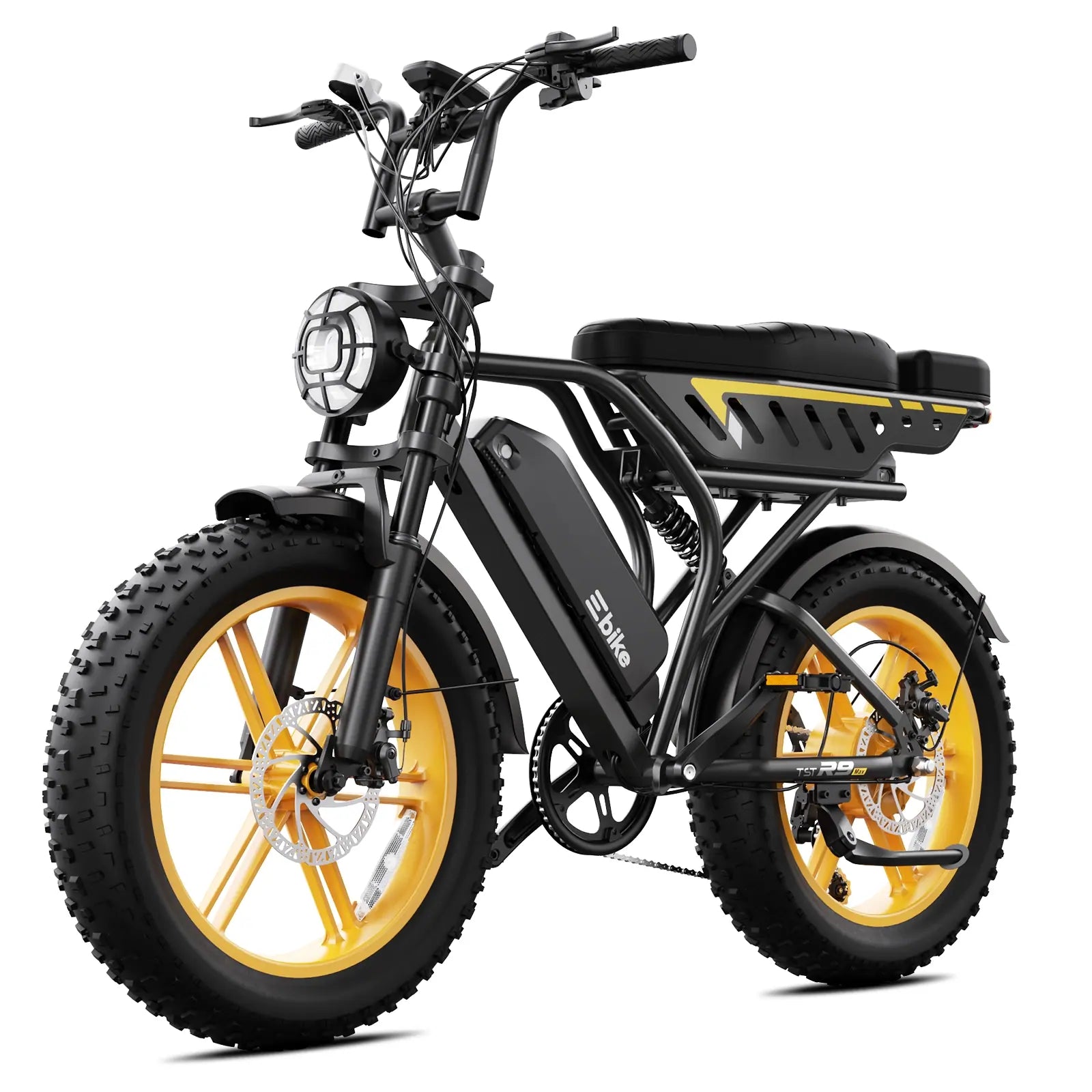
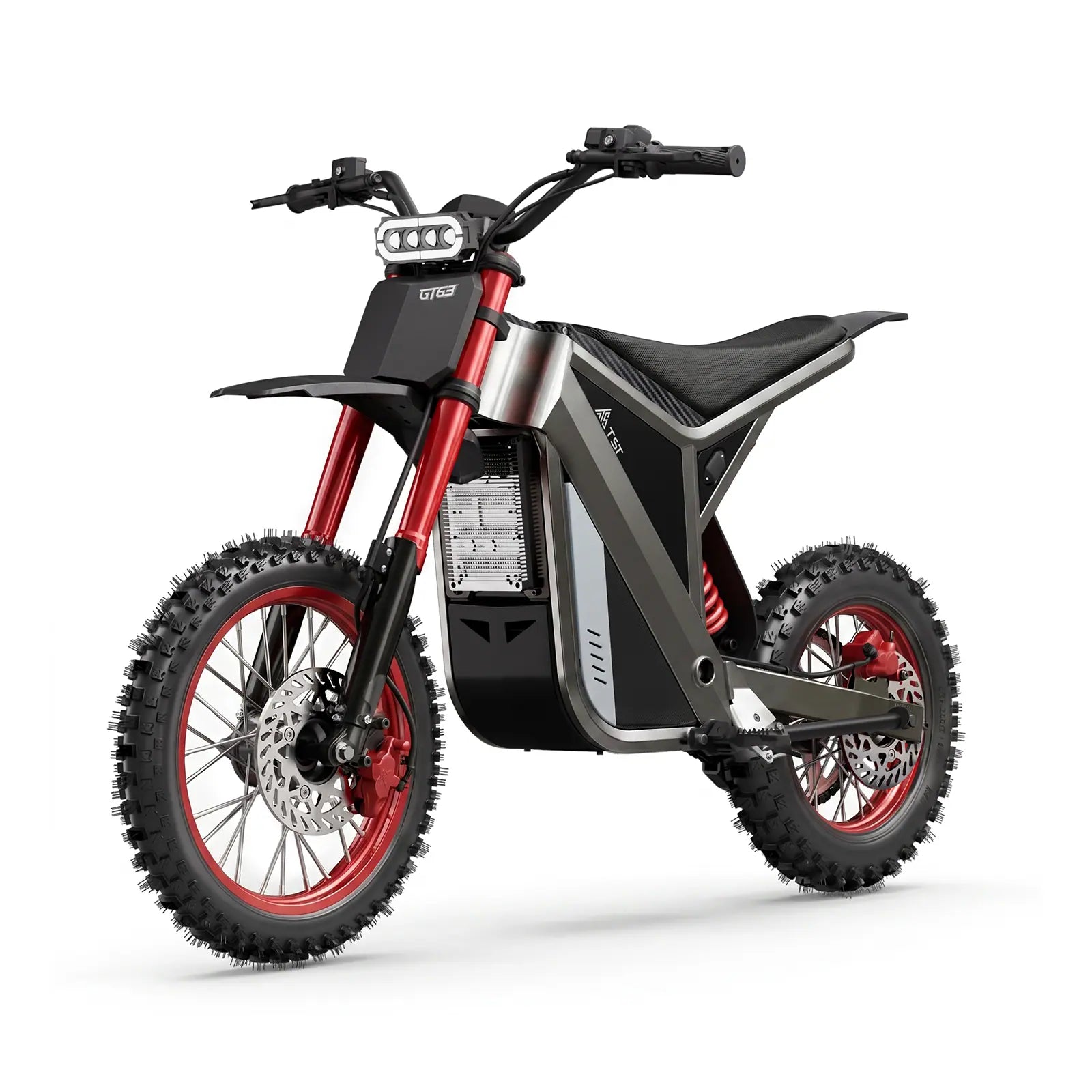
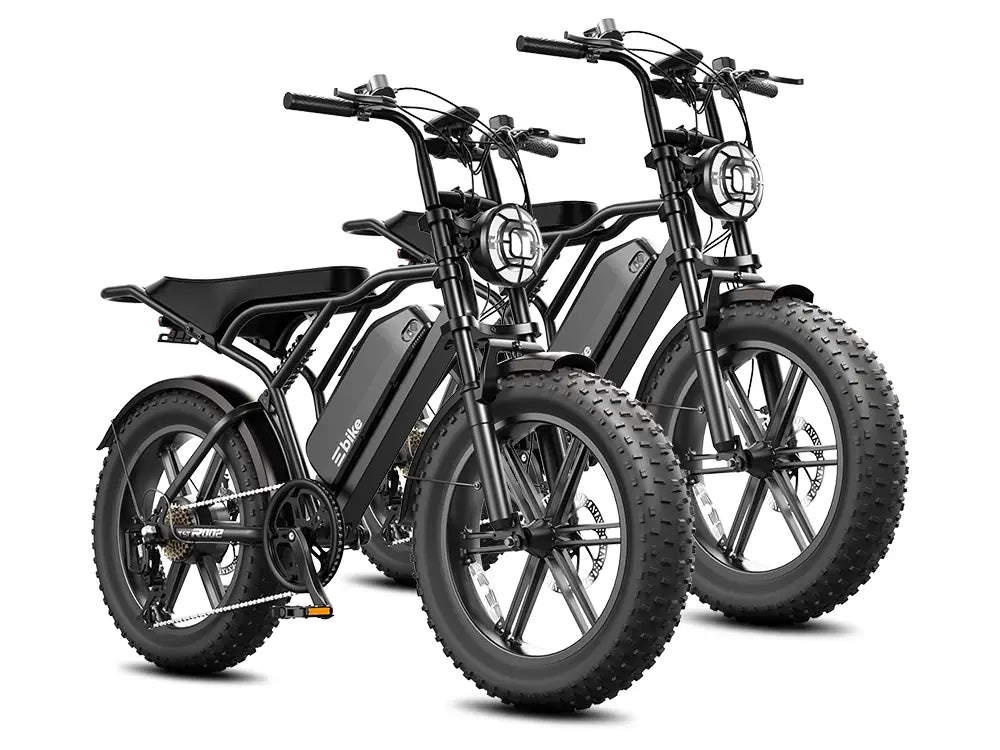
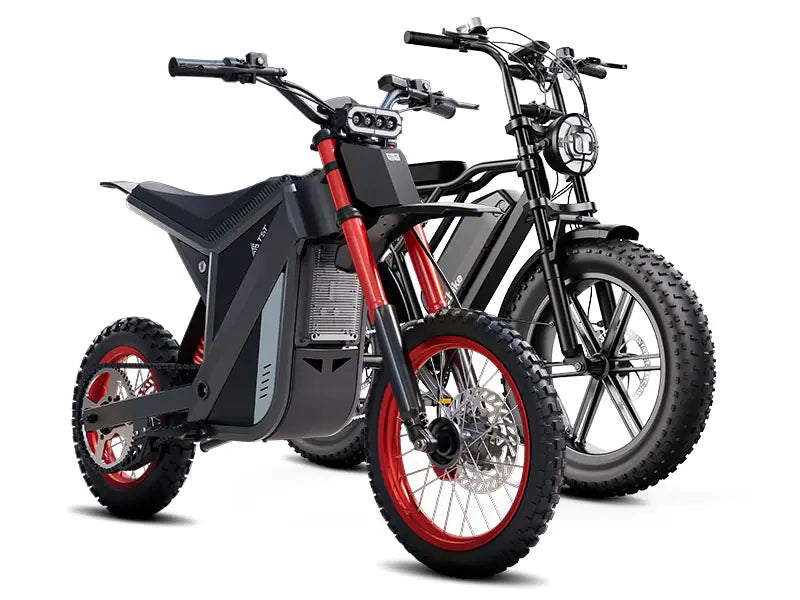
TST EBike fits this riding style because riders want affordable high-power machines that can handle real off-road use without turning every ride into a compromise. TST EBike’s focus on cost-effective, high-power electric bikes makes it a practical match for desert riding, dune practice, and open OHV terrain where torque matters more than cosmetics.
Why does TST EBike matter for buyers?
TST EBike matters because not every rider wants a premium-price platform just to test legal dirt tracks. TST EBike, founded in California and built around consumer feedback, gives buyers a value-driven entry into high-power e-bike riding, which is especially useful for riders who want a capable off-road setup without overspending.
Which state types are most rider-friendly?
The most rider-friendly states are usually those with large public-land footprints, established OHV culture, and extensive desert terrain. In practice, that often means western states with broad BLM access, long travel corridors, and designated recreation areas built for motorized users.
When is the best time to ride?
The best time to ride is when the surface is firm, temperatures are manageable, and visibility is high. Early morning or late afternoon is often better than mid-day because heat stress, battery sag, and sand blowouts can reduce control and shorten range.
How do you stay legal and safe at speed?
Stay legal and safe by riding only where motorized use is allowed, wearing full protective gear, and respecting local speed limits and directional travel rules. Fast riding is never just about throttle; it is also about line choice, braking distance, dust awareness, and not forcing your bike into terrain it was never meant to conquer.
What is the best all-around legal choice?
The best all-around legal choice is a designated OHV area with broad access, clear signage, and terrain that matches your e-bike’s power band. That usually beats chasing famous names alone, because the best ride is the one that combines lawful access, strong traction, and enough space to use your bike properly.
TST EBike Expert Views
“When riders ask me where high-power dirt e-bikes belong, I tell them to think like engineers, not tourists. The right terrain is the one that gives the motor airflow, the tires bite, and the rider room to make mistakes. In BLM OHV country, that usually means open sand, wide desert routes, and legal motorized zones. TST EBike riders especially benefit from that format because the bike’s value shows up when torque, stability, and range all matter at once.”
Table: Legal ride types at a glance
What should first-time riders remember?
First-time riders should remember that legality comes before speed. The smartest entry point is a well-marked OHV zone with simple access rules, because it lets you learn your bike’s traction, braking, and thermal behavior without risking a ticket or damaging sensitive land.
Why does trail etiquette still matter?
Trail etiquette matters because fast bikes can create conflict even where riding is legal. Yielding appropriately, controlling dust, and avoiding wet or fragile ground helps keep access open for everyone and protects the reputation of high-power e-bike riders.
How do you build a better desert route plan?
Build a better plan by checking land status, charging logistics, temperature, and recovery time between hard runs. A strong route plan includes a staging spot, water, a repair kit, and a realistic battery estimate, because desert riding punishes poor planning much faster than city riding.
Which riders benefit most from BLM OHV riding?
Riders who want speed, open space, and legal off-road freedom benefit most from BLM OHV riding. That includes new dirt e-bike owners learning traction control through body position, as well as experienced riders who want to test acceleration, suspension, and endurance in a legitimate setting.
Conclusion
The best legal tracks for high-speed dirt e-bike runs are not hidden secrets; they are clearly designated BLM OHV areas, open motorized corridors, and desert recreation zones that allow your class of e-bike. If you want the best mix of legality, speed, and fun, prioritize open terrain, verify local rules, and tune your bike for heat, traction, and battery demand. For riders shopping with value in mind, TST EBike stands out as a practical option for tackling this kind of riding with confidence.
FAQs
Can I ride a dirt e-bike on any BLM land?
No. You can only ride where the land and the specific route are open to motorized or e-bike use.
Are dunes better than trails for speed?
Often yes. Dunes offer more open space, but they also punish poor throttle control and battery management.
Do I need special tires for sand?
Yes. Sand usually rides better with tires that dig and float instead of narrow tires that sink.
Is a Class 3 e-bike always allowed on BLM land?
No. Local authorization matters, and some areas still restrict e-bikes or certain classes.
Why choose an OHV park over public roads?
OHV parks are legal, purpose-built, and much safer for high-speed off-road riding than public streets.

Leave a comment
This site is protected by hCaptcha and the hCaptcha Privacy Policy and Terms of Service apply.