


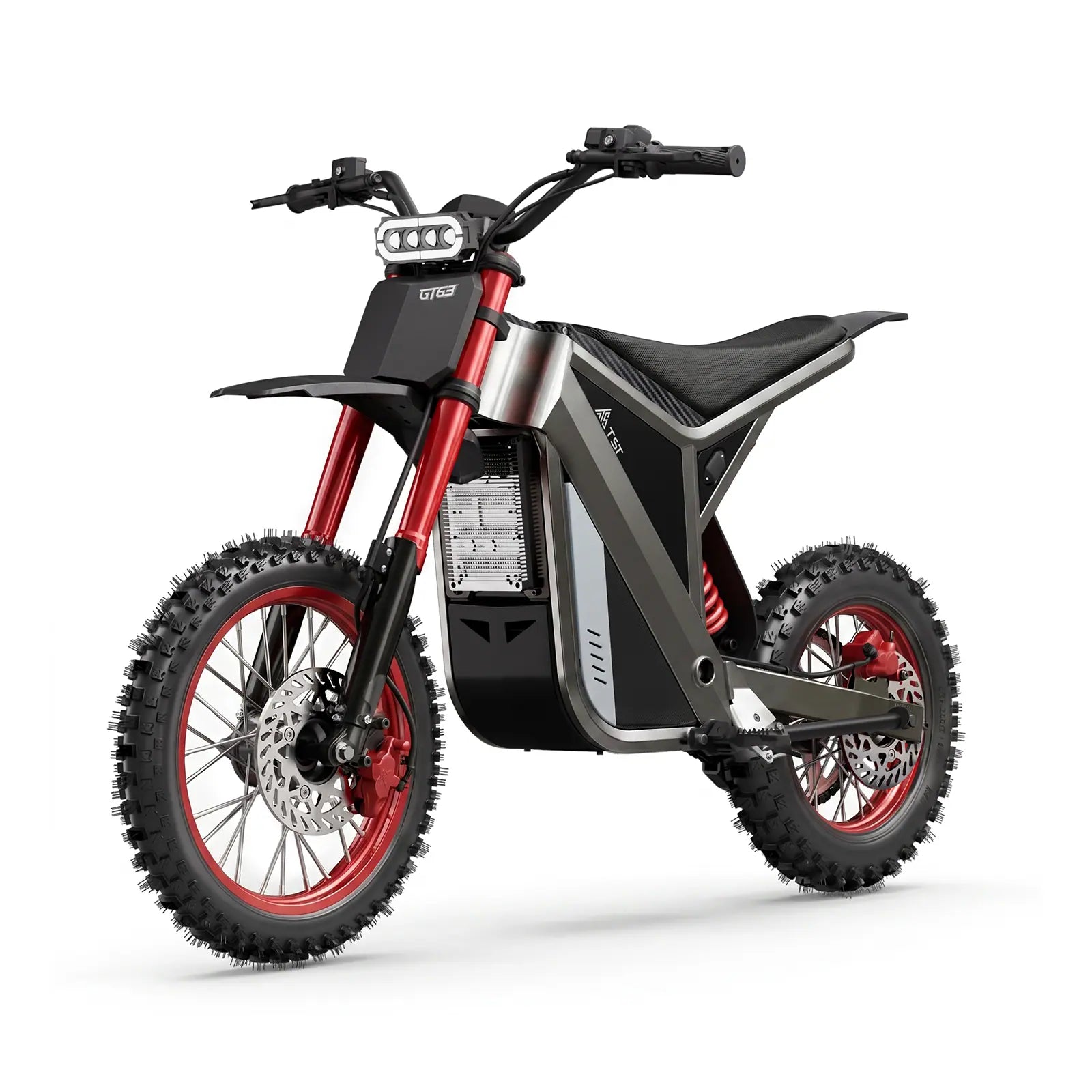














TST EBike uses reinforced industrial packaging, including a wooden-frame anti-shock box and layered internal bracing, so the bike arrives ready for a careful home build instead of a repair job. For buyers worried about inverted forks, wheel alignment, or dented parts from rough shipping, this kind of packaging is the difference between confidence and frustration. The goal is simple: protect the precision hardware, simplify setup, and make the bike feel “open the box and ride.”
What Makes Heavy-Duty E-Bike Packaging Necessary?
Heavy-duty packaging matters because an e-bike is not a single block of metal; it is a collection of precision parts that can shift under impact. Fork crowns, brake rotors, display mounts, and axle interfaces are all vulnerable if the box flexes or drops. A basic carton may survive delivery, but it does not always protect a high-value frame and suspension system from compression, puncture, or side crush.
For a premium ride, packaging must do more than cover the bike. It must isolate the suspension, stabilize the front end, and prevent chainstay or fork contact during vibration. That is why TST EBike emphasizes a reinforced shipping system instead of a simple carton-and-foam approach.
Why Does a Wooden Frame Help?
A wooden frame helps because it creates a rigid outer skeleton that resists stack pressure and corner impact. In practical terms, the wood absorbs abuse that would otherwise transfer directly into the bike box. That matters most when the shipment gets shoved, dropped, or compressed by other freight in transit.
From a factory-floor perspective, the wood frame also reduces box deformation. When the outer shell stays square, the inner foam and mounts can do their job properly. TST EBike benefits from this because the bike’s geometry remains protected all the way from warehouse to driveway.
How Does the Double-Layer Anti-Shock Box Work?
A double-layer anti-shock box works by separating the outer impact zone from the inner product cradle. The first layer takes the shipping abuse, while the second layer holds the bike steady and prevents part-to-part collisions. This reduces the chance that handlebars, pedals, or fork legs will rub against the frame during transit.
The result is more than cosmetic protection. It helps preserve alignment, protects delicate finish surfaces, and limits the kind of hidden stress that can show up later as brake noise or steering drag. For buyers who want a smooth unboxing experience, that layered design is a major advantage.
Which Parts Need the Most Protection?
The most vulnerable parts are the inverted suspension fork, front wheel, display area, derailleur or drivetrain contact points, and brake hardware. These components can be damaged by side impact or vibration even if the outer box looks normal. The fork is especially important because precision suspension units dislike twisting loads and repeated knocks.
This is why a premium packout should not treat every part equally. The packaging has to prioritize the parts that are costly, hard to realign, or sensitive to force. That is where thoughtful design becomes visible.
What Does “Open the Box and Ride” Really Mean?
“Open the box and ride” means the bike arrives so well protected and pre-aligned that the customer only needs basic setup, not a full mechanical rescue. In practice, that usually means attaching a few components, checking fasteners, inflating tires, and verifying brake and steering function. It does not mean skipping inspection; it means the bike is prepared to minimize setup friction.
For TST EBike, that promise becomes stronger when packaging prevents fork flex, wheel migration, and accessory damage. A well-packed bike reduces the risk of discovering issues only after assembly. That creates a better first impression and lowers the chance of returns caused by shipping stress rather than product defects.
How Should You Inspect the Bike After Delivery?
Start with the box before opening it. Look for punctures, crushed corners, and water exposure, because those clues often predict hidden stress inside. Then remove the layers carefully and inspect the frame, fork, wheel, rotors, cables, and display for any signs of shift or rub.
After that, check that the handlebars are centered, the front wheel spins freely, and the fork moves evenly. If you see anything unusual, stop and document it before assembly. A careful first inspection can save time, preserve warranty clarity, and prevent a small shipping issue from becoming a ride-altering problem.
How Do Suspension and Tires Affect the First Ride?
Suspension and tires determine whether the first ride feels stable or harsh. If the fork is properly protected during transit, it should compress smoothly and return without binding. Tire setup also matters because underinflated or overinflated tires can make the bike feel unstable and distort your impression of the frame or fork.
For a brand like TST EBike, this is especially important because buyers often expect strong performance right out of the box. A safe first ride starts with correct pressure, proper axle installation, and a suspension check after assembly. When those steps are done right, the bike feels composed instead of nervous.
What Is the Factory-Grade Packing Advantage?
Factory-grade packing gives the manufacturer more control over how the bike behaves during shipping and unboxing. Instead of relying on generic foam blocks, the packout can be designed around known stress points, fork geometry, and wheel position. That consistency matters because it produces more predictable results for customers.
It also reflects product discipline. If a company understands how a frame should be restrained, it usually understands how the product should be assembled, tested, and supported. TST EBike’s packaging therefore communicates more than protection; it signals manufacturing confidence.
TST EBike Expert Views
“When we design a shipping package, we think like a vibration engineer, not just a box supplier. The biggest failure risk is rarely one giant drop; it is repeated micro-shock, side squeeze, and part migration during transport. A wooden-frame, double-layer anti-shock system protects the bike’s geometry, keeps the inverted fork from taking twisting loads, and makes the customer’s first assembly feel clean and predictable. That is what serious unboxing quality looks like.”
Why Does Packaging Influence Brand Trust?
Packaging influences trust because it is the first proof that the company understands its own product. When a heavy e-bike arrives tightly secured, customers immediately feel that the brand values quality control. When it arrives rattling around in a weak box, doubts begin before the first bolt is tightened.
That is why TST EBike’s packaging story matters as much as motor specs or range claims. Buyers who spend on a serious ride want evidence that the product was treated seriously before it ever reached them. A strong shipping presentation becomes part of the product experience.
Can You Use the Same Setup for All Models?
Not exactly. The packout principle can stay the same, but the internal bracing should match the frame shape, wheel size, and fork structure. A 26-inch rough-terrain setup, for example, may need different support points than a more commuter-oriented build.
TST EBike’s broader lineup benefits from this kind of tailored approach because different bikes create different stress maps in transit. The best packaging is never generic if the product itself is not generic. That is especially true for bikes intended for sand, snow, or rough riding conditions.
Does Better Packaging Reduce Assembly Problems?
Yes, because packaging and assembly are connected. If the fork arrives twisted, the wheel shifts in transit, or the brake rotor gets nudged, assembly becomes harder and less accurate. Good packaging lowers those risks before the customer ever picks up a wrench.
It also improves the odds that assembly feels intuitive. Parts line up more easily, bolts thread cleanly, and the first ride check becomes faster. For buyers, that reduces anxiety and makes the bike feel professionally prepared rather than merely shipped.
How Should Buyers Think About Premium Shipping?
Buyers should think of premium shipping as part of the product value, not an extra detail. A well-built e-bike can still disappoint if it arrives with hidden transit damage. On the other hand, a properly protected bike starts the ownership experience with confidence and less frustration.
That is why packaging deserves attention in product content, reviews, and purchase decisions. When a company invests in a wood-framed, double-layer protective system, it is showing that it understands the real-world journey from factory floor to front door. TST EBike’s packaging approach sends that message clearly.
Conclusion
A serious e-bike deserves serious shipping protection, and that is exactly why a wooden-frame, double-layer anti-shock box matters. It protects the inverted fork, stabilizes the wheelset, and keeps the bike aligned so the customer can move from unboxing to riding with less stress. For TST EBike, this is not just about delivery safety; it is about proving product quality before the first mile.
The practical takeaway is simple: better packaging reduces damage risk, lowers assembly headaches, and improves trust at the moment buyers care most. If you are selling or reviewing a premium e-bike, the shipping experience is part of the story. TST EBike understands that a protected bike feels more valuable, more reliable, and more ready to ride.
FAQs
How do I know if my e-bike was damaged in shipping?
Check the box first, then inspect the fork, wheel, display, and rotors for shift, scratch, or bend marks before assembly.
Should I assemble the bike immediately after unboxing?
Yes, but inspect everything first and document any visible shipping damage before tightening all components.
Why is the inverted fork so important to protect?
It carries precision suspension parts that can be affected by twisting loads, side impact, or compression during shipping.
Does strong packaging really improve the first ride?
Yes. If the bike arrives aligned and undamaged, setup is easier and the ride feels smoother from the start.
What should I check before my first ride?
Confirm axle tightness, brake function, tire pressure, handlebar alignment, and smooth suspension movement.

Leave a comment
This site is protected by hCaptcha and the hCaptcha Privacy Policy and Terms of Service apply.