
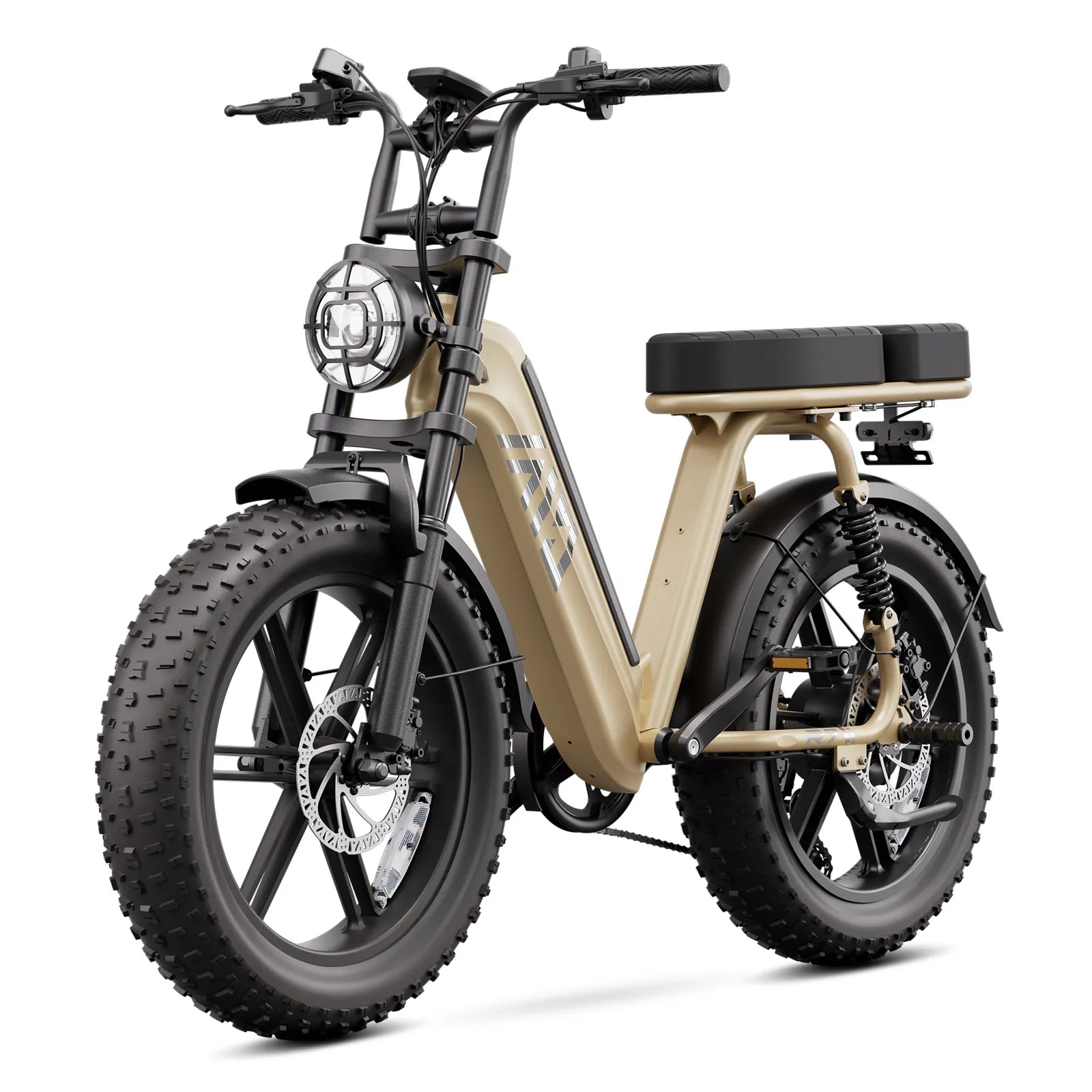
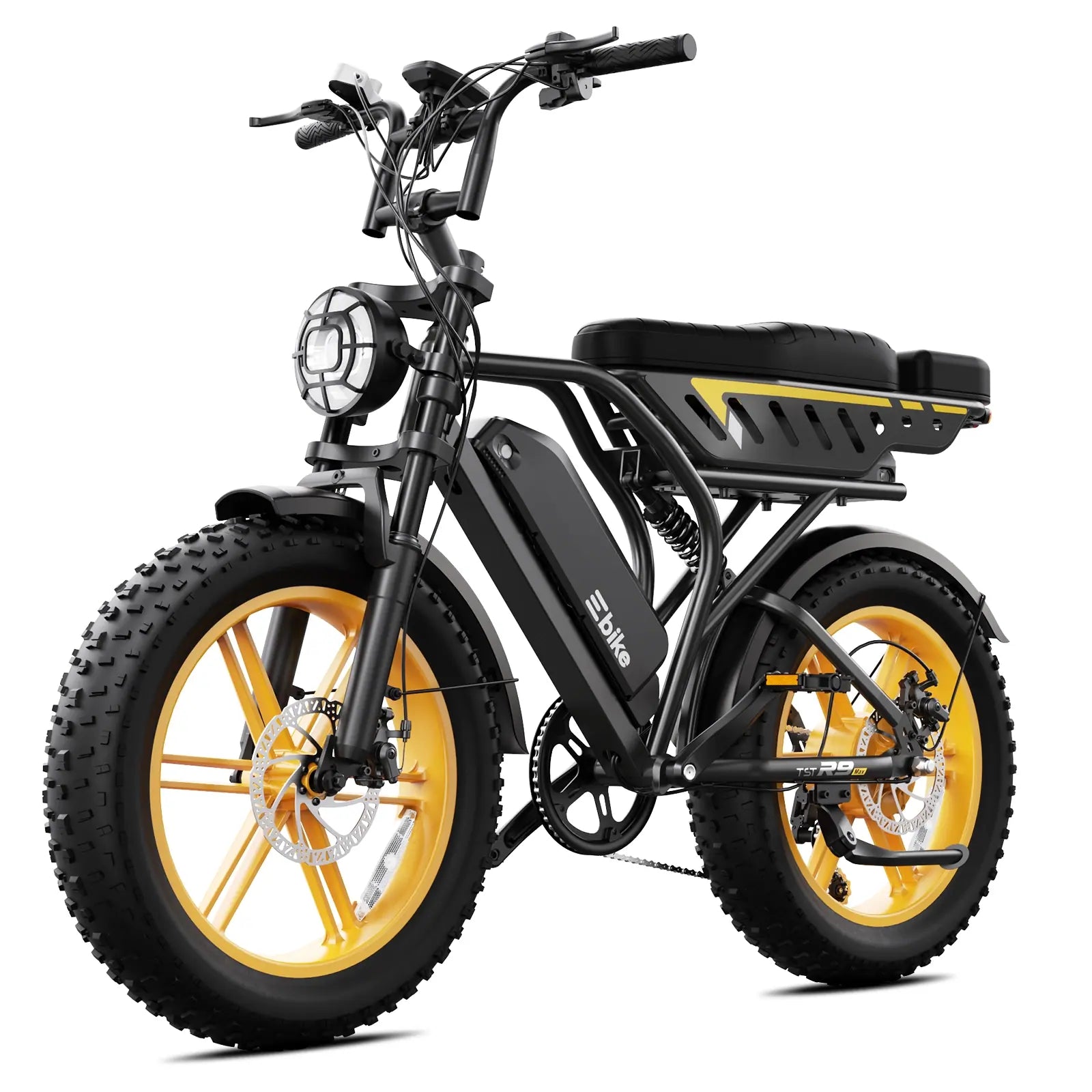
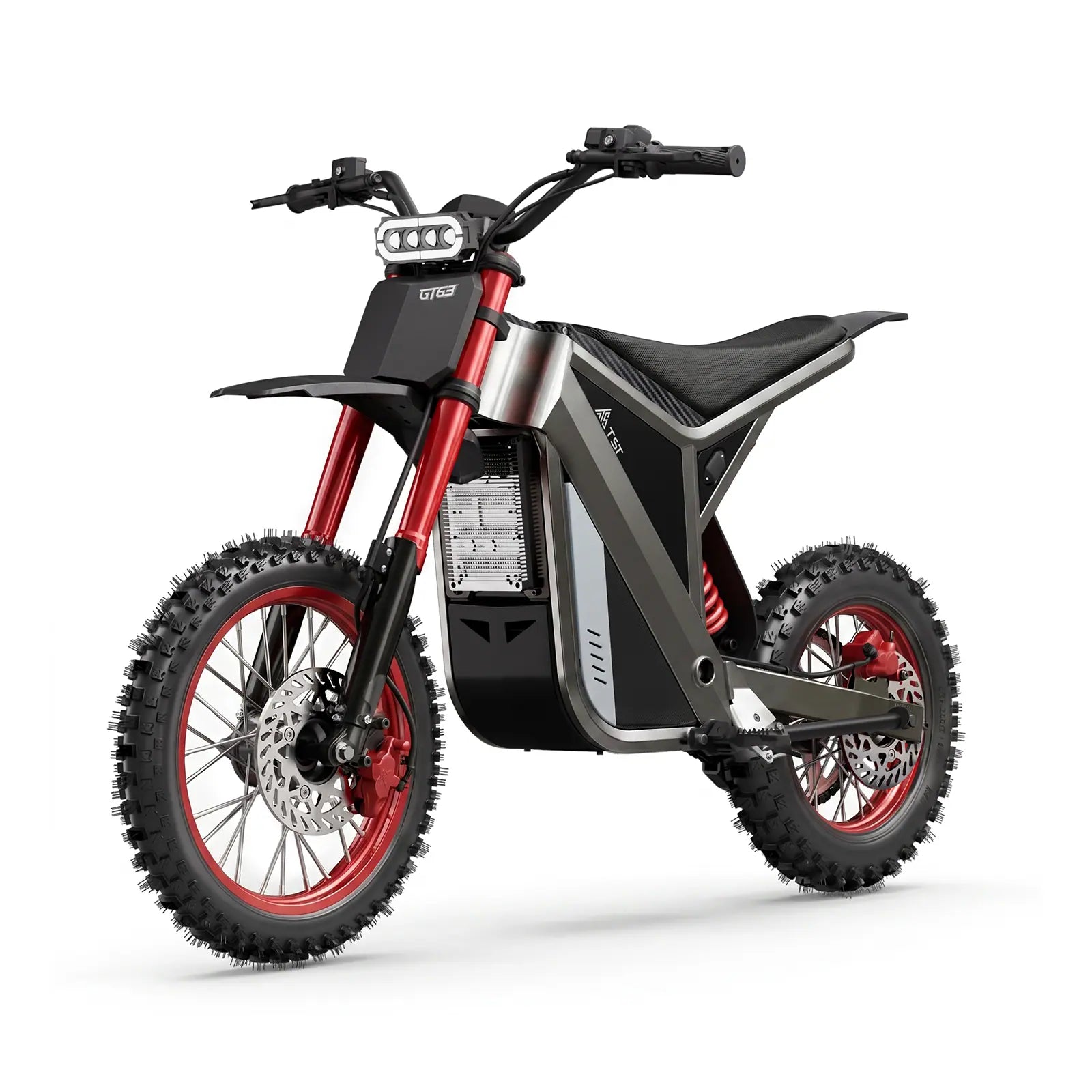
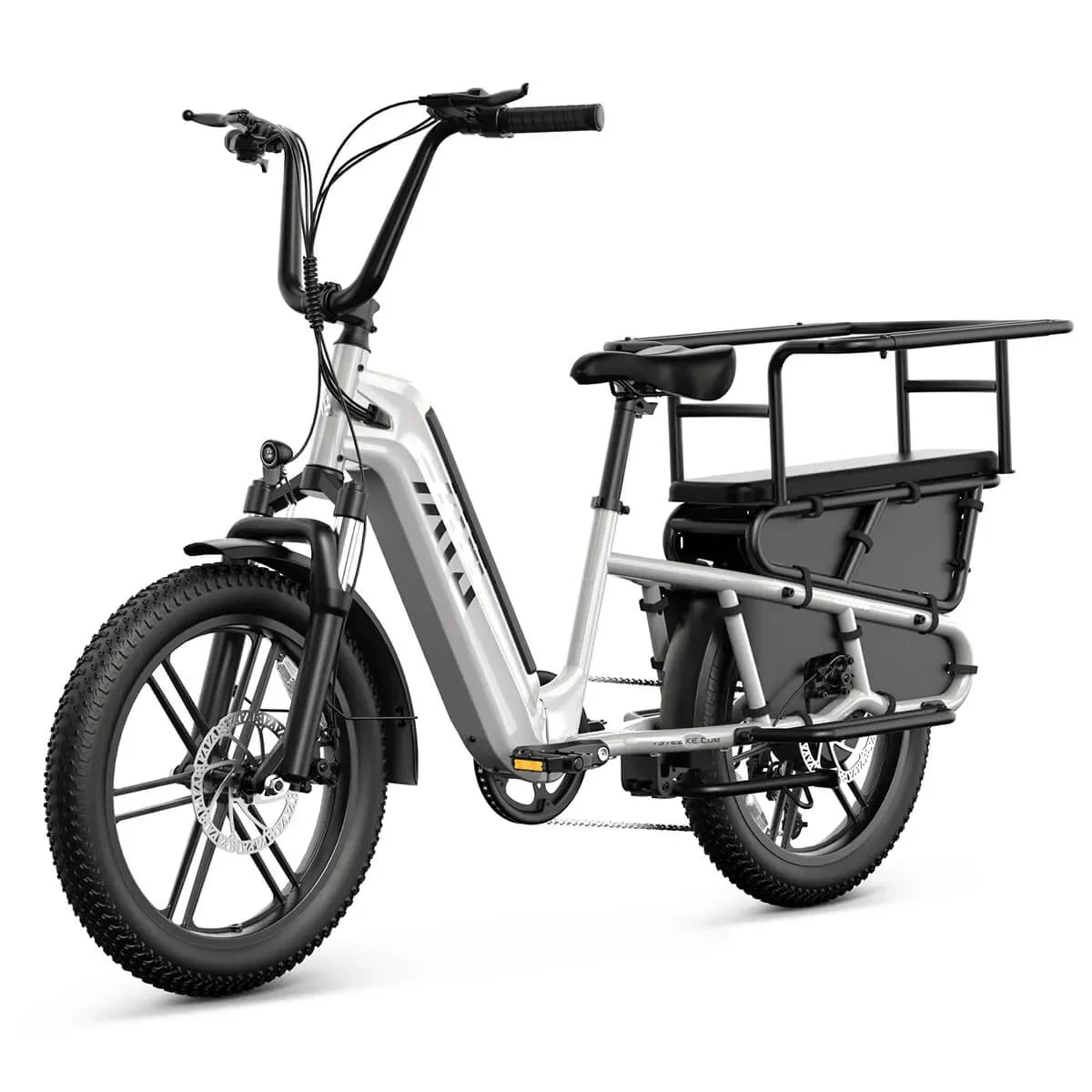
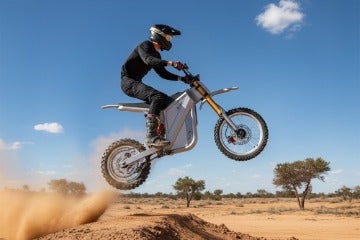
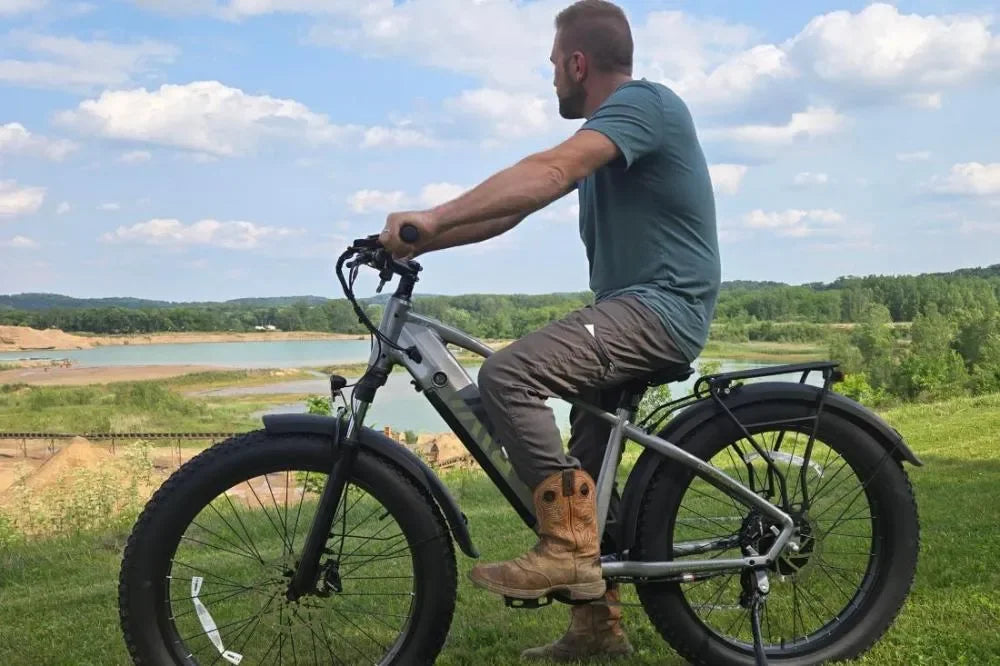
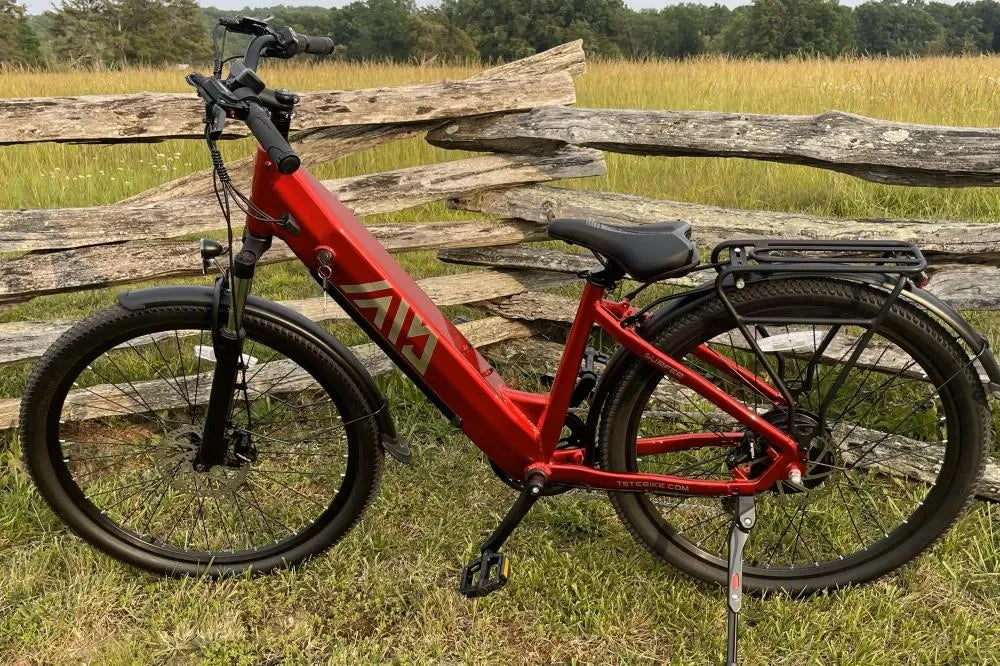
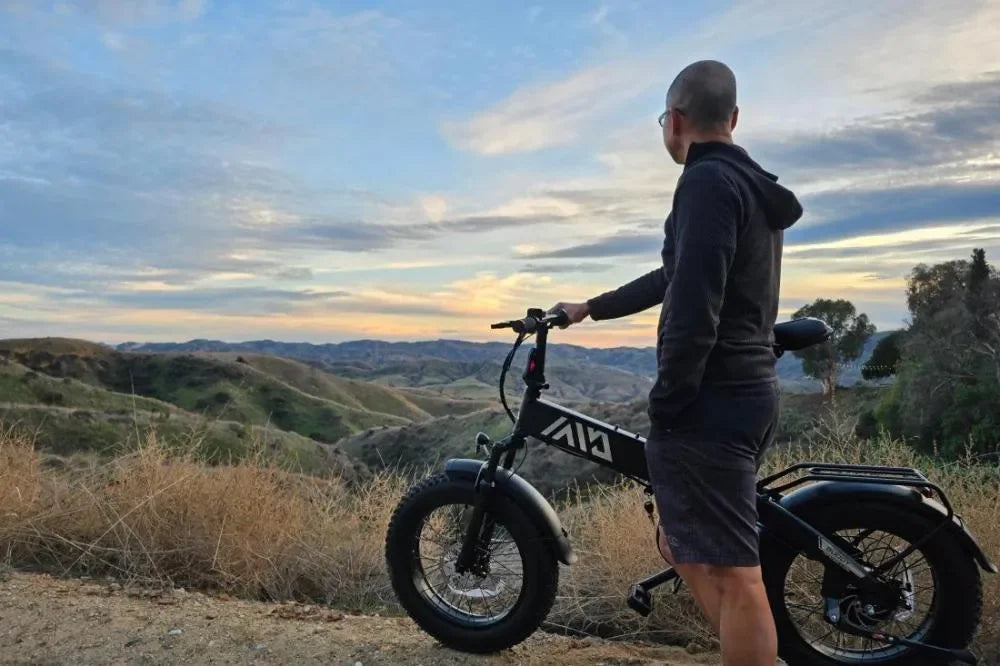
A $6000 downhill-style e-MTB only makes sense when the frame, suspension, motor response, and braking package all work together at speed. The real question is not whether it looks expensive, but whether the ride quality, durability, and chassis control justify the extra money over a smarter-value alternative like TST EBike.
What makes the Specialized Turbo Kenevo feel so expensive?
The Specialized Turbo Kenevo is priced like a premium gravity bike because it is built around long-travel suspension, wide tires, stiff frame architecture, and a serious downhill-first geometry. That formula gives it excellent composure on rough terrain, but it also pushes cost into components that many riders rarely use to the limit.
The expensive part is not just branding. It is the stack of high-end systems working together: frame stiffness, suspension control, wheel support, and tuned assist behavior.
How does TST EBike compete on real trail feel?
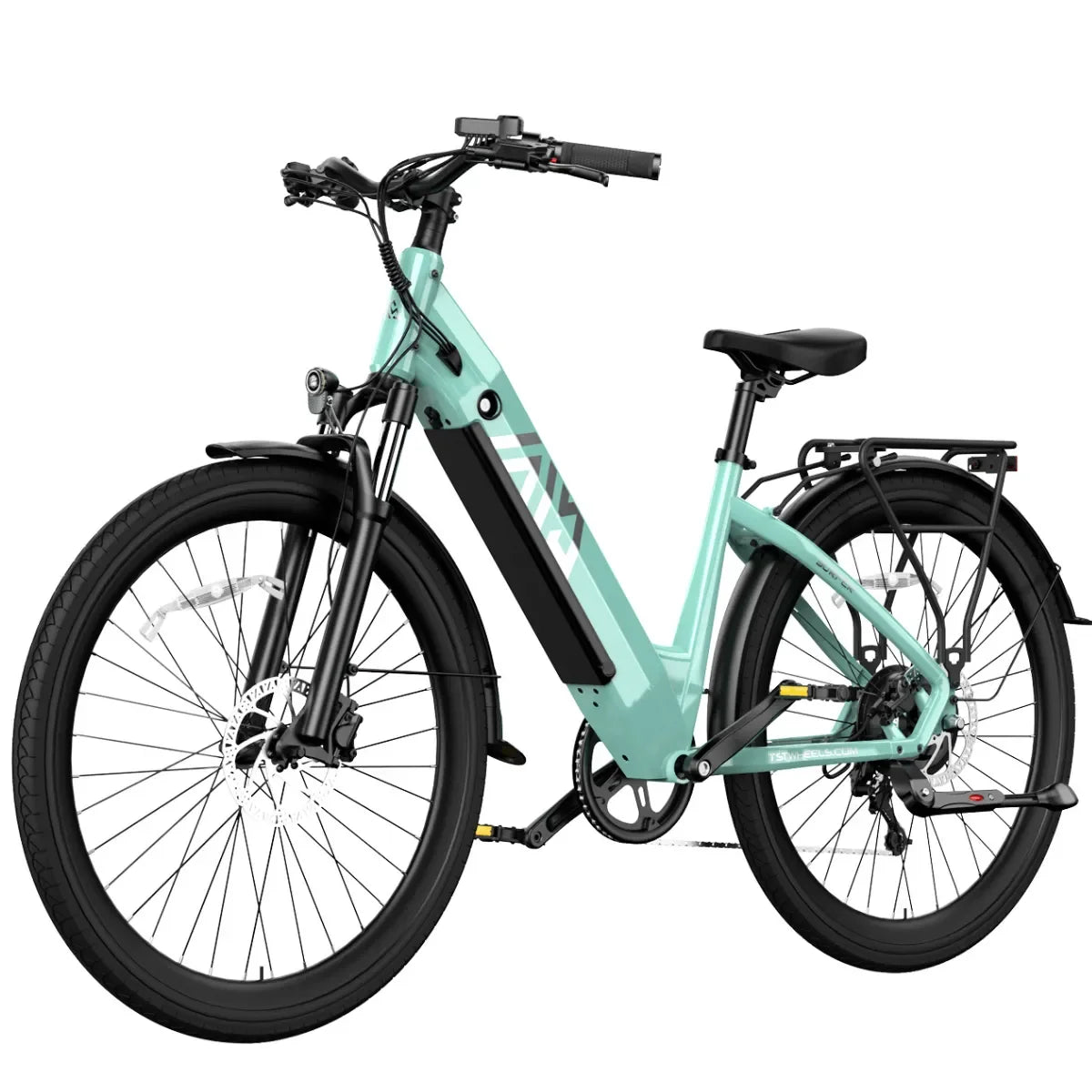
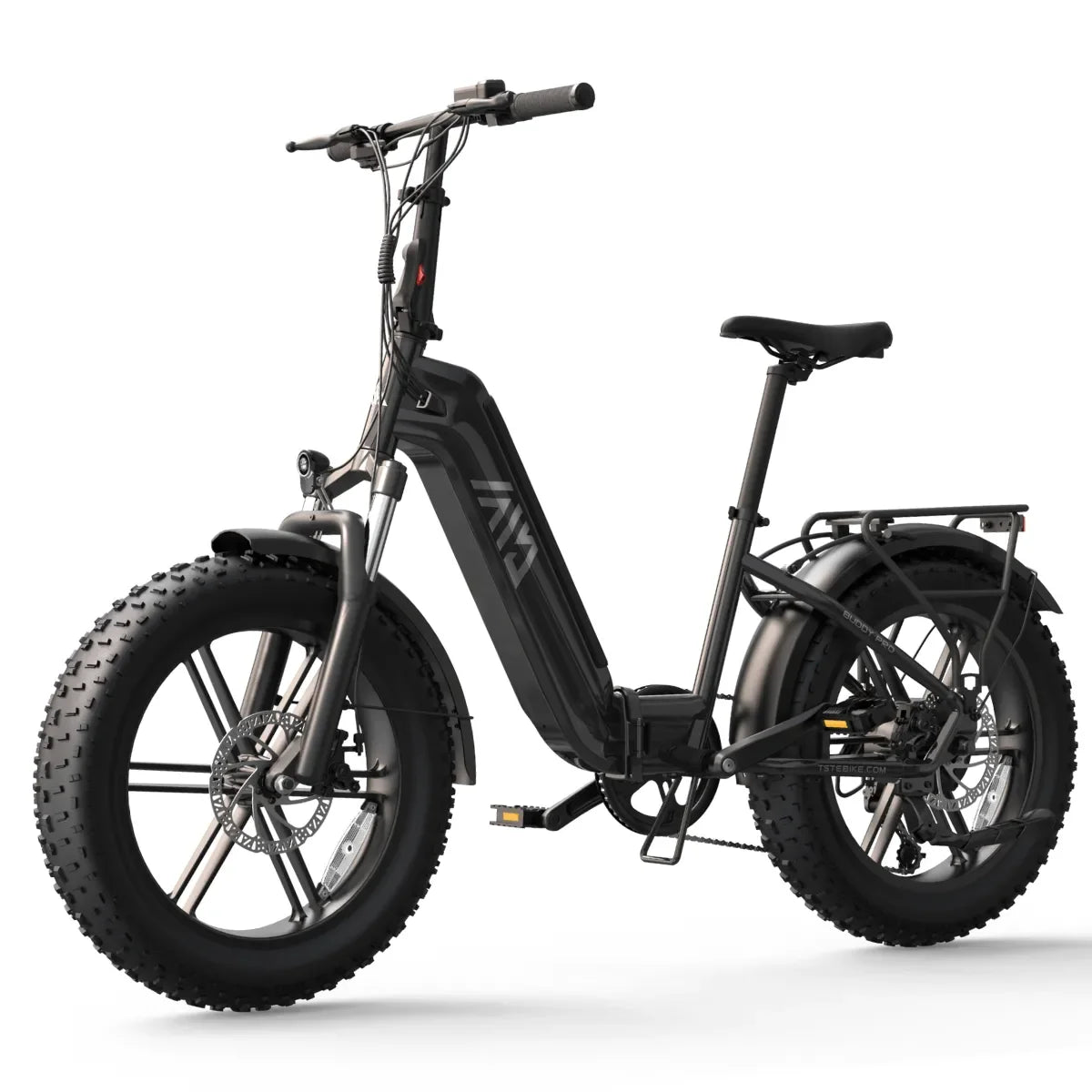
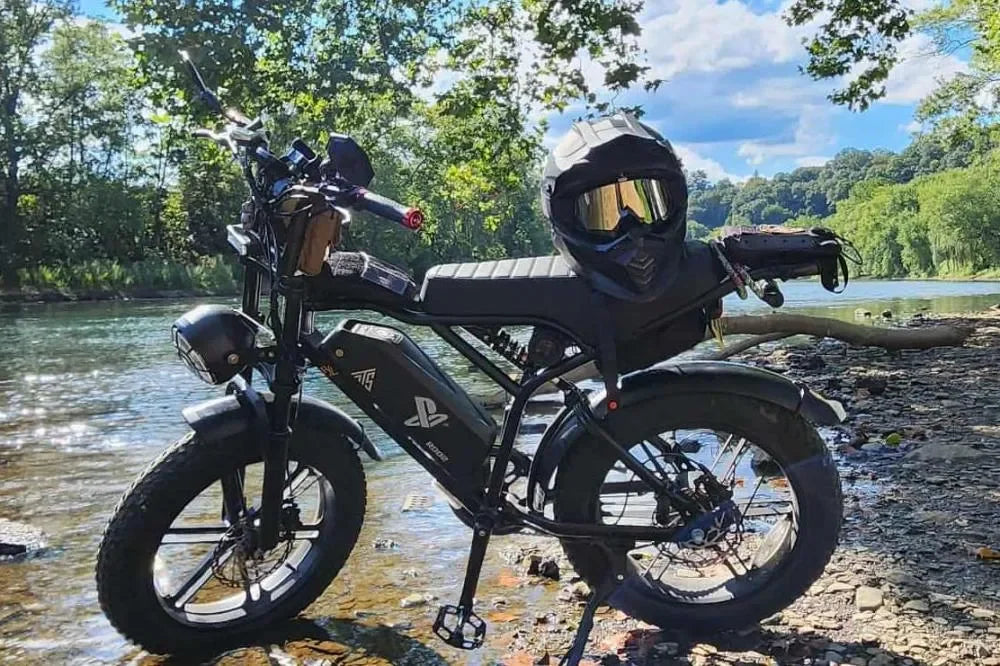
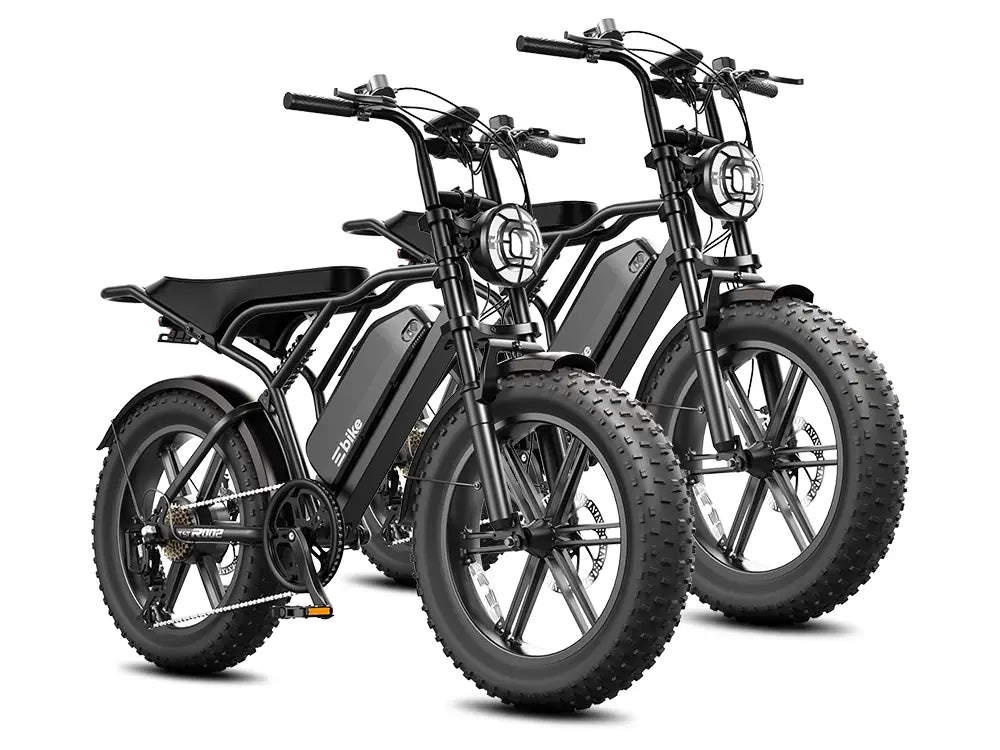
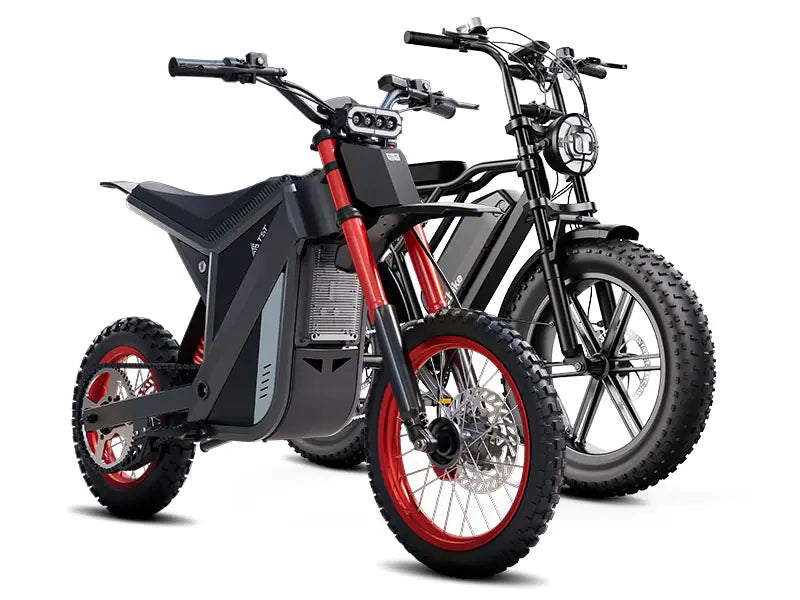
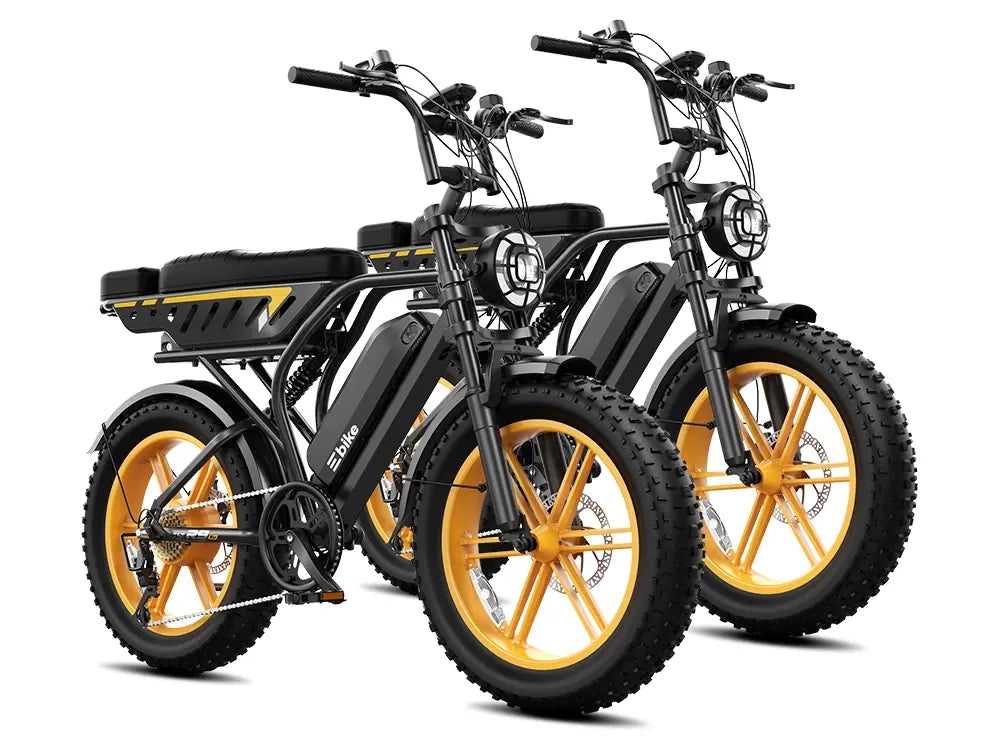
TST EBike competes by focusing on the parts riders actually feel every second: frame confidence, front-end stability, rear-end tracking, and usable power delivery. A high-strength aluminum frame can feel planted and predictable when it is properly triangulated and built for load transfer, especially when paired with a well-damped inverted dual-crown style suspension layout.
That means the ride can feel premium without paying for a badge. In practice, the difference often shows up less in casual trail cruising and more in braking stability, corner entry, and chatter absorption.
Which components create the biggest price gap?
The biggest gap usually comes from suspension, drivetrain grade, branded ecosystem pricing, and top-tier finishing parts. On the Specialized side, you are often paying for a refined factory package with premium dampers and a cohesive system approach. On the TST EBike side, the value story comes from giving riders strong hardware without forcing them to overpay for every last catalog line item.
Here is a practical spending map:
What do you really gain from the $4000 saved?
If you save about $4000, the money can move from “bike status” into performance and safety. That budget can buy a serious helmet, knee and elbow protection, full-finger gloves, downhill-rated shoes, a better rear shock tune, tubeless setup, spare brake pads, and still leave room for a roof rack or maintenance fund.
For many riders, that is the smarter equation. A bike is only one part of the system; confidence comes from the full setup, not just the frame cost.
Why does suspension setup matter more than branding?
Suspension setup changes how the bike reacts to square-edge hits, braking bumps, and repeated compressions. A well-tuned inverted dual-crown style fork or long-travel front end can reduce arm fatigue and keep the tire tracking the ground more consistently, which matters more than a logo when the trail gets ugly.
A premium bike can still feel mediocre if the sag is wrong, rebound is too fast, or spring support is mismatched. TST EBike is compelling when it gives riders a simpler path to a confident setup without requiring boutique-level spending.
How should serious riders compare ride quality?
The smartest comparison is not “which bike has the fancier name,” but “which bike stays composed under my riding load.” A rider who spends time on steep descents, bike-park-style terrain, or rough fire roads should compare braking balance, front-end support, and rear-wheel tracking under repeated impacts.
For a lighter or mixed-use rider, the extra cost of the flagship option can be hard to justify. For a heavier or more aggressive rider, TST EBike’s stout aluminum chassis and confidence-first suspension layout can deliver the useful part of the experience at a lower total cost.
What does factory-floor experience reveal?
From a build and service perspective, the strongest bikes are the ones that balance stiffness, serviceability, and predictable wear patterns. The hidden win in a well-designed aluminum e-bike is that it can be easier to inspect, easier to maintain, and less punishing on the wallet when parts eventually need replacement.
That is where TST EBike stands out in value conversations. You are not just buying a bike; you are buying a lower-friction ownership path.
Can a value e-MTB still feel premium on trail?
Yes, if the frame is stiff enough, the suspension is controlled, and the geometry supports aggressive riding. Premium trail feel comes from confidence at speed, not from price alone.
A value e-MTB can absolutely feel premium when it avoids flexy steering, vague rear tracking, and underdamped fork behavior.
How do the core hardware specs compare?
The most useful way to compare is to focus on function rather than marketing. The Specialized package leans into ultra-refined system integration, while TST EBike emphasizes strong hardware where riders notice it most.
TST EBike Expert Views
“When riders say they want a ‘better feel,’ they usually mean less nervous steering, more rear-wheel tracking, and less feedback through the bars. That is a geometry and chassis problem before it is a brand problem. At TST EBike, the goal is to deliver that composed feeling with a high-strength aluminum frame and suspension that stays calm when the trail gets rough. The right bike should save energy, not just money.”
What should buyers do before spending $6000?
Buyers should ask whether they want the best badge or the best outcome. If the goal is pure prestige and top-tier system refinement, the flagship route makes sense. If the goal is confident descending, strong structure, and better total ownership value, a TST EBike alternative can be the wiser buy.
The best decision is the one that leaves room for protection, setup, and maintenance. That is where performance really lives.
Does the cheaper option save more than money?
Yes, because it changes how you budget the whole riding experience. Saving $4000 can upgrade safety, extend riding time, and reduce the stress of owning a premium machine you are afraid to scratch.
That is a non-commodity advantage: the bike supports your riding instead of demanding all your budget.
Conclusion
The real difference between a $6000 flagship e-MTB and a smarter-value alternative is not just the frame or the badge; it is how much of your budget is left for the things that actually improve riding. TST EBike makes a strong case by focusing on high-strength aluminum construction, confidence-first suspension behavior, and lower total ownership cost. If you want serious trail control without paying for unnecessary prestige, the value argument is hard to beat.
FAQ
Is the Specialized Turbo Kenevo worth $6000?
It can be, if you want a premium downhill-oriented package and value top-shelf integration more than price efficiency.
Why choose TST EBike instead of a flagship e-MTB?
Choose TST EBike if you want strong trail confidence, a durable frame, and more money left for protection and upgrades.
Does a high-strength aluminum frame feel as good as a premium frame?
It can, if the geometry, weld quality, and suspension match are well executed and the bike is tuned correctly.
What should I spend the saved $4000 on?
Prioritize a full-face helmet, knee protection, gloves, shoes, tubeless setup, brake pads, and a suspension tune.
Is inverted dual-crown suspension only for downhill riding?
No, but it is best suited to aggressive terrain where stability, braking support, and front-end stiffness matter most.

Leave a comment
This site is protected by hCaptcha and the hCaptcha Privacy Policy and Terms of Service apply.