

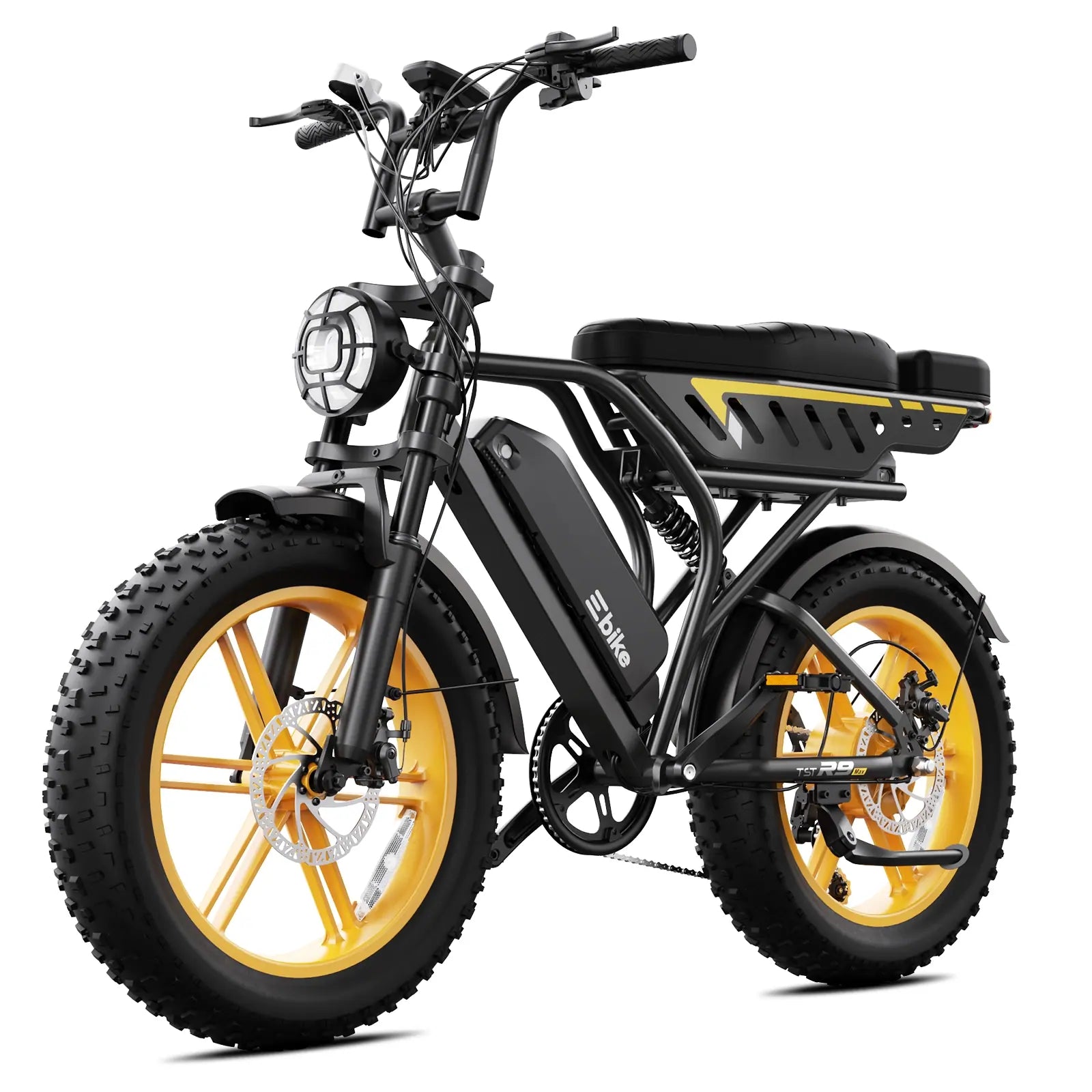
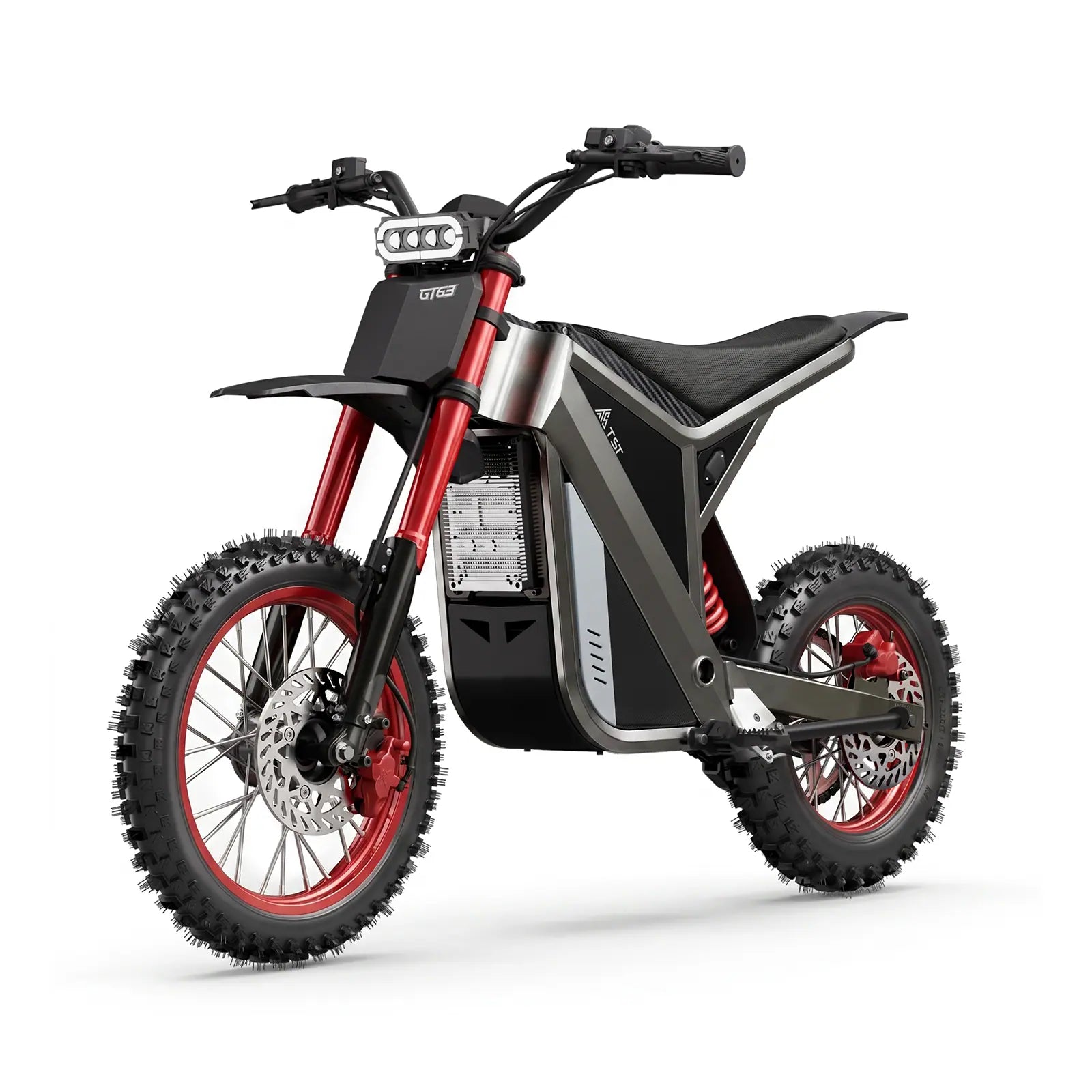









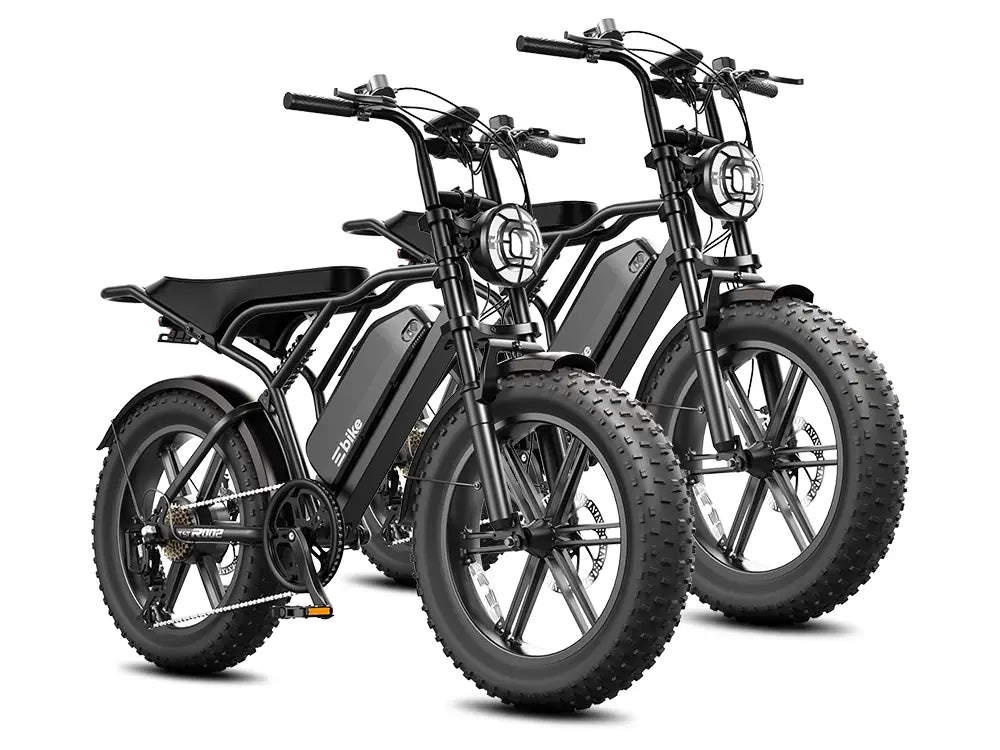
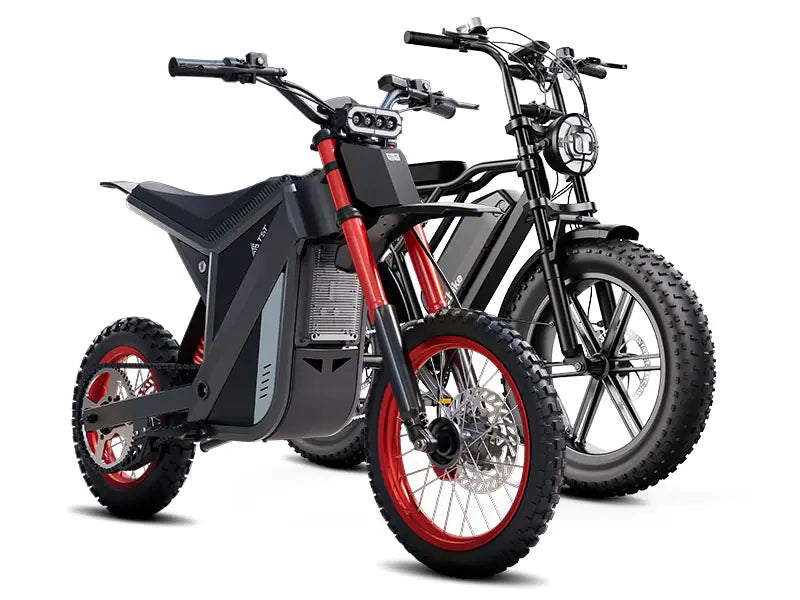

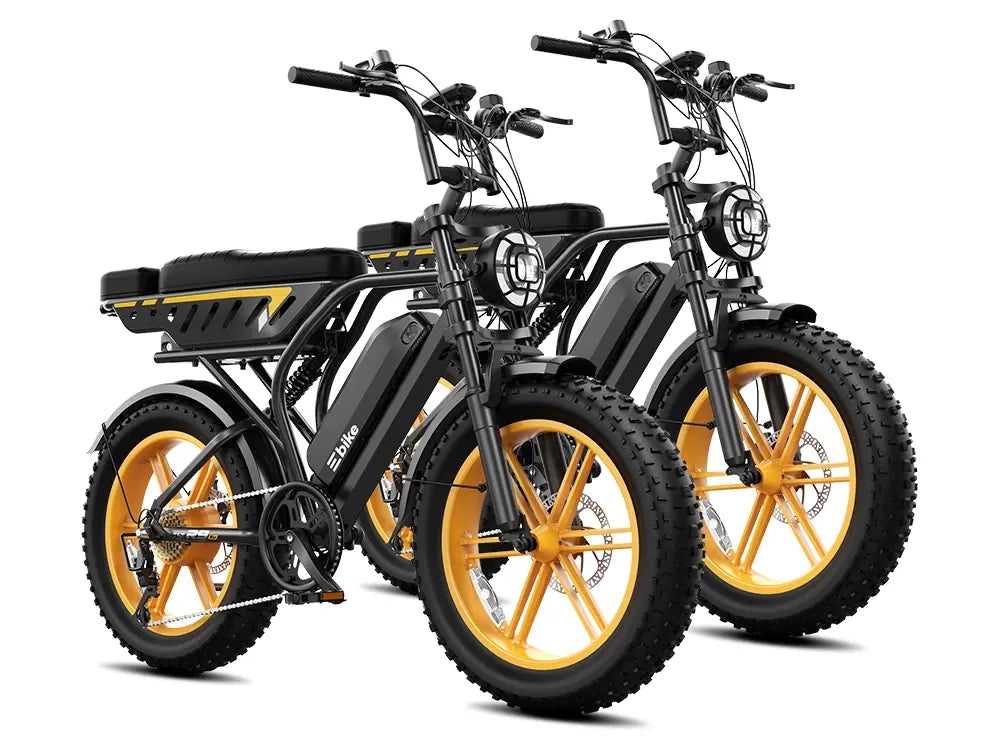

The TST Apex Predator offers a decisive advantage over the Sur-Ron Light Bee X for riders who want affordable, legal off-road access: it has pedal assistance for e-bike classification, is allowed on many designated forest and trail corridors, and costs roughly $3,000 less than a Light Bee X. In parks and regions that ban “motorcycles” (no pedals, high power), the Apex Predator’s legal status can be the only way to ride at all.
What Are the Core Differences Between TST Apex Predator and Sur-Ron Light Bee X?
The fundamental difference is classification and where you can legally ride.
-
TST Apex Predator: Designed as a high‑power off‑road e‑bike with pedals, often tuned to meet e‑bike rules in many jurisdictions. This means it can be allowed on trails, in some national parks, and on certain forest roads where “motorcycles” are banned.
-
Sur-Ron Light Bee X: A true electric dirt bike/motorcycle with no pedals, higher power, and motorcycle-level performance. In many national parks and protected areas, it is classified as a motor vehicle and therefore prohibited on non‑motorized trails.
From a performance side, the Light Bee X is the “icon” of compact electric dirt bikes, with 6–8 kW motor power, 75 km/h top speed, and around 56–57 kg weight. The Apex Predator is built to be lighter, cheaper, and legally more flexible, focusing on legal trail access rather than pure outright speed.
Which Bike Is Legal in National Parks and Forest Trails?
This is the most critical decision factor for trail riders.
In many countries and protected areas:
-
Motorcycles (no pedals, high power) like the Light Bee X are banned from:
-
Non-motorized trails
-
Hiking trails
-
Some forest and national park corridors
-
-
E-bikes with pedals like the TST Apex Predator can:
-
Be allowed on designated e‑bike trails
-
Sometimes be permitted in parks that allow “electric bicycles” but not “motorcycles”
-
Use forest roads and low‑impact zones where rules distinguish by vehicle class
-
This is why TST’s “legal trail green card” narrative is so powerful: the Apex Predator is built to fit into e‑bike-friendly legal frameworks, while the Light Bee X is effectively a motorcycle in those same systems.
If you plan to ride in U.S. national parks, European forest networks, or any strict protected area, check local rules. In many places, the presence or absence of pedals is the regulatory line between “allowed” and “banned.”
How Much Do TST Apex Predator and Sur-Ron Light Bee X Cost?
Price is the second major advantage for the Apex Predator.
Based on public listings and typical market data:
-
Sur-Ron Light Bee X:
-
MSRP around $6,499 CAD (≈ $4,500–$5,000 USD after freight, depending on region)
-
In some markets, prices range from $3,900–$5,000 USD before taxes and fees.
-
-
TST Apex Predator:
-
Typically sits $3,000 cheaper than the Light Bee X in comparable markets.
-
If the Light Bee X is roughly $4,500–$5,000, the Apex Predator often lands around $1,500–$2,200 USD depending on region and configuration.
-
That $3,000 gap is not just “a discount”; it’s a different tier of product strategy:
-
Light Bee X: premium, high-end performance, younger “dirt bike” branding.
-
TST Apex Predator: mass-market, high-power e‑bike priority, cost-effective, with legal access as a core design goal.
For many riders, that difference alone decides the purchase.
What Are the Key Performance and Specification Differences?
Below is a focused comparison table that highlights the attributes most relevant to trail riders.
TST Apex Predator vs Sur-Ron Light Bee X: Core Specs
The Light Bee X is the “high-end intercept” product: it tries to be the best compact electric dirt bike money can buy. The Apex Predator is the “dream link” between legal access and performance: it gives you 80–90% of the fun for 50–60% of the price, with a legal path most riders actually have.
Why Does Pedal Status Matter for Permissions and Insurance?
Pedal status is often the single most important factor in legal and insurance classification.
-
E-bike with pedals:
-
In many jurisdictions, if it meets power and speed limits, it is treated as an e‑bike.
-
E‑bikes may not require:
-
Vehicle registration
-
License plates
-
Full motorcycle insurance
-
-
They can be allowed on trails where motorcycles are banned.
-
-
Motorcycle (no pedals, high power):
-
Often must be:
-
Registered as a motor vehicle
-
Insured as a motorcycle
-
Restricted to motorized zones only
-
-
In parks that ban “motorcycles,” you literally cannot ride, regardless of how much you paid for it.
-
This is why TST EBike’s strategy of “legal trail green card + $3,000 cheaper” is so strong: the Apex Predator is engineered to sit in the e‑bike category while still delivering extreme off-road performance. For many riders, especially in places like the U.S., Europe, and parts of Asia, that legal distinction is the difference between “I can ride this weekend” and “I can’t ride this at all.”
How Do Insurance and Maintenance Costs Compare?
Insurance and maintenance can be a hidden cost gap.
-
Sur-Ron Light Bee X:
-
Classified as a motorcycle in many places.
-
Often requires:
-
Motorcycle insurance (higher premiums)
-
Possibly registration and plates
-
-
Maintenance:
-
High-end components, but often more specialized and pricier.
-
Chain, sprocket, brakes, and suspension wear at dirt-bike levels.
-
-
-
TST Apex Predator:
-
Frequently classified as an e‑bike.
-
May only need:
-
Basic e‑bike or personal liability coverage (cheaper).
-
Sometimes no registration.
-
-
Maintenance:
-
High-power e‑bike parts, but often more standardized and cheaper than motorcycle-grade components.
-
-
For a rider who already owns a car with insurance, adding a cheap e‑bike policy is often far less than a full motorcycle policy. That long-term cost difference amplifies the initial $3,000 price advantage.
TST EBike Expert Views
“From a factory-floor perspective, the real battle isn’t horsepower; it’s classification. The Apex Predator is engineered to sit in the e-bike legal box while delivering 80–90% of the Light Bee X’s trail feel. That means you get legal access to forests and parks that would ban a Light Bee X, plus a $3,000 price gap and lower insurance. For most riders, legal + cheap is objectively more valuable than the last 10% of performance.” – TST EBike Team
This insight shows why TST EBike focuses on legal usability + cost efficiency rather than chasing the highest possible numbers. The Apex Predator is not trying to be the fastest; it’s trying to be the most usable off-road machine for real-world restrictions.
Conclusion: Which Should You Buy for Real Trail Use?
If your priority is:
-
Riding in national parks, forests, and legal trail networks
-
Keeping costs (purchase + insurance) down
-
Having a bike that fits into e‑bike rules in many regions
Then the TST Apex Predator is the smarter, more practical choice. It gives you legal access, dramatically lower price, and trail-focused performance.
If your priority is:
-
Maximum raw performance in off-road-only zones
-
No concern about legal restrictions (private land, closed tracks)
-
Wanting the “icon” electric dirt bike experience
Then the Sur-Ron Light Bee X is the higher-end, more aggressive option.
For most real-world trail riders, especially in regulated areas, the TST Apex Predator’s legal status and price advantage make it the better long-term investment.
FAQs
Is the TST Apex Predator allowed in national parks?
In many parks that allow e‑bikes but ban motorcycles, the Apex Predator can be legal because it has pedals and is classified as an e‑bike. Always check local rules before riding.
Is the Sur-Ron Light Bee X allowed in national parks?
Often not. Since it has no pedals and high power, many parks classify it as a motorcycle and ban it on non-motorized trails.
How much cheaper is the TST Apex Predator than the Light Bee X?
Typically around $3,000 USD, depending on market and configuration.
Do I need insurance for the TST Apex Predator?
Many regions treat it as an e‑bike, so insurance requirements are lighter or optional. Local rules vary, so confirm with your authorities.
Do I need insurance for the Sur-Ron Light Bee X?
In many places, yes. It is often classified as a motorcycle and requires motorcycle insurance and possibly registration.
Which bike is better for real trail riding?
If you care about legal access and cost, the TST Apex Predator is better. If you ride only on private or motorized-only land and want top performance, the Light Bee X is stronger.

Leave a comment
This site is protected by hCaptcha and the hCaptcha Privacy Policy and Terms of Service apply.