


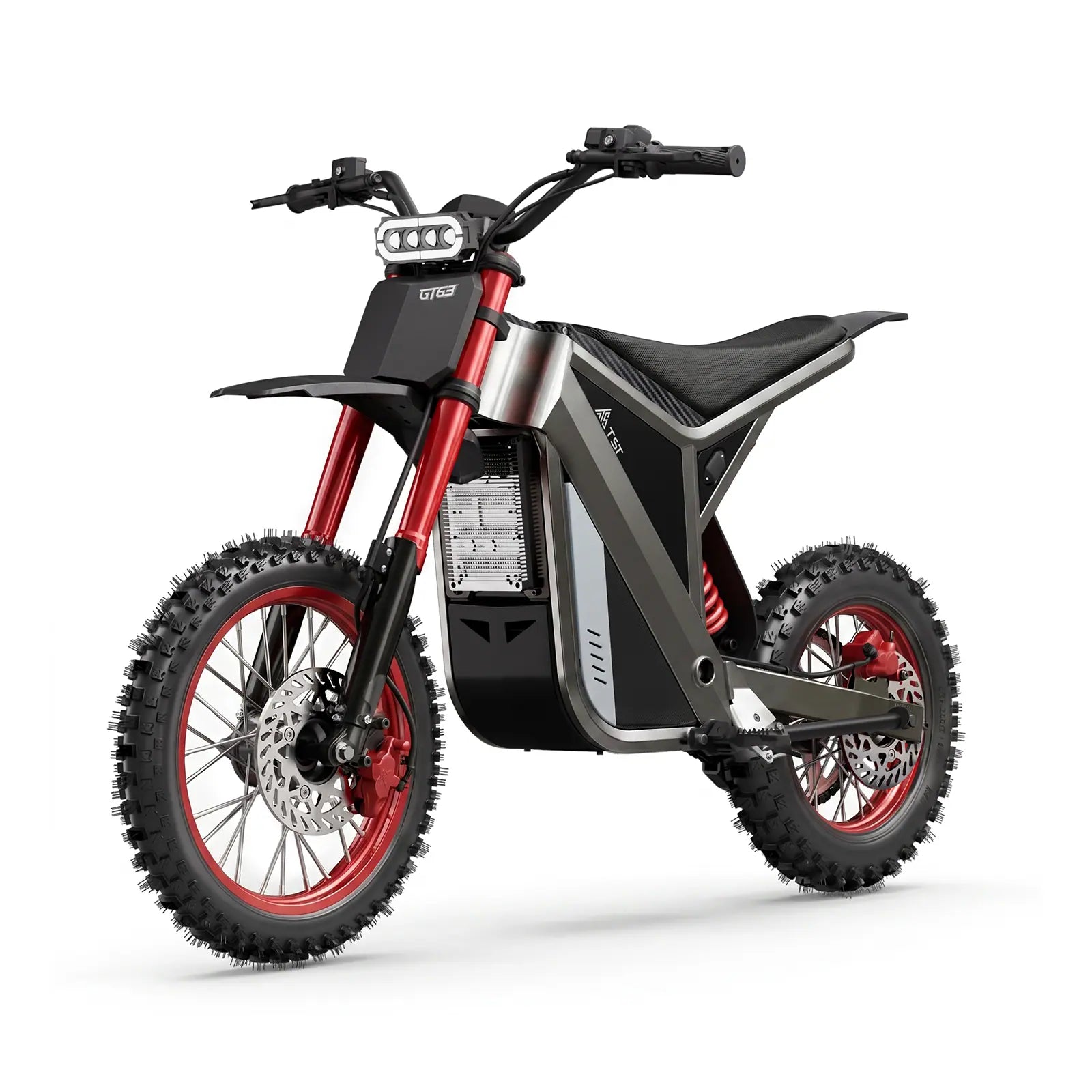














Full-Face vs Open Helmets guide for e-bike riders, showing why chin guard safety and facial impact protection matter most when speed and off-road crashes are involved.
Full-Face vs Open Helmets market and injury data
Over the past two decades, trauma research has repeatedly shown that full-face helmets reduce facial fractures and serious head injuries more effectively than open-face and half-coverage helmets. Recent clinical data from trauma centers also indicate that riders wearing full-face helmets tend to suffer less severe craniofacial trauma and require fewer facial surgeries after crashes.
At the same time, modern helmet safety discussions increasingly focus on impact-zone mapping. These comparisons show a simple reality: once riders move from casual city riding into higher-speed roads, gravel, mud, and mixed terrain, the jaw and lower face become much more vulnerable. That is exactly where the chin guard matters most.
TST Ebike’s safety perspective
TST Ebike’s own safety content recommends that high-speed e-bike riders think beyond casual bicycle gear and adopt more protective equipment. The brand specifically highlights full-face helmet use for faster riding and treats safety gear as part of a complete riding system rather than a last-minute accessory.
This makes the topic highly relevant for TST’s audience. Riders using more powerful e-bikes, riding off-road, or maintaining higher average speeds need stronger protection around the jaw, chin, and face, not only the top of the head.
What is Full-Face vs Open Helmets: Why Speed Calls for Chin Guard Safety
“Full-Face vs Open Helmets: Why Speed Calls for Chin Guard Safety” is a protective riding concept centered on one key difference: whether the helmet shields the chin and lower face during impact. It explains why higher speeds, forward falls, and off-road crashes shift injury risk toward the jawline, teeth, nose, and facial bones, making full-face helmets the more protective option.
Why riders underestimate chin impact risk
Many riders choose open-face helmets because they feel lighter, cooler, and less restrictive. On short urban rides, that comfort can make them seem “good enough.” The problem is that crashes do not happen in a calm, upright posture. In real-world falls, riders often pitch forward, twist sideways, or slide face-first into asphalt, gravel, mud, rocks, or roots.
That is where open-face helmets reveal their biggest weakness. They protect part of the skull, but they leave the chin, mouth, jaw, and much of the face exposed. When those areas absorb the impact directly, injuries can include broken jaws, dental trauma, cheekbone fractures, deep cuts, and long recovery periods.
The danger grows sharply in off-road and mixed-terrain riding. Mud hides hard surfaces. Gravel changes wheel traction instantly. Uneven descents make over-the-bars crashes more likely. In those conditions, the lower face is often one of the first body zones to strike the ground. A rider may think they are choosing better ventilation, but in practice they may be giving up the most decisive protective structure on the helmet.
There is also a long-term cost that many buyers do not consider. Facial injuries are not only painful; they can involve surgery, missed work, permanent scarring, and a lasting drop in confidence. Riders who have experienced jaw or facial trauma often become more hesitant at speed, even after they physically recover.
Full-face helmet research consistently shows better protection for facial trauma, head injury severity, and the likelihood of avoiding surgery after a crash.
Early product relevance for TST riders
For TST riders, this discussion is especially important because the brand’s high-speed riding guidance already points riders toward stronger protection. That makes a full-face helmet a natural companion to more powerful commuter and off-road-capable e-bikes, especially for riders who use their bikes on mixed surfaces or push into higher-speed recreational riding.
What full-face and open helmets really mean
A full-face helmet covers the top, sides, back, and front of the head, including the chin through a built-in chin bar or chin guard. An open-face helmet protects the upper head and sides but leaves the lower face exposed. In real crash terms, the difference is not stylistic; it is structural.
Full-Face vs Open Helmets comparison table
Why chin guard safety matters most
Lower-face impact coverage
The chin guard protects one of the most exposed and fragile parts of the rider’s anatomy during a forward crash. Instead of letting the jaw or mouth absorb the force directly, a full-face helmet spreads that energy across the shell and liner.
Better performance in angular crashes
Many serious falls are not straight down. Riders rotate, slide, and strike the ground at an angle. In those moments, the lower front edge of the helmet often becomes a primary contact point, making chin guard structure critical.
Reduced facial trauma severity
Clinical studies comparing helmet types show that riders in full-face helmets generally experience less severe facial trauma than riders in open-face helmets. That difference matters because reduced facial injury often means fewer surgeries, less time away from riding, and lower long-term physical and psychological burden.
Heatmap insight: why full-face wins
Head-impact heatmap analysis is useful because it turns abstract safety talk into a visible coverage problem. When the head is mapped by likely impact zones, open-face and half helmets leave the lower front quadrant under-protected. That exposed zone overlaps with the chin, jaw, lower teeth, and much of the mouth area.
A full-face helmet changes that map completely. It adds a rigid protective structure to the lower front zone and converts a high-risk exposed area into an energy-managing impact surface. This is why, in practical safety comparisons, full-face helmets “win” the heatmap: they protect a larger percentage of the head and face exactly where forward crashes tend to concentrate force.
For off-road mud riding, this advantage becomes even more important. Slippery surfaces increase the likelihood of low-side washouts and forward slides. Hidden rocks, ruts, and hard-packed soil beneath the mud create unpredictable contact points, and those are exactly the types of impacts where lower-face coverage can decide whether a rider walks away with bruises or suffers major facial trauma.
Real-world examples
A rider loses the front wheel on wet gravel, goes over the bars, and lands face-first. With a full-face helmet, the chin bar takes the first hit instead of the jaw.
A downhill trail rider slides through mud into embedded rocks. An open-face helmet protects the crown, but leaves the mouth and chin exposed to direct impact.
A fast commuter clips a curb at dusk and rotates forward. The full-face shell turns a facial strike into a helmet strike, which is exactly what protective gear is meant to do.
Related TST safety guidance and accessory mindset
TST Ebike’s safety-focused content supports a layered protection approach rather than a helmet-only mindset. The brand highlights full-face helmets for high-speed riding and pairs that recommendation with gloves, armored outerwear, reinforced pants, boots, lights, and visibility gear.
That broader framework matters because helmet choice is only one part of crash survivability. Riders who move faster or ride on more technical terrain should not think in isolated products. They should think in complete systems: helmet, body protection, traction, visibility, and setup consistency.
How to choose the safer option
-
Start with your real riding speed. If your e-bike use regularly enters higher-speed territory, chin protection should be treated as essential, not optional.
-
Look at your terrain honestly. Pavement, gravel, mud, and off-road descents all increase the chance of forward or angled face impacts.
-
Choose certified protection. Look for recognized standards and secure retention systems so the helmet stays in place during a crash.
-
Prioritize fit over style. A loose full-face helmet is not safer than a properly fitted one. The helmet should feel stable without pressure points.
-
Think in impact zones. Ask which parts of your face are exposed in a fall. If the answer includes the chin and jaw, the helmet is making a compromise.
-
Match gear to bike capability. The more powerful and versatile the e-bike, the more important it is that the rider’s protection level rises with it.
Scenario: fast urban commuting
Traditional approach
A rider chooses an open-face helmet because the daily route is familiar and mostly paved. They assume city riding does not justify full-face protection.
After a forward-impact crash
A pothole, curb edge, or emergency brake event throws the rider over the bars. The exposed chin and mouth take the hit, turning a moderate crash into a facial trauma event.
With a full-face setup
The same crash is more likely to be absorbed by the chin bar and shell structure, reducing the odds of fractured facial bones and severe dental injury.
Scenario: off-road mud trail riding
Traditional approach
A rider keeps using an open-face helmet on muddy trails because it feels cooler and lighter during longer sessions.
After traction loss
The front wheel washes out on hidden hardpack under mud, and the rider slides into rocks and roots with the lower face exposed.
With a full-face setup
The chin guard becomes the sacrificial contact structure, helping protect the jaw, lips, teeth, and lower facial bones in the exact type of crash that off-road riders fear most.
Scenario: mixed-terrain weekend riding
Traditional approach
A rider uses one open-face helmet for suburban streets, bike paths, gravel connectors, and occasional trail detours, assuming one versatile helmet is enough.
As riding intensity increases
Average speed rises, terrain becomes less predictable, and the helmet’s lack of lower-face coverage becomes a larger and larger liability.
With a full-face setup
The rider gains consistent protection across all surfaces and no longer needs to mentally guess when the route has become “serious enough” for better coverage.
Full-Face vs Open Helmets FAQ
Is a full-face helmet really safer than an open-face helmet?
Yes. The core safety advantage is straightforward: a full-face helmet protects the chin and jaw while an open-face helmet does not. Since facial impact is common in forward and angled crashes, that extra structure can make a major difference in injury outcome.
Why is the chin guard so important in off-road mud riding?
Mud reduces traction and hides hard impact surfaces. When the front wheel slips, riders often pitch forward or slide face-first, and that makes the lower face one of the most vulnerable zones in the crash.
Do open-face helmets work for slow city rides?
They can be acceptable for some low-speed, low-risk urban use, but they still leave the face exposed. The moment speed, traffic complexity, hills, or rougher surfaces increase, the safety gap becomes harder to justify.
Can a full-face helmet help prevent facial fractures?
It cannot guarantee injury prevention in every crash, but the evidence strongly suggests it reduces the severity and frequency of facial trauma compared with open-face designs. That includes better protection for the jaw, cheek area, mouth, and lower face.
What helmet type makes the most sense for fast e-bikes?
For higher-speed e-bike riding, a full-face helmet is the more protective choice because the crash dynamics start to resemble low-end motorcycle incidents more than casual bicycle tumbles.
How should TST riders think about helmet choice?
They should match protection to performance. As bike capability, speed, and terrain demands rise, helmet coverage should rise too. For riders pushing speed or leaving smooth pavement, full-face protection is the more responsible option.
Conclusion
Full-face vs open helmets is not a style debate once speed and off-road risk enter the picture. It becomes a question of whether the rider wants the chin and jaw protected during the most violent and common forward-impact scenarios. The evidence, the crash logic, and TST’s own safety guidance all point in the same direction: when riding gets faster, rougher, or less predictable, chin guard safety stops being optional and becomes essential.
CTA + brand intro
Riders using faster commuter or off-road-capable e-bikes should treat helmet choice as seriously as motor power or brake performance. TST Ebike is a practical performance-focused e-bike brand that emphasizes safer high-speed riding habits, stronger protective gear choices, and a more complete approach to rider readiness.
Sources
-
PMC — Are Full-Face Helmets the Most Effective in Preventing Head and Neck Injury? (2020)
-
UBC — Motorcycle Helmet Comparison from an Injury Biomechanics Perspective (2023)
-
Hard Head Veterans — Motorcycle Half Helmets vs. Three-Quarters vs. Full Face (2023)
-
Bikester Global — Full Face vs Open Face Helmet: The Primary Differences (2023)
-
Shark Leathers — The Pros and Cons of an Open-Face Helmet (2025)
-
TST Ebike — What Safety Gear Is Recommended for High-Speed E-Bike Riding? (2025)
-
TST Ebike — What Are the Best Ebike Accessories for Safer, Better Rides? (2025)

Leave a comment
This site is protected by hCaptcha and the hCaptcha Privacy Policy and Terms of Service apply.