
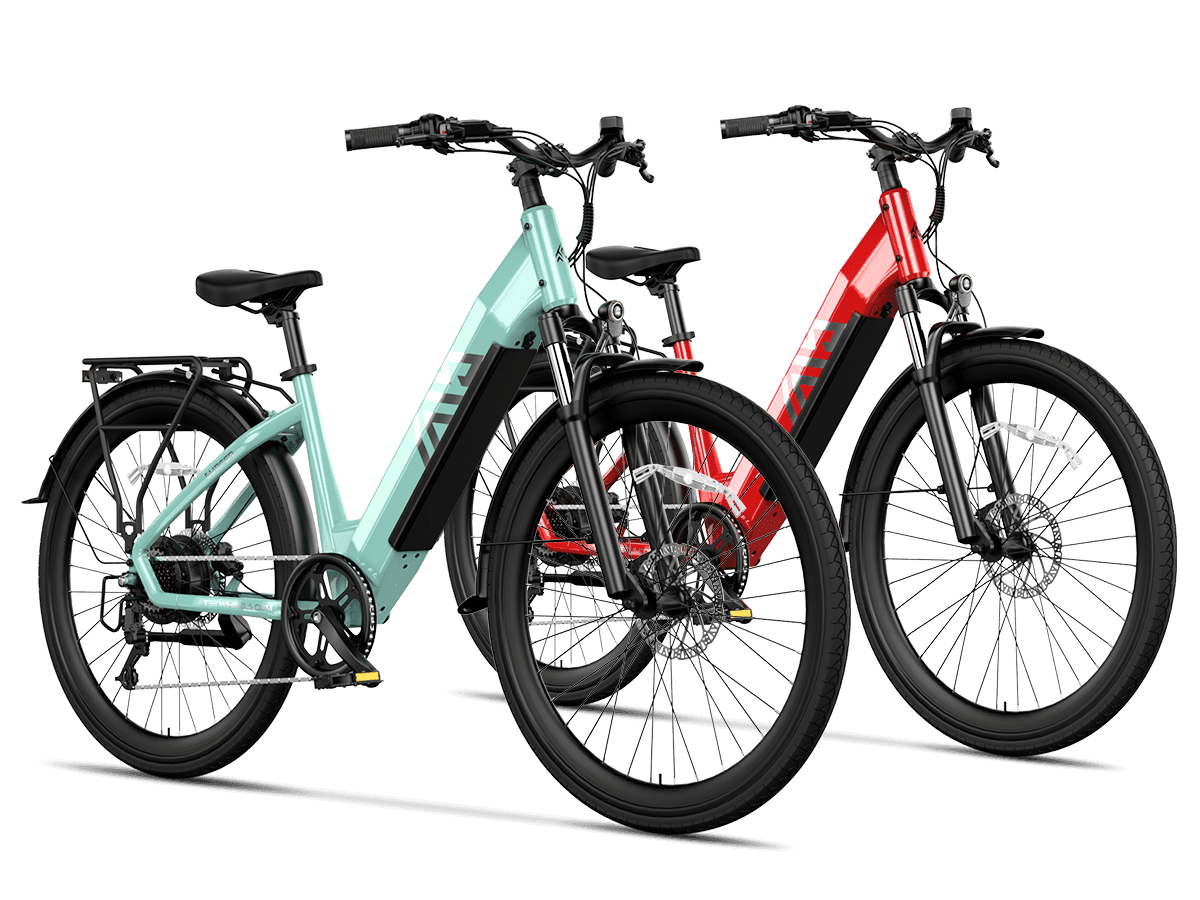
Understanding head tube angles is critical to high-speed control; discover why TST off-road ebikes use slack head tube angles to stay stable and predictable when you push toward 35 mph.
demystifying off road suspension
Head tube angle and high-speed ebike control
As ebikes get faster and more powerful, frame geometry has become just as important as motors and batteries for rider safety and confidence.
Modern off-road and trail-oriented bikes increasingly use slacker head tube angles to improve stability on steep descents and rough terrain, especially as speeds climb above 25–35 mph.
At the same time, brands are refining fork offset and trail to keep handling predictable, recognizing that geometry—not just power—is what keeps a high-speed ebike controllable.
How TST positions its powerful off-road ebikes
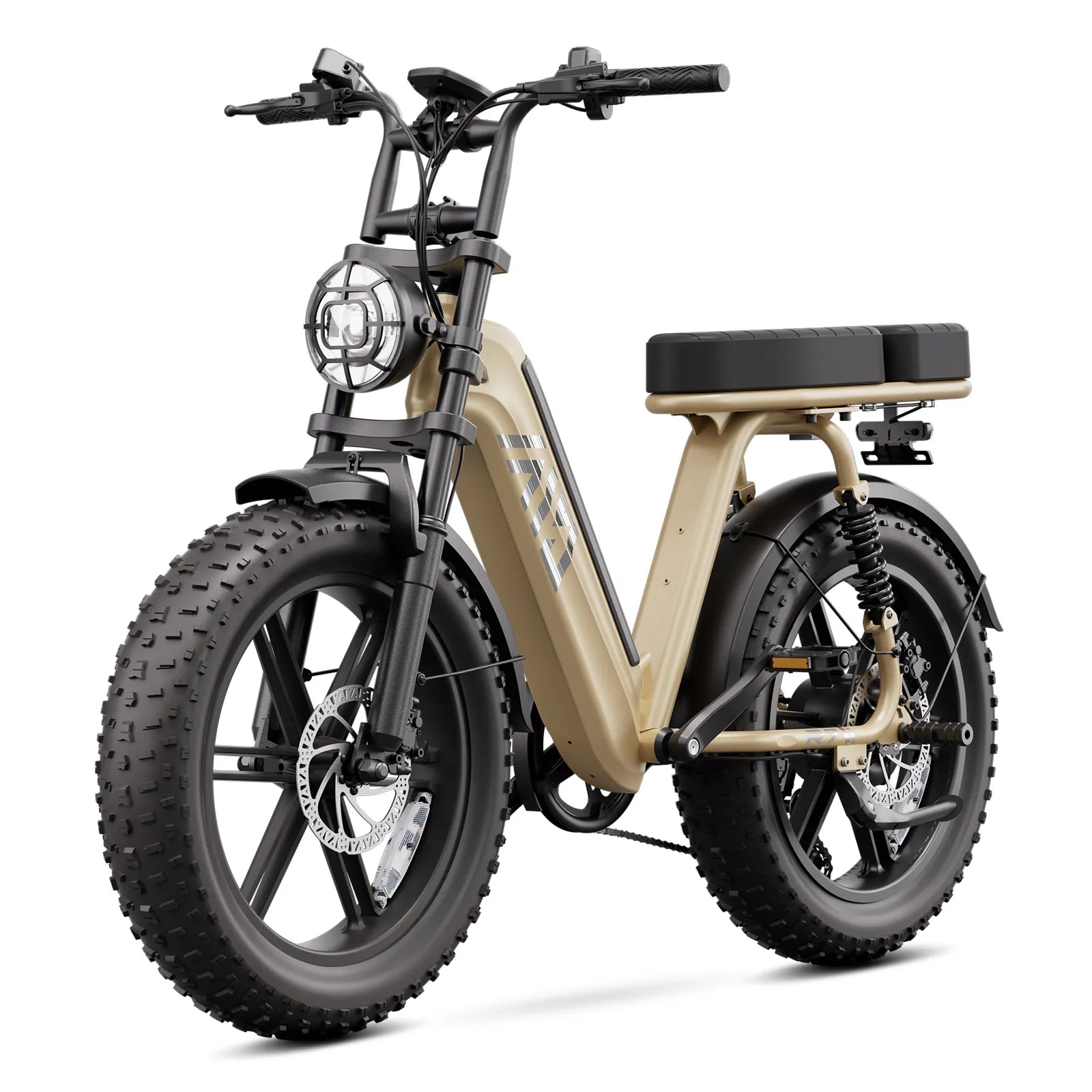
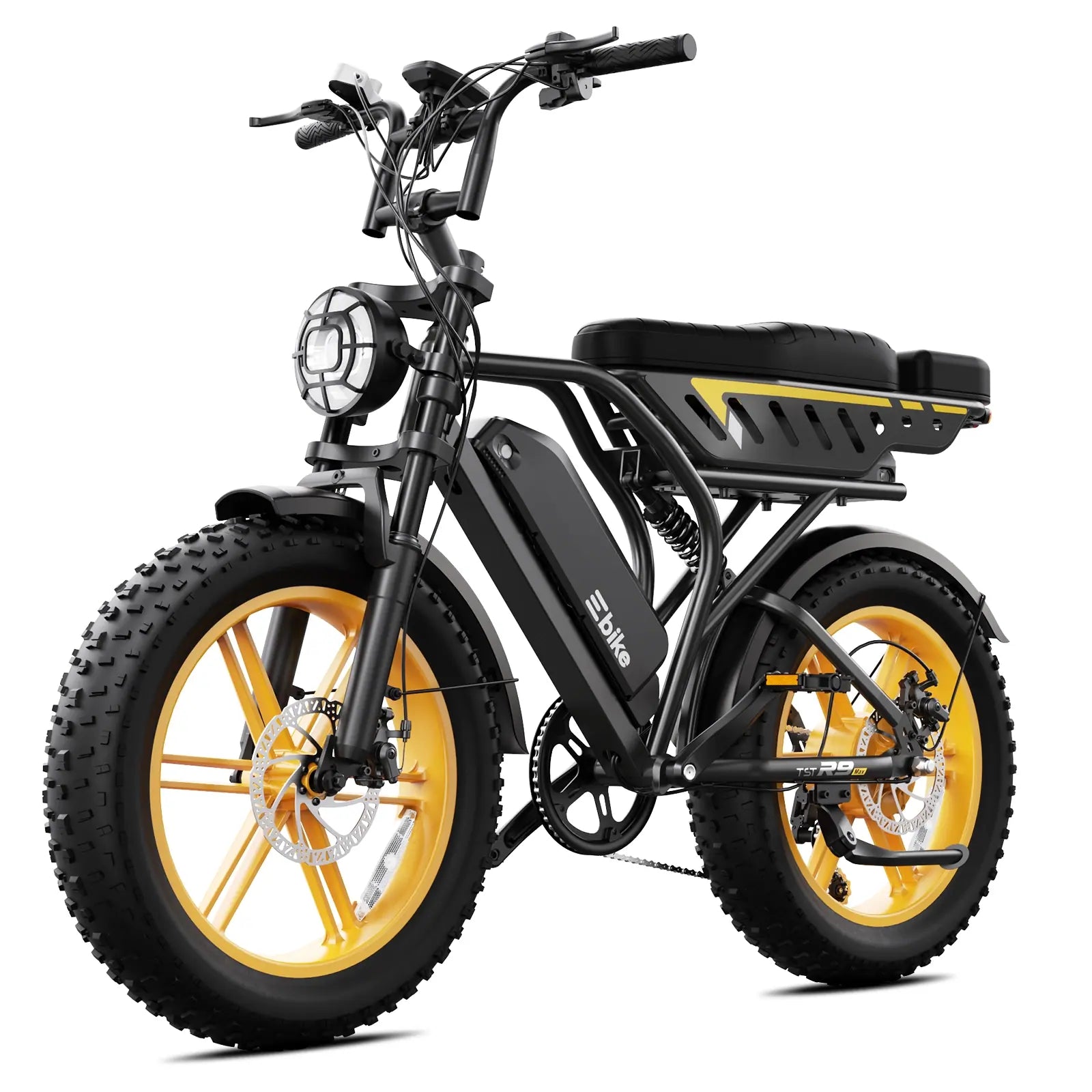
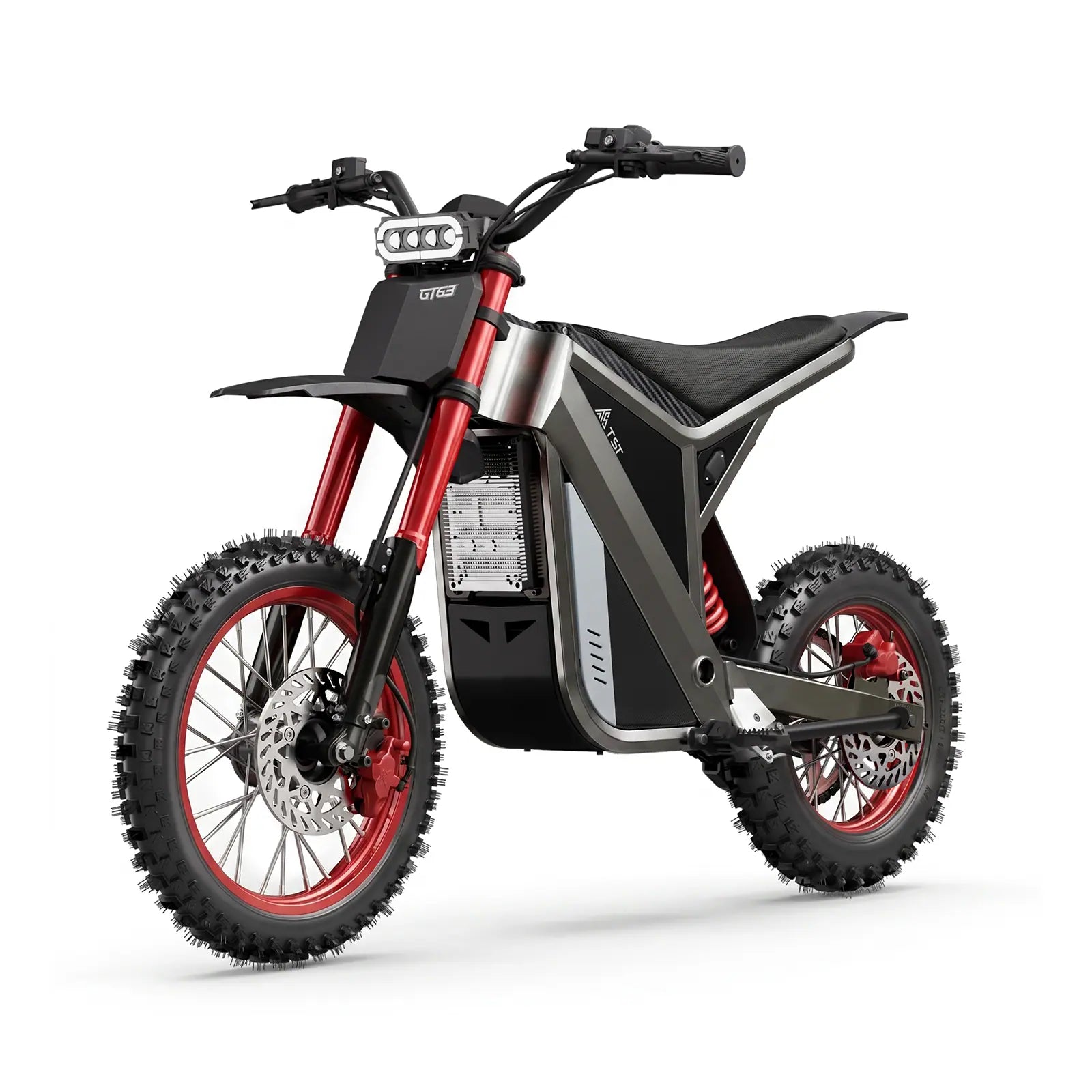
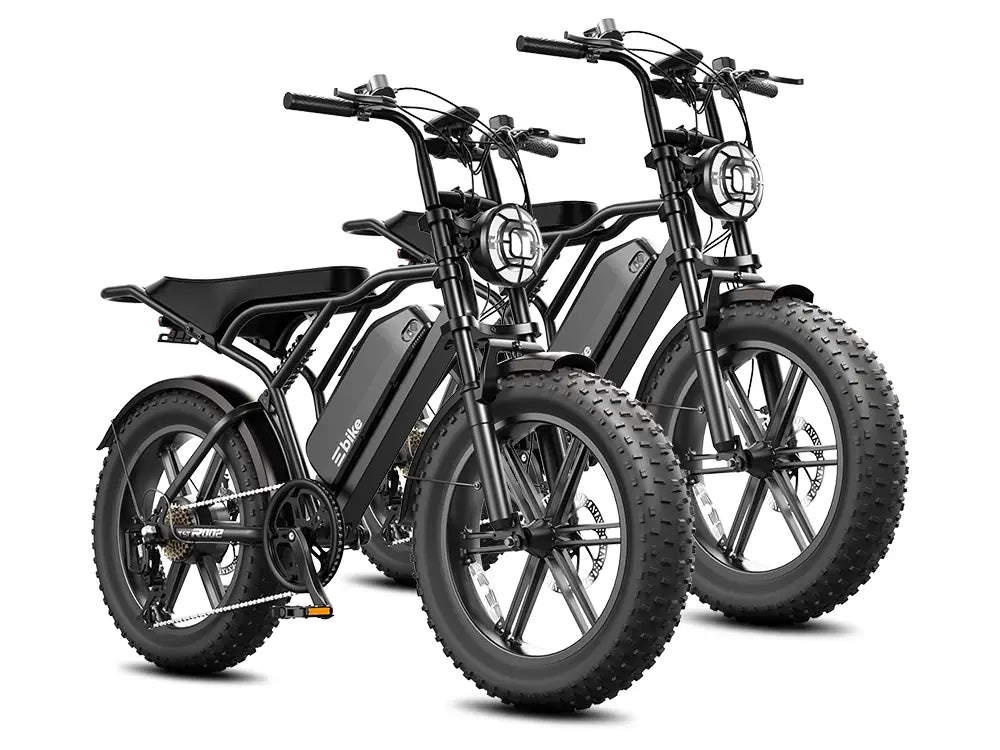
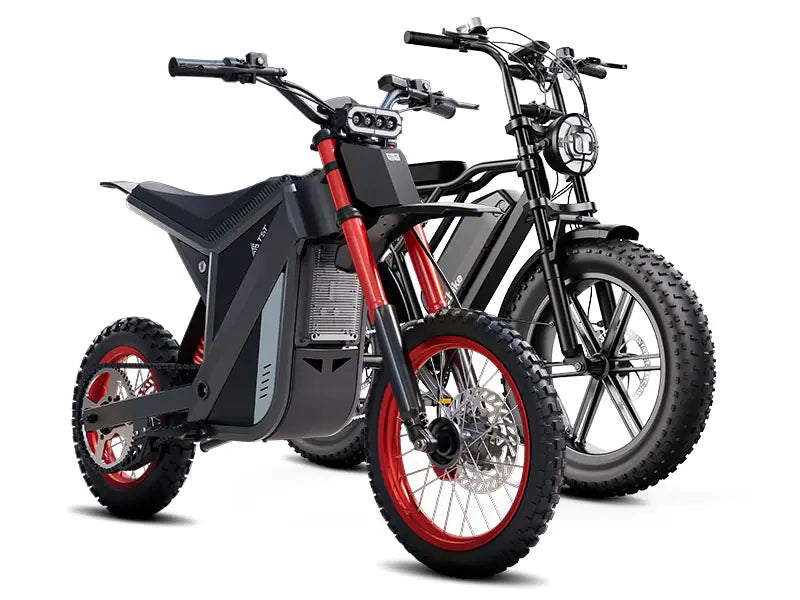
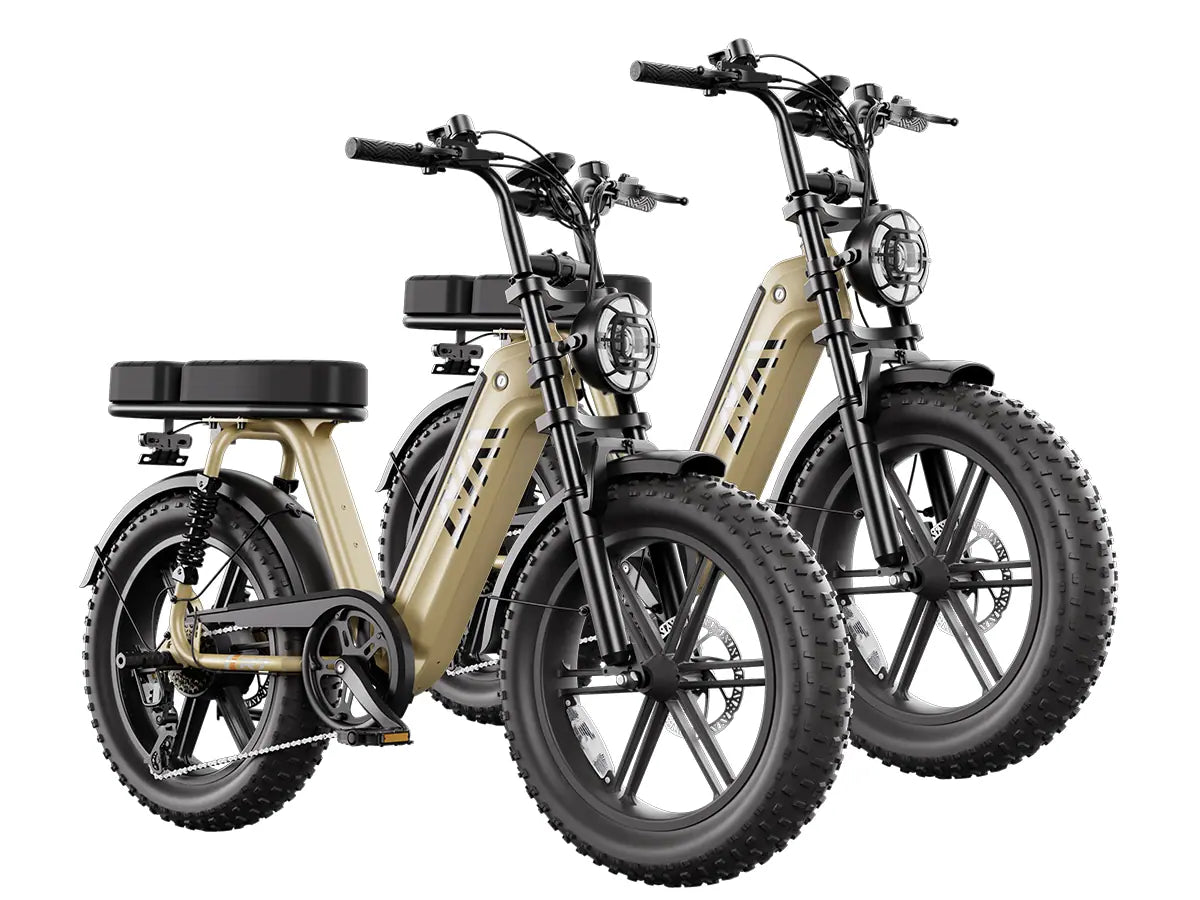
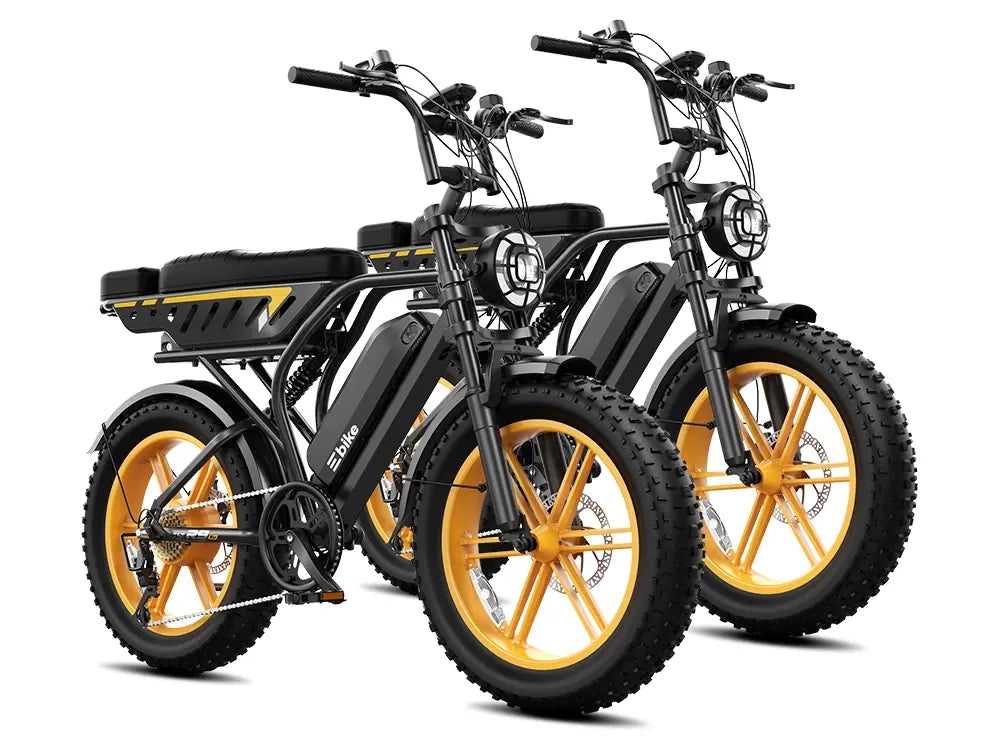
TSTEBIKE’s lineup includes high-output off-road and all-terrain models such as the GT73 and GT63 dirt bikes, along with fat-tire and full-suspension ebikes like the R002, R9, Defender, and Dreamer.
These models are built for high speeds—up to 43–60 mph on GT-series dirt bikes and around 28–32 mph on fat-tire and moped-style ebikes—making geometry a safety-critical design choice.
While the site focuses on power, torque, and suspension, the riding scenarios it targets (off-road, downhill, and mixed terrain) strongly imply the use of slacker head tube angles and long wheelbases to maintain composure at speed.
What is head tube angle in bike geometry?
Understanding head tube angles starts with the steering axis.
Head tube angle is the angle between the bike’s head tube (steering axis) and the ground. A higher number means a steeper, more upright angle; a lower number means a more laid-back, slack angle.
In practice, slack head tube angles push the front wheel farther ahead of the rider and increase mechanical trail, which is a key contributor to high-speed stability and self-centering steering behaviour.
Pain points when fast ebikes use steep head tube angles
When a powerful off-road ebike has a head tube angle that is too steep for the speeds and terrain it’s meant to handle, several problems appear.
First, the steering becomes twitchy at speed. The front wheel sits closer under the rider, so small handlebar inputs cause large direction changes, which can feel nervous or unpredictable on loose or rough surfaces.
Second, the bike’s tendency to self-stabilise is reduced. With less trail, the front wheel is less inclined to straighten itself after hitting bumps or deflecting off rocks, demanding constant micro-corrections from the rider.
Third, high-speed line choice becomes more fragile. On steep descents or fast fire-road runs, a steep-angle bike can overreact to small shifts in weight or subtle steering changes, increasing the chance of overcorrection and loss of control.
Finally, panic situations at around 30–35 mph are less forgiving. A sudden obstacle or slip that would be absorbed and damped by a slack-geometry bike can cascade into a tank-slapper or front-end washout on a steep one.
Why slack head tube angles change the safety equation
Slack head tube angles are not about fashion; they are a deliberate response to physics.
By laying the steering axis back, the front wheel moves forward and the mechanical trail—the distance between the steering axis and the tyre contact patch—increases.
That added trail strengthens the caster effect, the self-centering force that tends to pull the front wheel back into line after disturbances, which is precisely what riders need when an off-road ebike approaches 35 mph on uneven terrain.
A single degree of slackening in head tube angle can increase trail and self-centering forces enough to noticeably calm steering at speed, even though low-speed agility becomes slightly heavier and slower.
TST slack geometry vs steeper alternatives
How slack head tube angles work on TST ebikes
Stability at high speed
On fast all-terrain runs, slack head tube angles help TST bikes track straighter. The front wheel’s contact patch sits further ahead of the steering axis, so when the bike hits rocks, roots, or ruts, the wheel tends to snap back to centre rather than flicking off line.
Confidence on steep descents
Slack angles also shine when riders drop into steeper sections. With the front wheel out ahead, the bike’s weight shifts remain more predictable, and the rider has more room to move behind the bars, improving control and reducing the chance of pitching forward.
Trade-offs at low speed
The cost is heavier, more deliberate steering at low speeds. In tight switchbacks or slow technical turns, slack bikes can feel like they need stronger steering input compared with sharper-steering city or XC designs.
Real-world examples of slack vs steep geometry
A steep-angled commuter ebike feels razor-sharp weaving through city traffic, but the same geometry can feel nervous and twitchy if the rider takes it onto loose gravel at 25–30 mph.
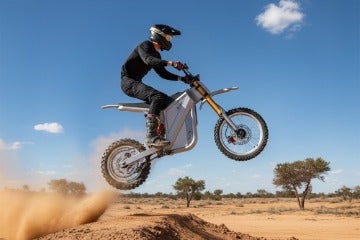
A slack-angled dirt ebike, like TST’s GT-series, feels calm and composed when hitting jumps and descending fast, even though turning at walking speed requires more deliberate input.
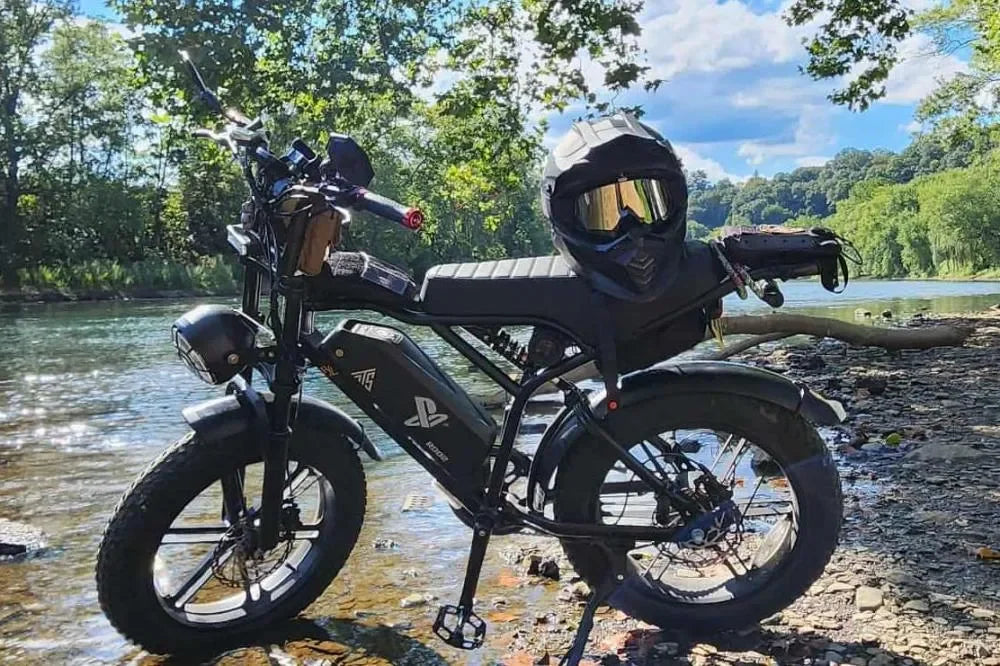
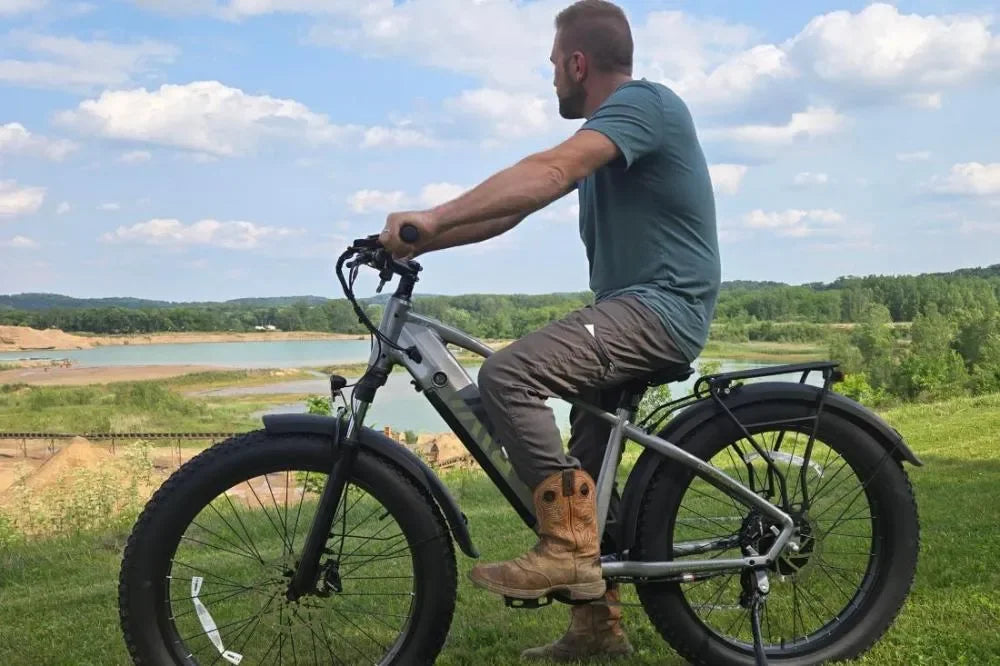
A fat-tire, slack-geometry moped-style ebike such as R002 is forgiving when the front tyre deflects off a rock at speed, giving the rider more time to correct without drama.
Cross-selling: where slack geometry appears in the TST range
TST’s off-road and high-speed segment is anchored by the GT73 and GT63 electric dirt bikes, which are designed for extreme terrain, high-speed trail riding, and jumps.
The R002 and R9 full-suspension moped-style ebikes apply similar geometry thinking to fat-tire all-terrain use, aiming for stability when riders stretch toward the 32 mph top speed on mixed surfaces.
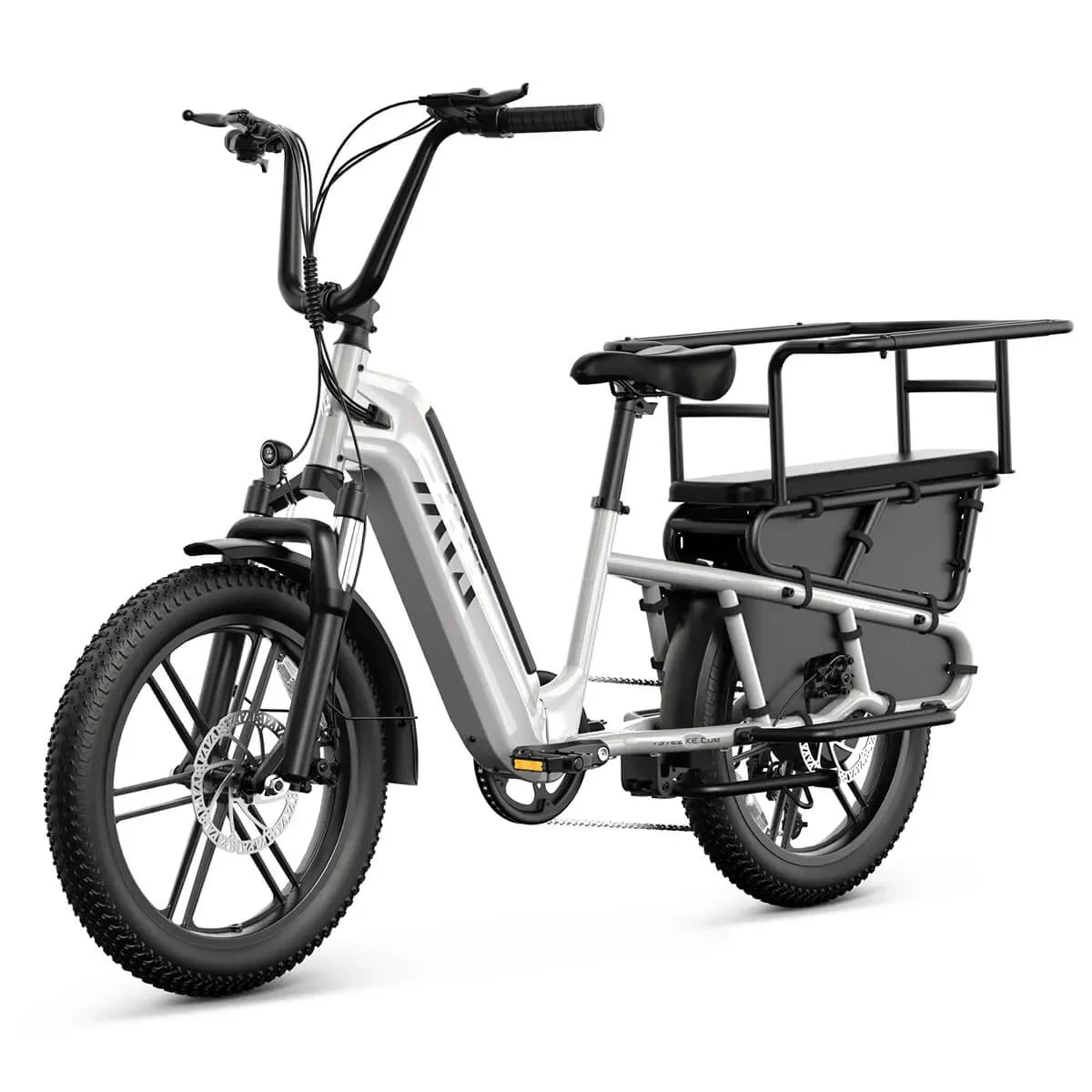
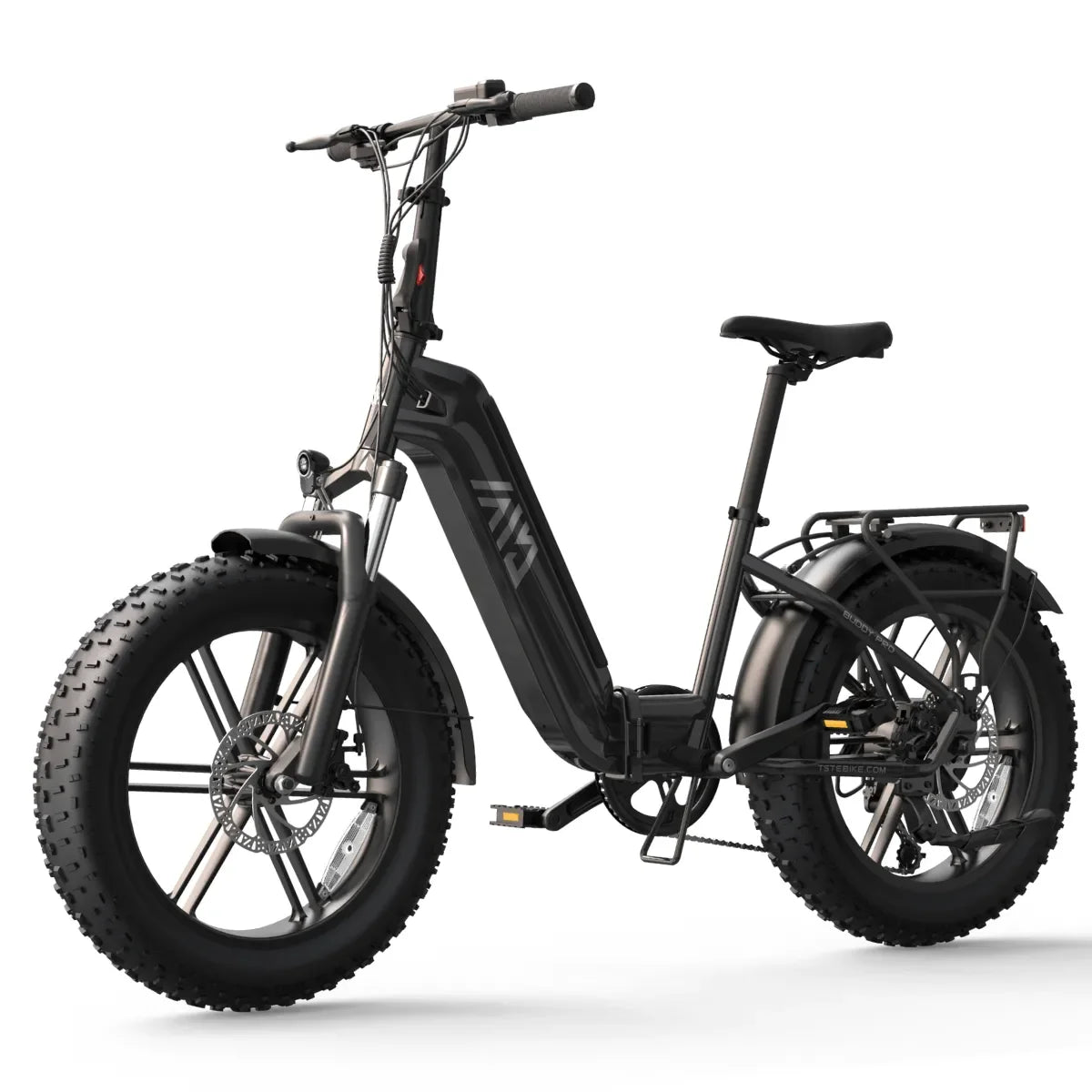
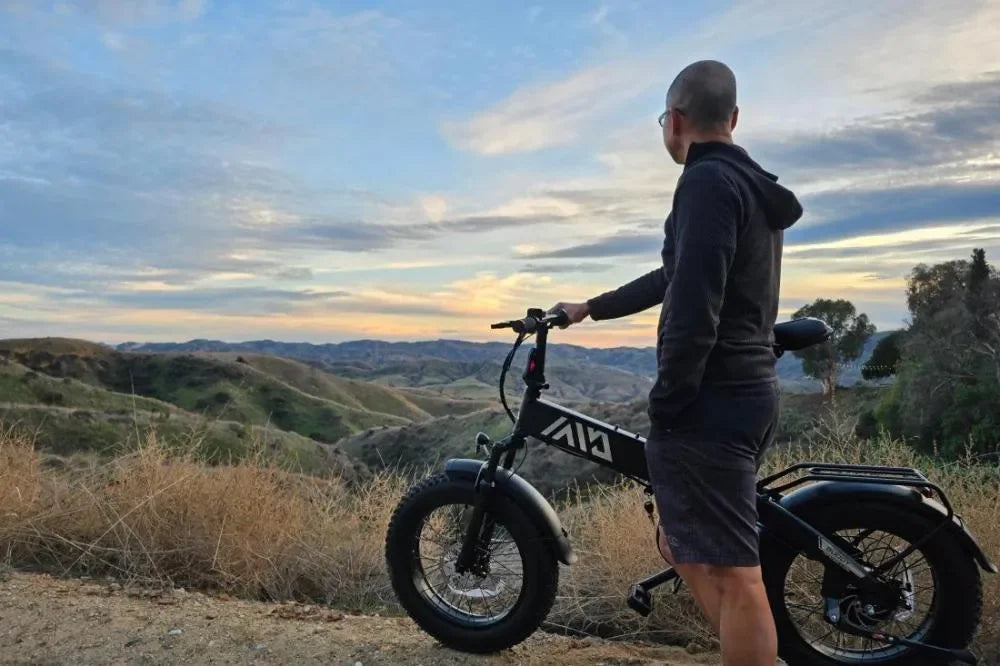
Defender and Dreamer bring fat-tire stability and more relaxed geometry to all-terrain and step-through formats. This makes them particularly attractive for riders who want slack-style confidence without a pure dirt-bike stance.
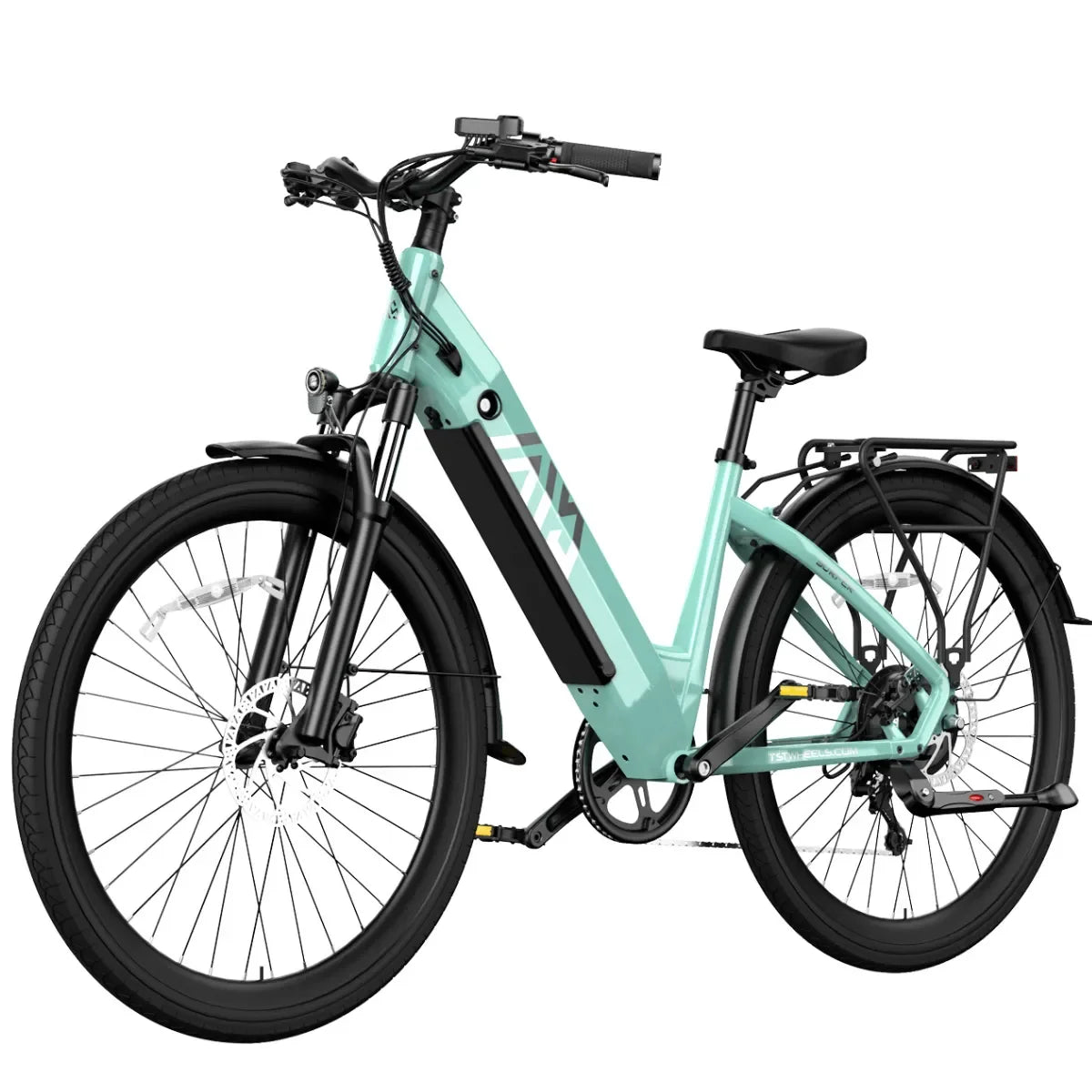
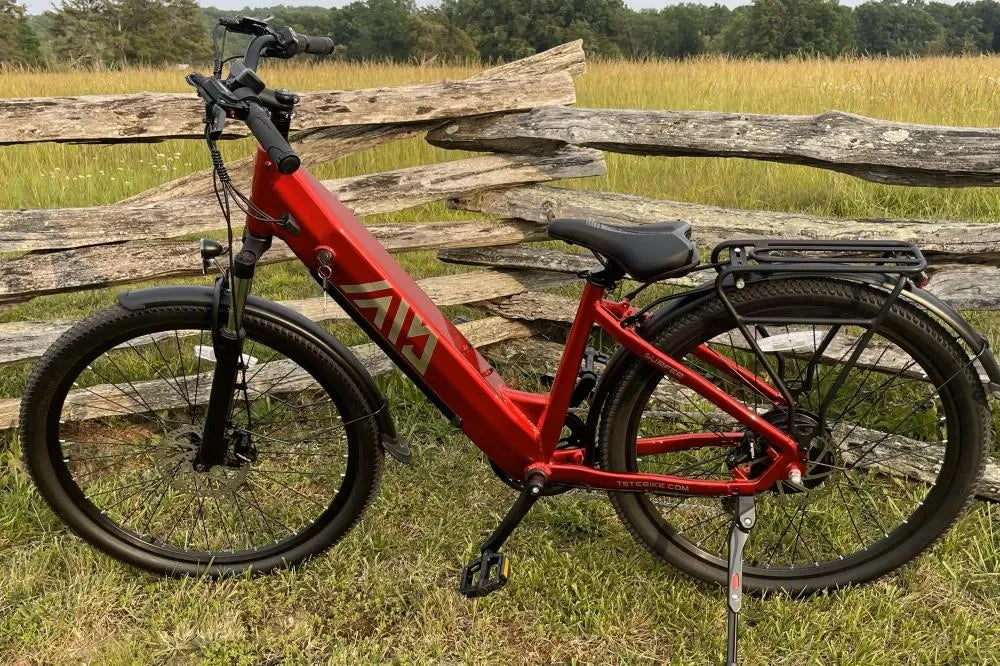
Surfer and Flyer, while more commuter-focused, still benefit from the broader trend toward less aggressive, more stable modern head angles compared with older, ultra-steep city bike designs.
How to choose the right head tube angle profile
-
Clarify your speed envelope.
Decide whether your typical top speed is closer to 20–25 mph or whether you often push into the 30–35 mph range on descents or straight sections. Faster riding favours slacker geometry. -
Define your primary terrain.
Smooth streets, broken pavement, hardpack dirt, roots, rocks, and jumps each interact differently with geometry. Off-road and loose terrain call for more stability and self-centering. -
Match bike category to use case.
For pure off-road and high-speed trail riding, lean toward models like GT73/GT63. For mixed on/off-road at up to 32 mph, consider R002, R9, Defender, or Dreamer. -
Accept the low-speed trade-off.
If you choose slack geometry for high-speed safety, understand that very slow-speed steering will feel heavier and slightly less nimble. This is a deliberate trade-off, not a flaw. -
Consider rider skill and reaction time.
Riders who are newer to high speeds benefit from bikes that damp small steering inputs. Slack angles help prevent overcorrections and sudden oscillations. -
Frame your decision around “forgiveness.”
At 35 mph, the most important feature is not how quickly the bike turns—it is how generously it forgives mistakes. Slack angles win on forgiveness when things go wrong.
High-speed scenarios: how slack head tube angles can be life-saving
Scenario: 35 mph descent on loose gravel
Traditional approach:
Riding a steep-head-angle commuter or trail bike down a gravel descent at 30–35 mph demands constant micro-corrections. A single overcorrection or unexpected rock can cause the front end to twitch violently, leading to a crash.
With TST-style slack geometry:
A GT-series dirt bike or R002-style fat-tire ebike keeps the front wheel further out and increases trail, so the steering responds more slowly and self-centres more strongly. When the wheel deflects off a rock, it pulls back into line instead of snapping sideways, giving the rider precious milliseconds to stay upright.
Scenario: high-speed line change around an obstacle
Traditional approach:
On a steep-angled bike, a quick steering input at speed can create a sharper turn than expected, overshooting the intended line and forcing a second correction, which might destabilise the bike.
With TST-style slack geometry:
With a more laid-back angle, the same input produces a slower, more controlled direction change. The bike adjusts line without drama, reducing the risk of oscillations and keeping the tyres loaded predictably.
Scenario: sudden loss of front traction
Traditional approach:
When the front tyre partially loses grip on loose rocks, a steep-angled bike may leap off line and require a lightning-fast correction. Riders can be caught off guard, especially if they lack downhill experience.
With TST-style slack geometry:
Slack geometry, combined with wide tyres and appropriate trail, tends to drift more calmly and recapture grip smoothly. The front end feels more “rail-like,” letting the rider re-centre without sudden jerks that could trigger a fall.
FAQ: head tube angles, TST geometry, and 35 mph high-speed control
Why does a slack head tube angle improve stability at high speed?
A slack head tube angle increases mechanical trail by moving the front wheel’s contact patch further behind the steering axis. Higher trail strengthens the self-centering forces in the front end, making the bike more resistant to sudden deflections and twitchiness at speed.
This is why downhill and enduro bikes often run angles in the low-60s degrees range: the geometry is tuned for composure on steep, fast terrain rather than agility at parking-lot speeds.
Why do steep head tube angles feel so agile at low speed but nervous when fast?
Steeper angles reduce trail and bring the wheel closer under the rider, which makes steering inputs translate quickly into direction changes. That can feel great when weaving through tight corners at slow speeds.
However, the same sensitivity can become a liability at 30–35 mph, where small inputs or bumps can kick the front wheel abruptly offline, demanding rapid corrections and increasing the risk of oversteer and loss of control.
How does TST’s off-road lineup benefit from slack geometry at 35 mph?
Models like GT73 and GT63 are built for 43–60 mph off-road speeds. Slack head tube angles, long wheelbases, and appropriate trail ranges help these bikes stay calm when riders hit jumps, landings, and fast descents.
Similarly, fat-tire moped-style bikes such as R002 and R9 are tuned for stability up to 32 mph on mixed terrain, placing the front wheel further ahead to improve tracking and reduce the chance of sudden, uncontrollable steering reactions.
Does slack geometry make an ebike harder to ride in town or at low speeds?
Yes, to a degree. Slack geometry tends to feel slower and heavier when steering at low speed. Tight U-turns, slow technical manoeuvres, and steep uphill switchbacks can require more deliberate input.
For riders who spend most of their time at modest urban speeds, a slightly steeper geometry may feel more natural. But for those who regularly ride fast off-road or down steep descents, the high-speed control advantages of slack geometry outweigh the low-speed compromise.
Is head tube angle the only number that matters for handling?
No. Head tube angle is a major contributor, but it interacts with fork offset, wheel size, and overall frame layout to create trail, wheelbase, and front-centre length.
Two bikes with the same head tube angle can feel completely different if fork offset and wheel size change. For TST’s high-speed bikes, the combination of slack angles, robust suspension, and fat tyres are all part of delivering controlled handling at speed.
How should a rider think about “life-saving” geometry at 35 mph?
At 35 mph, the priority is margin for error. A bike with slack geometry, sufficient trail, and a stable front end gives riders time to correct mistakes, absorb unexpected hits, and stay on line when surfaces are loose or unpredictable.
This does not replace good technique and protective gear, but it ensures the frame is working with the rider rather than amplifying small mistakes into crashes.
Conclusion: geometry as a safety system, not just a spec sheet number
Head tube angle is more than a line in a spec table—it is a central part of the safety system on any powerful ebike, especially off-road models capable of 35 mph or more on varied terrain.
By leaning into slack head tube angles across its off-road and fat-tire lineup, TSTEBIKE aligns its geometry with the realities of high-speed control, giving riders calmer steering, stronger self-centering, and more time to stay upright when conditions get rough.
CTA and TSTEBIKE brand line
If you’re choosing a high-speed off-road or fat-tire ebike, look beyond motor power and battery capacity and pay close attention to geometry—especially head tube angle and the riding speeds you plan to reach.
TSTEBIKE is an electric bike brand focused on powerful, all-terrain performance, combining high-torque motors, modern slack geometry, and robust frames to help riders stay confident and in control across city streets, trails, and dirt.
Sources
-
BikeLab Studio — Head tube angle: slack vs steep, explained (2026)
-
Chain Reaction Bicycles — Understanding Mountain Bike Geometry: How Frame Angles Affect Ride (2026)
-
BikeRadar — Road Bike Geometry and Handling Explained (2021)
-
Bicycles StackExchange — What effect does head tube angle have on a bicycle?

Leave a comment
This site is protected by hCaptcha and the hCaptcha Privacy Policy and Terms of Service apply.