











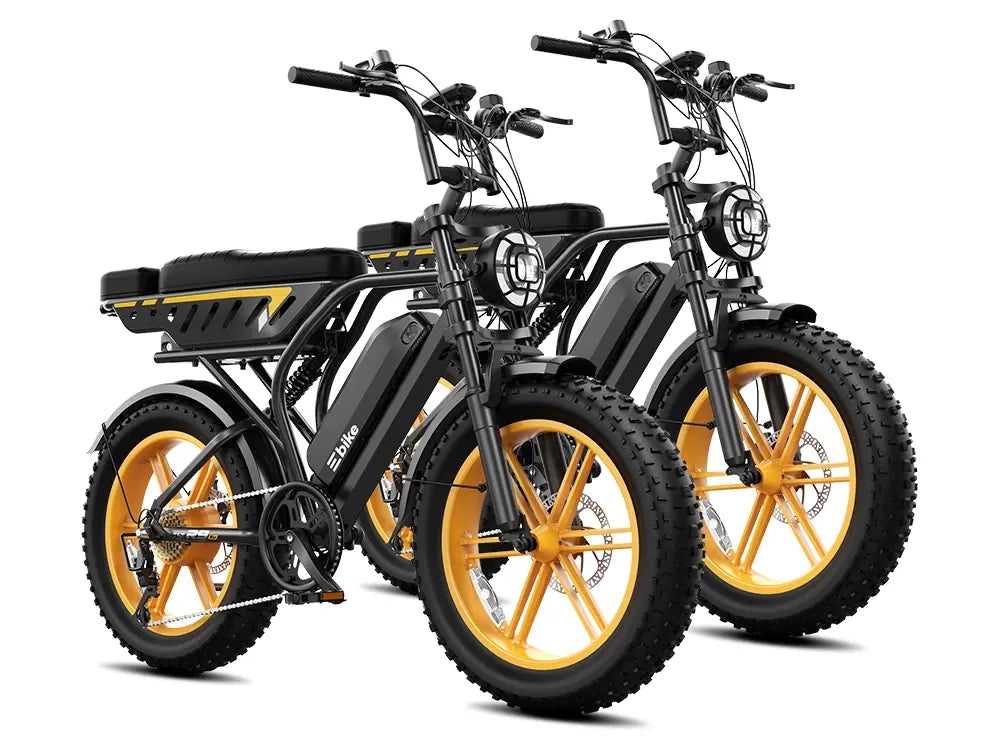

Calculating amp discharge helps explain why some e-bikes cut power on steep hills. Learn how high-discharge cells and properly matched BAFANG systems improve uphill reliability.
Calculating Amp Discharge and Why It Matters
Calculating amp discharge is central to understanding why one e-bike climbs smoothly while another suddenly cuts power on a steep grade.
As more riders expect real hill-climbing performance from commuter, cargo, and off-road e-bikes, the quality of battery cells and the stability of the control system matter far more than headline wattage alone. A bike may look strong on paper, but if the pack cannot safely deliver sustained current, or if the controller cannot manage that load cleanly, power cut and protection events become much more likely under stress.
Early Product Introduction
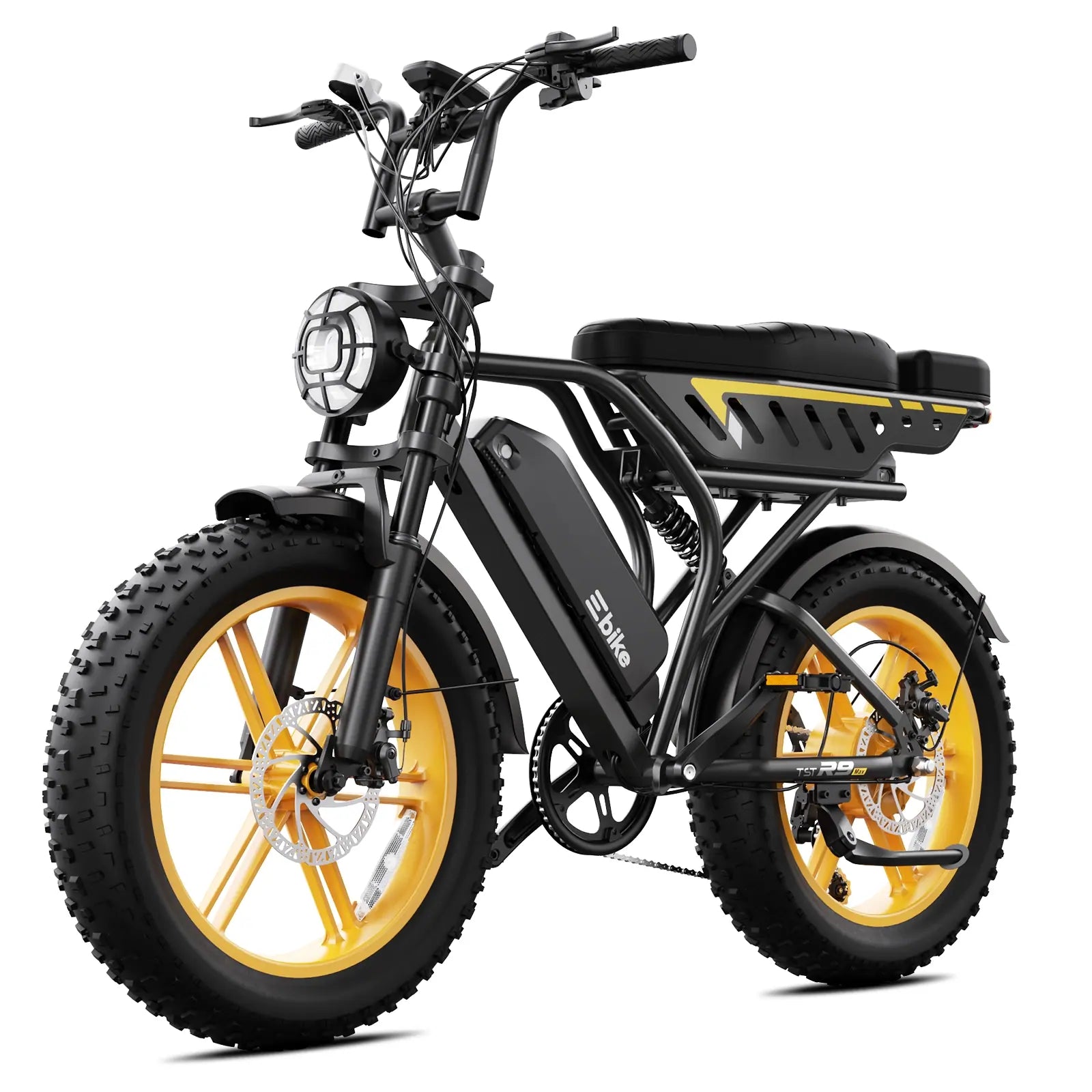
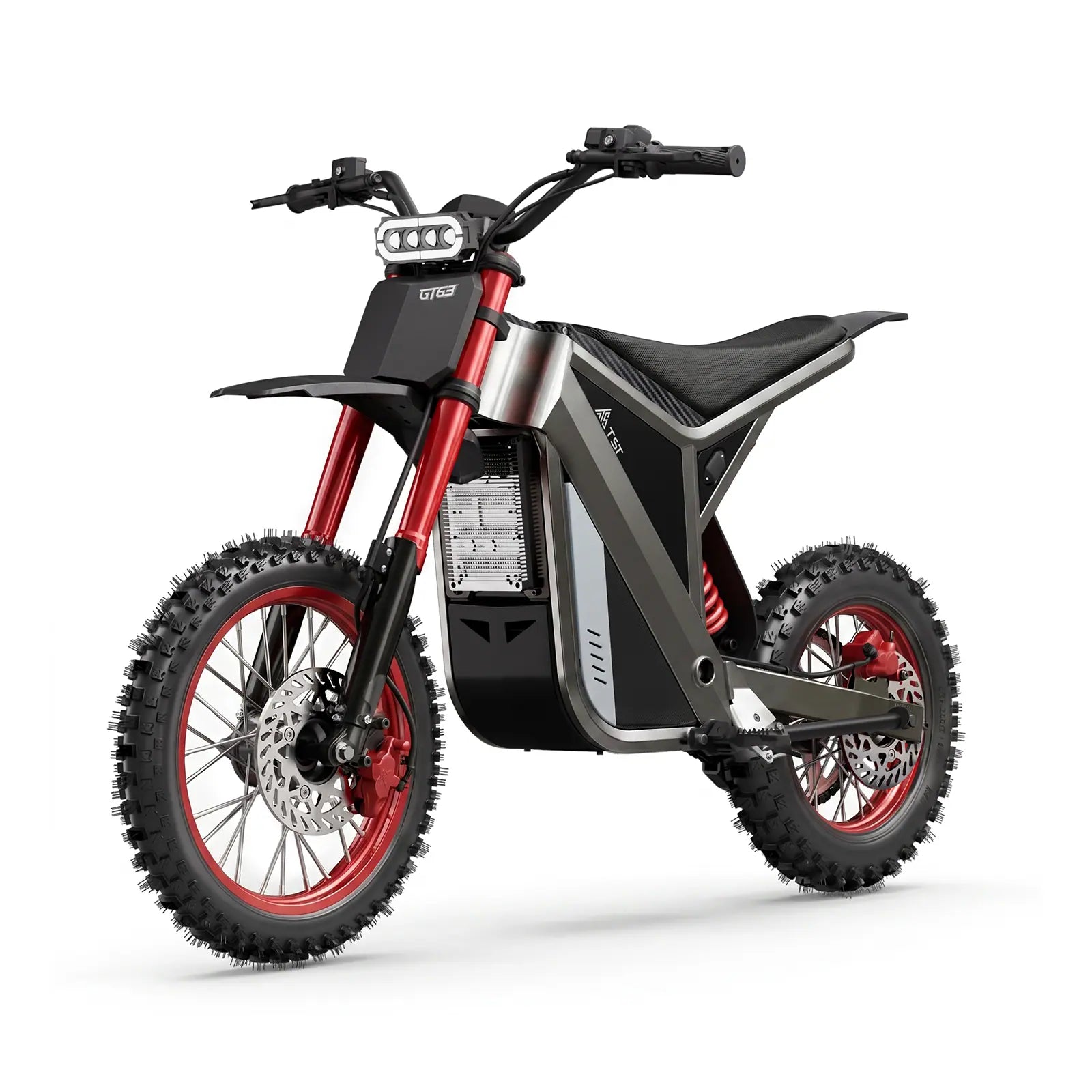
This is where TST Ebike becomes relevant to the discussion. Across its lineup, the brand highlights high-output battery-and-motor pairings for off-road, cargo, and commuter use, including 48V 15Ah battery systems, branded Samsung/LG cells, and selected models equipped with high-power BAFANG motor systems.
That combination matters because steep hills expose the weak points in cheap electric bikes very quickly. The battery, controller, wiring, and motor must work as one matched system, not as isolated spec-sheet numbers.
What Is Calculating Amp Discharge
Calculating amp discharge means estimating how much current a battery pack must deliver to support the motor and controller during real riding loads such as acceleration, cargo hauling, and steep climbing.
In simple terms, if the bike demands more current than the cells, battery management system, or controller can safely sustain, voltage drops, heat rises, and the system may reduce power or shut off to protect itself.
Why Cheap E-Bikes Cut Out on Hills
A steep hill is one of the fastest ways to reveal poor battery quality. On flat ground, even a mediocre pack can appear acceptable because current demand stays moderate. But once the rider adds incline, heavier weight, throttle input, or high assist, the battery must deliver much more current for longer than before.
That is where many low-cost or unbranded packs begin to fail. If the cells have weak discharge capability, their voltage sags under load. When the sag becomes too severe, the battery management system may interpret the situation as unsafe and trigger protection. To the rider, this feels like random power loss, surging, or sudden shutdown halfway up the hill.
Heat is the second hidden problem. High current creates resistance-related heating across cells, connectors, nickel strips, and wiring. If the pack is built with lower-grade cells, poor internal resistance characteristics, or weak pack design, heat accumulates faster. Once heat and voltage sag compound together, shutdown becomes even more likely.
The controller can also be part of the problem. Some bikes advertise a strong motor but pair it with a controller that cannot maintain high current for long climbs. In those cases, the motor is not the true limit. The real bottleneck is the system’s inability to sustain safe continuous amperage without triggering overcurrent or thermal protection.
The Core Formula Behind Uphill Heat
The key electrical relationship is:
Here, is heat power loss, is current, and is resistance.
This formula explains why hill climbing is so demanding. When current rises, heating does not increase in a straight line. It increases with the square of current. If current doubles, resistive heating becomes four times greater. That is why an e-bike that seems stable on mild roads may suddenly overheat or cut out on a long incline.
For battery systems, this means two design priorities matter greatly: keeping resistance low and making sure the cells can tolerate higher discharge without destabilizing voltage. Better cells and better system matching reduce the chance that heat becomes the reason the bike loses power at the exact moment the rider needs it most.
A Simple Overload Current Curve
An overload current curve helps explain how long a battery and controller can tolerate current above their normal continuous level.
A typical real-world pattern looks like this:
This is why a bike may survive a short steep ramp yet still fail on a long hill. The issue is not always peak power. It is whether the system can maintain high current continuously without excessive sag or heat.
How High-Discharge Cells Solve the Problem
Higher sustained current delivery
High-discharge cells are built to provide strong current output more consistently under load. That does not mean infinite power, but it does mean they are better suited for the repeated heavy draw that climbing demands.
Lower voltage sag
When better cells are used, voltage remains more stable under the same current load. That reduces the chance of sudden cut-off caused by undervoltage protection or unstable power delivery.
Better thermal tolerance
Higher-quality cells generally handle stress more predictably. They still heat up under load, but they are less likely to reach failure-prone conditions as quickly as lower-grade cells in the same situation.
Why BAFANG Matters in Continuous High Current Control
Controller quality is just as important as cell quality. Even a strong battery cannot deliver smooth uphill performance if the control system is too weak, too conservative, or poorly tuned.
On TST’s site, the TST® Buddy Pro 20'' Folding Ebike is described as using a high-power motor from the BAFANG brand, delivering 1000W output and speeds up to 28 mph. That matters because BAFANG is widely associated with mature e-bike drive systems and controller integration, which are important for stable power delivery rather than abrupt or inconsistent output.
In practical climbing terms, a better control system helps regulate current more smoothly, reduce harsh spikes, and maintain usable power for longer instead of hitting protection thresholds too suddenly. Riders often focus only on motor wattage, but controller behavior is one of the main reasons two bikes with similar advertised power can feel completely different on the same hill.
TST Battery and Power System Relevance
TST provides several useful clues on its own site that support this topic.
Its 48V/15A TST E-Bike Battery states that it uses Samsung/LG cells. That is important because branded cells are a strong sign of better discharge consistency and more trustworthy pack quality.
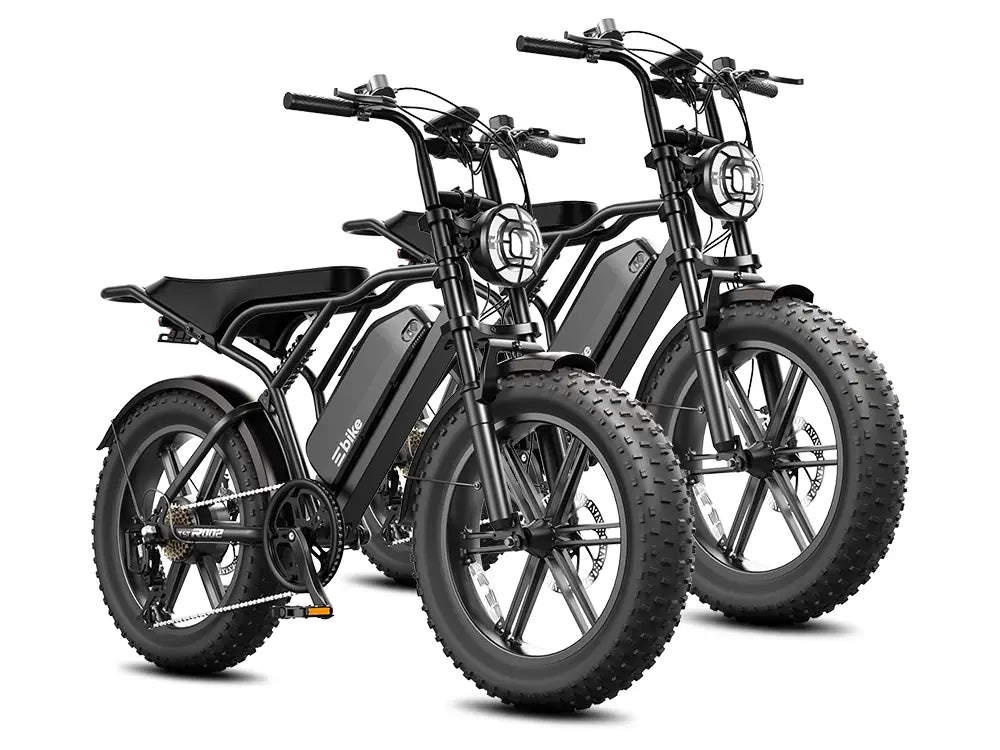
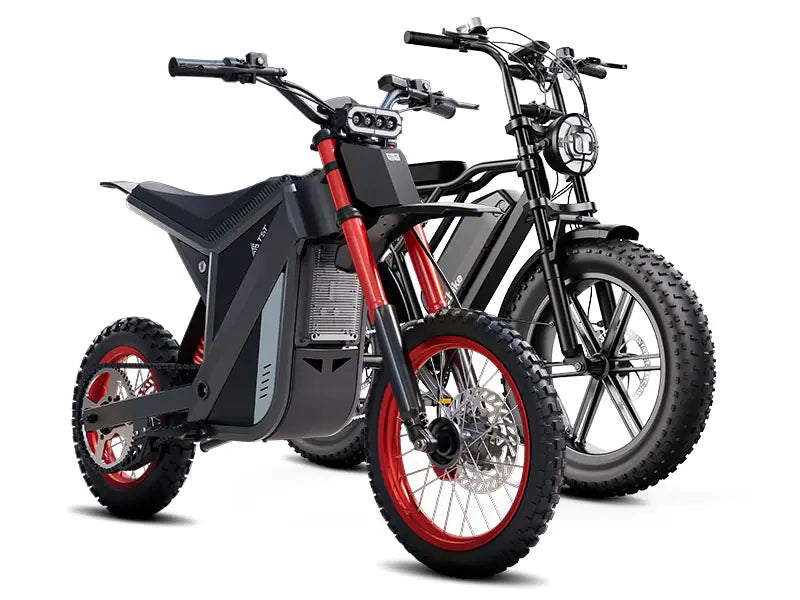
Its off-road content also states that TST off-road e-bikes use 48V 15Ah lithium-ion batteries with 1300W to 1500W motors, and that models such as Defender and R002 are built around those higher-output combinations. That kind of setup is directly relevant to riders trying to avoid hill-related power cut under heavier loads.
Product Comparison
Three Key Technical Takeaways
Cell quality is not a minor detail
The label on the outside of a battery tells only part of the story. The real climbing performance comes from the cells inside and their ability to maintain current under stress.
Controller tuning decides how power feels
A bike with a decent battery can still perform poorly if the controller cannot manage current smoothly during long climbs. Good controller behavior often makes the difference between steady assist and abrupt protection cut.
System matching beats raw wattage
Motor, controller, battery voltage, discharge capability, and thermal behavior must all align. A mismatched “high-power” bike can perform worse on hills than a better-engineered lower-spec setup.
Three Short Examples
A rider on a bargain e-bike reaches the middle of a steep hill, applies more throttle, and suddenly loses power because the battery sags and trips protection.
A rider on a TST off-road setup with a 48V 15Ah pack and stronger discharge support experiences steadier assist because the system is designed for higher sustained load.
A rider using a BAFANG-equipped TST model benefits from smoother power management, which can reduce harsh current spikes during demanding climbs.
Related TST Recommendations
For readers focused on solving uphill cut-out problems, TST’s product ecosystem offers several relevant directions.
The 48V/15A TST E-Bike Battery is directly relevant because it highlights Samsung/LG cells and compatibility with multiple TST models. Riders researching replacement or upgrade logic can also review TST’s battery guidance content and model-specific motor-and-battery articles.
For higher-load riding, the off-road family is especially relevant because TST describes those models as using 1300W to 1500W motors paired with 48V 15Ah batteries. For urban riders who still want a branded drive-system angle, the TST® Buddy Pro 20'' Folding Ebike is worth noting because it explicitly references a BAFANG high-power motor.
How to Reduce Hill Power Cut Risk
-
Check whether the battery cells are disclosed
If a brand does not say what cells it uses, that is already a warning sign. Transparent cell sourcing is often a better signal than flashy speed claims. -
Match battery, motor, and controller as one system
A strong motor alone does not guarantee stable climbing. The battery must sustain current, and the controller must manage it safely over time. -
Watch for voltage sag symptoms
If power drops suddenly under load, especially on hills or with cargo, the pack may be sagging too much when current demand spikes. -
Pay attention to repeated thermal stress
One shutdown may look random, but repeated uphill cut-outs often point to a system being pushed beyond its safe continuous current range. -
Choose higher-quality cells for high-load use
Riders who climb often, carry more weight, or use throttle aggressively should prioritize better cell quality over low upfront cost. -
Prefer bikes built for real terrain, not just flat-road marketing
If hills are part of normal use, choose systems clearly positioned for off-road, cargo, or high-load riding rather than the cheapest commuter option available.
Scenario 1: Daily Hill Commute
Traditional approach
A rider buys a low-cost e-bike that performs well enough on flat roads during the first few weeks.
After real hill use
On a repeated uphill commute, the bike starts cutting power when assist is highest. The battery is technically charged, but it cannot hold voltage well under steep continuous load, so the rider loses confidence in the bike.
With a stronger TST-style setup
A higher-quality battery pack with branded cells and better controller matching improves stability on the same route and makes the climb feel controlled instead of unpredictable.
Scenario 2: Cargo and Utility Use
Traditional approach
A rider loads groceries or gear onto a bargain e-bike and expects the motor to compensate for the extra weight.
After load meets incline
The combination of cargo and slope sharply increases current demand. The system overheats or trips protection, especially when throttle is used aggressively at low speed.
With a stronger TST-style setup
A higher-output battery-and-motor pairing gives the bike more headroom, which is especially valuable when the job includes weight, stop-start movement, and frequent elevation changes.
Scenario 3: Folding Bike in Mixed Terrain
Traditional approach
A folding e-bike is chosen mainly for portability, while hill performance is treated as a secondary consideration.
After repeated steep segments
The rider finds that the bike handles occasional hills but struggles when those hills become longer or more frequent. Power delivery becomes inconsistent, particularly when speed drops and current draw rises.
With a BAFANG-equipped TST option
A model like the Buddy Pro adds a more serious power-system foundation for riders who need compactness without giving up too much climbing stability.
FAQ About Amp Discharge and Uphill Power Cut
Why does my e-bike shut off only on hills but not on flat roads?
Because hills force the battery and controller to deliver much more current for longer periods. A system that seems fine on flat terrain can become unstable when steep climbing raises current draw, voltage sag, and heat.
What are high-discharge battery cells in an e-bike?
They are cells designed to safely provide stronger current output under load. In practice, they help the battery maintain voltage better during acceleration, climbing, and cargo use.
Does higher wattage automatically mean better hill climbing?
No. Wattage matters, but system matching matters more. If the battery and controller cannot sustain the current behind that wattage, the bike may still cut power on steep climbs.
How does BAFANG help with continuous high current performance?
A more mature motor-and-controller ecosystem can improve how power is regulated under load. That helps reduce abrupt current spikes and can make sustained climbing feel steadier and more controlled.
Why are branded cells like Samsung or LG important?
Because they usually signal better manufacturing consistency, clearer performance expectations, and more reliable discharge behavior than unknown generic cells.
What should riders prioritize if they live in a hilly area?
They should prioritize battery cell quality, stable controller behavior, realistic system matching, and bikes that are clearly built for higher-load riding rather than choosing purely by top-speed claims.
Conclusion
Calculating amp discharge is not just an engineering exercise. It explains one of the most frustrating real-world e-bike problems: power cut on steep hills.
The root cause is often not the motor alone, but the combined limits of battery cell quality, voltage sag, controller behavior, and heat. That is why high-discharge cells and well-matched control systems matter so much.
For this topic, TST Ebike provides a useful brand example because its site points to Samsung/LG cell usage in key batteries, higher-output 48V 15Ah systems in off-road models, and at least one BAFANG-equipped model in the Buddy Pro lineup. Together, those details support the core lesson: uphill reliability comes from system quality, not from marketing wattage alone.
CTA
Explore TST Ebike models and battery options if hill climbing, load carrying, and power consistency are important in your next purchase.
TST Ebike is a value-focused electric bike brand offering commuter, folding, cargo, and off-road models with practical high-output system options for real-world riding.
Sources
-
TST Ebike — What Are the Motor and Battery Specs of TST Off-Road eBikes? (2025)
-
TST Ebike — What Is A 48V 15Ah Full Suspension Battery? (2025)
-
TST Ebike — How To Upgrade To A 48V 15Ah Battery Bike? (2025)
-
TST Ebike — Which TST Ebikes Are Best for Off-Road or Urban Commuting? (2025)
-
Bicycle Motor Works — The Ultimate Guide to eBike Battery Cells (2026)
-
BetterBike.org — E-Bike Cuts Out on Hills: How to Troubleshoot It (2026)

Leave a comment
This site is protected by hCaptcha and the hCaptcha Privacy Policy and Terms of Service apply.