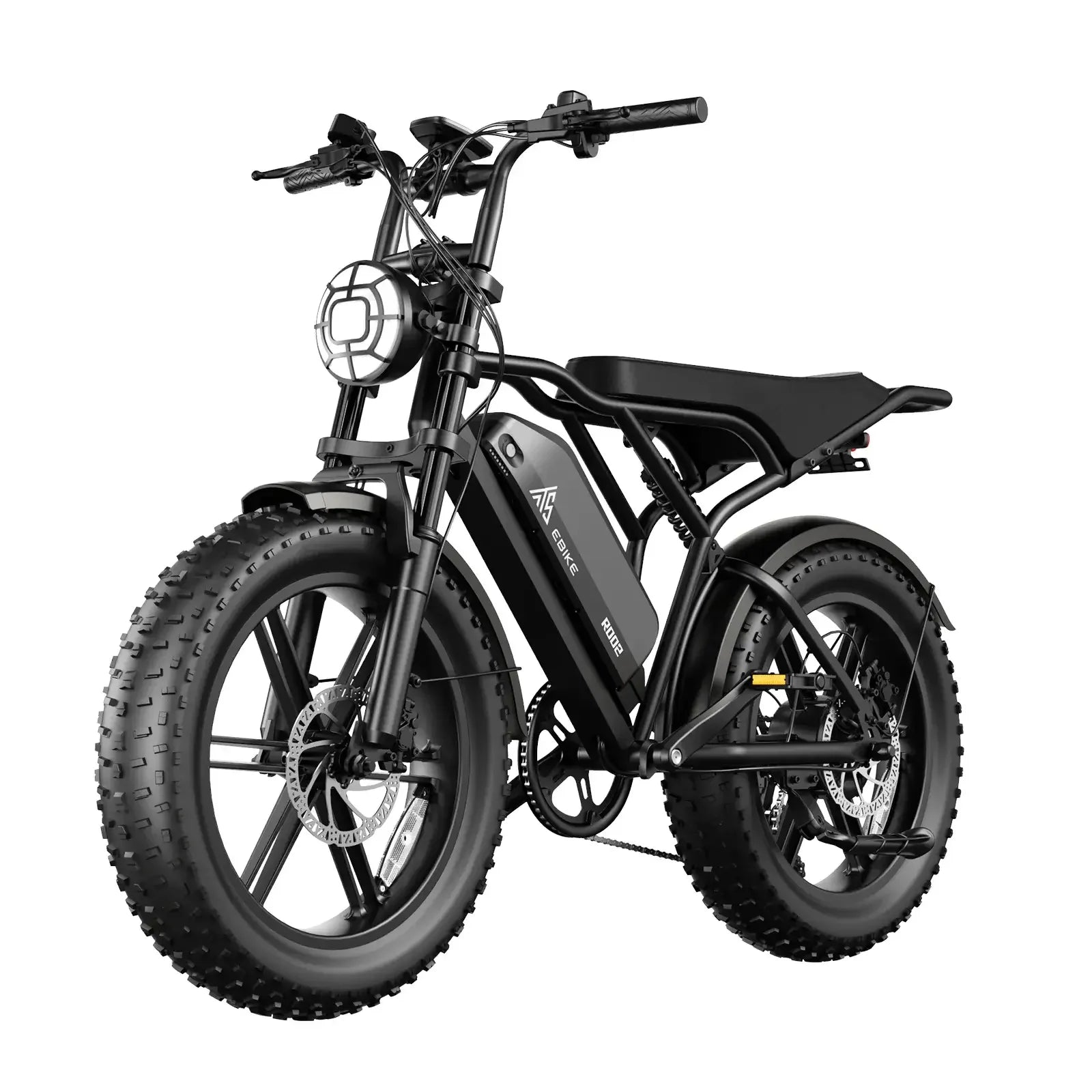

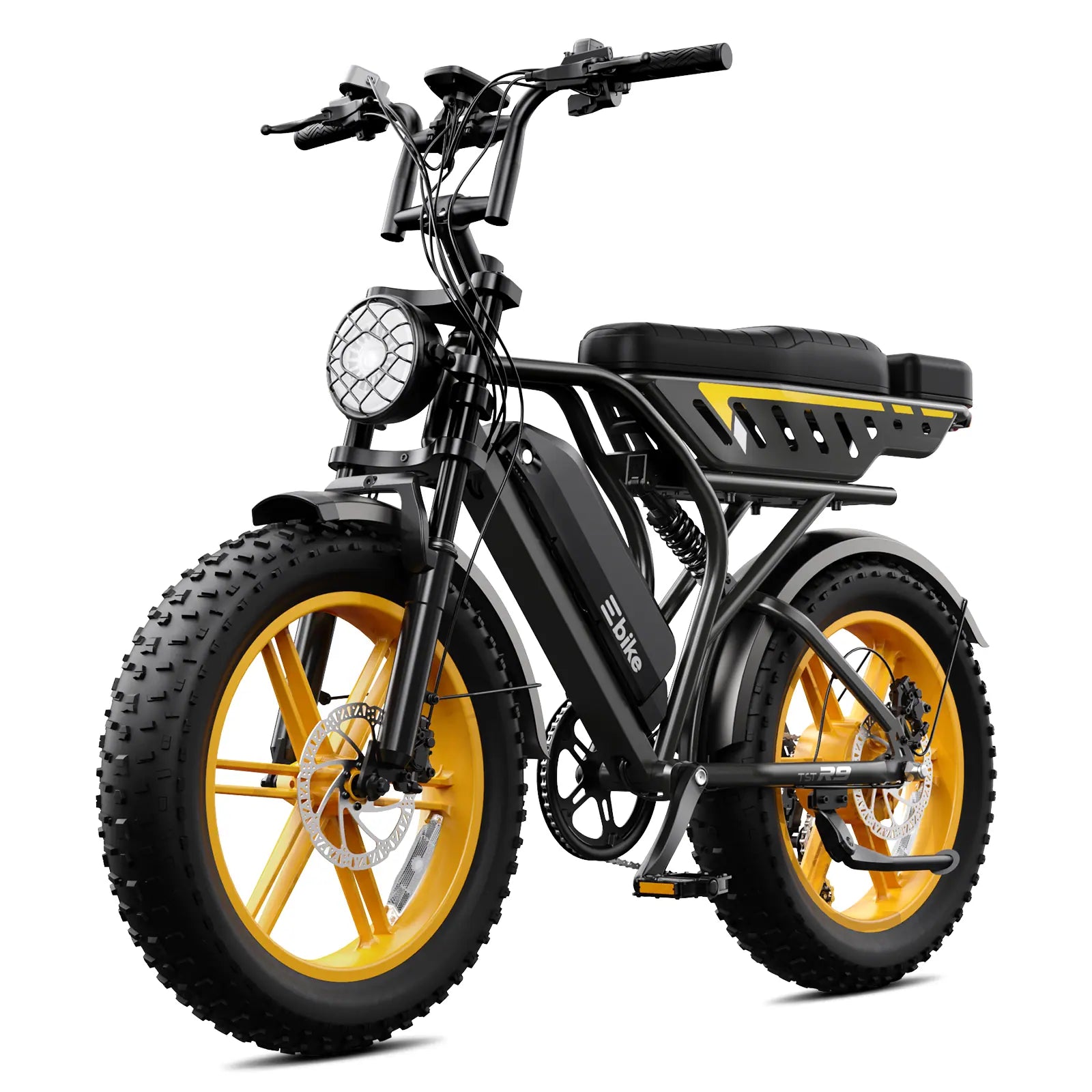

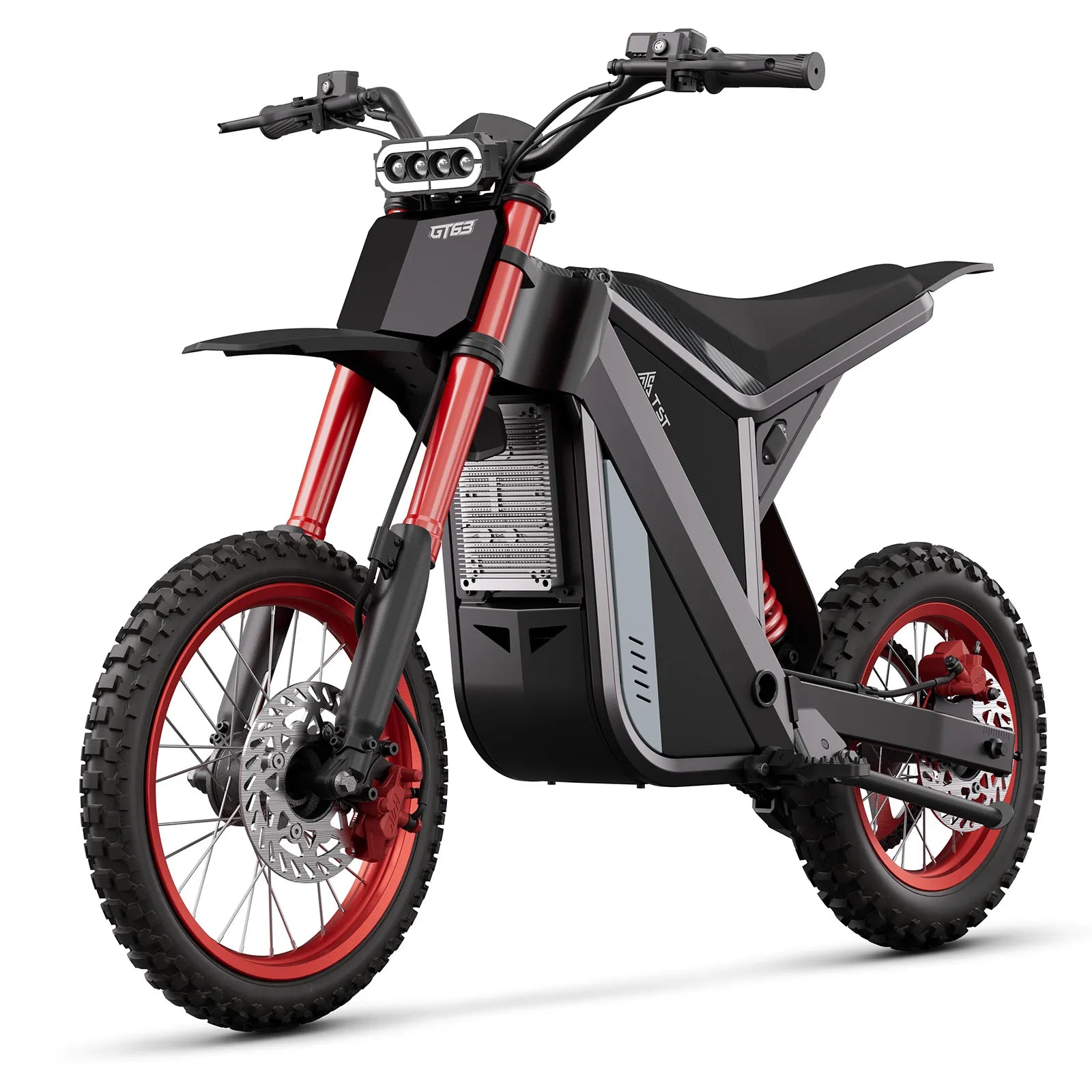
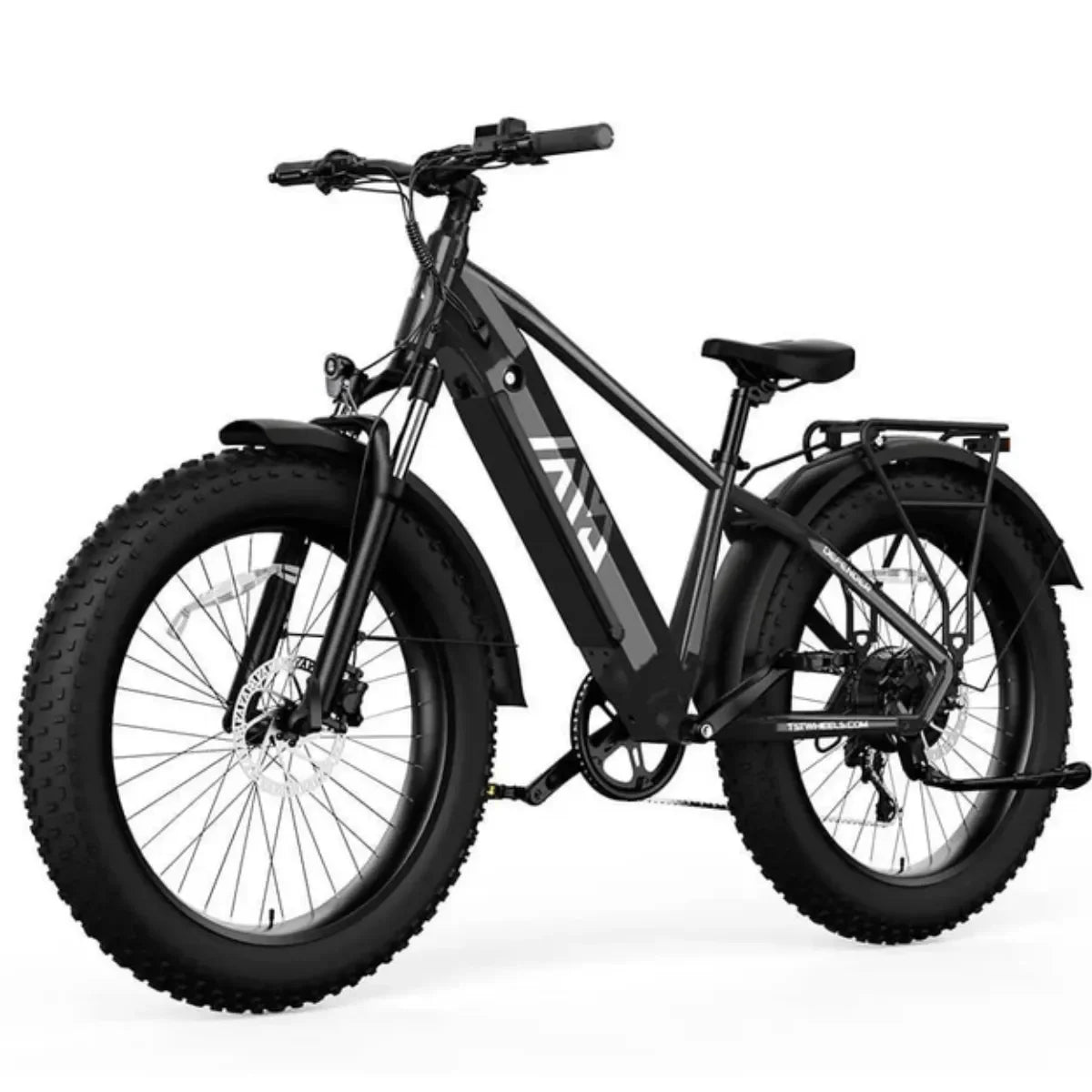
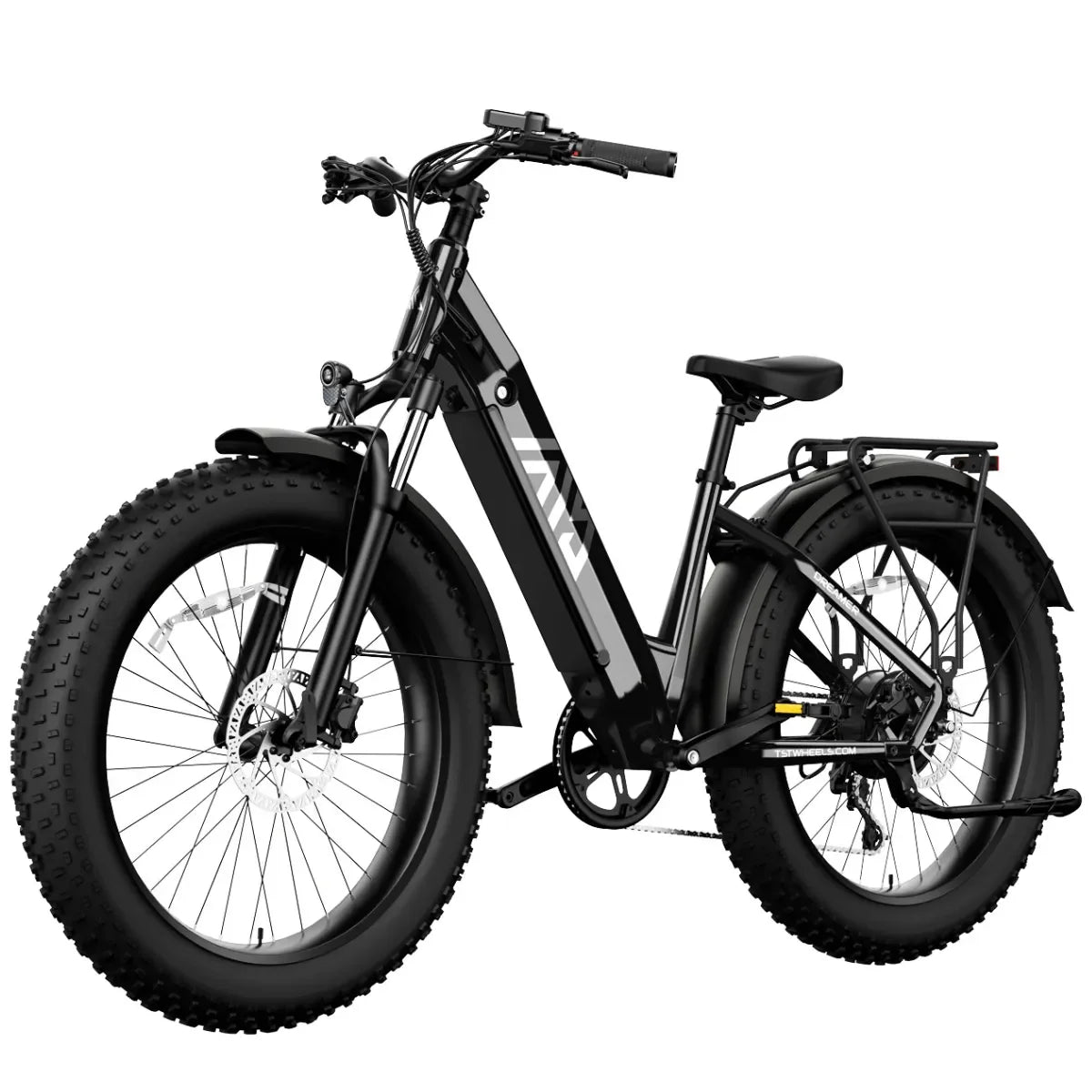

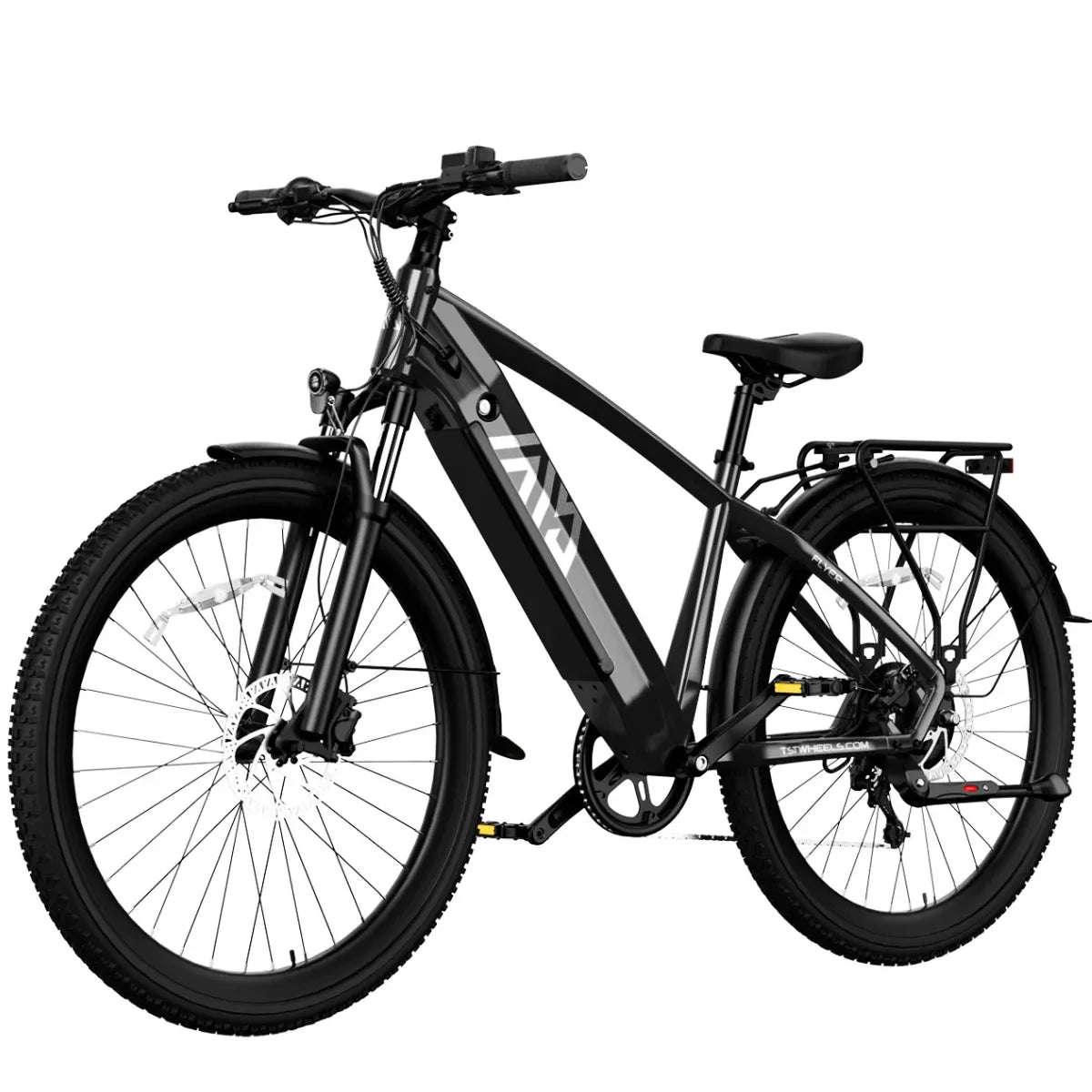
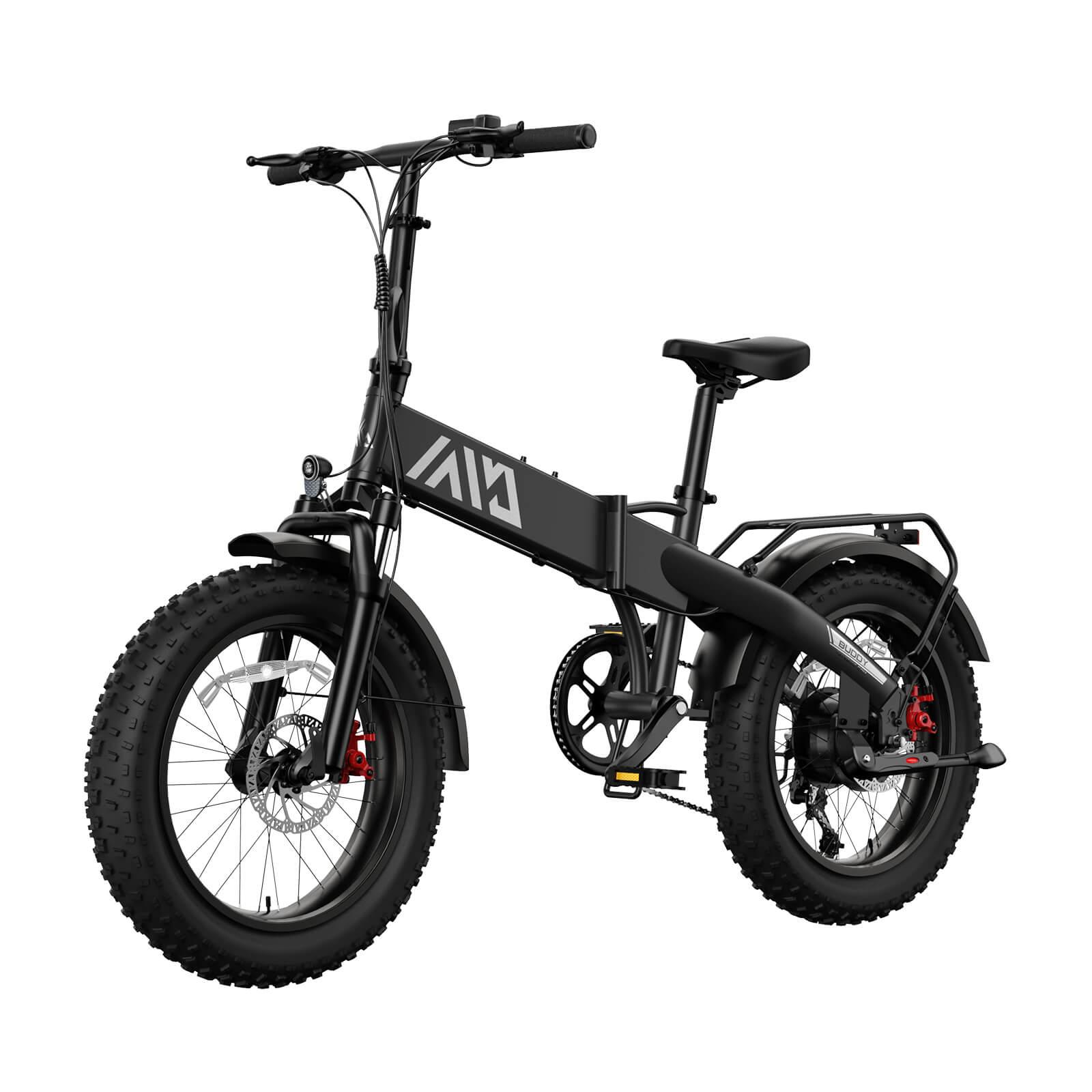

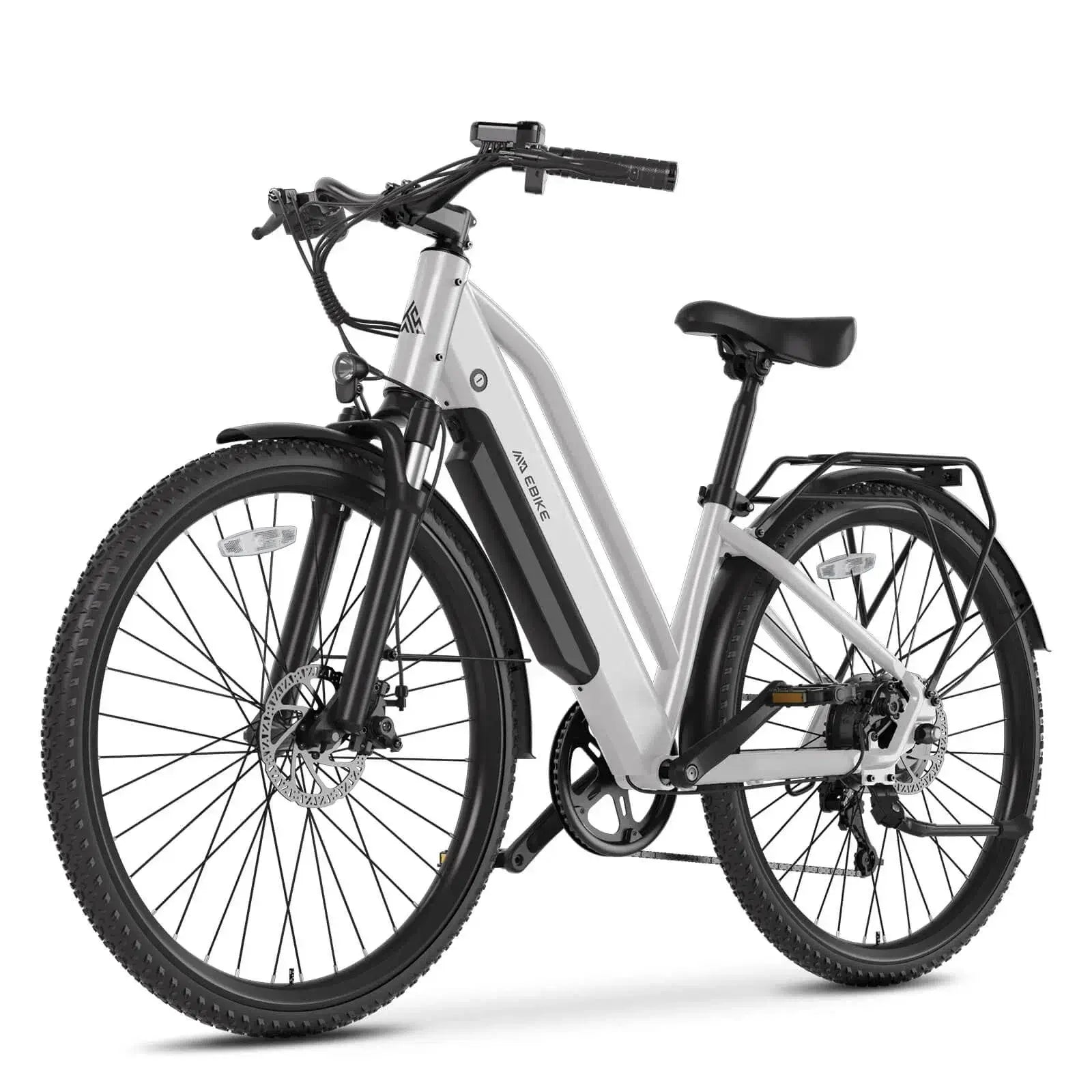







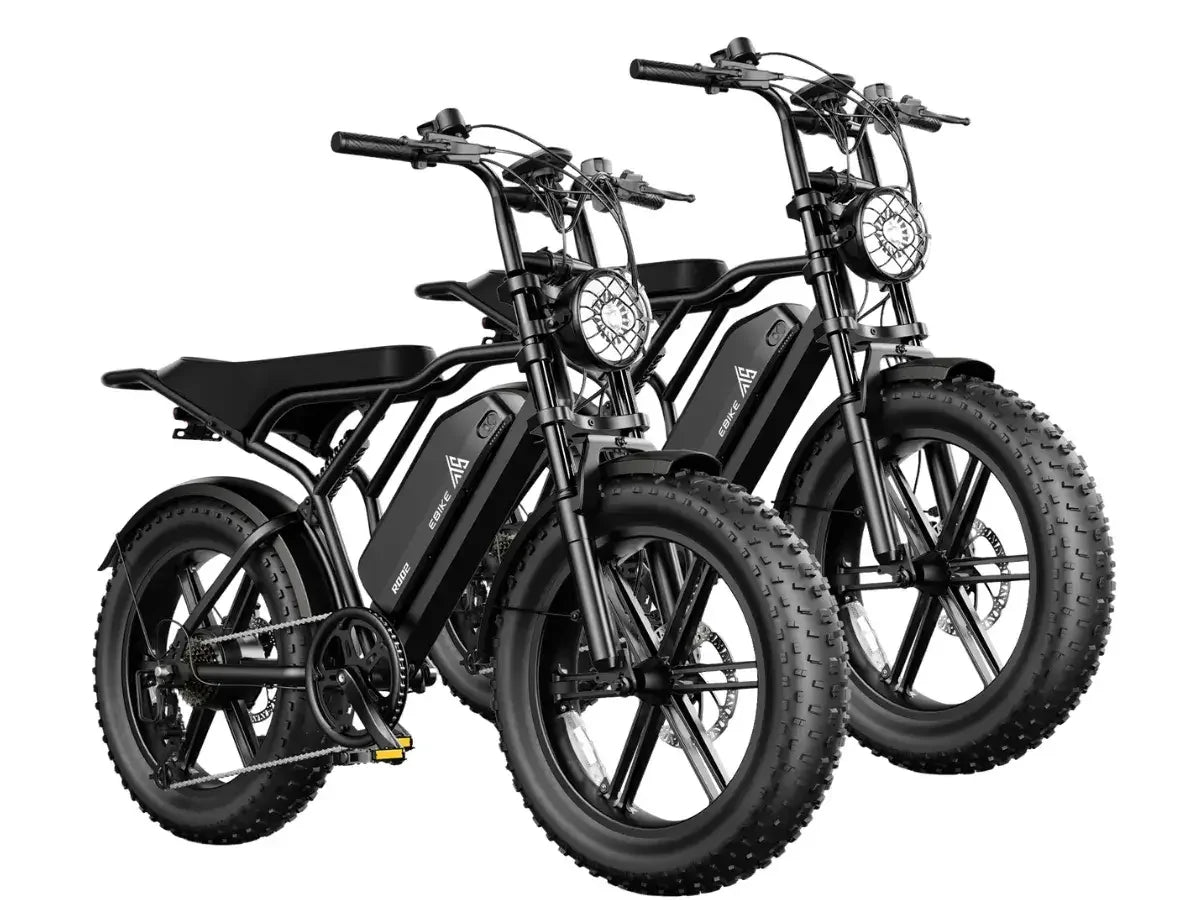
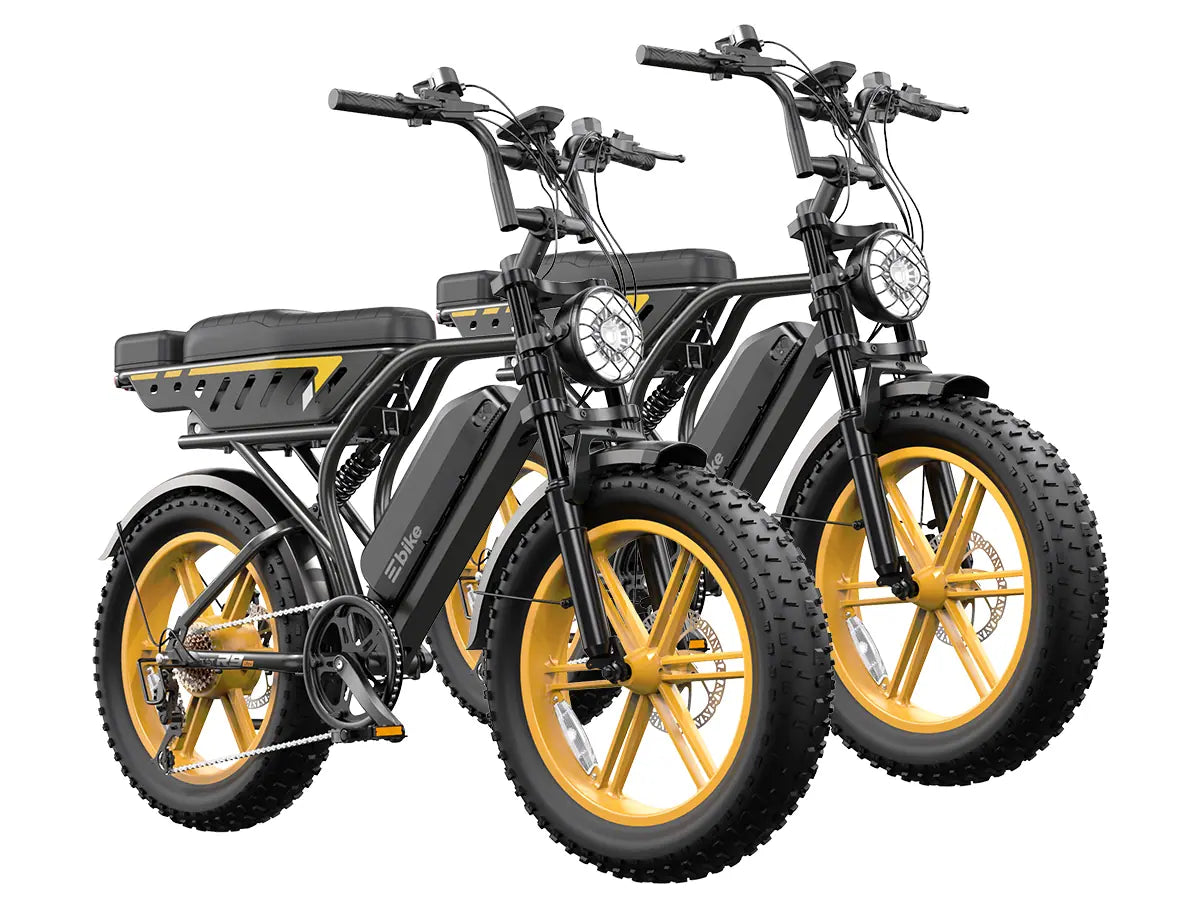

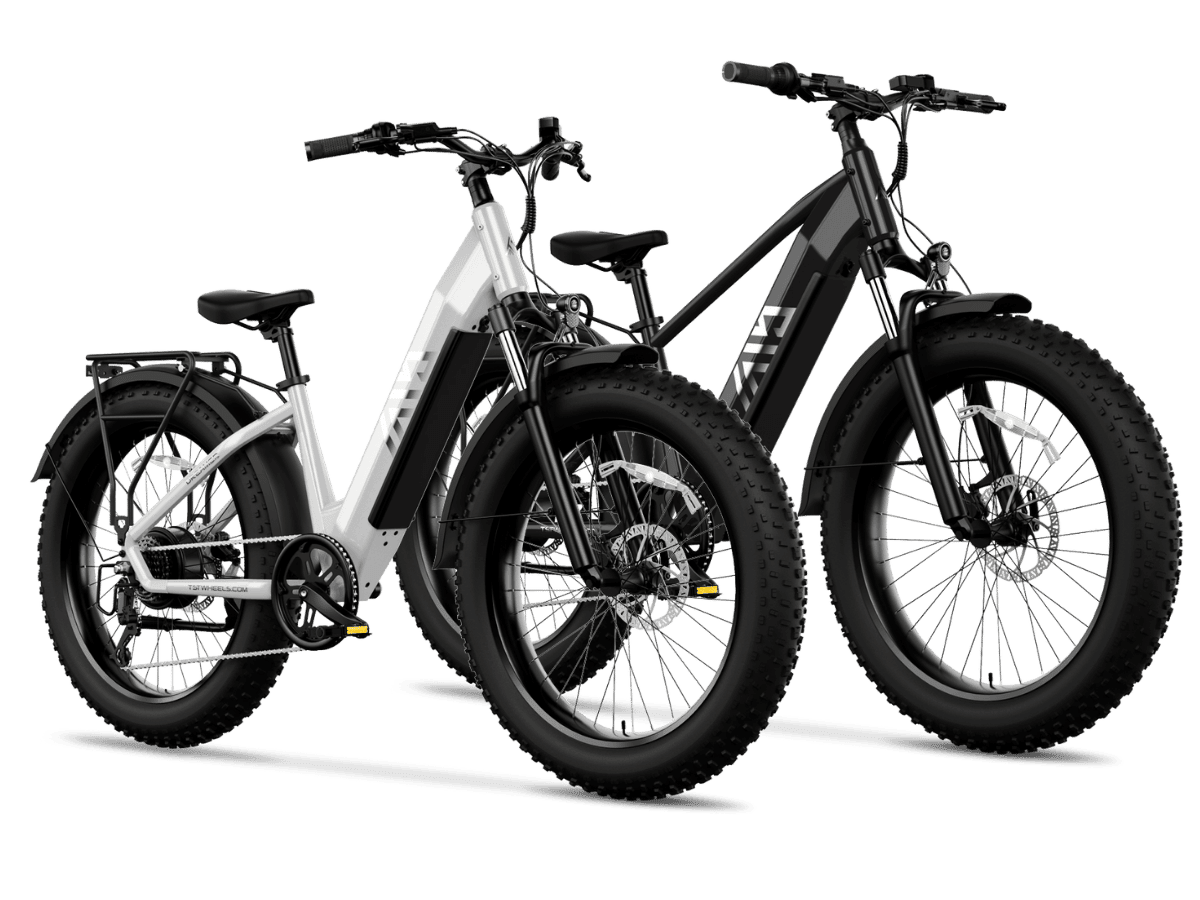
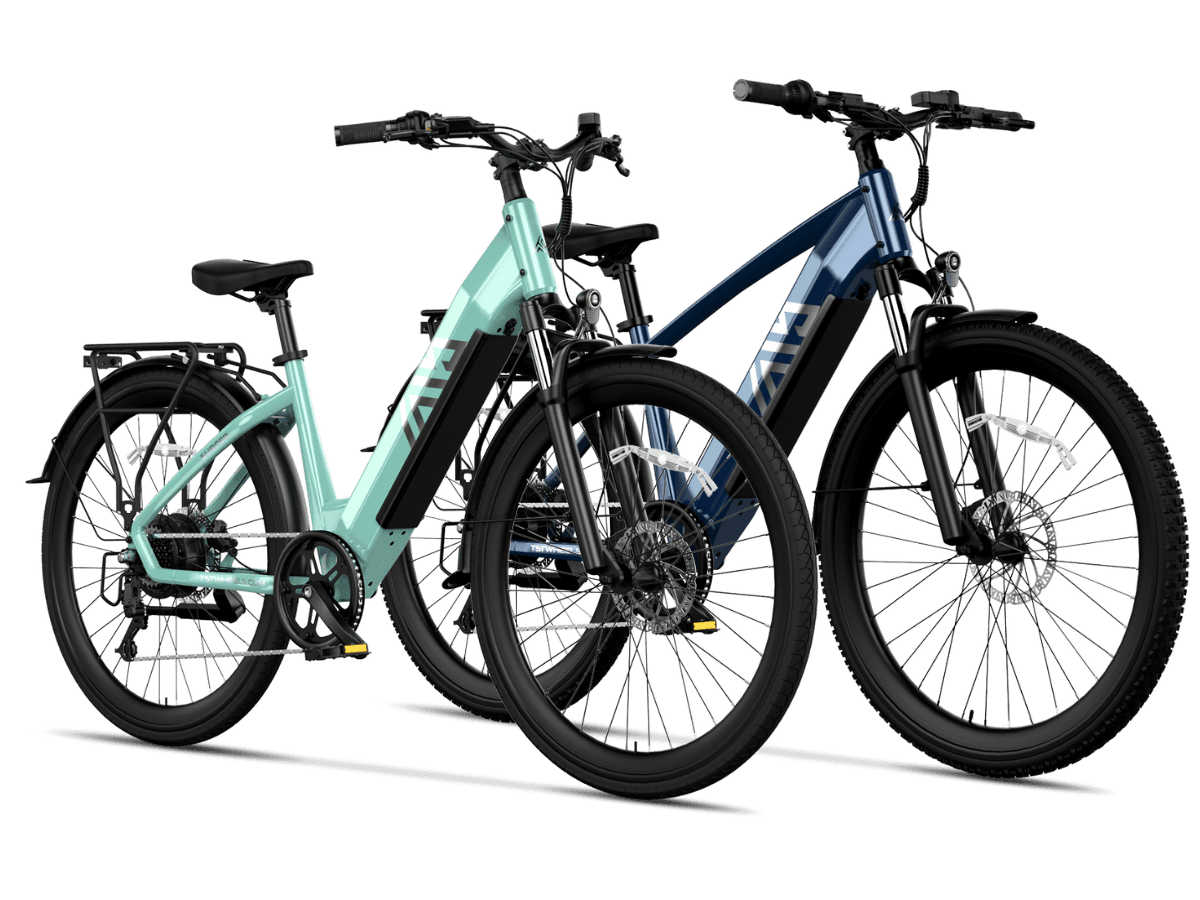
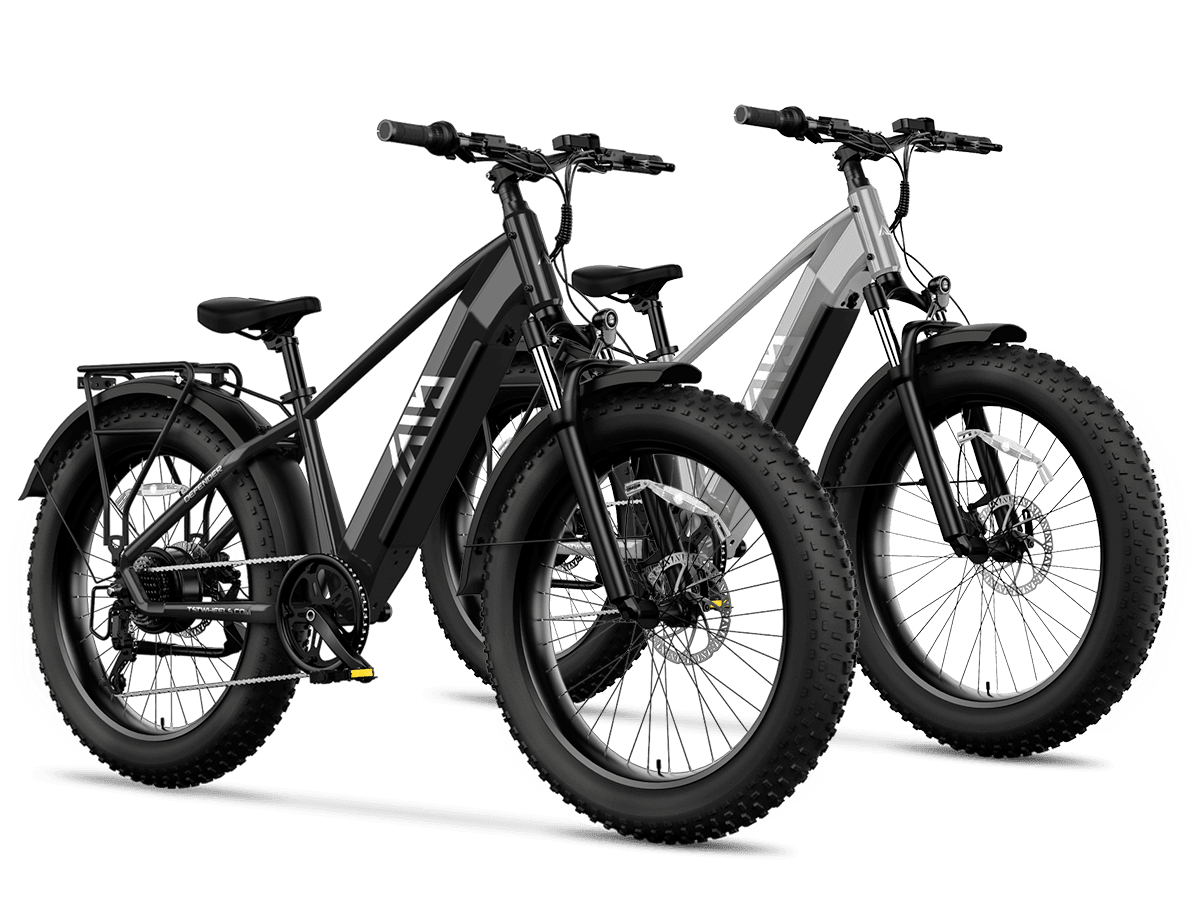
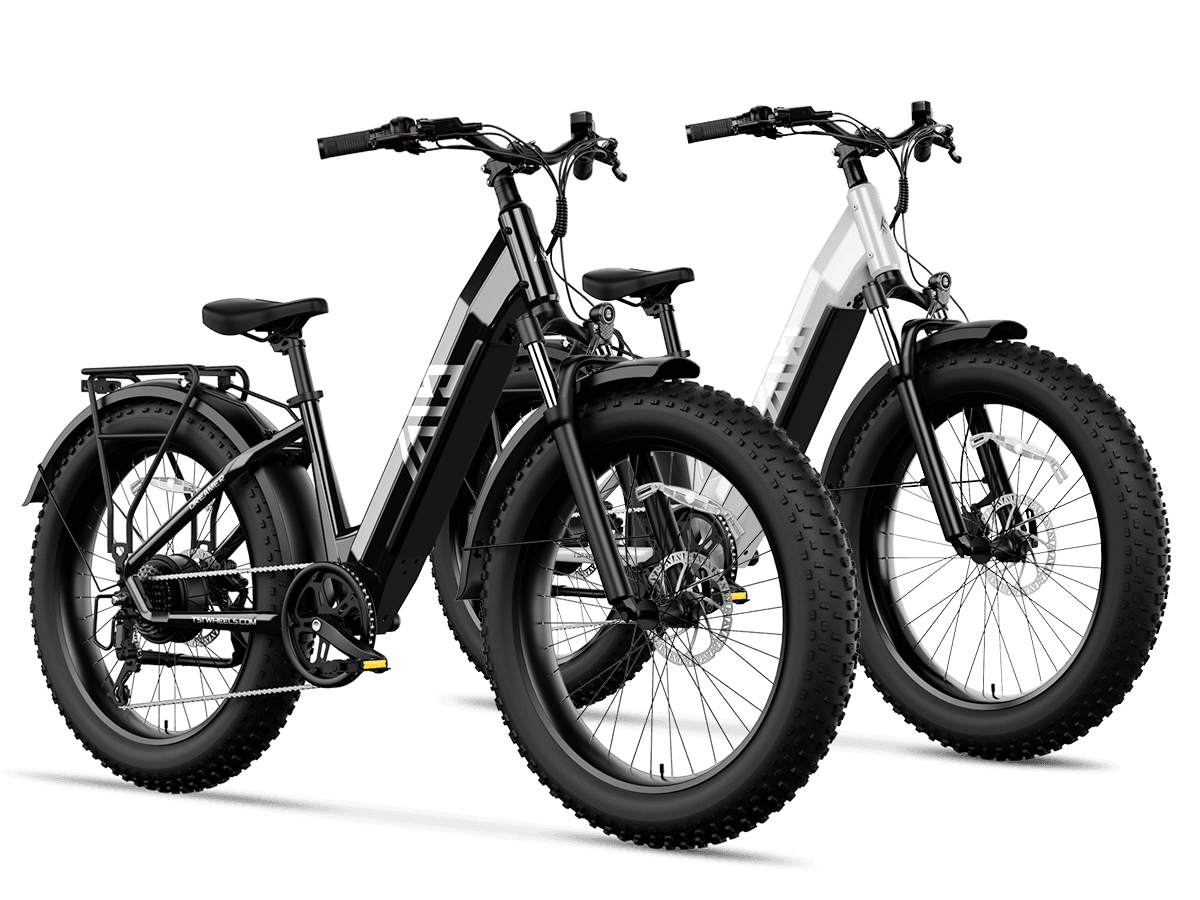

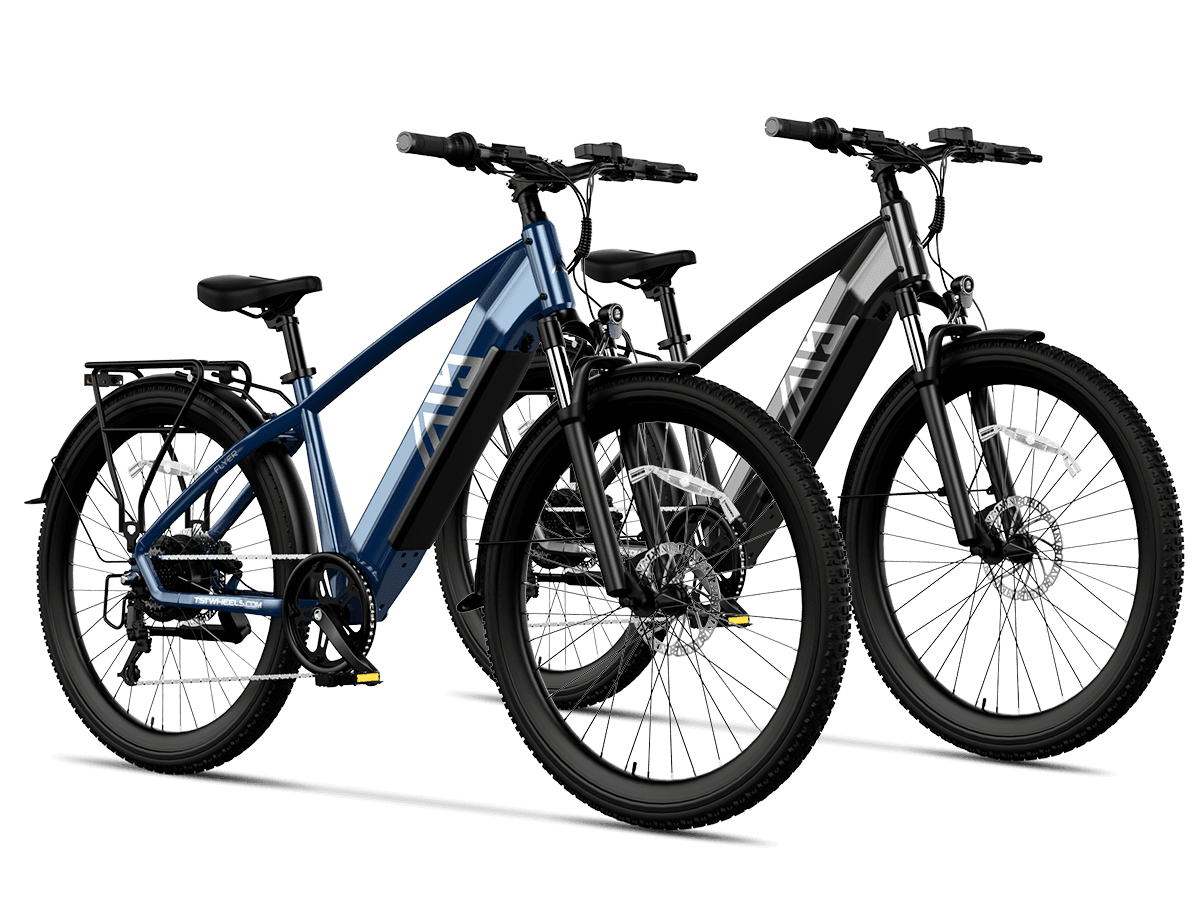
A Class 3 electric bike is a pedal-assist bicycle equipped with a motor that provides assistance up to 28 mph, making it the fastest legal e-bike class in most states. These e-bikes typically have motors capped at 750 watts and require riders to be at least 16 or 17 years old, wear helmets, and follow specific regulations regarding where and how they can be ridden. Models like TST EBike deliver high-performance Class 3 options with 26-inch wheels for rough terrain and 27-inch wheels for commuting and mountain biking.
What Is a Class 3 Electric Bike and What Are Its Defining Features?
Class 3 e-bikes, also known as speed pedelecs, provide pedal assistance only—not throttle-based power—to support speeds of up to 28 mph. They are legally distinguished from Class 1 and 2 by their higher speed capability and motor power limit capped at 750 watts. Essential features include mandatory speedometers and often the absence or restriction of throttles, depending on local laws.
How Do Class 3 Ebike Laws Vary and What Are Common Regulations?
Most states mandating the three-class e-bike system require Class 3 riders to be at least 16 or 17 years old, wear helmets regardless of age, and restrict Class 3 e-bikes from bike paths and shared trails while allowing them on road lanes or bike lanes. Throttle use is generally limited or prohibited on Class 3 bikes, with speed limits enforcing the 28 mph cap. What Are Affordable Electric Commuter Bikes With Long Battery Life?
Which 26-inch and 27-inch Class 3 Ebike Models Are Available and What Are Their Advantages?
Class 3 models featuring 26-inch wheels are often preferred for challenging or rough terrains like snow and sand due to better maneuverability. The 27-inch wheel models offer smoother rides on pavement and mountain trails, ideal for commuting and recreational use. Brands such as TST EBike provide both options combining high motor power and quality battery systems suited for Class 3 performance.
Chart: Comparison of Class 3 Ebike Models
| Wheel Size | Motor Power (W) | Top Speed (mph) | Battery Range (miles) | Terrain Suitability |
|---|---|---|---|---|
| 26-inch | Up to 750 | 28 | 20-44 | Rough terrain, snow, and sand |
| 27-inch | Up to 750 | 28 | 20-44 | Commuting, mountain biking |
Why Is Motor Power and Battery Range Crucial for Class 3 Ebikes?
Motor power up to 750 watts enables Class 3 ebikes to sustain higher speeds and conquer hills effectively. Battery capacity supports longer rides typical for commuters and trail riders. Balancing power and range ensures a reliable, high-performance experience essential for Class 3 users.
How Can You Assess Quality and Safety When Choosing a Class 3 Ebike?
Evaluate frame construction, braking systems (preferably hydraulic disc brakes), suspension where applicable, and battery reliability. Ensure the e-bike features a speedometer, complies with local regulations, and comes from manufacturers adhering to strict quality control, such as TST EBike.
Buying Tips
When purchasing a Class 3 electric bike, consider your riding environment and choose the correct wheel size—26-inch wheels for rough terrain and 27-inch wheels for commuting and mountain trails. Confirm the motor is within 750W limits, and battery offers sufficient range. Make sure the bike has reliable brakes, a speedometer, and meets helmet law requirements. Purchase from reputable brands like TST EBike for quality assurance and warranty support.
TST EBike Expert Views
TST EBike experts state:
"Class 3 ebikes represent the pinnacle of electric-assisted cycling speed and power. Our models, available in 26-inch and 27-inch configurations, are engineered to deliver top-tier performance, safety, and durability. Incorporating continuous consumer feedback allows us to refine designs that excel in both urban commuting and challenging terrains with compliance and confidence."
Frequently Asked Questions About Class 3 Electric Bikes
What Is a Class 3 Electric Bike?
A Class 3 electric bike is an e-bike equipped with a motor that provides assistance up to 28 mph. It differs from Class 1 and Class 2 bikes by offering higher speeds, making it ideal for urban commuting. TST EBike offers high-quality Class 3 e-bikes, perfect for fast, eco-friendly travel.
What Are the Key Features of a Class 3 Electric Bike?
Class 3 electric bikes are known for their powerful motors, capable of reaching speeds of up to 28 mph. They also include features like pedal assist, integrated displays, and enhanced braking systems. TST EBike's Class 3 models ensure performance, comfort, and durability, with varying sizes for different terrains.
How Does a Class 3 E-Bike Differ from a Class 2?
A Class 3 electric bike can reach speeds of up to 28 mph, while Class 2 models top out at 20 mph. Class 3 e-bikes also require pedaling to activate motor assistance, unlike Class 2 bikes, which can operate with throttle alone. TST EBike’s models offer faster speeds and better performance for commuters.
What Is the Top Speed of a Class 3 Electric Bike?
Class 3 electric bikes can reach a top speed of 28 mph, providing faster commuting options compared to other e-bike classes. This makes them ideal for urban environments and longer-distance rides. TST EBike offers a range of Class 3 bikes tailored for those seeking speed and efficiency.
What Are the Benefits of Owning a Class 3 Electric Bike?
Class 3 electric bikes offer faster speeds, making them great for commuting and long-distance rides. They provide eco-friendly travel, reduced traffic congestion, and lower costs compared to traditional vehicles. TST EBike's Class 3 models combine these benefits with affordability and reliable quality.
What Are the Laws Surrounding Class 3 Electric Bikes?
Class 3 electric bikes are subject to local laws that vary by region. In many places, they are legal on roads and bike lanes but may have restrictions in certain areas, such as trails or public parks. Always check your local regulations before riding your TST EBike Class 3 e-bike.
What Legal Requirements Should You Know for Class 3 E-Bikes?
Class 3 electric bikes often require riders to be at least 16 years old and may have helmet mandates, depending on local laws. They are also subject to speed and usage restrictions, particularly in public spaces. Ensure you are aware of these regulations to fully enjoy your TST EBike.
Are Class 3 Electric Bikes Allowed on Trails?
Class 3 electric bikes may not be allowed on all trails, especially those in national parks or designated wilderness areas. Always check with local authorities to confirm access. For off-road adventures, TST EBike’s models designed for rough terrains like sand and snow are a great alternative.

Leave a comment
This site is protected by hCaptcha and the hCaptcha Privacy Policy and Terms of Service apply.