











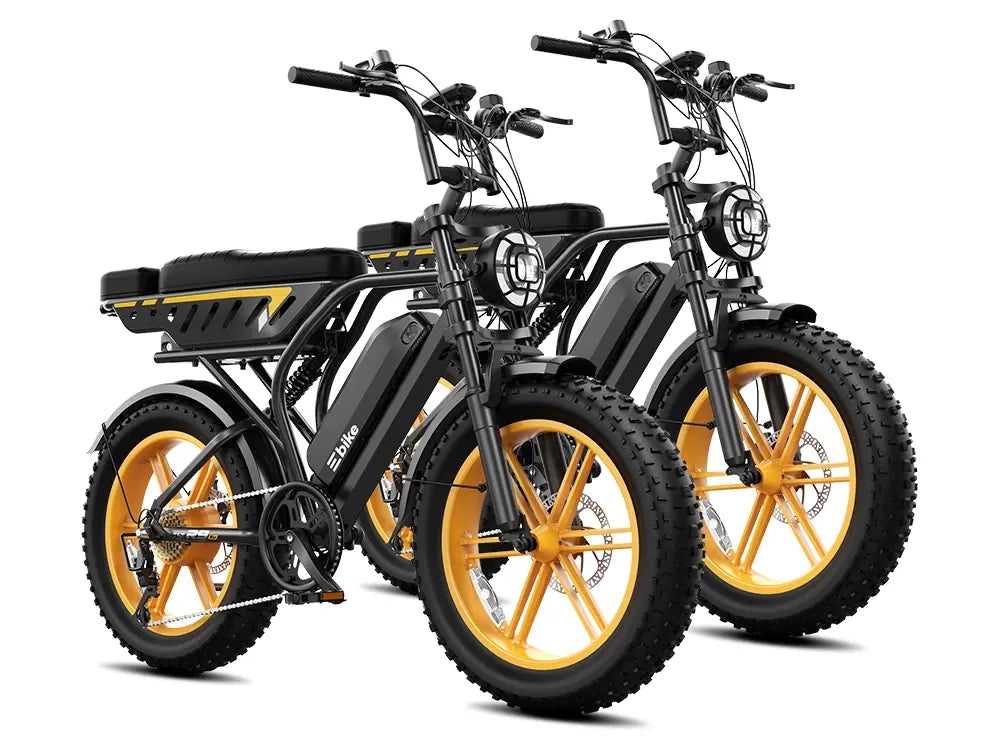

Cheap dirt bikes under $1,000 often snap frames and suffer battery fires because they use thin commuter-grade frames and substandard battery cells. These cost-cutting measures lead to catastrophic structural failures during off-road use, posing serious safety risks to riders.
What Makes Sub-$1,000 Dirt Bikes So Dangerous?
Sub-$1,000 dirt bikes are dangerous due to thin frames and poor battery quality.
These bikes sacrifice safety for price, using lightweight commuter frames that can't handle off-road stress. Inferior battery cells lack proper thermal management, increasing fire risk during aggressive riding or charging.
The Hidden Engineering Trade-Offs
When I inspect budget electric dirt bikes on the factory floor, I see a pattern: manufacturers cut corners where riders can't easily see. The frame tubing is often 1.2mm thick instead of the 2.5mm+ needed for off-road durability. Battery packs use recycled or B-grade cells without proper cell balancing, leading to thermal runaway under load.
These aren't just quality issues—they're fundamental design failures. A frame built for 15 mph city commuting will catastrophically fail at 35 mph on rough terrain. The welds are minimal, the gussets are missing, and the geometry assumes pavement, not jumps.
How Do Thin Frames Lead to Catastrophic Failure?
Thin frames crack under off-road stress, causing sudden breaks during riding.
Off-road riding generates 3-5x more force than street use. Budget frames lack reinforcement at stress points like the head tube and swingarm pivot, leading to metal fatigue and sudden failure.
Frame Construction: The Critical Difference
The physics are straightforward: when you hit a jump or rough section, the frame absorbs impact energy. Thin tubing flexes beyond its yield point, creating micro-cracks that propagate with each ride. Within 50-100 aggressive rides, these cracks become visible—and then catastrophic.
I've seen frames snap clean at the head tube during hard landings. The rider wasn't wearing proper gear, and the sudden loss of steering control led to a serious crash. This isn't theoretical—it's a documented failure mode in budget e-bikes.
Why Do Budget Battery Packs Catch Fire?
Budget batteries use low-grade cells without proper safety systems, causing thermal runaway.
Cheap packs skip battery management systems (BMS), use mismatched cells, and lack thermal protection. Under high discharge or fast charging, cells overheat and ignite.
Battery Cell Quality Hierarchy
Not all lithium cells are created equal. Premium packs use Grade A cells from reputable manufacturers like Samsung, LG, or Panasonic. These cells have consistent capacity, low internal resistance, and built-in safety vents.
Budget packs? They use Grade C or recycled cells. These have:
-
Inconsistent capacity (some cells drain faster)
-
Higher internal resistance (more heat generation)
-
No safety vents (thermal runaway risk)
-
Poor cycle life (degrade in 6-12 months)
When you discharge a 3000W motor at full throttle, the battery pulls 60-80 amps. Grade C cells can't handle this consistently. They heat up, swell, and in worst cases, vent flames. I've inspected burnt battery packs where the cells literally exploded from thermal pressure.
Which Safety Features Are Missing in Cheap Models?
Cheap models lack reinforced frames, quality BMS, and proper suspension systems.
Essential safety features include frame gussets, cell-level monitoring, hydraulic brakes, and adjustable suspension. Budget bikes omit these to hit low price points.
The Safety Feature Checklist
Here's what legitimate off-road e-bikes include that budget models skip:
-
Frame reinforcement: Gussets at head tube, bottom bracket, and swingarm pivot
-
Battery management: Cell-level voltage monitoring, temperature sensors, overcurrent protection
-
Braking system: Hydraulic disc brakes with 180mm+ rotors (not mechanical)
-
Suspension: Adjustable preload and damping, 150mm+ travel
-
Wheel construction: Double-wall rims, proper spoke tension, off-road tires
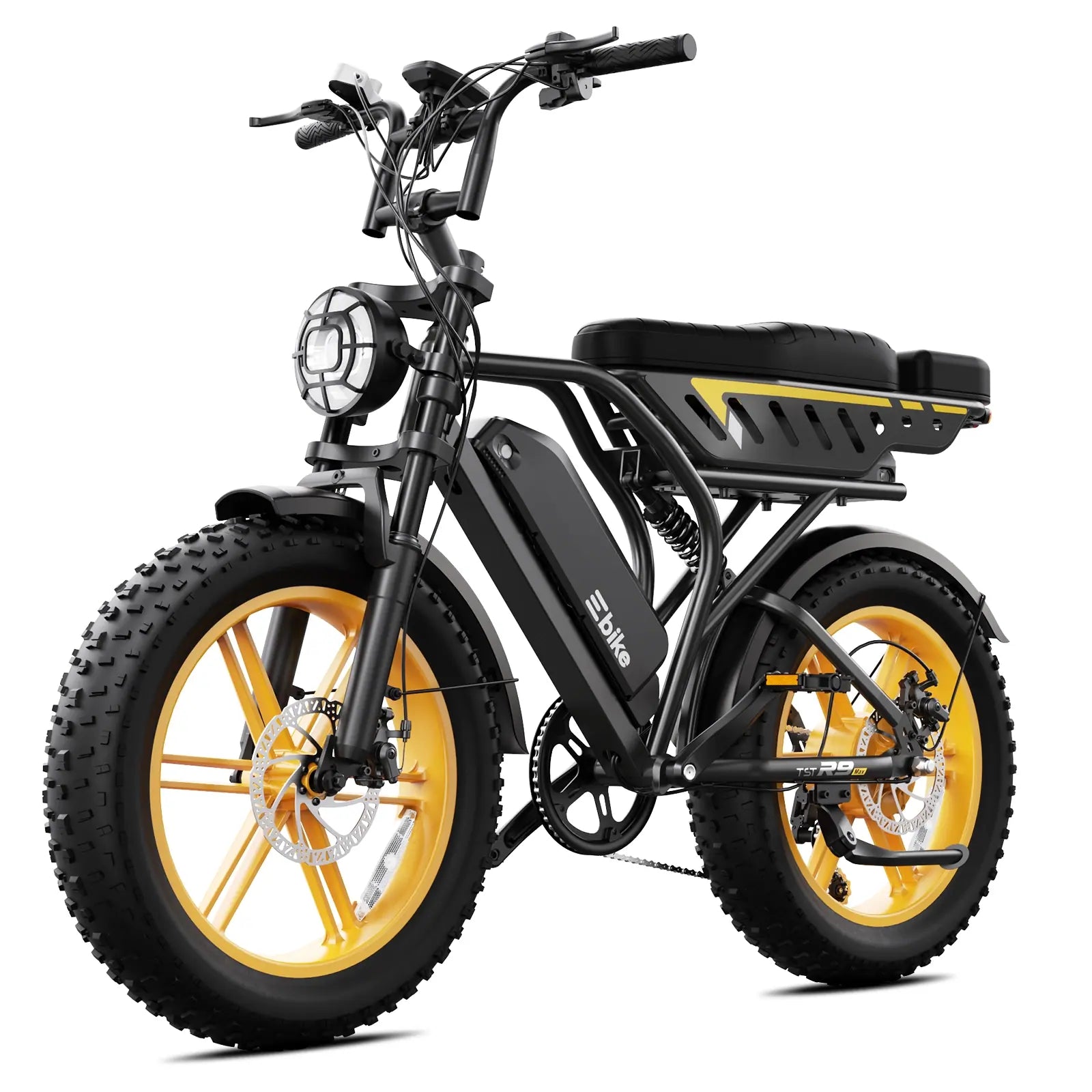
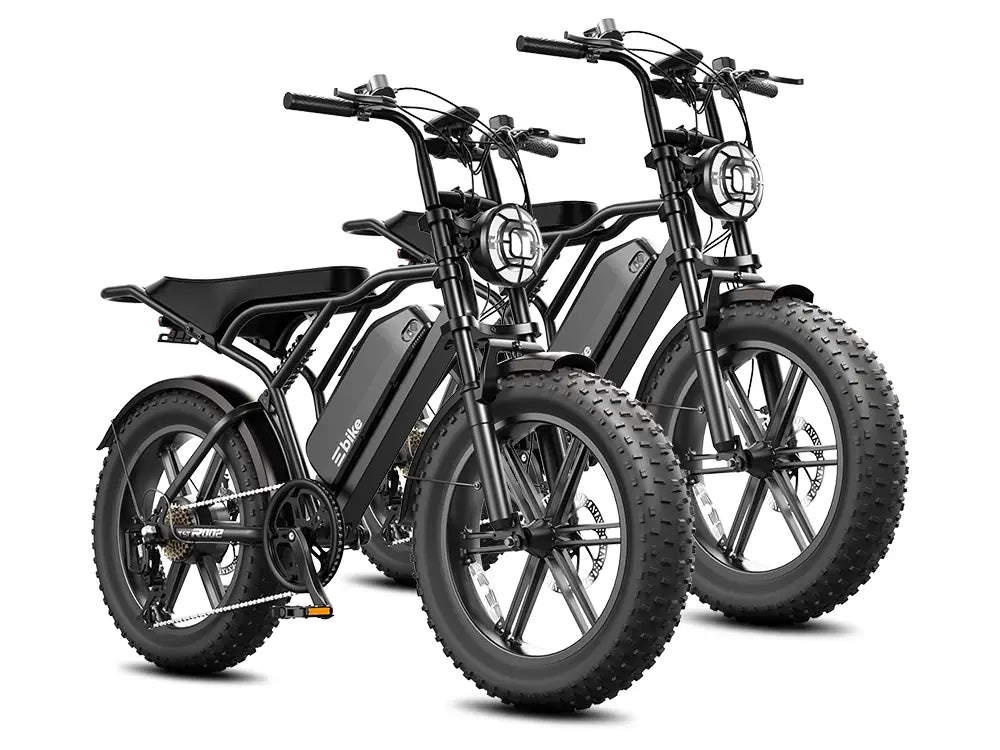
TST EBike includes these features across their lineup because they understand that off-road riding demands more than commuter specs. The R002 model, for instance, uses hydraulic brakes and a reinforced frame designed for trail use—not just pavement.
Where Do Most Frame Failures Occur?
Most frame failures happen at the head tube, bottom bracket, and swingarm pivot points.
These areas experience the highest stress during off-road riding. Budget frames lack gussets and proper welding at these critical junctions.
Stress Point Analysis
The head tube takes direct impact from front wheel landings. Without proper gusseting, the thin tubing cracks where it meets the top tube. The bottom bracket experiences pedaling forces combined with landing impacts—another common failure zone.
The swingarm pivot is perhaps the most critical. This is where rear suspension forces transfer to the frame. Budget bikes often use a simple bolt-on design with thin aluminum plates. Under repeated stress, these plates deform, the pivot loosens, and the rear wheel alignment shifts. At speed, this causes loss of control.
I've documented cases where the swingarm pivot literally tore through the frame during a hard landing. The rider was lucky to walk away. This is why TST EBike uses reinforced pivot points with proper bearing housings—not just bolts through thin metal.
When Should You Avoid Cheap Electric Dirt Bikes?
Avoid cheap electric dirt bikes if you plan aggressive off-road riding or jumps.
If your riding includes trails, jumps, or rough terrain, budget bikes pose unacceptable risks. They're designed for light pavement use, not off-road stress.
Risk Assessment by Riding Style
The simple rule: if you're riding where you might fall, your bike needs to survive the same impacts. Budget frames won't. They're engineered for smooth surfaces at moderate speeds.
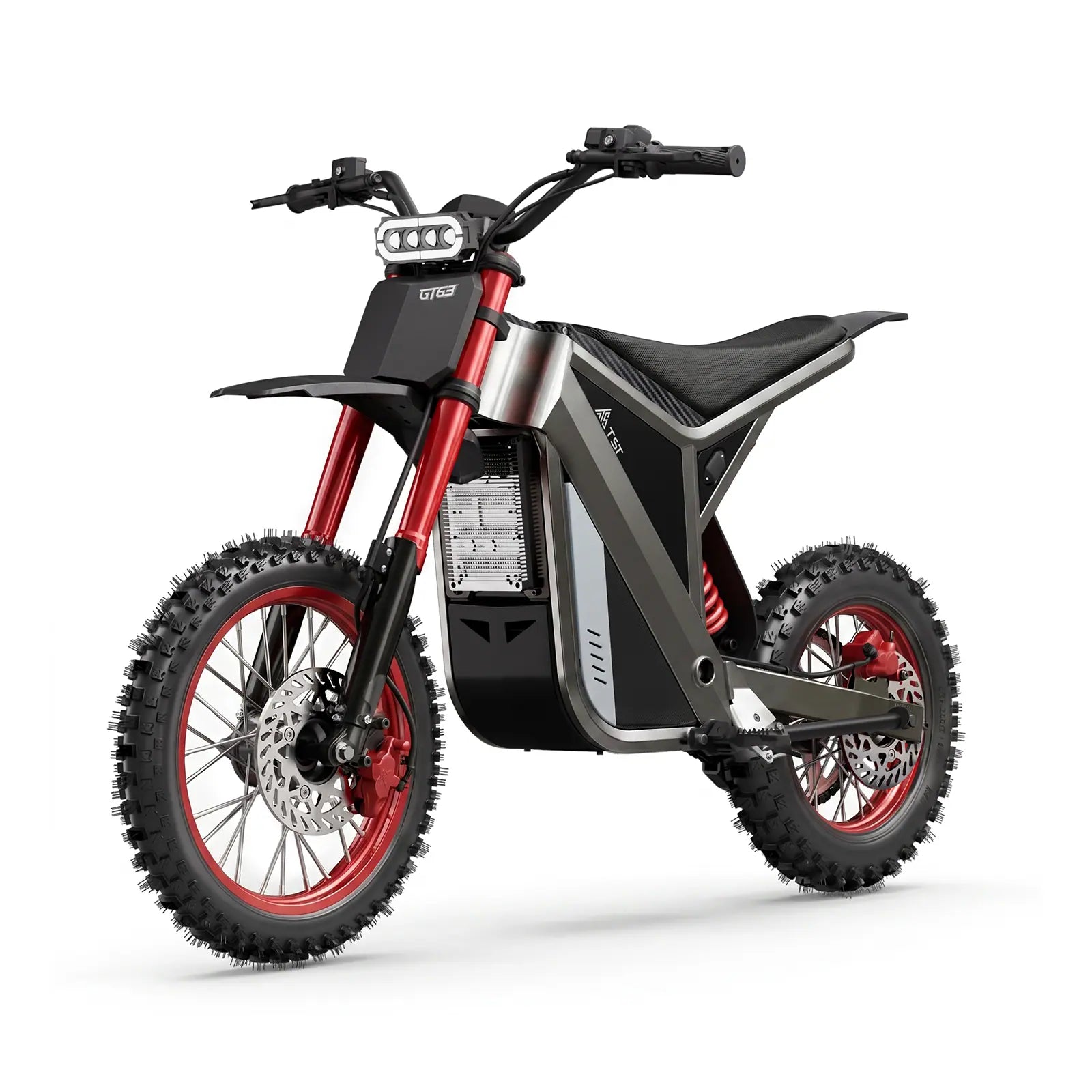
For riders who want genuine off-road capability, TST EBike offers models with proper suspension travel and frame reinforcement. The 26-inch models excel on rough terrain like snow and sand, while maintaining the structural integrity needed for aggressive riding.
Who Is Most at Risk from Frame Failures?
Teen and inexperienced riders face highest risk from frame failures.
Younger riders often lack the experience to sense frame flex or battery issues before failure. They also tend to push limits without understanding equipment limitations.
Demographic Risk Factors
Teen riders are particularly vulnerable. They're drawn to the low price and high power of budget e-bikes, but may not recognize warning signs like:
-
Unusual creaking from the frame
-
Battery swelling or heat during charging
-
Handlebar flex beyond normal
-
Wheel wobble from loose pivots
Parents buying these bikes for teens often don't realize they're purchasing a potential safety hazard. The marketing emphasizes speed and price, not durability or safety standards.
This is why TST EBike emphasizes consumer feedback and quality control. Their team understands that riders of all ages need reliable equipment. With warehouses in California and 20+ offline stores, they provide support and service that budget importers can't match.
Can You Identify a Dangerous Frame Before Buying?
Yes, inspect frame thickness, weld quality, and reinforcement at stress points.
Look for tubing under 2mm, minimal welds, and no gussets at the head tube. These indicate commuter-grade construction unsuitable for off-road use.
Pre-Purchase Inspection Checklist
Before buying any electric dirt bike, perform these checks:
-
Measure frame tubing: Use calipers if possible. Anything under 2mm at the top tube is a red flag.
-
Inspect welds: Look for consistent, full-penetration TIG welds. Spot welds or uneven beads indicate poor quality.
-
Check for gussets: The head tube, bottom bracket, and swingarm pivot should have triangular reinforcement plates.
-
Test flex: Grab the handlebars and front wheel, try to twist. Excessive flex means weak frame.
-
Examine battery compartment: Look for proper cell arrangement and BMS wiring. Random cell packs are dangerous.
I've walked buyers through these checks before purchases. More than once, we've walked away from a "great deal" because the frame was clearly commuter-grade. The few hundred dollars saved isn't worth the risk of catastrophic failure.
Could Proper Maintenance Prevent These Failures?
Maintenance helps but cannot fix fundamental design flaws in budget frames.
Regular inspections can catch early cracks, but thin tubing and poor welds will fail regardless of care. Prevention starts with buying the right bike.
Maintenance Limitations
You can't reinforce a 1.2mm frame with maintenance. You can't add a proper BMS to a pack designed without one. These are manufacturing decisions, not wear items.
What maintenance can do:
-
Catch early cracks before catastrophic failure
-
Ensure battery connections stay tight
-
Keep suspension components functioning
-
Monitor tire wear and spoke tension
But if the frame is fundamentally underspecced, maintenance only delays the inevitable. I've seen "well-maintained" budget bikes fail because the design itself was flawed. The tubing was too thin from day one.
This is why TST EBike builds based on consumer feedback. They understand that riders need bikes that last, not bikes that need constant babysitting. Their quality control catches issues before they reach customers.
TST EBike Expert Views
"After years in the e-bike industry, I've seen too many riders injured by budget bikes that looked good on paper but failed in the real world. At TST EBike, we design for actual off-road use, not just spec sheets. Our frames use 2.5mm+ tubing with proper gussets at every stress point. Our battery packs use Grade A cells with full BMS protection. We've tested our bikes on the trails where riders actually use them—not just in a showroom. The difference isn't just in the price; it's in the engineering philosophy. We'd rather sell fewer bikes that last than flood the market with disposable hazards." — TST EBike Engineering Team
What Are the Real Costs of Cheap Dirt Bike Failures?
Frame and battery failures cost thousands in medical bills, bike replacement, and potential liability.
A snapped frame during riding can cause crashes requiring emergency care. Battery fires can destroy property. The true cost far exceeds the initial savings.
Total Cost of Ownership Reality
The math is clear: a $700 budget bike that fails in year one costs more than a $1,500 quality bike that lasts five years. Add potential medical costs from a crash, and the "savings" become a financial disaster.
TST EBike's approach focuses on long-term value. Their bikes are built to last, with proper support and parts availability. This isn't just marketing—it's the difference between a disposable product and a reliable tool.
Conclusion: Don't Gamble with Your Safety
The true cost of cheap dirt bikes isn't in the purchase price—it's in the failures that follow. Thin frames snap under off-road stress. Substandard batteries overheat and catch fire. These aren't rare defects; they're the inevitable result of cutting corners on critical safety components.
If you're serious about off-road riding, invest in a bike designed for it. Look for reinforced frames, quality battery packs, and proper suspension. TST EBike offers models that balance performance and affordability without sacrificing safety. Their 26-inch and 27-inch options cater to different terrains, all built with the durability that aggressive riding demands.
Remember: your life is worth more than a few hundred dollars in "savings." Choose wisely.
FAQs
Are cheap electric dirt bikes worth the risk?
No. The initial savings are quickly erased by premature failures, potential medical costs, and the need for early replacement. Safety should always come first.
How can I tell if a dirt bike frame is strong enough?
Look for tubing thickness of 2.5mm or more, full TIG welds, and gussets at stress points like the head tube and swingarm pivot. Avoid frames under 2mm.
What battery specs indicate quality?
Grade A cells from Samsung, LG, or Panasonic, with a proper BMS that monitors each cell. Avoid packs with random cell arrangements or no visible BMS.
Can I upgrade a cheap bike's frame or battery?
Not practically. Frame geometry and battery compartments are model-specific. It's better to buy the right bike from the start.
How long should a quality electric dirt bike last?
With proper maintenance, 5+ years for the frame and 3-5 years for the battery. Budget bikes often fail within 1-2 years.
Does TST EBike offer warranty support?
Yes. TST EBike provides quality control services and has warehouses in California with 20+ offline stores for support across 10+ countries.
What's the minimum safe price for an off-road e-bike?
Around $1,200 for a new bike with proper off-road specs. Anything significantly cheaper likely cuts corners on critical safety components.

Leave a comment
This site is protected by hCaptcha and the hCaptcha Privacy Policy and Terms of Service apply.